Japan has one of the most exciting and varied food cultures in the world, and its restaurants reflect that beautifully. Whether you are craving a steaming bowl of noodles, perfectly sliced raw fish, or sizzling grilled meats, there is a Japanese restaurant style built around that exact experience.
Each type of dining spot has its own traditions, atmosphere, and specialty dishes that make it unique. Knowing the differences can help you pick the right place for any occasion and make your meal so much more enjoyable.
1. Sushi-ya
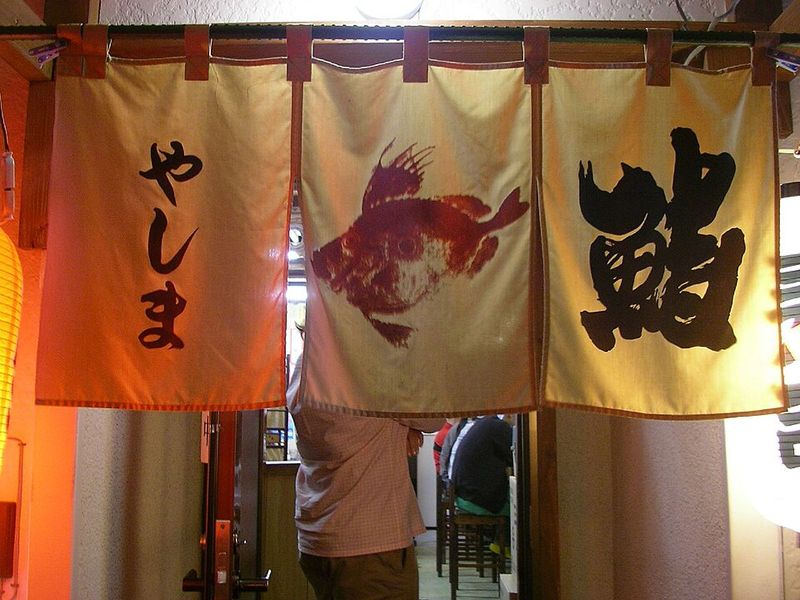
Walk into a sushi-ya and you are stepping into one of Japan’s most celebrated dining traditions. These restaurants are entirely dedicated to sushi and sashimi, and the range of experiences available is surprisingly wide.
From casual conveyor-belt spots where plates circle the room on a moving track, to intimate high-end omakase counters where a chef personally selects each piece, there is a sushi-ya for every kind of diner.
At an omakase restaurant, you trust the chef completely, and that trust is almost always rewarded with something extraordinary. The fish is fresh, the rice is precisely seasoned, and every bite is intentional.
Conveyor-belt versions, known as kaiten-zushi, are fun, affordable, and great for families.
Whether you spend five dollars or five hundred, a good sushi-ya delivers an experience rooted in skill, freshness, and respect for ingredients.
2. Ramen-ya
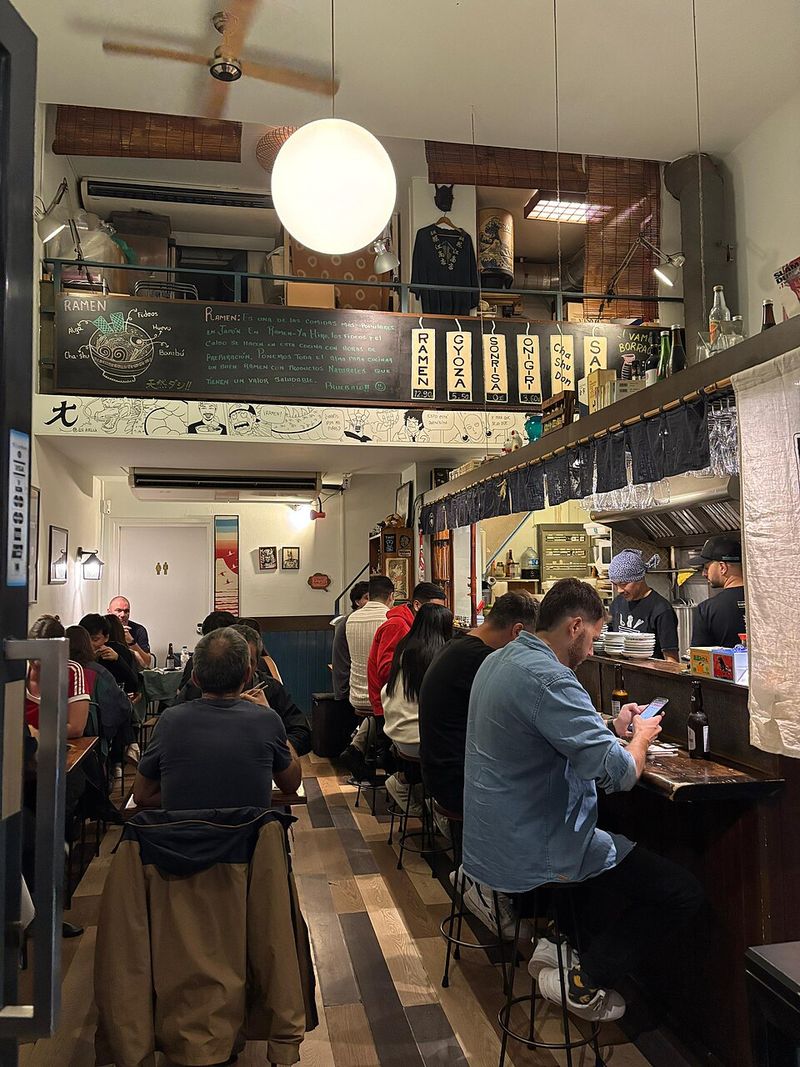
Few foods in the world inspire as much loyalty as ramen, and the ramen-ya is where that passion lives. These shops are completely focused on one thing: the perfect bowl of noodles.
Regional broths are the heart of every ramen-ya menu, with options like creamy tonkotsu from Fukuoka, soy-based shoyu from Tokyo, hearty miso from Sapporo, and light shio from Hakodate.
Each broth takes hours, sometimes days, to develop its flavor. Noodle thickness, toppings, and cooking style all vary by region, making ramen exploration genuinely exciting.
A great bowl comes with springy noodles, a perfectly soft-boiled egg, slices of tender chashu pork, and a deep, satisfying broth.
Ramen-ya restaurants range from tiny eight-seat counters to modern chains with global locations. No matter the size, the goal is always the same: one unforgettable bowl.
3. Izakaya
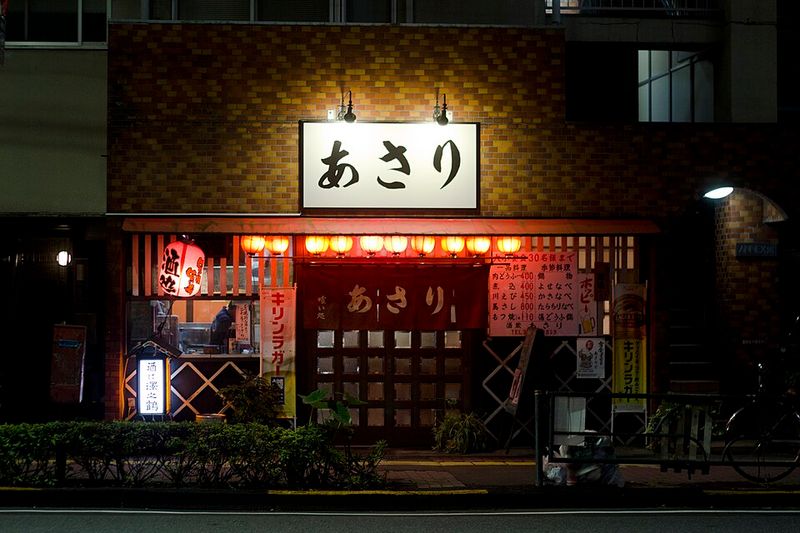
Imagine a place where you can order just about anything, stay as long as you like, and no one rushes you out the door. That is the izakaya experience.
Often compared to a British pub or a Spanish tapas bar, an izakaya is a casual Japanese gastropub where food and drinks flow together in a relaxed social setting.
The menu typically features small plates designed for sharing, including grilled skewers, fried tofu, pickled vegetables, and seafood dishes. Cold beer, sake, and shochu are the usual drink companions.
Izakayas are incredibly popular after work, and you will often find them packed with groups of coworkers unwinding together.
The atmosphere tends to be noisy, lively, and welcoming, making it one of the most social dining experiences in Japanese culture. First-timers usually leave wondering why they waited so long to try one.
4. Yakiniku Restaurant
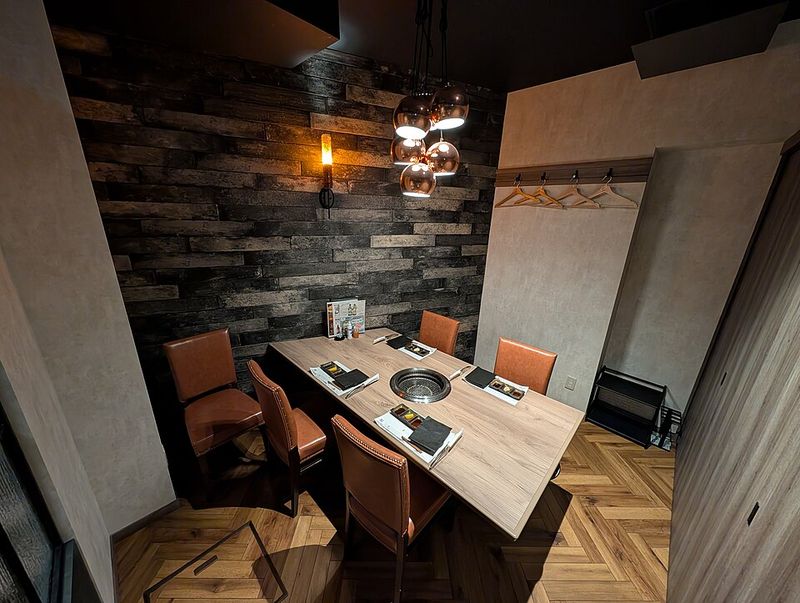
Yakiniku puts the cooking in your hands, quite literally. At a yakiniku restaurant, each table has a built-in grill, and diners cook their own bite-sized cuts of beef, pork, or seafood directly over charcoal or gas flames.
The word yakiniku simply means grilled meat in Japanese, and the concept is straightforward but deeply satisfying.
Meat quality matters enormously here. High-end yakiniku restaurants offer wagyu beef with beautiful marbling that melts almost instantly on the grill.
Dipping sauces, sesame salt, and fresh garlic are common companions. The experience is as much social as it is culinary, with everyone at the table participating in the cooking.
Yakiniku has Korean BBQ roots but developed its own distinct Japanese identity over decades. Today it is one of the most popular dining formats in Japan, beloved for its interactive, celebratory atmosphere.
5. Yakitori-ya
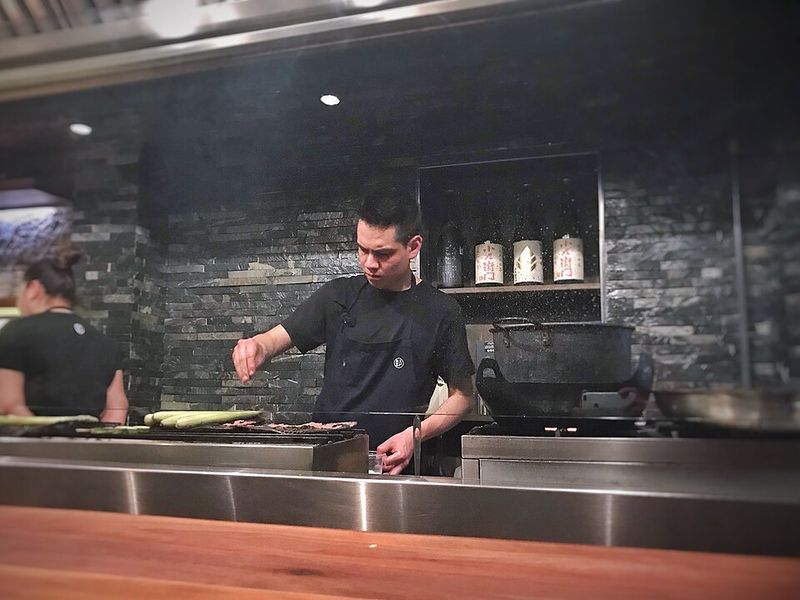
There is something almost magical about the smell of chicken sizzling over charcoal, and yakitori-ya restaurants have built an entire culture around that moment. These spots specialize in charcoal-grilled chicken skewers, known as yakitori, where nearly every part of the bird gets its time over the flame.
Thighs, wings, hearts, livers, and even cartilage are all fair game.
Skewers are typically seasoned with either tare, a sweet soy-based glaze, or simply salt, which lets the natural smokiness shine through. Cold beer and sake are the classic pairings, and most yakitori-ya have a relaxed, neighborhood-bar kind of energy.
Many are small, counter-only spots where regulars chat with the chef while their skewers cook.
The simplicity of yakitori is part of its brilliance. Good ingredients, good fire, and good company are really all you need for a perfect evening at a yakitori-ya.
6. Tempura-ya
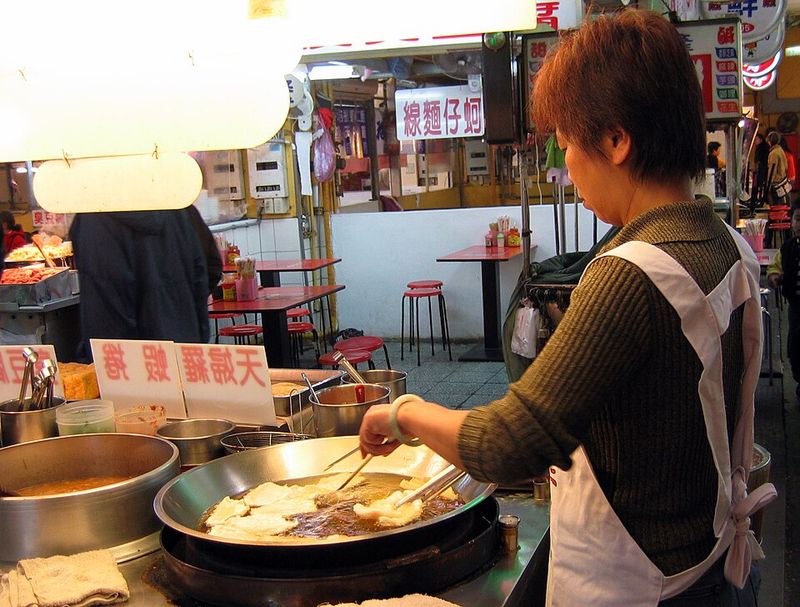
Tempura looks simple but demands serious skill. At a dedicated tempura-ya, the chef fries each piece of lightly battered seafood or vegetable to order, ensuring maximum crunch and minimum grease.
The batter is deliberately thin and cold, mixed just enough to coat without becoming heavy. Getting this balance right takes years of practice.
Shrimp, sweet potato, eggplant, green beans, and white fish are common offerings. Each piece arrives hot and crispy, served alongside a warm dashi-based dipping broth and grated daikon radish to cut through the richness.
High-end tempura-ya restaurants operate much like omakase sushi counters, with the chef presenting each item individually.
Interestingly, tempura was introduced to Japan by Portuguese missionaries in the 16th century. Japanese cooks refined it into something entirely their own, and today it stands as one of the country’s most respected culinary art forms.
7. Soba-ya
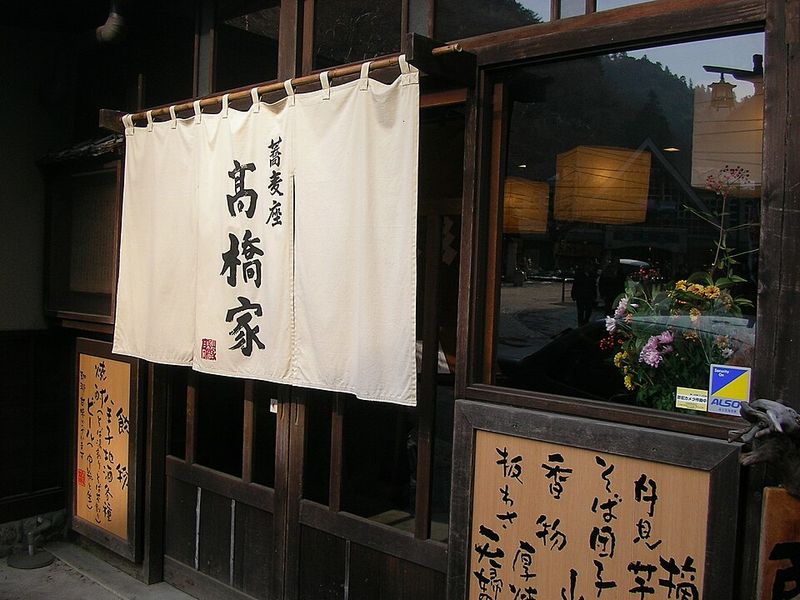
Soba noodles carry centuries of history in every strand. Made from buckwheat flour, they have a distinct earthy flavor and a satisfying chewiness that sets them apart from other Japanese noodles.
A soba-ya is entirely built around showcasing this humble ingredient in its best possible form.
Menus at soba-ya restaurants typically offer noodles served hot in broth or cold on a bamboo tray with a dipping sauce on the side. Cold zaru soba is a summer favorite, while hot kake soba in a clear dashi broth is perfect for cooler months.
Toppings like tempura, grated mountain yam, or duck can elevate the dish further.
Some soba-ya restaurants make their noodles fresh in-house each morning, and you can sometimes watch the process through a window. Freshly made soba has a texture and flavor that pre-packaged versions simply cannot match.
8. Udon-ya
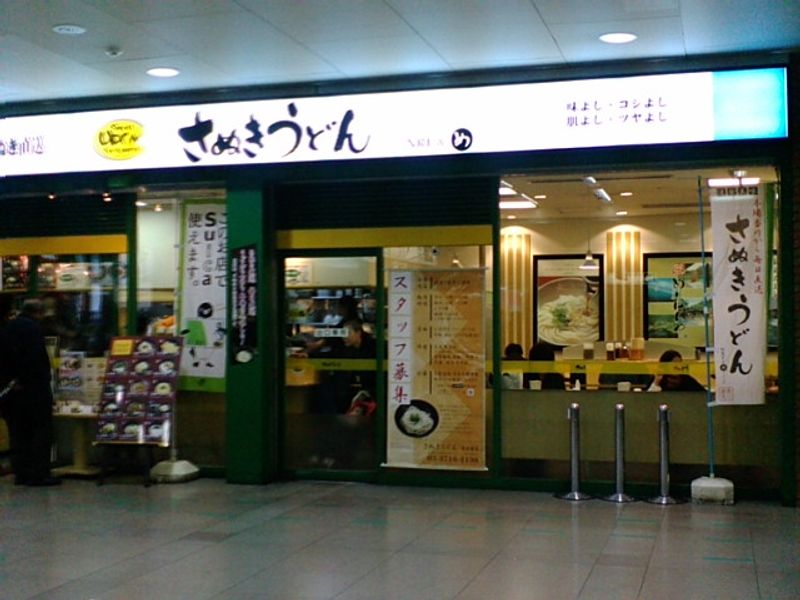
Thick, chewy, and deeply comforting, udon noodles are the kind of food that feels like a warm hug. Udon-ya restaurants specialize in these wide wheat noodles, serving them in a variety of broths, stir-fried preparations, and regional styles that reflect Japan’s diverse culinary landscape.
Sanuki udon from Kagawa Prefecture is perhaps the most famous style, known for its firm texture and simple clear broth. Curry udon, kitsune udon topped with sweet fried tofu, and nikutama udon with beef and egg are popular menu staples.
Some regions prefer a darker soy-heavy broth, while others favor a lighter, more delicate dashi base.
Many udon-ya restaurants are casual and affordable, making them a go-to for quick lunches or weeknight dinners. The noodles are made fresh at traditional spots, giving them a satisfying springiness that makes each bowl genuinely memorable.
9. Shabu-Shabu Restaurant
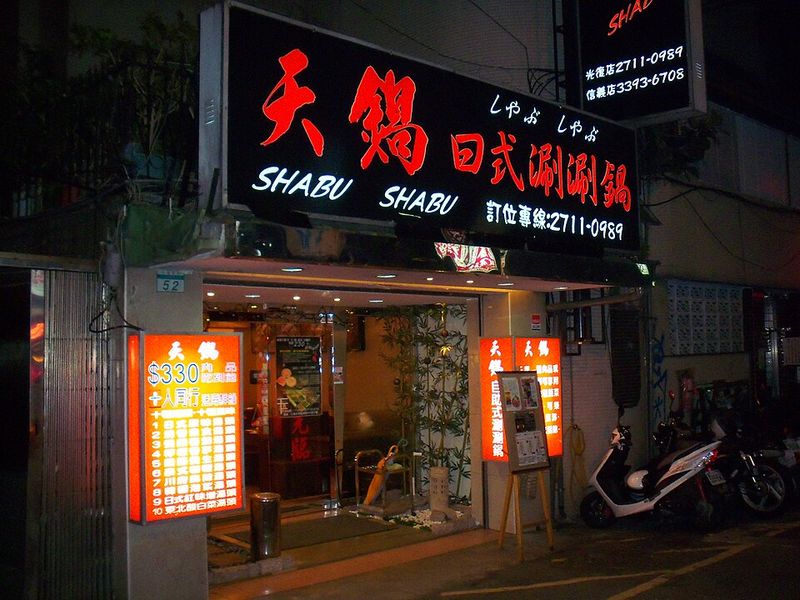
The name shabu-shabu comes from the swishing sound the meat makes as it passes through hot broth, and that detail alone tells you how interactive this dining style is. Thinly sliced beef or pork is gently cooked by swirling it in a pot of simmering kombu broth at the center of the table, then dipped in sesame or ponzu sauce before eating.
Vegetables, tofu, mushrooms, and noodles are added to the pot throughout the meal, soaking up the rich flavors as the broth develops. The cooking is quick, the flavors are clean, and the experience feels both healthy and indulgent at the same time.
Shabu-shabu is especially popular during colder months when a bubbling pot of broth feels particularly welcoming. High-quality wagyu shabu-shabu is considered a luxury experience in Japan, while more casual versions are widely available at approachable prices.
10. Sukiyaki Restaurant
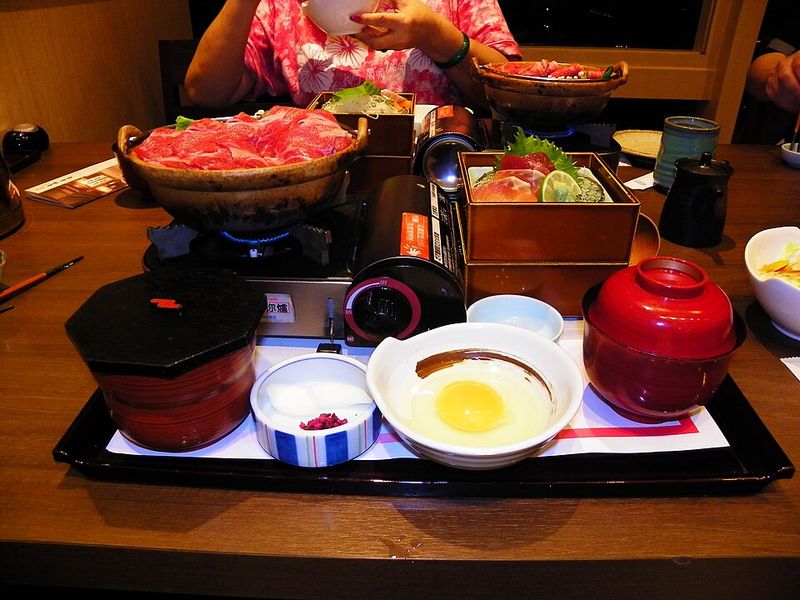
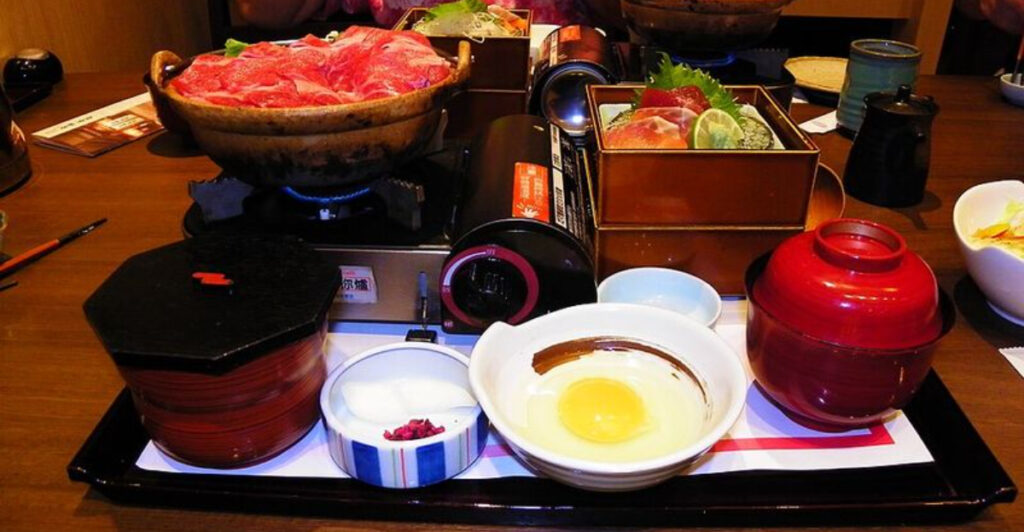
Sukiyaki has a rich, almost old-fashioned charm that makes it feel like a special occasion every time. This beloved Japanese hot pot dish features beef, tofu, vegetables, and shirataki noodles simmered together in a sweet-savory broth made from soy sauce, mirin, and sugar.
The result is deeply flavored and wonderfully warming.
One of the most distinctive traditions in sukiyaki dining is dipping each cooked ingredient into a small bowl of raw beaten egg before eating. The egg adds a silky richness that softens the intensity of the soy-based broth.
It might sound unusual, but the combination is genuinely delicious.
Sukiyaki restaurants tend to have a cozy, nostalgic atmosphere, and the dish itself has been part of Japanese dining culture since the Meiji era in the late 1800s. Sharing a sukiyaki pot with family or close friends remains one of the most comforting meals Japan has to offer.
11. Kaiseki Restaurant
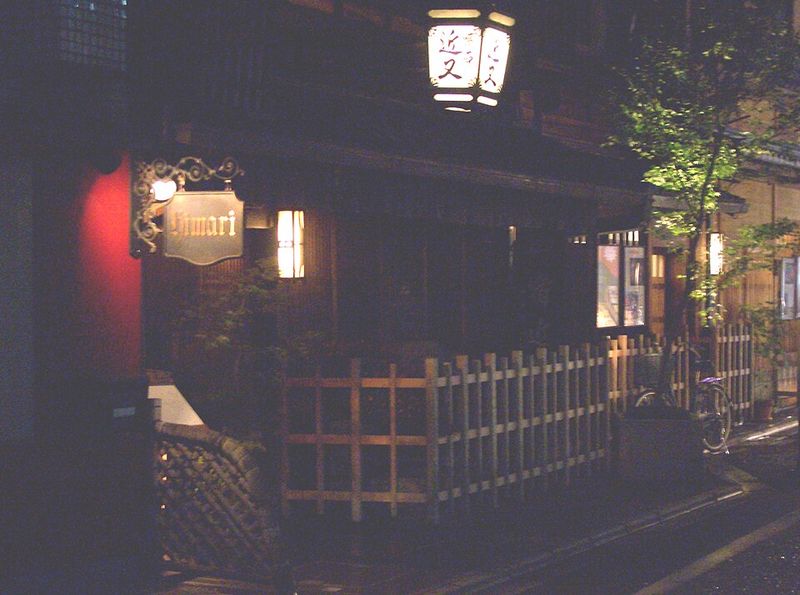
Kaiseki is not just a meal. It is a carefully composed artistic experience built around the seasons.
Considered the pinnacle of Japanese cuisine, kaiseki restaurants serve multi-course meals where every dish reflects the ingredients available at that specific time of year. Spring might bring bamboo shoots and cherry blossom-inspired presentations, while autumn showcases mushrooms and root vegetables.
A traditional kaiseki meal can include a dozen or more courses, each served in a specific order and presented with extraordinary attention to visual detail. The tableware, the garnishes, and the portion sizes are all chosen with intention.
Michelin-starred kaiseki restaurants in Kyoto are among the most celebrated dining destinations in the world.
Prices at kaiseki restaurants are typically high, reflecting the time, skill, and premium ingredients involved. For those who appreciate culinary artistry, however, a kaiseki meal represents one of the most rewarding food experiences available anywhere.
12. Donburi Restaurant
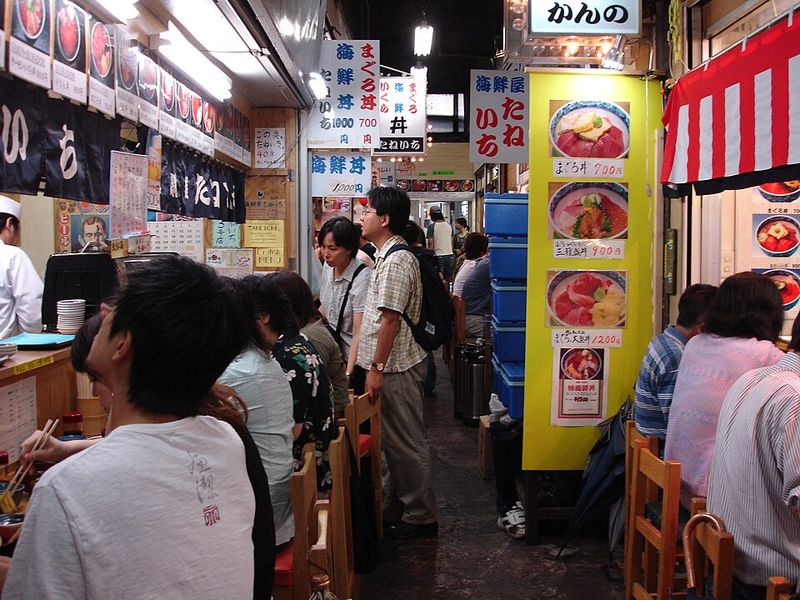
Donburi restaurants are the ultimate champions of comfort food in Japan. The concept is beautifully simple: a big bowl of steamed rice topped with something delicious.
The variety within that formula, however, is genuinely impressive. Gyudon features sweet-savory simmered beef and onions, oyakodon combines chicken and egg in a silky sauce, and tendon crowns the rice with crispy tempura.
Other popular options include katsudon, which uses a breaded pork cutlet with egg, and kaisendon, which showcases a colorful array of fresh sashimi. Each style has its devoted fans, and many donburi restaurants specialize in just one or two varieties done exceptionally well.
Donburi chains like Yoshinoya and Matsuya have made gyudon famous worldwide, offering fast, affordable, and satisfying meals. But independent donburi restaurants often elevate the concept with higher-quality ingredients and house-made sauces that make every bowl feel special.
13. Tonkatsu Restaurant
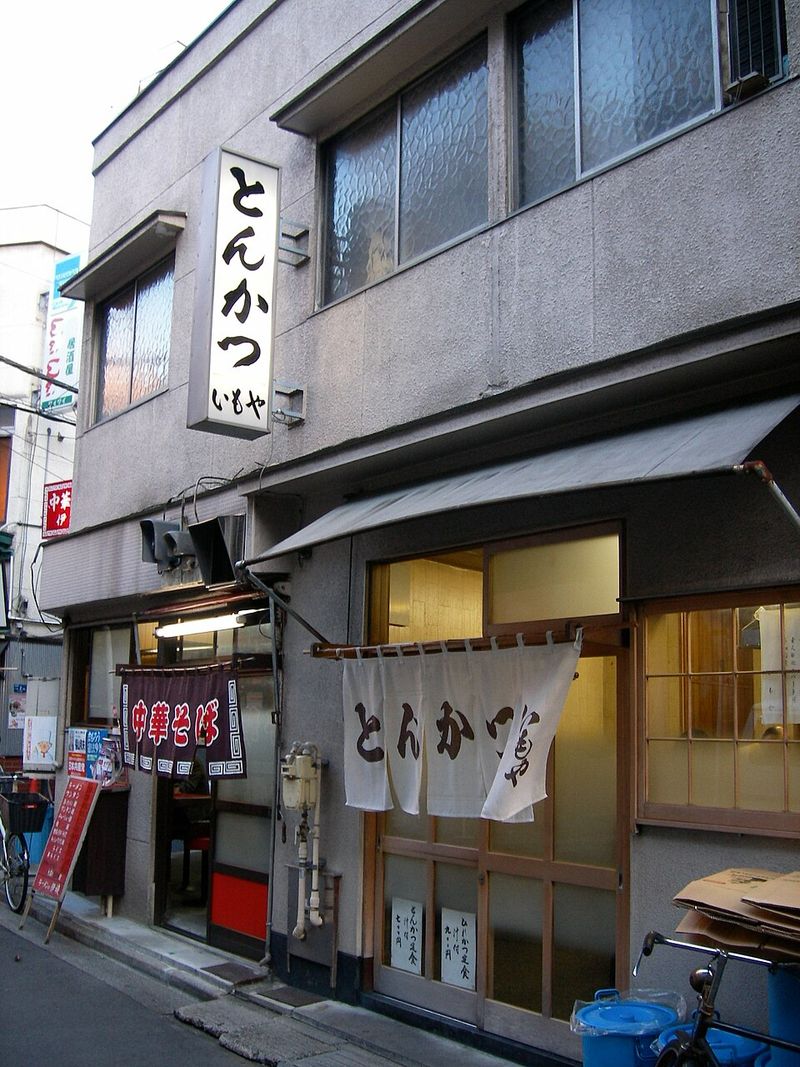
Crunchy on the outside, juicy on the inside, and endlessly satisfying, tonkatsu is one of Japan’s most beloved comfort foods. A tonkatsu restaurant focuses almost entirely on this one dish: a thick pork cutlet coated in panko breadcrumbs and deep-fried to golden perfection.
The result is a texture and flavor combination that is hard to beat.
Pork loin and pork fillet are the two main cuts, with loin offering more flavor and fillet delivering more tenderness. Shredded cabbage is always served alongside, along with rice and miso soup for a complete meal.
The thick, fruity tonkatsu sauce drizzled over the cutlet ties everything together.
High-end tonkatsu restaurants source premium heritage-breed pork and use carefully controlled frying temperatures to achieve an exceptional result. Even at casual spots, a well-made tonkatsu is the kind of meal that sticks with you long after the last bite.
14. Okonomiyaki Restaurant
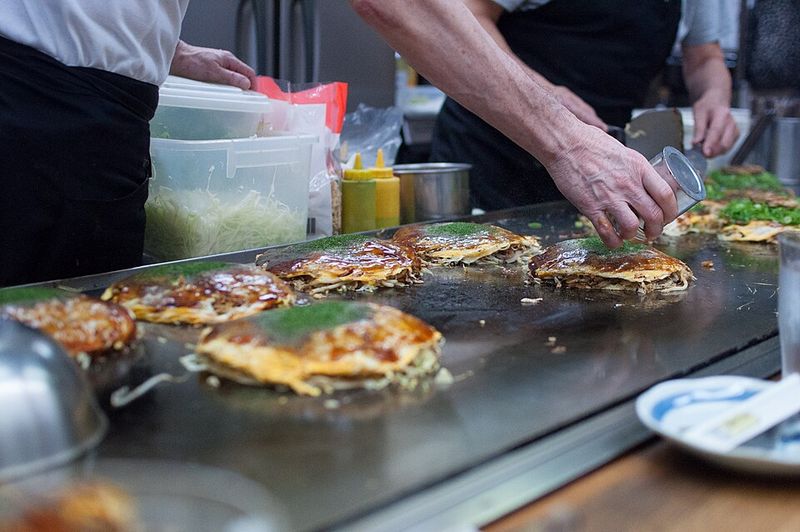
Okonomiyaki is sometimes called a Japanese pancake, but that description barely scratches the surface. The name literally means grilled as you like it, which tells you everything about the spirit of this dish.
A thick batter loaded with shredded cabbage is mixed with your choice of fillings, including pork belly, shrimp, squid, cheese, or mochi, then cooked on a flat iron griddle.
At many okonomiyaki restaurants, diners cook their own pancakes at tabletop grills, adding a fun, hands-on element to the meal. Once cooked, the pancake gets topped with a generous drizzle of savory okonomiyaki sauce, Japanese mayonnaise, dried bonito flakes that dance in the heat, and dried seaweed flakes.
Osaka and Hiroshima each claim their own distinct versions of the dish, with Hiroshima-style layering the ingredients rather than mixing them. Both styles have passionate supporters, and trying each one is a genuine pleasure.
15. Teppanyaki Restaurant
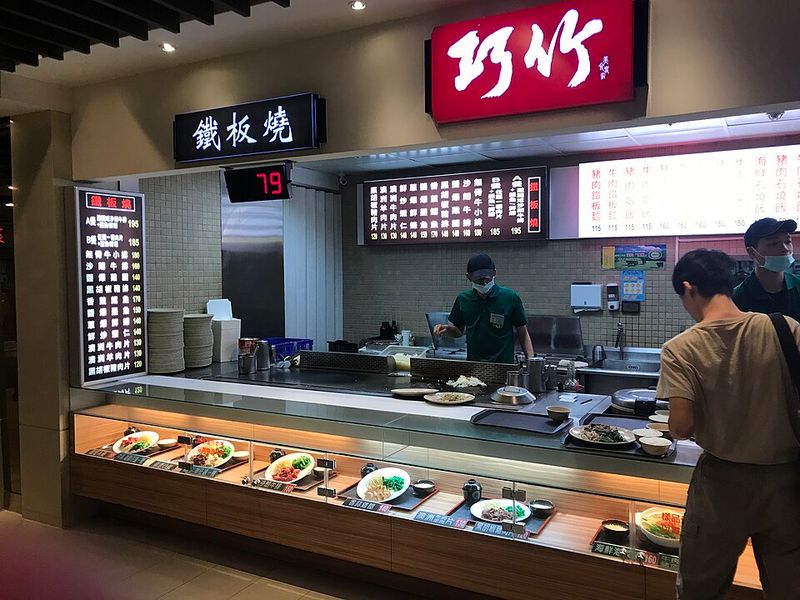
Dinner and a show takes on a whole new meaning at a teppanyaki restaurant. Skilled chefs cook meat, seafood, and vegetables on a massive flat iron griddle positioned right in front of the guests, turning the meal into a live performance.
Knife tricks, flaming onion volcanoes, and perfectly timed flips of shrimp are all part of the experience.
Wagyu beef, lobster, scallops, and seasonal vegetables are common teppanyaki staples. The griddle’s intense heat creates a beautiful sear that locks in flavor while keeping the inside tender.
Garlic fried rice, cooked directly on the same surface at the end of the meal, is a crowd favorite that soaks up all the savory drippings.
While teppanyaki is deeply rooted in Japanese cooking technique, its theatrical presentation style became globally popular through restaurants like Benihana, which introduced the format to American audiences in the 1960s.
Share this story