There is a place in Colorado where you can walk through actual prison cells, read the stories of real inmates, and come face to face with a preserved gas chamber that was once used in the Colorado justice system. Most people drive right past it without a second glance, but those who stop tend to spend far more time inside than they ever planned.
The history here is raw, detailed, and genuinely surprising at every turn. If you have ever been curious about what life behind bars looked like decades ago, this museum in Cañon City delivers an experience that is hard to shake.
A Former Women’s Prison Turned Public Museum
Most museums occupy repurposed schools or civic buildings. This one occupies an actual former women’s correctional facility, and the moment you walk through the entrance, that fact becomes very clear.
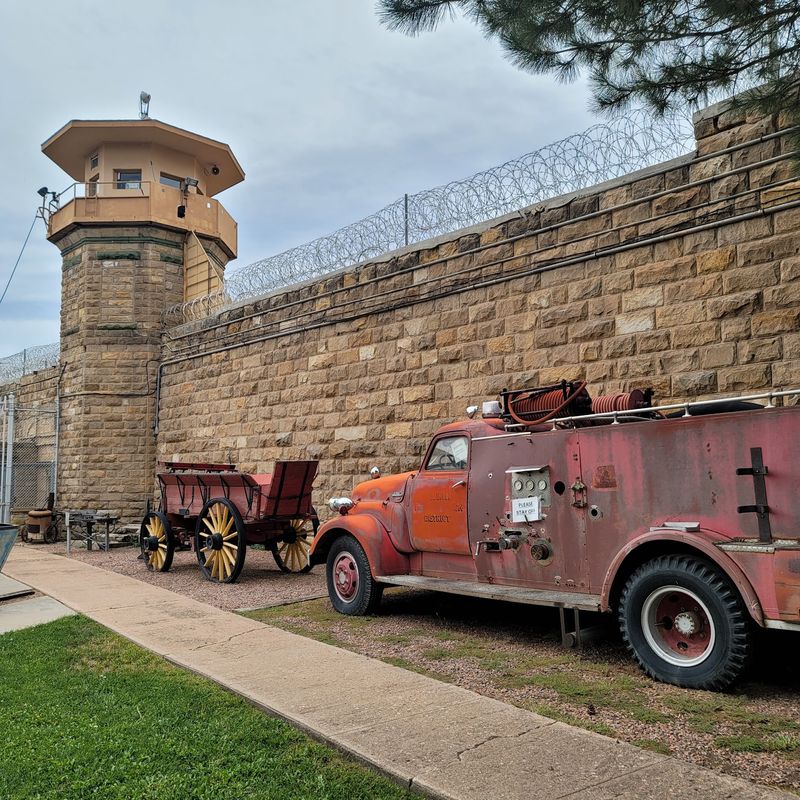
The Museum of Colorado Prisons is located at 201 N 1st St, Cañon City, Colorado 81212. The building itself served as the women’s side of the Colorado State Penitentiary complex, and the men’s facility remains an active prison directly next door.
That proximity is something visitors often find striking. You are touring a museum while an operating correctional institution sits just beyond the wall.
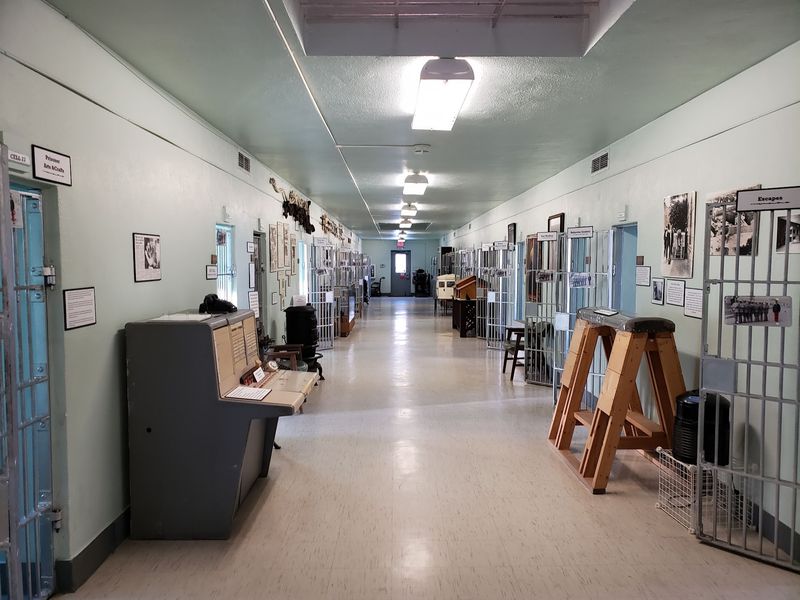
The structure retains its original architecture, including the thick stone walls, narrow corridors, and heavy cell doors that defined daily life here for decades. Nothing about the setting feels staged or recreated.
This is the real thing, preserved and opened to the public so that history can speak for itself.
The Gas Chamber That Stops Every Visitor Cold
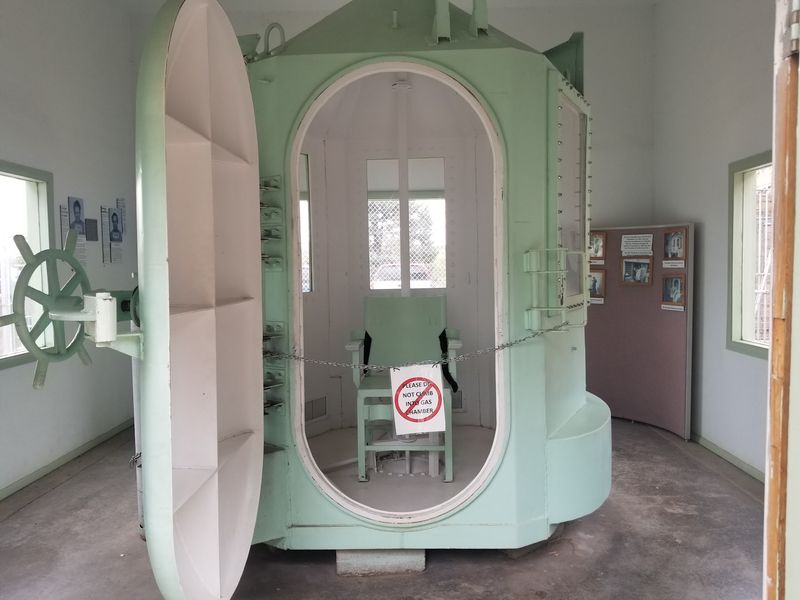
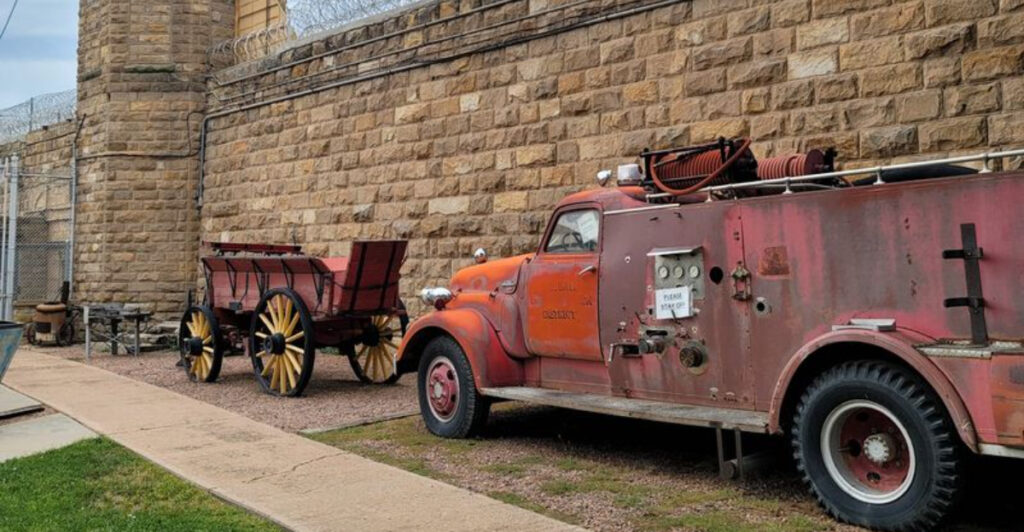
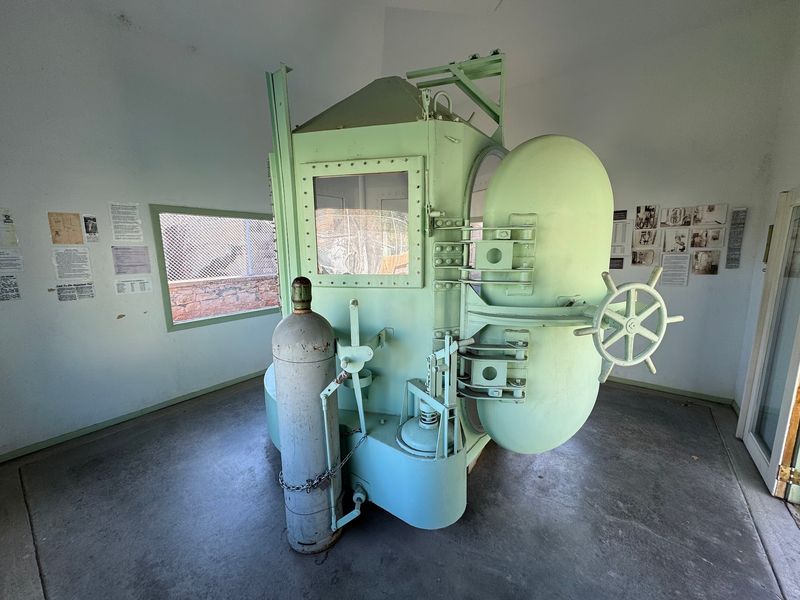
No single feature of this museum generates more conversation than the gas chamber sitting outside the building. You can see it before you even pay admission, positioned near the front where it greets every visitor who approaches.
The chamber is the actual unit that was used by the Colorado prison system. It is a sobering, heavy piece of history that most people have never seen outside of a photograph.
Up close, it looks smaller than you might expect, which somehow makes it more unsettling rather than less.
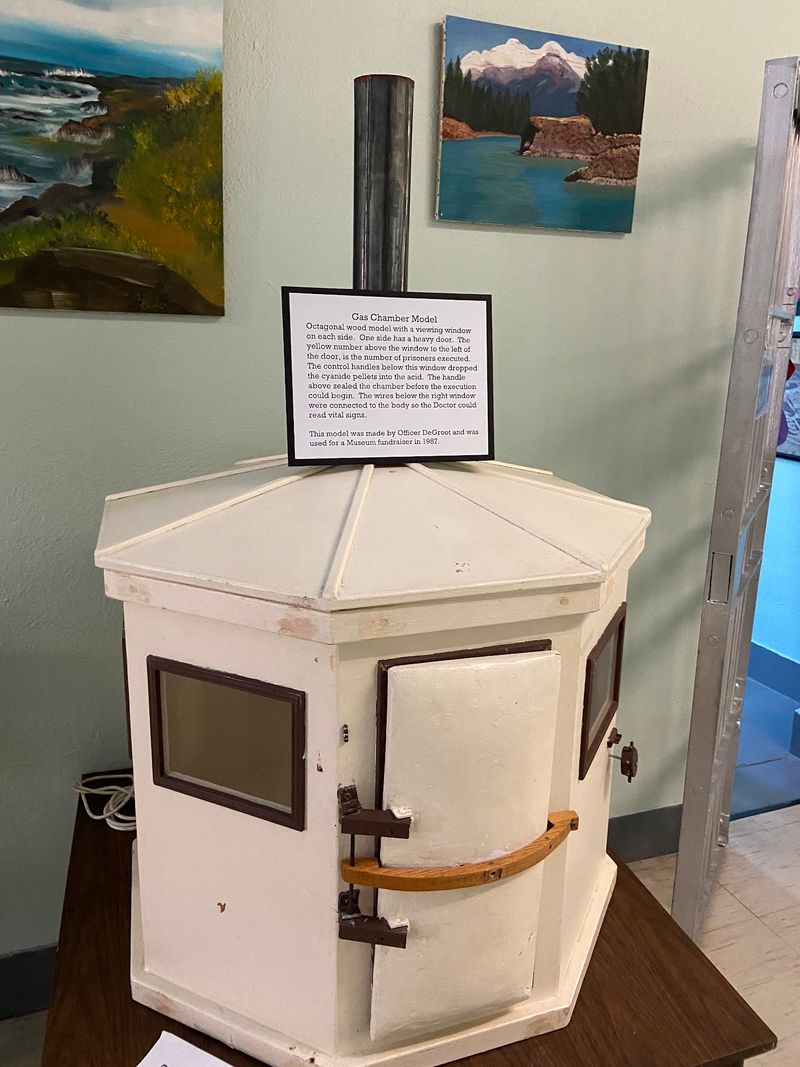
A scale model replica inside the museum provides additional context, explaining how the chamber was constructed and how it functioned within the broader criminal justice system of its era. The display does not sensationalize anything.
It presents the facts plainly and lets visitors draw their own conclusions about the justice system and how it has changed over time.
Thirty Cells, Thirty Different Stories
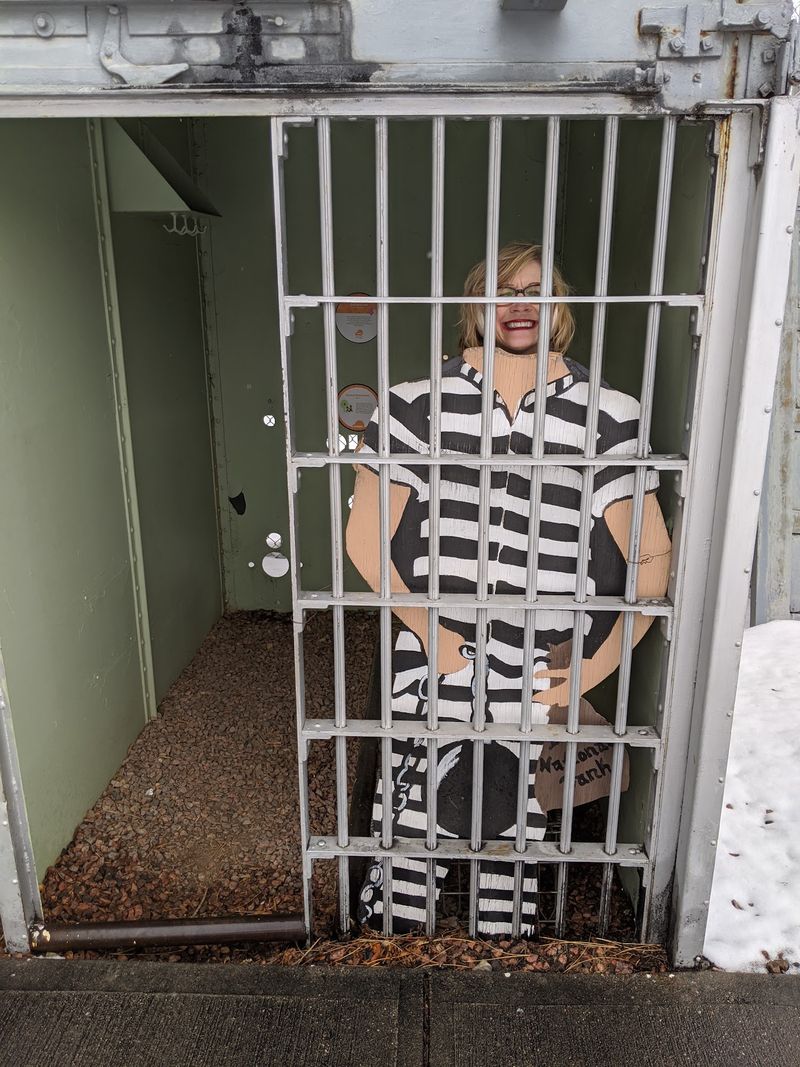
The main tour route takes you through approximately 30 individual cells, and each one is dedicated to a different chapter of Colorado prison history. Some focus on specific inmates.
Others examine riots, escape attempts, or changes in correctional policy across different decades.
At check-in, visitors receive a small booklet that corresponds to each cell, giving you deeper background information as you move through the tour at your own pace. The self-guided format works well here because some cells genuinely reward slow, careful reading while others speak for themselves through their artifacts.
You will find confiscated weapons, original uniforms, riot control equipment, medical items, and personal objects that once belonged to real people who lived within these walls. The variety keeps the tour from feeling repetitive.
Each cell functions almost like its own mini-exhibit, and the cumulative effect builds into something genuinely thought-provoking by the time you reach the end.
Weapons Confiscated From Real Inmates
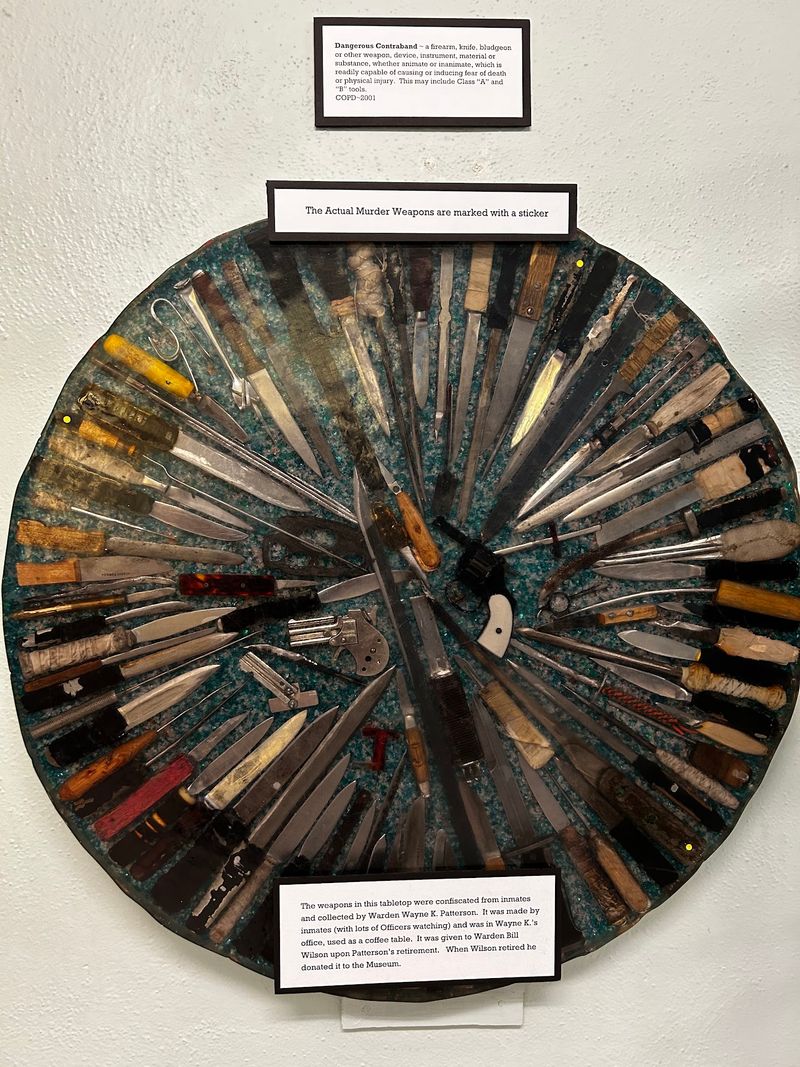
One of the more eye-opening sections of the museum focuses on weapons that were actually confiscated from inmates over the years. The ingenuity on display is genuinely startling.
Prisoners fashioned sharp objects from everyday materials found in the facility, including items most people would never consider dangerous. The collection includes homemade blades, sharpened tools, and improvised weapons that demonstrate the lengths people will go to when they feel threatened or desperate inside a confined environment.
These are not replicas. Each item in the collection was taken from a real person inside a real prison, and that context adds significant weight to what you are looking at.
The exhibit does not glorify anything. Instead, it provides honest insight into the daily security challenges that correctional officers faced throughout Colorado’s prison history.
For visitors interested in criminology or social history, this section alone is worth the price of admission.
The Lower Level That Most Visitors Underestimate
Many visitors spend so much time on the main floor that they almost overlook the lower level, which turns out to be just as rich with history. The lower deck covers a different side of Colorado prison life, focusing on rehabilitation efforts, the infirmary, and inmate-created items.
There is also a scale model of the gas chamber down here, which gives visitors a closer technical look at how the structure was designed and built. Seeing it in model form alongside written historical context makes the outdoor chamber feel even more significant.
The rehabilitation focus is particularly interesting because it shows that the Colorado prison system was not always purely punitive. There were genuine efforts at various points in history to prepare inmates for life after release, and the artifacts and documents in this section tell that story honestly.
The lower level adds a layer of nuance that elevates the entire museum experience considerably.
Artwork and Items Made by Inmates
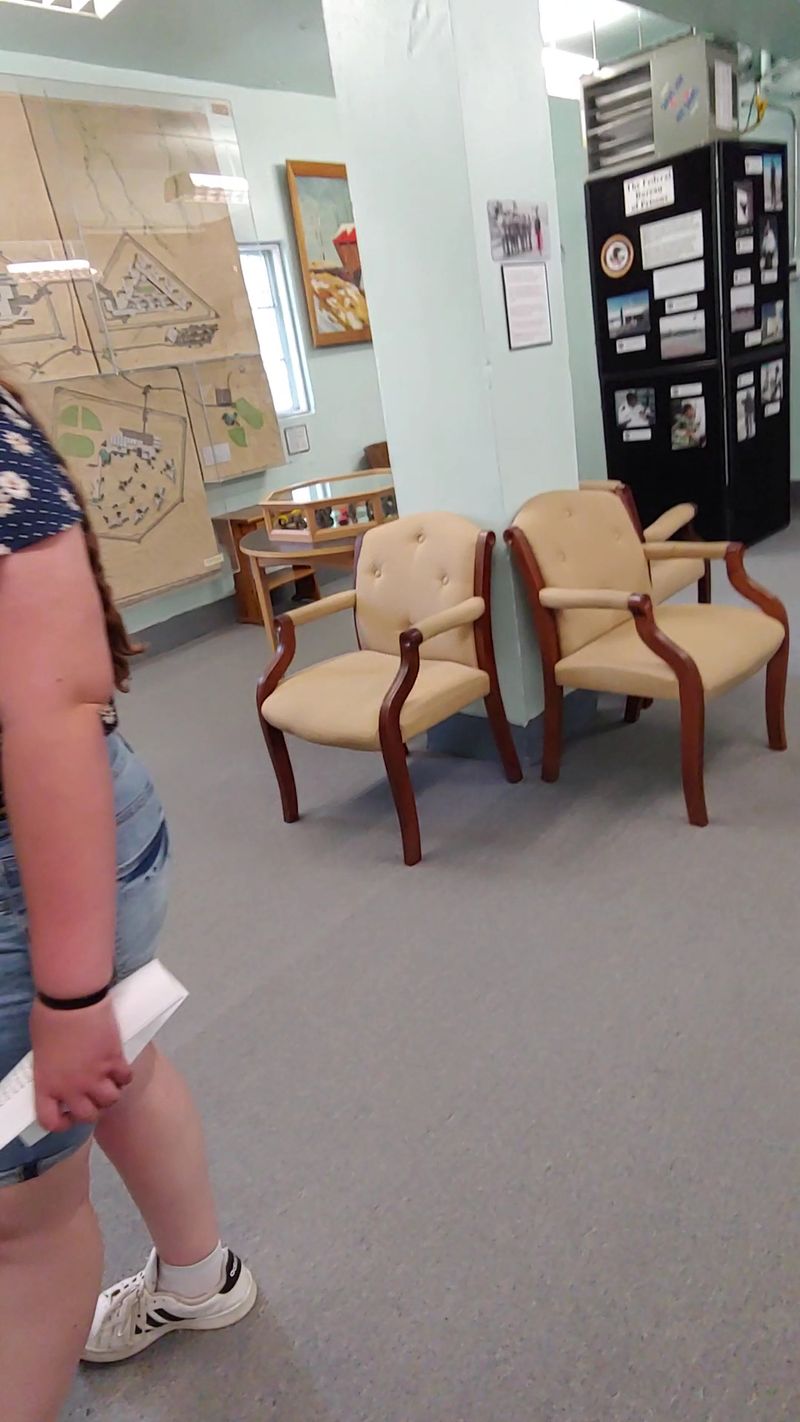
The gift shop at the end of the tour sells something you will not find at most museums: artwork and handmade items created by current inmates. The pieces range from practical crafts to more detailed artwork, and the quality is often genuinely impressive.
Proceeds from these sales benefit the inmates who made them, which gives the purchase a different kind of meaning than a typical souvenir. Some visitors feel conflicted about this aspect of the shop, and that reaction is completely understandable.
Others find it one of the more meaningful ways to engage with the museum’s broader message.
Beyond the inmate-made items, the shop also carries traditional prison-themed merchandise, including clothing with the classic black-and-white stripes that many visitors find surprisingly appealing. There are aprons, socks, sweatshirts, and T-shirts, all reasonably priced.
The gift shop is small but well-curated, and most visitors leave with at least one item tucked under their arm.
History That Stretches Back to the 1920s
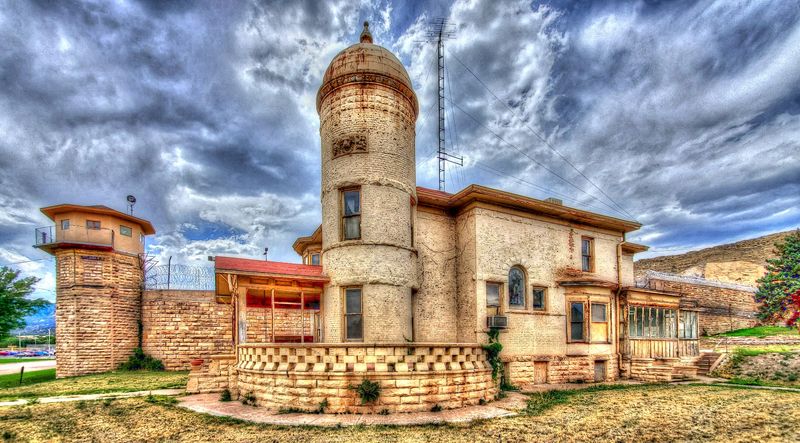
Colorado’s prison history in Cañon City goes back well over a century, and the museum traces that timeline with care. Exhibits cover the evolution of the state’s correctional system from the early 20th century through more modern eras.
Documents, photographs, and personal accounts from different decades paint a picture of how attitudes toward punishment, rehabilitation, and prison management shifted over time. The 1920s-era materials are particularly striking because they reveal just how different the approach to incarceration was a hundred years ago.
Gang member photographs, warden records, and court documents are among the archival materials on display. One section covers the famous 1929 Canon City film, which documented a real prison break and became a notable piece of American cinema history.
For anyone who watches the 1949 movie “Canon City” beforehand, as some locals recommend, the museum takes on an entirely different and richer dimension.
The ADX Florence Connection
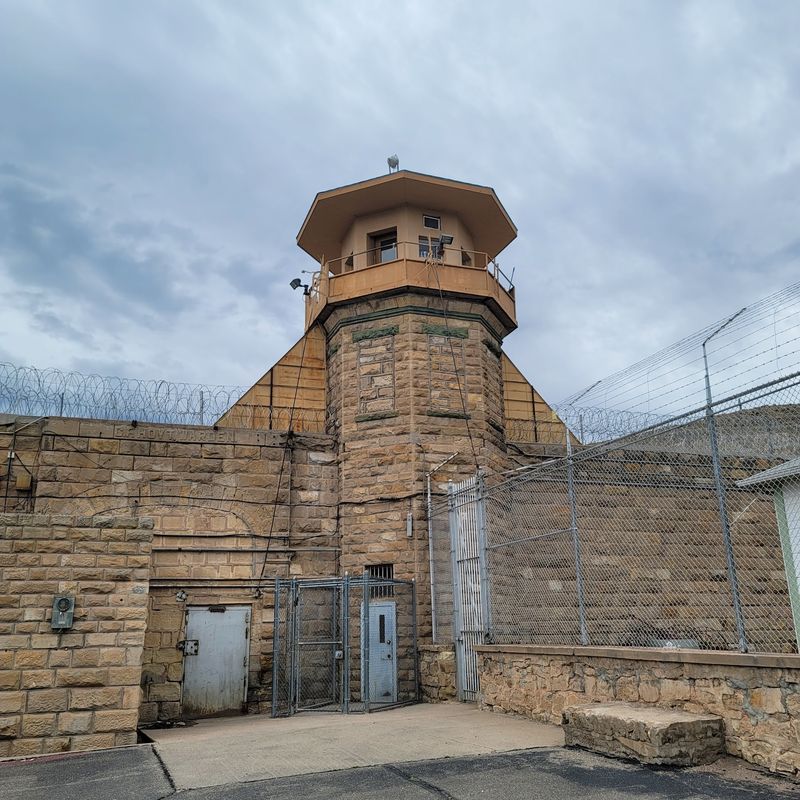
Colorado is home to ADX Florence, widely considered the most secure federal prison in the United States. The museum acknowledges this connection with exhibits that provide background on the facility and some of the high-profile inmates who have been held there.
For visitors who arrive knowing nothing about ADX Florence, this section serves as a genuinely fascinating introduction. The prison sits not far from Cañon City, and its presence adds a contemporary layer to a museum that otherwise focuses heavily on historical material.
Reading about the security measures and the kinds of individuals housed at ADX Florence puts the broader history of Colorado corrections into sharp perspective. The museum handles this topic carefully, focusing on factual information rather than sensationalism.
It is one of the sections that tends to generate the most conversation among visitors after they leave, and it connects the past that fills the rest of the museum to the present day in a meaningful way.
The Atmosphere Inside the Walls
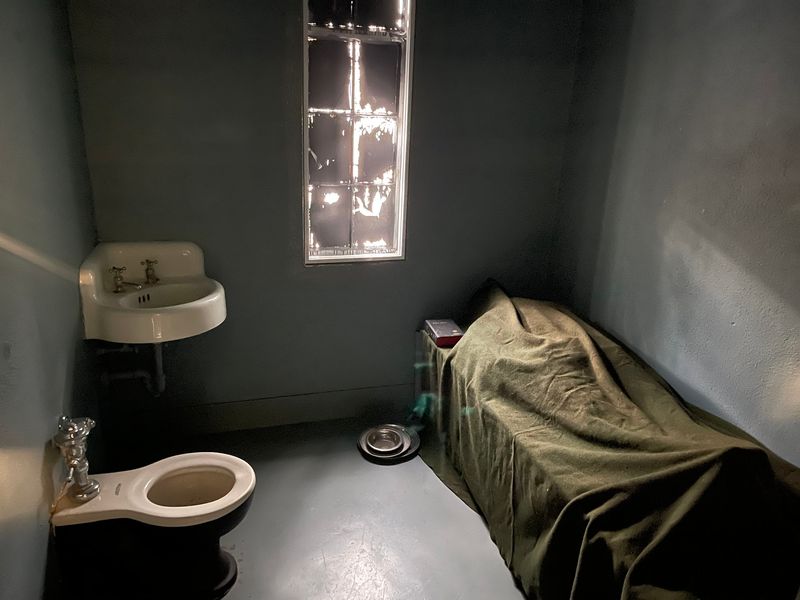
There is a quality to the air inside this museum that is hard to describe accurately without sounding dramatic. The hallways are narrow, the ceilings are low in places, and the stone walls carry a weight that feels almost physical.
Several visitors have noted a palpable sense of heaviness that settles in almost immediately after passing the front desk. Whether you attribute that to the building’s history or simply to the architecture, the atmosphere is undeniably different from any standard museum experience.
The layout reinforces that feeling at every turn. Original cell doors, intact flooring, and preserved fixtures keep you anchored in the reality of what this building once was.
There are no elaborate theatrical effects designed to manufacture tension. The space does that entirely on its own.
For visitors who appreciate history that feels genuinely lived-in rather than reconstructed, the atmosphere here is one of the most powerful things the museum offers.
Weekend Guided Tours Worth Planning Around
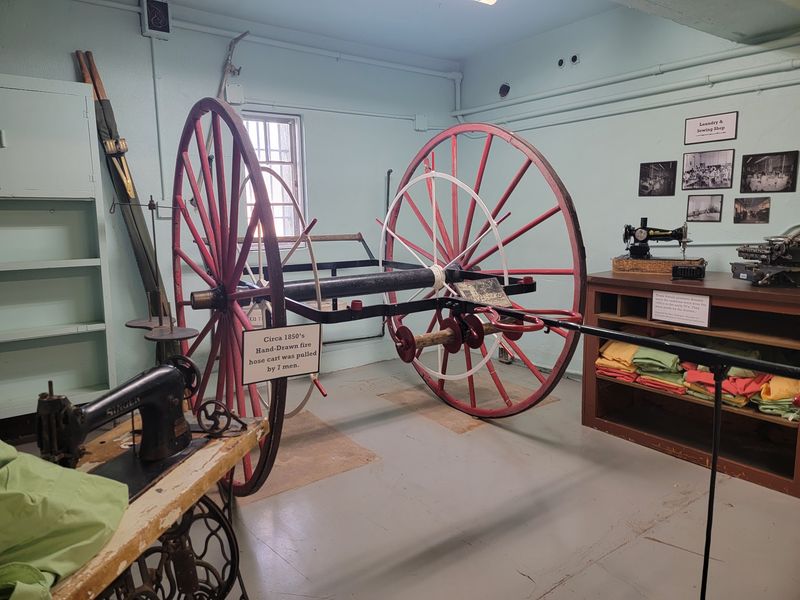
The standard self-guided tour is available every day of the week, but weekend guided tours offer a noticeably different experience. A knowledgeable guide leads visitors through the facility, providing context and stories that go beyond what the printed booklet covers.
The guided format allows for questions, and the answers tend to add personal texture to the history. Guides are familiar with specific incidents, notable inmates, and architectural details that might otherwise go unnoticed during a solo walk-through.
Some visitors who have done both formats say the guided tour transformed their understanding of the museum significantly. It is worth checking the museum’s schedule in advance if a weekend visit is possible.
The self-guided tour is excellent on its own terms, but the guided experience adds a conversational dimension that makes certain exhibits land with considerably more impact. Either way, plan for at least 90 minutes to two hours if you want to absorb everything properly.
Two Floors of Exhibits That Reward Slow Visitors
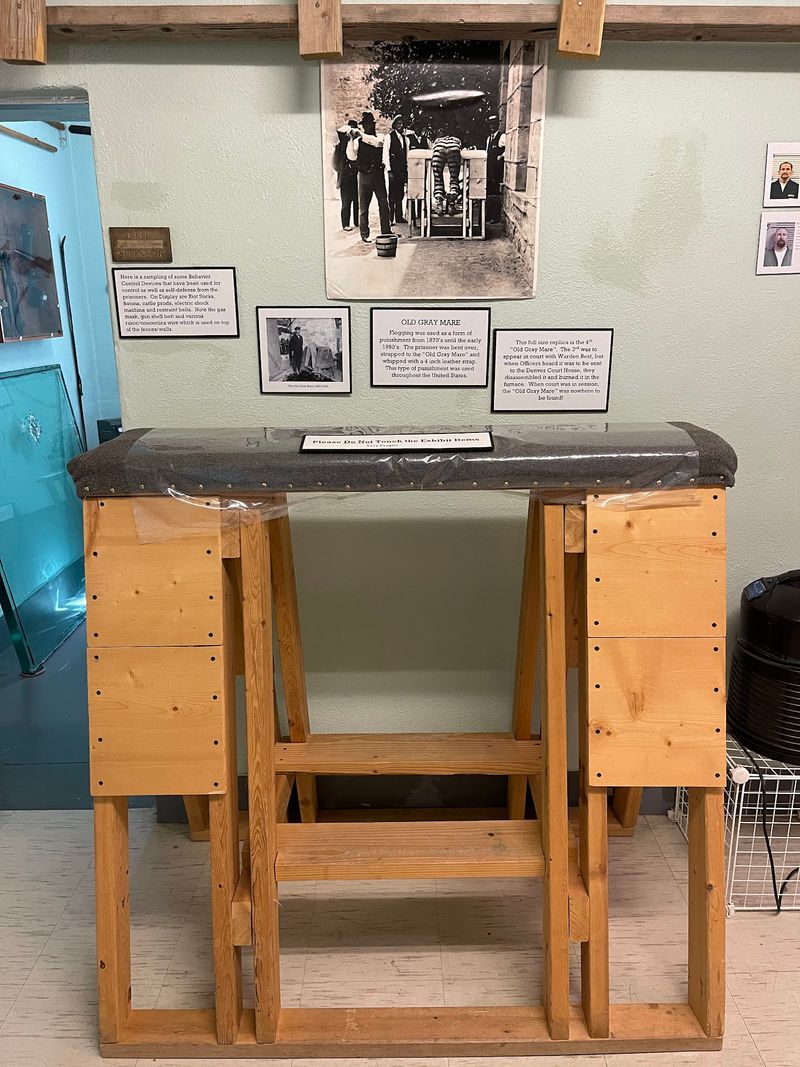
The museum spans two full floors, and visitors who move quickly through either level tend to feel afterward that they missed something. The sheer volume of printed information, photographs, artifacts, and displays rewards anyone willing to slow down and read carefully.
Upstairs, the cell exhibits cover a wide range of topics from riot history to famous escapes to the daily routine of incarcerated life. Downstairs, the focus shifts toward rehabilitation, medical history, and the physical infrastructure of the prison system.
Most visitors report spending between 90 minutes and two hours on their visit, with readers and history enthusiasts often pushing closer to three hours. The museum is not large by conventional standards, but it is remarkably dense with content.
Every wall, every display case, and nearly every corner has something worth pausing over. The layout flows logically from one section to the next, which helps the experience feel cohesive rather than overwhelming.
Practical Details Before You Visit
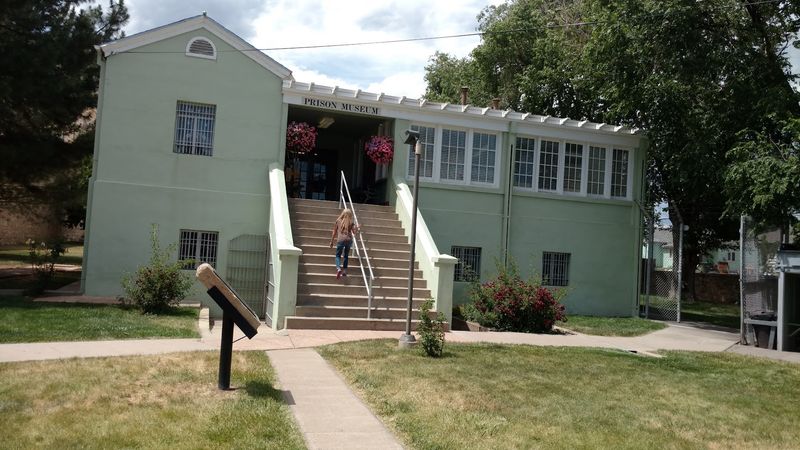
The museum is open daily from 10 AM to 6 PM, which makes it easy to work into almost any travel itinerary through the Cañon City area. Admission is reasonably priced, and no advance booking is required.
You can simply walk in during operating hours and begin the tour.
Parking is available both at the front of the building and in a larger lot around back for bigger vehicles. The front steps are fairly steep, so visitors with mobility concerns should be aware of that before arriving.
The museum does its best to accommodate different needs, but the historic building does present some physical limitations.
Bringing water inside is not permitted, so hydrate before you enter, especially during warmer months. The gift shop at the end of the tour is a good place to regroup after the experience.
Most visitors find the admission price very reasonable relative to the amount of content the museum delivers.
A Stop That Pairs Naturally With Royal Gorge
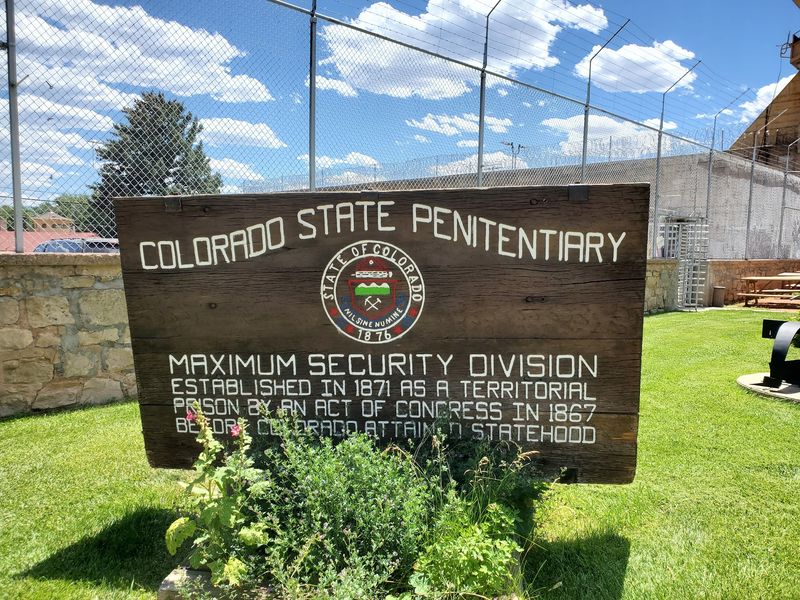
Cañon City sits close to the Royal Gorge, one of Colorado’s most dramatic natural landmarks. Many visitors combine the two stops into a single day, and the pairing works surprisingly well given how different the two experiences are.
After the raw historical weight of the prison museum, the open sky and sweeping canyon views of the Royal Gorge feel like a genuine contrast. Some visitors do it the other way around, starting with the gorge and ending the day at the museum, which provides a quieter and more reflective close to an afternoon of Colorado exploration.
The Royal Gorge Railroad also operates in the area, and a scenic train ride followed by a museum visit makes for a full and varied day without requiring much driving. Cañon City itself has additional local character worth exploring, and the museum often serves as the unexpected highlight that visitors end up talking about most after they return home.
What Makes This Museum Different From Others Like It
There are other prison museums across the United States, but very few share this museum’s particular quality of authenticity. The building was not built to simulate a prison.
It was a prison, and that distinction shapes every aspect of the visit.
The cells are original. The doors are original.
The walls are original. When you stand inside a cell and look out through the bars, you are standing in the exact space where real people lived for months or years at a time.
No amount of set design can replicate that.
The museum also benefits from its location directly adjacent to an active correctional facility. The proximity is a constant, quiet reminder that the history on display is not entirely past.
Colorado’s prison system continues to operate just beyond the wall, and that awareness adds a layer of relevance to everything you read and see inside. It is a genuinely unusual experience that is difficult to replicate anywhere else.
Why People Keep Coming Back
For a modestly sized museum in a small Colorado city, the Museum of Colorado Prisons generates a remarkable amount of repeat interest. People who visit once often find themselves recommending it immediately to friends and family, and many return with those same people to experience it again.
Part of that pull comes from the sheer density of information. A single visit rarely covers everything, especially for readers who want to absorb every display panel and document.
There is always something that gets rushed past the first time.
Another part comes from the emotional resonance of the place. History that is this specific, this local, and this physically intact tends to stay with people longer than more polished museum experiences.
The Museum of Colorado Prisons does not wrap its history in comfortable packaging. It presents the record honestly and trusts visitors to engage with it thoughtfully, which is exactly why so many of them do.
Share this story