Some songs take years to find the right ears. History is full of musicians who poured everything into their craft, only to have the world catch up long after they were gone.
Their albums sat in quiet corners, their voices unheard by the crowds they deserved. These twelve artists share something both beautiful and heartbreaking: the music they made in obscurity eventually became beloved by millions, but none of them lived to witness that moment.
Nick Drake
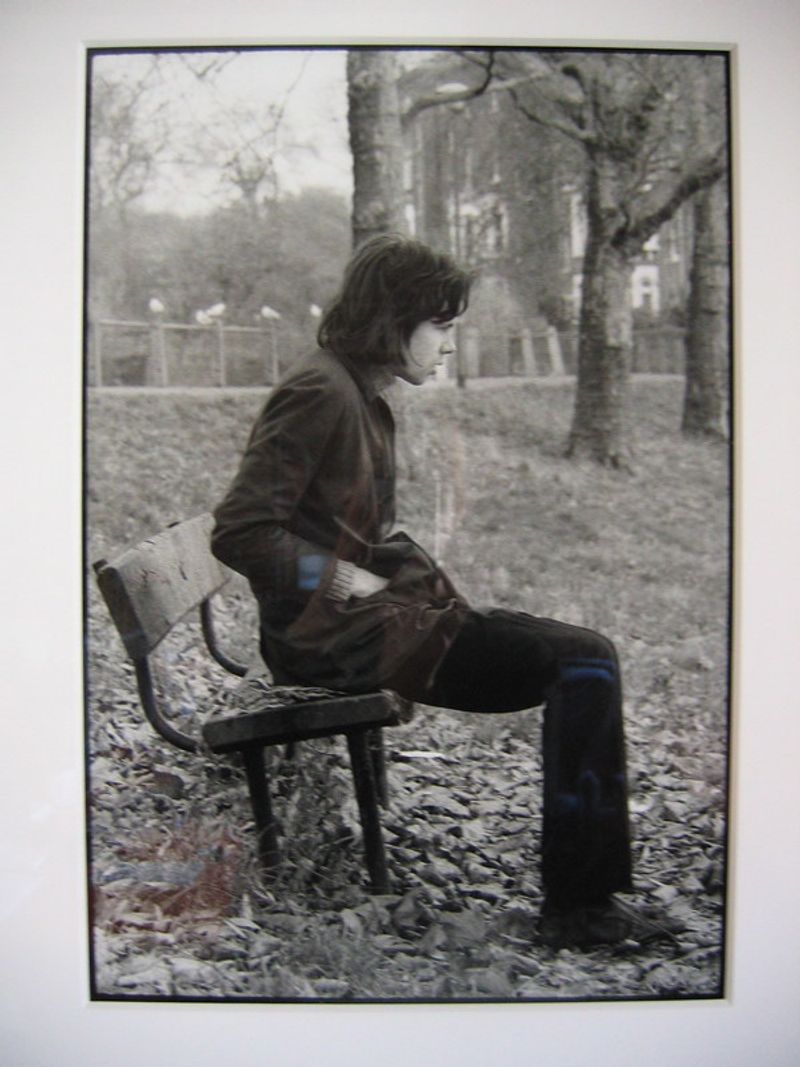
Few stories in music carry as much quiet sadness as Nick Drake’s. During his lifetime, his three folk albums were met with critical respect but almost no commercial interest.
He played to small audiences, recorded in near-silence, and struggled with depression throughout his short life.
Drake died in 1974 at just 26 years old, never knowing that his music would one day reach millions. His song “Pink Moon” appeared in a Volkswagen television commercial in the late 1990s, introducing his fragile voice and poetic guitar work to an entirely new generation of listeners.
By the early 2000s, Drake had become one of the most admired British singer-songwriters of his era. His influence now runs through folk, indie, and alternative music in ways he could not have imagined.
The world finally heard the whisper he had been putting out for years, just decades too late for him to know it.
Jeff Buckley
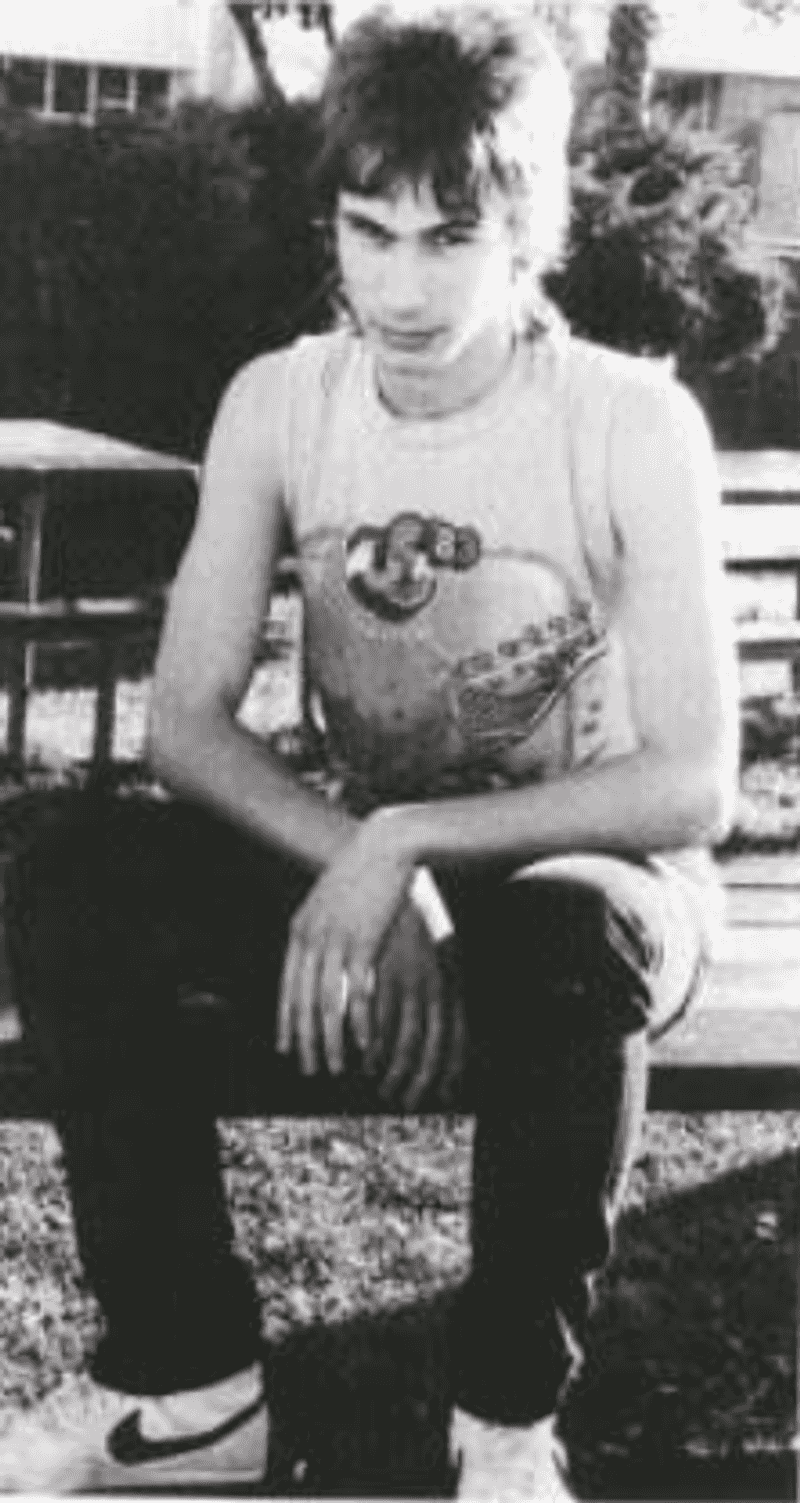
Jeff Buckley’s only completed studio album, Grace, came out in 1994 to critical praise but modest sales. He was admired by fellow musicians and serious listeners, but mainstream success stayed just out of reach.
He was working on a second album in Memphis when he drowned accidentally in 1997 at age 30.
After his death, his version of Leonard Cohen’s “Hallelujah” slowly became one of the most recognized recordings of the decade. It introduced millions of listeners to his voice, a voice that could move between raw power and fragile tenderness within the same line.
Grace has since been listed among the greatest albums of the 1990s by multiple publications. His influence on alternative rock, folk, and soul-influenced music continues to grow.
Buckley’s career was brief, but the emotional reach of his recordings has expanded steadily in the years since his death, reaching audiences he never had the chance to perform for.
Judee Sill
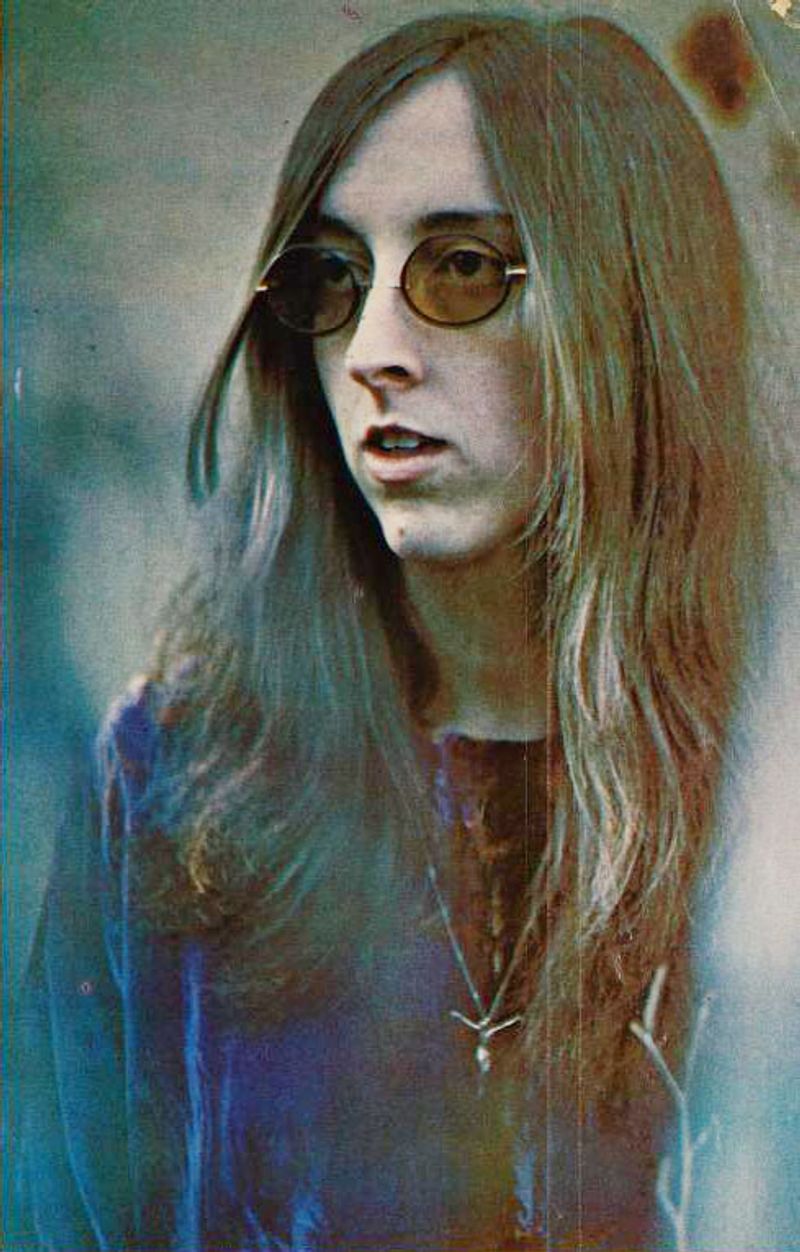
Judee Sill had a songwriting style unlike anyone else working in the early 1970s. Her music combined folk, gospel, and classical ideas with deeply spiritual lyrics that felt both personal and otherworldly.
She was the first artist signed to David Geffen’s Asylum Records, which should have launched a major career.
It did not. Her two albums sold poorly, and she faded from public view.
Sill died in 1979, largely overlooked by the music industry that had once offered her a real opportunity. For years, her records were hard to find and rarely discussed.
Later reissues and growing critical attention eventually brought her the recognition she had been denied in life. Her songs now appear on lists of the most distinctive singer-songwriter work of that era.
They do not sound like typical folk music. They feel more like hymns written by someone working through enormous pain, and that quality has made them resonate with listeners long after she was gone.
Chris Bell
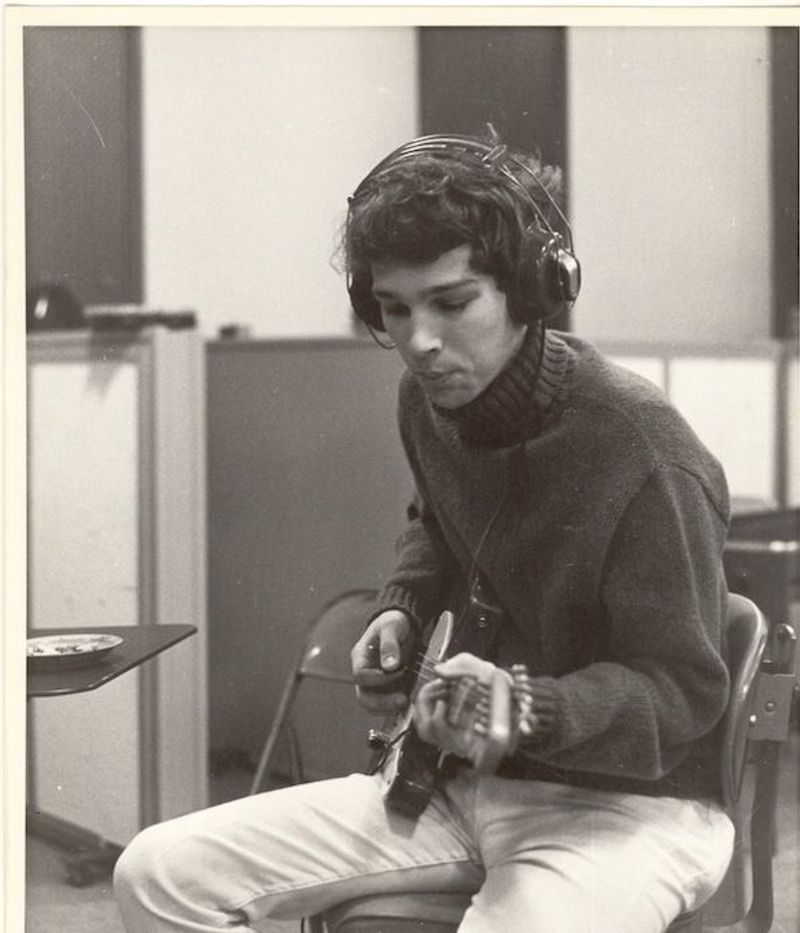
Chris Bell helped build something that would outlast him by decades. As a co-founder of Big Star, he contributed to a sound that later became central to power-pop and alternative rock.
But during the band’s actual run in the 1970s, their records barely sold, and Bell left after the first album.
He spent years trying to get his solo music released, without success. Bell died in a car accident in 1978 at age 27.
His solo album I Am the Cosmos was not released until 1992, fourteen years after his death. Rhino has noted that the album inspired many artists after it finally appeared.
Big Star’s catalog was largely forgotten when Bell died but later became a touchstone for alternative rock bands looking for melodic, emotionally direct songwriting. Songs like “I Am the Cosmos” and “You and Your Sister” turned him into a cult figure.
The audience he deserved arrived, just far too late for him to meet them.
Gram Parsons
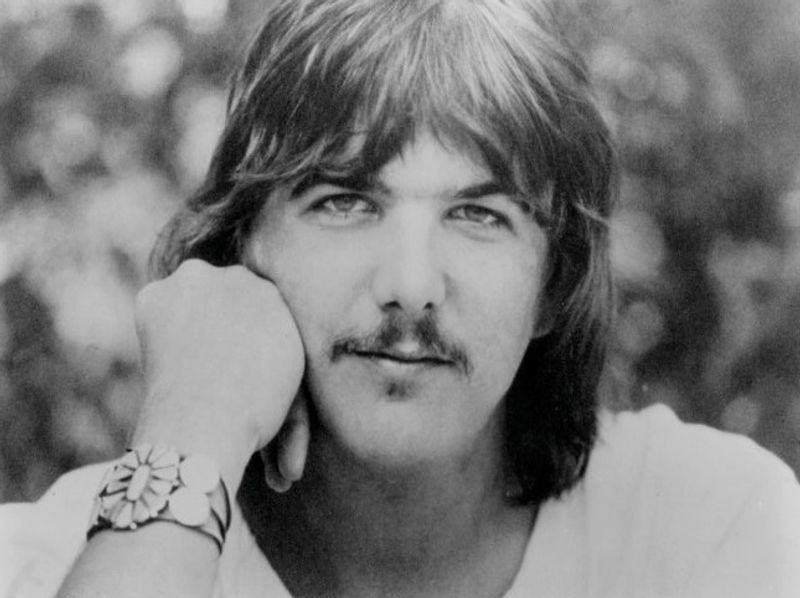
Gram Parsons was not completely invisible during his lifetime. He worked with the Byrds and the Flying Burrito Brothers, and he recorded two solo albums that showed a clear vision for blending country, rock, soul, and folk into something he called Cosmic American Music.
But his full importance only became obvious after he was gone.
Parsons died in 1973 at age 26. His final solo album, Grievous Angel, was released after his death.
Over the following decades, the genres he helped shape, Americana, alternative country, and roots rock, grew into major movements that traced their roots directly back to his recordings.
His story is slightly different from artists who were entirely unknown. He had connections, collaborators, and some recognition.
But he did not live long enough to see how central his ideas would become, or to watch the musicians he influenced carry his vision forward into audiences far larger than any he performed for himself.
Ian Curtis
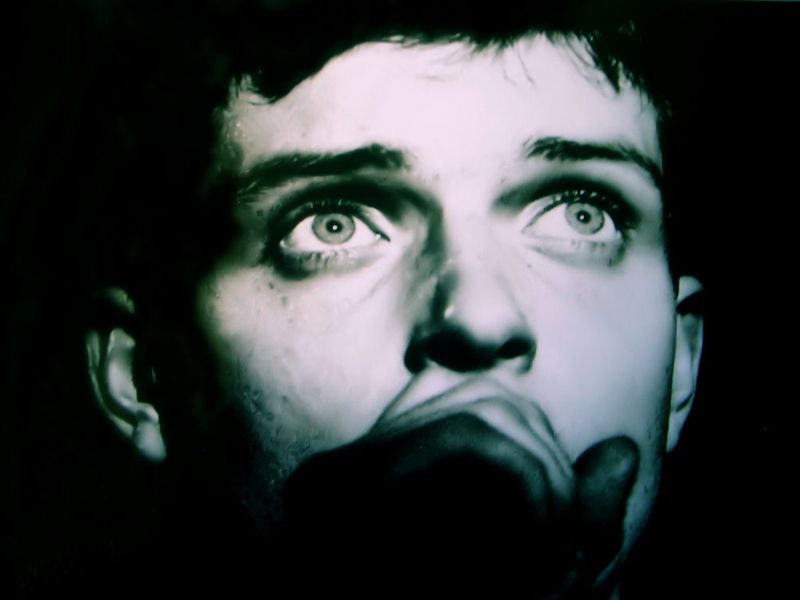
Ian Curtis was already building something significant before his life ended. Joy Division had a growing following in the UK, and the band was on the edge of much wider recognition.
Curtis died by suicide in 1980 at age 23, just before the band was set to leave for its first American tour.
Their second album, Closer, had been completed before his death and was released shortly after. It became one of the defining records of post-punk, and Curtis became an icon of emotionally intense, darkly poetic songwriting.
Joy Division’s influence on alternative and gothic music has only deepened over time.
Curtis was not unknown when he died. But the global scale of what Joy Division would become, the reverence, the documentary films, the continued critical discussion, was something he never experienced.
His lyrics and his stage presence have been studied and celebrated for over four decades, building a legacy far beyond anything he witnessed himself.
Share this story