Some places earn their charm through flash and fanfare. Others earn it through decades of grease, steel, and quiet dedication to keeping history alive.
The Oklahoma Railway Museum in Oklahoma City is firmly in the second camp, and it rewards every visitor who shows up with even a passing curiosity about trains. From restored locomotives to seasonal rides that pack the whole family in, this museum delivers a surprisingly rich experience that most people in the city have no idea exists.
A Northeast Oklahoma City Landmark Worth Finding
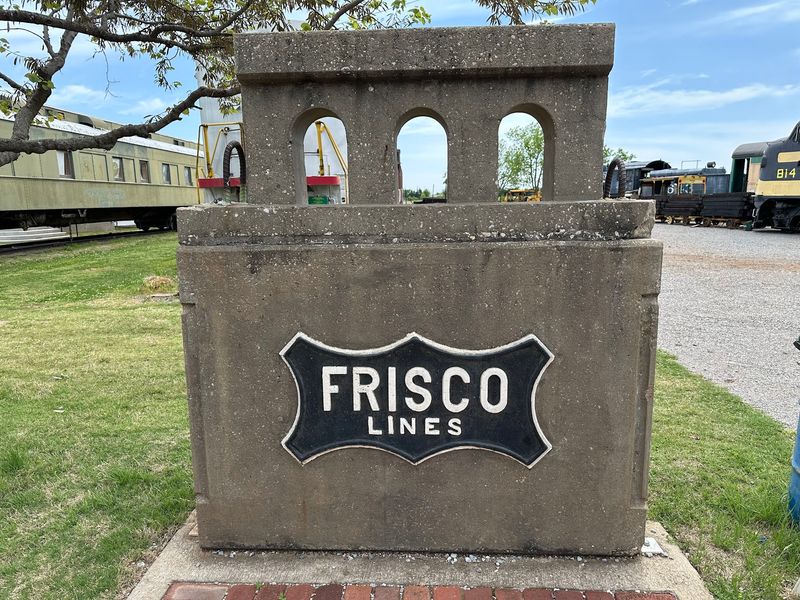
Tucked along the northeastern edge of Oklahoma City, the Oklahoma Railway Museum sits at 3400 NE Grand Blvd, Oklahoma City, OK 73111, a spot that does not exactly announce itself with neon signs or flashy billboards. You have to want to find it, and that sense of discovery is honestly part of the appeal.
The museum is rated 4.6 stars across more than 1,100 reviews, which is a quietly impressive number for a volunteer-run institution that charges nothing at the door. General admission is free, and the grounds are open Thursday through Saturday from 9 AM to 5 PM, giving visitors a solid three-day window each week to explore at their own pace.
The museum describes itself as a living exhibit, meaning the collection grows as restored pieces become display-worthy. The team accepts donations by card in five-dollar increments through a tip jar inside the gift shop, and every dollar goes directly toward keeping these massive machines in presentable shape.
Dogs are welcome on the grounds, which is a genuinely thoughtful touch for families who rarely find pet-friendly cultural stops.
The Collection of Locomotives and Rolling Stock
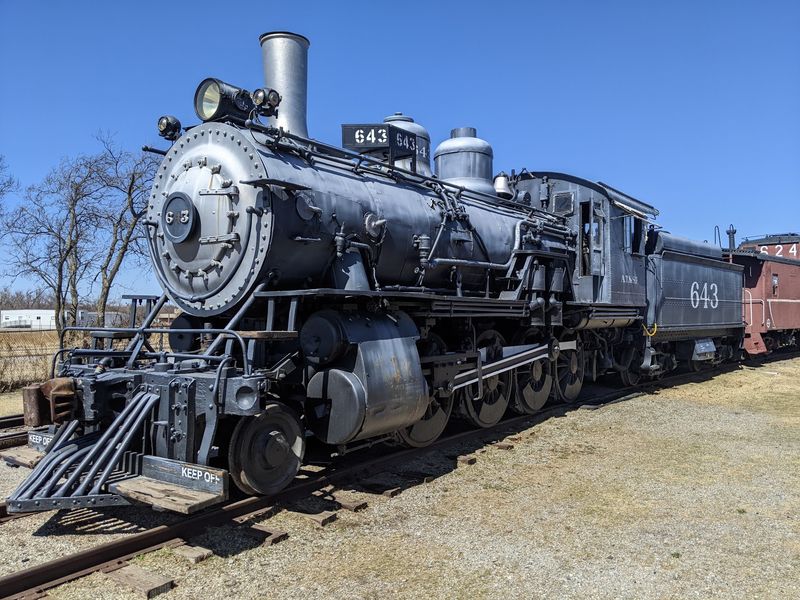
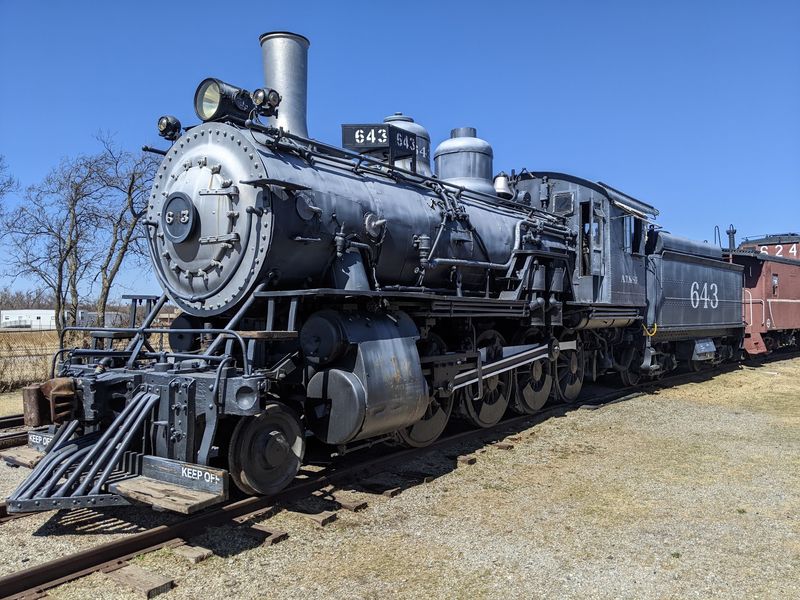
There is something almost theatrical about standing next to a full-size locomotive. The scale of these machines does not fully register until you are right beside one, looking up at steel panels that tower over your head and trying to process how something this heavy ever moved at speed.
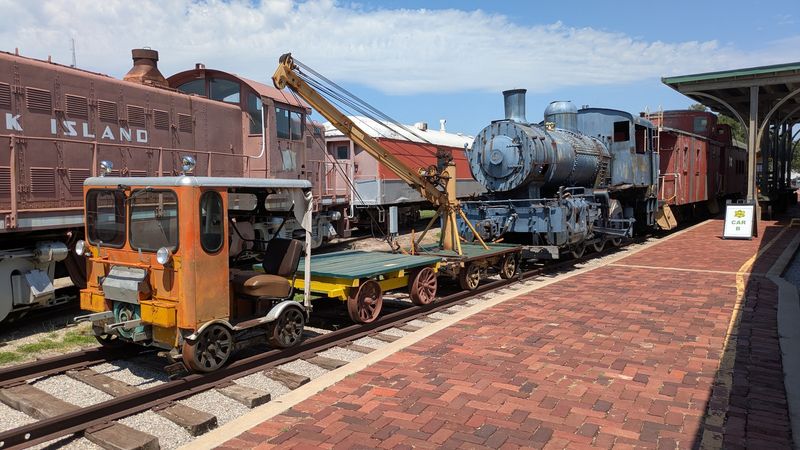
The Oklahoma Railway Museum holds an extensive collection of rolling stock that spans multiple eras of American railroad history. Visitors can walk up and examine engines, passenger cars, freight cars, and cabooses up close, and several of the cars are accessible from the inside.
The smell of old grease and oil still clings to some of the locomotives, which sounds like an odd selling point but actually adds a layer of authenticity that no museum display case can replicate.
Teenagers who arrive skeptical tend to warm up fast once they start climbing around the equipment. The exhibits are spread across an outdoor yard, so the experience feels more like exploration than a guided walkthrough.
Families with younger children should dress for the weather, since most of the collection lives outside and Oklahoma afternoons can be unpredictable. The sheer variety of machinery on display gives even casual visitors plenty to look at for a full hour or more.
Inside the Caboose and the Conductor’s Perch
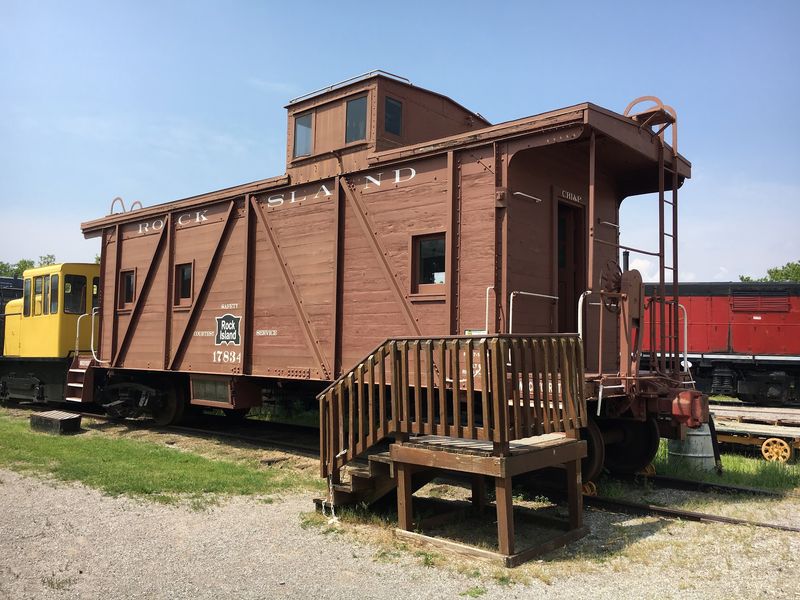
One of the most genuinely fun moments during a visit to the Oklahoma Railway Museum involves climbing up into a caboose cupola, the elevated glass-windowed compartment at the top of the car where conductors and brakemen once kept watch over the train below them. The view from seats 5A and 5B in the caboose during a ride is described as offering some of the best sightlines on the property.
Getting up into the cupola requires a bit of effort. The steps are steep, the clearance is tight, and the whole experience feels satisfyingly old-fashioned compared to modern transit.
Once you settle in, though, the perspective shifts completely. You can see both directions along the track, and the sense of what it meant to work a long freight run suddenly feels much more concrete.
The interior of the caboose itself is well-preserved, with original fittings and fixtures that give a genuine sense of working railroad life from an earlier era. Volunteers stationed near the car are knowledgeable and genuinely enthusiastic, happy to explain the difference between a conductor’s duties and a brakeman’s without making the conversation feel like a lecture.
It is a small space, but it punches well above its size in terms of the stories it holds.
The HO Scale Model Train Layout
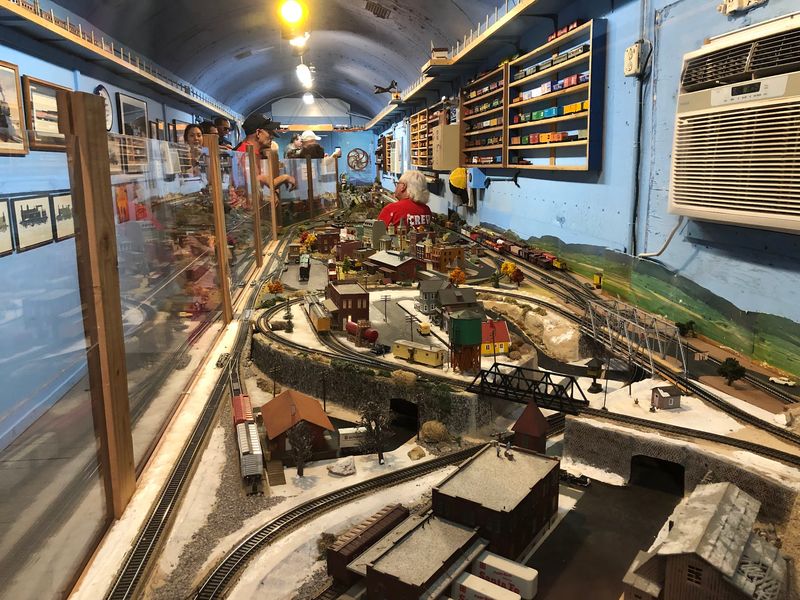
Hidden inside one of the old coach and baggage cars on the property is a model train layout built to HO scale, and it is more impressive than the brief description suggests. The layout is operational, meaning trains actually run through the miniature landscape while visitors watch, and the detail work throughout the scene rewards a close look.
The car housing the layout comes with a practical bonus: air conditioning. On a warm Oklahoma afternoon, that single amenity makes this one of the more popular stops on the grounds.
Children crowd around the edges of the display while adults find themselves just as absorbed, tracing the routes of tiny locomotives through bridges, tunnels, and carefully arranged scenery.
Museum staff keep the model train exhibit locked when unattended, but visitors can simply ask any staff member to open it up. The volunteers who manage this area tend to be deeply familiar with the layout and happy to share details about how it was built and what it represents.
The gift shop nearby carries model train supplies and railroad-themed merchandise, making it easy to extend the experience with a small souvenir. It is the kind of detail-oriented corner of the museum that rewards visitors who slow down and look carefully.
Excursion Rides on Restored Vintage Railcars
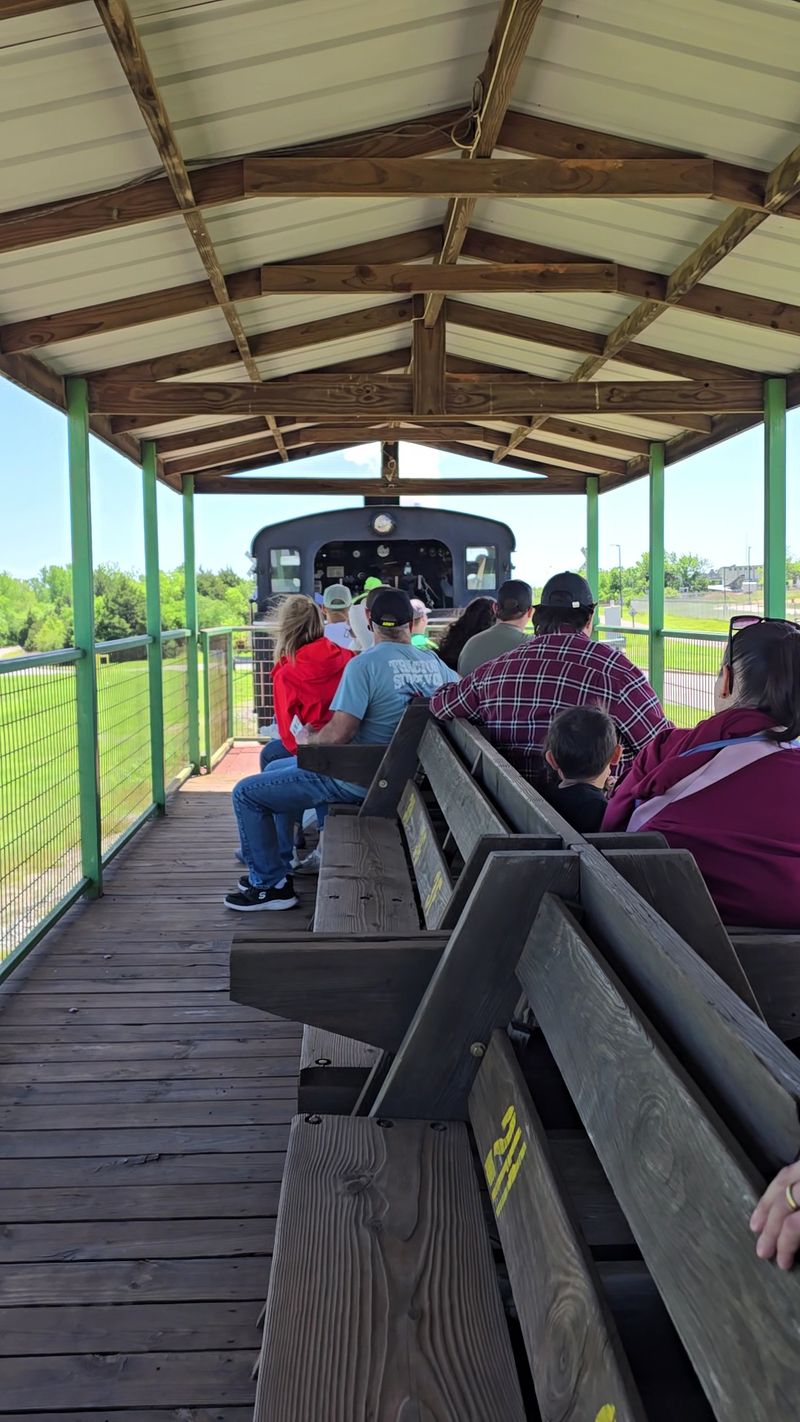
The excursion train rides are where the museum shifts from a static collection into something genuinely kinetic. Boarding a restored railcar and feeling the tracks move beneath you is a different category of experience from simply looking at equipment, and the Oklahoma Railway Museum runs these rides on the first and third Saturdays of each month through the summer season.
Three different car options are available for riders, including an open-air car that tends to be the most popular choice. The conductors who narrate these rides bring considerable knowledge to the role, covering the history of the equipment and the broader story of American railroading in a way that feels conversational rather than scripted.
Visitors who have ridden trains across the country still find the experience worthwhile for the historical context alone.
Tickets for the excursion rides carry a small additional cost beyond the free general admission. Purchasing tickets in advance is strongly recommended, particularly for popular seasonal events when demand rises sharply.
The rides are short enough to fit comfortably into a half-day visit but memorable enough that families regularly return for them. First-time riders and lifelong train enthusiasts tend to come away equally satisfied, which is a difficult balance for any attraction to strike consistently.
Seasonal Events That Transform the Museum
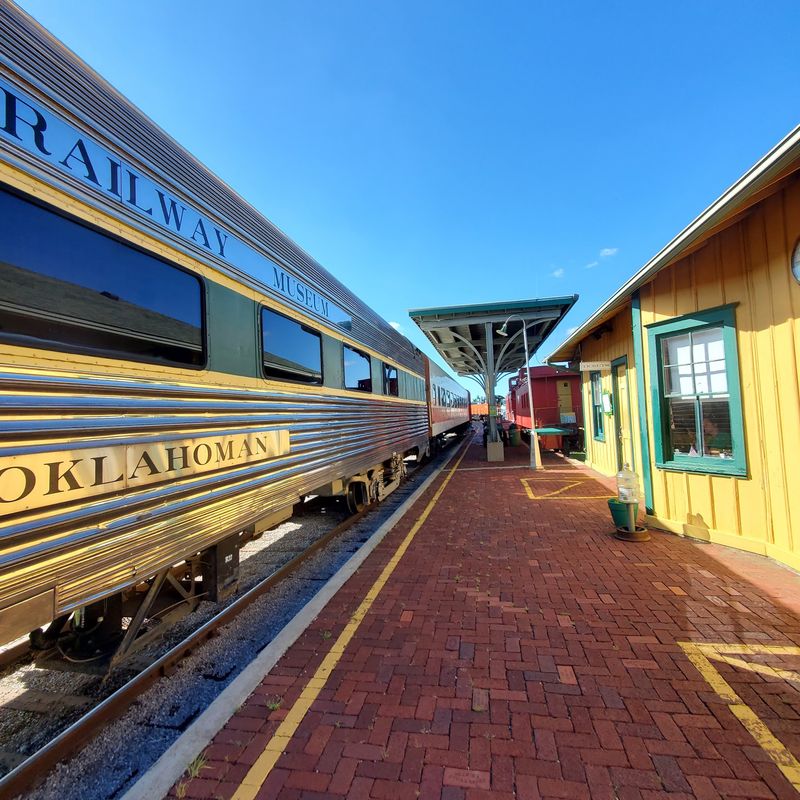
Beyond the regular weekend rides, the Oklahoma Railway Museum hosts a series of seasonal events that turn the property into something entirely different from its everyday self. The Polar Express experience during the holiday season is by far the most talked-about of these events, drawing families from across the Oklahoma City metro and beyond.
The Polar Express ride is fully theatrical. Cast members in character interact with passengers throughout the journey, hot chocolate is served on board, and many guests arrive in pajamas to match the spirit of the original story.
Families with young children report that the energy on board is genuinely magical, with performers giving special attention to the youngest riders. Evening performances add an extra layer of atmosphere that daytime rides cannot quite replicate.
The fall season brings additional events including a Halloween Train and a Steam Train experience, giving the museum a strong reason to visit across multiple seasons rather than just once. Tickets for the Polar Express sell quickly and advance purchase is essentially mandatory.
The museum recommends arriving about an hour before showtime, and the process from parking to boarding typically moves efficiently when guests have tickets in hand. These events have become a genuine Oklahoma City holiday tradition for many families.
The Volunteer-Powered Heart of the Museum
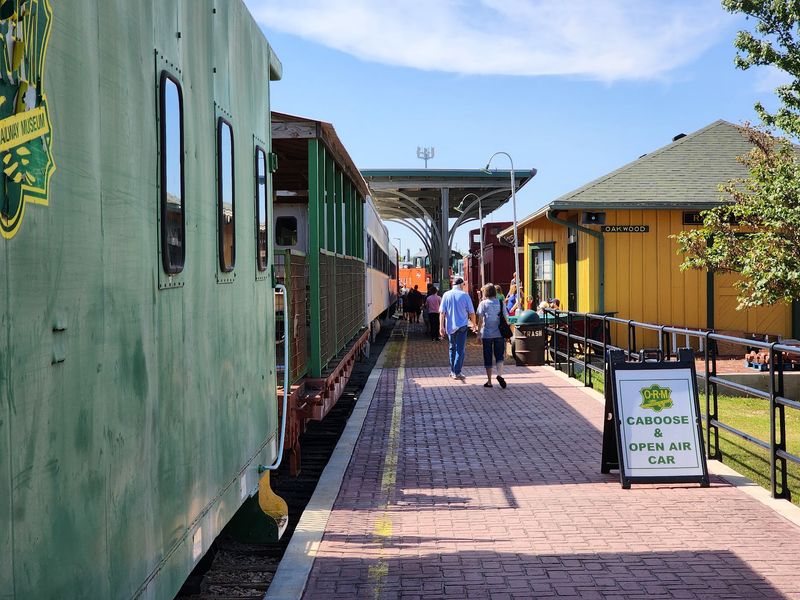
Almost everything that makes the Oklahoma Railway Museum work is driven by volunteers. The museum receives no funding from state or federal sources, operating entirely on ticket sales and donations.
That context changes how you experience a visit, because the people you meet on the grounds are there out of genuine passion rather than professional obligation.
The volunteers range from retired railroad workers with firsthand experience on the equipment to dedicated enthusiasts who simply love the history. Some of them can walk you through the mechanical details of a specific locomotive with the kind of precision that comes from years of personal study.
Others share memories of riding similar trains decades ago, giving the conversation a warmth that no printed placard can match.
Visitors consistently single out specific volunteers by name in their feedback, which says something meaningful about the quality of interaction on offer. The museum atmosphere is relaxed and unhurried, with crowd levels staying manageable enough that you can take your time at each exhibit without feeling pressed.
Supporting the museum through a donation or a ride ticket purchase is one of the more direct ways to ensure that this kind of volunteer-driven institution keeps its doors open for future generations of curious visitors.
Planning Your Visit to the Oklahoma Railway Museum
Getting the most out of a visit to the Oklahoma Railway Museum starts with checking the schedule before you go. The museum opens Thursday through Friday from 9 AM to 5 PM, with Saturday hours matching that same window.
Sunday through Wednesday, the museum is closed, so a weekend morning or a midweek Thursday or Friday visit covers most scheduling situations.
General admission to walk the grounds and explore the exhibits costs nothing. Train excursion rides carry a separate ticket price, and seasonal events like the Polar Express are priced distinctly from standard ride tickets.
The museum can be reached by phone at 405-424-8222, and the website at oklahomarailwaymuseum.org carries current event listings and ticketing information. Tours can also be arranged by contacting the museum directly.
The grounds are primarily outdoors, so dressing for the weather makes a real difference in comfort. Comfortable walking shoes are a practical choice given the uneven terrain around the rail yard.
The gift shop is worth a stop on the way out, carrying railroad memorabilia and model train supplies. With a 4.6-star rating across more than 1,100 reviews, the Oklahoma Railway Museum has clearly earned its reputation as one of Oklahoma City’s most underrated and genuinely rewarding half-day destinations.
Share this story