Somewhere in the green hills of eastern Oklahoma, a river moves at its own unhurried pace, and once you climb into a tube or canoe, so do you. The Illinois River winds through Cherokee County near Tahlequah, threading between limestone bluffs and dense Ozark-edge forest in a way that makes the rest of the world feel very far away.
Families have been returning here summer after summer for generations, and the river holds a 4.7-star rating from people who clearly have no plans to stop coming back. Whether you are chasing a quiet afternoon on the water or a full weekend camping under the stars, the Illinois River has a way of making both feel exactly right.
Where the Illinois River Actually Lives
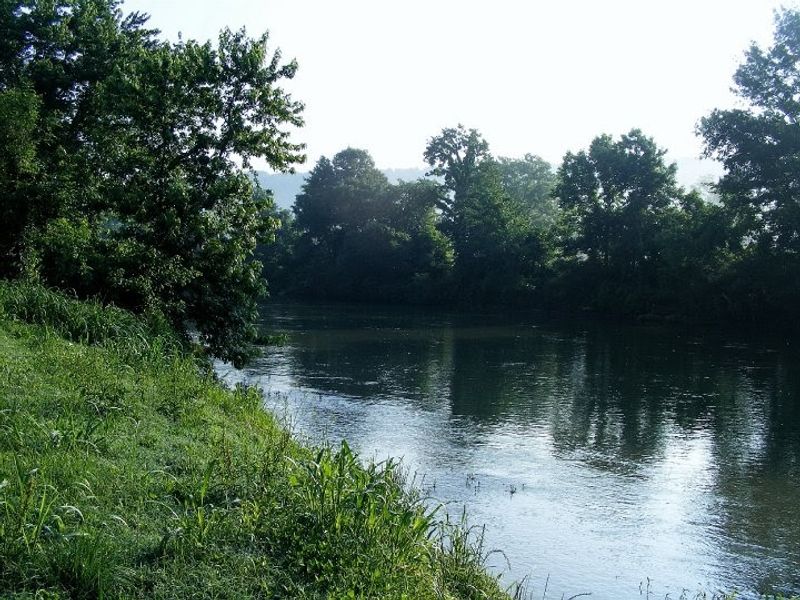
Nestled in the Ozark foothills of eastern Oklahoma, the Illinois River flows through one of the most quietly spectacular landscapes the state has to offer. The river runs through Cherokee County near Tahlequah, with the address anchored around Oklahoma 74435.
Its coordinates place it at roughly 35.5 degrees north latitude, deep in the green corridor where Oklahoma’s terrain softens into rolling hills and dense mixed forest.
The river is not a roaring whitewater experience. Think gentle current, clear water, and a pace that practically forces you to slow down and look around.
Limestone outcroppings line stretches of the bank, and the tree canopy closes in overhead in a way that filters afternoon sunlight into something almost theatrical.
Getting here from Tulsa takes roughly an hour heading southeast. From Oklahoma City, budget about two and a half hours.
The town of Tahlequah serves as the main gateway, offering supplies, local outfitters, and that particular small-town energy that makes a road trip feel like it was worth the drive before you even touch the water.
The Ozark Foliage That Makes Every Float Feel Cinematic
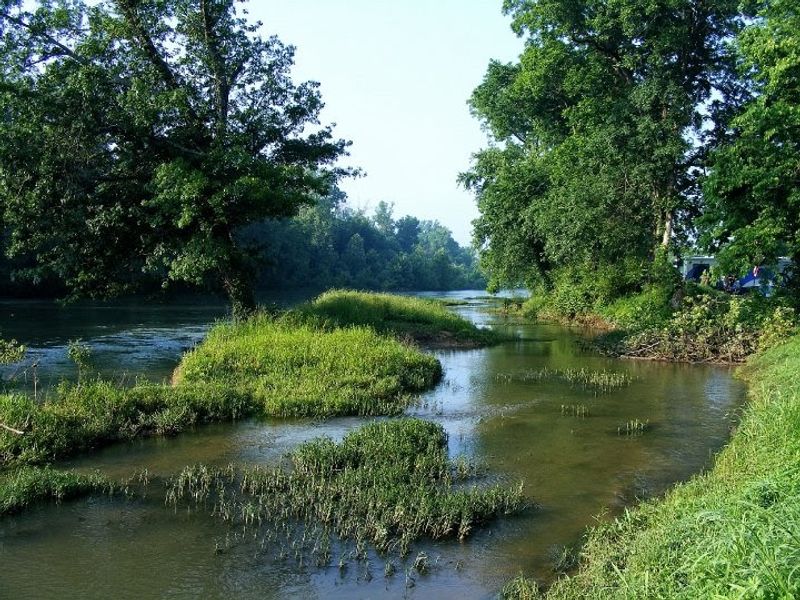
Few things prepare you for how green it gets out here. The Illinois River corridor sits right at the edge of the Ozark Plateau, which means the surrounding landscape is thick with oak, hickory, and sycamore trees that press right up to the water’s edge.
On a clear summer afternoon, the reflection of that canopy on the river surface turns the whole float into something you would expect to see in a travel magazine, not in landlocked Oklahoma.
The foliage changes character through the seasons. Summer brings that deep, saturated green that makes the water look almost turquoise by contrast.
Early fall introduces amber and rust tones that drift down from the bluffs and collect quietly in the slower eddies along the bank. Even spring floats carry their own visual reward, when fresh growth along the banks is almost impossibly bright.
The scenery is a genuine part of what draws people back year after year. The river corridor feels protected and unhurried, and the natural landscape does most of the work of making the experience feel special.
You do not need a camera to remember it, though you will want one anyway.
A Float Trip Pace Built for People Who Actually Need to Unwind
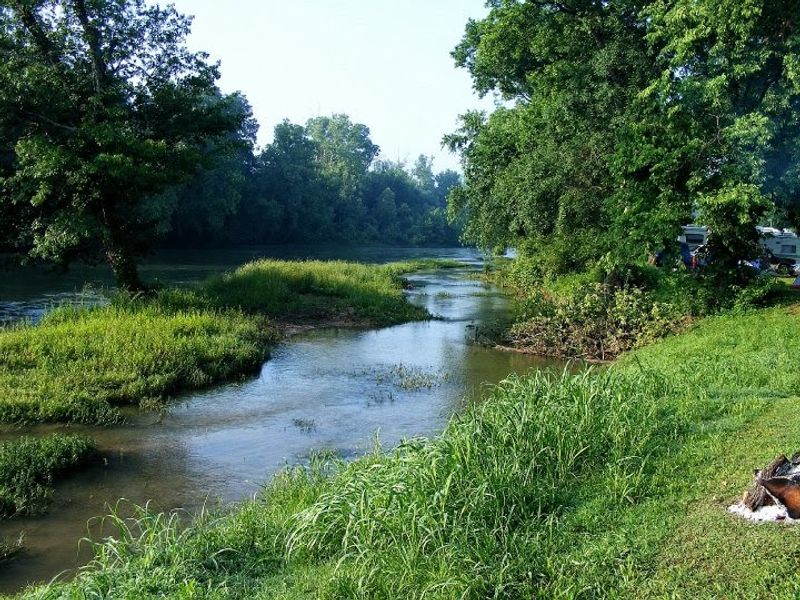
The current on the Illinois River is genuinely easygoing. This is not the kind of river that demands athleticism or a high tolerance for adrenaline.
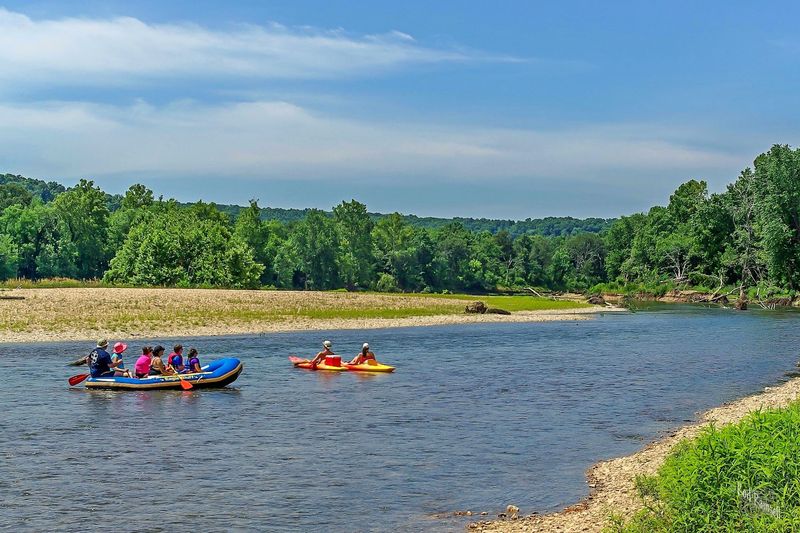
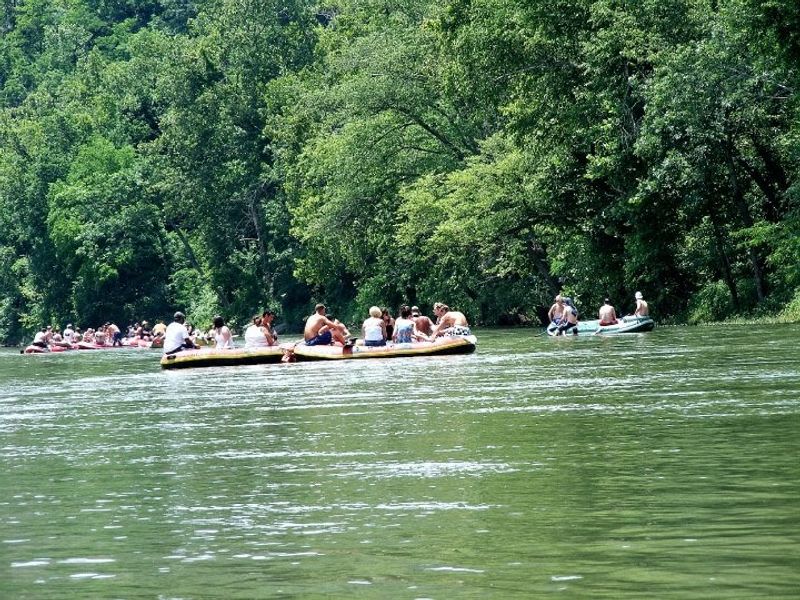
Most floaters spend their time drifting, paddling just enough to steer, and occasionally dragging their hands through water that stays surprisingly clear even on busy summer weekends.
One of the most popular routes is the six-mile float offered through outfitters like Diamond Head Resort. That stretch takes a few hours at a relaxed pace, which is plenty of time to lose track of your phone, have a real conversation, and remember why you bothered leaving the house in the first place.
The river’s gentle nature makes it accessible to a wide range of ages and fitness levels.
Canoes, kayaks, and tubes are all fair game out here, and outfitters along the river rent equipment by the trip. The pace of the float naturally encourages people to spread out, find their own quiet section of water, and settle into whatever version of relaxation they came looking for.
That unhurried quality is exactly what keeps people planning return trips before the current one has even ended.
Camping Along the Bank – From Rustic to Resort-Style
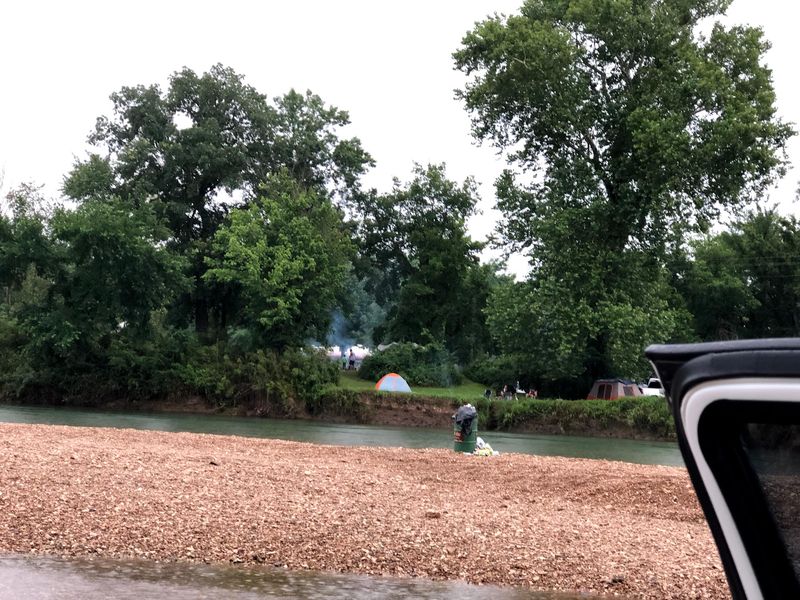
Camping along the Illinois River is practically a rite of passage for Oklahoma families. The river corridor is lined with a range of options, from bare-bones tent sites right at the water’s edge to more developed resort-style setups with amenities that make roughing it considerably more comfortable.
That variety means the same river can feel like a completely different trip depending on how you choose to stay.
Outfitters like Diamond Head Resort offer overnight packages that bundle camping with float trips, which is a smart way to build an itinerary without overthinking the logistics. Pricing for a one-night stay combined with a six-mile float can run over one hundred dollars per couple, so it is worth budgeting accordingly and reading the specific resort’s policies before you book, particularly around quiet hours and group size rules.
Campfire smoke drifting through the trees at dusk, the sound of the river moving just beyond the site, and a sky full of stars that you genuinely cannot see from Tulsa – these are the details that make camping on the Illinois River feel less like a trip and more like a reset. Bring your own firewood and arrive early on summer weekends to secure a good spot.
Fishing the Illinois – What the River Actually Holds
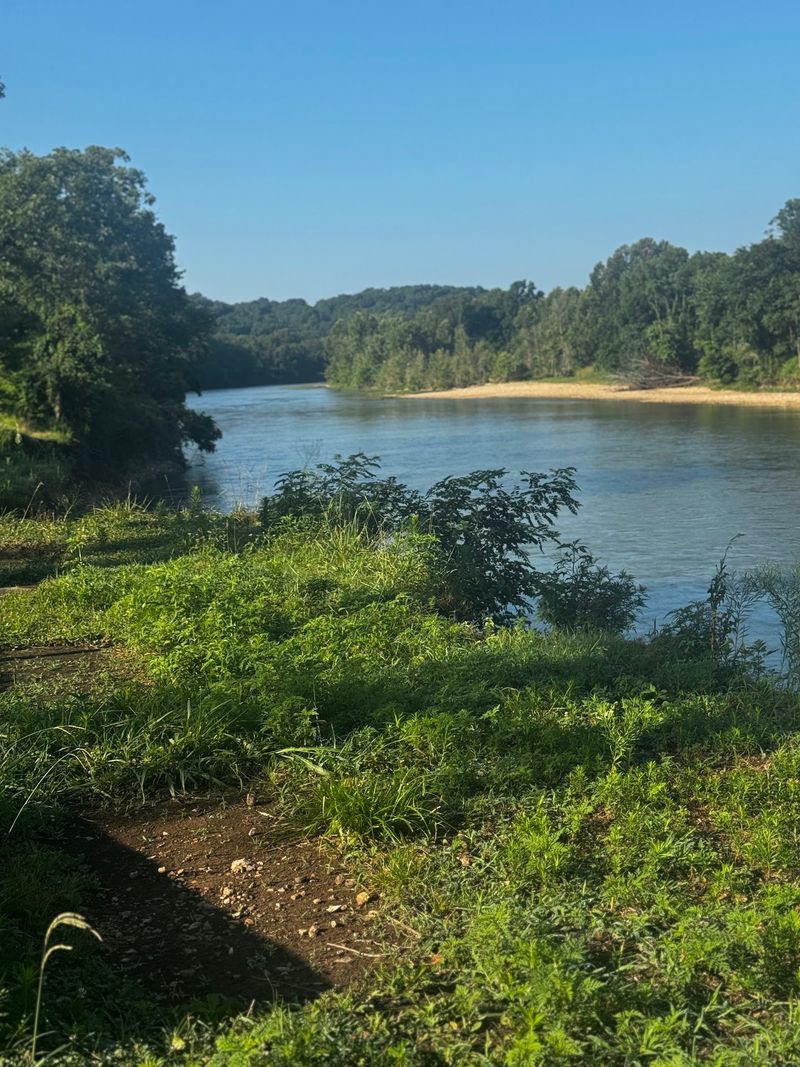
Anglers have been pulling fish from the Illinois River for a long time, and the stretch near Tahlequah is particularly well regarded among those who know it. The river supports a healthy population of smallmouth bass, largemouth bass, and various sunfish species, with peak fishing times drawing regulars who plan their seasons around the river’s rhythms rather than the other way around.
The clear water actually works in your favor when fishing here. You can read the current, spot structure, and identify likely holding spots in a way that murkier rivers simply do not allow.
Fly fishing and light spinning tackle both work well, and wade fishing is a natural option given how shallow and navigable much of the river runs.
Spring break is a particularly strong window for fishing the Illinois, when water temperatures rise just enough to activate fish without the heavy recreational float traffic of midsummer. The river near the old Hollow Point area, north on Highway 10, has a reputation among longtime visitors as one of the better spots to drop a line.
Bring a valid Oklahoma fishing license and plan to stay longer than you expected, because the river has a habit of making time disappear.
The Movie Connection That Gave This River a Footnote in Film History
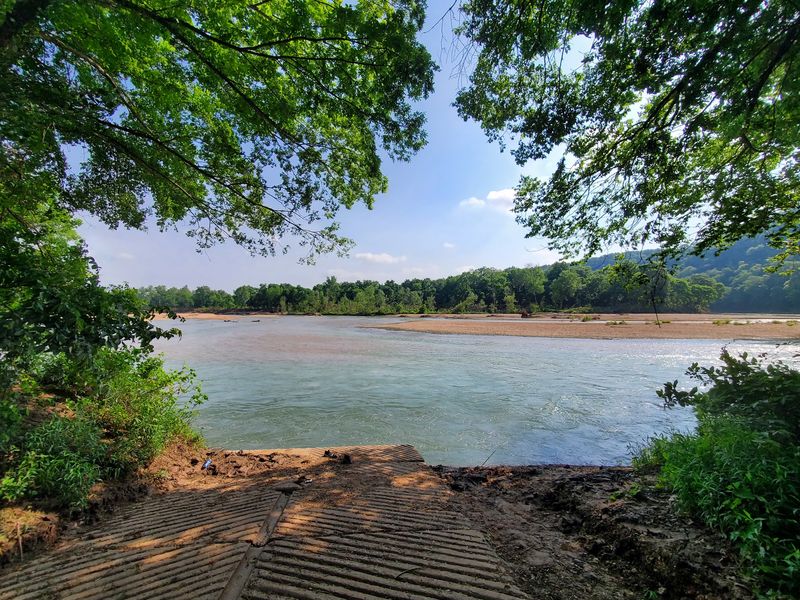
Not every river in Oklahoma can claim a connection to American literary and film history, but the Illinois River carries one worth mentioning. The area north of Tahlequah along Highway 10, near a spot known as Hollow Point, is associated with the setting of “Where the Red Fern Grows,” the beloved novel by Wilson Rawls that was later adapted into a film.
The story is set in the Ozark hill country of northeastern Oklahoma, and the landscape around the Illinois River fits that description almost perfectly.
Rawls himself grew up in the Cherokee Nation territory of northeastern Oklahoma, and the terrain he described in the novel – the river bottoms, the dense hardwood forest, the rugged hills – matches what you see floating the Illinois today. Whether the exact filming location was on this stretch or nearby, the association adds a layer of cultural texture to an already compelling destination.
For visitors who grew up reading the book or watching the film, floating past these bluffs and forested banks carries a quiet resonance. The landscape has not changed dramatically, which is part of what makes the Illinois River feel like a place that belongs to a different, slower era of American life.
Who the River Suits Best – And Who Should Plan Accordingly
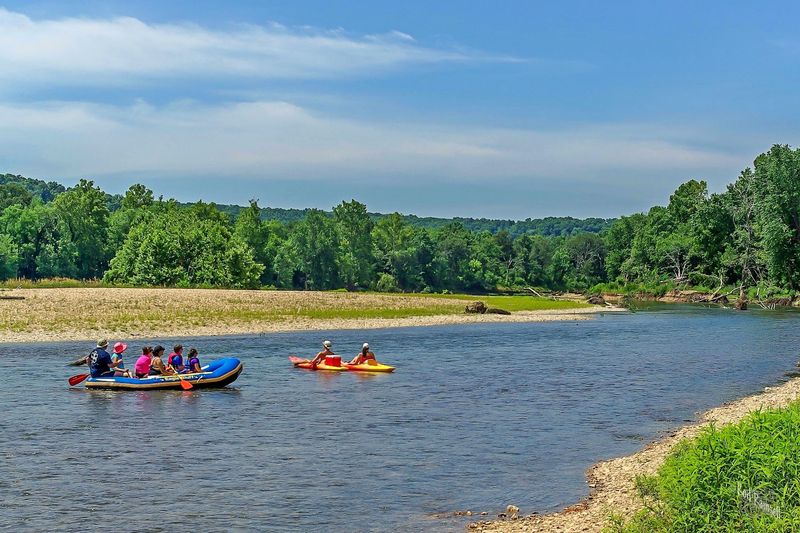
The Illinois River genuinely works for a wide range of visitors, but it helps to know which version of the experience you are walking into. Families with younger children tend to gravitate toward the calmer, shallower stretches where the current is mild and the water stays knee-deep for long sections.
The river has earned a strong reputation as a family destination, and many parents describe bringing their kids back to the same spots they visited as children themselves.
The river also draws groups looking for a livelier social atmosphere, and the two can sometimes overlap in ways that require a little awareness. Some sections and resorts cater specifically to family-friendly environments, while others attract a more adult-oriented crowd, particularly on summer weekends.
Checking with your chosen outfitter about the general vibe of their stretch goes a long way toward arriving with accurate expectations.
Solo visitors and couples looking for peace rather than a party scene will find it here too, particularly on weekday floats when the river has room to breathe. The key is picking the right section and the right outfitter for your group.
The river is big enough and varied enough to accommodate nearly everyone, as long as you do a little homework first.
Wildlife and Birdwatching Along the Corridor
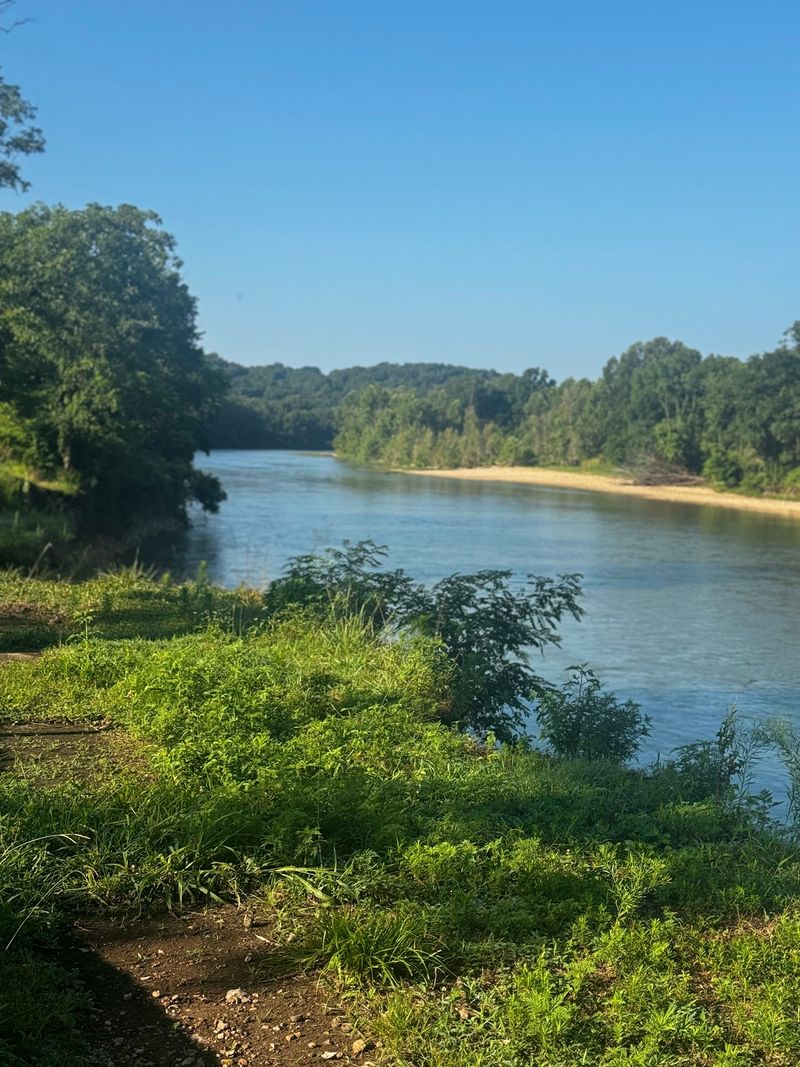
Beyond the float trips and campfires, the Illinois River corridor quietly functions as one of eastern Oklahoma’s better wildlife observation zones. The combination of clean water, mature riparian forest, and relatively low development pressure creates habitat that supports a surprising variety of species.
Great blue herons are a regular sight, standing motionless in the shallows with a patience that puts most anglers to shame.
Kingfishers dart along the banks with their characteristic rattling call, and wood ducks are common in the quieter backwater sections during spring and fall. The forested bluffs above the river provide nesting habitat for various raptor species, and early morning floats occasionally reward attentive paddlers with a glimpse of white-tailed deer coming down to drink at the water’s edge.
Birdwatching along the Illinois does not require any special equipment or expertise. A pair of binoculars helps, but simply keeping your eyes up and your paddle quiet will reveal more than you might expect.
The river’s gentle pace, which can feel almost frustratingly slow when you are eager to cover ground, turns out to be exactly the right speed for noticing the natural world moving around you. That is one of the Illinois River’s quieter gifts.
Sun, Skin, and the Things First-Timers Wish They Had Known
First-time visitors to the Illinois River tend to learn a few things the hard way, and the most common lesson involves sunscreen. Hours on the water under an Oklahoma summer sun, even with tree cover overhead, delivers a level of UV exposure that catches people off guard.
The reflection off the water intensifies it, and a six-mile float is long enough to earn a memorable burn if you are not prepared.
Hydration is the other practical priority. The river does not offer water stations, and the exertion of paddling – even gentle paddling – adds up over a few hours.
Bringing more water than you think you need is always the right call, especially on warm days when temperatures in the river corridor can climb well into the nineties.
Water shoes or sandals with a secure strap are worth the investment, since the rocky riverbed requires some footing on the inevitable stretches where you have to walk your tube or canoe through a shallow section. Waterproof bags or dry boxes protect phones and wallets without adding much bulk.
None of this is complicated, but arriving prepared means spending your afternoon enjoying the river instead of managing small disasters that a little planning would have prevented.
Planning Your Visit – Seasons, Access, and What to Expect
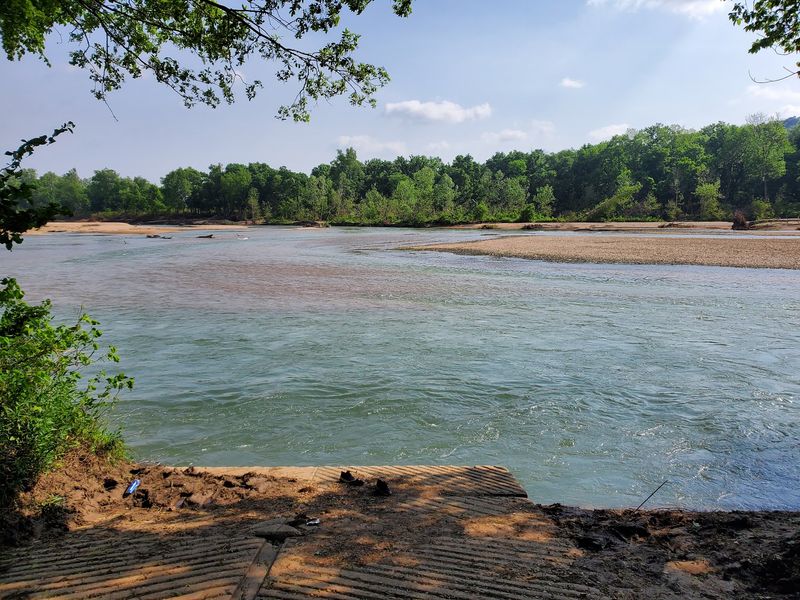
Summer is peak season on the Illinois River, and for good reason. The combination of warm temperatures, school breaks, and long daylight hours makes June through August the busiest and most socially energetic window.
Weekends fill up fast, particularly at the more popular resorts, so booking accommodations and float trips in advance is not optional during July – it is just common sense.
Spring and early fall offer a noticeably quieter experience. Water levels can be higher in spring after seasonal rains, which adds a bit more current and cuts float times down.
Fall brings the foliage color that makes the Ozark corridor genuinely beautiful, and the crowds thin out considerably after Labor Day. Those shoulder seasons suit visitors who want the scenery without the summer energy.
Access to the river runs through a network of private outfitters and resorts that manage different stretches. Most offer shuttle services that drop you upstream and pick you up at the takeout point, which solves the logistics of a one-way float.
Prices vary by outfitter and trip length, so comparing a few options before committing pays off. The river itself earns a 4.7-star rating across reviews, and the consistent theme is simple: people who come once almost always find a reason to come back.
Share this story