What if you could stand in front of a clay tablet written 3,800 years ago and then turn around to face an industrial robot, all in the same room? That is exactly the kind of experience waiting for you at a small but extraordinary museum tucked away near a university campus in Montana. Harvard scientist Edward O. Wilson once called it “inch for inch, the best museum in the world,” and after spending time there myself, I completely understand why.
The collection spans 4,000 years of human ingenuity, from ancient cuneiform to quantum computing, and it manages to make every single step of that journey feel personal and exciting. Artifacts signed by Steve Wozniak, Bill Gates, and John Glenn share space with NASA mainframes and Hollywood robots. By the time you finish reading, you will know exactly why this place deserves a spot on every curious traveler’s list.
A Montana Address That Hides a World-Class Secret
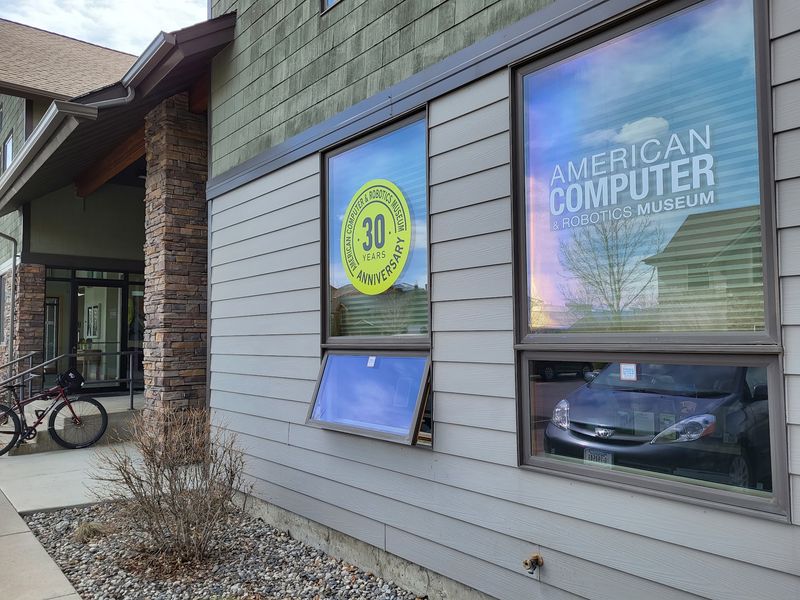
Most people driving past 2023 Stadium Drive, Suite 1-A, Bozeman, Montana 59715, would never guess that one of the most celebrated small museums on the planet sits right there, just one block west of Montana State University. The building is modest from the outside, which makes what waits inside feel even more surprising.
The museum sits close to Bobcat Stadium and the Museum of the Rockies, so the surrounding area already carries a certain academic energy. That proximity to MSU is no accident, since the museum actively collaborates with the university on cutting-edge exhibits around quantum computing and photonics.
Bozeman Yellowstone International Airport is only about 16 kilometers away, roughly a 20-minute ride by taxi or rideshare, making the museum an easy first or last stop on any Montana trip. Parking can be tricky, so arriving a few minutes early helps.
How a Mislabeled Calculator Started It All
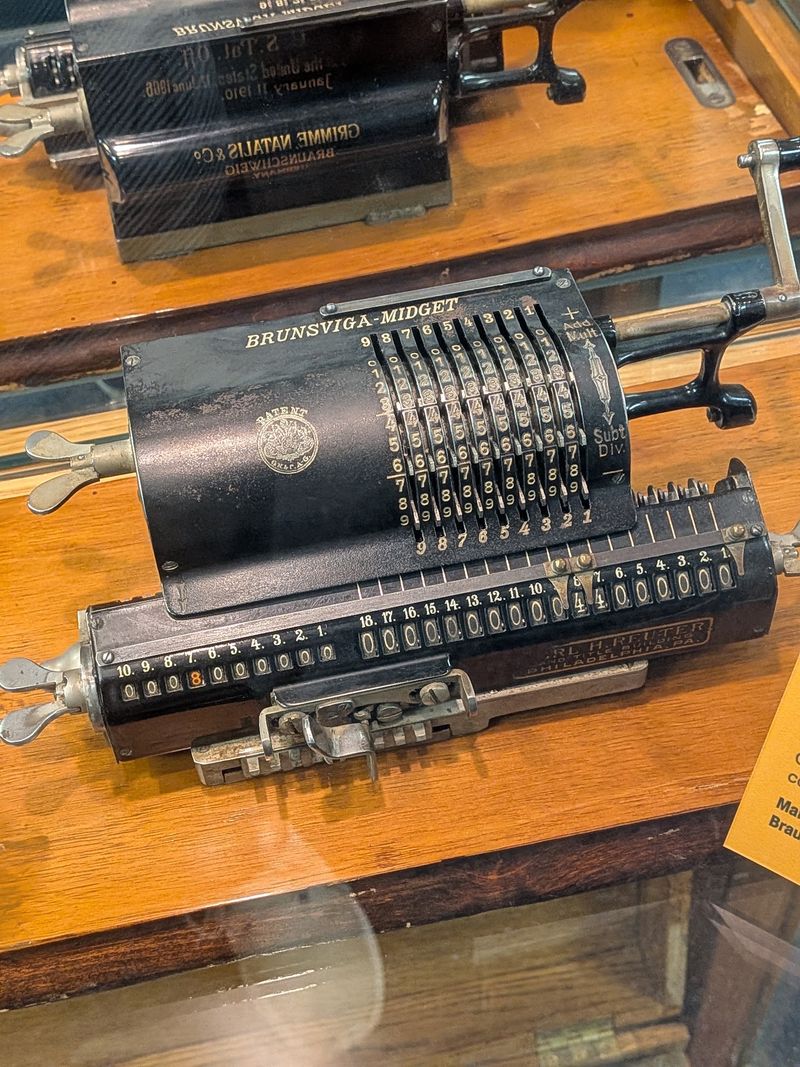
The origin story of this museum reads like something from a treasure-hunting novel. In the early 1980s, a consultant named George Keremedjiev walked into an antique shop and spotted a mislabeled Brunsviga mechanical calculator sitting quietly on a shelf, completely unrecognized for what it was.
That single purchase lit a fire. Keremedjiev spent the following years building one of the most comprehensive technology collections in the world, piece by piece. He and his wife Barbara officially opened the American Computer and Robotics Museum as a non-profit in May 1990, originally envisioning it for Princeton, New Jersey, before ultimately planting roots in Bozeman.
George passed away in November 2018, but Barbara and the Board of Directors have carried his vision forward with remarkable dedication. The museum earned the Dibner Award for Excellence in Museum Exhibits from the Society for the History of Technology in 1994, just four years after opening.
Cuneiform Tablets and the Oldest Data Ever Recorded
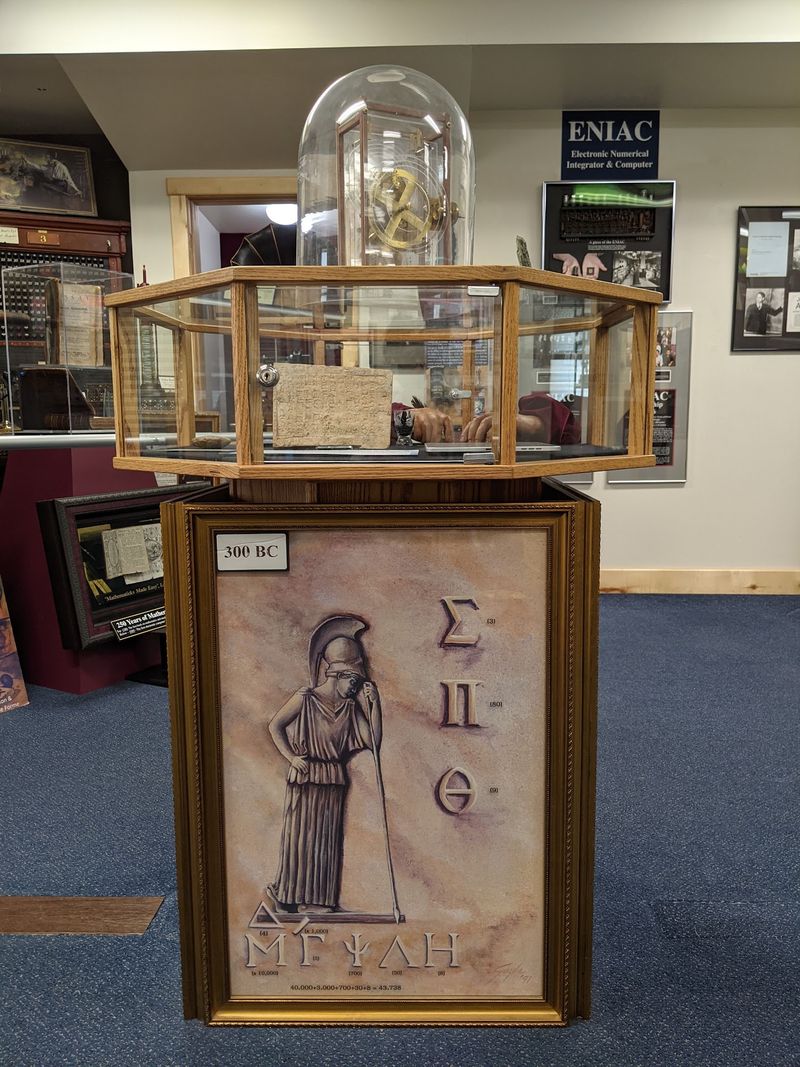
There is something genuinely humbling about standing in front of a cuneiform tablet that is older than most civilizations most people can name. The museum holds original examples that are over 3,800 years old, representing some of the earliest known attempts by humans to systematically record and organize information.
These tablets were not decorative objects. They were functional tools, used by ancient Babylonians to track grain, trade, and astronomical data. Seeing them displayed alongside early computers reframes the entire history of technology as one long, unbroken human conversation about how to store and share knowledge.
The museum frames this beautifully, helping visitors understand that the smartphone in their pocket is not a modern miracle so much as the latest chapter in a story that began in Mesopotamia thousands of years ago. That perspective alone is worth the price of admission, and it sets the tone for everything else in the collection.
The Apple I That Steve Wozniak Signed Himself
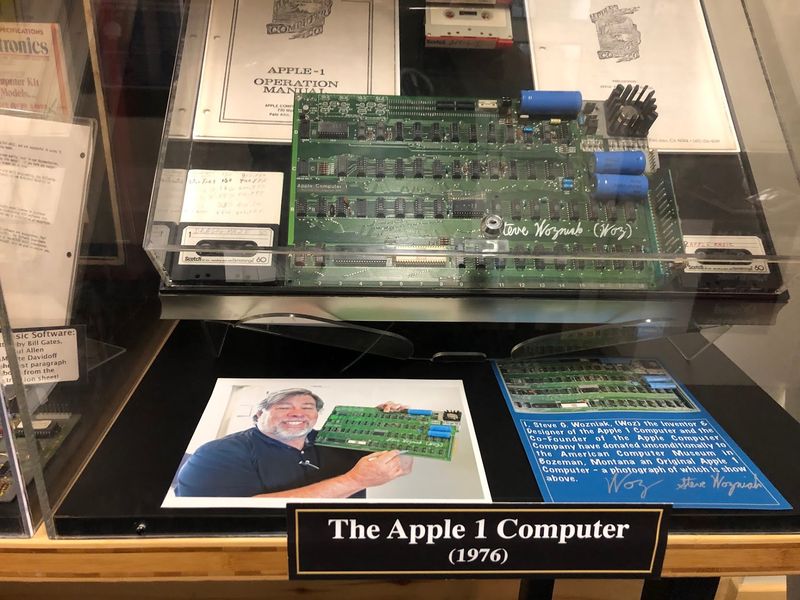
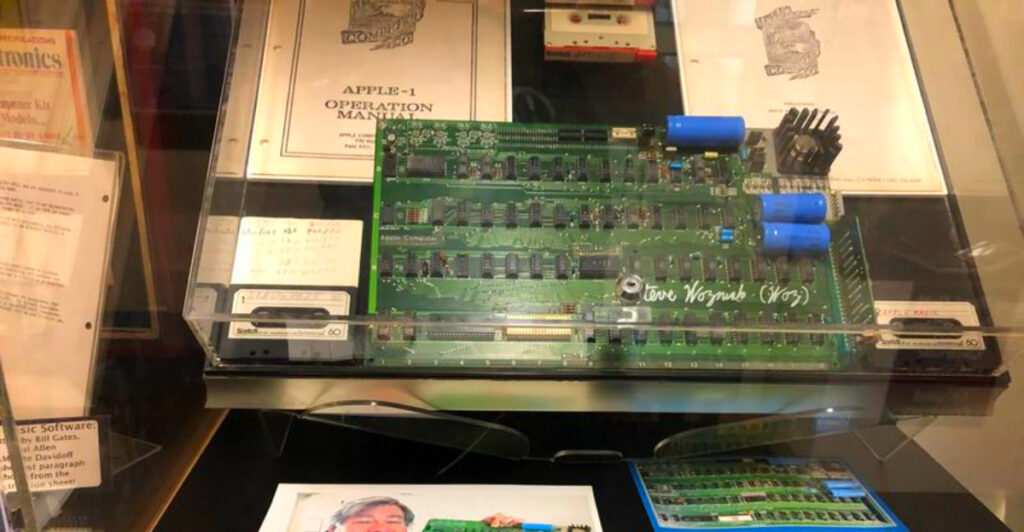
Few artifacts in the museum stop visitors in their tracks quite like the original Apple I computer, personally signed by Steve Wozniak. Produced in 1976 in a garage in California, the Apple I was one of the first personal computers ever sold as a fully assembled unit, and only about 200 were ever made.
Holding that context in mind while looking at the actual machine, complete with Wozniak’s signature, creates a genuinely electric moment. The museum also displays a Popular Mechanics magazine signed by Bill Gates, and signed items from Paul Allen and John Glenn round out a collection of autographs that reads like a who’s who of the technology world.
Wozniak himself has visited the museum twice, which tells you something meaningful about the respect this collection commands even among the people who built the industry. That kind of endorsement is not something a museum earns by accident, and it speaks to the care behind every display.
NASA, the Moon, and the Last Surviving Mainframe
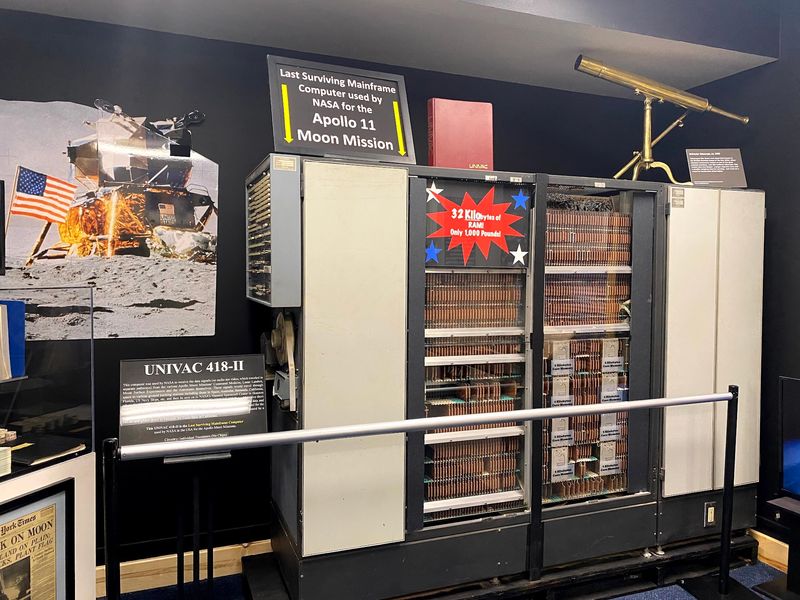
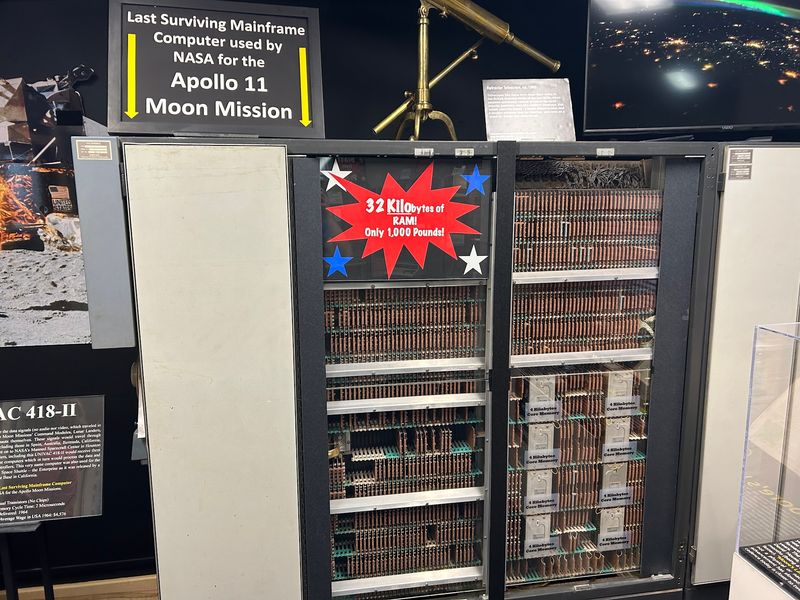
The Space Race exhibit is one of the most emotionally resonant sections of the entire museum. At its center sits the UNIVAC 418-II, identified as the last surviving mainframe computer that NASA used during the Apollo missions, the same program that put humans on the moon for the first time in history.
Knowing that this specific machine processed data during those historic spaceflights gives it a weight that no replica could ever replicate. The exhibit connects the dots between raw computing power and one of humanity’s greatest achievements in exploration, and it does so with clear, engaging text that makes the science accessible.
Other Apollo-era artifacts fill out the display, creating a section that feels like a proper tribute to the engineers and scientists whose calculations made the impossible possible. If you grew up watching rocket launches on television or reading about the astronauts, this part of the museum will hit differently than you expect.
Cracking the Enigma Code in a Small Montana Room
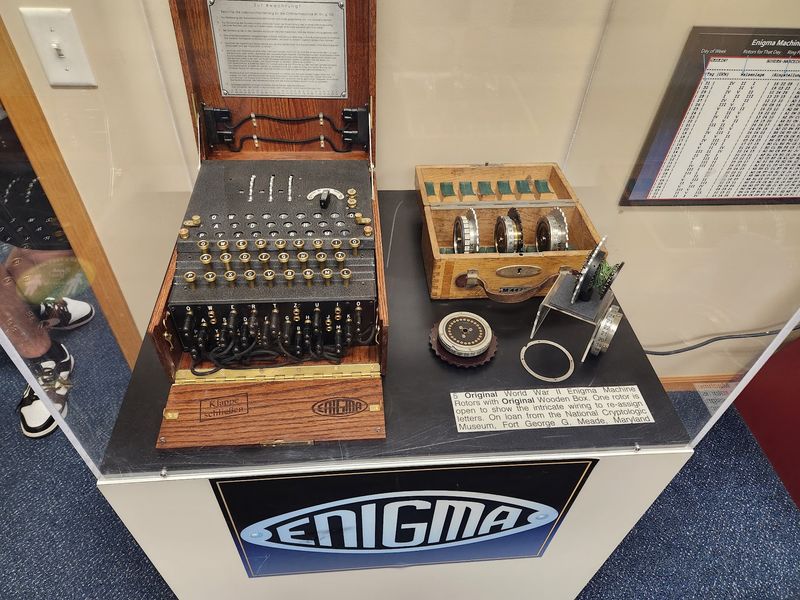
The Enigma Code exhibit draws visitors in with the kind of real-world drama that most history books only hint at. The Enigma machine was used by Nazi Germany during World War II to encrypt military communications, and breaking its code is widely credited with shortening the war by years.
The museum presents this story with clarity and depth, explaining how mathematicians and early computing pioneers worked together to crack a cipher that was considered unbreakable. The exhibit connects directly to the birth of modern computing, since the machines built to defeat Enigma laid the groundwork for programmable computers.
Seeing the actual technology involved, rather than just reading about it in a book, transforms an abstract historical event into something tangible and immediate. The Enigma display consistently ranks among the most talked-about exhibits in visitor reviews, and it is easy to understand why once you are standing in front of it, tracing the rotors with your eyes.
George Stibitz Built the First Binary Adder on a Kitchen Table
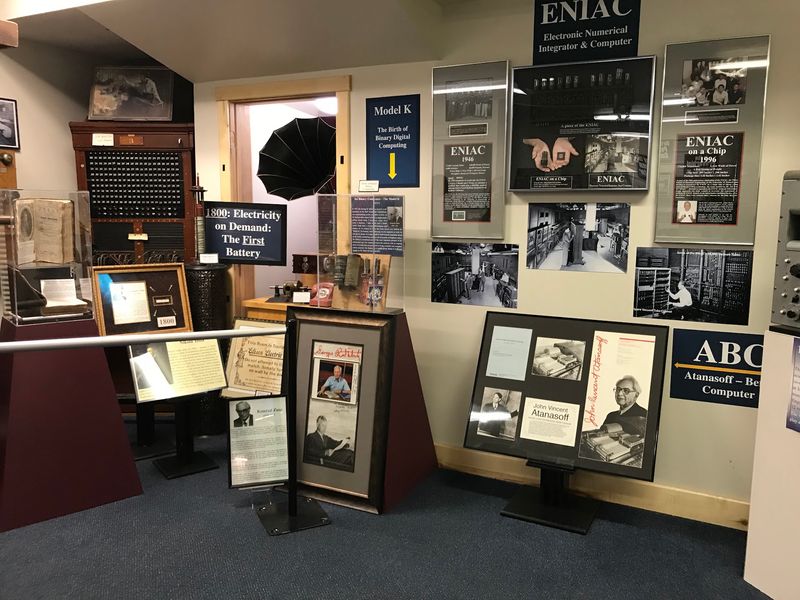
One of the most quietly remarkable objects in the collection is a replica of the Model K, the first binary adder ever built. George R. Stibitz constructed the original in 1937 using telephone relays, flashlight bulbs, strips of metal, and a piece of plywood on his kitchen table, and the K in the name stands for kitchen.
What makes the museum’s replica especially meaningful is that Stibitz himself built it specifically for the museum. That level of personal involvement from the inventor gives the artifact a direct connection to history that very few institutions can claim.
The museum has honored Stibitz’s legacy further by naming its annual awards after him. Since 1997, the Stibitz-Wilson Awards have recognized innovators who have made significant contributions to computing and technology. Stibitz’s work represents the moment when abstract binary mathematics became a physical, working machine, and this exhibit captures that turning point with quiet precision.
Robots, Hollywood, and the Machines We Imagined Before We Built Them
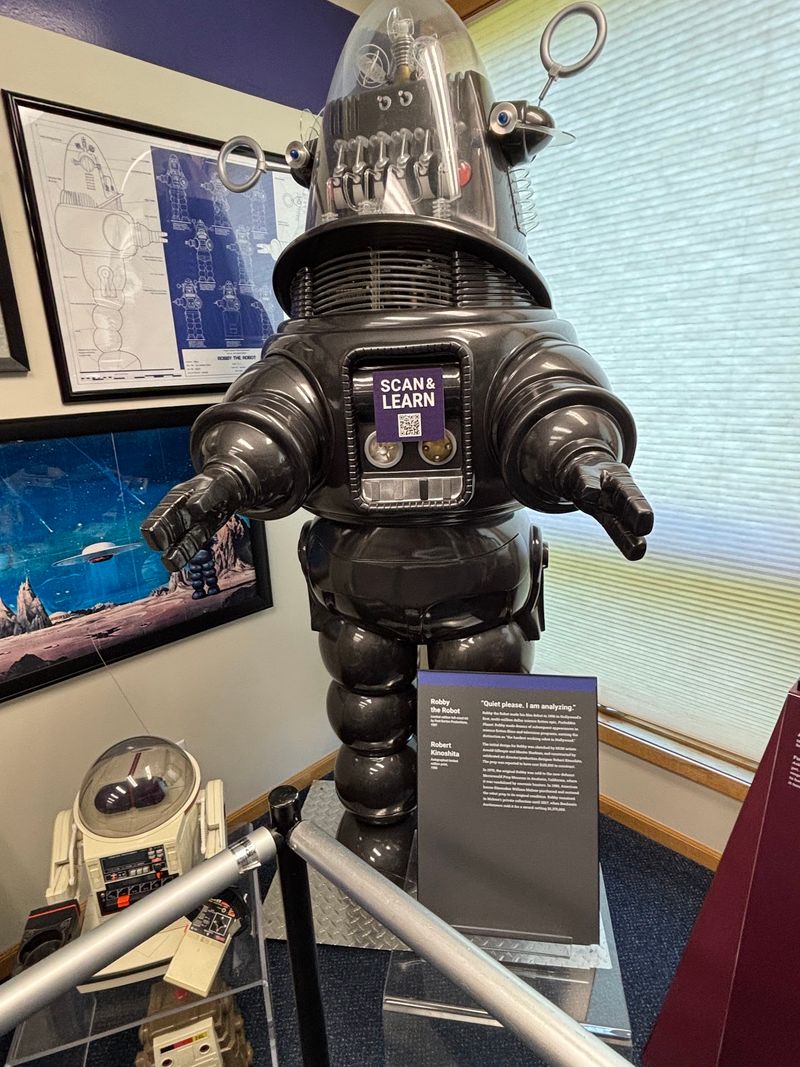
The robotics section of the museum is where the collection takes on a playful, cinematic energy. Hollywood Robots is one of the exhibit themes, exploring how science fiction imagined artificial beings long before engineers actually built them, and how those fictional visions influenced real technological development.
Early consumer robots like Hubot share space with an industrial robot, creating a timeline that shows how quickly the field evolved from clunky novelty to practical application. The contrast between what robots looked like in 1980s living rooms and what they look like on modern factory floors is both funny and genuinely fascinating.
The museum treats robotics not as a separate subject but as a natural extension of the same human impulse that produced the abacus and the printing press. That framing makes the robots feel less like science fiction props and more like the latest expression of something ancient and deeply human. The next exhibit takes that idea even further into the future.
Quantum Computing and the Future Being Built Next Door
Few museums outside of major metropolitan areas can claim to be actively developing a quantum computing exhibit in collaboration with a university research program, but this one can. The American Computer and Robotics Museum is building a new display on quantum computing, working alongside Montana State University and QCOR to highlight Bozeman’s growing significance as a hub for photonics research.
That partnership with MSU gives the museum a living connection to the science happening just one block away, which means the exhibit will reflect real, current research rather than a static snapshot of yesterday’s technology. Quantum computing represents the next major leap in information processing, and placing it in the same building as a 3,800-year-old cuneiform tablet makes the arc of human progress feel almost cinematic.
Bozeman is quietly becoming a serious player in the tech world, and this museum is both documenting that shift and actively participating in it. The collection never stops growing, which is part of what makes repeat visits worthwhile.
Gutenberg, Newton, and the Printed Word That Changed Everything
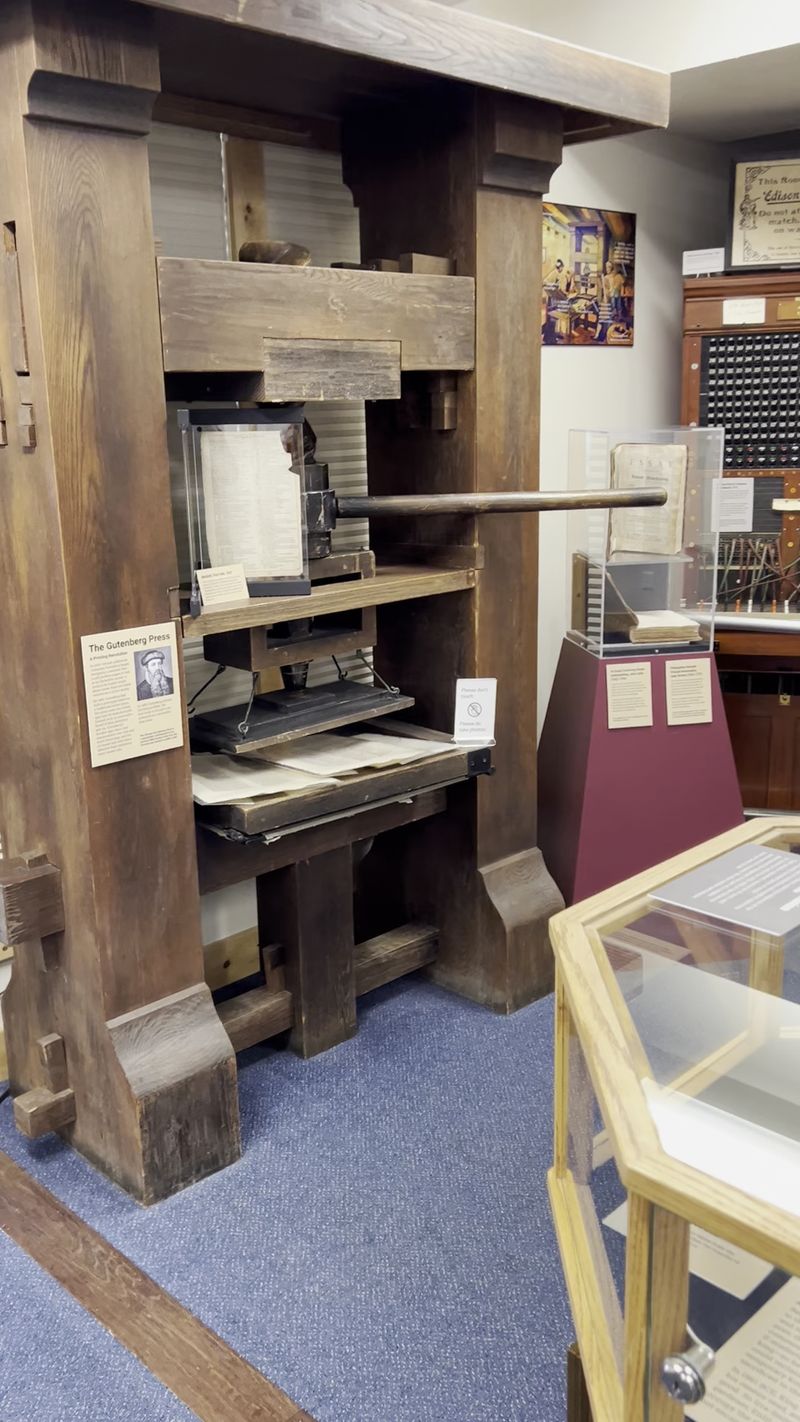
Among the many unexpected treasures in the museum, the reproduction of the Gutenberg Printing Press stands out as a reminder that information technology did not begin with electricity. Johannes Gutenberg’s invention in the mid-1400s was arguably the most disruptive communication technology before the internet, enabling the mass production of books and the spread of ideas across continents.
The museum pairs this reproduction with original leaves from the first folio of Macbeth, printed in 1623, alongside original manuscripts by Rene Descartes and Isaac Newton. Holding that context in mind while looking at these documents creates a direct line between 17th-century scientific thought and the digital age.
The presence of Newton’s manuscripts in a computing museum might seem unexpected at first, but the museum’s curatorial logic is clear: every major leap in human knowledge required better tools for recording and sharing information. The printing press was the internet of its era, and this exhibit makes that argument convincingly without ever feeling preachy.
What to Expect When You Actually Visit
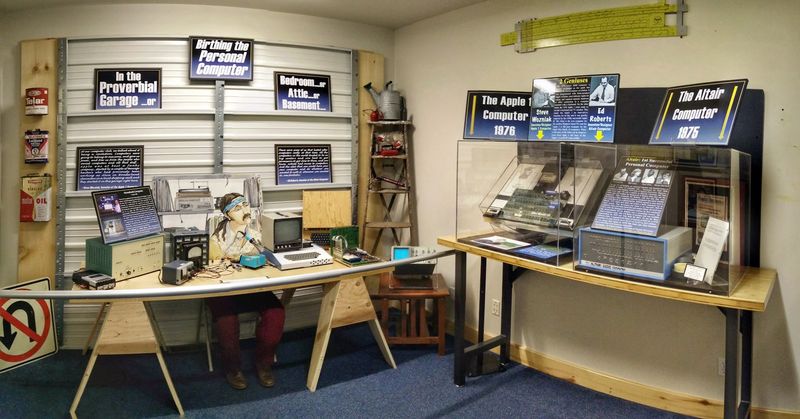
A visit to the museum typically runs between 60 and 90 minutes, though the density of information on display rewards those who linger longer. The staff greets visitors with a 10-to-15-minute introductory overview that genuinely sets the stage and makes the self-guided portion that follows far more meaningful.
Admission is priced accessibly: $10 for adults, $7.50 for seniors and military personnel, $5 for students and youth aged 10 to 17, and free for children aged 9 and under. The museum is open Tuesday through Sunday from 10 AM to 4 PM and is closed on Mondays and major holidays.
The gift shop stocks books for scientists, curious minds, and science fiction fans, and the museum also runs IdeaLab Classes and STEM Summer Camps for younger visitors. With a 4.8-star rating across hundreds of reviews and TripAdvisor’s 2025 Hidden Gem designation for Bozeman, the only real question is why you have not planned your visit yet.
Share this story