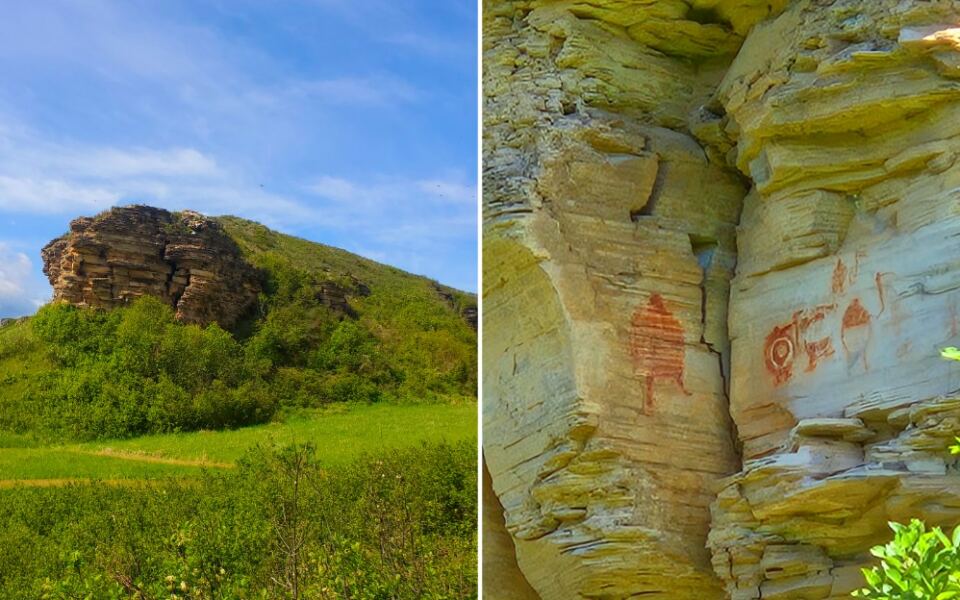
A canyon in central Montana holds thousands of painted and carved images, and almost nobody drives past it by accident. Some of the colors look so fresh that you might swear the artist just stepped away for lunch.
The walls also carry a surprise that most rock art sites do not: a story missing something you would expect to find. A single family has looked after this place for generations, and their descendants still walk visitors down into it.
The trail is short, but the stories packed along it stretch back about a thousand years. Pioneer names sit beside ancient shields, and fossils hide in the same cliffs that hold the art.
Keep reading to learn where it is, what the pictures show, why the canyon felt sacred, and exactly how to plan a visit before the short summer season passes you by.
A Hidden Gallery at the End of a Ranch Road
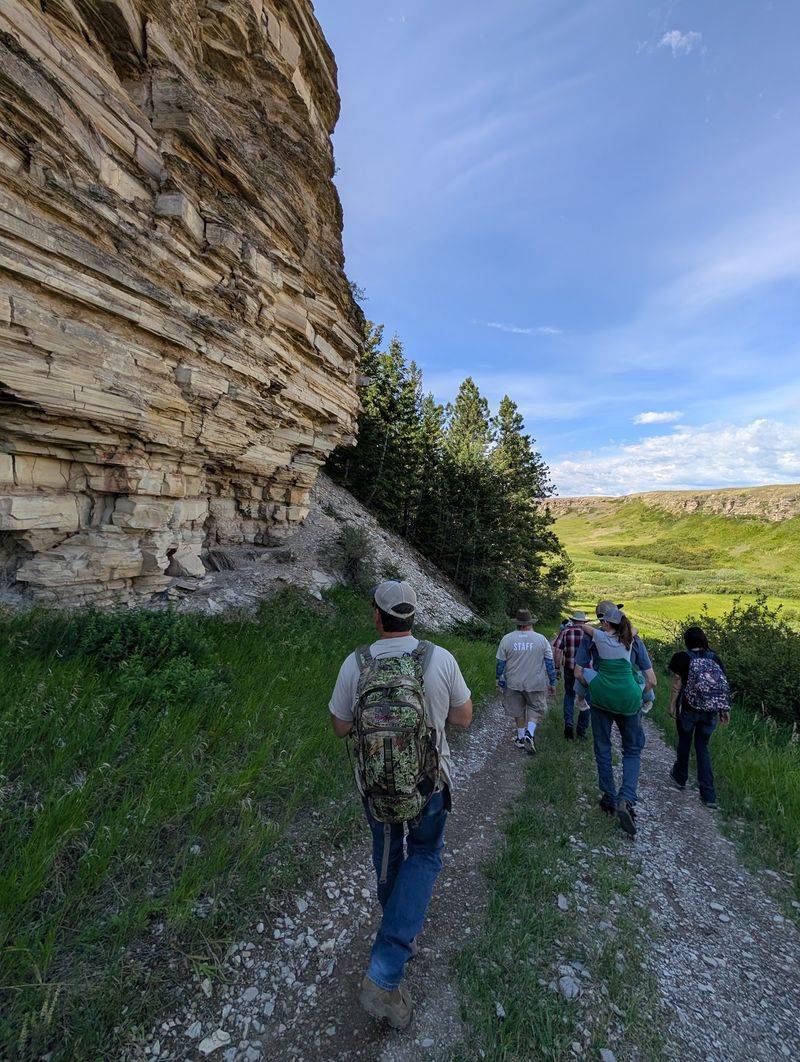
The address is 2820 Fairview Road, Forest Grove, Montana 59441, United States. That puts the site in central Montana, in the foothills of the Little Snowy Mountains.
The drive is half the fun. Gravel roads wind past ranches, fences, and wide open fields, and cell service fades away long before you arrive.
Bear Gulch Pictographs sits on private land, which explains why you will not find a roadside sign shouting for attention. The property is shared through guided tours only, so there is no trailhead to wander up on your own.
Save the directions before you leave town. Map apps can steer you a little off course out here, so follow the signs once you reach the ranch roads and keep your reservation details handy.
Once you arrive, a visitor center waits to get you oriented. And what it tells you about the numbers on the canyon walls is the part that really surprised me.
Thousands of Images Packed Into One Canyon
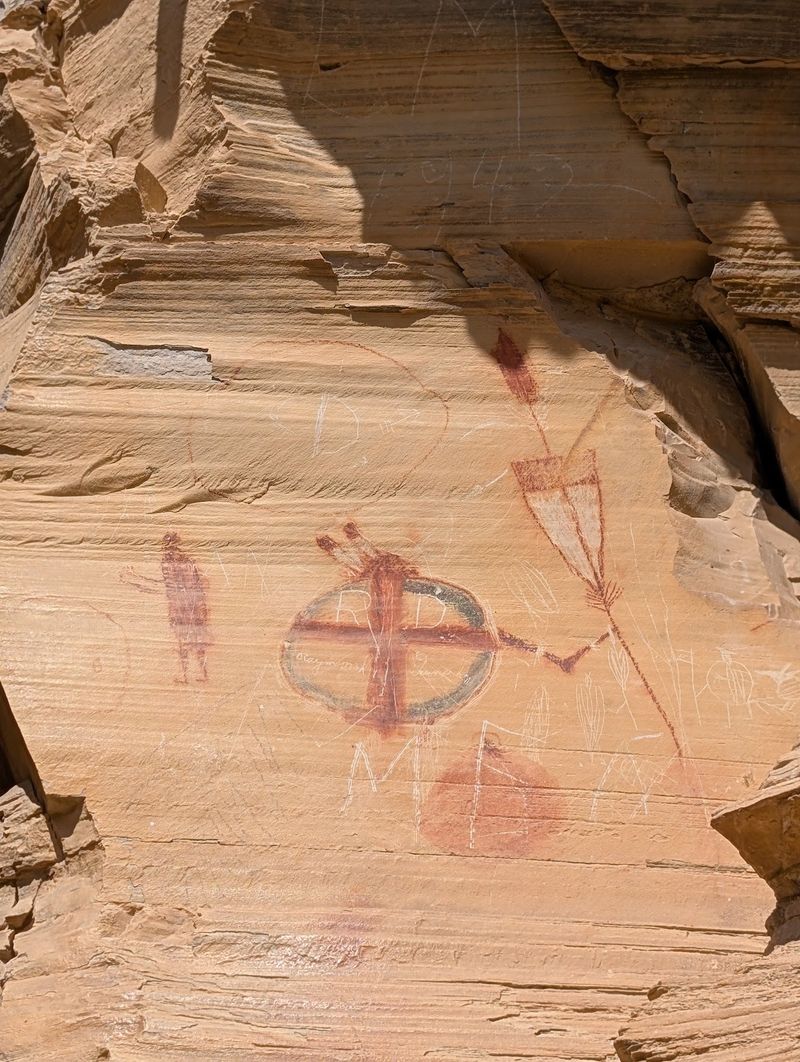
Estimates put the count at somewhere between 4,000 and 5,000 individual images. That is a staggering amount of art for a canyon you can stroll through in a morning.
Two kinds of art share these walls. Pictographs are painted onto the rock, while petroglyphs are scratched or carved into it.
Many images sit at about face height, so you can stand right beside them. Some of the colors still look bold, which surprised me given how old the oldest pieces are.
Experts rank the site among the best preserved in the country. The earliest art goes back to around 1000 CE, and layers of images overlap where artists returned again and again.
Bring a camera, but expect to spend more time looking than shooting. Shaded walls can be tricky for photos, so hold your phone steady and take a few extra frames.
The pictures also tell stories, and next comes the part that made me stop and stare.
Reading the Rock Like a Storybook
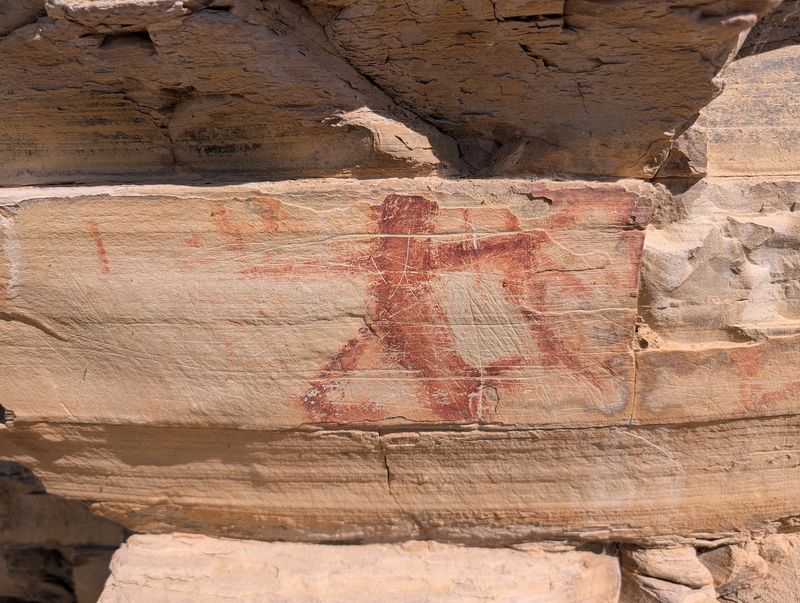
Figures with round shields stand shoulder to shoulder on the stone. Animals, symbols, and everyday scenes fill the spaces between them.
Guides explain these images as a visual language of the Plains peoples. Warriors, spirit animals, and even a birthing scene appear, each one adding a different chapter.
I found it helpful to slow down and look for repeated shapes. Once you spot a shield design or an animal outline a few times, the panels start to make more sense.
Overlapping drawings show that artists added to older work over many generations. Some pieces also carry careful incisions that sharpen the lines.
Ask questions along the way. The guides have spent years studying these walls, and their answers turn a pretty picture into a real story.
One detail is missing from this storybook, and that absence says a great deal.
The Canyon With No Battle Scenes
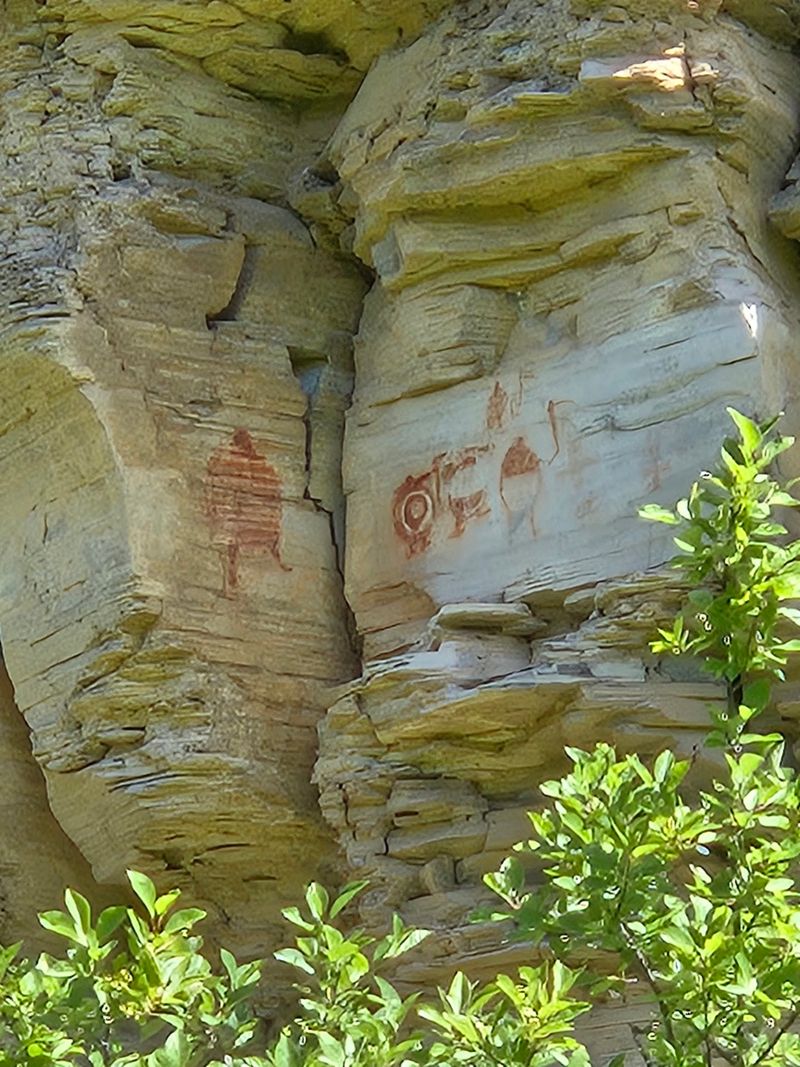
Plenty of rock art sites across the continent show battles and raids. Here, the walls tell a calmer tale.
Scholars and guides suggest the canyon was treated as a sacred space. The art seems to reflect spiritual life rather than conflict.
That idea changes how the walk feels. Instead of a simple hike, it becomes a quiet stroll through a place people held in deep respect for centuries.
The setting backs up the theory. A creek murmurs through a meadow, and the cliffs block much of the wind.
I caught myself lowering my voice without anyone asking me to. It just seemed like the right thing to do.
Take a moment on the trail to stand still and listen. The canyon rewards patience, and the next section shows how later visitors responded to the same walls.
Pioneer Names Beside Ancient Art
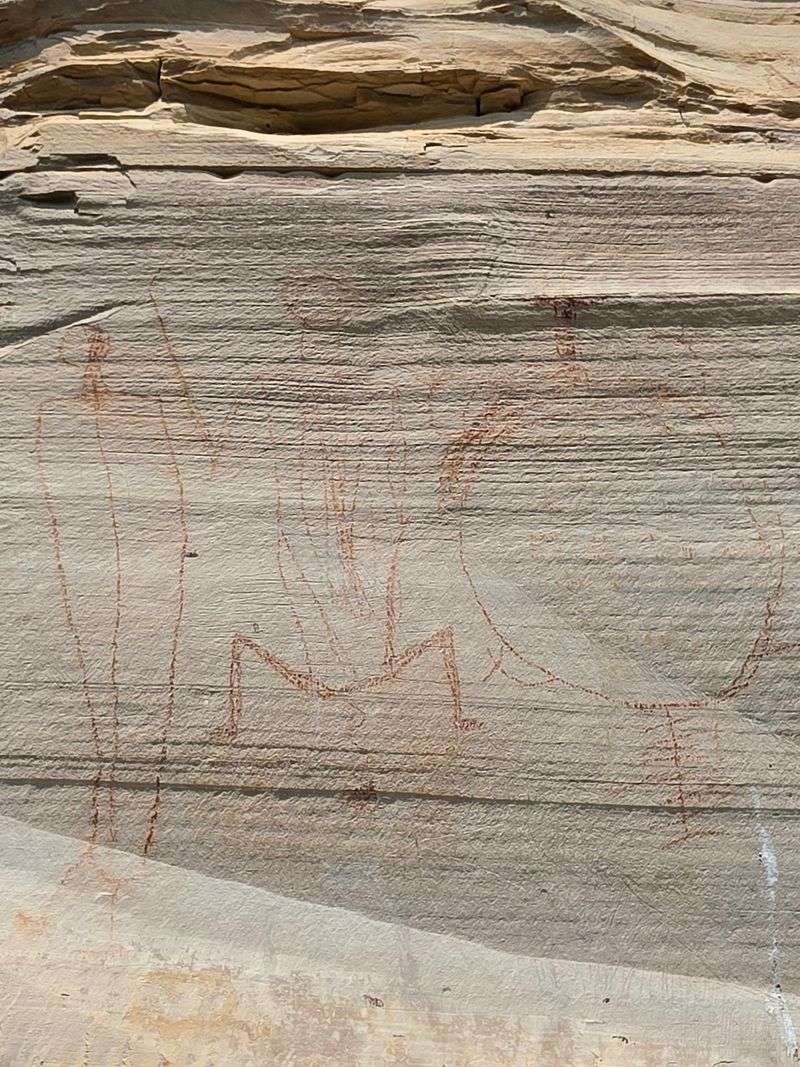
Look closely and you will spot names from the 1800s carved among the older art. A wagon trail once passed along the gulch, and travelers stopped to leave their marks.
The earliest modern name found here dates to 1827. That is a handy reminder of how long people have been drawn to this canyon.
It feels a bit like two different eras sharing one notebook. Ancient shields sit near pioneer signatures, and each tells you something about the people who stopped here.
Modern rules are different, of course. Guides ask visitors to look but never touch, since oils from skin can harm the delicate surface.
Keep your hands in your pockets and your eyes wide open. The rock itself has a story just as interesting as the writing on it, and that is where we head next.
Limestone, Fossils, and a Famous Fish
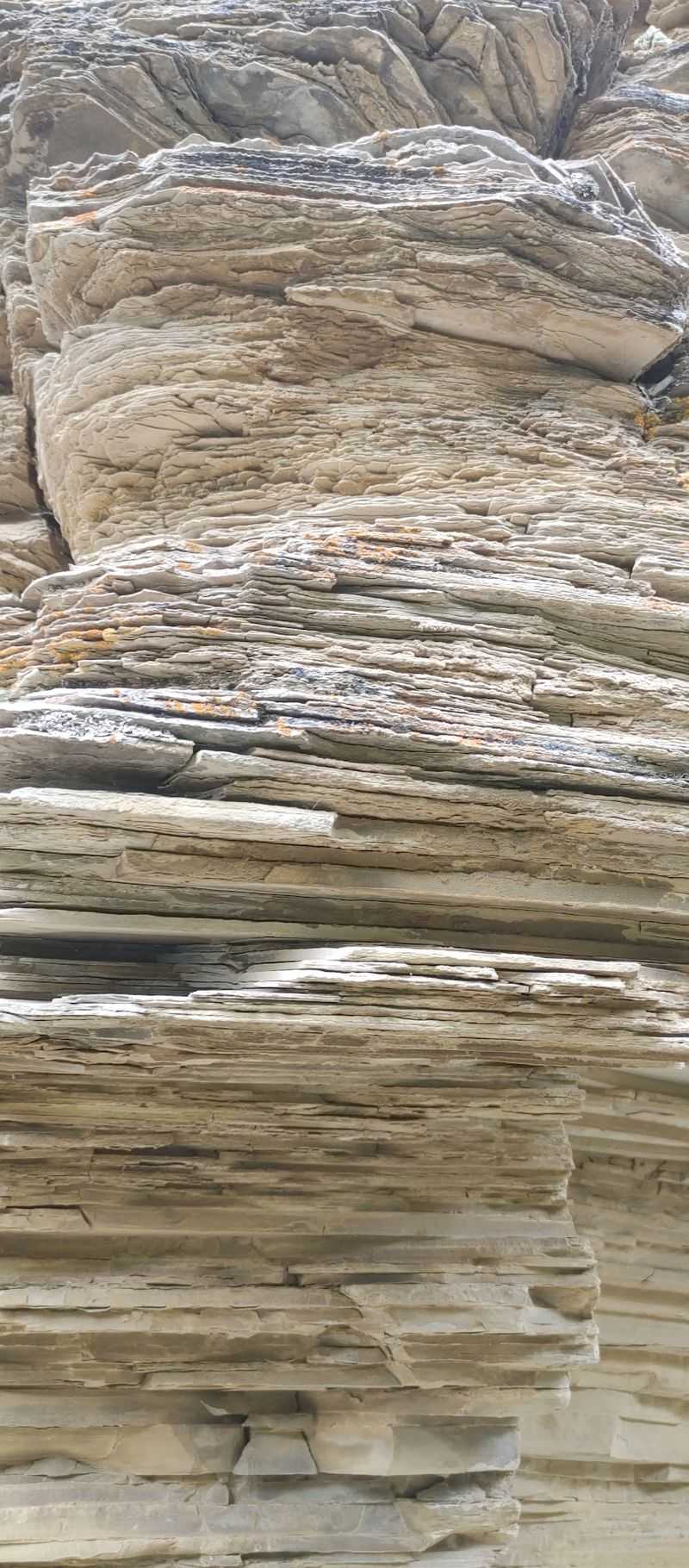
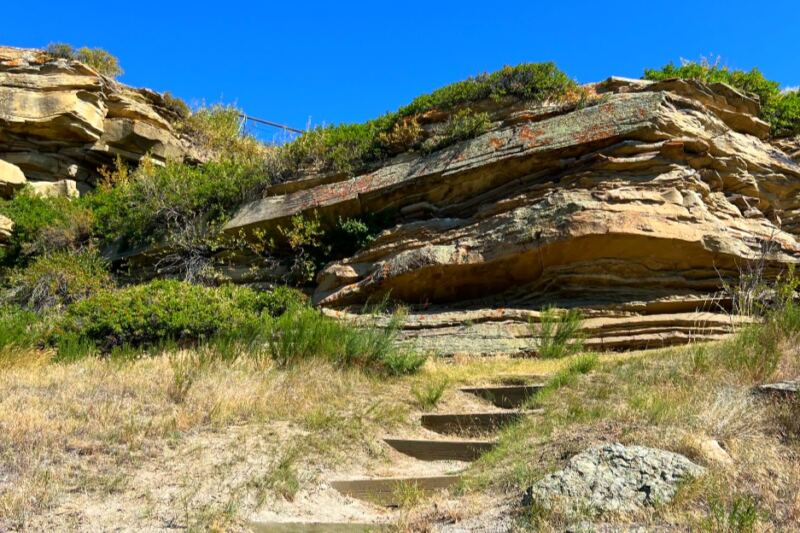
The artists painted on the Bear Gulch Limestone, a formation that has stood for millions of years. The canyon is about 100 feet deep, and that depth shelters the art from harsh weather.
The same limestone stretches for roughly eight miles. It has produced about 130 species of fossil fish.
Guides may mention a rare complete fish fossil found on the property. Half of it has been on loan to the Smithsonian, which is a big deal for a ranch canyon in Montana.
So you get two lessons in one visit. One is about human creativity, and the other is about life in ancient waters.
Look at the rock texture as you walk. Fine layers and tiny ripples show how the stone formed, and they help explain why the paint has lasted so well.
The family who looks after all this has a story of their own.
A Family Backyard Turned Treasure
The Lundin-Ahlgren family has cared for this land across several generations. For decades the rock art was simply part of the backyard.
Archaeologists made formal visits in the late 20th and early 21st centuries. Their 1989 visit left researchers amazed, and documentation followed in 2005 and 2007.
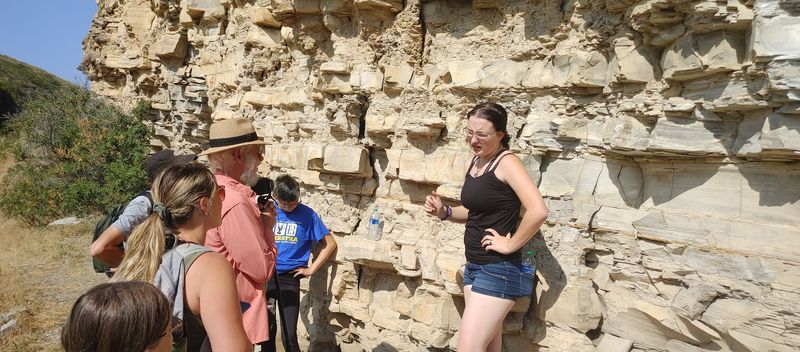
Today, family members lead the tours themselves. Guides like Ray share facts, research updates, and personal stories that no sign could match.
That personal touch makes the visit feel warm. You are not herded along a roped path, you are walking with people who know every ledge.
Ask about new discoveries, because the research continues and the guides love to talk about it. A book about the site is also available if you want to keep learning at home.
Before you go, though, a few planning details will save you some trouble.
Booking Your Spot on a Guided Tour
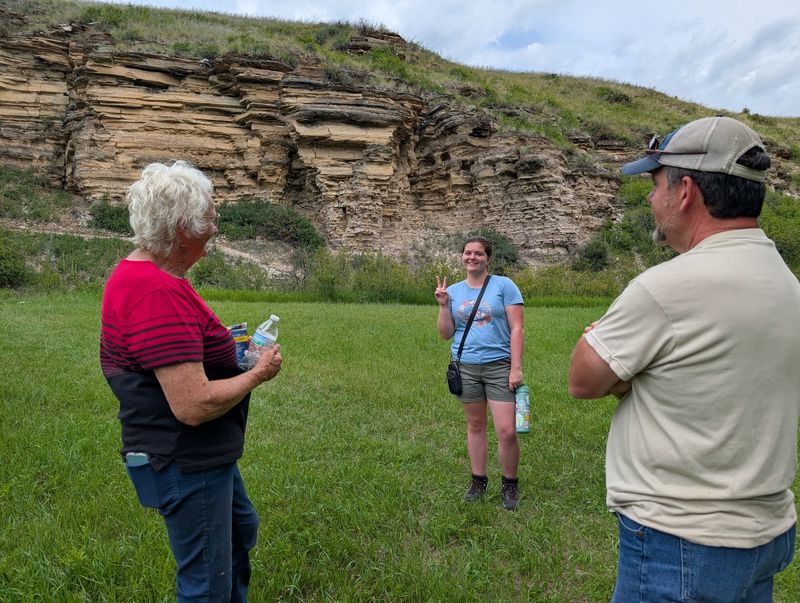
Tours run mainly from June through August, typically Friday through Sunday. Check the official website calendar for current dates, since schedules can shift.
Reservations are required. There is no walk-up option and no self-guided trail.
Tours start at 10 AM, and the visitor center opens an hour earlier for check-in. Arrive at least 15 minutes ahead so you are not rushing.
Cell service is nonexistent at the site. Confirm your booking the day before, because you cannot do it from the parking area.
The phone number is 406-428-2439, and the website is beargulch.net. Tours can last two to four hours depending on weather, group questions, and the guide.
Plan your day with that flexibility in mind. Once you are booked, the next step is packing smart for the trail.
What to Pack for the Gulch Hike
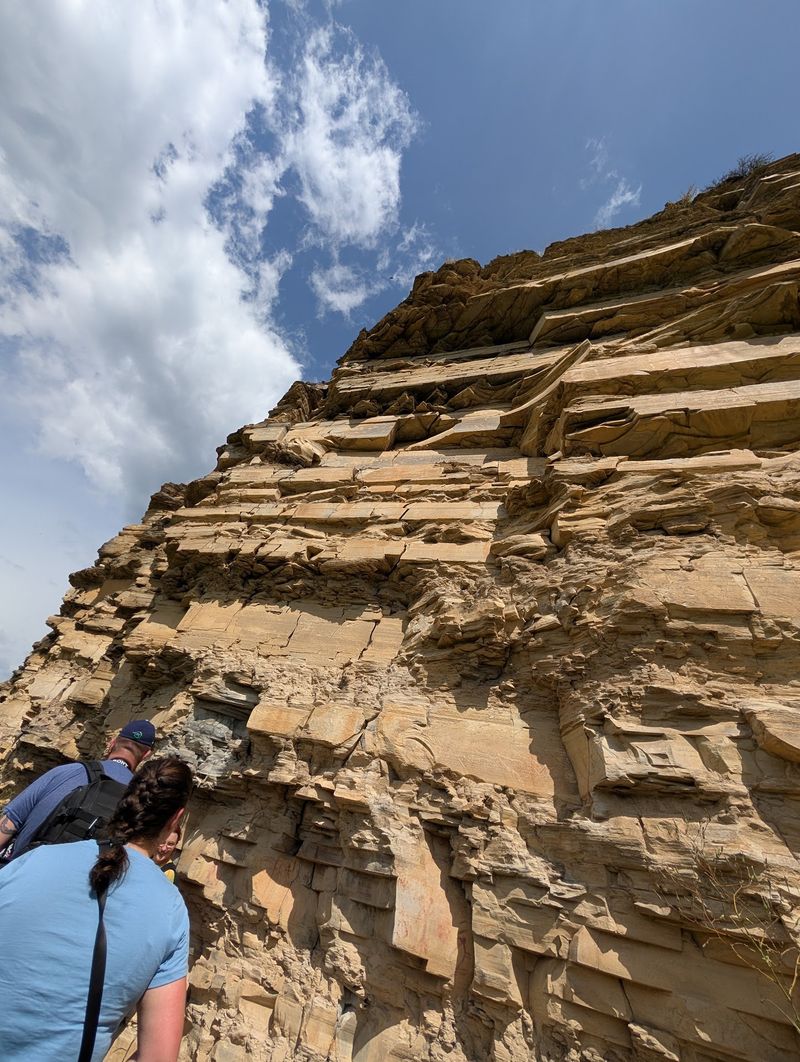
The walk is about half a mile each way, so roughly 1.5 miles round trip with the stops. It is described as slow and simple, but you do go down into the gulch and back up.
Closed-toe shoes are the smart choice. Leave the flip-flops in the car.
Water is a must, and a hydration pack works well. Shade can be sparse, so a hat and sunscreen help a lot.
Pack a snack or lunch too. A picnic area near the start gives you a nice place to eat afterward.
Wear layers, because Montana mornings can start cool and turn warm fast. A small bag keeps your hands free for pointing at things.
Comfort matters here, since you will want to focus on the art. And the canyon has more than rock to look at.
Birds, Creek, and Quiet Meadows
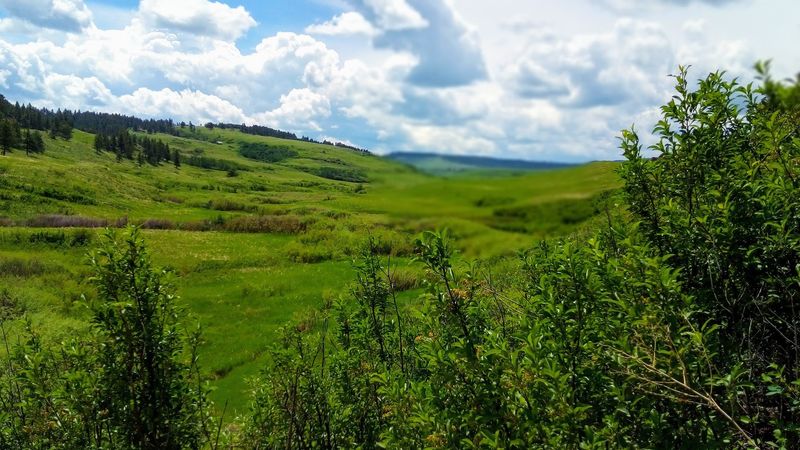
A gentle creek winds through a lush meadow below the cliffs. That water draws wildlife, so the tour doubles as a nature walk.
Birding clubs visit the canyon, and groups have counted as many as thirty-nine species. Cottonwoods rustle overhead while songbirds flit between branches.
Bring binoculars if you own a pair. Even a quick look at a bird near an ancient panel adds a fun layer to the day.
The mix of greenery and open space feels calm and refreshing. Even visitors who came mainly for the art mention how relaxing the setting is.
Move quietly and you may spot more. Early morning tours give the best odds before the day warms up.
The same landscape changes with the seasons, which is the next thing worth knowing.
Exhibits That Set the Scene
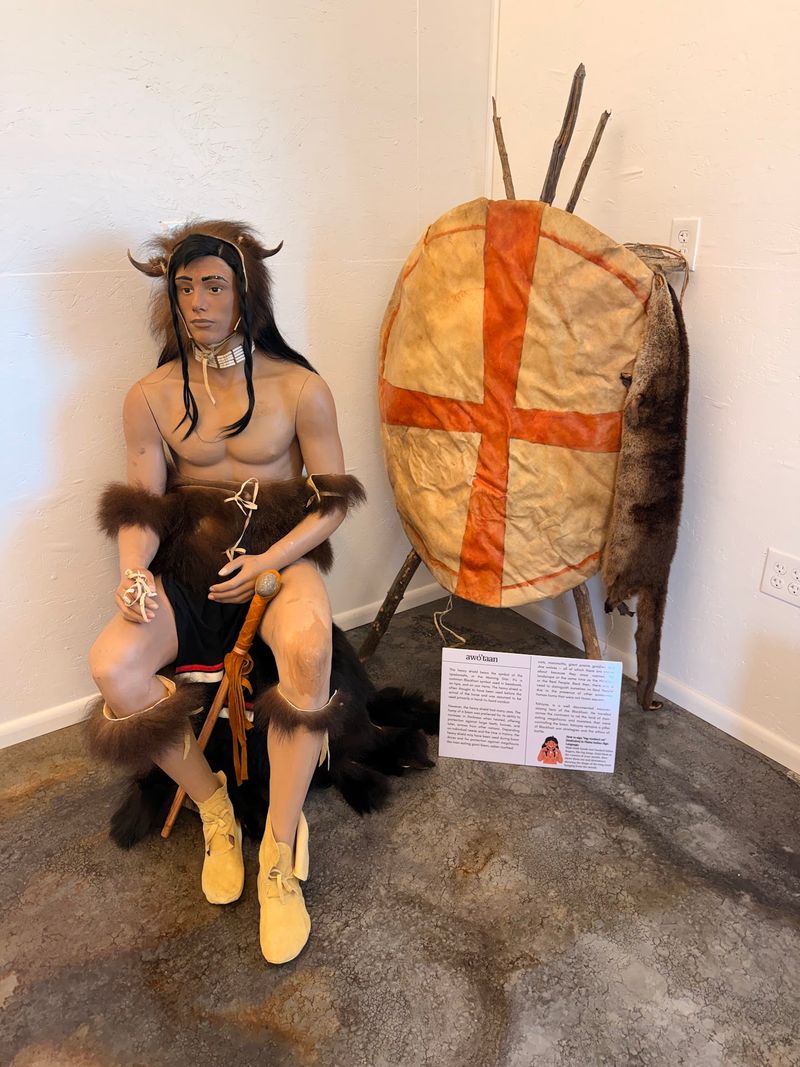
Your visit begins at the newly built visitor center. It works as a warm-up before the canyon.
Inside, you will find displays of more pictographs, along with tools and weapons used by the people who made the art. Heavy shields echo the shield-bearing figures you will soon see on the cliffs.
Exhibits also explain Plains life, including a bison harvest and what a bison feast might have looked like. These details help the painted scenes make sense.
Take your time before the group heads out. Reading a few labels now means you will recognize more symbols later.
Staff are happy to answer questions, so ask away. By the time you reach the trail, you will be ready to see the real thing, and the season you pick shapes that view.
Picking the Best Season to Go
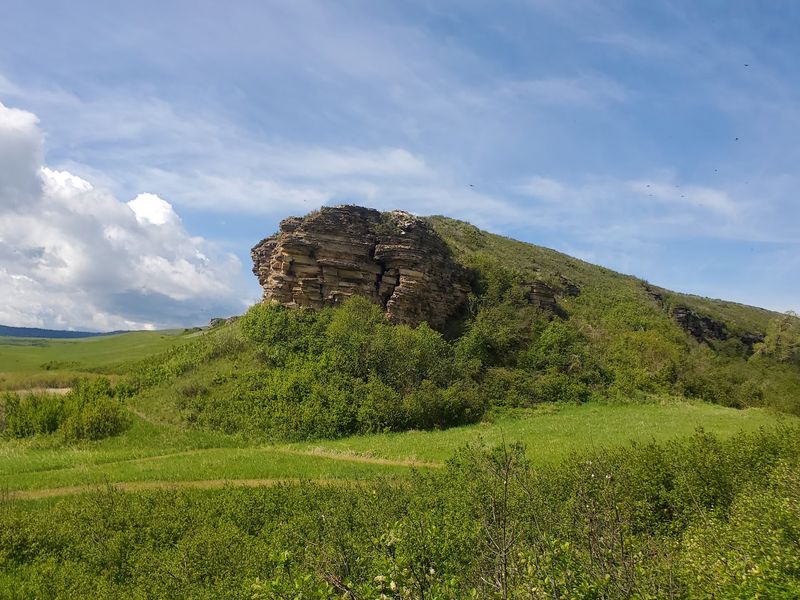
Summer is tour season, and it brings green hills and a fuller creek. Spring growth makes the foothills look fresh, though tours do not run that early.
The site mostly closes outside the summer window. Late summer visits show the landscape shifting toward earthy browns and golds.
Autumn colors can be dramatic across this part of Montana, but check the website for any extended dates. Winter turns the hills white, and the beauty is best admired from afar.
Morning tours keep you out of the hottest part of the day. Sunscreen and a hat still matter, even when the air feels mild.
Weekends fill up, so book early if your trip dates are fixed. A little planning gives you the best light, the best weather, and the best shot at a relaxed walk.
That leaves one last thing to say about the whole experience.
Why This Canyon Stays With You
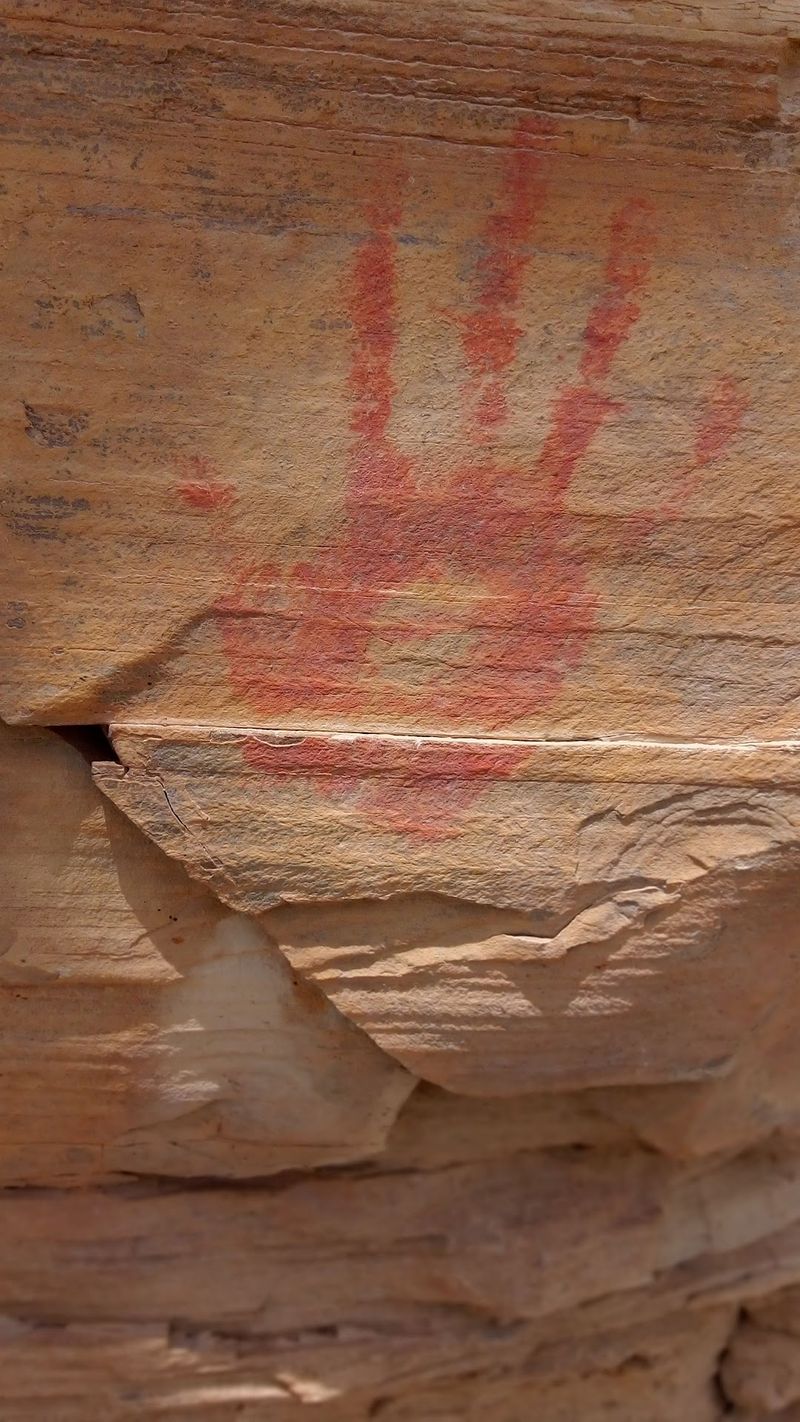
Few places let you stand arm’s length from art made roughly a thousand years ago. Fewer still keep the experience this personal and unhurried.
Reviews from fans come from visitors who traveled hundreds of miles to return. The consistent praise goes to knowledgeable guides, striking art, and a family that clearly cares.
Some folks say the drive alone is worth it. I agree, because the roads open into country you might never otherwise see.
The tour is not a drop-in attraction, and that is part of its charm. Plan ahead, pack well, and give yourself time to listen.
The canyon repays that effort with images that linger long after the dust is off your boots. I left with a notebook full of questions and a plan to come back and see what the researchers find next.
Share this story