Most people picture Montana and immediately think of towering peaks, glacier-carved valleys, and ski resorts. But cross the Missouri River heading east, and the landscape shifts into something completely different. Badlands carved by ancient rivers, prairie stretching to the horizon, sandstone pillars etched with centuries of history, and towns where cowboy culture is still very much alive greet travelers willing to make the drive. Eastern Montana has its own identity, and it is bold enough to stand on its own without borrowing anything from the western half of the state.
From a park named for “bad spirits” to a downtown art museum that opened inside a former county jail, this part of Montana rewards curious travelers with stories, landscapes, and experiences that most visitors never even know exist. Keep reading to find out what is waiting out on the plains.
1. Makoshika State Park, Glendive, Montana
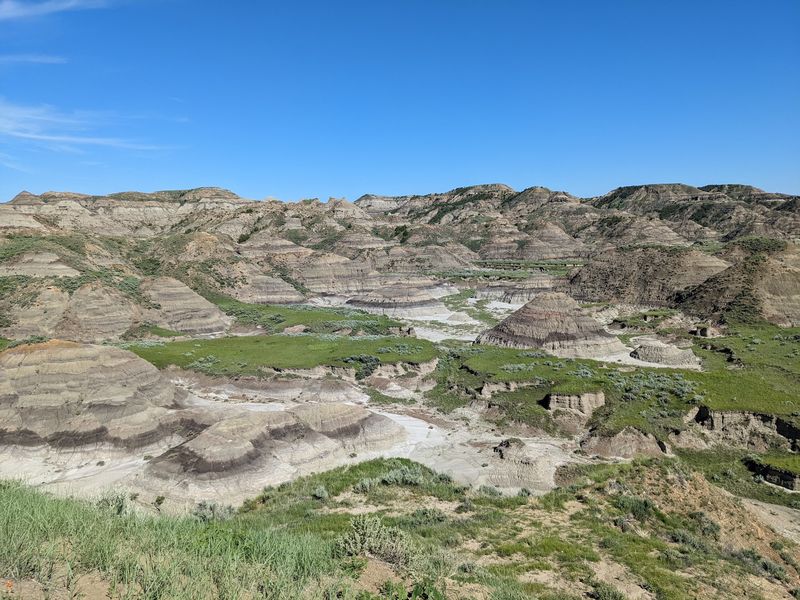
Montana’s largest state park takes its name from a Lakota phrase meaning “bad land” or “bad spirits,” which tells you something useful right away about what to expect from the terrain.
Covering more than 11,000 acres, Makoshika is built from the late Cretaceous Hell Creek Formation, a geological layer famous worldwide for its dinosaur fossils. Over ten dinosaur species have been identified here, including Tyrannosaurus rex, Triceratops, and the rare Thescelosaurus.
The visitor center houses a complete Triceratops horridus skull and a paleontology lab where guests can handle actual bones. Hiking trails like the Diane Gabriel Trail and Cap Rock Trail wind through fluted hillsides, natural bridges, and hoodoos. Paleo Indian artifacts up to 12,000 years old have also been found within the park’s boundaries.
2. Medicine Rocks State Park, Ekalaka, Montana
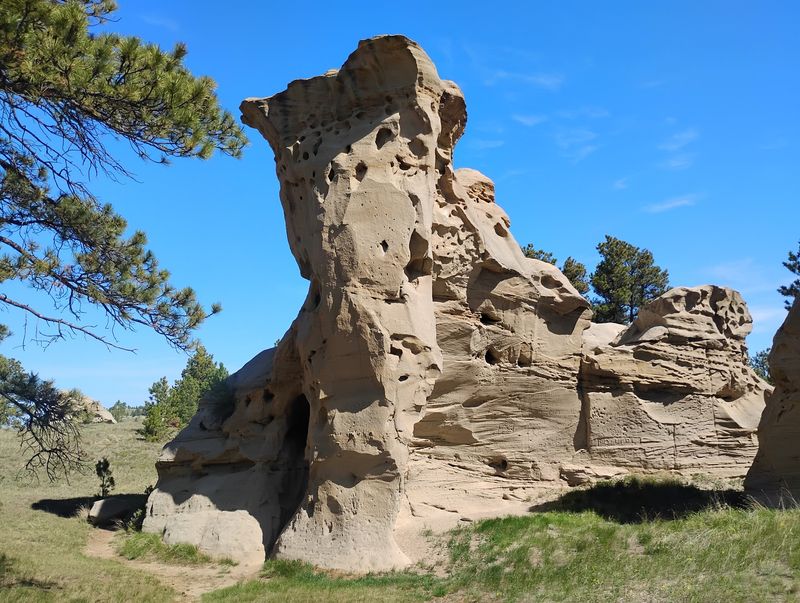
Theodore Roosevelt called it “as fantastically beautiful a place as I have ever seen,” and that quote still holds up today for anyone who makes the trip to this remote corner of southeastern Montana.
Wind and water spent roughly 60 to 65 million years carving the Fort Union sandstone here into arches, pillars, spires, and formations riddled with holes that give the park its Swiss cheese reputation. The 330-acre park is listed on the National Register of Historic Places and earned designation as an International Dark Sky Sanctuary in 2020.
Native American tribes including the Crow, Northern Cheyenne, and Sioux used this area for vision quests and bison hunting, and thousands of ancient petroglyphs remain carved into the rock. Visitors today can hike, camp, photograph wildlife, and stargaze without crowds getting in the way.
3. Little Bighorn Battlefield National Monument, Crow Agency, Montana
June 1876 was a turning point on the northern plains, and this stretch of rolling grassland in southeastern Montana preserves that moment with unusual honesty and complexity.
The monument marks the site where Lakota, Northern Cheyenne, and Arapaho warriors confronted the U.S. Army’s 7th Cavalry under Lt. Col. George Custer.
A 4.5-mile driving tour connects the main battlefield to the Reno-Benteen entrenchment site, where 350 soldiers survived the fight.
The Indian Memorial, a circular earthwork carved into the prairie, lists the names of Native warriors alongside their own words about the battle. Seasonal ranger-led programs called “Battle Talk” present multiple historical perspectives, and Apsáalooke Tours offer paid guided experiences from Memorial Day through Labor Day. The Custer National Cemetery on the grounds serves as a final resting place for veterans of multiple American conflicts.
4. Pompeys Pillar National Monument, Pompeys Pillar, Montana
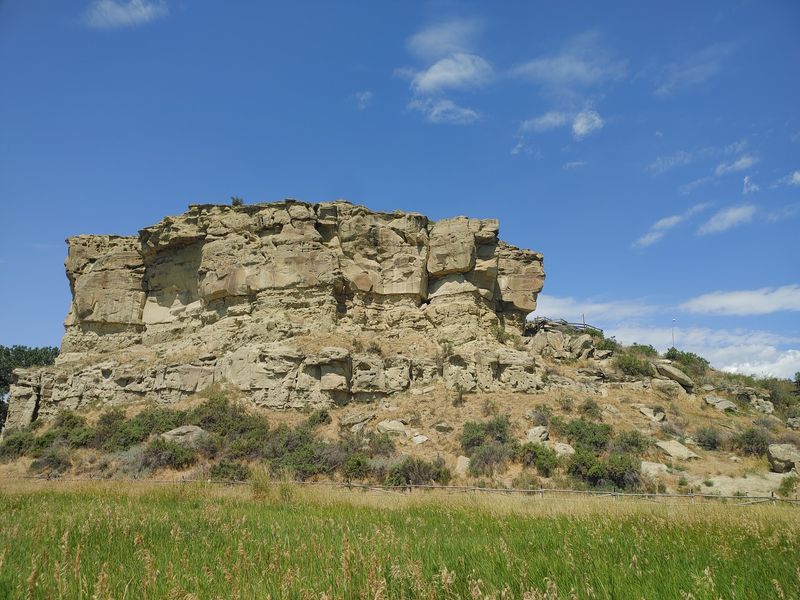
Somewhere on the face of a 120-foot sandstone pillar above the Yellowstone River, you can still read the carved signature of William Clark dated July 25, 1806, making this one of the only pieces of physical evidence from the Lewis and Clark Expedition still visible along their entire route.
Clark named the formation “Pompys Tower” in honor of Sacagawea’s young son Jean Baptiste Charbonneau, whom he nicknamed Pomp. Archaeological evidence suggests humans have been present in the area for over 11,000 years, and hundreds of Native American petroglyphs depicting animals and shields cover sections of the rock.
A 1,000-foot boardwalk with roughly 200 steps leads visitors to the top, where views of the Yellowstone River valley open up in every direction. The Interpretive Center, opened in 2006, provides detailed context about Clark’s journey, native cultures, and local natural history.
5. Range Riders Museum, Miles City, Montana
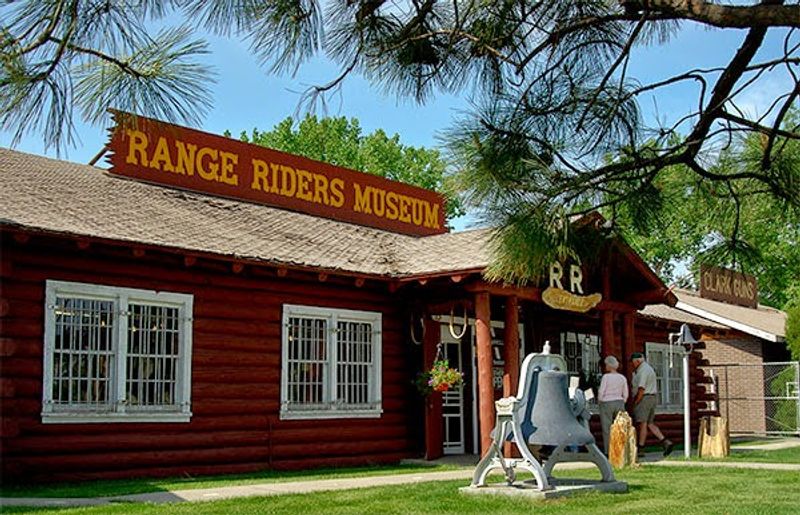
Founded in 1939 by local cowboy-stockmen who wanted to preserve what was already disappearing around them, this museum has grown into one of the largest western history complexes in the region.
Spread across 13 acres with 13 distinct buildings and more than 38,000 square feet of display space, the Range Riders Museum covers everything from dinosaur bones to 21st-century ranching. The Bert Clark Gun Collection alone features more than 400 firearms, while the Pioneer Memorial Hall commemorates over 700 regional pioneers with plaques and historical records.
A full-scale replica of Old Miles Town recreates Main Street through 11 dioramas of period shops, and the Charles Russell Gallery adds an artistic dimension to the historical narrative. Curators frequently offer personal tours, sharing stories behind exhibits that range from a Civil War donut preserved since 1864 to a construction of 15,000 tobacco pouches made by a single man.
6. Tongue River Reservoir State Park, Decker, Montana
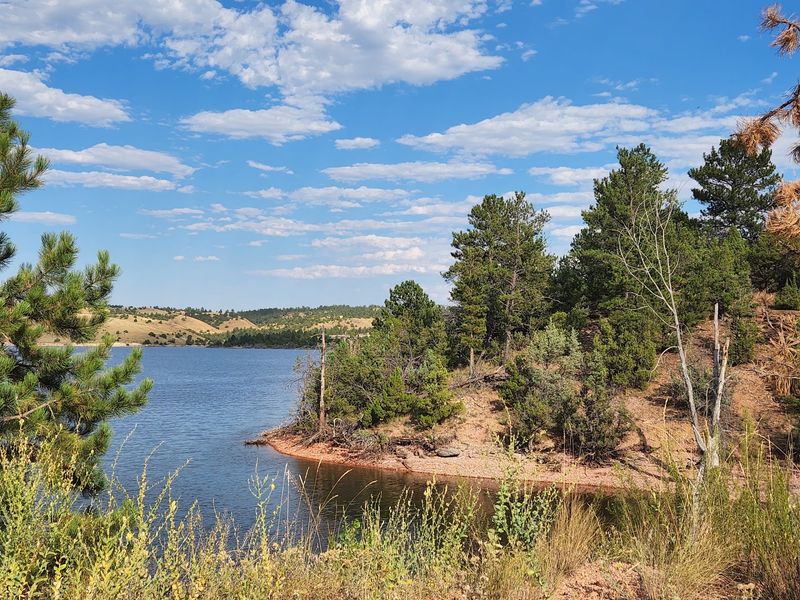
Finding a 12-mile-long reservoir tucked into the dry, rolling country of southeastern Montana feels like discovering a secret that the landscape has been keeping to itself.
Tongue River Reservoir draws around 50,000 visitors each year, many of them anglers chasing crappie, walleye, bass, and northern pike. Four state record fish have been pulled from these waters, which also offer fly fishing below the dam for those who prefer a quieter approach.
The 642-acre park provides 164 campsites across six campgrounds, three rental cabins, two boat ramps, and a marina stocked with supplies ranging from bait to groceries. Wildlife sightings are common throughout the warmer months, with osprey, blue herons, bald eagles, deer, and antelope all making regular appearances. When winter arrives, the reservoir transitions into a popular ice fishing destination without losing any of its appeal.
7. Chief Plenty Coups State Park, Pryor, Montana
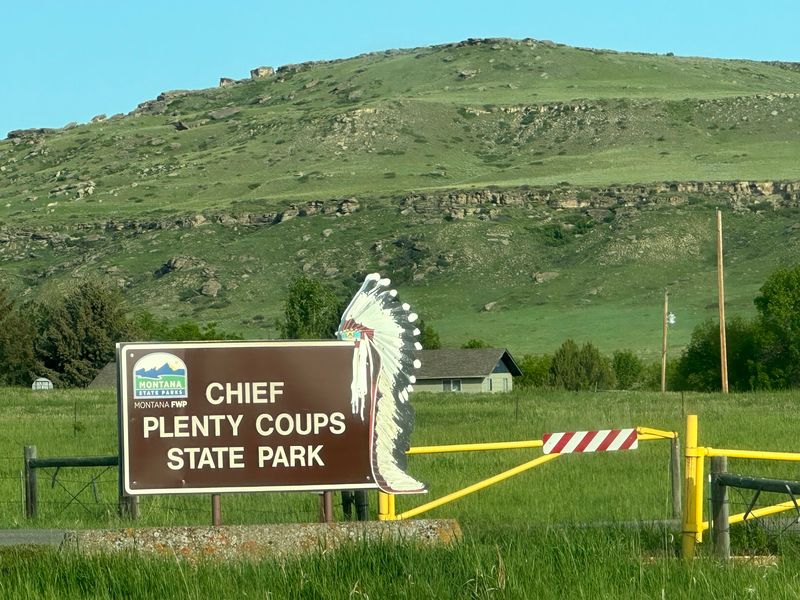
After Chief Plenty Coups passed away in 1932, the Crow council voted unanimously never to name another chief, declaring that no one could fill his place, which tells you more about this man than any museum label ever could.
Born in 1848, Plenty Coups rose to lead the Apsáalooke people through one of the most difficult transitions in their history, advocating cooperation with white settlers as a strategy for his tribe’s survival. In 1884, he became one of the first Apsáalooke to own and farm land under the federal Indian Allotment Act, building a two-story log home and opening a general store on a 320-acre tract.
The 195-acre park he requested be preserved as a public space sits near the Pryor Mountains, about 40 minutes south of Billings. Visitors can walk a trail along Pryor Creek, visit the sacred spring, and explore exhibits about Crow culture inside the visitor center.
8. Pictograph Cave State Park, Billings, Montana
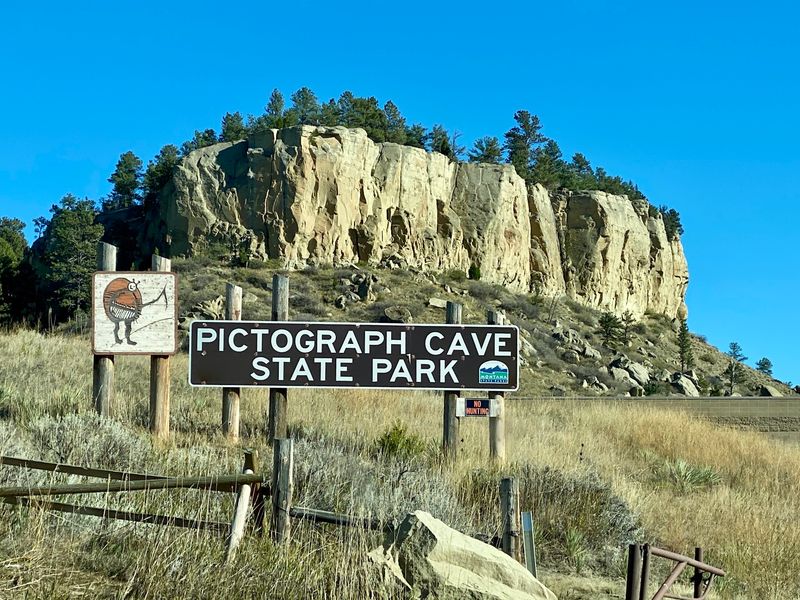
Over 30,000 artifacts have been excavated from a 23-acre park just outside Billings, making Pictograph Cave one of the most archaeologically significant sites in Montana despite its compact size.
Three caves, named Pictograph, Middle, and Ghost, were carved from Eagle sandstone by water and wind erosion over thousands of years. Pictograph Cave, the largest at roughly 160 feet wide and 45 feet deep, contains 106 identified pictographs painted in red, black, and white pigments, ranging in age from 200 to 2,100 years old. The oldest known image depicts a turtle carbon-dated to approximately 2,100 years ago.
Excavations beginning in 1937 also uncovered shell jewelry suggesting trade with Pacific Coast tribes and barbed harpoon points linked to Eskimo culture. A paved 3/4-mile loop trail with interpretive displays guides visitors through the site, and binoculars are recommended for a clear view of the rock art.
9. Moss Mansion Museum, Billings, Montana
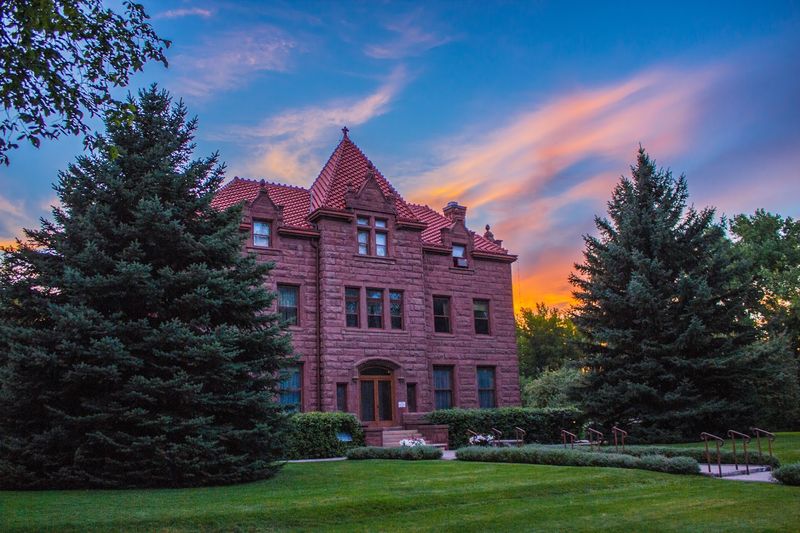
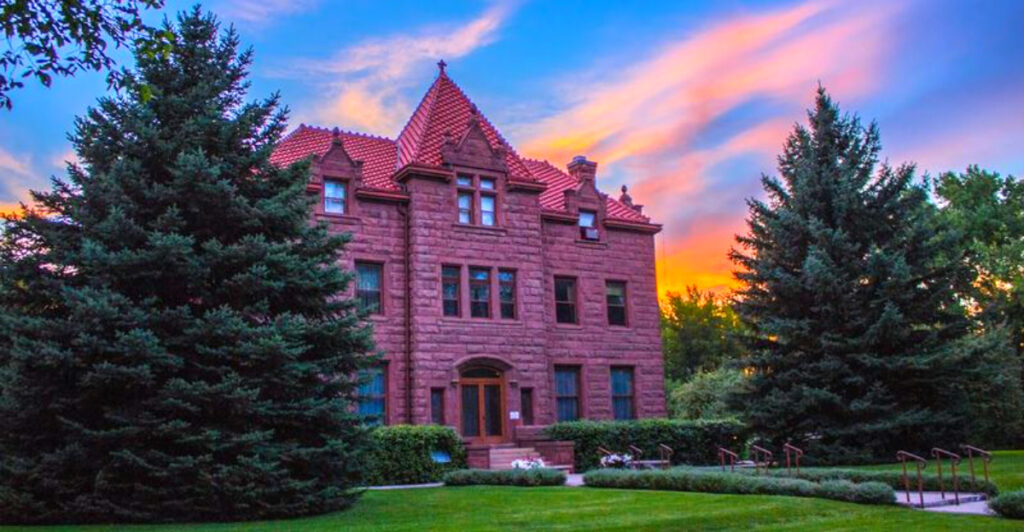
At a time when the average American home cost around $5,000 to build, entrepreneur Preston Boyd Moss spent $105,000 constructing his Billings residence in 1903, and the results are still raising eyebrows today.
Designed by Henry Janeway Hardenbergh, the New York architect behind the original Waldorf-Astoria and Plaza Hotels, the 28-room mansion blends English Renaissance style with French Rococo and Moorish influences. Original features include wood paneling, marble fireplaces, walls threaded with gold, an early rotary telephone, and an electric bell system for servants.
Preston Moss himself was a significant figure in early Billings, involved in banking, the city’s first dial telephone service, and the founding of what eventually became the Billings Gazette. The mansion later served as a filming location for period productions including “Son of the Morning Star.” Guided tours run one hour and cover the lower three floors, with seasonal exhibits adding additional context throughout the year.
10. Terry Badlands, Terry, Montana
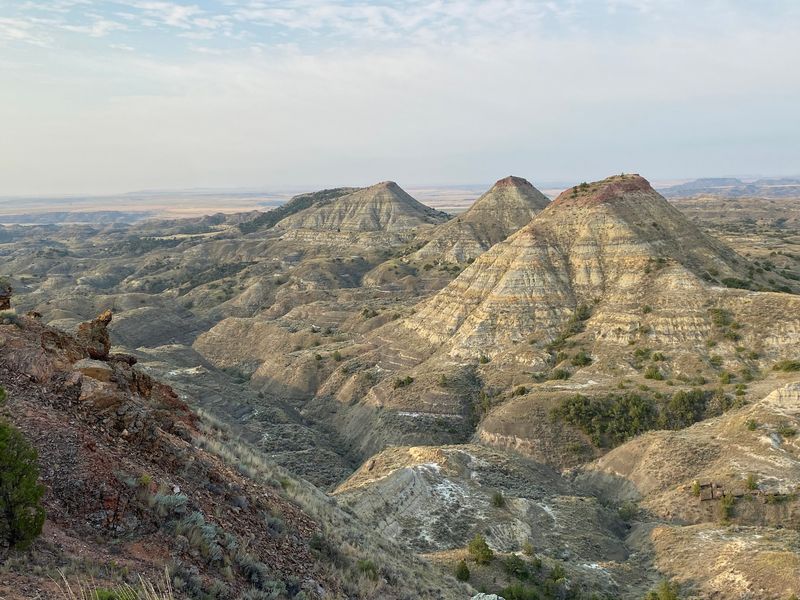
Covering more than 40,000 acres about three miles northwest of the small town of Terry, this wilderness study area delivers the kind of raw, unfiltered landscape that makes a back road feel like it leads somewhere genuinely surprising.
Soft marine and non-marine sedimentary rock has been shaped by centuries of erosion into arches, natural bridges, pinnacles, spires, flat-topped buttes, and deep gullies scattered with chunks of petrified logs. The area also contains one of the most easterly stands of limber pine in the entire United States, which is a botanical detail most visitors never expect to find out here.
Wildlife includes mule and whitetail deer, pronghorn, elk, badgers, raptors, and horned lizards. Access is primarily via dirt roads that can become impassable when wet, so checking conditions before the drive is a practical necessity. The Natural Bridges Trail off the Calypso Trail offers accessible views of hoodoos and coulees for those without all-terrain vehicles.
11. Fort Peck Interpretive Center, Fort Peck, Montana
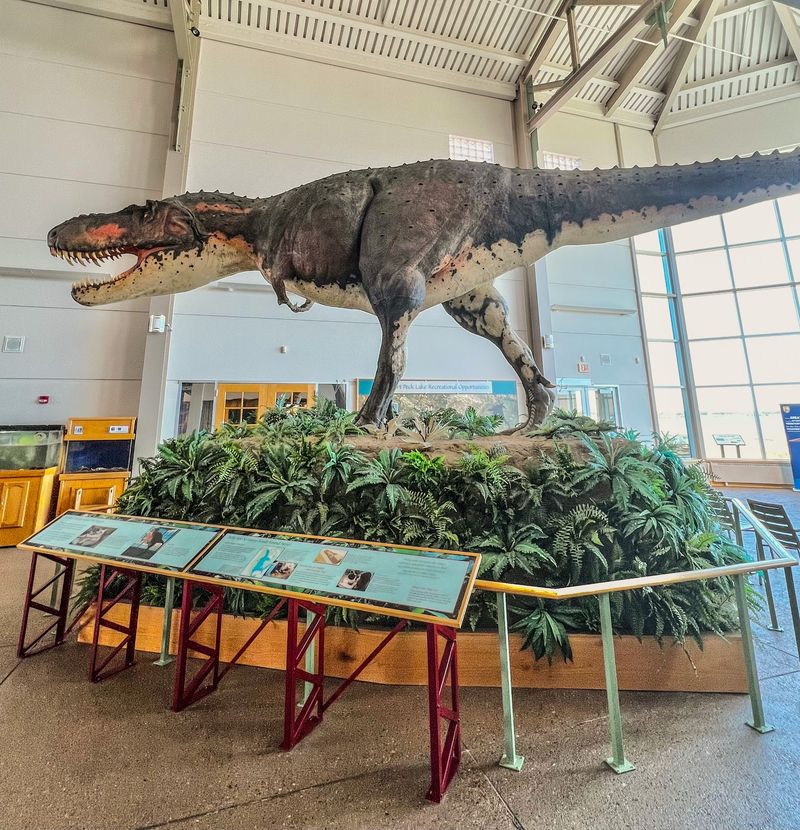
“Peck’s Rex” is the nickname given to one of the most complete Tyrannosaurus rex skeletons ever found, and a life-size model of it greets visitors the moment they walk through the front door of this interpretive center.
Located near the Fort Peck Dam, the largest hydraulically filled dam in the United States, the center connects natural history and human engineering in a way that few facilities manage. Exhibits cover everything from Cretaceous sea creatures to the boomtown communities that sprang up during the dam’s construction, with photographs, worker records, and personal accounts bringing that era to life.
Two of Montana’s largest aquariums display fish species native to Fort Peck Lake and the Missouri River, and a three-mile paved nature trail outside is popular for birding. Admission is free, and summer interpretive programs include hands-on children’s activities and guided nature walks around the surrounding grounds.
12. Miles City Saddlery, Miles City, Montana
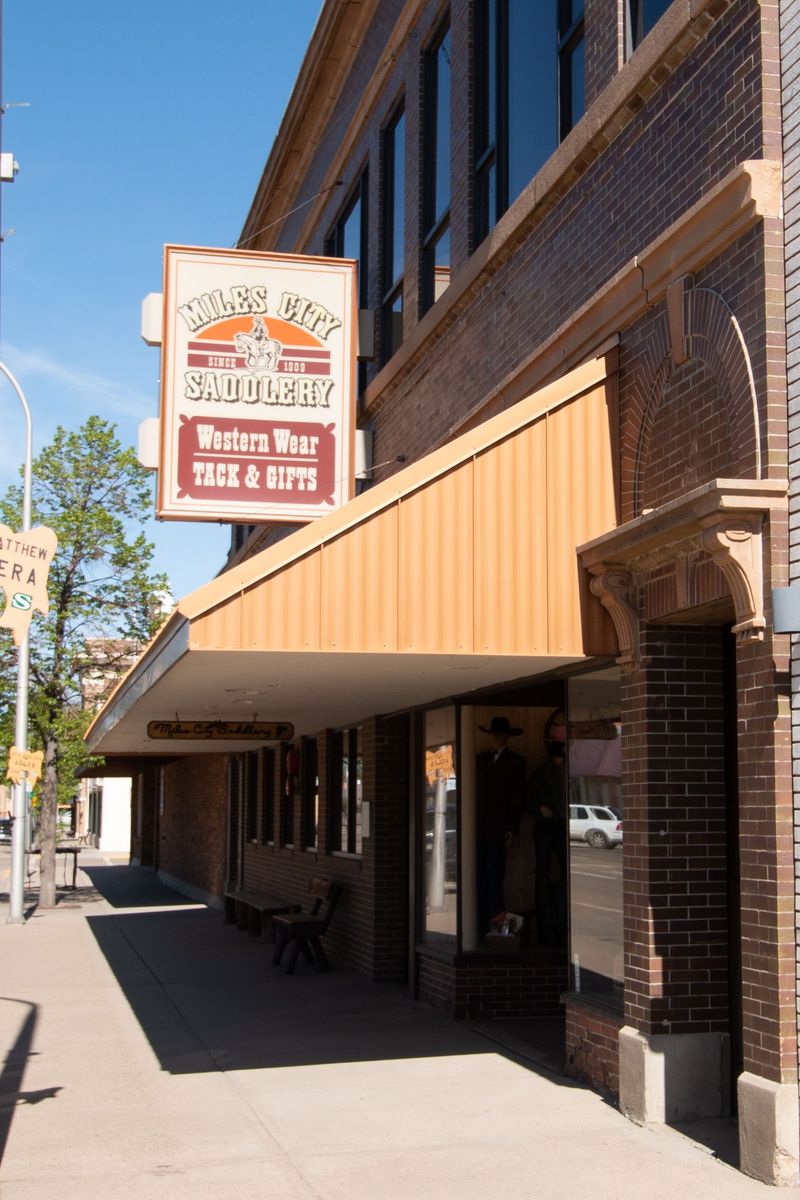
Since August 1909, this Main Street business has been making saddles for people who actually use them, which is a distinction that sets it apart from most places selling Western gear today.
Miles City Saddlery is the original maker of the Coggshall Saddle, considered among the finest quality saddles ever produced in the American West. During the industry’s peak between 1910 and the 1930s, as many as 40 saddlemakers worked in Miles City, producing between four and six saddles per week. The business was revived in 1989 and began building custom Coggshall saddles again in 1997.
Beyond custom leather work, the store carries wallets, chaps, holsters, belts, jackets, hats, and cowboy boots, which now occupy their own separate wing. Guided tours of the upstairs historical items are available, offering context about saddlemaking traditions and the ranching community that kept this craft alive. A 2024 renovation added a new copper roof and refreshed inventory.
13. Yellowstone Art Museum, Billings, Montana
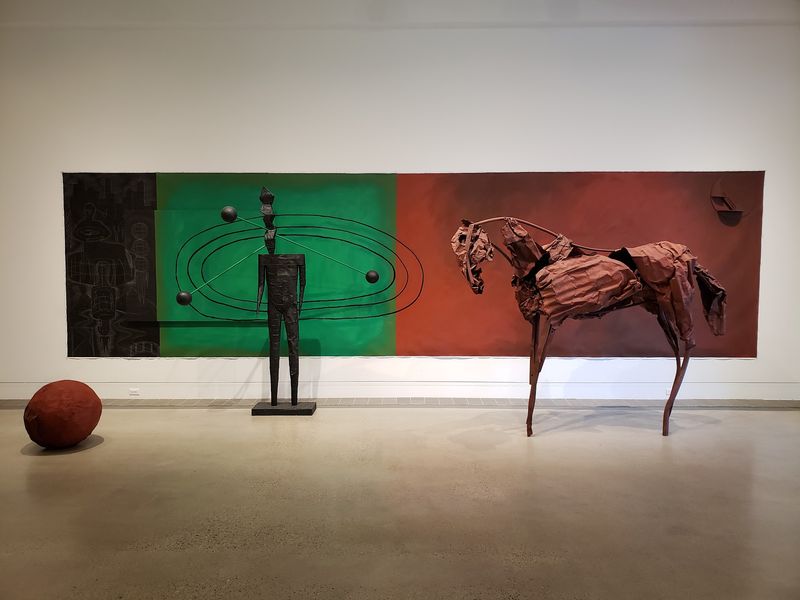
The Yellowstone Art Museum opened in 1964 inside a former county jail built in 1884, which is either a remarkable act of cultural recycling or proof that Billings has always had a creative streak.
Now the largest contemporary art museum in Montana, YAM holds over 7,400 pieces with a deliberate focus on artists from Montana and the American Northwest who were part of the artistic vanguard of their time. The Montana Collection, launched in 1984, specifically preserves contemporary Western art with support from the Montana Coal Tax Fund and private donors.
One of the museum’s most distinctive features is the Visible Vault, one of only a handful of its kind in the country, where visitors can observe how art is stored and preserved behind the scenes. The Annual Art Auction, running since 1969, is the museum’s largest fundraiser and a significant social event in the Billings region. Admission fees apply for general entry.
Share this story