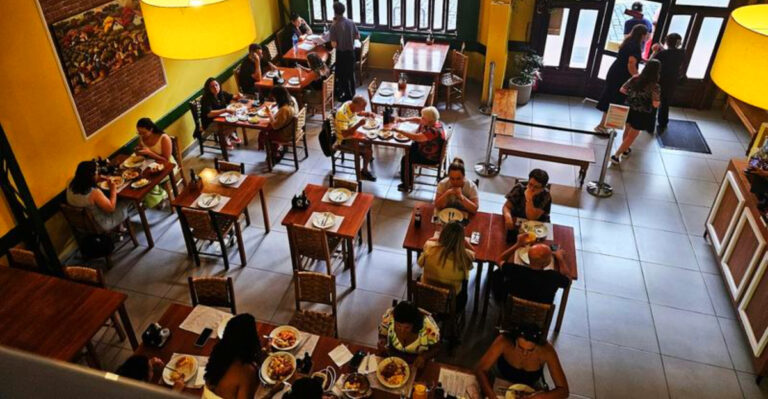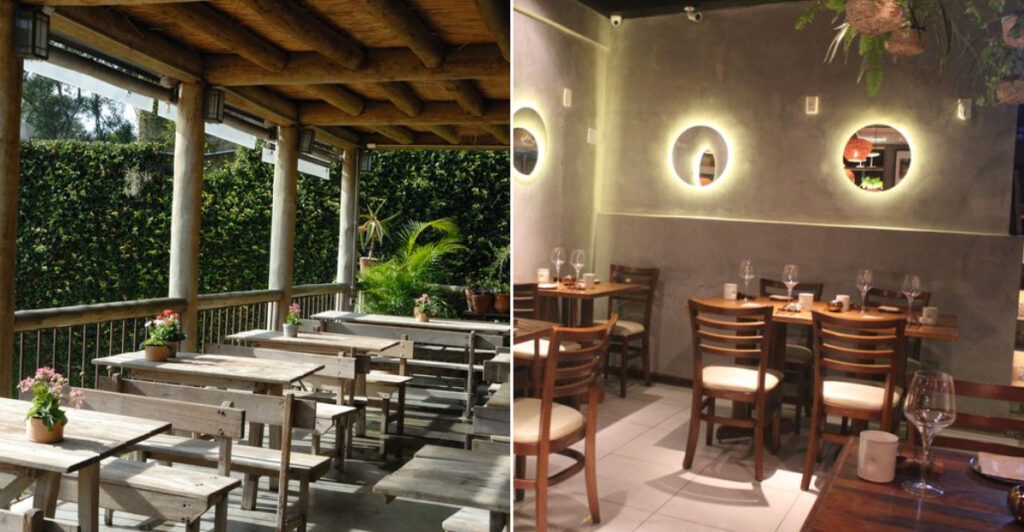
Brazil is one of those countries where the food alone is worth planning a trip around. From the Amazon rainforest to the southern pampas, every region has its own cooking traditions, ingredients, and flavors that feel completely different from the next.
Whether you are chasing tasting menus in São Paulo, street-style comfort food in Belo Horizonte, or fire-cooked beef in Porto Alegre, the country delivers in ways that surprise even experienced travelers. This list covers 14 restaurants across Brazil that have earned their reputations through real cooking, strong regional identity, and meals that people genuinely remember long after leaving the table.
Some are celebrated internationally, others are beloved neighborhood institutions, and a few are both. If you are serious about eating well in Brazil, these are the places worth knowing about.
A Casa do Porco, São Paulo, São Paulo
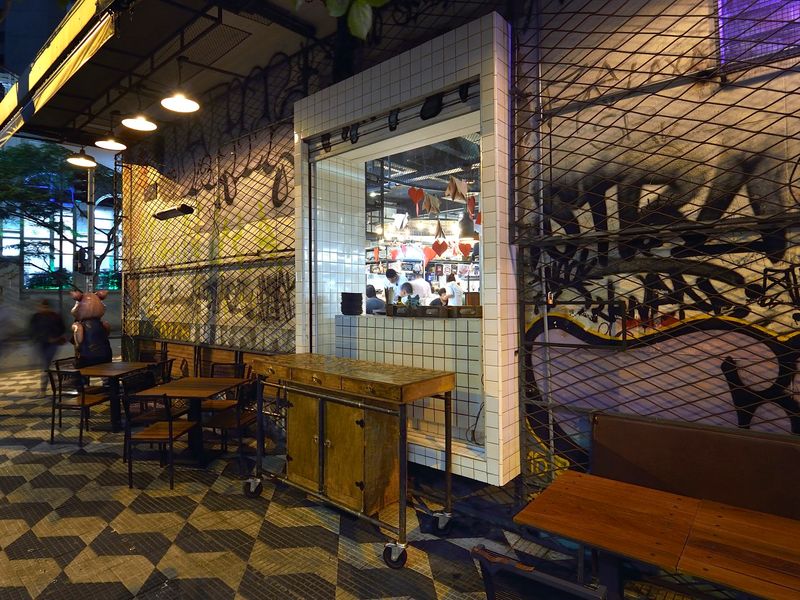
Pork is not simply another ingredient at A Casa do Porco. It is the entire reason the restaurant exists.
Chef Jefferson Rueda built one of São Paulo’s most celebrated kitchens around the single idea of exploring just how many directions pork can go.
Traditional countryside cooking provides the foundation, but the preparation and presentation regularly push those familiar flavors into unexpected places. The signature dish, Porco Sanzé, involves pork slowly roasted for several hours and has become closely associated with the restaurant’s identity.
Diners can choose from à la carte options or a full tasting-menu experience, giving the restaurant flexibility that many ambitious kitchens skip. Despite its international reputation, the atmosphere stays comparatively casual and accessible.
The 2026 MICHELIN Guide awarded it a Bib Gourmand distinction. Located on Rua Araújo in central São Paulo, this is one of the city’s most distinctive destinations for contemporary Brazilian cooking.
D.O.M., São Paulo, São Paulo
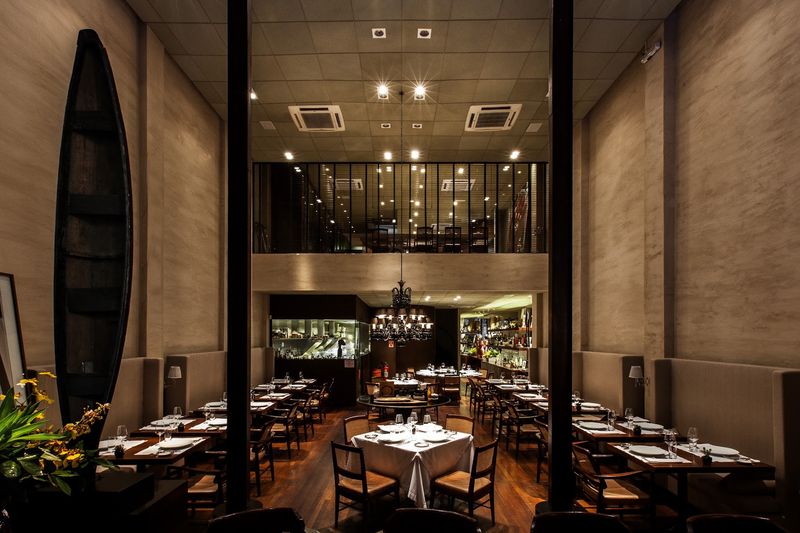
Chef Alex Atala changed how the world thinks about Brazilian food, and D.O.M. is where that shift happened. Rather than borrowing heavily from European fine dining, Atala looked deeper into Brazil’s forests, farms, and Indigenous traditions to build something genuinely original.
Ingredients such as tucupi, jambu, priprioca, and cupuaçu appear in carefully constructed tasting-menu dishes that treat Brazilian landscapes as a starting point rather than an afterthought. The cooking rewards diners who arrive curious about what the country’s ecosystems actually taste like.
D.O.M. holds two MICHELIN stars in the 2026 guide, a distinction it has maintained through years of consistent, serious cooking. The restaurant continues operating in São Paulo’s Jardins neighborhood, where it has long been considered one of the country’s landmark gastronomic addresses.
For travelers who want to understand Brazilian cuisine at its most ambitious and ingredient-driven, this restaurant remains an essential stop.
Maní, São Paulo, São Paulo
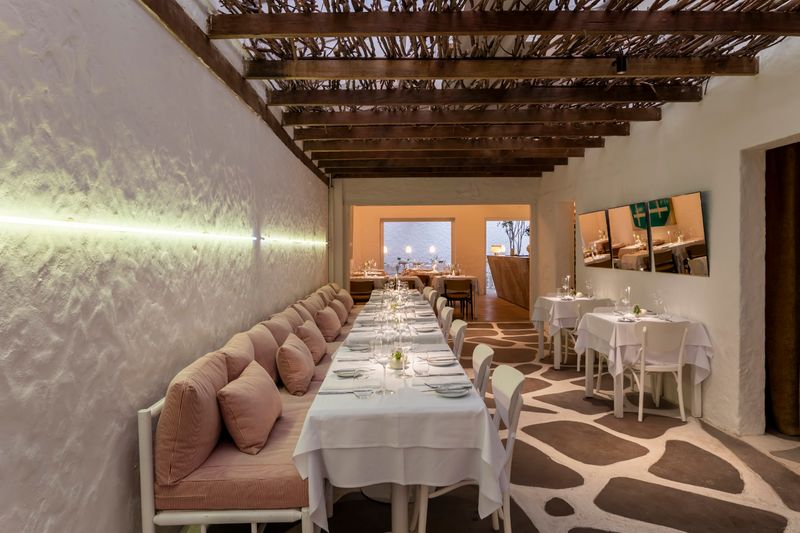
Maní sits at an interesting intersection where serious culinary technique meets food that never loses its Brazilian character. Chef Helena Rizzo has become one of the country’s most recognized culinary figures, and the restaurant reflects her ability to transform familiar regional ingredients without making them feel foreign.
Brazilian fruits, vegetables, seafood, grains, and nuts appear throughout the menu in imaginative combinations. One dish highlighted by MICHELIN pairs fish cooked in banana leaf with plantain purée, butter-bean vinaigrette, and Brazil-nut farofa, which gives a clear sense of how the kitchen operates.
Maní earned a MICHELIN star in the 2026 guide, confirming its place in São Paulo’s competitive fine-dining scene. The restaurant manages to deliver sophisticated food while keeping the warmth and color that Brazilian cooking is known for.
Travelers looking for a meal that feels both refined and rooted in the country’s culinary identity will find Maní a strong choice.
Mocotó Vila Medeiros, São Paulo, São Paulo
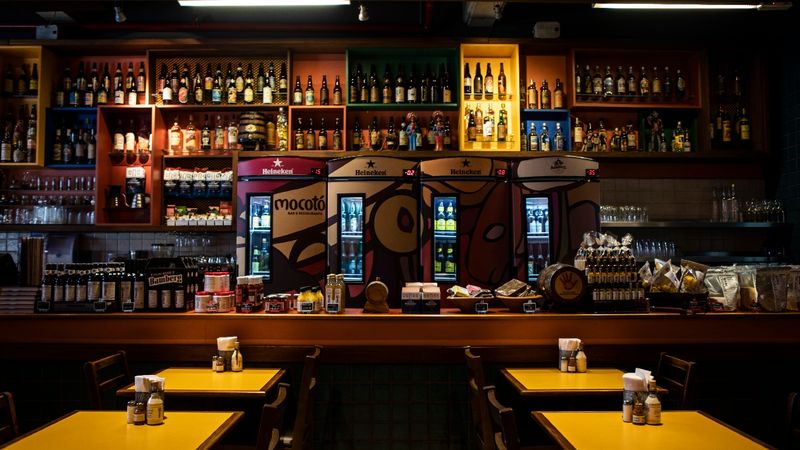
Extraordinary Brazilian cooking does not require white tablecloths, and Mocotó has spent more than 50 years proving that point. The original restaurant was founded by José de Almeida, who came to São Paulo from Pernambuco and brought northeastern Brazilian cooking traditions with him.
His son, chef Rodrigo Oliveira, later transformed the family business into one of the city’s best-known destinations for food rooted in the Sertão, Brazil’s northeastern interior. The menu features carne de sol, mocotó, and the now-famous dadinhos de tapioca, small fried tapioca-and-cheese cubes that have become closely associated with Oliveira’s cooking style.
The 2026 MICHELIN Guide awarded Mocotó a Bib Gourmand distinction, recognizing both the quality and the value of the experience. Located in Vila Medeiros, the restaurant draws visitors from across the city who want cooking that feels honest, regional, and deeply satisfying.
This is a very different São Paulo than the tasting-menu circuit.
Lasai, Rio de Janeiro, Rio de Janeiro
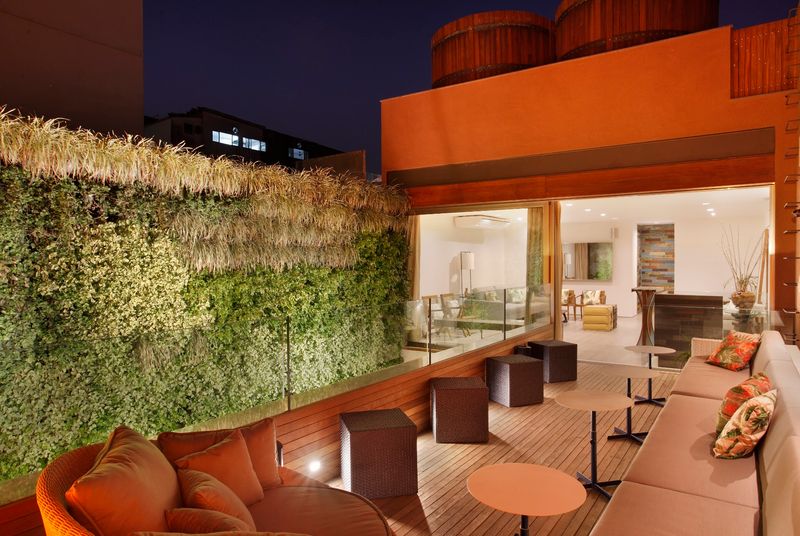
Lasai offers one of Rio de Janeiro’s most acclaimed contemporary dining experiences, and vegetables are genuinely central to what makes it interesting. Chef Rafa Costa e Silva places enormous emphasis on produce sourced from the restaurant’s own gardens and small farms around Rio, which keeps the menu closely tied to what is actually growing nearby.
Seafood and meat appear on the menu, but they do not automatically dominate the experience. Vegetables take on real roles here rather than being treated as decoration alongside a protein.
That approach has earned the restaurant two MICHELIN stars in the 2026 guide, placing it among Brazil’s most highly regarded kitchens.
The setting is described as an old Rio house converted into an elegant but informal dining space, which sets a tone that feels relaxed despite the seriousness of the cooking. For visitors interested in how modern Brazilian chefs interpret local produce, Lasai is one of Rio’s essential reservations.
Oteque, Rio de Janeiro, Rio de Janeiro
Seafood takes center stage at Oteque, and the kitchen does not need complicated preparations to make the point. Chef Alberto Landgraf has built a reputation around precise, ingredient-focused cooking where the quality of the product is the story rather than a supporting character.
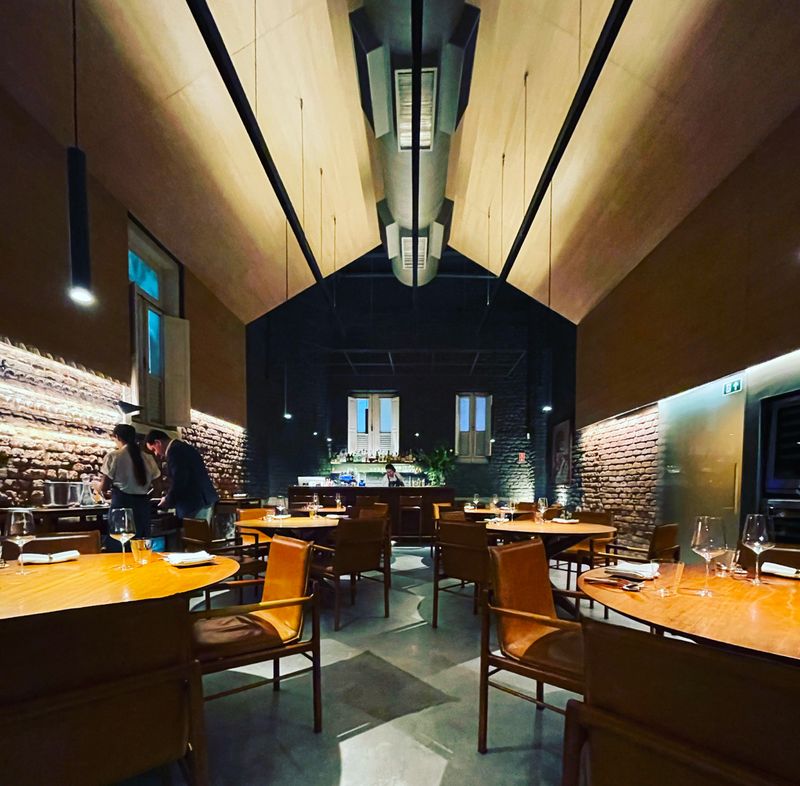
The restaurant sits on Rua Conde de Irajá in Rio de Janeiro and operates a tasting-menu format. The dining room has a distinctive industrial quality, with exposed brick walls alongside an open kitchen that allows guests to observe part of the preparation process.
It is a setting that feels purposeful without being fussy.
Rather than layering high-quality seafood under unnecessary additions, the kitchen has developed a reputation for clean flavors and exceptionally thoughtful technique. Oteque continues to appear in the current MICHELIN Guide’s Brazil selection, confirming that it remains an active part of Rio’s serious dining scene.
Seafood lovers looking for precision and restraint will find this restaurant worth the visit.
Confeitaria Colombo, Rio de Janeiro, Rio de Janeiro
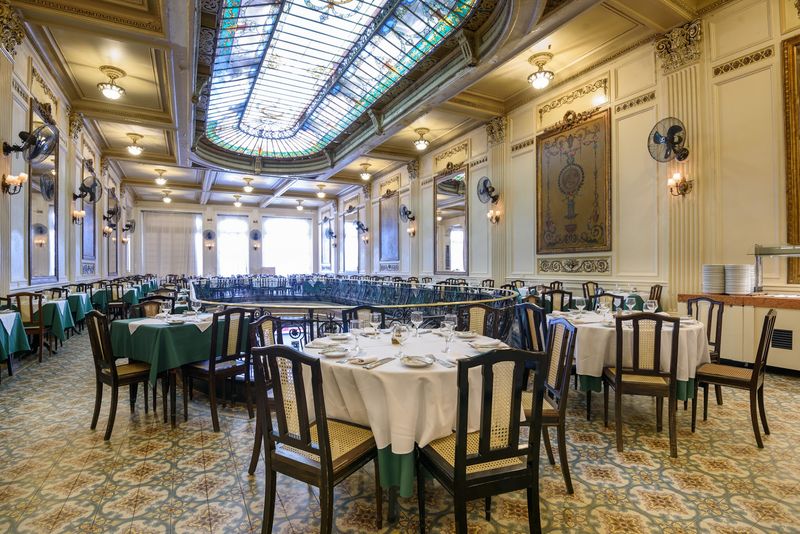
Dating to 1894, Confeitaria Colombo is one of Rio de Janeiro’s most enduring institutions, and its ornate interior has become nearly as famous as the food served inside. Large mirrors, decorative woodwork, stained glass, and Belle Époque details give the original downtown location an atmosphere that feels genuinely preserved rather than reconstructed.
The menu reflects a strong Portuguese influence, with pastries and sweets playing a particularly important role. Coffee and traditional baked goods are the natural starting point, but the full menu extends well beyond that.
The historic establishment continues operating multiple locations in Rio, including its landmark presence in the city center.
Current restaurant coverage was still listing and actively reviewing Confeitaria Colombo through 2026. Coming here for a coffee and something sweet is easy to justify on its own, but the experience of sitting inside a surviving piece of Rio’s 19th-century history makes it something more than just a café stop.
Origem, Salvador, Bahia
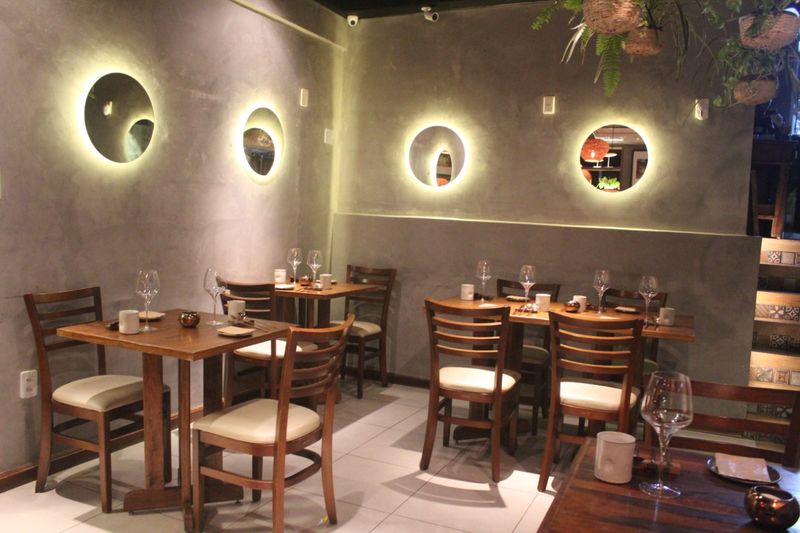
Bahia has one of Brazil’s most distinctive culinary traditions, shaped by African, Indigenous, and European influences that came together over centuries. Origem approaches that heritage through contemporary fine dining, treating Bahian food as a living tradition worth exploring carefully rather than simply repeating.
Chefs Fabrício Lemos and Lisiane Arouca use local produce and ingredients connected to Afro-Brazilian culinary traditions to build tasting experiences that feel genuinely rooted in the region. The menu draws particular inspiration from the cultural intersections that define Bahian cooking, making each dish part of a broader conversation about identity and place.
Origem remains active in Salvador as part of Grupo Origem, which operates several restaurants in the city. The restaurant also ranked among Brazil’s leading kitchens in the 2026 EXAME restaurant ranking.
For visitors who want to understand Bahian cuisine beyond its most familiar preparations, Origem offers a thoughtful and rewarding way to do that.
Casa de Tereza, Salvador, Bahia
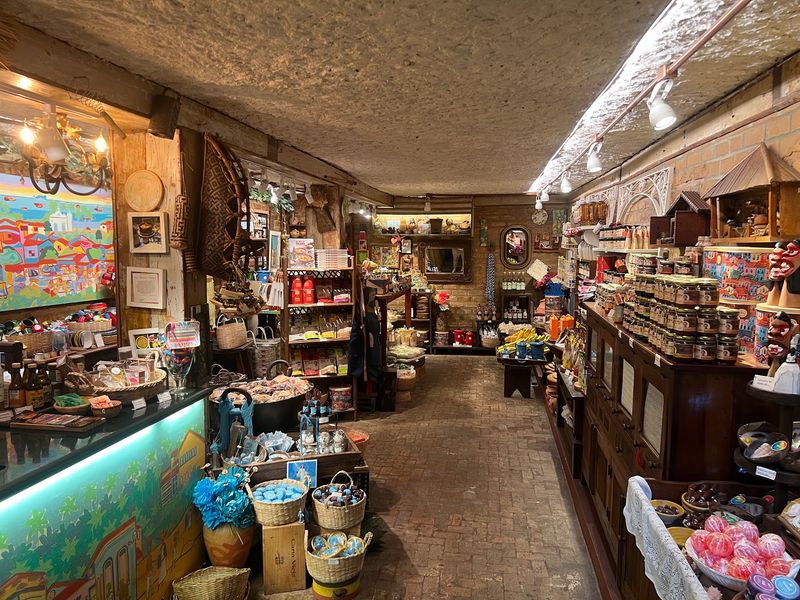
Rio Vermelho is one of Salvador’s most lively neighborhoods, and Casa de Tereza fits right into its character. Chef Tereza Paim’s restaurant celebrates Bahian flavors and cultural traditions in a setting decorated with art, colors, and objects connected to local life, creating a space that feels unmistakably tied to its city.
The menu draws on seafood, local ingredients, and African-influenced preparations that make it an excellent introduction to the food of Salvador. Unlike more formal tasting-menu restaurants, Casa de Tereza carries a relaxed, home-like atmosphere that makes the experience feel approachable and genuinely warm.
The restaurant’s official website remains active in 2026 and continues to list its Rio Vermelho location and contact information, confirming it is still operating. Food that comes with a strong sense of place is not always easy to find, but Casa de Tereza delivers both the flavors and the cultural context that make Bahian cooking so compelling to outsiders.
Xapuri, Belo Horizonte, Minas Gerais
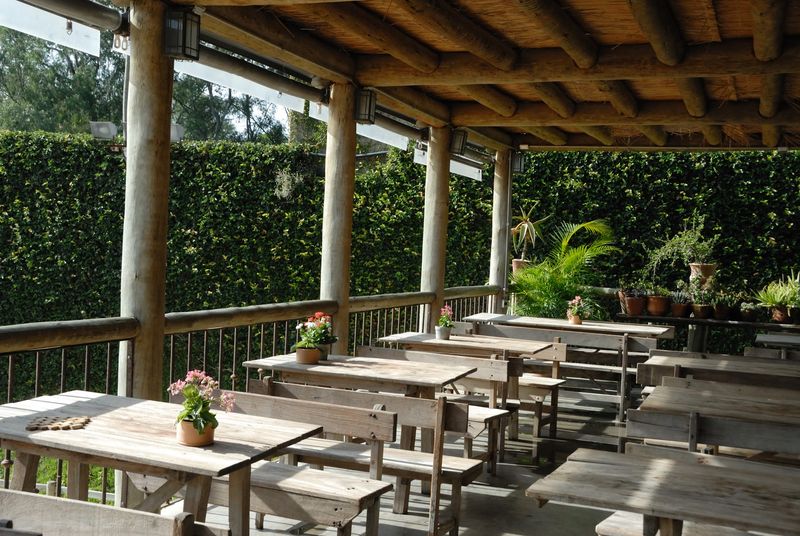
Minas Gerais has one of the most beloved food traditions in all of Brazil, built around ingredients like black beans, pork, cassava, and couve that generations of families have cooked the same way for a very long time. Xapuri is one of Belo Horizonte’s classic places for experiencing that tradition without it feeling staged or overly polished.
The restaurant emphasizes what locals call mineiridade, a broad sense of regional identity expressed through hospitality, ingredients, recipes, and atmosphere. Rather than presenting the food in a formal or precious way, Xapuri embraces the rustic, generous character that defines traditional Mineiro cooking at its best.
Live viola and accordion performances during selected lunches and dinners add another layer to the experience, and Belo Horizonte’s official tourism portal continues to describe Xapuri as an award-winning local institution. Portions tend to reflect the Mineiro spirit of hospitality, which is to say they are not small.
Come with a real appetite.
Restaurante Leite, Recife, Pernambuco
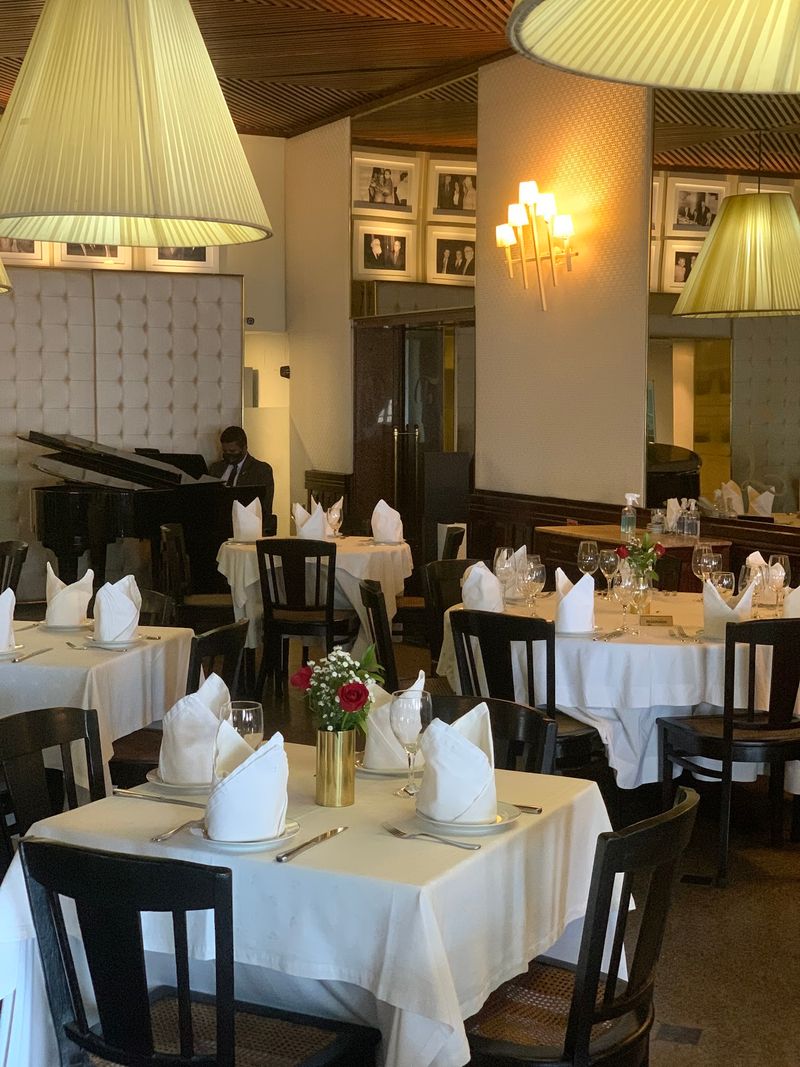
Some restaurants earn attention because they are brand new. Restaurante Leite earns it for nearly the opposite reason.
The Recife institution traces its history to the 19th century and is widely described as Brazil’s oldest restaurant still in operation, a claim that carries real weight when you sit down to eat.
Its elegant dining rooms and traditional cooking have attracted generations of politicians, writers, and travelers who wanted a meal inside a piece of Brazilian history. The food reflects classic Pernambucan traditions rather than chasing contemporary trends, which is part of what makes the experience feel grounded.
After a renovation that added space and updated facilities, Restaurante Leite officially reopened to the public on March 19, 2026, with its traditional menu intact. For diners who appreciate restaurants where the history is almost as substantial as the meal itself, Leite is one of the most fascinating places to eat anywhere in Brazil.
Remanso do Bosque, Belém, Pará
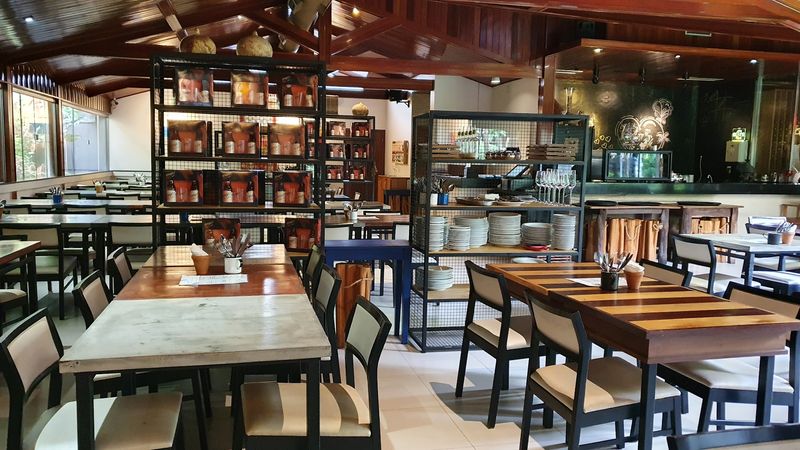
Belém is the kind of city that changes how you think about Brazilian food the moment you start eating there. The markets and restaurants offer access to Amazonian ingredients that rarely appear anywhere else, and Remanso do Bosque has played an important role in bringing those flavors to a wider audience.
Regional fish, cassava, jambu, tropical fruits, and aromatic herbs help define the style of cooking associated with the Castanho family’s restaurants. The approach treats Amazonian ingredients with the same seriousness that other restaurants apply to imported or rare products, because the Amazon’s biodiversity genuinely warrants that attention.
Belém has attracted increasing international interest as a culinary destination, and Remanso do Bosque sits at the center of that conversation. The restaurant’s official website remains active, and current 2026 listings confirm it is still operating in Belém.
Travelers interested in tasting what the Amazon actually produces will find this an excellent and memorable place to start.
Manu, Curitiba, Paraná
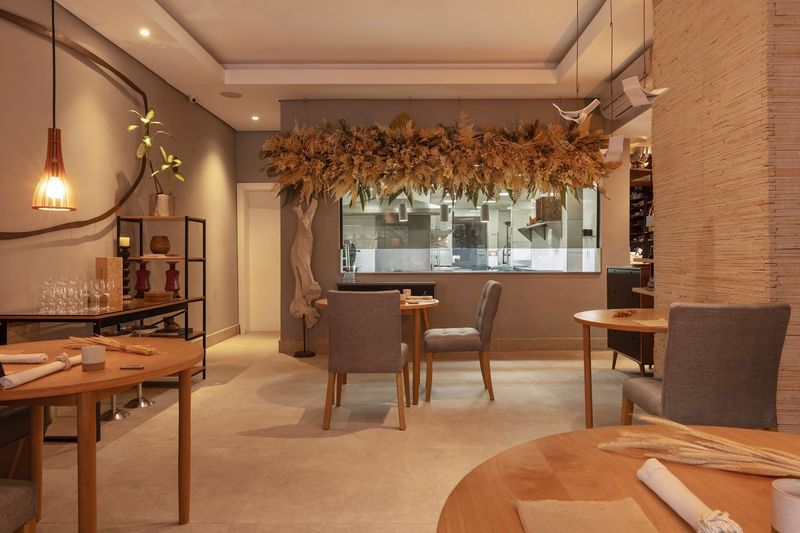
Chef Manoella Buffara’s restaurant in Curitiba quietly makes the case that some of Brazil’s most interesting contemporary cooking happens well outside São Paulo and Rio. Manu operates with only a handful of tables and a tasting-menu format that puts seasonal ingredients and relationships with local producers at the center of everything.
According to the restaurant, a large share of its ingredients comes from producers located within roughly 300 kilometers of the kitchen. That commitment shapes the menu in a way that feels specific and honest rather than like a marketing point.
Buffara has also built sustainability and community projects into her broader work, which adds dimension to what the restaurant represents.
The official Manu website remains active in 2026 and continues accepting reservations for its Curitiba location at Alameda Dom Pedro II in the Batel neighborhood. Travelers who prefer thoughtful, ingredient-driven dining over spectacle will find Manu one of the most rewarding meals Curitiba has to offer.
Churrascaria Barranco, Porto Alegre, Rio Grande do Sul
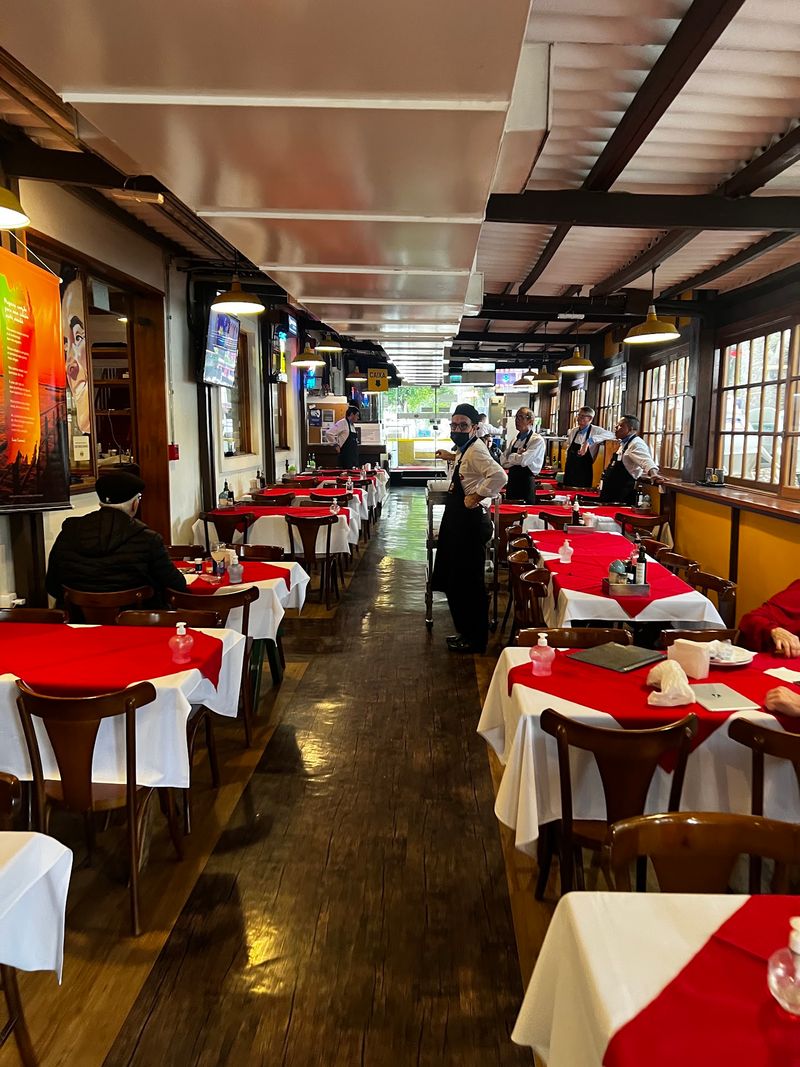
A food journey through Brazil would feel genuinely incomplete without churrasco, and Rio Grande do Sul is one of the best places in the country to experience that tradition properly. Churrascaria Barranco has been serving meat in Porto Alegre since 1969, which puts more than half a century of fire-cooking behind its reputation.
Unlike restaurants where the main attraction is an enormous all-you-can-eat rodízio format, Barranco is particularly associated with à la carte grilled meats. The focus on beef cooked over fire, served with classic accompaniments, reflects a more deliberate approach to churrasco rather than a volume-based one.
The restaurant’s official website confirms it remains operating on Avenida Protásio Alves, and its name continues to appear regularly in Porto Alegre restaurant coverage. For a final stop on a Brazilian food tour, there is something fitting about ending with straightforward, fire-cooked beef in one of the country’s great churrasco regions.
Barranco earns its place on this list honestly.
Share this story