Every year, millions of people around the world gather to celebrate traditions, cultures, and shared moments of joy. Festivals bring communities together in ways that few other events can, creating memories that last a lifetime.
From colorful street parades to ancient spiritual ceremonies, these celebrations reflect the heart and soul of their cultures. Here are 15 of the most popular festivals in the world that draw crowds, spark wonder, and remind us how beautifully diverse our world truly is.
1. Rio Carnival – Rio de Janeiro, Brazil
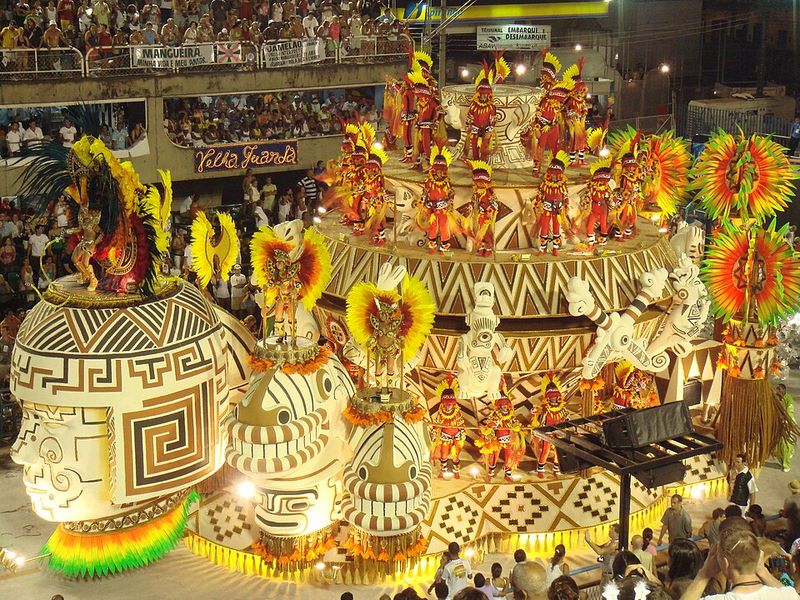
Few spectacles on Earth match the sheer energy of Rio Carnival. Held each year before Lent, this five-day celebration in Rio de Janeiro transforms the city into a non-stop party of samba music, dazzling costumes, and massive street parades.
It is widely considered the largest carnival in the world, drawing over two million visitors per day at its peak.
The heart of the event is the Sambadrome, a purpose-built parade venue where samba schools compete with elaborate floats and thousands of dancers. Each school spends an entire year preparing their performance, making every routine a true labor of love.
Street parties called blocos pop up across the city, welcoming locals and tourists alike. If you ever plan to attend, book accommodations many months in advance.
Rio Carnival is not just a festival – it is a full cultural experience unlike anything else.
2. Oktoberfest – Munich, Germany
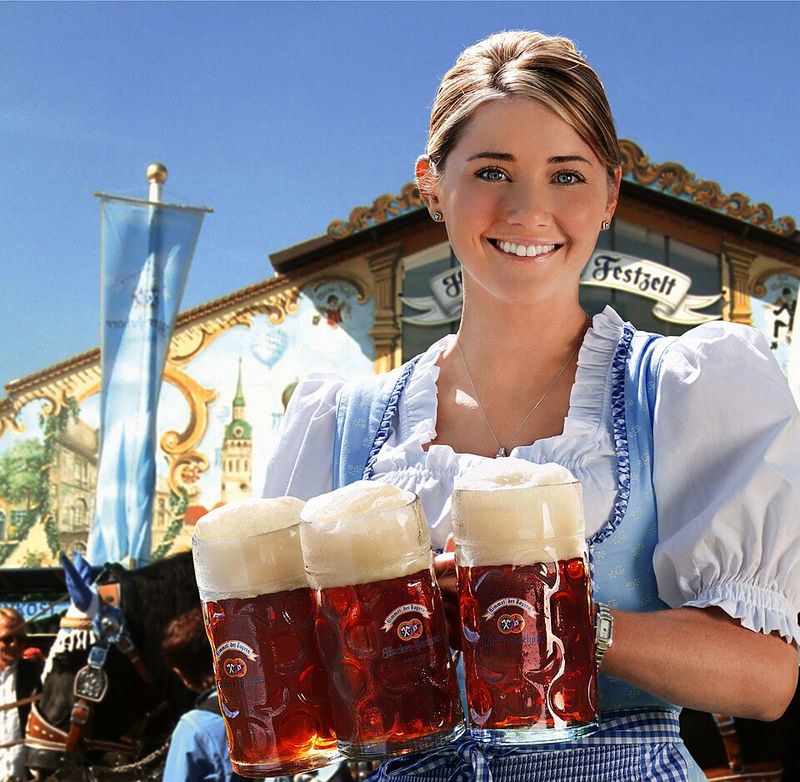
Raise a stein and join the fun – Oktoberfest in Munich is the world’s largest folk festival, attracting around six million visitors every year. Running for about 16 to 18 days from late September into early October, this beloved Bavarian tradition started back in 1810 as a royal wedding celebration and has grown into a global phenomenon.
The festival features enormous beer tents operated by Munich’s traditional breweries, serving only locally brewed Oktoberfest beer. Visitors dress in traditional Bavarian clothing – lederhosen for men and dirndls for women – adding to the festive, community-centered atmosphere.
Beyond the beer, Oktoberfest offers carnival rides, live folk music, roasted chicken, pretzels, and a warm sense of togetherness. Families, travelers, and locals all share long wooden tables inside the giant tents.
It is a celebration of Bavarian culture that has genuinely earned its worldwide reputation.
3. Mardi Gras – New Orleans, Louisiana, USA
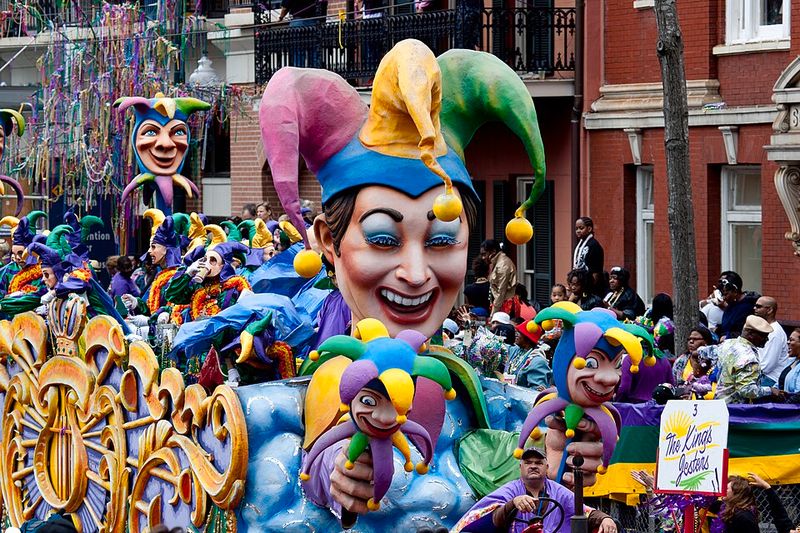
New Orleans comes alive every February with one of the most iconic street parties in American history. Mardi Gras, which means Fat Tuesday in French, marks the final day of Carnival season before the Christian period of Lent begins.
The city has been celebrating this tradition since 1699, making it one of the oldest festivals in North America.
Elaborate parades roll through the streets for weeks leading up to Fat Tuesday, with float riders tossing plastic beads, cups, and other trinkets to cheering crowds. The colors purple, gold, and green are everywhere – representing justice, power, and faith respectively.
Jazz music fills the air, and the food scene is equally spectacular, featuring Cajun and Creole classics like jambalaya and king cake. Mardi Gras is a spirited, uniquely American celebration where history, music, and community blend into something truly unforgettable for everyone who attends.
4. Holi – India
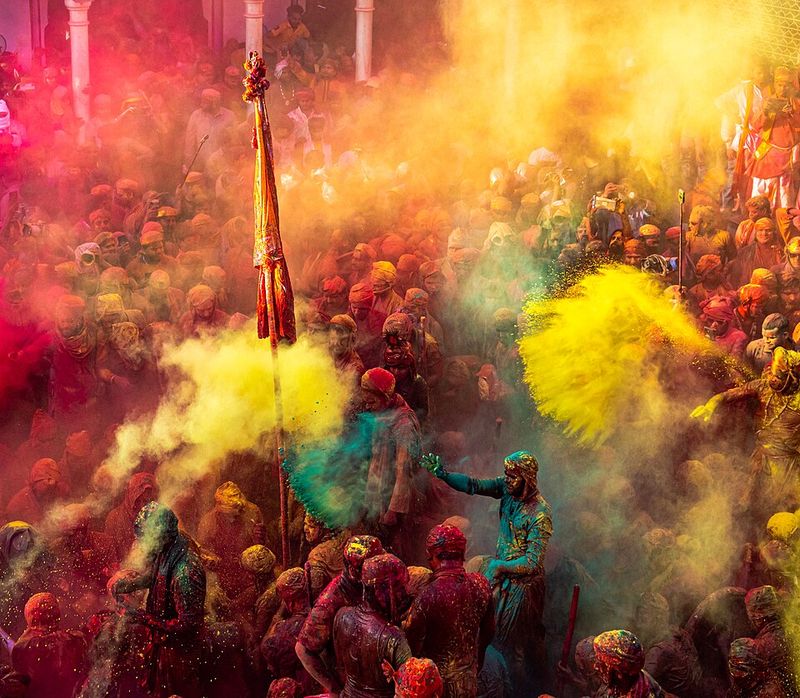
Known as the Festival of Colors, Holi is one of the most visually stunning celebrations on the planet. Celebrated across India and Nepal in late February or March, this ancient Hindu festival marks the arrival of spring and the victory of good over evil.
The story behind it involves the legend of Prahlad and the demoness Holika, burned in a bonfire the night before.
On the main day, people take to the streets armed with colored powders and water guns, drenching each other in a rainbow of hues. Social barriers fade as neighbors, strangers, and family members laugh and play together.
Sweet treats like gujiya and thandai are shared among friends and family throughout the day. Holi has also gained massive popularity worldwide, with color run events inspired by the festival taking place in dozens of countries.
It is joyful, inclusive, and genuinely hard to forget once experienced.
5. Lunar New Year – China and Worldwide
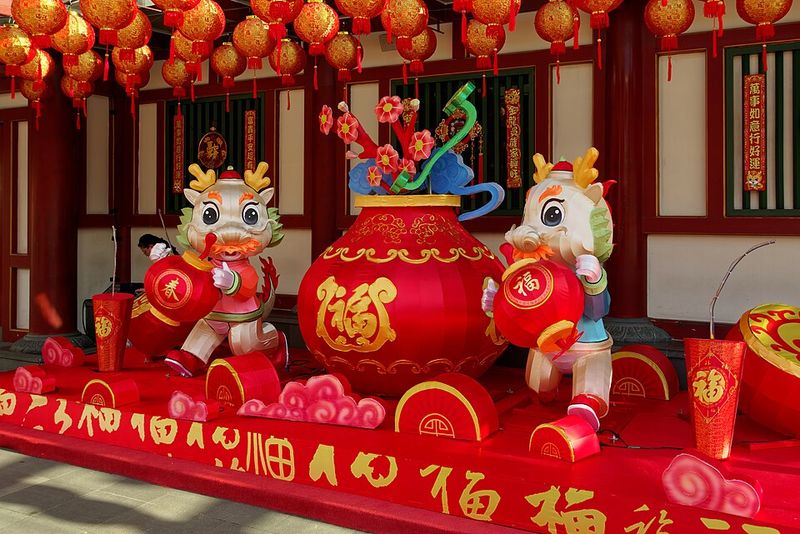
Lunar New Year is one of the most widely celebrated holidays on Earth, observed by over a billion people across China, Vietnam, Korea, and Chinese communities around the world. The date shifts each year based on the lunar calendar, typically falling between late January and mid-February.
Each year is represented by one of twelve animals in the Chinese zodiac cycle.
Celebrations last up to 15 days and include family reunions, elaborate feasts, red envelope gifting, dragon dances, and fireworks. The color red is central to the festivities, symbolizing good luck and the warding off of evil spirits.
The festival ends with the Lantern Festival, when glowing lanterns are released into the sky or floated on water. Cities like Hong Kong, Singapore, San Francisco, and Sydney host spectacular public events.
Lunar New Year beautifully combines deep tradition with a sense of renewal and hopeful beginnings for the year ahead.
6. Day of the Dead – Mexico
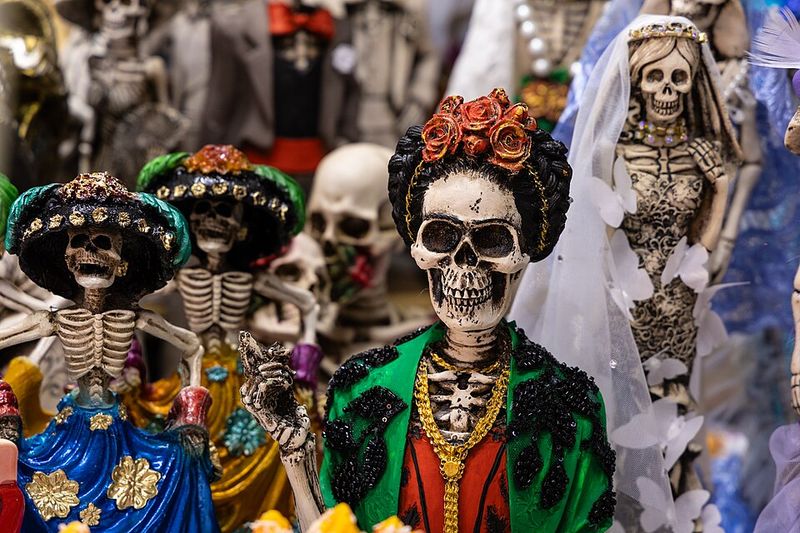
Contrary to what outsiders might assume, the Day of the Dead – or Dia de los Muertos – is not a somber occasion. This Mexican tradition, celebrated on November 1st and 2nd, is a warm and colorful reunion between the living and the spirits of loved ones who have passed.
Its roots blend indigenous Aztec rituals with Catholic traditions brought by Spanish colonizers.
Families build elaborate home altars called ofrendas, decorated with marigold flowers, candles, photos, and the favorite foods of those being remembered. Cemeteries become gathering places filled with music, flowers, and laughter as families spend the night honoring their ancestors.
The iconic sugar skull imagery and face paint have made the festival recognizable worldwide, especially after its portrayal in popular films. UNESCO recognized the tradition as an Intangible Cultural Heritage of Humanity in 2008.
It is a deeply meaningful celebration of life, memory, and family connection.
7. Venice Carnival – Venice, Italy
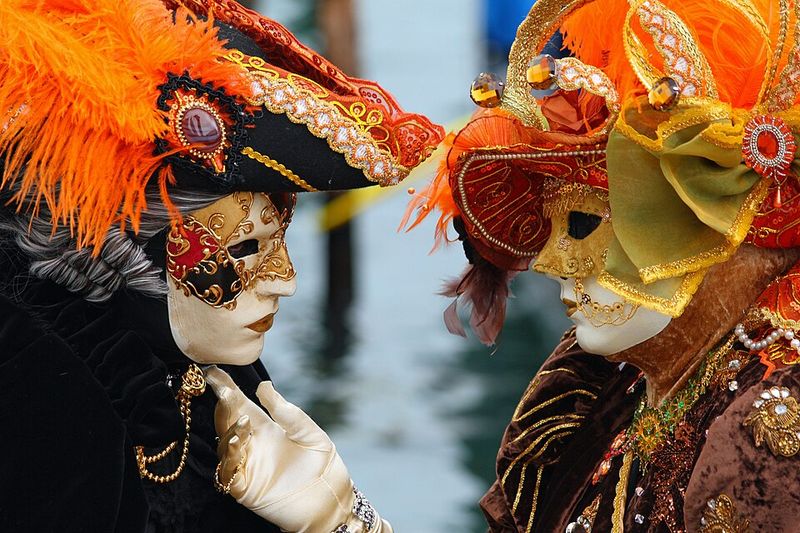
Step into a world of mystery and elegance at the Venice Carnival, one of the oldest and most sophisticated festivals in Europe. Dating back to the 12th century, this annual event takes place in the weeks leading up to Lent and draws hundreds of thousands of visitors to the floating city of Venice, Italy.
The festival is famous for its stunning masks and costumes, which historically allowed Venetians of all social classes to mingle anonymously in the streets. Today, participants spend enormous effort crafting or purchasing handmade Venetian masks, turning every canal, piazza, and bridge into a living art gallery.
Grand masquerade balls, open-air concerts, and theatrical performances fill the city throughout the event. San Marco Square becomes the centerpiece of the festivities, hosting costume competitions and live entertainment.
Venice Carnival is a rare blend of history, artistry, and theatrical beauty that truly has no equal anywhere in the world.
8. La Tomatina – Bunol, Spain
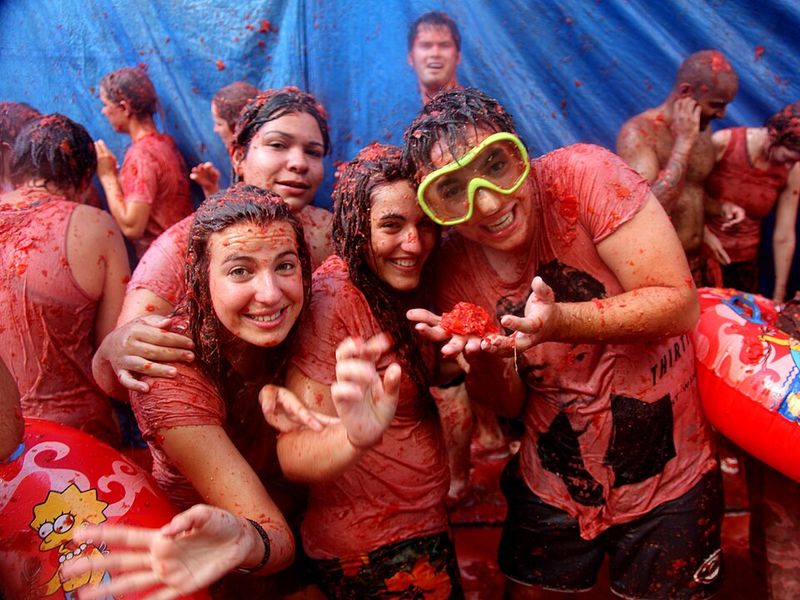
Imagine a town where the main event is an all-out tomato fight involving tens of thousands of people. That is exactly what happens every last Wednesday of August in the small town of Bunol, Spain.
La Tomatina began in 1945 under circumstances that are still debated – some say it started as a spontaneous food fight among friends, while others credit a mishap at a local parade.
Today, around 20,000 participants descend on Bunol for the one-hour battle, during which approximately 150,000 tomatoes are thrown. The rules are simple: squish the tomato before throwing it, and stop when the signal sounds.
Trucks drive through the narrow streets delivering the ammunition.
The event is pure, messy fun with no competitive edge – just laughter and chaos. Local businesses protect their storefronts with plastic sheeting, and water cannons help clean up afterward.
It is undeniably one of the world’s most unusual and entertaining festivals.
9. San Fermin – Running of the Bulls – Pamplona, Spain
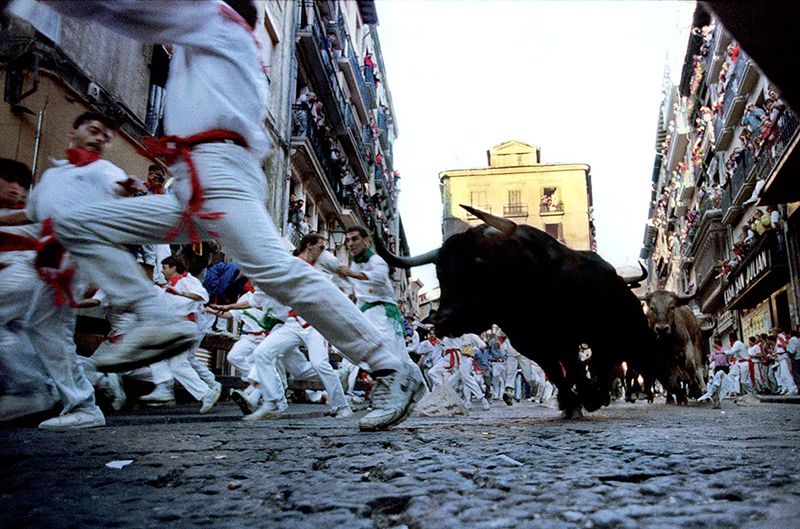
Every July, the city of Pamplona in northern Spain hosts one of the most adrenaline-charged events in the world. The San Fermin festival runs for nine days and honors the patron saint of Navarre, but it is the Running of the Bulls – called the encierro – that has made it globally famous.
Each morning at 8 a.m., six bulls charge through 875 meters of narrow cobblestone streets toward the bullring.
Thousands of runners dressed in white with red scarves and sashes sprint just ahead of the bulls in what is simultaneously thrilling and genuinely dangerous. The run typically lasts just a few minutes, but the festival atmosphere lasts all day and night, filled with music, parades, fireworks, and dancing.
Ernest Hemingway’s 1926 novel The Sun Also Rises helped bring international attention to San Fermin. The event attracts visitors from over 180 countries, making Pamplona one of Spain’s most visited cities each July.
10. Songkran Water Festival – Thailand
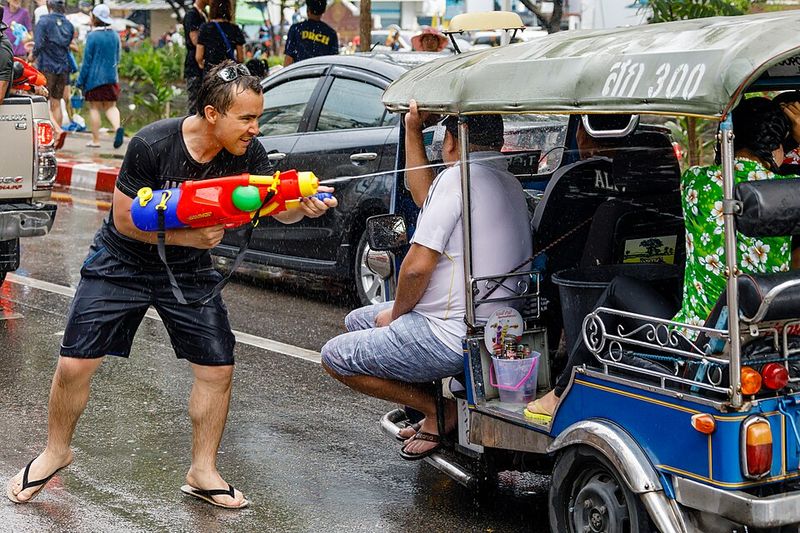
Thailand’s new year celebration is unlike any other – and it involves getting completely soaked. Songkran takes place every April 13th to 15th and marks the traditional Thai New Year according to the solar calendar.
The water throwing that defines the festival has deep cultural roots, originally representing the cleansing of bad luck and the blessing of others with good wishes for the new year.
Today, major cities like Bangkok, Chiang Mai, and Phuket erupt into massive, city-wide water fights. People line the streets armed with water guns, hoses, and buckets, drenching anyone who walks by – and nobody minds.
Tourists are welcomed into the fun just as enthusiastically as locals.
Beyond the splashing, Songkran includes temple visits, merit-making ceremonies, and the gentle pouring of scented water over the hands of elders as a sign of respect. It beautifully balances joyful chaos with sincere cultural tradition and community warmth.
11. Yi Peng Lantern Festival – Chiang Mai, Thailand
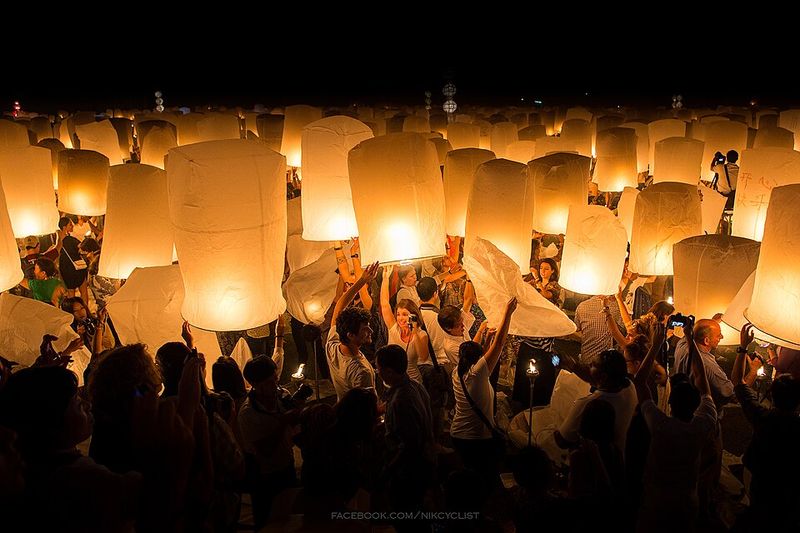
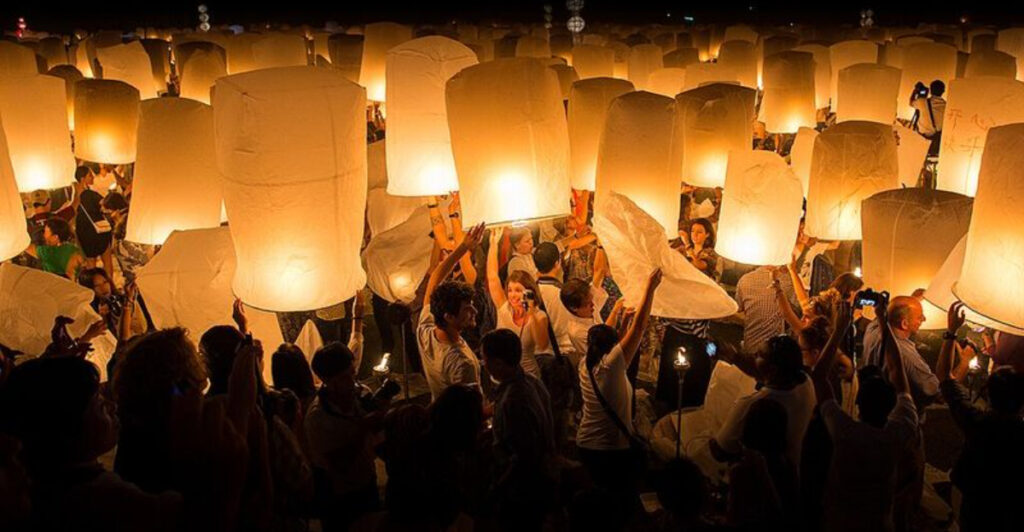
Picture thousands of glowing paper lanterns slowly rising into a night sky, creating a scene so beautiful it looks almost unreal. The Yi Peng Lantern Festival in Chiang Mai, Thailand, offers exactly that experience each November during the full moon of the second month of the Lanna lunar calendar.
It is a northern Thai Buddhist tradition meant to symbolize the release of misfortune and the welcoming of good luck.
The main mass release takes place at temples and outdoor venues, where participants light the base of their sky lanterns and let them drift upward in unison. The effect of thousands of lights ascending together is genuinely breathtaking and deeply moving.
Yi Peng often coincides with the Loi Krathong festival, when small decorated floats are released on rivers. Together, the two events create an evening of light, reflection, and quiet celebration.
It is widely considered one of the most photogenic events anywhere in Southeast Asia.
12. St. Patrick’s Festival – Dublin, Ireland
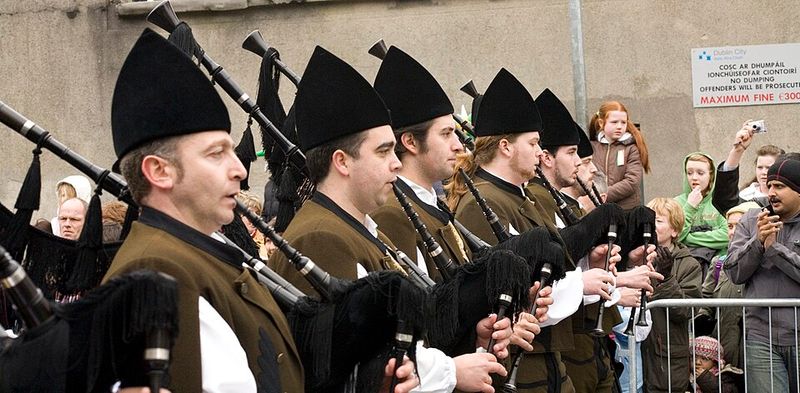
Green takes over the world every March 17th, and nowhere celebrates St. Patrick’s Day with more heart than Dublin, Ireland. The festival honors Saint Patrick, the patron saint of Ireland, who is credited with bringing Christianity to the country in the 5th century.
What began as a religious feast day has grown into a multi-day cultural festival that draws around one million visitors to Dublin alone.
The centerpiece is the St. Patrick’s Festival parade through the heart of Dublin, featuring elaborate floats, marching bands, street performers, and dancers. The city is awash in green, and the atmosphere is warm, welcoming, and full of Irish pride.
Beyond Ireland, cities like New York, Chicago, Boston, and Sydney host their own massive parades. Chicago even dyes its river green for the occasion.
St. Patrick’s Festival is a global celebration of Irish heritage, community spirit, and the kind of cheerful togetherness that crosses every cultural boundary.
13. Harbin International Ice and Snow Festival – Harbin, China
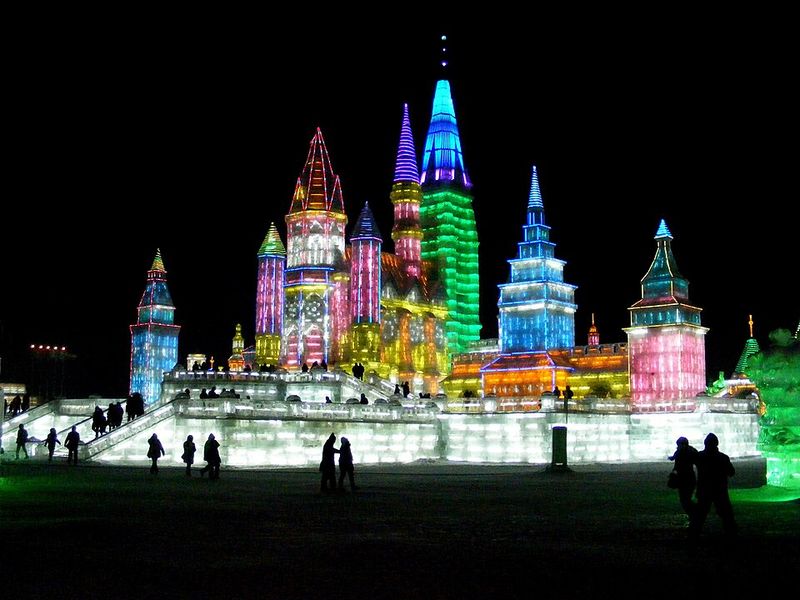
In the heart of a Chinese winter, an entire city made of ice rises from the ground. The Harbin International Ice and Snow Festival, held annually from January 5th through late February in Harbin, China, is the largest ice and snow festival in the world.
Temperatures in Harbin regularly drop to minus 20 degrees Celsius during the event, which only adds to its dramatic, otherworldly atmosphere.
Enormous sculptures carved from ice blocks taken from the Songhua River range from replicas of world landmarks to completely original fantasy structures. At night, LED lights installed inside the ice make the entire park glow in vivid colors – blues, pinks, reds, and greens.
Snow sculpture competitions, ice swimming events, and traditional winter activities round out the experience. The festival attracts over one million visitors annually and has become a defining symbol of Harbin’s identity.
Warm clothing is absolutely essential, but the visual reward is worth every shiver.
14. Albuquerque International Balloon Fiesta – Albuquerque, New Mexico, USA
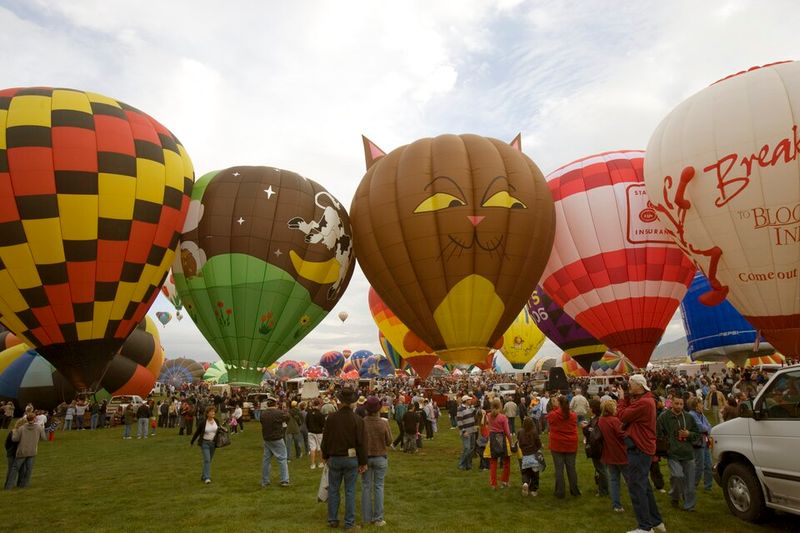
Every October, the skies above Albuquerque, New Mexico, fill with hundreds of colorful hot air balloons in one of the most visually spectacular events in the United States. The Albuquerque International Balloon Fiesta is the largest hot air balloon festival in the world, featuring around 500 balloons and drawing over 800,000 visitors over its nine-day run.
The event began modestly in 1972 with just 13 balloons and has grown into a globally recognized celebration of aviation, art, and community. The morning Mass Ascension, where hundreds of balloons launch simultaneously at sunrise, is a moment that leaves even seasoned attendees speechless.
Special shape balloons – featuring characters, animals, and wildly creative designs – are a fan favorite throughout the week. Evening Balloon Glows, where grounded balloons are illuminated against the dark sky, create a magical atmosphere.
Albuquerque’s clear autumn skies and steady winds make it one of the best places in the world to fly balloons.
15. Cherry Blossom Festivals (Hanami) – Japan
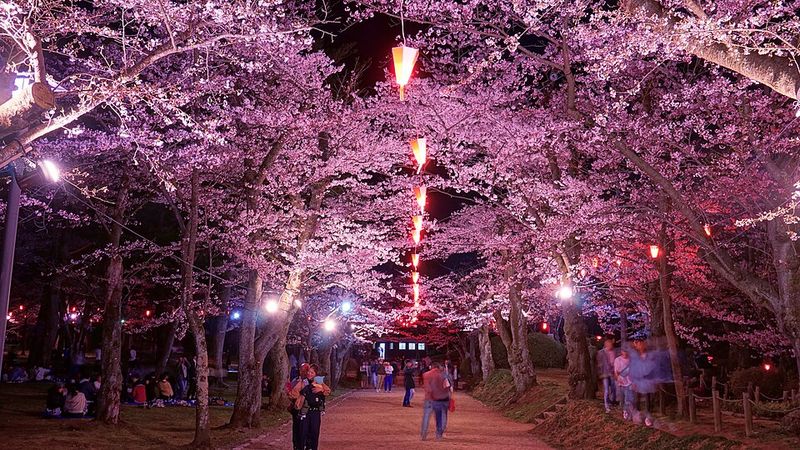
Each spring, Japan transforms into a sea of soft pink and white as thousands of cherry blossom trees burst into bloom. The tradition of hanami, which means flower viewing in Japanese, dates back over 1,000 years to the Nara period, when aristocrats would gather under blooming plum trees.
Over time, cherry blossoms became the centerpiece of the tradition, celebrated across the entire country.
From late March through early May, parks, riverbanks, and temple grounds fill with people enjoying picnics, music, and food beneath the blossoms. The blooms typically last only one to two weeks, which makes each viewing feel precious and fleeting – a concept deeply tied to the Japanese philosophy of mono no aware, or the bittersweet beauty of impermanence.
Popular spots include Tokyo’s Ueno Park, Kyoto’s Maruyama Park, and the banks of the Meguro River. Millions of tourists plan trips to Japan specifically around the cherry blossom forecast each year.
Hanami is quiet, beautiful, and deeply connected to Japanese cultural identity.
Share this story