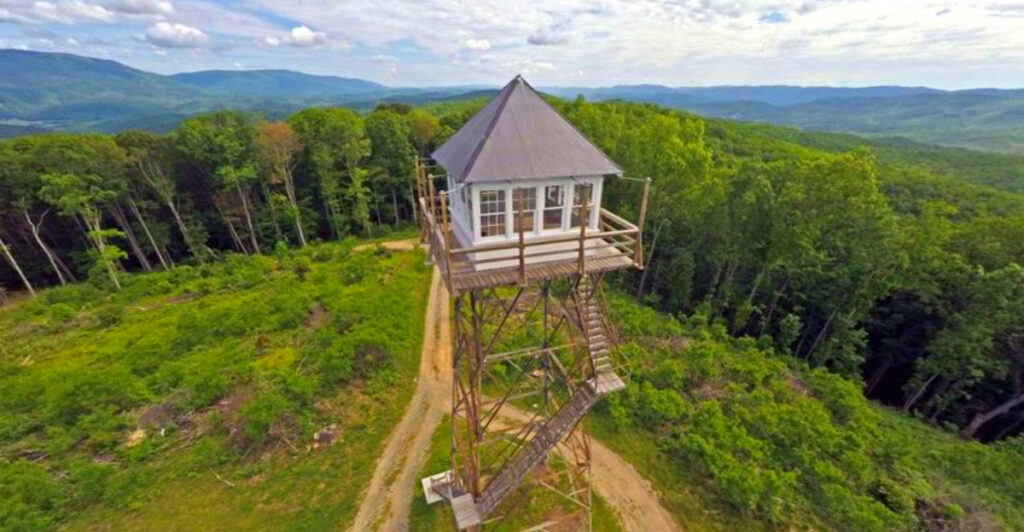
West Virginia is home to some of the most dramatic mountain scenery in the eastern United States, and a handful of historic fire towers still standing across the state put you right in the middle of it all. Built mostly between the 1920s and 1960s, these towers were once the backbone of wildfire detection across the Appalachians, staffed by dedicated observers who spent long seasons scanning the ridgelines for smoke. Today, many of them have become unexpected highlights for hikers, history buffs, and anyone who wants a birds-eye look at the Mountain State’s forests and valleys. Some can be reserved for overnight stays, others require a solid hike, and a few are best appreciated as quiet historical landmarks.
Whether you are planning a road trip or just curious about what is out there, this list covers 11 fire towers worth knowing about, from the most accessible to the most remote.
1. Olson Observation Tower, Hambleton, WV
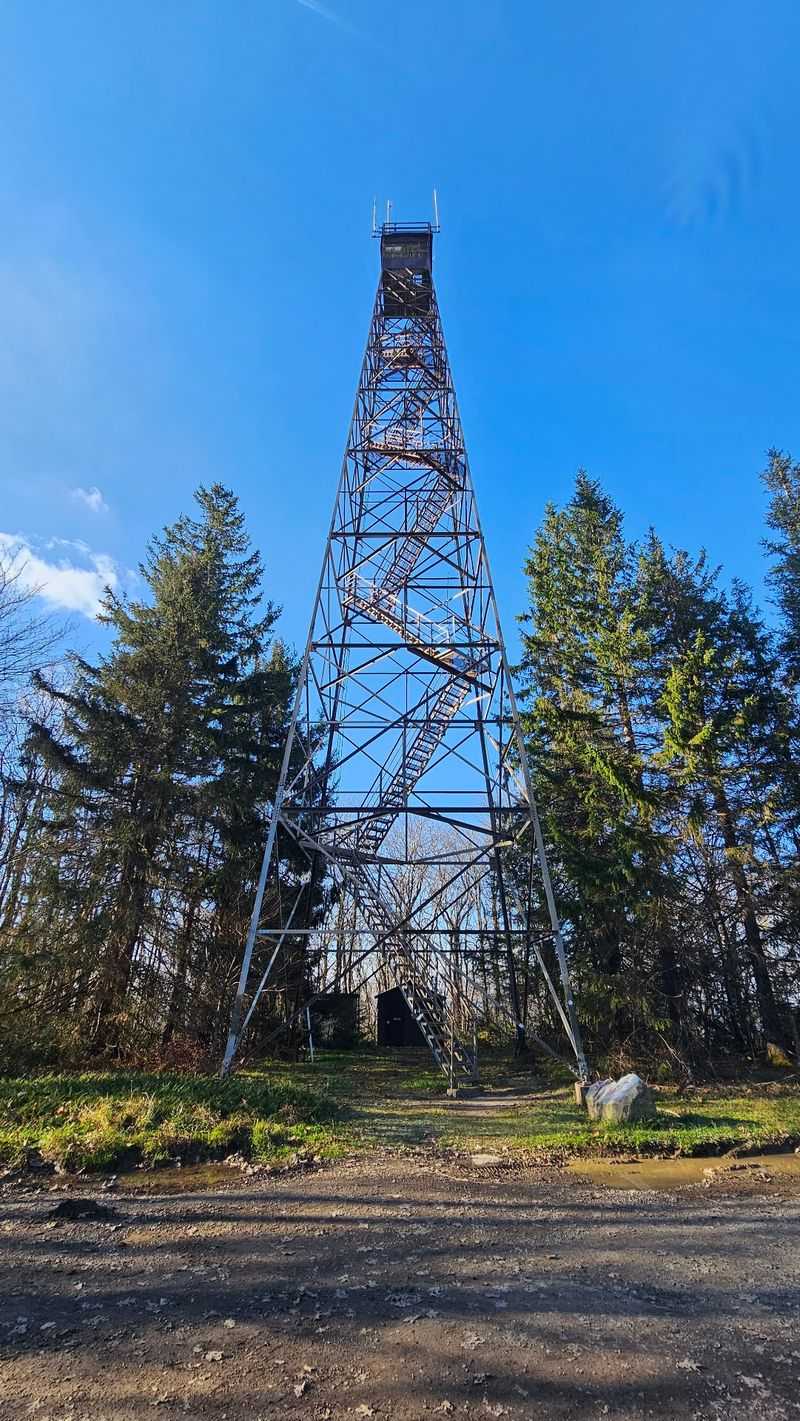
At over 100 feet tall, the Olson Observation Tower holds the title of West Virginia’s tallest remaining fire tower, and it earned that status by replacing the very first fire tower ever built in the state, originally erected on Backbone Mountain back in 1922.
The current steel structure went up in 1963 and was named after Ernst B. Olson, who devoted 28 years to fire control and conservation work in the Monongahela National Forest. That is the kind of dedication that deserves more than a plaque.
Visitors who climb all 133 steps are rewarded with a 360-degree panorama that stretches across the Cheat River Valley, Blackwater Canyon, and Canaan Mountain. The tower is open from mid-April to December, accessible by vehicle via a gravel forest road or by a 10.5-mile trail for the more ambitious crowd.
2. Bickle Knob Observation Tower, Elkins, WV
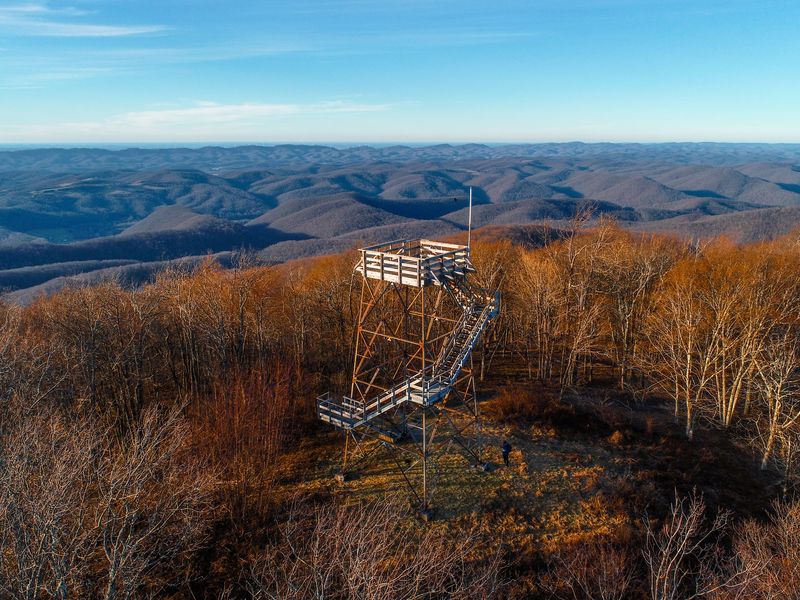
Built in 1933 by the Civilian Conservation Corps, the Bickle Knob Observation Tower sits roughly 10 miles northeast of Elkins and stands as one of the few remaining observation towers in the entire Monongahela National Forest.
The original fire tower cab has been replaced with a wooden viewing platform, which actually gives visitors an open, unobstructed look at the surrounding landscape. On a clear day, you can spot the Shavers Fork River, the Tygart Valley, and even distant smokestacks in Tucker and Harrison counties.
Access is straightforward when roads are snow-free, via Forest Road 91 and a short footpath from the parking area. There are no restrooms or water on site, so plan accordingly. Dogs are welcome but must stay leashed, and the tower itself is not handicapped accessible, though a partial view is available near the parking lot.
3. Hanging Rock Raptor Observatory, Union, WV
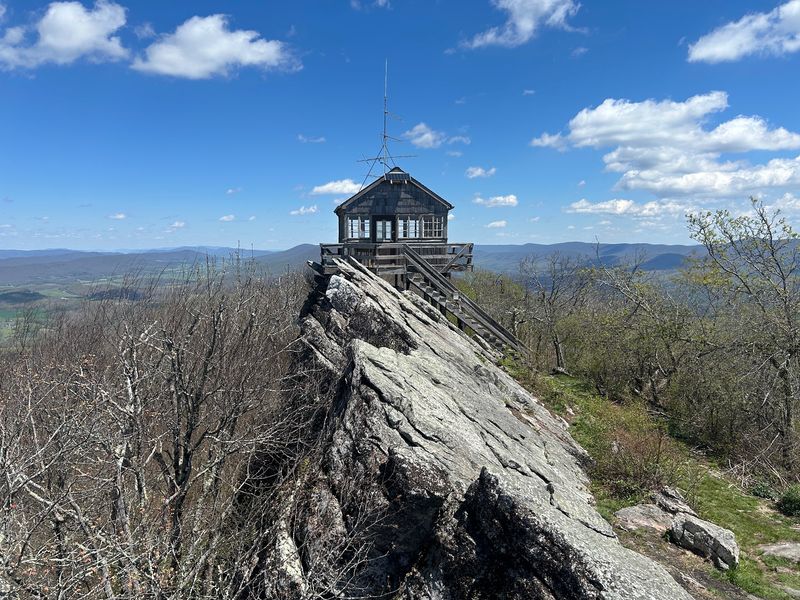
Few fire towers have had a more eventful second life than this one. Originally built by the Civilian Conservation Corps in the 1930s on Peters Mountain at 3,800 feet, it operated as a fire lookout until the early 1970s, was vandalized and rebuilt in 1996, and then transformed into a raptor observatory used for both birdwatching and scientific research.
In November 2024, engineers determined the structure had significant deficiencies and closed it for demolition, with plans to rebuild using more durable materials. Fundraising efforts are currently underway since federal funding is not available for the project.
The surrounding trails and day-use areas remain open, and the site is still one of West Virginia’s premier spots for hawk and eagle migrations from mid-August through November. A Motus Wildlife Tracking System installed in 2021 can record tagged animal movements up to 10 miles away, making this location a serious hub for wildlife research even without the tower.
4. High Knob Fire Tower Lookout, Brandywine, WV
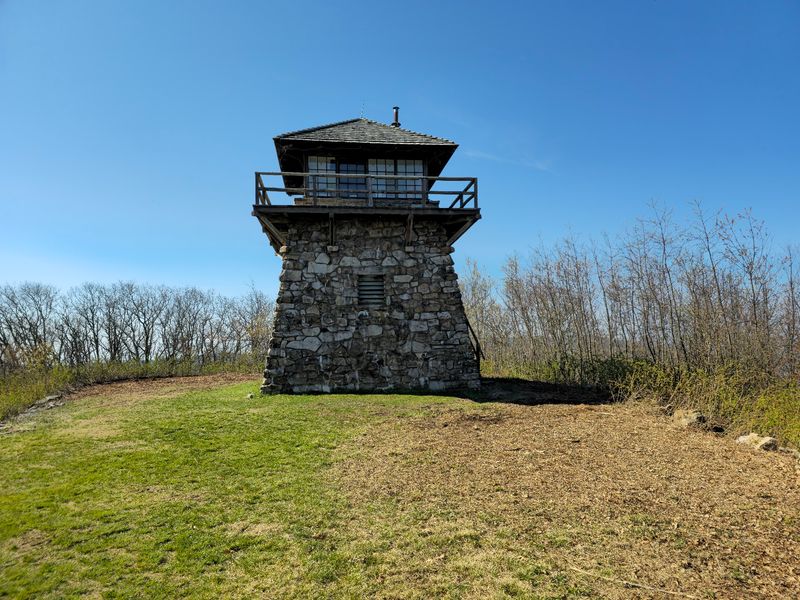
Most fire towers were built from wood or metal, which makes the High Knob Fire Tower Lookout genuinely unusual. This structure was built from stone between 1939 and 1940 by World War I veterans and CCC workers, and it earned a place on the National Historic Lookout Registry in 1994 as a result of both its construction style and its scenic setting.
A restoration project completed between 2001 and 2003 brought the tower back to full public use. Plaques on the catwalk help visitors identify the peaks and landmarks spread across two states, including Spruce Knob, the Eastern Continental Divide, and on the clearest days, the Blue Ridge Mountains and Shenandoah National Park.
Getting there requires a moderately strenuous 2.6-mile roundtrip hike from a gravel parking area just across the state line on U.S. Route 33. The yellow-blazed trail includes some steep and rocky stretches, so bring proper footwear. No water or services are available at the summit.
5. Nathaniel Mountain Lookout Tower, Rio, WV
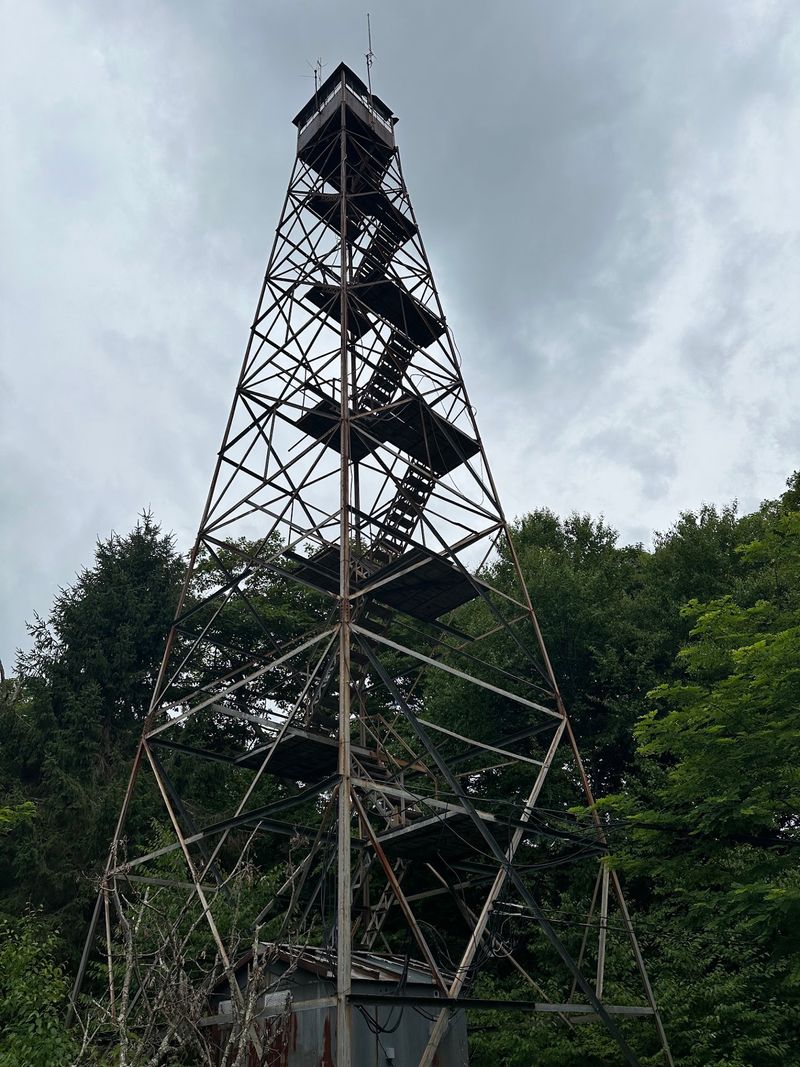
Hampshire County’s Nathaniel Mountain Lookout Tower is not the kind of place you stumble across by accident. Originally built in 1939 and later renamed the Hampshire Tower by 1948, this remote structure holds a place on the National Historic Lookout Register, though its current condition is a far cry from its active-duty days.
The first flight of stairs has been removed, the wood has deteriorated, and the glass is broken out of the cabin, meaning climbing is off the table for safety reasons. That said, the surrounding Nathaniel Mountain Wildlife Management Area spans over 10,675 acres and offers a 4.5-mile roundtrip hike to the tower site.
The WMA is home to deer, bobcats, bears, squirrels, and foxes, and fishing in Mill Run, a tributary to the South Branch Potomac River, is a popular draw. Primitive camping with pit toilets is available, though roads can be rough and a vehicle with decent ground clearance is helpful.
6. Thorny Mountain Fire Lookout Tower, Dunmore, WV
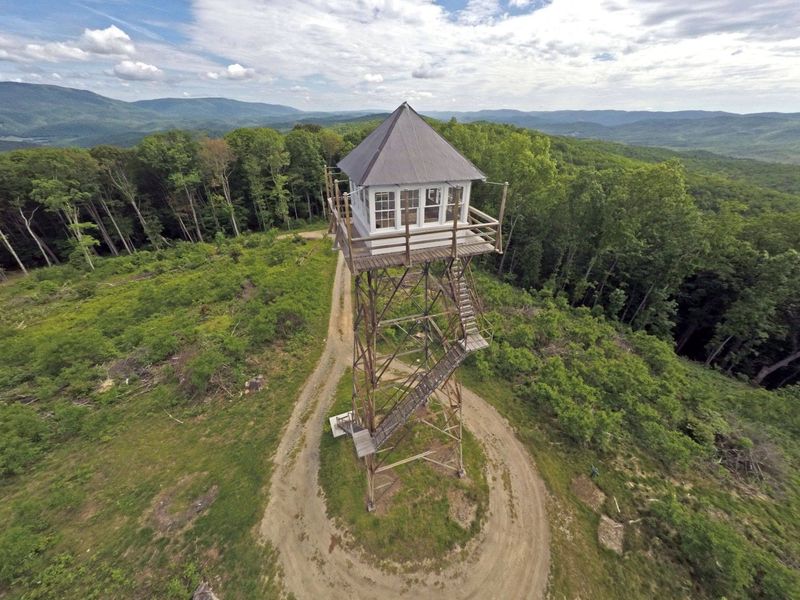
Thorny Mountain holds a distinction that no other fire tower east of the Mississippi can claim: its restored cab is available for overnight vacation rentals, turning a 1935 steel lookout into what many guests describe as the ultimate grown-up treehouse.
The cab fits two cots and accommodates up to four people, with no electricity or running water, just unobstructed views of the surrounding Seneca State Forest and some of the darkest skies in the region for stargazing. A pit toilet, firewood, and a fire ring are available at the base to cover the basics.
Reservations are competitive and often need to be booked nearly a year in advance for the May through October season. The 69-step climb to the cab is part of a 3.9-mile loop trail, so there is plenty to explore before or after you settle in for the night at 65 feet above the forest floor.
7. Big Ridge Lookout Tower, Mathias, WV
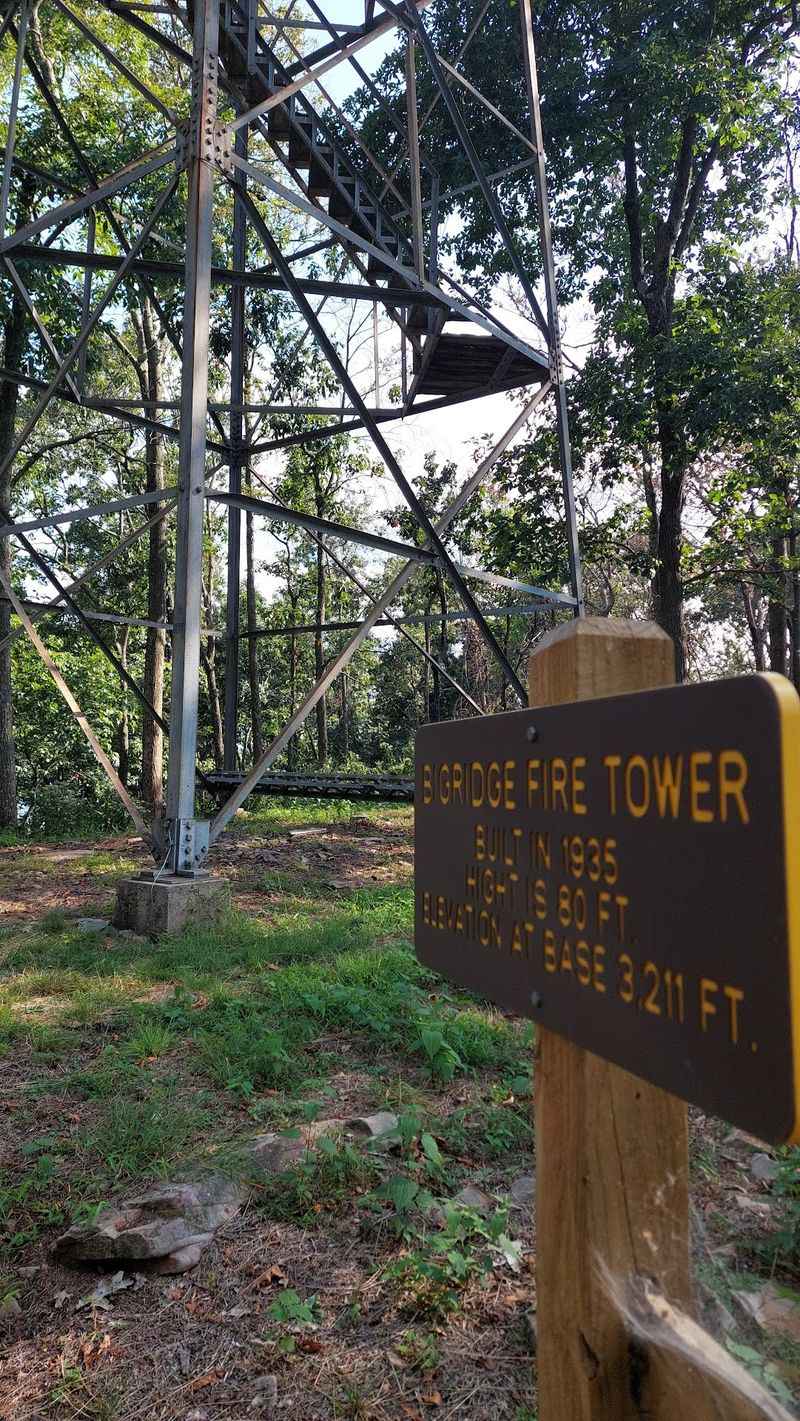
Also known as Cranny Crow, the Big Ridge Lookout Tower sits inside Lost River State Park in Hardy County and was built in 1935 by the West Virginia Division of Forestry. The lower stairs have since been removed, so climbing is not an option, but the tower’s presence on the ridge adds a distinctive historical note to the park’s landscape.
The real draw here is the hike itself. A 10.8-mile loop using the Big Ridge and Cranny Crow trails climbs to a highest point of 3,200 feet, passing ridge meadows, multiple overlooks, and the remnants of an old fire warden’s cabin along the way.
From the mountain’s high point, the views stretch across five counties and extend into Virginia. Lost River State Park covers a quiet 3,934 acres total, making it one of the more secluded corners of the state for anyone who prefers their trails without a crowd. Trails are well-maintained and clearly marked throughout.
8. Pinnacle Knob Fire Tower, New Creek, WV

Pinnacle Knob Fire Tower is one of the lesser-known lookouts in West Virginia, tucked into the mountains near New Creek in Mineral County. Its relative obscurity makes it an interesting stop for anyone fascinated by the state’s old network of towers once used to watch the surrounding forests for signs of wildfire.
The tower stands on a prominent ridge where its elevated position would have given observers a wide view across the wooded mountains and valleys of this part of eastern West Virginia. Today, the surviving structure serves more as a historic landmark than a developed tourist attraction.
Visitors should not expect the facilities or clearly marked access found at more popular observation towers in the state. Information about public access and climbing the structure is limited, so it is best appreciated as a piece of West Virginia’s firefighting history unless current local guidance confirms otherwise.
9. Bell Knob Lookout Tower, WV
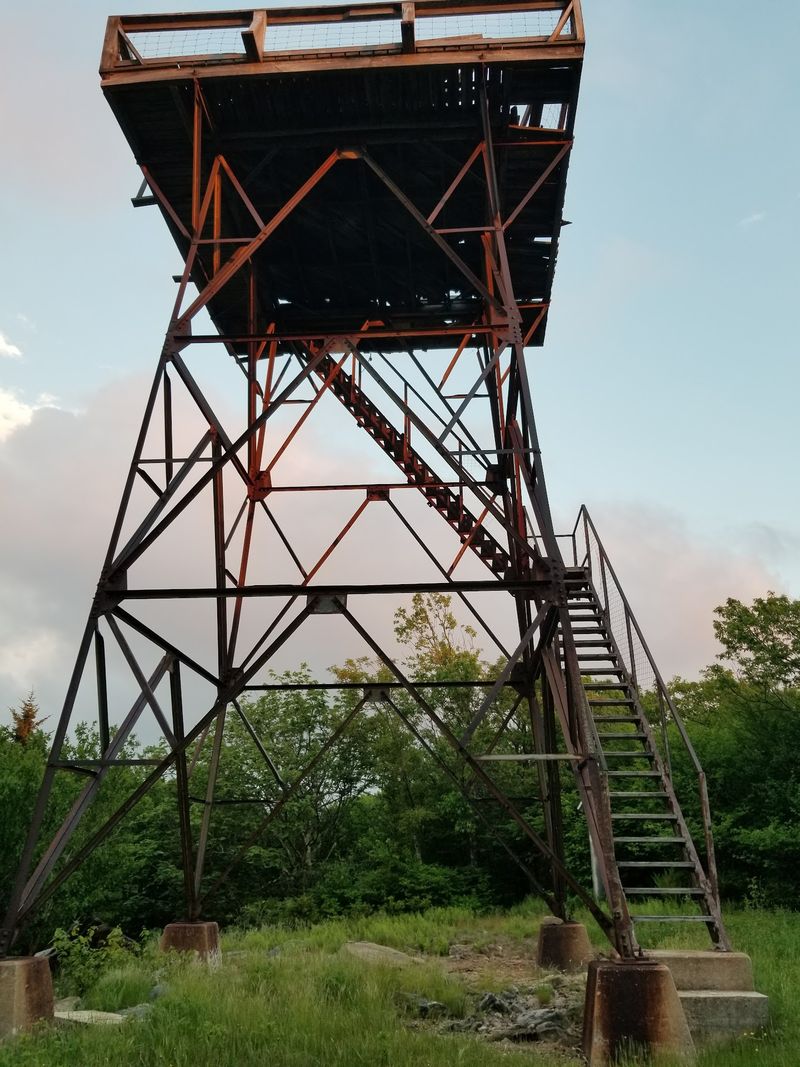
At roughly 4,104 feet above sea level, Bell Knob Lookout Tower occupies one of the higher fire-lookout sites in West Virginia. Its position in mountainous Grant County provided the kind of long-distance visibility that made remote ridgelines so valuable during the days of staffed wildfire detection.
The tower is documented on mapping records, but it has never developed into the sort of heavily promoted scenic attraction found at places like Olson or Bickle Knob. That gives Bell Knob a much more remote character and makes it particularly interesting for people exploring the forgotten side of West Virginia’s fire tower history.
Public information about current access, trail conditions, and whether the structure can safely be climbed is limited. Anyone interested in visiting should confirm land ownership and access before making the trip rather than assuming the tower is open for recreation.
10. Bald Knob Lookout Tower, Durbin, WV
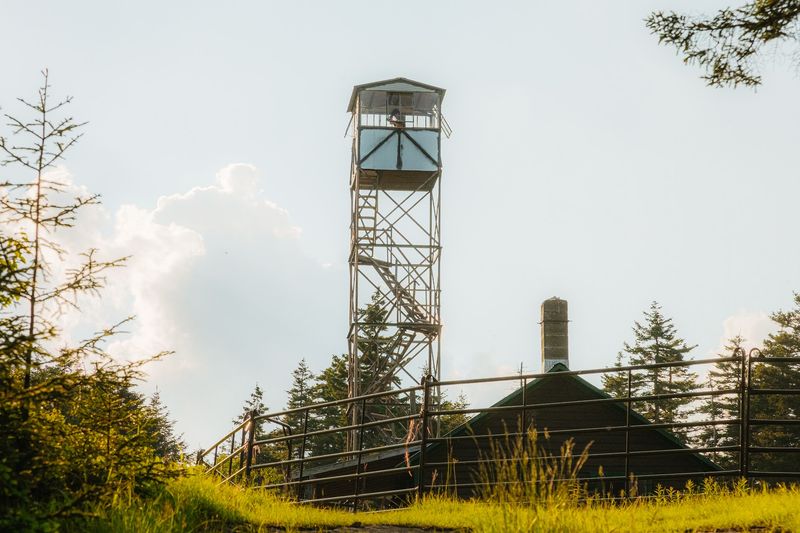
Bald Knob Lookout Tower sits in Pocahontas County near Durbin at an elevation of roughly 4,839 feet, putting its location among the highest lookout sites in West Virginia. At that height, the surrounding terrain offers the sweeping mountain setting you would expect from a site chosen specifically for spotting distant smoke.
The landscape around Durbin is dominated by high Allegheny ridges and extensive forests, giving the lookout an especially dramatic setting. Even without the crowds associated with better-known West Virginia viewpoints, its elevation alone makes Bald Knob stand out among the state’s historic lookout locations.
The tower has a dedicated mapping listing, but detailed visitor information is scarce, and it should not be treated as a developed observation attraction without checking current access conditions first. Its real appeal is as a surviving reminder of how remote mountaintops were once incorporated into a statewide system of forest protection.
11. North Fork Mountain Lookout Tower(site), Upper Tract, WV
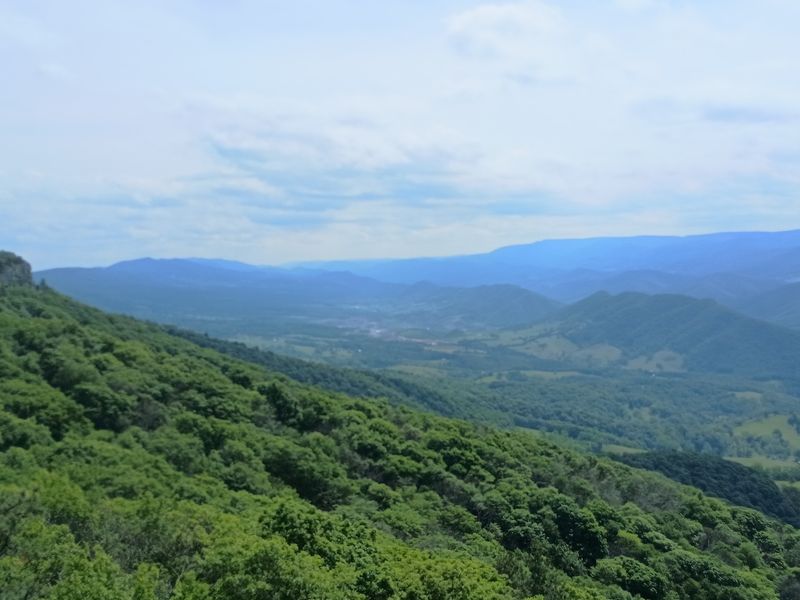
North Fork Mountain Lookout Tower is a little different from the standing towers elsewhere on this list because visitors are looking for the site of a former lookout, rather than a tower that can still be climbed. The location near Upper Tract sits high on North Fork Mountain, a long, rugged ridge known for dramatic cliffs and expansive views across eastern West Virginia.
The lookout occupied an excellent position for fire detection, with the surrounding mountain terrain providing long sightlines over the valleys and ridges below. North Fork Mountain itself is one of the most distinctive ridges in the region, rising sharply above the South Branch Potomac River valley.
Anyone visiting today should come for the mountain scenery and the history rather than expecting an intact observation tower. The former lookout site adds another layer to a landscape already popular with hikers, showing how these high ridges once played a practical role in protecting West Virginia’s forests.
Share this story