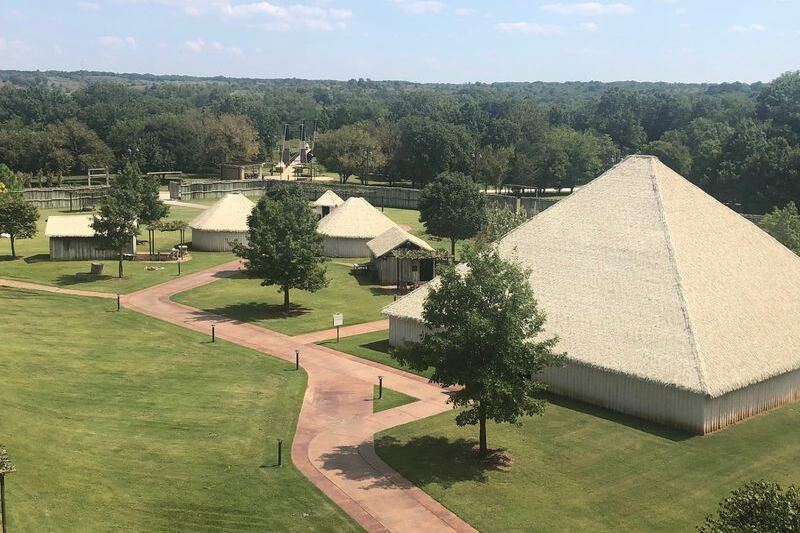
Tucked into a quiet canyon in northwestern Oklahoma, Alabaster Caverns State Park is the kind of place that makes you wonder how you never heard of it before. The park sits near the small town of Freedom and protects one of the largest natural alabaster caves open to the public in the United States.
Beneath the red Oklahoma earth, a network of gypsum chambers stretches through the canyon walls, home to rare black alabaster, living bat colonies, and underground streams. Whether you come for the guided tour or to camp beneath a sky full of stars, this place has a way of sticking with you long after you leave.
Where Alabaster Caverns State Park Actually Is
Most people driving through northwestern Oklahoma have no idea this place exists. Alabaster Caverns State Park sits at 217036 State Highway 50A, Freedom, Oklahoma 73842, in Woodward County, right in the heart of the Oklahoma panhandle plains.
The park is roughly two and a half hours from Oklahoma City, making it a solid weekend road trip rather than a quick afternoon detour.
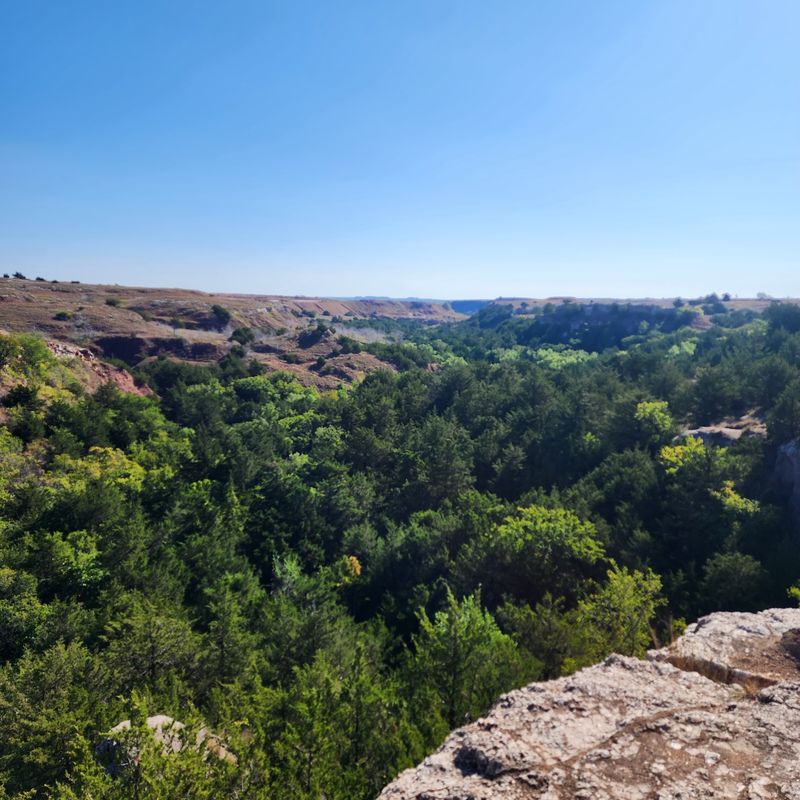
What surprises most first-time visitors is how hidden the park feels from the road. The canyon that cradles the caverns drops below the surrounding flatlands, so you get almost no warning before the landscape suddenly opens up beneath you.
One moment you are driving through open prairie, and the next, forested canyon walls appear out of nowhere.
The park is managed by the Oklahoma State Parks system and sits on a stretch of land shaped by millions of years of geological activity. Gypsum deposits formed the cave network naturally over time, and the alabaster variety found here is genuinely rare, drawing geology enthusiasts and curious road-trippers alike.
Freedom is a small rural community, so plan ahead before arriving.
The Geology Behind the Glow
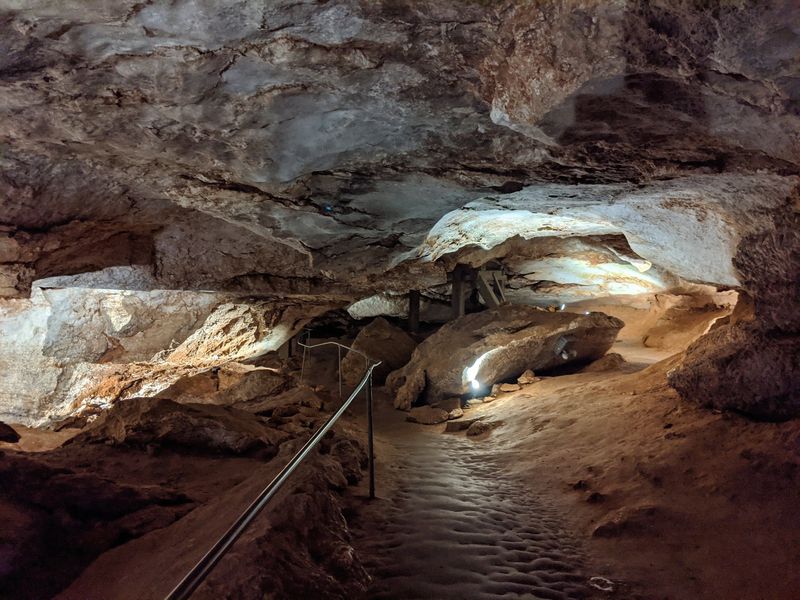
Alabaster is a fine-grained form of gypsum, and Alabaster Caverns holds something genuinely unusual: deposits of rare black alabaster found in very few places across the United States. Most cave visitors are familiar with limestone formations, so the gypsum cave environment here feels distinctly different and, frankly, more colorful.
The cave walls display a range of mineral hues, from soft pinks and creamy whites to deep, smoky blacks. The black alabaster in particular tends to stop people mid-stride.
Tour guides regularly field questions about it, and the answers are rooted in the specific mineral impurities that developed here over millions of years as ancient seas deposited gypsum layers across what is now Oklahoma.
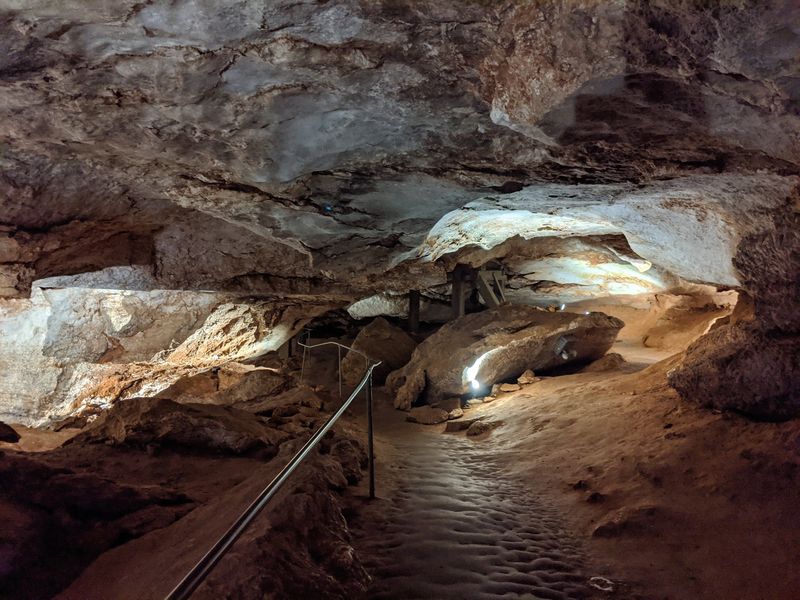
Gypsum caves dissolve differently than limestone caves, which means the passages here have a rougher, more raw texture compared to polished show caves in other states. The ceilings drip in unexpected spots, and the floor can be slippery where hardened mud meets loose rock.
Handrails are provided throughout the tour route, and guides are consistent about reminding visitors to watch their footing. The geology alone is worth the trip for anyone with even a passing interest in earth science.
Four Caves, One Canyon
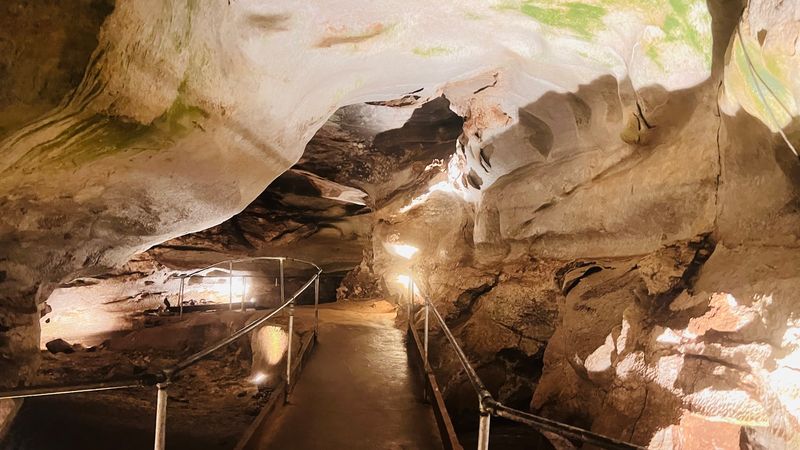
Alabaster Caverns is not just one cave. The park contains four separate gypsum caverns tucked into the canyon, each with its own character and access level.
That variety is one of the things that sets this park apart from a typical single-cave attraction, giving visitors multiple ways to engage with the underground landscape depending on their comfort level and sense of adventure.
The largest cavern is the centerpiece of the guided tour program, and it is the one most visitors experience first. The other caves range in accessibility, with some open for independent exploration and at least one that functions as a campable cave, meaning you can actually spend the night inside a cave chamber with a permit.
That option alone tends to make people do a double take when they hear about it.
A 2018 combination of heavy rainfall totaling around eleven inches and a 3.4 magnitude earthquake caused a significant collapse inside the main cave, blocking what was once a primary entrance. Tours now enter through the back of the cave and retrace steps rather than completing a full loop.
The collapse has closed a portion of the route, but the remaining accessible sections still deliver a full and rewarding underground experience.
The Guided Tour Experience
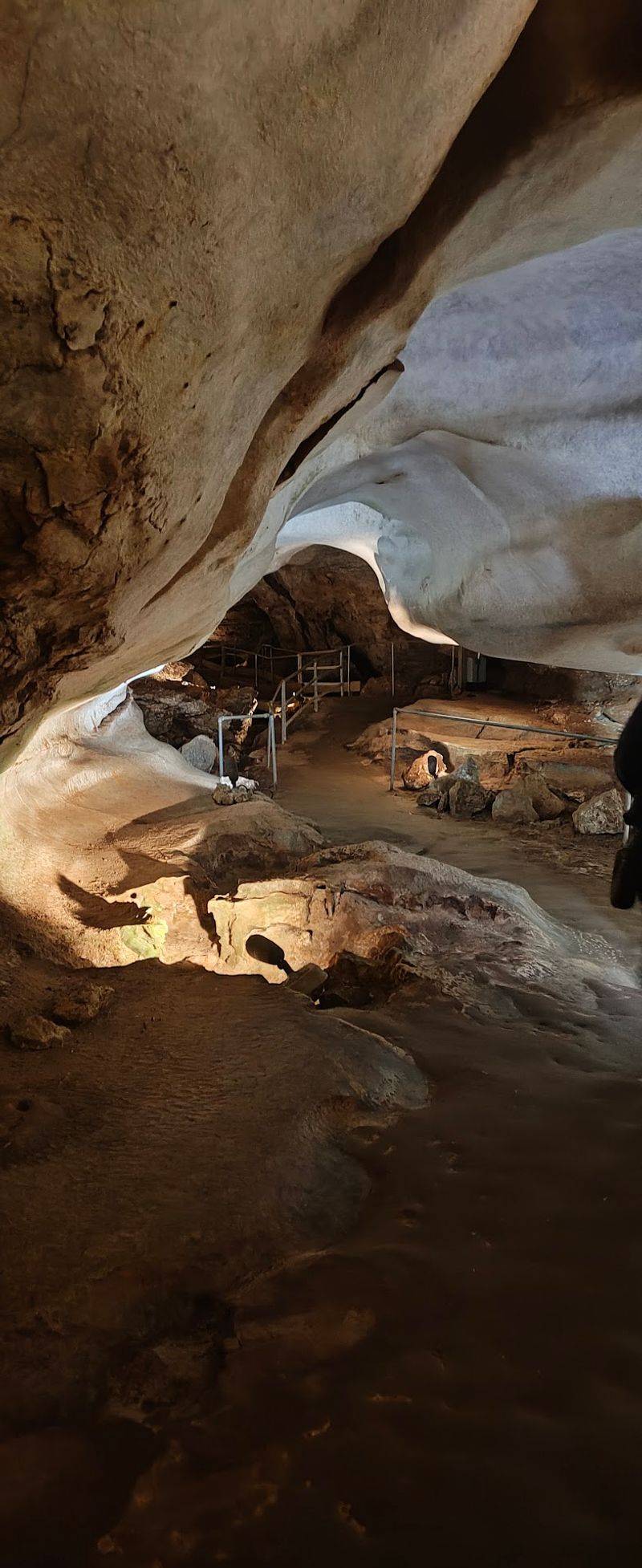
Tours depart at the top of every hour during park operating hours, and the format is more hands-on than most cave tours. Touching the cave walls is not just allowed here, it is actively encouraged in appropriate areas, which immediately changes the dynamic from passive observer to genuine participant.
Climbing on certain formations is also permitted, giving kids and adventurous adults a physical connection to the underground environment that is rare among public cave attractions.
Getting to the cave entrance involves riding a travel trailer pulled by a tractor, which adds a quirky, distinctly rural Oklahoma charm to the whole outing. The tour itself runs approximately twenty-five minutes inside the cave and covers the geology, the history of the park, and the resident bat population.
Guides are consistently praised for their depth of knowledge and their patience with curious groups, including the energetic younger visitors who tend to have the most questions.
The cave interior stays at around 62 degrees Fahrenheit at its warmest, which makes it a genuinely refreshing escape during Oklahoma summers. A light jacket is a smart addition to your bag regardless of the season.
The walk through the cave is manageable for most fitness levels, though low ceiling clearance in certain spots requires ducking.
Bat Colonies and Wildlife Encounters
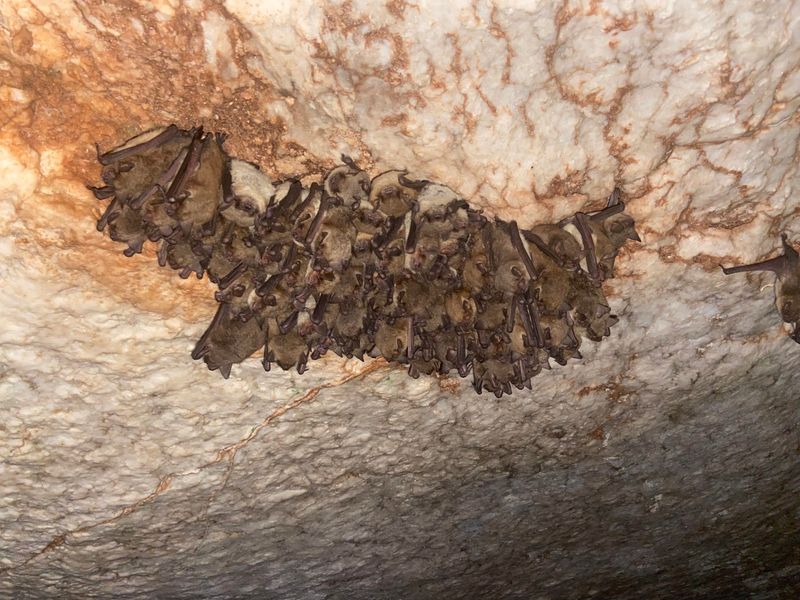
Bats are one of the most talked-about features of Alabaster Caverns, and rightfully so. The caves are home to several species of bat, described by guides as adorable and gentle, and the colony puts on a genuine spectacle at dawn and dusk when the animals exit and return to the cavern in sweeping, swirling formations.
Campers who wake up early enough to catch the morning return describe it as one of the more magical wildlife moments Oklahoma has to offer.
Bat viewing tends to be most reliable between November and March, when the animals are roosting inside the caves rather than dispersed across the wider landscape. Summer visits still offer bat sightings, but the experience is less concentrated.
The tour guides are well-versed in bat biology and field plenty of questions from visitors who arrive expecting to be spooked and leave genuinely charmed by the creatures.
Beyond bats, the park also hosts salamanders, which add another layer of ecological interest for wildlife watchers. The canyon environment supports a surprisingly diverse range of fauna given its relatively modest size.
Western diamondback rattlesnakes have been spotted in the surrounding fields, so staying alert off the main paths is simply good sense rather than cause for alarm.
Spelunking on Your Own Terms
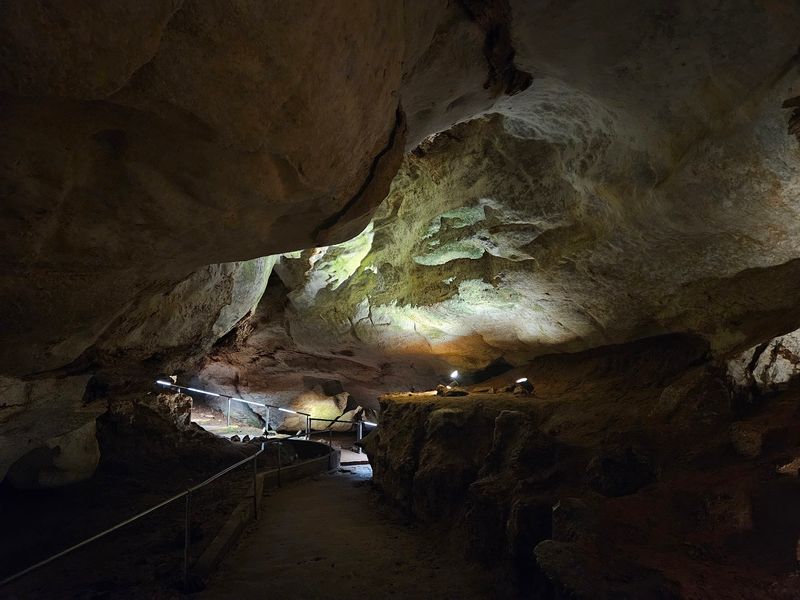
Beyond the guided tour, the park offers something that appeals to a more adventurous crowd: permitted self-guided cave exploration. Visitors who want to go deeper, literally, can obtain permits to explore certain caves independently, moving at their own pace and on their own terms.
That level of access is uncommon at public cave parks and gives Alabaster Caverns a genuine edge for people who find standard tours a little too tidy.
The park staff can outfit adventurous visitors with the equipment needed for more involved spelunking, making it accessible even for people who do not arrive with their own gear. The caves available for self-exploration vary in difficulty, and the staff can help match the experience to the visitor’s comfort level and physical ability.
Groups with mixed experience levels tend to appreciate that flexibility.
The cave that allows overnight camping inside its chambers is the most unusual option available here. Spending a night underground in a natural cave is an experience that very few state parks in the country can offer, and the fact that it is available in a relatively low-profile Oklahoma park makes it feel like a well-kept secret.
Reservations and permits are handled through the park directly, and availability can be limited, so planning ahead is worthwhile.
Hiking Trails Through the Canyon
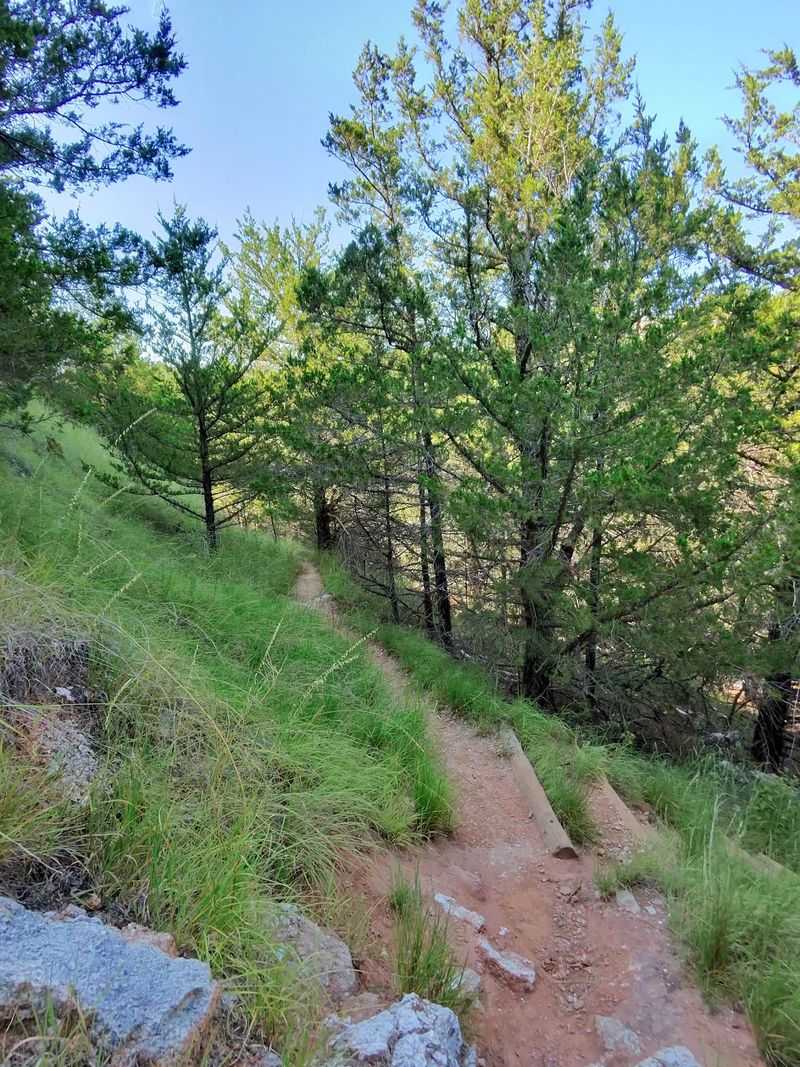
The cave system gets most of the attention, but the hiking trails winding through the canyon deserve equal billing. The forested canyon walls provide a shaded, surprisingly lush environment that feels out of place compared to the open prairie surrounding the park.
For a corner of Oklahoma more often associated with flat horizons, the vertical drama of the canyon is a genuine revelation.
Trails range in character from easy walks suitable for families to more rugged routes that follow the canyon walls and offer elevated views of the cave entrances and the wooded valley below. The trail system is well-maintained and connects several points of interest throughout the park, making it easy to combine a cave tour with a few hours of hiking without feeling rushed or redundant.
Picnic pavilions and tables are scattered throughout the park, offering natural stopping points along the trails. The canyon setting keeps temperatures noticeably cooler than the surrounding flatlands, which is a practical benefit during the warmer months when hiking in full Oklahoma sun can feel punishing.
Early morning is an especially rewarding time on the trails, both for the cooler air and for the chance to catch the bat colony returning to the caves at dawn.
Camping Inside and Outside the Caves
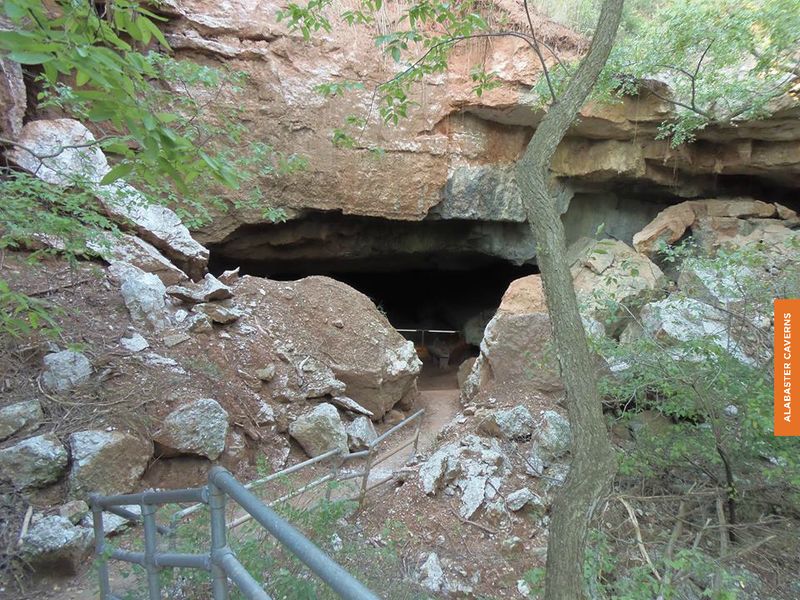
Camping at Alabaster Caverns comes in more than one flavor, which is part of what makes the park a legitimate multi-day destination rather than a quick stop. The standard campground offers semi-modern amenities including electric and water hookups, level concrete slab sites, and a dump station near the park entrance.
Modern restrooms with showers and a small camp store round out the practical side of the setup.
The campground sits within the canyon environment, surrounded by forested walls that provide natural shelter and a sense of seclusion that flat-terrain Oklahoma campgrounds simply cannot replicate. Reviewers who have stayed multiple nights consistently describe it as clean, level, and well-maintained.
The playground and restroom facilities have been updated in recent years, adding comfort without stripping away the park’s rustic character.
Then there is the cave camping option, which is in a category of its own. Spending the night inside a natural cave chamber, with bats potentially exiting overhead at dusk, is the kind of experience that people bring up years later in conversation.
Permits are required, and space is limited, so reaching out to the park at 580-254-6085 well before your planned trip is the practical move. Not every state park can offer that.
The Cold Air Advantage in Oklahoma Summers
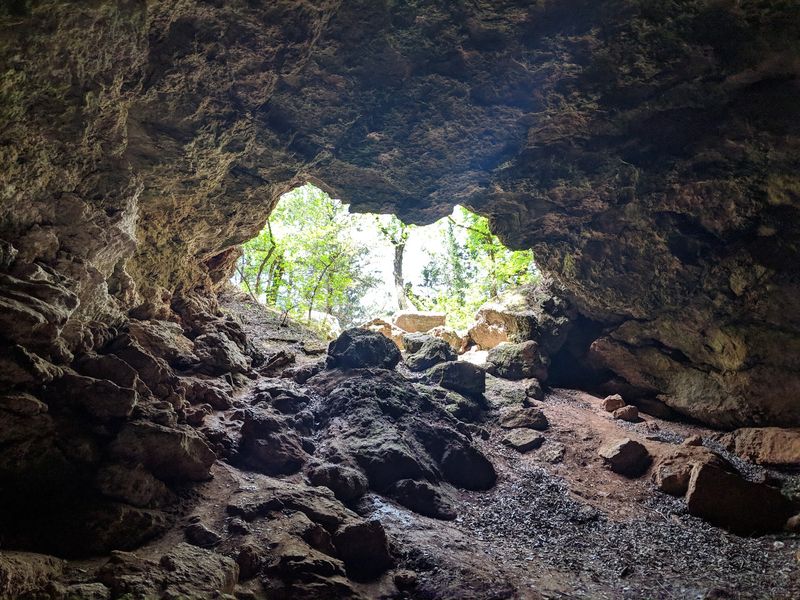
Oklahoma summers are not subtle. Temperatures regularly push past 100 degrees Fahrenheit across much of the state, and northwestern Oklahoma is no exception.
That makes the constant 62-degree interior of the main cavern feel less like a geological curiosity and more like a public service during July and August. The moment you step inside, the relief is immediate and physical.
The cave’s stable temperature exists because the underground environment is largely insulated from surface weather fluctuations. That same principle keeps the cave cool in summer and relatively warm in winter, making a visit genuinely comfortable year-round.
Guides mention that even on the hottest days, the cave interior stays consistent, which is a selling point that resonates hard with anyone who has spent time outdoors in an Oklahoma July.
One practical note worth keeping in mind: visitors are not permitted to bring water bottles or personal items into the cave during the tour. After spending time in a refreshing 62-degree environment and then stepping back into triple-digit heat, the temperature contrast can be jarring.
Having water easily accessible the moment the tour ends is smart planning, and keeping a cooler in the car with cold drinks waiting is the kind of preparation that makes the post-tour transition much smoother.
A Place That Doubles as History
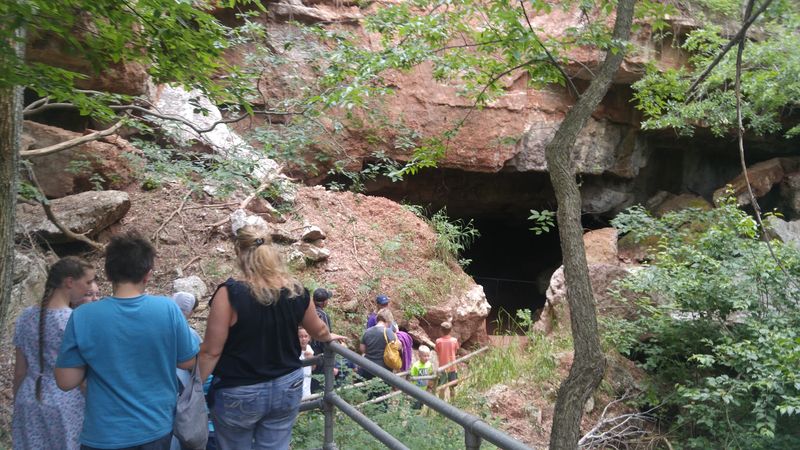
Geology is not the only story the cave tells. During the Cold War era, Alabaster Caverns was designated as a potential civil defense shelter, with the capacity to house up to 3,000 people in the event of a nuclear emergency.
Old ration barrels used for food storage from that period are still visible inside the cave, adding a layer of mid-century American history to what is already a remarkable natural site.
That detail tends to catch visitors off guard in the best possible way. You come expecting rocks and bats, and you end up standing next to a relic of a very different kind of American anxiety.
Tour guides include this history in their presentations, and it consistently generates questions and conversation among visitors who had no idea the cave served that secondary purpose.
The park itself has been a public attraction for decades, with some visitors returning after gaps of twenty or thirty years and finding the essential character of the place unchanged. The 2018 earthquake and flood caused real damage, but the park’s identity as a geological and historical landmark has remained intact.
That continuity gives Alabaster Caverns a sense of permanence that newer, more polished attractions often lack.
Who This Park Is Really Built For
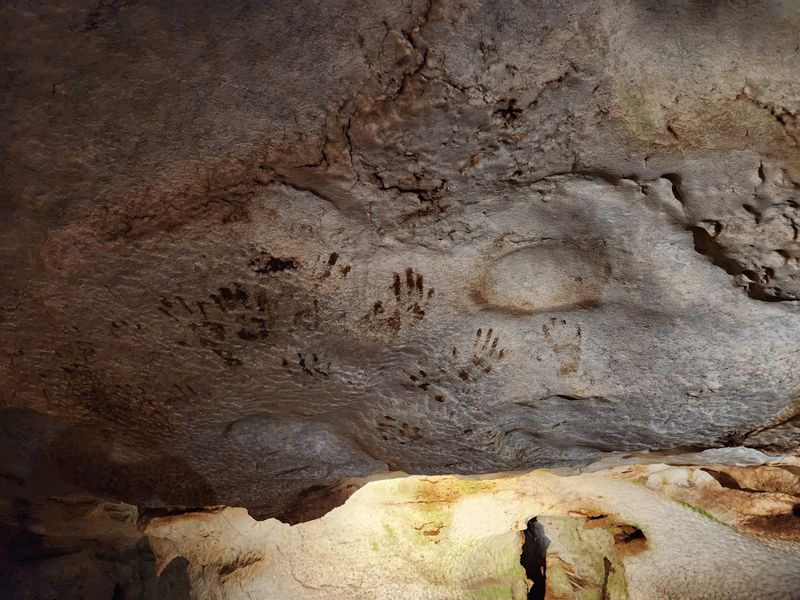
Families with kids of various ages tend to have an especially strong time at Alabaster Caverns. The combination of a short, manageable cave walk, hands-on interaction with the cave walls, and the novelty of seeing actual bats up close hits a sweet spot for younger visitors that more passive museum-style attractions rarely reach.
The tour is educational without feeling like a classroom, and the physical environment keeps energy levels high.
Groups with mixed mobility levels also fare well here. The main cave tour route is described as relatively easy, with handrails throughout and a pace that accommodates slower walkers.
One visitor noted that someone with limited mobility in their group was able to complete the tour without significant difficulty. That accessibility, combined with the ADA-compliant facilities, makes the park more inclusive than the rugged canyon setting might suggest.
Geology buffs, wildlife watchers, history enthusiasts, and anyone who simply enjoys a well-rounded outdoor experience will find something to appreciate. Solo travelers and couples who stumble across the park while road-tripping through northwestern Oklahoma often describe it as one of the better surprises of their trip.
The park earns its 4.5-star rating across more than 1,200 reviews by genuinely delivering across a wide range of visitor types.
Practical Details Before You Go
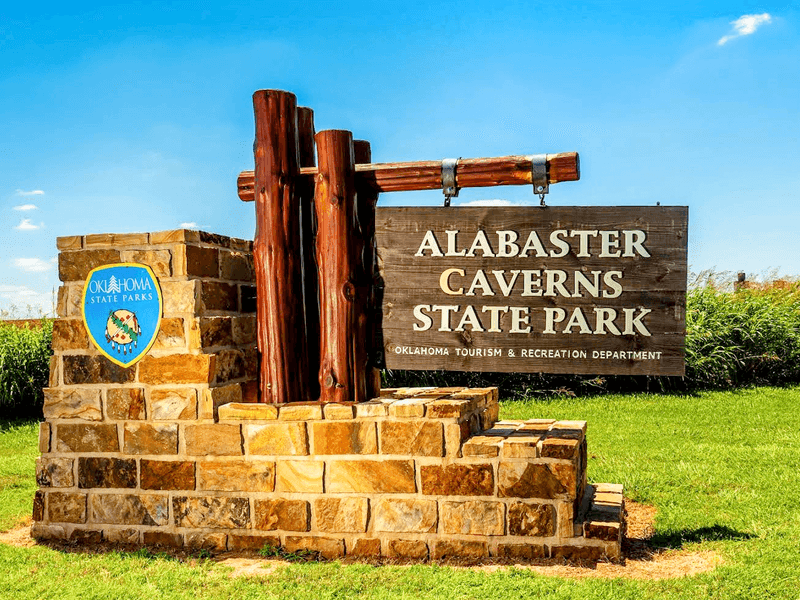
Alabaster Caverns State Park operates seven days a week from 8 AM to 4:30 PM. Tours run at the top of every hour, so timing your arrival to catch a tour without a long wait is straightforward.
The park phone number is 580-254-6085, and reaching out ahead of your visit is a good idea, especially if you are interested in spelunking permits or cave camping reservations.
Pricing is reasonable by any measure. One family reported paying around $26 for two adults and a child, which puts it comfortably within the range of an affordable family outing.
The park website, accessible through the Oklahoma state travel portal at travelok.com, has current pricing and additional details. Nearby state parks add further value to the area, with at least three other parks within close range of Alabaster Caverns for visitors building a multi-stop itinerary.
Footwear matters here. The cave floor is a mix of hardened mud and loose alabaster rock, and both can be slippery.
Outdoor sneakers or hiking shoes with grip are strongly recommended over sandals or casual flat shoes. Wearing layers is also wise, since moving between 62-degree cave air and full Oklahoma outdoor temperatures in the same afternoon requires some flexibility in your clothing choices.
Why This Cave Stays With You
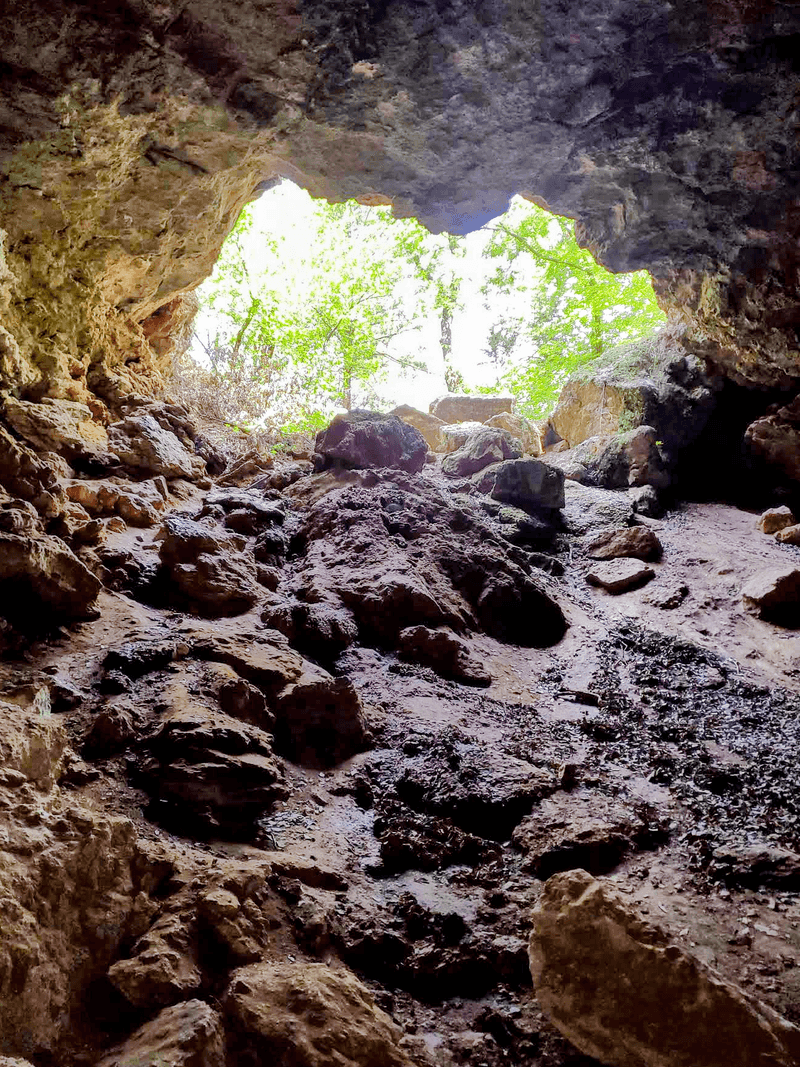
There is a specific kind of travel memory that forms when a place genuinely exceeds what you expected. Alabaster Caverns earns that kind of memory not through spectacle or manufactured experience, but through the quiet accumulation of things that are simply unusual and real.
Rare black alabaster, a resident bat colony, a Cold War shelter barrel, a cave you can sleep inside, and trails through a forested canyon that has no business existing in this corner of Oklahoma all add up to something that feels distinctly its own.
The park does not pretend to be more than it is. The main tour is about twenty-five minutes.
The cave is not massive by international standards. Part of the route is still closed from the 2018 damage.
And yet the overall rating sits at 4.5 stars from over 1,200 people, which is a number that reflects consistent, genuine satisfaction rather than viral hype.
Road trips through Oklahoma have a habit of delivering unexpected rewards, and Alabaster Caverns is one of the better ones hiding in plain sight along State Highway 50A near Freedom. If your route takes you anywhere near northwestern Oklahoma, this is exactly the kind of stop that turns a good road trip into a memorable one.
Share this story