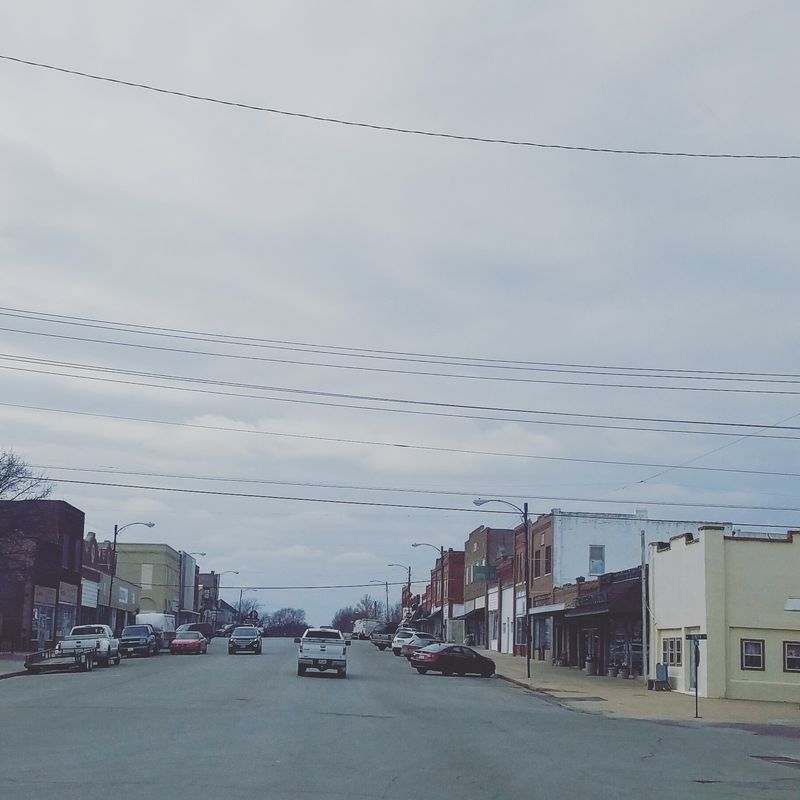
There are places in Oklahoma that never make the tourist brochures, and Tonkawa is one of them. Tucked into Kay County along the Salt Fork Arkansas River, this small city of just over 3,000 people carries a quiet confidence that bigger towns can only dream about.
The kind of place where the pace slows down, the history runs deep, and the landscape has a way of sneaking up on you. Once you know about Tonkawa, it becomes the kind of road trip detour you start recommending to everyone you trust.
Where Tonkawa Sits on the Oklahoma Map
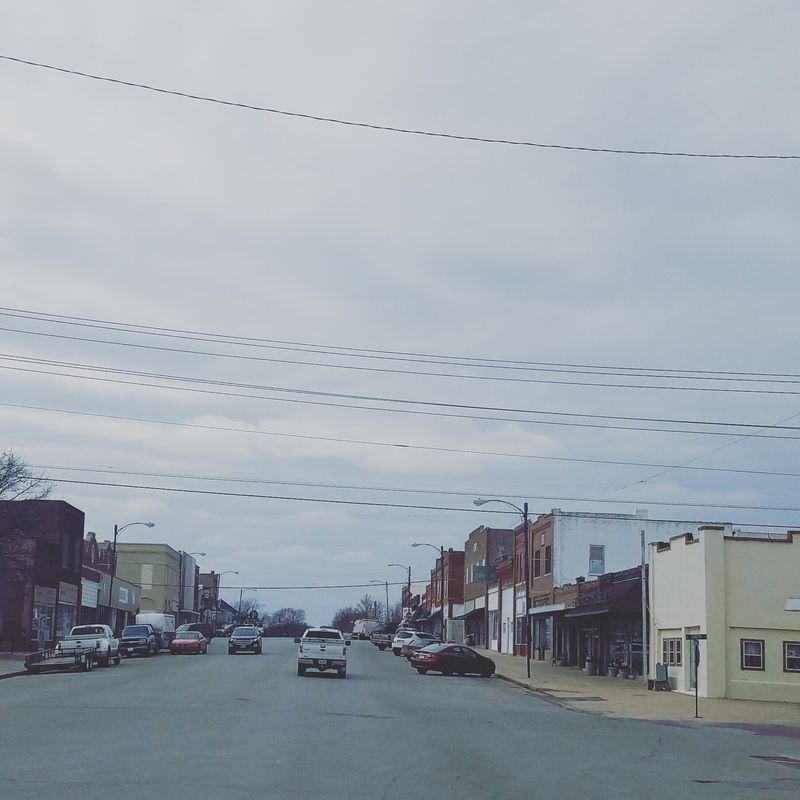
Kay County has a way of flying under the radar, and Tonkawa fits right into that tradition. The city sits in north-central Oklahoma, positioned along the Salt Fork Arkansas River at coordinates that put it squarely in the rolling plains country that defines this part of the state.
The address is simply Tonkawa, Oklahoma 74653, and the surrounding landscape is all wide-open sky and gentle river bottomland. The Salt Fork Arkansas River winds nearby, giving the area a natural anchor that shapes both its scenery and its character.
Getting here from Oklahoma City takes roughly two hours heading north on I-35, while Wichita, Kansas sits about an hour and a half to the north. The town occupies a spot that road-trippers often pass near but rarely stop to explore, which is precisely what keeps it feeling unhurried and genuine.
North-central Oklahoma is underrated territory in general, and Tonkawa serves as a fine argument for slowing down in this region. The surrounding Kay County countryside rewards anyone willing to leave the interstate and follow the smaller roads.
The Story Behind the Name
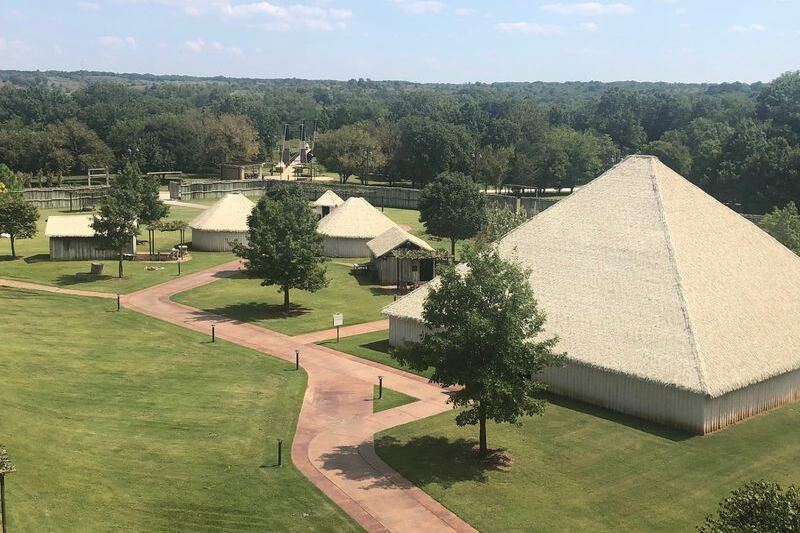
Few town names in Oklahoma carry as much meaning as Tonkawa. The city takes its name directly from the Tonkawa people, a Native American tribe whose history is deeply woven into this corner of the state.
The Tonkawa tribe was relocated to Indian Territory in the 1880s after a long and difficult journey across multiple states. Their presence in this region predates the town itself, and the name serves as a living reminder of that heritage.
Understanding that history adds a layer of meaning to even a casual visit.
The tribe’s homeland connection to this land is something worth reading about before arriving. It shifts the way you look at the landscape and gives the town’s identity a weight that most small cities simply do not carry.
Oklahoma is full of place names borrowed from Indigenous nations, but Tonkawa stands out because the connection feels immediate and local rather than distant or ceremonial. The Tonkawa tribe continues to maintain a presence in Oklahoma today, keeping that cultural thread alive well into the present century.
A Small Population With an Outsized Personality
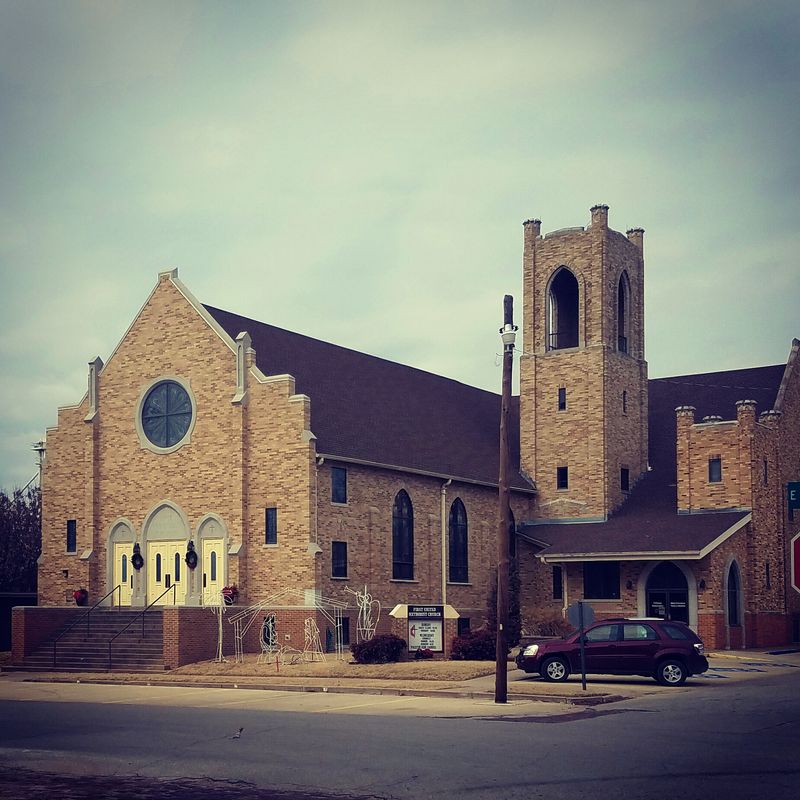
With a population of 3,015 recorded in the 2020 census, Tonkawa is the kind of town where everyone seems to know their neighbor’s truck on sight. That small-scale familiarity creates an atmosphere that larger cities spend millions of marketing dollars trying to fake.
The compact size means nothing feels anonymous here. A walk through the downtown area puts you face to face with actual community life rather than a curated visitor experience designed for outsiders.
There is something refreshing about that.
Small towns in Oklahoma sometimes feel like they are shrinking into themselves, but Tonkawa has a steadiness about it that resists that narrative. The presence of Northern Oklahoma College brings a younger energy into the mix, keeping the population relatively stable and the town from feeling entirely frozen in time.
The combination of a tight-knit permanent community and a rotating student population gives Tonkawa a social texture that surprises first-time visitors. It is neither a ghost town nor a tourist trap, and that balance is rarer than it sounds in rural north-central Oklahoma.
Northern Oklahoma College and Its Quiet Influence
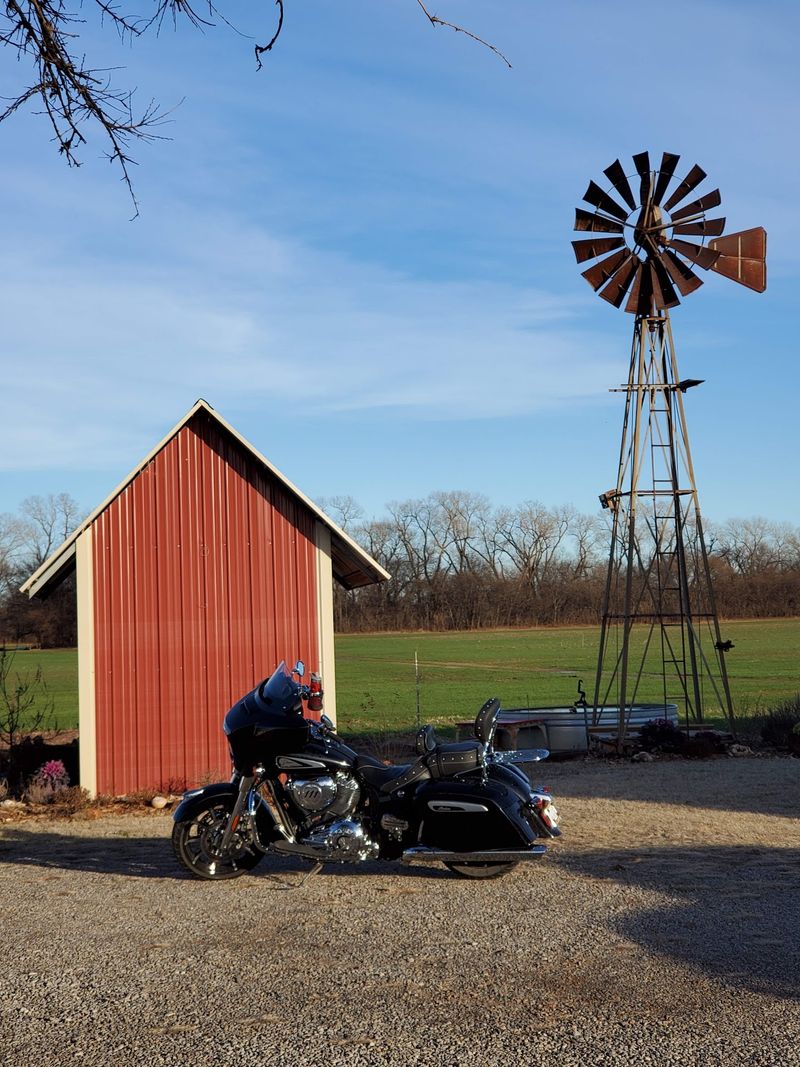
Northern Oklahoma College has called Tonkawa home since 1901, making it one of the oldest community colleges in the state. That institutional longevity means the college is not just a school here; it is a foundational part of the town’s identity and economy.
The campus adds architectural interest to the town that you would not expect from a city this size. Well-maintained grounds, brick buildings, and the general energy of an active academic institution give Tonkawa a livelier feel than its population count might suggest.
NOC, as it is commonly known, draws students from across Kay County and beyond. Their presence supports local businesses and keeps the town from the kind of quiet stagnation that affects many similarly sized Oklahoma communities.
For visitors, the college campus itself is worth a slow drive-through. The grounds are pleasant, the architecture is classic Oklahoma institutional style, and the whole scene offers a glimpse into a town that has managed to hold onto something that many rural communities have lost entirely: a reason for young people to stick around for a while.
The Salt Fork Arkansas River as a Natural Backdrop
Rivers have a way of defining the towns that grow up beside them, and the Salt Fork Arkansas River does exactly that for Tonkawa. The waterway runs through the broader landscape of Kay County, offering the kind of natural scenery that north-central Oklahoma delivers quietly and without fanfare.
The Salt Fork is not a roaring, dramatic river. It moves at a measured pace through the plains, lined with cottonwoods and native vegetation that shift color with the seasons.
In late spring and early summer, the banks green up in a way that makes the whole area feel lush despite the surrounding open country.
For outdoor-minded visitors, the river corridor provides a natural escape from the flatness of the surrounding plains. Birdwatching along the Salt Fork can be surprisingly productive, with species common to Oklahoma river systems showing up regularly in the riparian vegetation.
The river also shapes the local weather and soil in ways that have supported agriculture in this region for generations. That agricultural heritage is visible in the fields and pastures surrounding Tonkawa, giving the landscape a working, lived-in quality that feels honest and unperformed.
Kay County’s Open Skies and Plains Landscape
North-central Oklahoma has a landscape that takes some warming up to, but once it clicks, it becomes genuinely hard to leave. Kay County sits in a transition zone between the rolling Osage Hills to the east and the flatter agricultural plains stretching west and north toward Kansas.
Around Tonkawa, the terrain is gently rolling rather than pancake-flat, which gives the drives in and out of town a pleasant visual rhythm. The sky here is the real spectacle.
Without mountains or tall buildings to interrupt the horizon, the cloud formations and light effects above Kay County are on a scale that photographers and casual observers alike tend to find unexpectedly moving.
Sunrise and sunset in this part of Oklahoma are the kind of events that make people pull over on the side of the road without planning to. The colors spread wide and uninterrupted, and the quality of light in the golden hour is something that has to be seen to be understood.
Seasonal changes hit differently out here too. Spring storms build dramatically on the horizon, summer afternoons shimmer with heat, autumn turns the fields golden, and winter light goes pale and cinematic across the plains.
Tonkawa’s Agricultural Roots and Farming Heritage
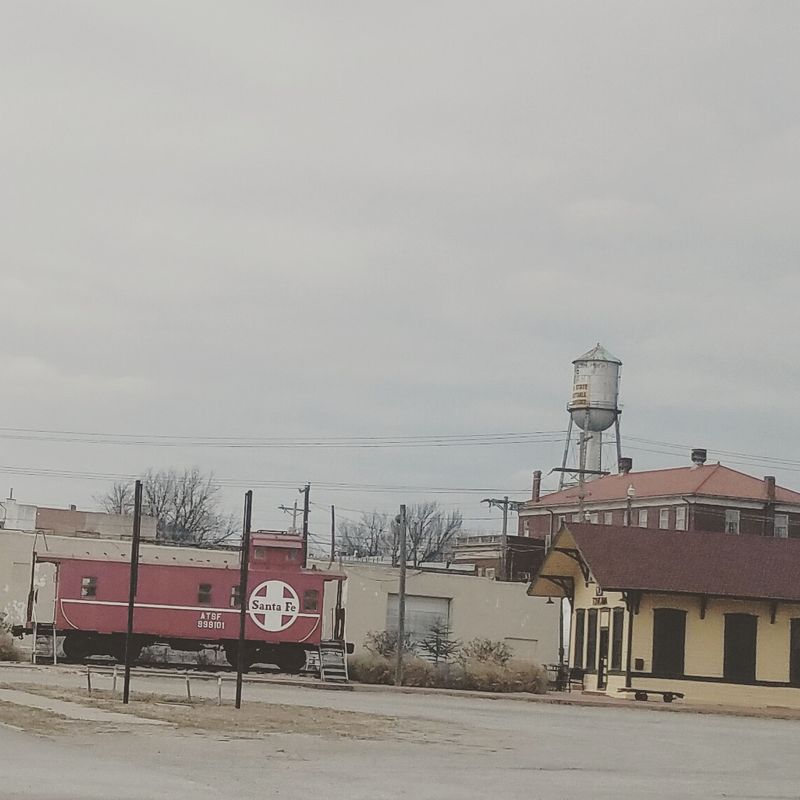
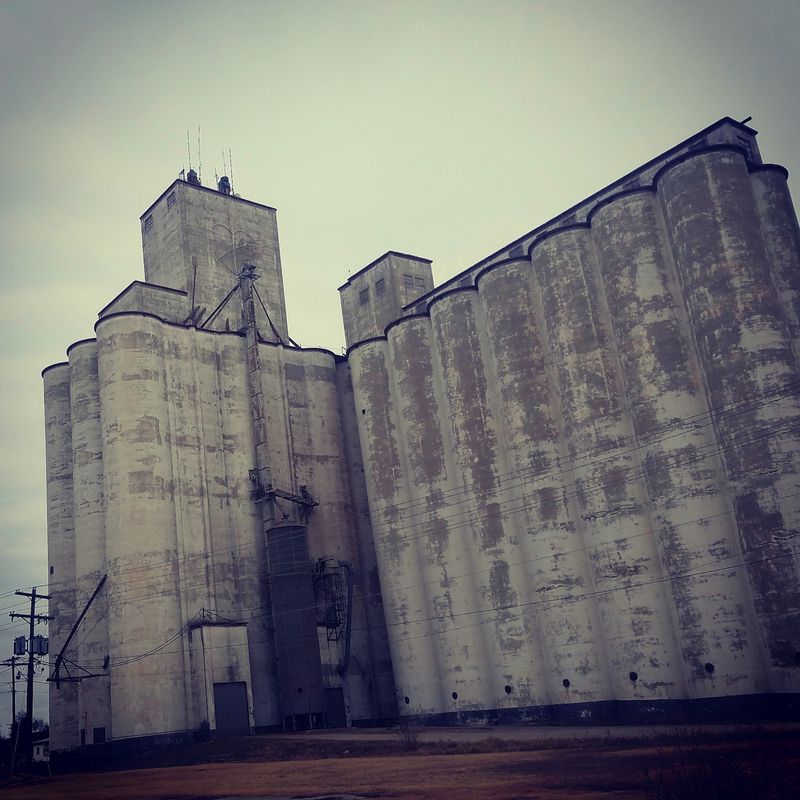
Agriculture has been the backbone of Kay County since settlers arrived in the late 1800s, and Tonkawa grew up in the middle of that farming culture. Wheat, cattle, and oil have all taken turns shaping the local economy, leaving behind a layered history that shows up in the landscape and the town’s built environment.
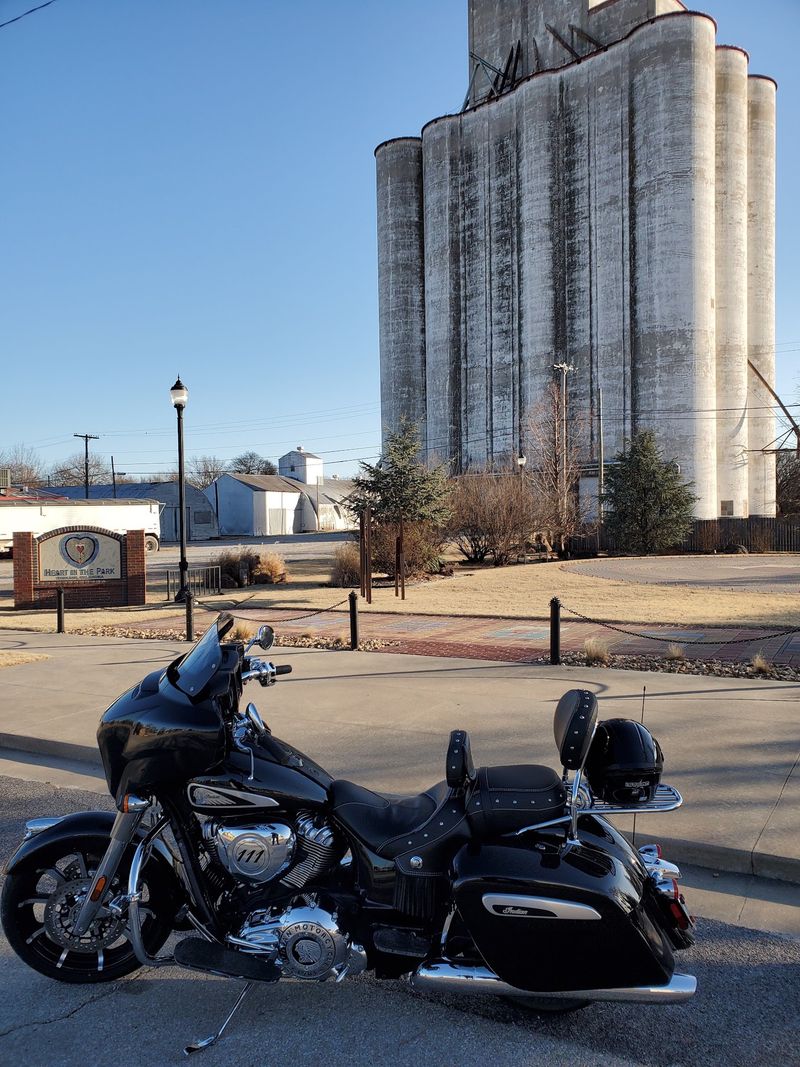
Grain elevators and feed stores are not background scenery here; they are active parts of the community. The agricultural infrastructure around Tonkawa tells a story of a region that has worked hard for every acre of productivity it has managed to pull from the Oklahoma soil.
Driving the county roads outside of town reveals the scale of farming operations that surround Tonkawa. Wheat fields stretch toward the horizon in spring, cattle graze on the native pastures, and the whole scene has a timeless quality that connects the present to the pioneering era without any historical re-enactment required.
That farming heritage also means Tonkawa has always been a working town rather than a decorative one. The practical, no-nonsense character of agricultural communities comes through in the way the town carries itself, and that authenticity is one of its most appealing qualities for visitors who have grown tired of overly polished destinations.
The Oil History Underneath the Surface
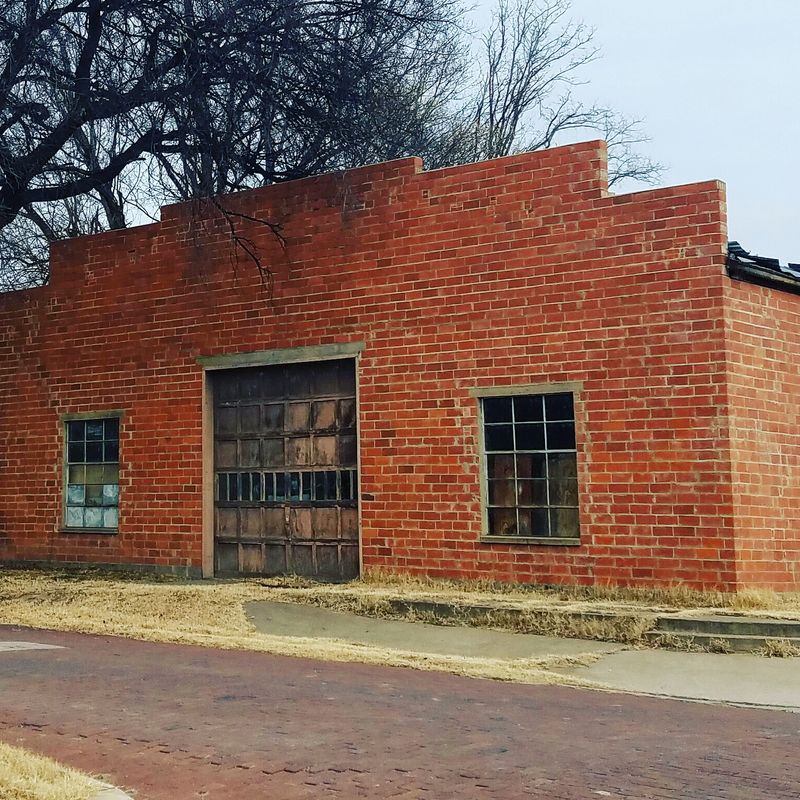
Kay County sits within the broader Oklahoma oil patch territory, and Tonkawa has its own connection to the petroleum history that transformed the state in the early twentieth century. Oil discoveries in north-central Oklahoma brought wealth, workers, and infrastructure to communities across the region, and Tonkawa was part of that transformation.
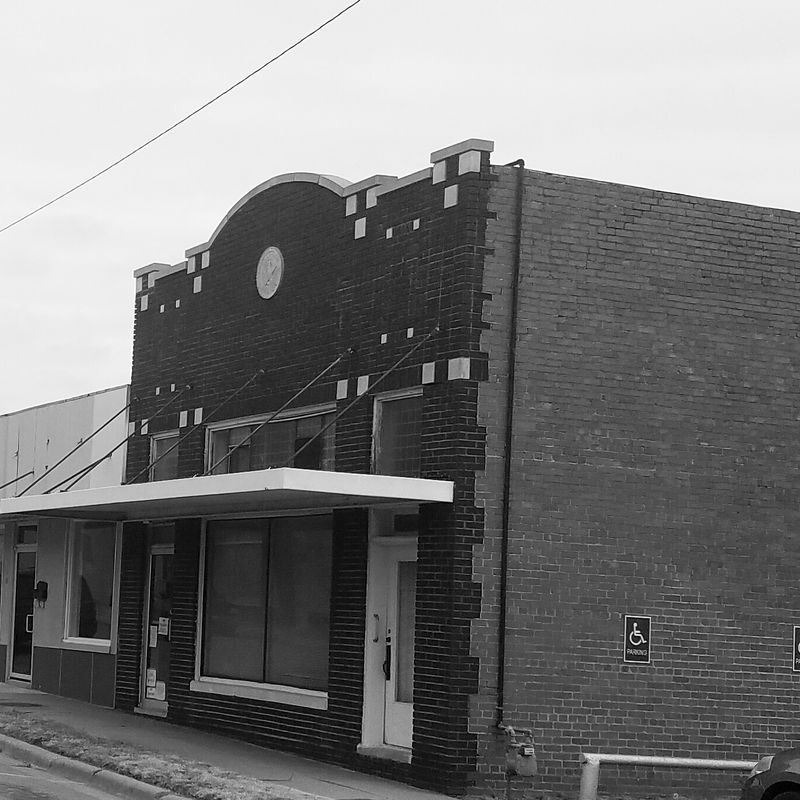
The oil era left behind a physical and economic legacy that shaped how towns like Tonkawa developed their streets, their buildings, and their sense of possibility. Some of that history is visible in the older commercial architecture downtown, where the prosperity of the early oil boom era shows up in brick facades and building proportions that a purely agricultural town might never have afforded.
Pump jacks still dot the landscape around Kay County today, operating quietly in fields and along roadsides as a living reminder that the oil economy never fully left. They have become so much a part of the visual vocabulary of north-central Oklahoma that they almost disappear into the scenery.
For history buffs, understanding Tonkawa’s place within the broader Oklahoma oil narrative adds real depth to a visit. The town is not a museum piece, but its story is genuinely interesting when you start pulling on the threads of what built it.
What the Downtown Area Actually Looks Like
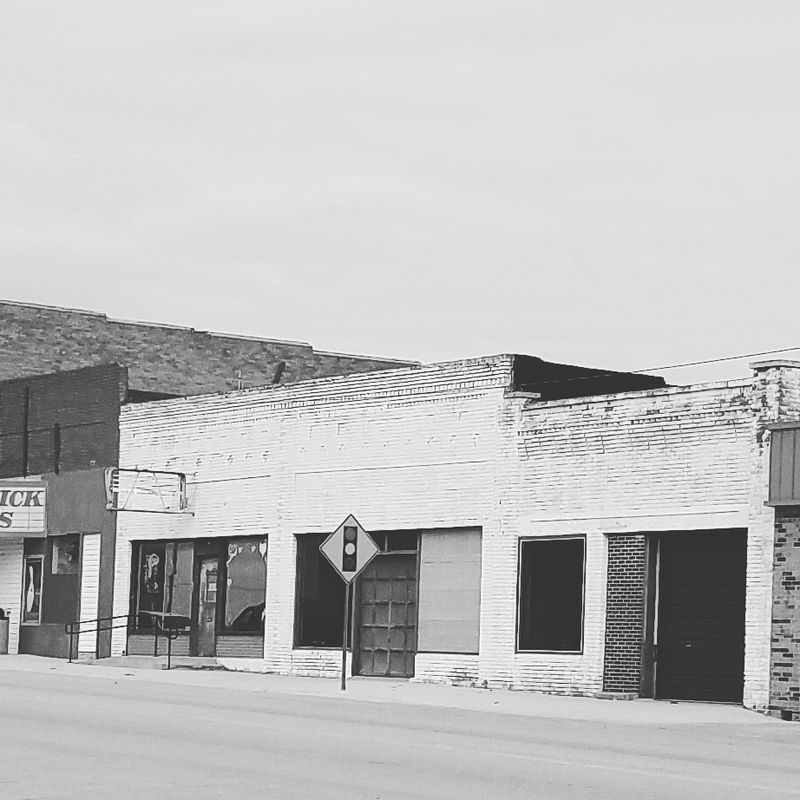
Downtown Tonkawa has the honest, unpretentious look of a working small-city commercial district that has not been over-renovated or themed into something unrecognizable. The brick buildings along the main streets carry the age of a town that has been here since the territorial era, and that architectural authenticity is worth appreciating on its own terms.
The scale is walkable and human-sized. Nothing towers over you, the sidewalks are manageable, and the whole downtown fits within a comfortable stroll.
For anyone who finds oversized retail developments exhausting, Tonkawa’s modest downtown footprint is genuinely appealing.
Small-town Oklahoma downtowns often have a mix of occupied and vacant storefronts, and Tonkawa is no exception. But the buildings that are active carry a real-life quality that chain-dominated commercial strips simply cannot replicate.
The businesses here serve the actual community rather than performing for visitors.
The best way to take in downtown Tonkawa is slowly, on foot, without a rigid agenda. Notice the brickwork, the old signage details, the way the buildings line up against the Oklahoma sky.
It is the kind of place that rewards unhurried attention rather than a rushed photo-and-go approach.
The Right Visitor for This Kind of Town
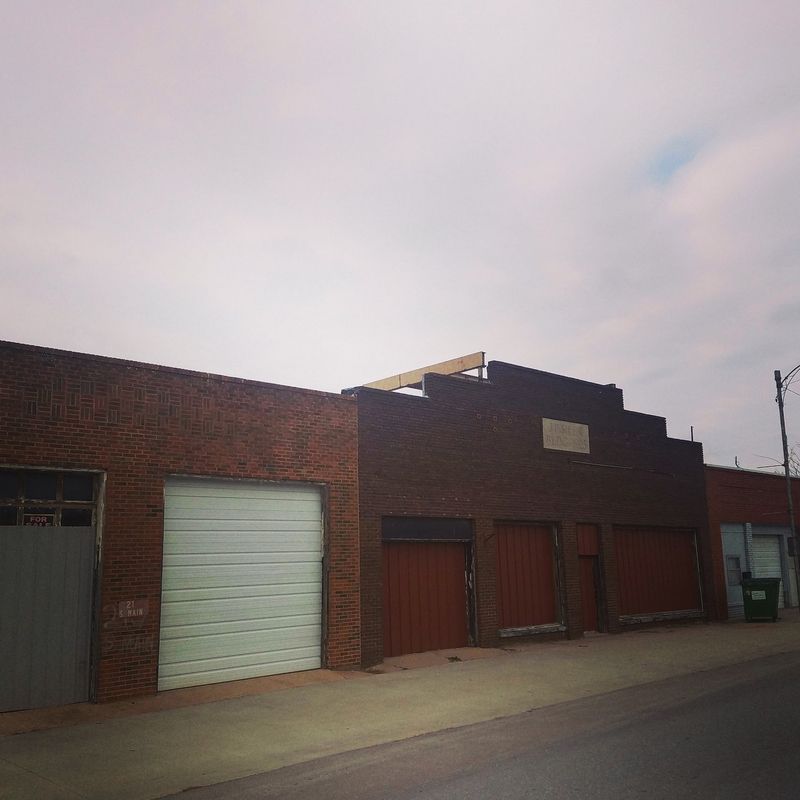
Not every destination suits every traveler, and Tonkawa is refreshingly honest about what it offers. This is a town for people who find genuine satisfaction in the unhurried and the unscripted, rather than those chasing a packed itinerary of ticketed attractions.
Road-trippers who enjoy the process of discovery as much as the destination itself will feel at home here. The pleasure of Tonkawa is largely in the atmosphere and the landscape rather than in a specific list of must-see sites.
That kind of travel requires a certain patience and curiosity that not everyone brings to a road trip.
History enthusiasts, particularly those interested in Native American history, Oklahoma territorial history, and the agricultural and oil heritage of the southern plains, will find plenty to think about in and around Tonkawa. The layers of history here are real and substantial, even if they are not packaged into a formal tour.
Photographers who work with wide landscapes and natural light will find Kay County endlessly productive. The open skies, the river corridor, the agricultural scenery, and the honest downtown architecture all offer material that rewards a creative eye.
Tonkawa is a town that gives back in proportion to what you bring to it.
Practical Notes for Planning Your Visit
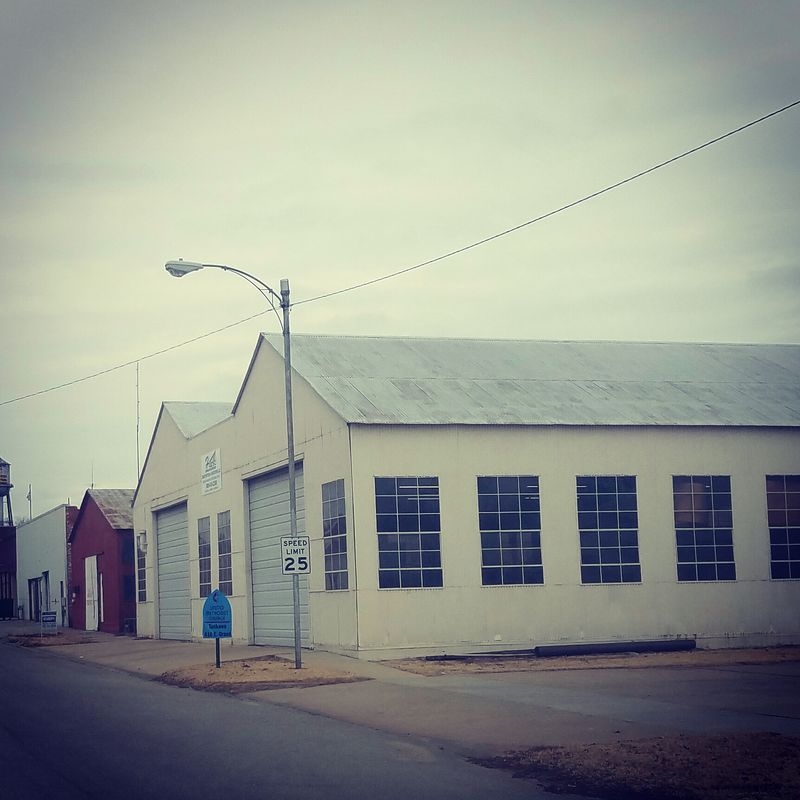
Tonkawa sits close enough to I-35 to make it an easy detour without feeling like a major commitment. The drive from Oklahoma City runs about two hours north, while travelers coming from Wichita, Kansas are looking at roughly ninety minutes heading south.
The town is accessible without requiring any complicated navigation.
There is no formal visitor center to check in with, which is honestly part of the appeal. Tonkawa functions as a real town rather than a managed visitor experience, so arriving with an open mind and low expectations tends to produce the best results.
Fuel, basic groceries, and casual dining options are available in Tonkawa, as you would expect from a functioning community of 3,000 people. For lodging, nearby Ponca City is a reasonable base if you want more options, sitting just a short drive to the east.
The most rewarding time to visit is during the shoulder seasons, spring and fall, when the landscape is at its most photogenic and the weather cooperates more reliably than in the extremes of Oklahoma summer or winter. Weekdays tend to offer the quietest, most authentic experience of the town as it actually operates day to day.
Why Tonkawa Stays a Secret Worth Keeping
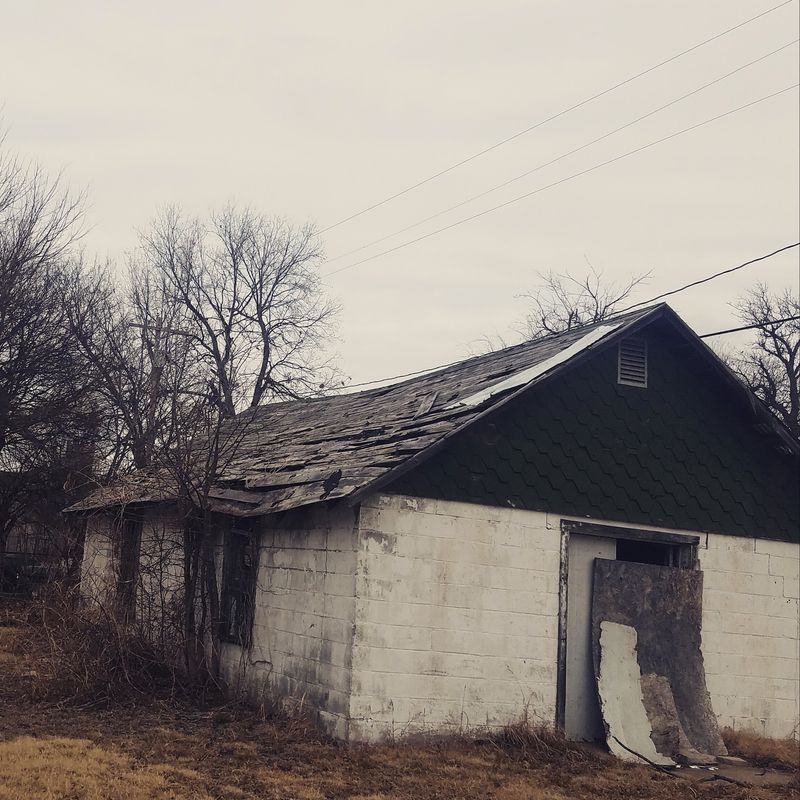
There is a particular kind of place that stays off the popular travel radar not because it lacks value, but because its value is the type that resists easy packaging. Tonkawa is one of those places.
It does not have a viral attraction or a celebrity chef or a scenic overlook with a gift shop attached.
What it has is something more durable: a genuine sense of place rooted in real history, real landscape, and a real community that has been here long enough to develop actual character. That is harder to find than most travel content would have you believe.
The Salt Fork Arkansas River, the open Kay County skies, the Native American heritage embedded in the town’s very name, the steady presence of Northern Oklahoma College, and the layered agricultural and oil history all combine to make Tonkawa more interesting than its size suggests. None of those things announce themselves loudly.
After spending time in Tonkawa, the temptation to keep it quietly to yourself makes complete sense. Some places earn their obscurity honestly, and this small Oklahoma city has done exactly that.
Come with curiosity, leave with a story, and maybe keep the directions to yourself just a little longer.
Share this story