Some people reach a point where they decide to leave behind modern life, neighbors, jobs, and everything familiar. Whether driven by a desire for freedom, a need to escape, or a deep distrust of the world around them, these individuals chose a different path.
Their stories range from peaceful and inspiring to deeply troubling. Here is a look at 15 real people who walked away from society and what became of them.
1. Christopher Thomas Knight – The North Pond Hermit
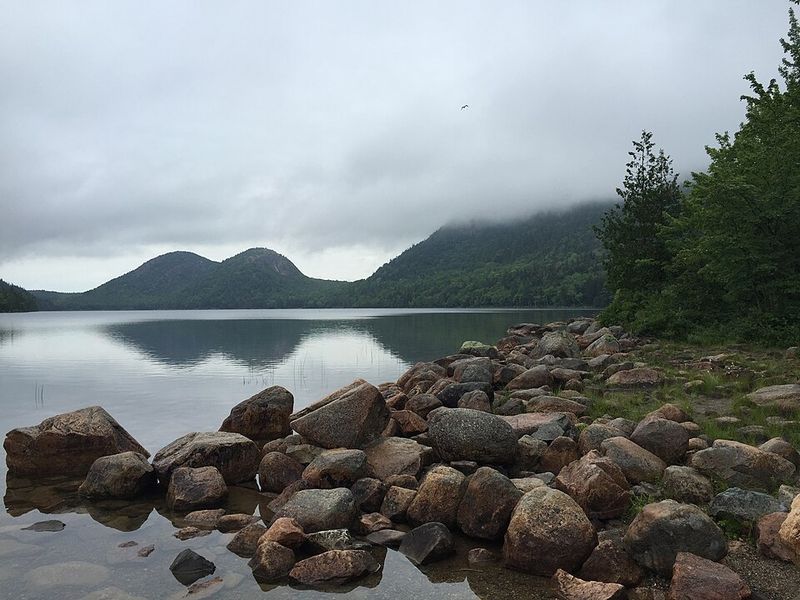
For 27 years, Christopher Thomas Knight lived hidden in the Maine woods without speaking to another person more than once. He disappeared in 1986 at age 20, leaving his car on the side of a road and walking into the forest near North Pond.
Nobody knew where he was for nearly three decades.
Knight survived by sneaking into nearby cabins at night and stealing food, supplies, and books. He never lit fires in winter to avoid being detected.
Locals reported hundreds of break-ins over the years, but Knight was never caught until 2013, when a game warden finally apprehended him near a summer camp.
After his arrest, Knight was charged with burglary and theft. He served time and was released on probation.
Journalist Michael Finkel later wrote a book about his story called “The Stranger in the Woods,” bringing Knight worldwide attention.
2. Richard Proenneke – Alaska Wilderness Builder
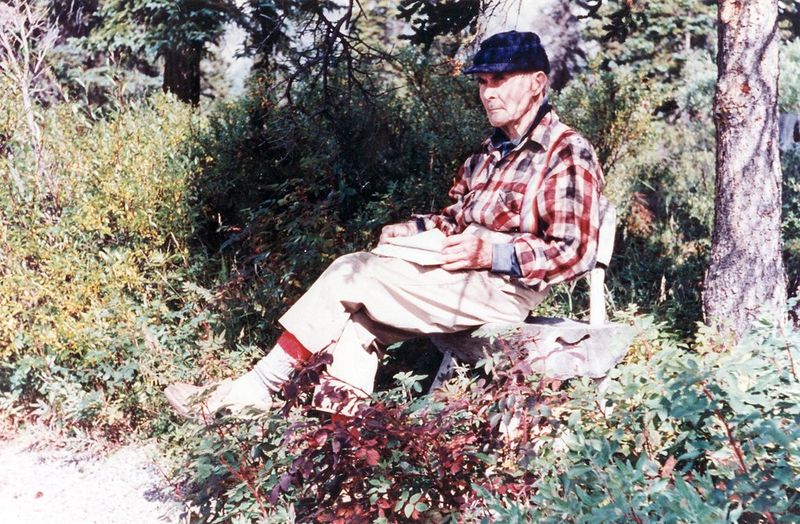
Richard Proenneke proved that one person with enough skill and patience could build a life almost entirely from scratch. In 1968, at age 52, he moved to Twin Lakes in remote Alaska and began constructing a cabin using hand tools and timber from the surrounding forest.
The results were remarkable.
He filmed much of his experience himself, and that footage was later turned into a documentary called “Alone in the Wilderness,” which became a beloved PBS program. Proenneke kept detailed journals recording wildlife, weather, and daily life with quiet precision and genuine wonder.
He was not completely cut off. Friends occasionally flew in with supplies, and he welcomed visitors from time to time.
Still, he lived largely alone for about 30 years. Proenneke left Twin Lakes in 1999 at age 82 due to declining health.
He passed away in 2003, leaving behind a lasting legacy of self-reliance.
3. Agafia Lykova – The Siberian Taiga Survivor
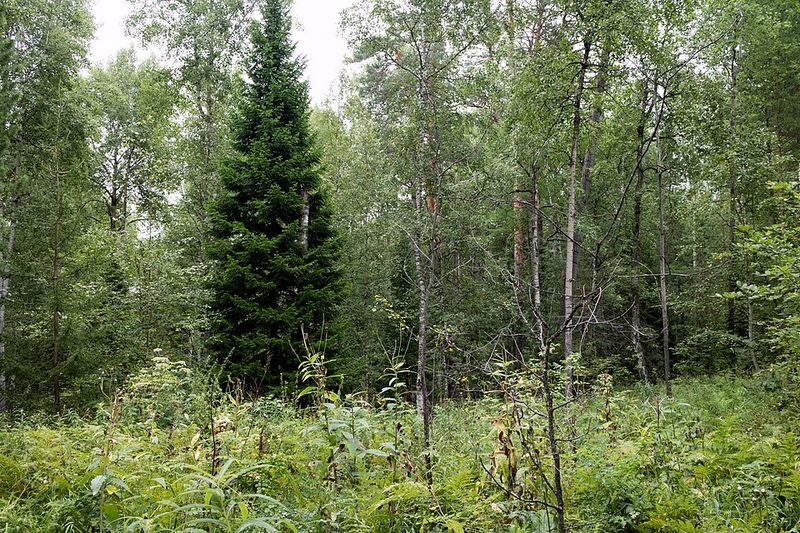
Agafia Lykova was born into isolation. Her family, Old Believers who had fled Soviet religious persecution, retreated deep into the Siberian wilderness in the 1930s.
They lived without contact with the outside world for decades, growing their own food and following their faith in complete secrecy.
In 1978, a team of Soviet geologists stumbled upon the family by accident. The Lykovs had no idea World War II had even happened.
Over the following years, contact with outsiders gradually increased, but tragedy followed. Several family members died shortly after contact, possibly due to exposure to outside germs.
Agafia is the last surviving member of her family. She still lives in the taiga today, well into her seventies, tending her garden and maintaining her deeply religious lifestyle.
Occasional helpers and documentary crews visit her, but she consistently chooses to remain in her remote forest home.
4. Masafumi Nagasaki – Japan’s Island Hermit
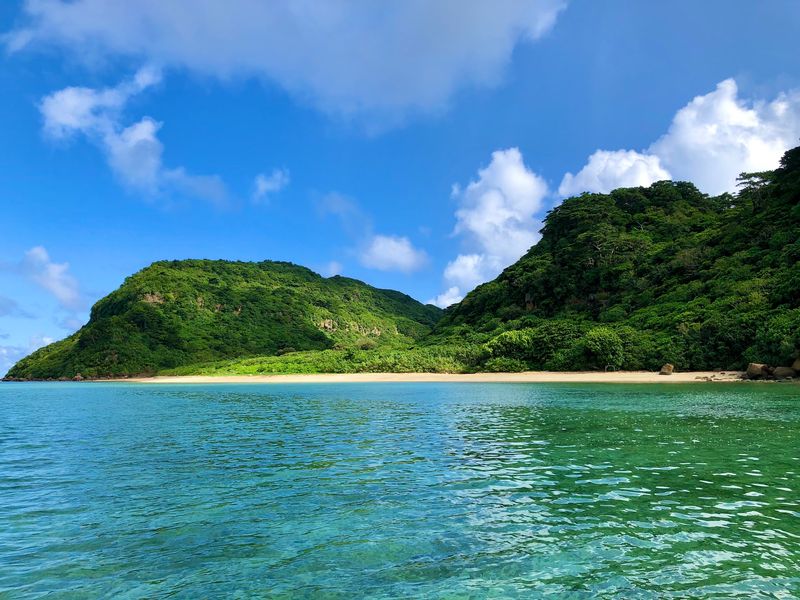
Masafumi Nagasaki chose to strip life down to its bare essentials on a remote Japanese island. For nearly 30 years, he lived largely alone on Sotobanari, a tiny uninhabited island off the coast of Okinawa.
He wore no clothes, ate fish and rice, and followed a strict daily routine tied to the rhythms of nature.
Nagasaki was a former photographer who had grown disillusioned with modern Japanese society. He described his island life as a form of freedom, saying nature had rules he was happy to follow.
Visitors occasionally found him and were struck by his calm, philosophical outlook on solitude.
In 2018, Japanese authorities removed him from the island, citing concerns about his age and safety. He was in his eighties and reportedly struggling with his health.
After leaving, Nagasaki moved to a relative’s home on the mainland, a transition that reportedly brought him little comfort.
5. Mauro Morandi – Guardian of Budelli Island
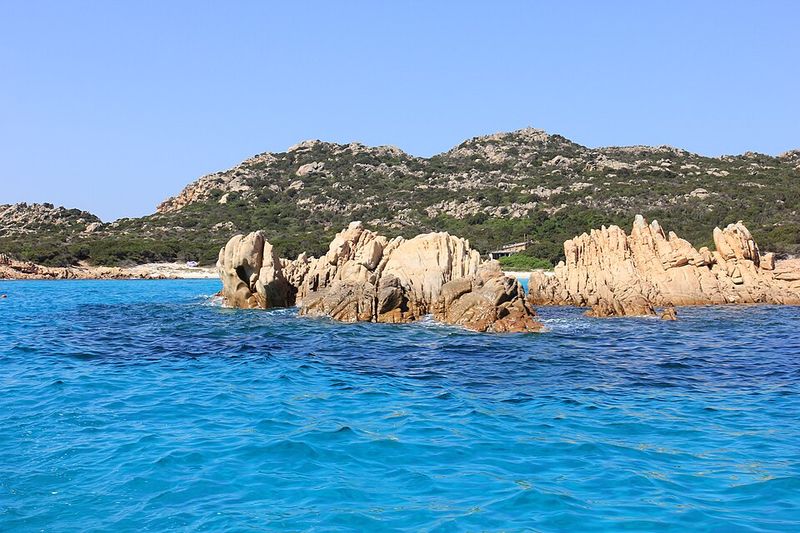
Mauro Morandi arrived on Budelli Island in 1989 almost by accident. His catamaran broke down near the tiny Italian island in the Maddalena Archipelago, and when he learned the caretaker was leaving, he simply decided to take over.
What followed was more than 30 years of solitary island life.
Budelli is famous for its Spiaggia Rosa, or Pink Beach, a protected natural wonder. Morandi dedicated himself to protecting the fragile ecosystem, keeping tourists from damaging the rare pink sand.
He became a beloved and somewhat mythical figure, known across Italy as the lone guardian of a beautiful place.
Italian authorities eventually ordered him to leave after the island came under new national park management. He finally departed in 2021 at age 81, relocating to Sardinia.
Morandi described leaving as deeply painful, saying Budelli had become inseparable from his identity and sense of purpose over the decades.
6. Brendon Grimshaw – Builder of Moyenne Island
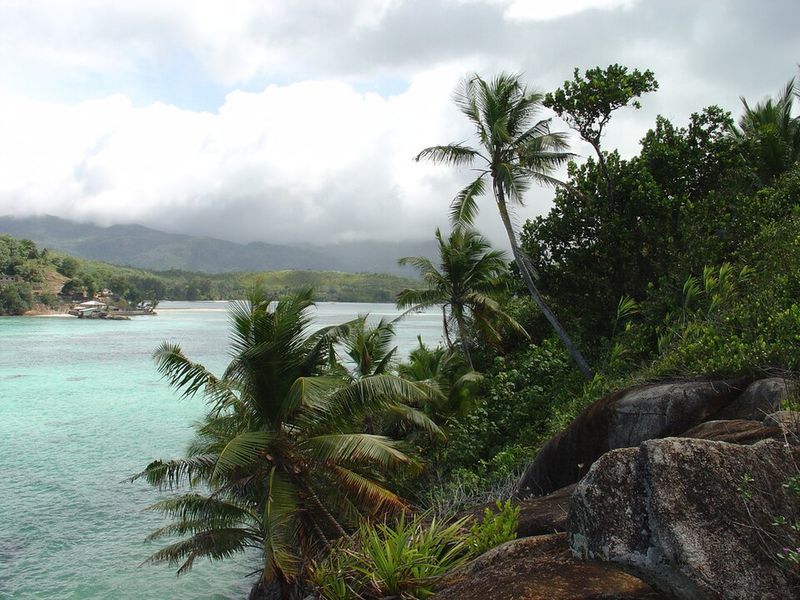
Brendon Grimshaw was a British newspaper editor who bought Moyenne Island in the Seychelles in 1962 for a remarkably small sum. After retiring, he moved there permanently and began one of the most impressive personal conservation projects ever undertaken by a single individual.
With the help of a local man named Rene Antoine Lafortune, Grimshaw planted over 16,000 trees and introduced giant tortoises to the island. Over the decades, Moyenne transformed from a scrubby, run-down piece of land into a thriving natural sanctuary filled with wildlife.
He turned down a reported offer of 50 million dollars to sell the island.
Grimshaw lived on Moyenne until his death in 2012 at age 86. Before he died, he successfully had the island declared a national park to protect it permanently.
His story is one of the most genuinely inspiring examples of what one determined person can accomplish through quiet, consistent effort.
7. Tom Leppard – The Leopard Man of Skye
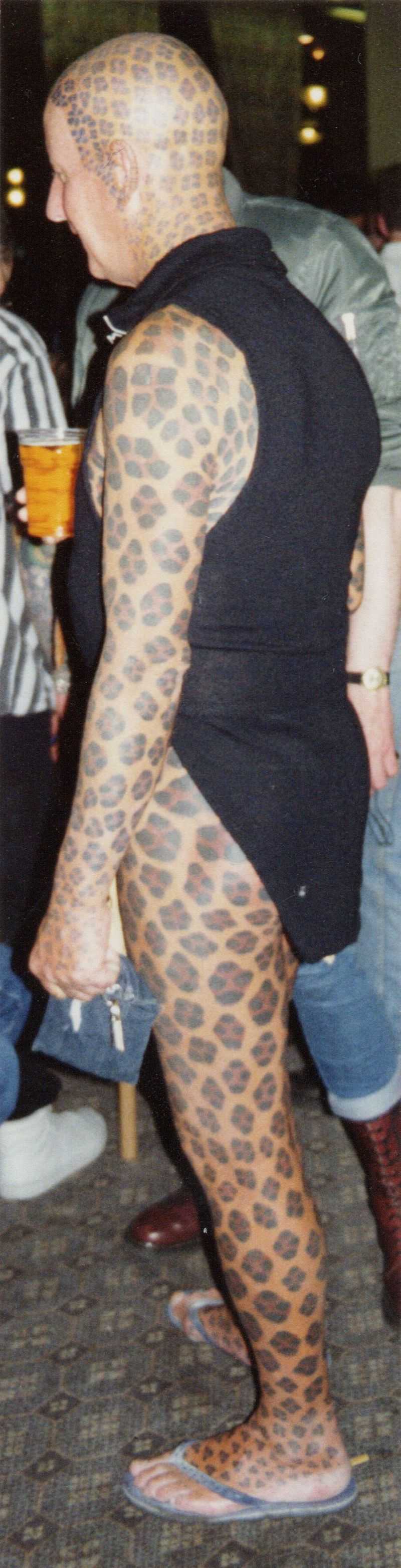
Tom Leppard earned his nickname honestly. Once listed in the Guinness World Records as the most tattooed man in the world, his body was covered in a leopard-skin pattern.
But it was not his appearance that defined his story. It was his decision to leave everything behind and live alone on the Isle of Skye in Scotland.
After retiring from the British Army, Leppard built a primitive shelter on a remote part of the island. For roughly 20 years, he lived without electricity or running water, paddling a canoe to the nearest village only occasionally to pick up basic supplies.
He described his solitary life as peaceful and completely satisfying.
In 2008, at around age 73, Leppard finally moved into a care home due to his age. Locals who had known him over the years described him as friendly, thoughtful, and entirely content with the unusual life he had chosen for himself.
8. Robert Harrill – The Fort Fisher Hermit
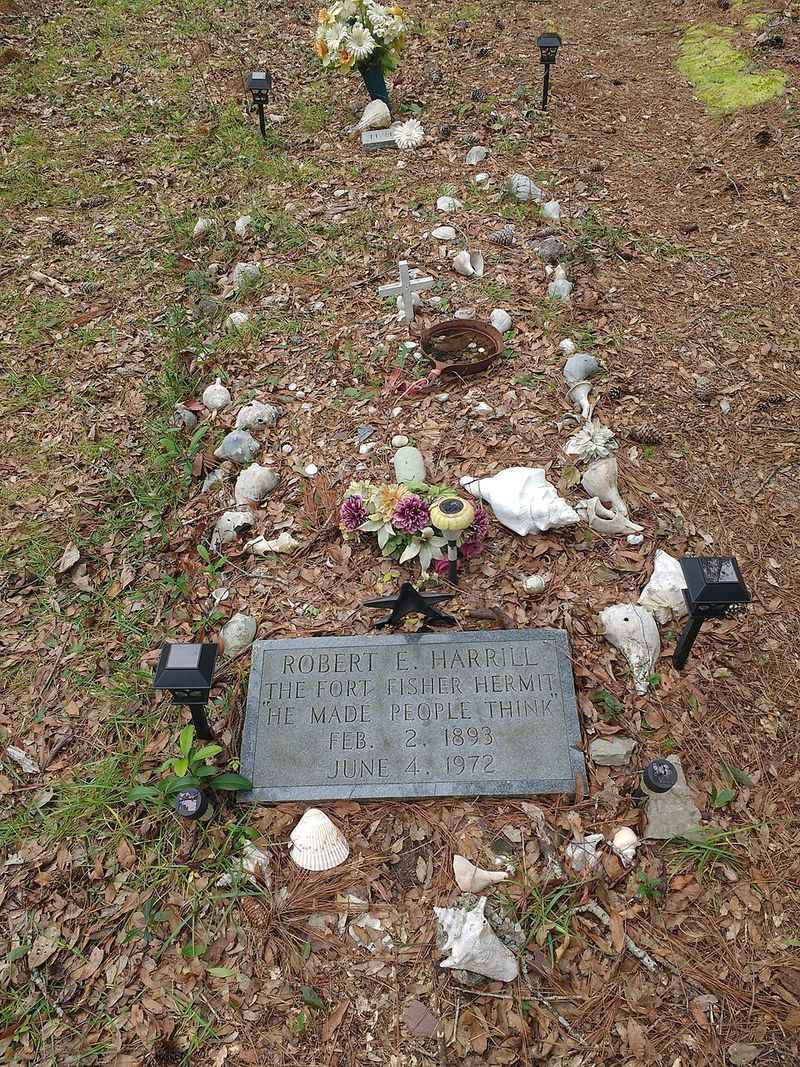
Robert Harrill had a rough life before he became famous. After struggling with mental health issues and difficult personal circumstances, he moved into an abandoned World War II bunker near Fort Fisher, North Carolina, in 1955.
He was in his fifties and had very little to his name.
Unlike most hermits, Harrill was not truly isolated. His unusual lifestyle attracted curious visitors, and he reportedly welcomed thousands of them each year.
He gave tours of his simple home, shared his philosophy on life, and accepted small donations. At his peak, he was one of North Carolina’s most popular tourist attractions.
Harrill was found dead near his bunker in 1972. The official cause was listed as a heart attack, but some locals believed foul play was involved.
His story has been kept alive through a documentary film and a dedicated group of supporters who consider him a true folk legend of the American South.
9. Noah John Rondeau – The Hermit of Cold River
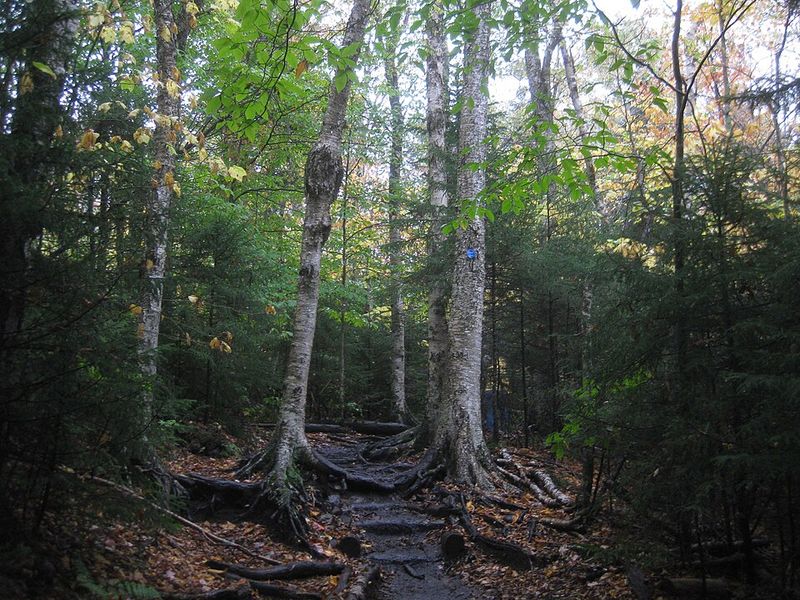
Noah John Rondeau was something of a character even before he became a hermit. Born in 1883 in upstate New York, he worked various jobs before eventually retreating to a remote camp in the Adirondack wilderness, where he spent decades living largely outside of conventional society.
Rondeau was known for keeping detailed journals written in a personal coded language he invented himself. He called his camp Cold River City and referred to himself as its mayor.
His quirky humor and independent spirit made him a fascinating figure to those who occasionally encountered him in the woods.
A major 1950 blizzard destroyed much of his camp, and he eventually left the wilderness for good. In his later years, Rondeau became something of a celebrity, appearing at the 1947 New York State Sportsmen’s Show.
He passed away in 1967, leaving behind a reputation as one of the Adirondacks’ most colorful and beloved characters.
10. Willard Kitchener MacDonald – Hermit of the Gully
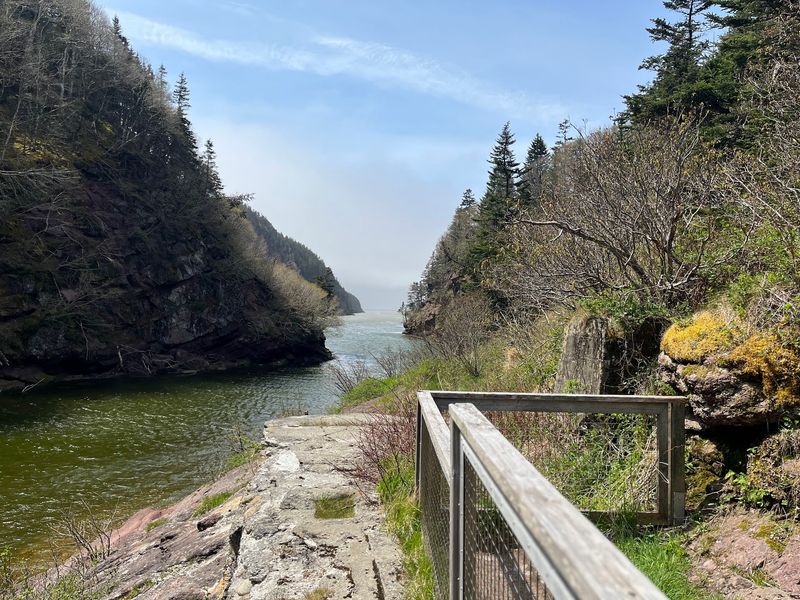
Willard Kitchener MacDonald made a drastic decision during World War II. Rather than continue serving in the Canadian Army, he deserted and disappeared into the forests of New Brunswick, Canada.
It was a choice that shaped the rest of his long, solitary life.
MacDonald lived in the wilderness for decades, earning the nickname the Hermit of the Gully among local residents. He survived by hunting, fishing, and living off the land.
While he was technically a fugitive for years, authorities eventually stopped actively pursuing him, and he became a recognized, if unusual, fixture of the local landscape.
He occasionally made contact with nearby communities, and locals sometimes left food or supplies for him. MacDonald lived this way for an extraordinary length of time, remaining in the wilderness well into old age.
His story reflects a complicated mix of survival instinct, personal trauma, and a genuine preference for life away from structured society.
11. Daniel Suelo – Living Without Money
Daniel Suelo did something most people consider almost impossible in the modern world. In 2000, he gave up money entirely.
Not just most of it, all of it. He stopped earning, spending, and even accepting cash, choosing instead to live by foraging, dumpster diving, and relying on the generosity of others.
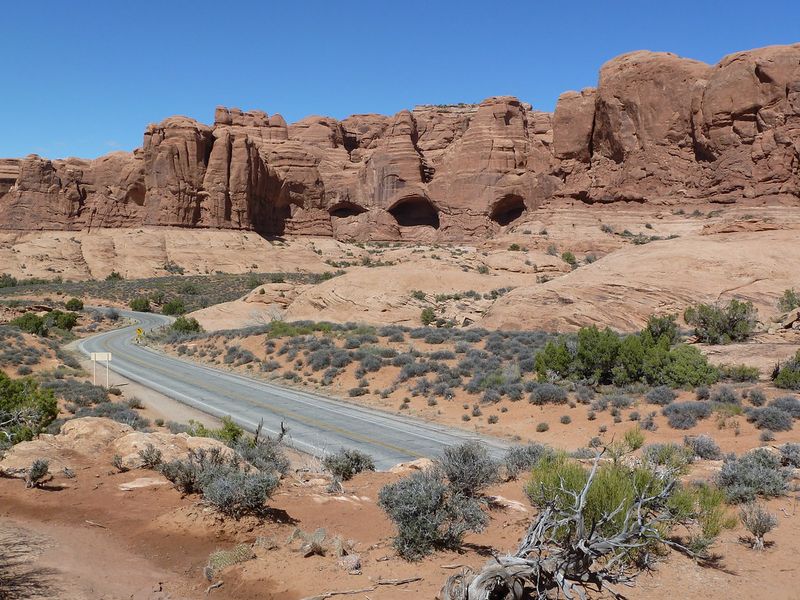
Suelo spent years living in caves near Moab, Utah, as well as in other improvised shelters. He was not pursuing total isolation.
His rejection was aimed at the economic system itself, not at human connection. He maintained a blog and engaged with visitors, explaining his philosophy openly and thoughtfully.
Writer Mark Sundeen documented his story in the 2012 book “The Man Who Quit Money.” Suelo eventually moved into a more conventional living situation in later years, though he continued to minimize his participation in the money economy. His experiment raised genuine questions about what people actually need to live a meaningful life.
12. David Glasheen – Castaway by Choice on Restoration Island
David Glasheen’s story began with financial disaster. In the 1990s, he lost a fortune estimated at around 50 million dollars in the Australian stock market crash.
Rather than rebuild his old life, he took a different direction entirely and moved to Restoration Island, a remote speck of land off the coast of Queensland, Australia.
Glasheen lived on the island for over two decades with a companion dog and later a robotic doll he named Susie. He grew vegetables, caught fish, and maintained the island’s small infrastructure.
He also developed ambitious plans for an eco-resort, though those projects never fully materialized. Journalists and documentary filmmakers visited him periodically, keeping his story in the public eye.
Australian authorities repeatedly tried to remove him from the island, as he did not hold a proper lease. Legal disputes dragged on for years.
His story blends genuine adventure with a cautionary tale about the unpredictable consequences of walking away from everything familiar.
13. Jadav Payeng – The Forest Man of India
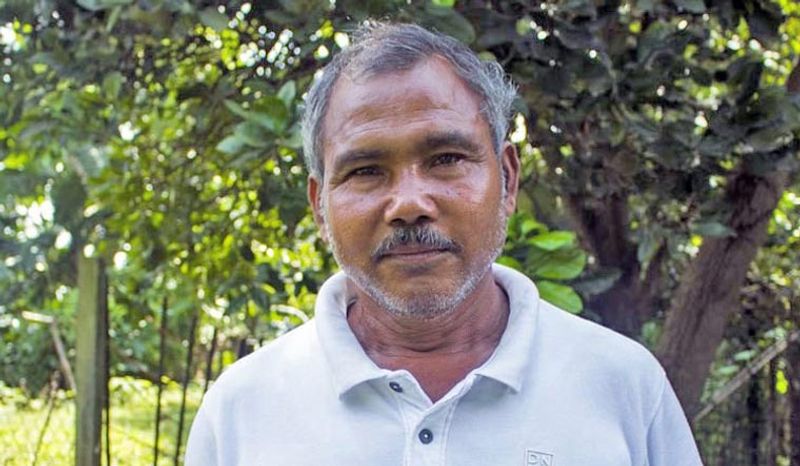
Jadav Payeng started planting trees on a barren sandbar in Assam, India, when he was just a teenager in the late 1970s. What began as a personal response to seeing animals dying on the eroded island became a lifelong mission that transformed the landscape in a way few would have believed possible.
Over roughly 40 years, Payeng planted and nurtured what grew into a forest covering more than 1,300 acres, now known as Molai Forest. The forest became home to elephants, tigers, rhinos, and hundreds of bird species.
He lived and worked there in relative simplicity, deeply connected to the land he had created with his own hands.
Payeng is not a hermit in the strictest sense. He maintained family and community ties throughout his life.
Still, his decades of quiet, solitary effort in an isolated place set him apart. He received India’s Padma Shri award in 2015, bringing global recognition to his extraordinary work.
14. Mauro Merlo – Argentina’s Wilderness Recluse
Mauro Merlo became known in Argentine accounts as a man who deliberately withdrew from conventional urban life to pursue an exceptionally solitary existence in remote wilderness. His story circulated in regional communities and local media, where he was described as someone who had consciously rejected the routines and obligations of modern society.
Details about Merlo’s life are less thoroughly documented than some of the other individuals on this list, which is itself a reflection of how completely he stepped away from public view. What is consistently noted is that his withdrawal was deliberate and sustained, not simply a temporary escape from stress or difficulty.
Stories like Merlo’s are a reminder that the impulse to leave society behind is not limited to any one culture or country. People across the world, for deeply personal reasons, sometimes choose radical solitude over the noise and demands of everyday life.
His choice, however obscure, represents a real and recurring human experience.
15. Ted Kaczynski – The Unabomber’s Cabin Years
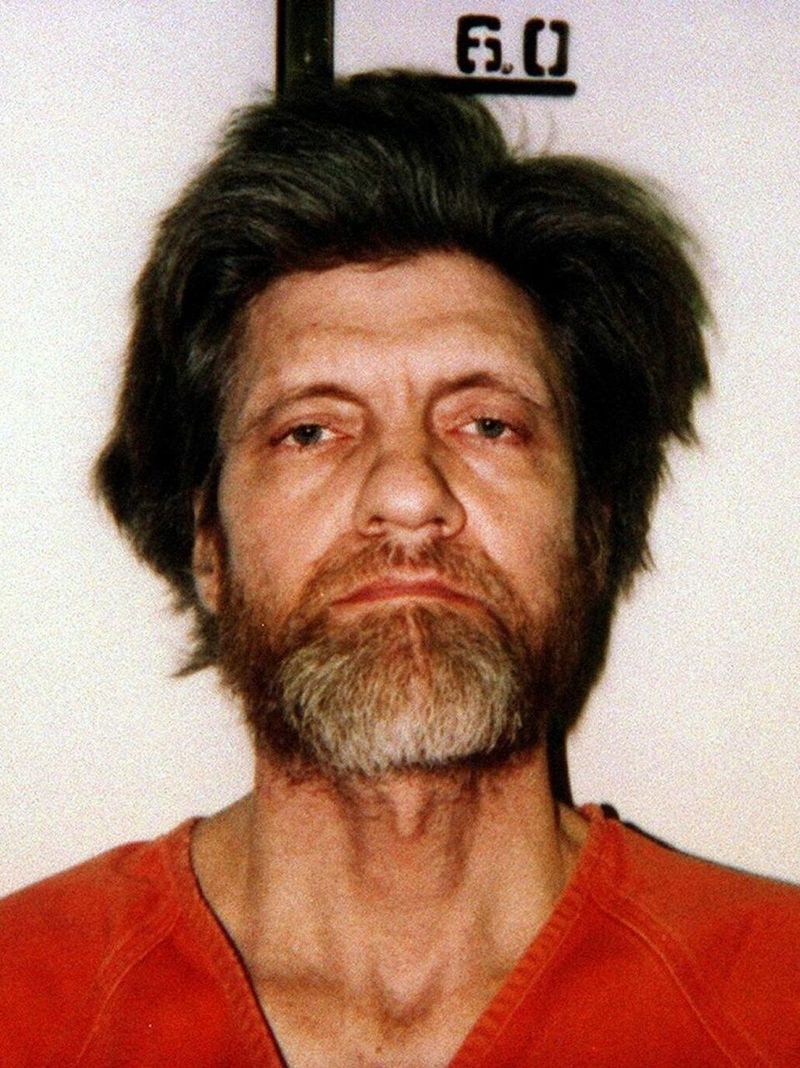
Ted Kaczynski left a promising academic career at UC Berkeley in 1969 and eventually moved to a tiny, unheated cabin outside Lincoln, Montana, in 1971. His goal was to live simply, away from technology and modern society.
For several years, he did exactly that, learning to hunt and grow food in near-total isolation.
However, Kaczynski’s story cannot be separated from what came next. Between 1978 and 1995, he conducted a mail bombing campaign that killed three people and injured 23 others.
He targeted universities, airlines, and individuals he associated with technology and industrialization. His 35,000-word manifesto, published in 1995, outlined his anti-technology philosophy in detail.
Kaczynski was arrested in 1996 after his brother recognized his writing style. He pleaded guilty and was sentenced to life in prison without parole.
He died in federal prison in 2023. His retreat from society stands as a stark and deeply troubling example of where extreme isolation and unchecked ideology can lead.
Share this story