Two pioneering wildlife filmmakers with Kansas roots spent decades traveling through Africa, the South Pacific, and Borneo, getting close enough to lions, elephants, and gorillas to capture footage most Americans had never seen before.
Their adventures included sailing with author Jack London, building a special vehicle to film wild animals at close range, and eventually taking to the skies in amphibian aircraft to photograph Africa from above. They even helped push filmmaking forward with early synchronized-sound footage.
Today, thousands of their photographs, original films, expedition artifacts, and an enormous collection of West African art are preserved in a small Kansas town. The most unexpected part may be the building holding it all: a restored train depot dating back to 1903.
A Kansas Hub for Global Exploration
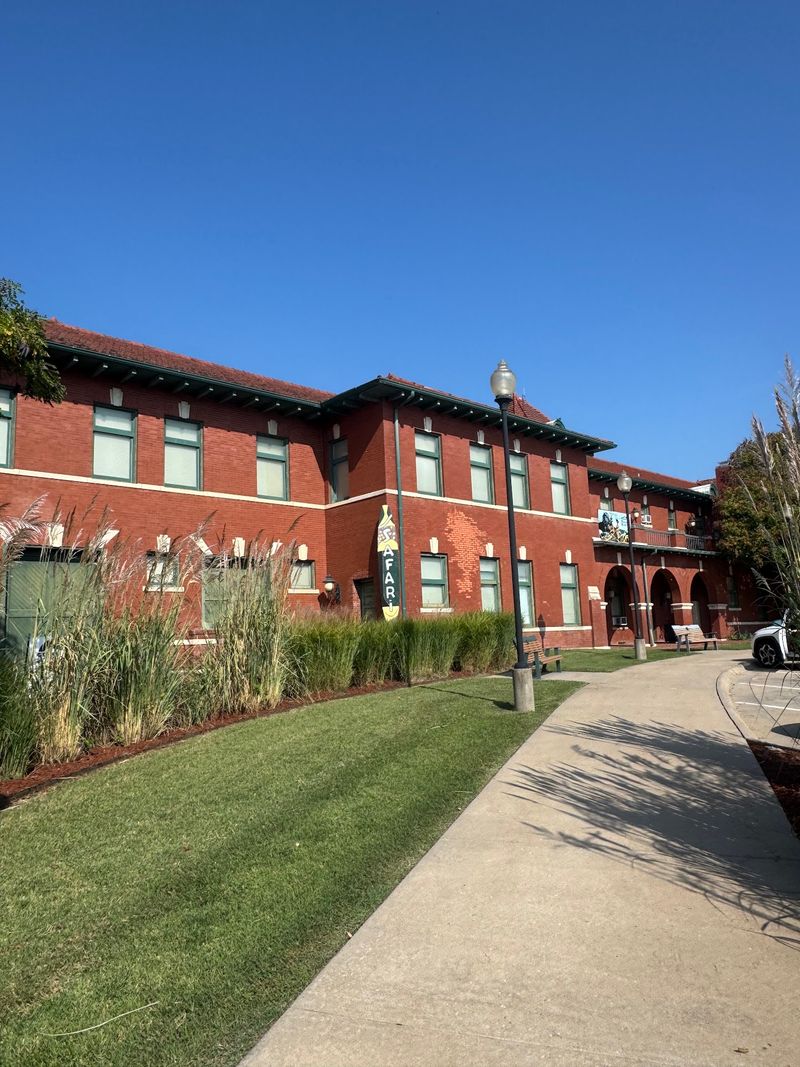
There is something quietly thrilling about finding a world-class museum inside a century-old train depot in a small Kansas town. The Martin and Osa Johnson Safari Museum sits at 111 N Lincoln Ave, Chanute, Kansas 66720, and the building itself is a story before you even walk through the door.
The structure is a beautifully restored 1903 Santa Fe train depot, and it shares its historic walls with the local public library. That combination of community roots and global reach feels entirely fitting for a museum dedicated to two Kansas natives who spent their lives bridging those very two worlds.
Founded in 1961, the museum has earned the title of the number one museum in Kansas, and the History Channel Traveler website once named it one of the top ten historic sites to visit for Valentine’s Day. That last accolade makes perfect sense once you learn how deeply romantic their shared story actually was.
The Prairie-Born Couple Who Changed Documentary Filmmaking Forever
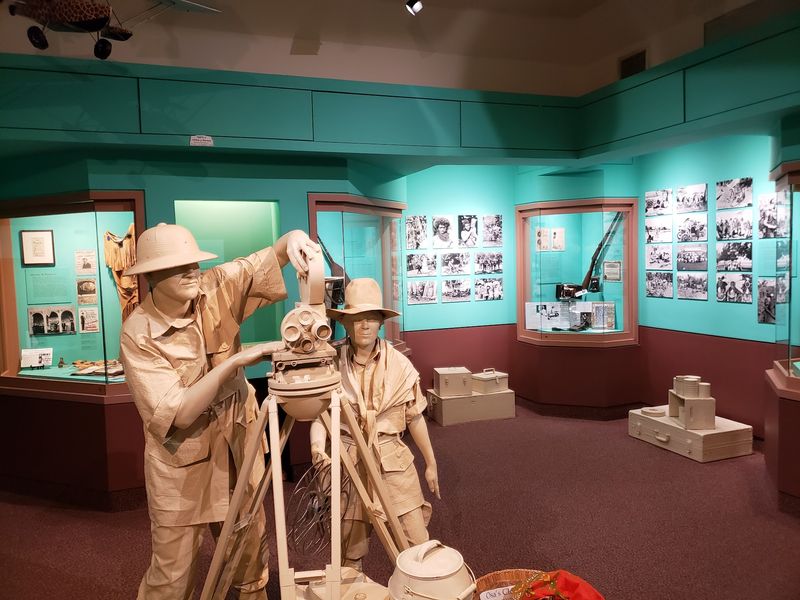
Martin Elmer Johnson was born in Rockford, Illinois, in 1884 and grew up in the Kansas towns of Lincoln and Independence. His father was a jeweler, and as a boy, Martin would stare at the exotic labels on shipping crates from European cities, his imagination already reaching far beyond the prairie horizon.
Osa Helen Leighty was a true Chanute native, born in 1894, and she was just sixteen years old when Martin came through town giving a travelogue presentation. The two met, connected instantly over a shared hunger for adventure, and married in May 1910.
Their union became one of the most productive creative partnerships in the history of natural history filmmaking. Osa later wrote a best-selling autobiography titled “I Married Adventure,” which perfectly captured the spirit of a life that most people could only dream about. Their Kansas origins make their global achievements feel even more remarkable.
Jack London, a Tiny Boat, and the Journey That Started It All
Before Martin Johnson ever picked up a movie camera, he was already living the kind of life that most people only read about in novels. As a teenager, he stowed away on a ship to Europe, driven purely by curiosity and a restlessness that Kansas simply could not contain.
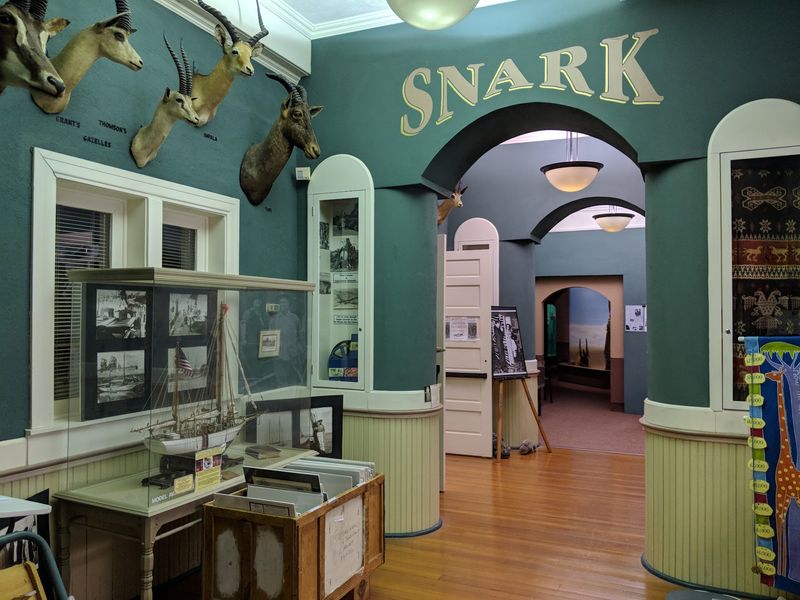
His most defining early adventure came when he joined the celebrated author Jack London on a round-the-world voyage aboard a 45-foot boat called the Snark, sailing from 1907 to 1909. That journey took him through the South Pacific and exposed him to cultures and landscapes that few Americans had ever witnessed firsthand.
When he returned to the United States, Martin began touring the country with photographs and artifacts from his travels, sharing his experiences through captivating travelogue presentations. It was during one of those very presentations in Chanute that he met Osa, which means that Jack London’s boat essentially set the entire Johnson legacy in motion. Not bad for a 45-foot vessel.
Pioneering Filmmakers Who Brought Africa to American Living Rooms
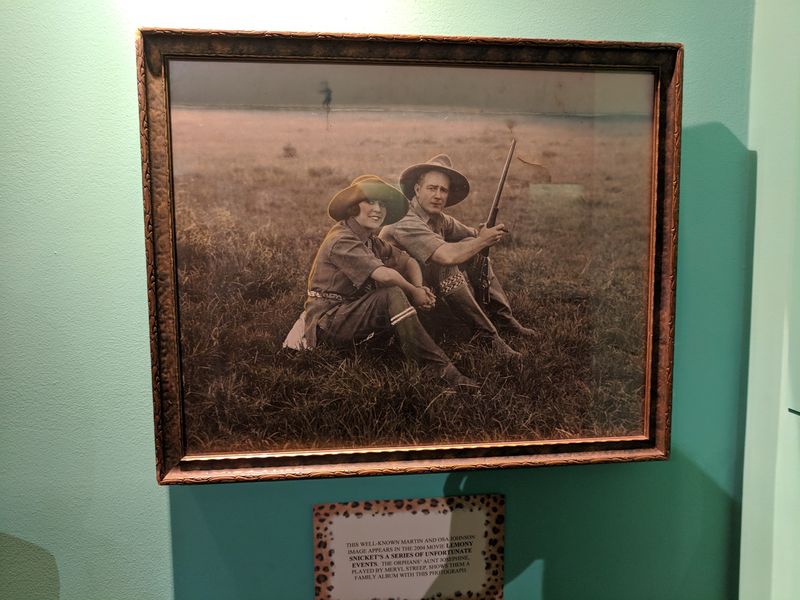
From 1917 through 1936, Martin and Osa Johnson carried out ambitious expeditions across East and Central Africa, the South Pacific islands, and the dense jungles of British North Borneo. They weren’t just tourists with cameras; they were methodical documentarians who understood the power of visual storytelling.
Their films introduced American audiences to elephants, gorillas, lions, and indigenous communities that most viewers had never imagined seeing outside of an illustrated book. The Johnsons championed the philosophy of “take only photos, leave only footprints,” which was a remarkably forward-thinking stance on wildlife observation for their era.
They also made some of the first motion pictures with synchronized sound, including a pioneering sound film produced in Africa in 1931. That achievement alone would cement their place in filmmaking history, but the sheer volume and quality of their documentary work made their contribution to natural history cinema something that still resonates today. The museum preserves every frame of it.
Lions, Custom Cars, and the Art of Getting Close Enough to Film
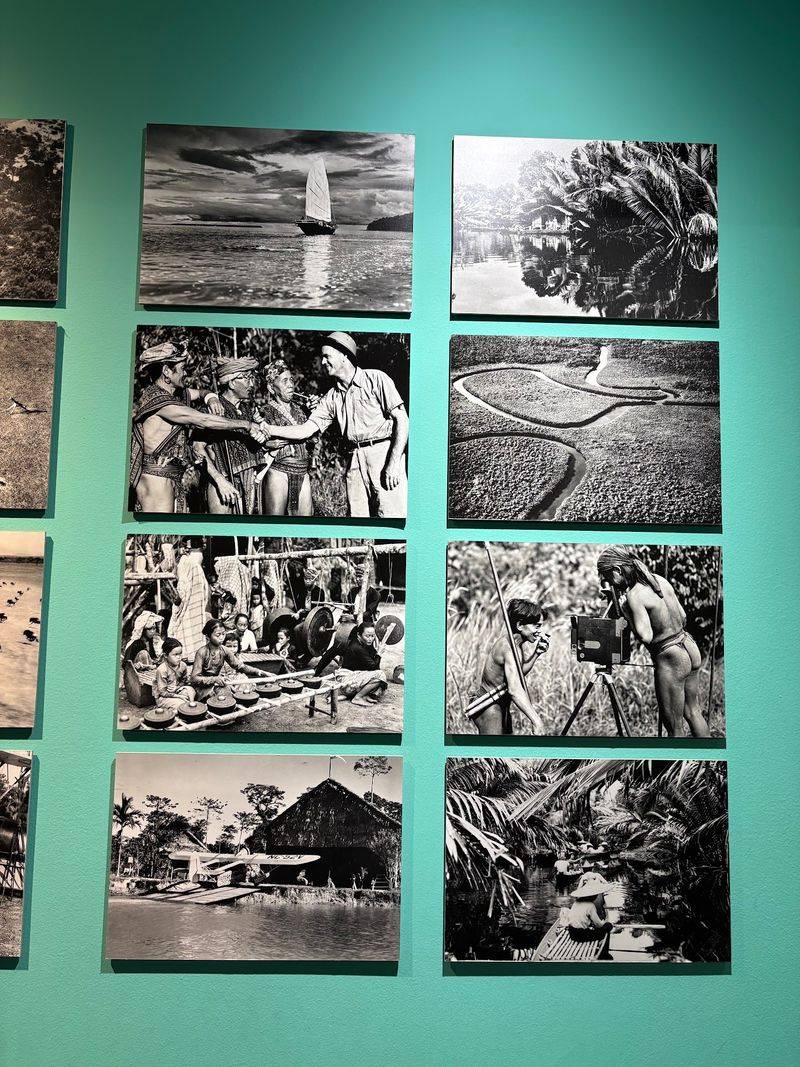
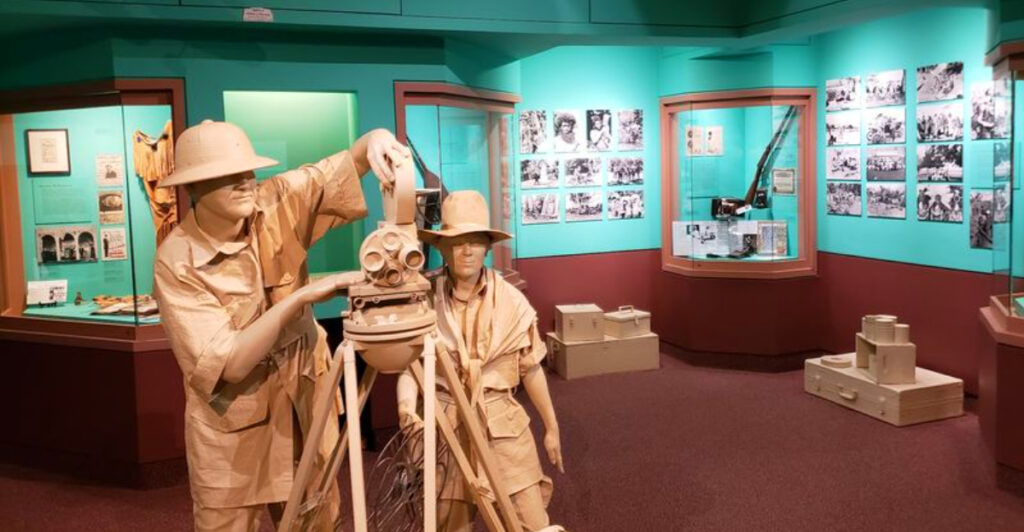
Getting close enough to a lion to film it properly in the 1920s was not a task for the faint-hearted, and Martin and Osa Johnson were anything but faint-hearted. To solve the practical problem of proximity, they developed a specially designed vehicle they called the “Movie Film Car,” which allowed them to approach wild animals at distances that would have been impossible on foot.
This kind of creative problem-solving was typical of how they operated. Rather than accepting limitations, they engineered their way around them, constantly pushing the boundaries of what wildlife filmmaking could achieve with the technology available at the time.
Their footage of lions, elephants, and gorillas in their natural habitats was unlike anything audiences had ever seen. People packed theaters to watch their films, which functioned almost like the nature documentaries we take for granted today, except these were projected onto silver screens in the 1920s and 1930s. The museum displays artifacts from those very expeditions.
Taking to the Skies Over the African Continent
By 1932, Martin and Osa Johnson had already explored Africa by land and documented it through thousands of photographs and miles of film. Apparently, that wasn’t quite enough adventure for them, so they decided to add the sky to their list of vantage points.
The couple learned to fly at the Chanute Municipal Airport in 1932, and they immediately put their new skills to work. They embarked on flying safaris across Africa in their Sikorsky amphibian aircraft, capturing aerial footage and photographs that offered a completely new perspective on the continent’s landscapes and wildlife.
Flying over the Serengeti and the vast savannas of East Africa gave them access to sweeping views that no ground-based camera could replicate. The aircraft also allowed them to reach remote locations far more quickly than any overland expedition could manage. That combination of aviation and documentary filmmaking put them decades ahead of their time, and the museum honors this chapter of their story with genuine pride.
A Visual Archive of Cultures That Have Since Transformed
One of the most quietly powerful aspects of the Johnsons’ work is what it accidentally became: a historical record of peoples and places that have since changed beyond recognition. When they filmed indigenous communities in Africa, the South Pacific, and Borneo, they didn’t realize they were creating some of the only surviving visual documentation of those cultures at that particular moment in history.
Many of the tribes and animal populations they chronicled have since dwindled significantly due to conflict, habitat loss, and the relentless pace of modernization. Their footage and photographs now serve as an irreplaceable archive, offering researchers, historians, and curious visitors a window into a world that no longer exists in the same form.
The museum in Chanute preserves this collection with obvious care, maintaining thousands of photographs and miles of early film footage that represent an unparalleled record of global diversity. Seeing these materials in person carries a weight that goes well beyond ordinary museum-going, and that emotional depth is part of what makes this place so memorable.
What You Will Actually Find Inside the Museum’s Two Floors
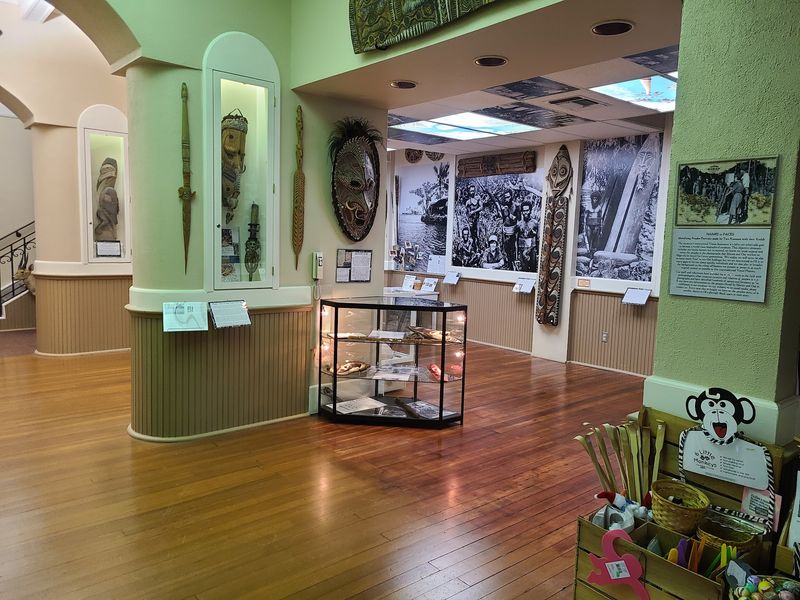
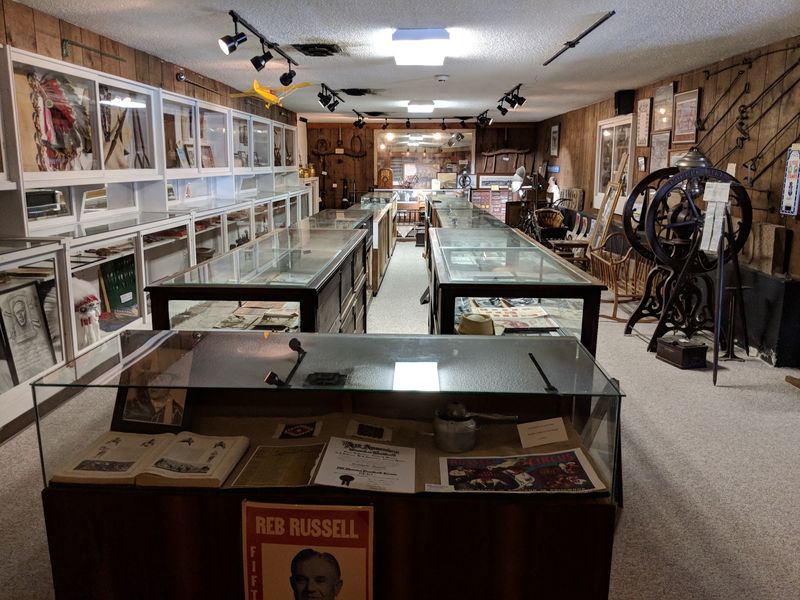
The museum organizes its collections across two floors, and each level offers a distinctly different experience. The first floor transports visitors directly into the world of Africa through an impressive array of artifacts, photographs, and cultural objects gathered during the Johnsons’ expeditions.
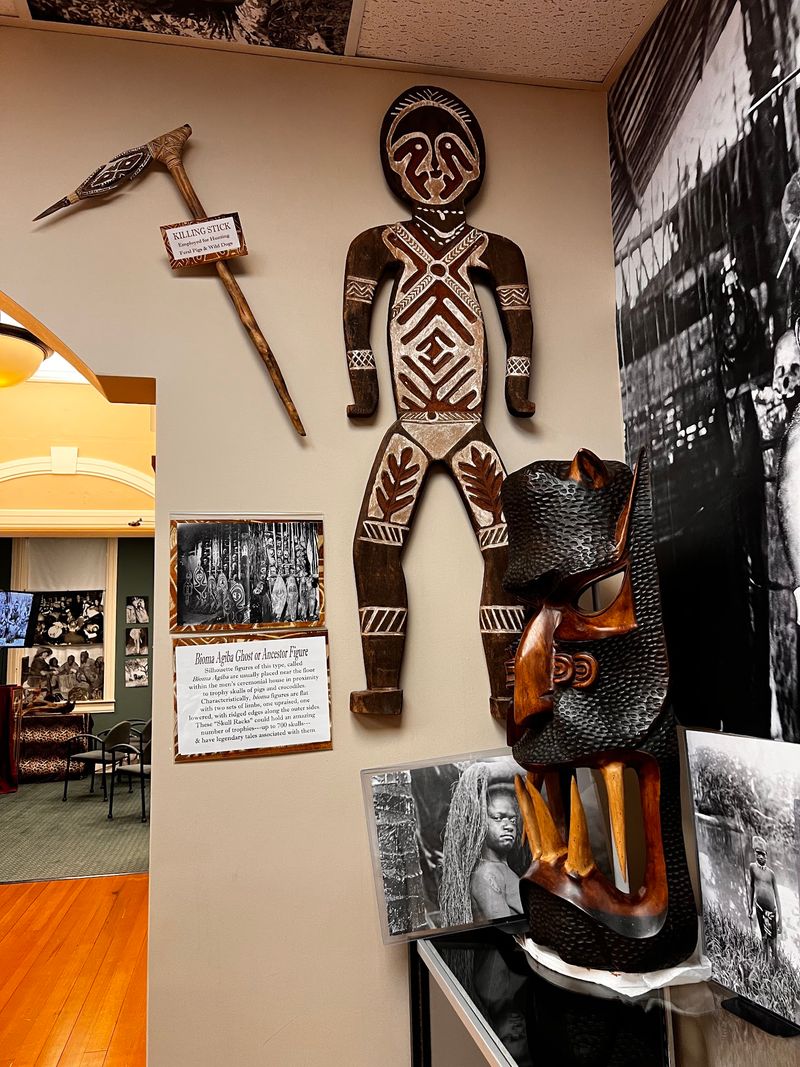
A striking collection of African masks greets you early in the tour, and the intimate 30-seat Snark Theater invites visitors to sit down and watch the Johnsons’ original films projected on screen. The Imperato African Gallery, dedicated to West African art, also anchors this floor with remarkable depth and variety.
The second floor houses the primary Johnson Exhibition, the Selsor Gallery, and the Leighty Room, all of which explore different chapters of the couple’s personal story and global travels. Rotating exhibits keep the experience fresh for repeat visitors, covering topics ranging from the birds they observed to camp cooking implements from their expeditions. Osa’s iconic zebra-hide shoes are also on display, and they are exactly as fascinating as they sound.
The Imperato African Gallery and the Midwest’s Largest West African Art Collection
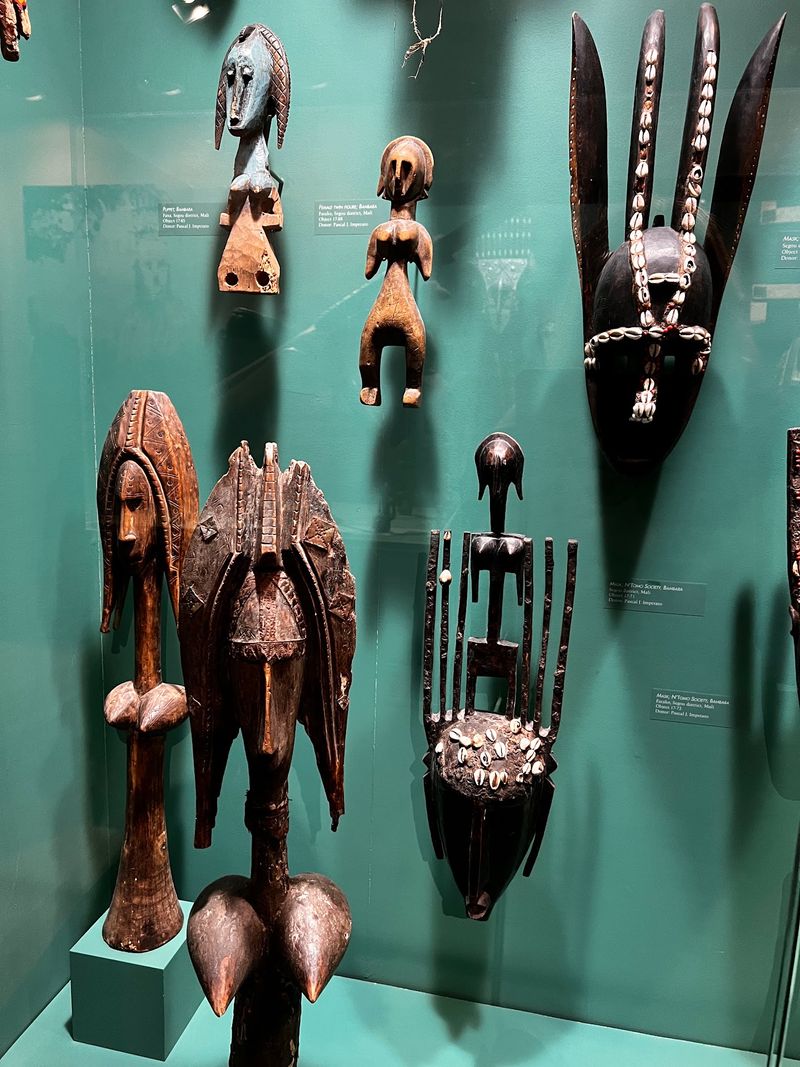
Hidden inside an already remarkable museum is a collection that would feel at home in a major metropolitan art institution. The Imperato African Gallery, formally known as the Johnson Memorial Hall of African Culture, was established in 1974 by Dr. Pascal James Imperato, a lifelong admirer of the Johnsons who spent years doing epidemiological work across Africa.
What started as roughly one hundred ceremonial masks and household items has grown into the largest and most comprehensive collection of West African art in the entire Midwest. Masks, headdresses, furnishings, tools, textiles, musical instruments, and personal accessories fill the gallery with a cultural richness that consistently surprises first-time visitors.
Many of the pieces on display are the same types of objects visible in the Johnsons’ original films, which creates a layered connection between the artifacts and the archive. The jewelry in particular functions as a visual biography of its wearers, communicating status, beliefs, and life history in ways that a written label alone cannot fully convey. This gallery alone justifies the trip.
Kid-Friendly Features That Make This Museum a Family Destination
Museums that manage to genuinely engage children without dumbing down their content are rare, and this one pulls off that balance with ease. The museum offers a safari hunt activity designed specifically for younger visitors, giving kids a structured way to explore the space while searching for specific items throughout the exhibits.
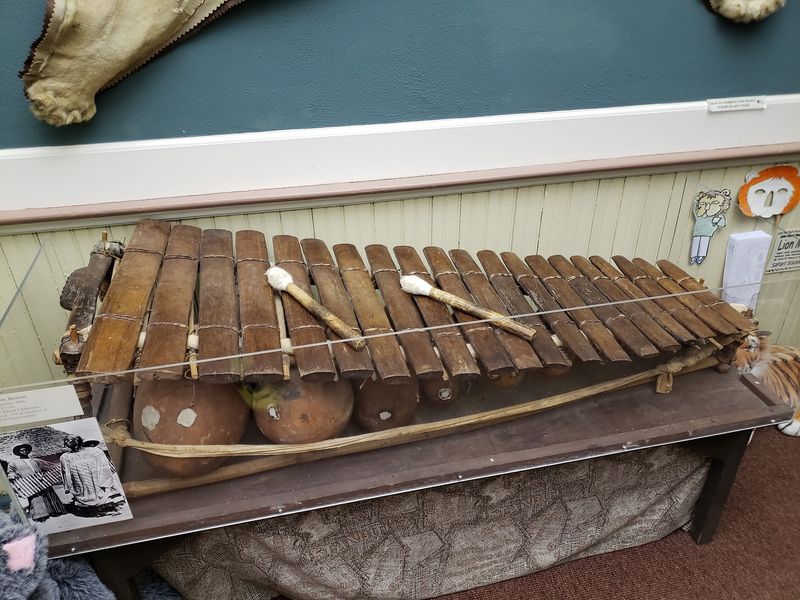
Interactive musical instruments from African cultures are available to touch and play, and the gong in particular tends to get enthusiastic use from visitors of all ages. These hands-on elements transform the experience from passive observation into active discovery, which is exactly what young learners need.
The staff is consistently praised for their warmth and patience with families, and the knowledgeable curator has a talent for explaining complex cultural history in ways that resonate with children and adults equally. Kids who arrive skeptical often leave asking questions that carry the conversation well into the drive home. That kind of lasting curiosity is the real prize, and it’s better than any souvenir from the gift shop.
Osa’s Resilience and the Legacy She Carried Forward Alone
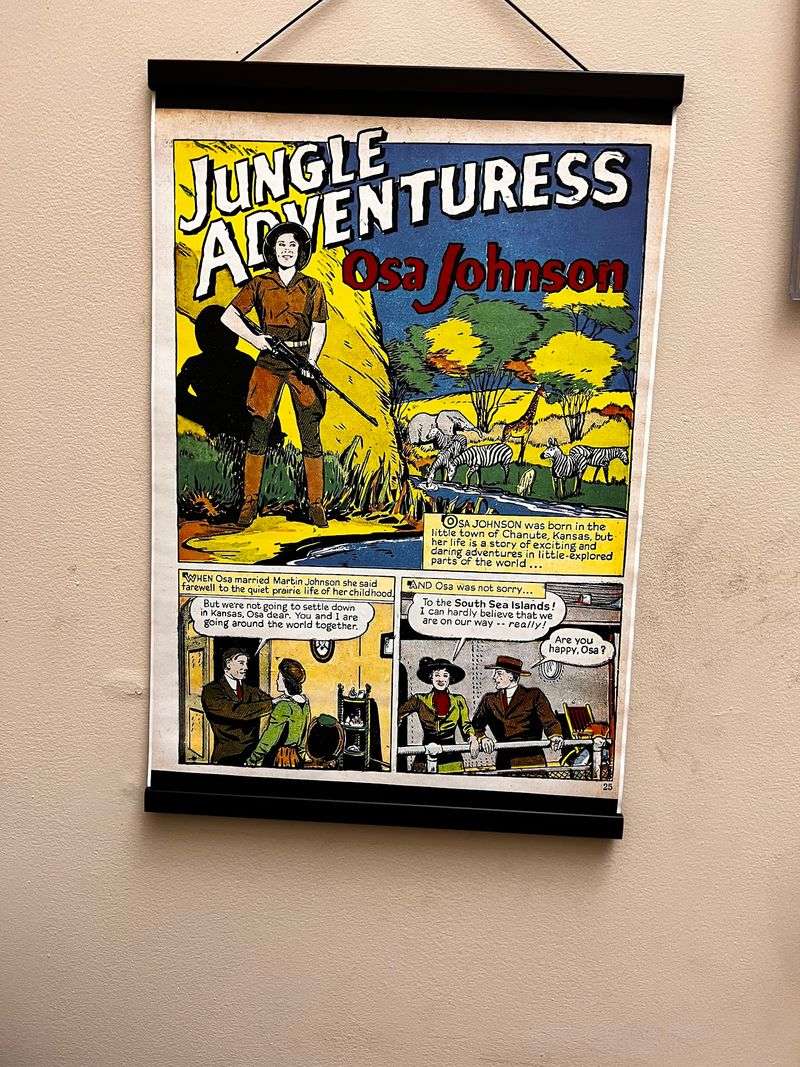
Martin Johnson’s life was cut short in 1937 following a commercial plane crash, an event that also left Osa seriously injured. Most people would have retreated from public life after such a trauma, but Osa Johnson was not most people.
She continued writing books, producing films, and leading new expeditions on her own, demonstrating a resilience that matched the adventurous spirit she had shown throughout their marriage. Her entrepreneurial drive also led her to design a sports fashion line called “Osafari,” which reflected her signature style and her enduring connection to the world of exploration.
Perhaps most impressively, Osa pioneered wildlife programming on television, producing “Osa Johnson’s The Big Game Hunt” a full eight years before the iconic “Mutual of Omaha’s Wild Kingdom” ever aired. She passed away in 1953, and both she and Martin are laid to rest in Chanute, permanently connected to the Kansas town that gave them their start. Their graves are as much a part of the legacy as the museum itself.
Practical Tips for Planning Your Visit to Chanute
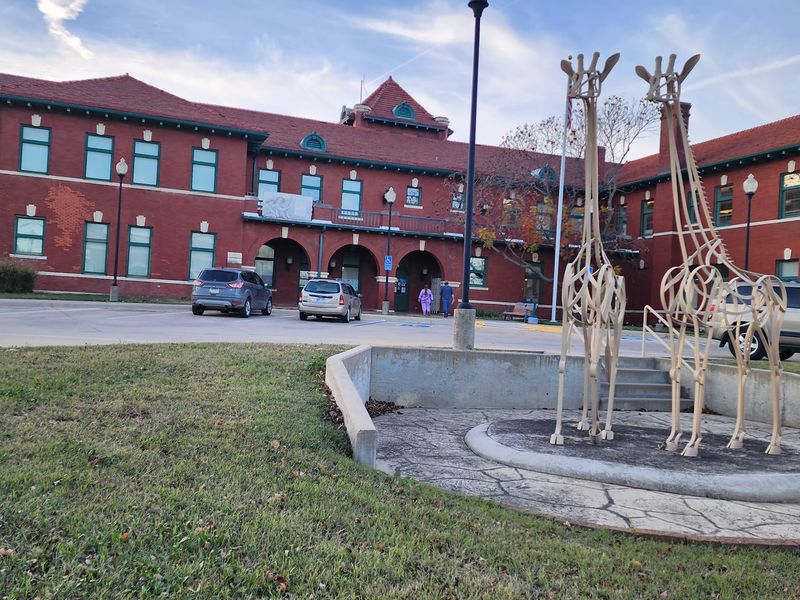
Getting to Chanute is more straightforward than you might expect. The town sits approximately two hours from Kansas City, Wichita, and Tulsa, making it a very reasonable day trip or a natural stop on a longer road journey through the region.
The museum is open Tuesday through Saturday, from 10 AM to 5 PM, and is closed on Sundays and Mondays. General admission is typically $6 for adults, with discounted rates for seniors, students, and children, though free admission periods have been offered through special programs, so checking the website at safarimuseum.com before your visit is always a smart move.
The entire building is accessible to visitors with disabilities, and the staff is genuinely helpful in making the experience work for everyone. Osa’s Ark Museum Store carries unique souvenirs worth browsing, and nearby parks offer good spots for a picnic if you want to extend your outing. The museum’s phone number is 620-431-2730 for any questions before you arrive.
Share this story