Kansas is one of North America’s most important bird migration destinations, with wetlands that attract everything from towering whooping cranes to thousands of ducks, geese, pelicans, and shorebirds. Located along the Central Flyway, the state provides essential resting and feeding grounds for birds traveling between Canada and the Gulf Coast.
From internationally recognized wetlands to peaceful wildlife refuges and quiet marshes, these Kansas birdwatching spots offer incredible opportunities to observe migrating birds. Bring binoculars, check seasonal conditions, and discover a surprisingly wild side of the Sunflower State.
1. Cheyenne Bottoms Wildlife Area, Great Bend, Kansas
Cheyenne Bottoms covers about 41,000 acres of natural sinkhole basin, making it the largest inland marsh in the United States. In 1988 it was named a Wetland of International Importance, a label shared by only a few dozen places in the country.
The state manages roughly 20,000 acres of the basin, divided into pools that staff can flood or drain. Water levels shift with rain and management, so the birds you see in April may look very different from the birds you see in September.
Spring migration is the headline act. Biologists estimate that a large share of North American shorebirds passing through the middle of the continent stop here to feed.
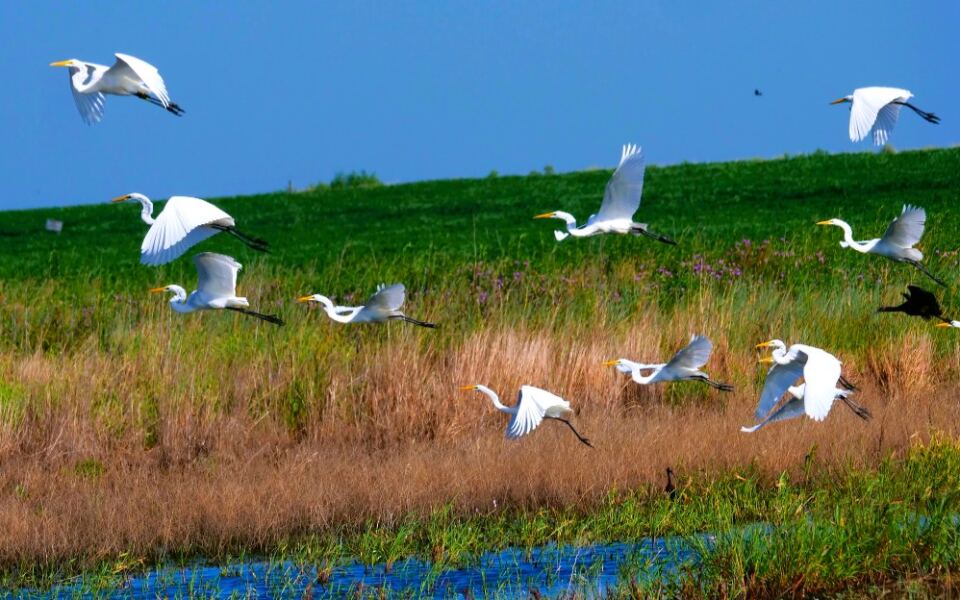
Sandpipers, plovers, and avocets crowd the mudflats, while herons and egrets wade in deeper water. Sandhill cranes and many duck species add to the list during spring and fall.
Drive the designated roads slowly and use your car as a bird blind. Birds often tolerate a parked vehicle better than a person on foot.
Before you go, stop by the nearby Kansas Wetlands Education Center for maps and recent sightings. Staff there can point you toward the pools holding water that week.
2. Quivira National Wildlife Refuge, Stafford, Kansas
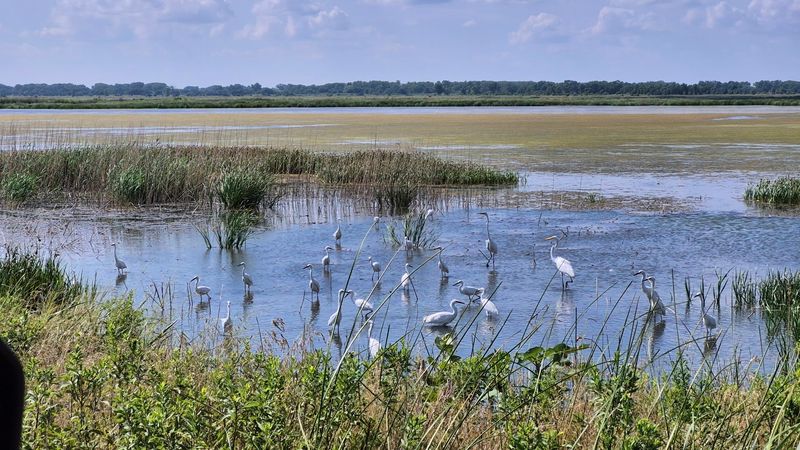
Salt in the middle of Kansas sounds like a mistake, yet natural salt deposits underground give Quivira its saline marshes. Established in 1955, the refuge covers about 22,000 acres of marsh, sand prairie, and grassland.
The two main features are the Little Salt Marsh and the Big Salt Marsh. Between them, shallow pools and flats attract waterfowl, shorebirds, and wading birds through much of the year.
Quivira is known for hosting endangered whooping cranes during spring and fall migration. Sightings are never promised, but refuge staff often share updates when the cranes are present.
Thousands of sandhill cranes, geese, and ducks are more dependable visitors. In summer, look for American avocets, snowy plovers, and black-necked stilts nesting near the water.
The Wildlife Drive near the Big Salt Marsh lets you scan the marsh from your car. Pull fully off the road when you stop, since other birders will be creeping along too.
Quivira was also named a Wetland of International Importance in 2002. Pair it with Cheyenne Bottoms, about an hour away, for a full day of wetland birding.
3. Kirwin National Wildlife Refuge, Kirwin, Kansas
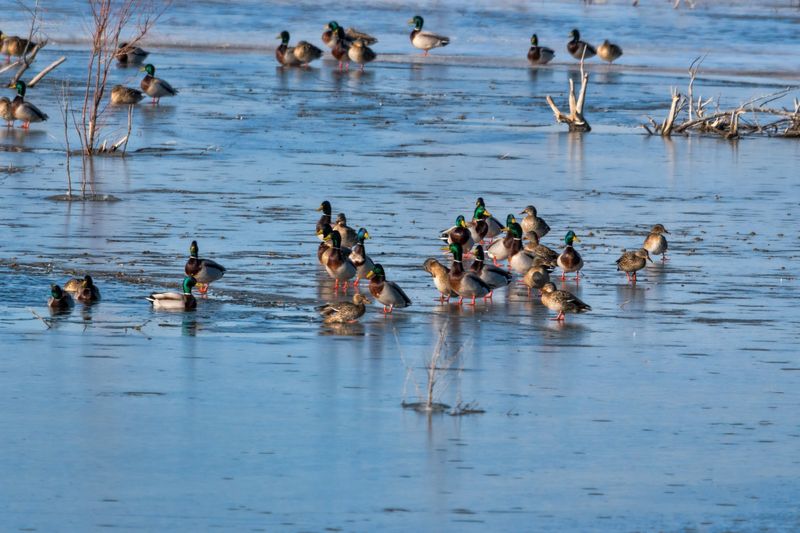
Back in 1954, Kirwin became the first national wildlife refuge established in Kansas. It surrounds Kirwin Reservoir on the North Fork of the Solomon River in the north-central part of the state.
The refuge covers roughly 10,700 acres of open water, mixed-grass prairie, cropland, and wooded draws. That mix means you can watch geese on the water and then turn around to find meadowlarks in the grass.
Fall and early winter are prime time for waterfowl. Large numbers of Canada geese, mallards, and other ducks rest on the reservoir before heading farther south.
Bald eagles often follow the waterfowl in winter. Scan the tall cottonwoods along the shoreline, since eagles like a perch with a clear view of breakfast.
Kirwin has an auto tour route and several hiking areas, plus a prairie dog town that keeps the hawks interested. Some areas close seasonally to protect wildlife, so watch for posted signs.
Crowds are rarely a concern out here. Bring snacks and a full tank of gas, because services in the surrounding small towns are limited.
4. Flint Hills National Wildlife Refuge, Hartford, Kansas
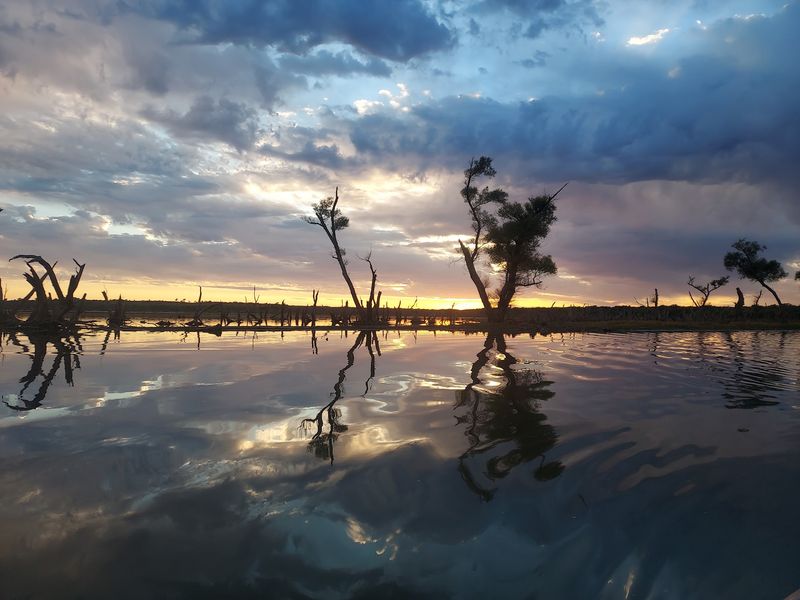
Despite the name, this refuge sits in the Neosho River valley rather than up in the rocky Flint Hills. It was established in 1966 on land connected to John Redmond Reservoir.
About 18,000 acres of wetlands, grasslands, cropland, and river-bottom forest make up the refuge. The Neosho and Cottonwood rivers shape the landscape and feed the marshes that birds rely on.
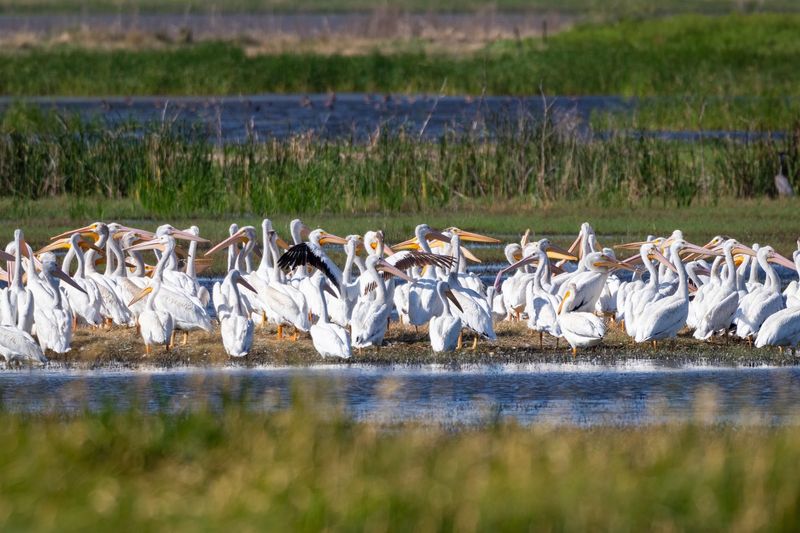
During fall and spring migration, ducks and geese gather on managed wetlands. American white pelicans sometimes pass through in big groups, which is a fun surprise for first-time visitors.
The wooded areas reward patient birders with woodpeckers, warblers, and other songbirds. Spring mornings in May are a good bet for spotting colorful migrants moving north.
Hiking trails and public roads give you several ways to explore. Water levels change with the reservoir, so some areas may look like lakes one month and mudflats the next.
Mudflats are not a bad thing, though. When water drops, shorebirds often move in to pick through the exposed ground for food.
5. Marais des Cygnes National Wildlife Refuge, Pleasanton, Kansas
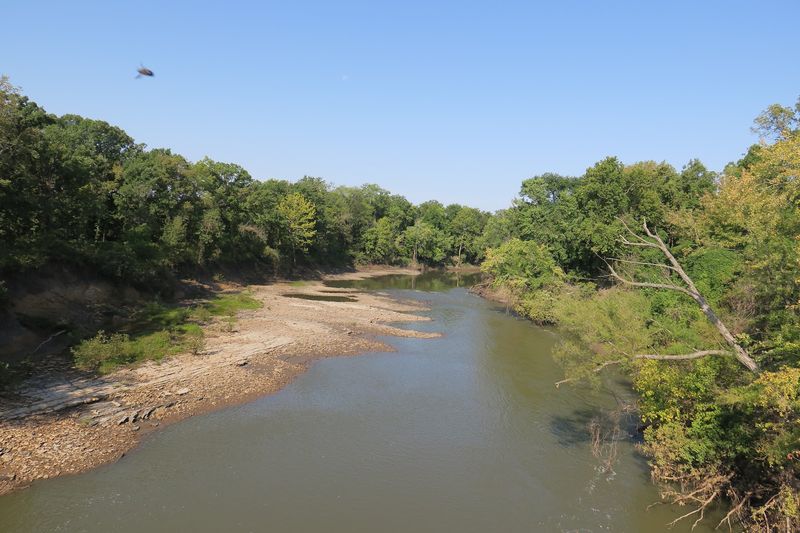
Ask most people to describe Kansas, and tall oak and pecan forests probably won’t come up. This refuge protects some of the largest remaining bottomland hardwood forest in the state.
Established in 1992, the refuge lies along the Marais des Cygnes River near the Missouri border. Its habitats include river-bottom woods, wetlands, and tallgrass prairie.
The name comes from French and means “marsh of the swans.” Swans are not regular residents today, but ducks and geese do use the wetlands during migration.
Woodland birds are the real draw for many visitors. Eastern Kansas sits near the western edge of many forest species, so you may find birds here that are hard to see farther west.
Spring warblers, woodpeckers, and barred owls are good targets. Early mornings in late April and May tend to be the most active for songbirds.
Parts of the refuge are closed as sanctuary areas, so check signs and maps before heading down a trail. Insect repellent is also smart here, since bottomland forests and ticks are old friends.
6. Neosho Wildlife Area, St. Paul, Kansas
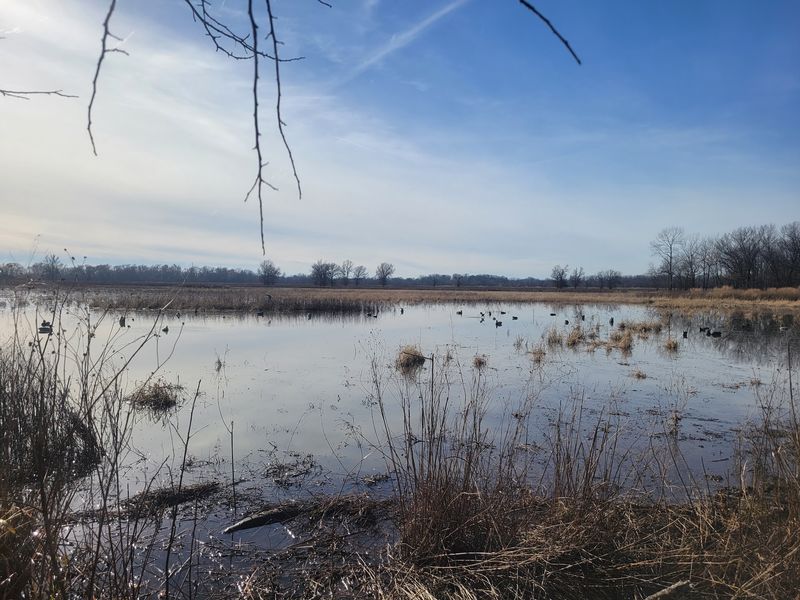
Dozens of managed marsh pools spread across Neosho Wildlife Area in southeastern Kansas. The state developed the area in 1960, specifically to give waterfowl places to rest and feed.
The property covers about 3,200 acres along the Neosho River. Staff control water in the pools, so the habitat shifts with the seasons and the needs of migrating birds.
Ducks are the main attraction during fall and spring migration. Teal, mallards, gadwalls, and wood ducks are among the species birders commonly look for.
Herons, egrets, and other wading birds use the shallow pools in warmer months. Shorebirds may also show up when water is drawn down and mudflats appear.
A refuge pool is closed to entry during waterfowl season, and posted rules matter here. Hunting also happens on parts of the property, so bright clothing is a sensible choice in fall.
A spotting scope helps a lot, since many birds stay out in the middle of the pools. Exact parking and access points change by unit, so grab the area map before you arrive.
7. McPherson Valley Wetlands Wildlife Area, McPherson, Kansas
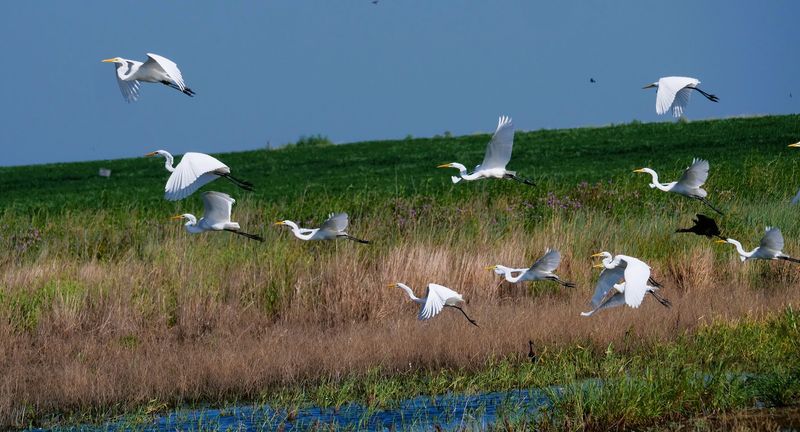
Long before farming changed the land, this valley held a broad natural wetland system. Today the state is working to restore part of it as McPherson Valley Wetlands.
The area contains dozens of wetland pools spread across three main units. Two of them, Big Basin Marshes and Chain of Lakes, are good starting points for birders.
Spring is a great time to visit. Many shorebirds and ducks arrive in breeding plumage, so birds that look plain in fall show off bolder colors.
Whooping cranes have been recorded here during migration. Treat any sighting as a bonus, since these rare birds stop where conditions suit them that week.
The wetlands depend on rain and groundwater, and dry years can shrink the pools. Checking recent conditions with the state wildlife office can save you a disappointing drive.
Roads crisscross the area, letting you hop between pools with short walks. Keep a field guide handy, because shorebirds in spring can be tricky to tell apart at a distance.
8. Jamestown Wildlife Area, Jamestown, Kansas
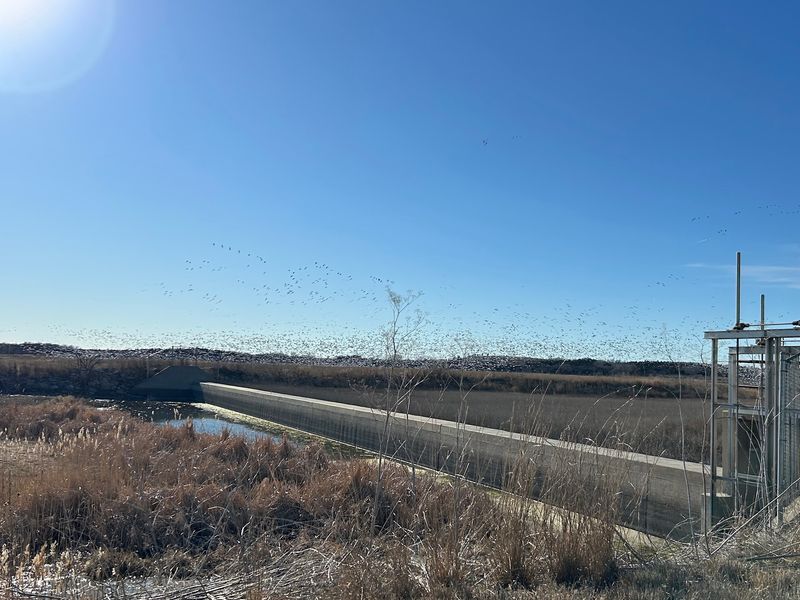
A hilltop platform called Florell Hill gives birders a wide view over Gamekeeper Marsh. Height matters on flat wetlands, and this spot lets you scan a lot of water without walking far.
Jamestown Wildlife Area sits in north-central Kansas and includes shallow marshes and surrounding uplands. It serves as a stopover along the Central Flyway for birds moving between northern breeding grounds and southern wintering areas.
Migration starts earlier than many people expect. Shorebirds and some waterfowl begin showing up in late summer, and the mix of species keeps changing into winter.
Ducks and geese can gather in big numbers during fall. Bald eagles sometimes follow them, so look up as often as you look at the water.
Wetland renovation work has taken place here, and that can change which areas hold water. Seasonal refuge closures also limit access during parts of the year.
Calling ahead or checking the state wildlife website before a trip is worth the few minutes. Once you’re on the platform, give yourself time to let birds settle and move into view.
9. Slate Creek Wildlife Area, Oxford, Kansas
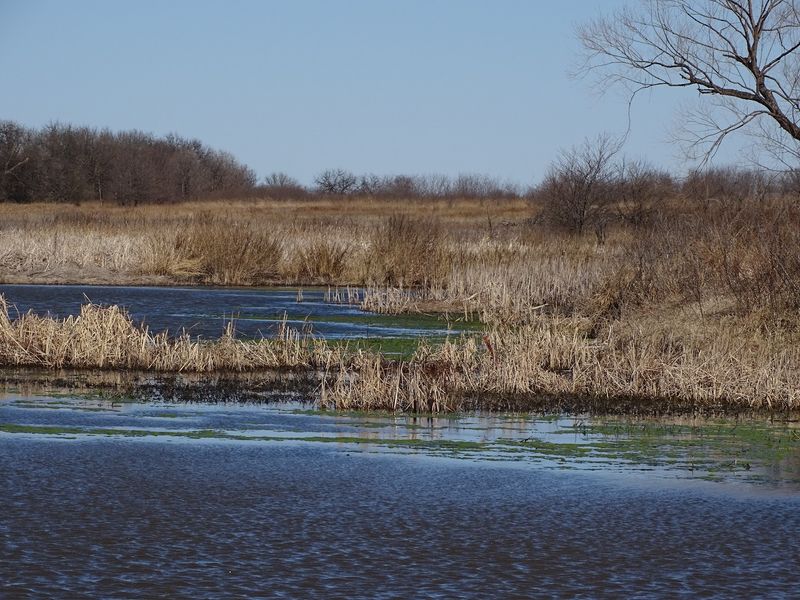
At just 947 acres, Slate Creek is small enough to explore in a single morning. It sits in Sumner County in southern Kansas, a short drive from Wichita.
The property mixes salt marsh, grassland, and creek drainage. Those habitats sit close together, so wetland birds and prairie birds can show up within the same short walk.
A small observation tower gives you a raised spot to look over the area. It’s a handy place to set up a scope and wait for activity.
Look for ducks and shorebirds on the wet ground during migration. In the grasslands, sparrows, meadowlarks, and hawks are common targets.
Slate Creek is listed by the state for bird photography and hiking. Its modest size makes it a good choice for beginners who want to practice without driving miles of roads.
Visit after rain if you can, since salt marshes depend on water to attract birds. Wear boots that can handle mud, because the best spots may not be dry.
10. Cheney Wildlife Area, Pretty Prairie, Kansas
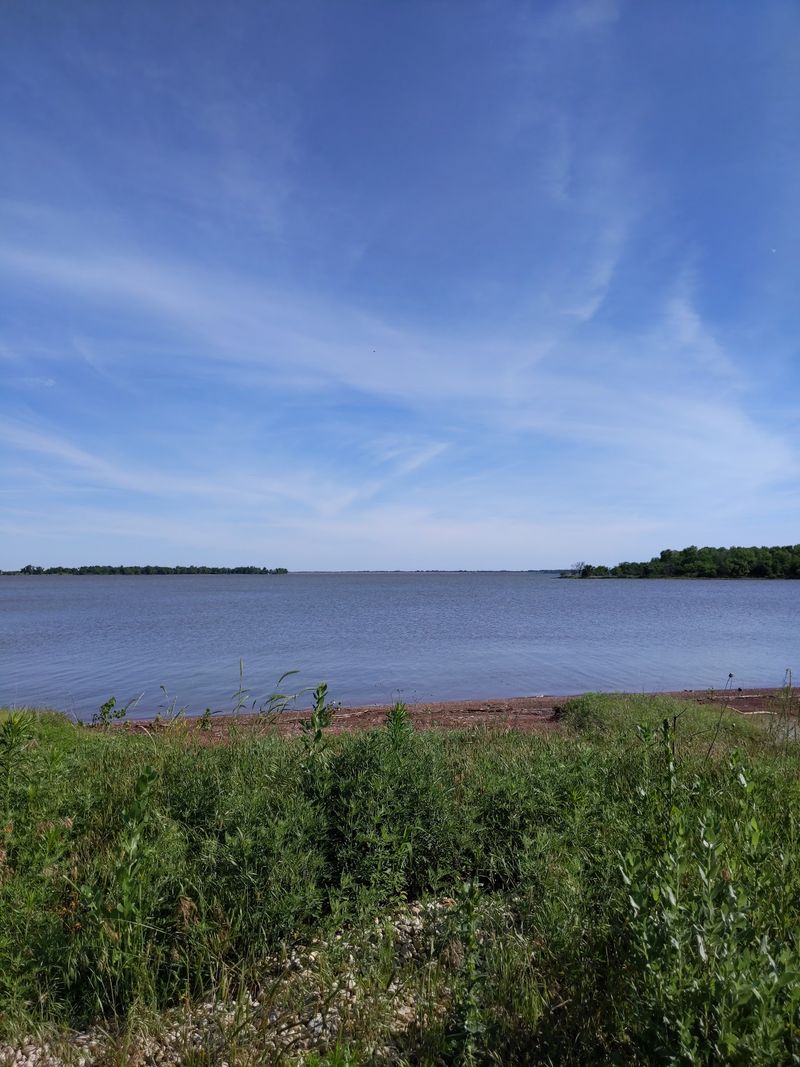
Cheney Reservoir supplies water to Wichita, and the wildlife area wraps around its upper end. That location puts big open water, prairie, and wooded creeks within one stretch of public land.
The wildlife area covers roughly 5,000 acres along the North Fork of the Ninnescah River. Shoreline, grassland, and stream corridors each attract different groups of birds.
Watch the reservoir for gulls, grebes, and loons during migration and winter. American white pelicans often gather on Cheney in spring and fall, and they’re hard to miss.
Grasslands nearby support sparrows, meadowlarks, and hunting hawks. Northern harriers glide low over the fields in winter, looking for rodents.
Maintained access roads and designated parking areas make it fairly easy to move around. Several shoreline spots let you scan the water without a long hike.
Wind can be strong across the reservoir, so bring a jacket even on sunny days. A spotting scope also helps with distant birds resting far out on the water.
11. Baker University Wetlands, Lawrence, Kansas
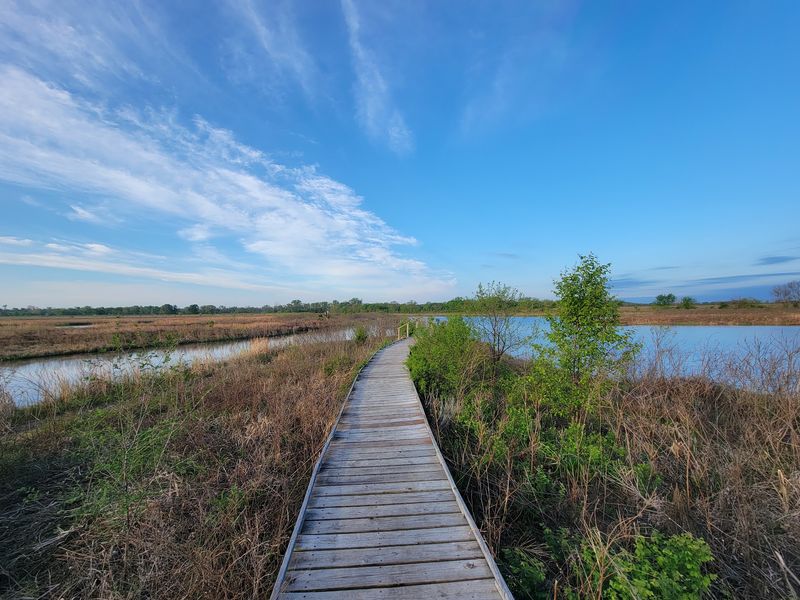
Here’s a birding spot owned by a university and open to the public on foot. Baker University has protected these wetlands south of Lawrence since 1968.
The site covers about 927 acres of marsh, open water, and restored prairie. Much of the wetland was rebuilt from farmland, giving birds habitat that had been missing for decades.
More than 10 miles of trails and boardwalks wind through the property. You can walk right into the marsh instead of watching from a car window.
Red-winged blackbirds, herons, and ducks are common sights. During migration, rails, bitterns, and sparrows reward birders who move slowly and listen carefully.
The Discovery Center, which opened in 2015, has exhibits about the wetland and its wildlife. It’s a good place to start if you’re new to birding or visiting with kids.
Being close to town makes this an easy early morning outing. Bikes and dogs are not allowed on the trails, so plan on a peaceful walk with just your binoculars.
Share this story