Some rock bands become so popular that hating them almost becomes its own trend. Whether it is overexposure, changing sounds, or just the way meme culture works, certain bands get piled on in ways that have little to do with their actual music.
The criticism can feel satisfying in the moment, but it often misses the real picture. This list takes a closer look at 17 classic rock bands that get more grief than they deserve, and makes the case that the hate has gone a little too far.
Nickelback
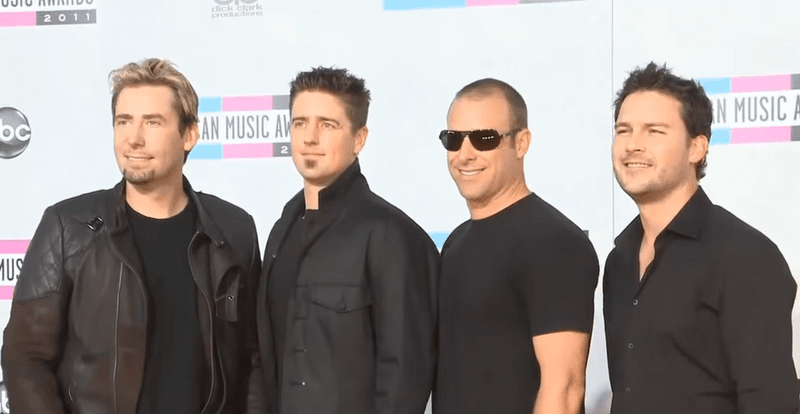
Few bands in rock history have absorbed as much mockery as Nickelback, and most of that mockery has almost nothing to do with their actual music. The criticism is familiar: too formulaic, too polished, too radio-friendly.
But “How You Remind Me” became one of the defining rock singles of the early 2000s for a reason.
Nickelback understood something many bands never figure out: simplicity, when done right, is powerful. Their choruses were built for arenas.
Their lyrics tapped into everyday frustration, heartbreak, and nostalgia in ways that connected with millions of real listeners, not just casual fans.
The band also remains active and productive. Their 2022 album Get Rollin’ showed genuine creative energy, and the documentary Hate to Love: Nickelback gave a fuller picture of who they actually are.
Their upcoming 2026 album Everything Under the Sun suggests they are far from finished.
Creed
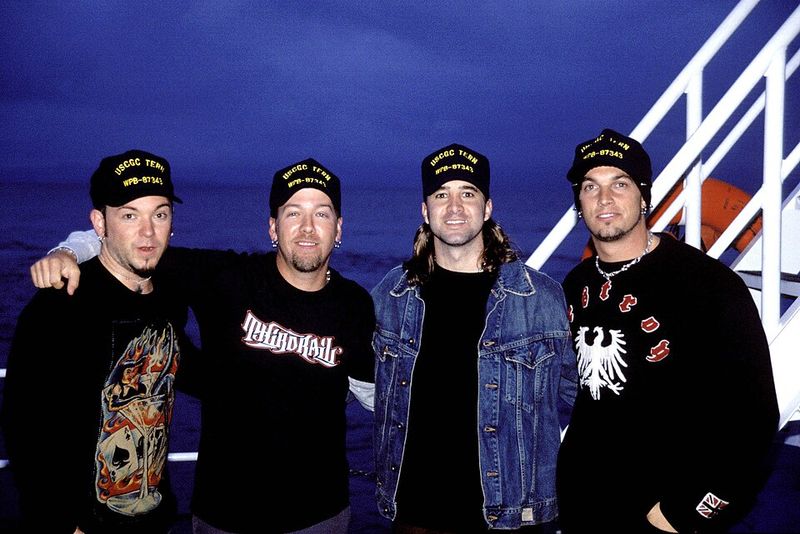
Creed became the internet’s go-to example of overwrought post-grunge, and Scott Stapp’s dramatic vocal style only made them an easier target. Their songs were big, spiritual, and emotionally earnest, which rubbed certain audiences the wrong way from the start.
But the mockery has always been louder than the music deserves. “Higher” and “With Arms Wide Open” became massive hits because they delivered real emotional lift at a time when post-grunge fans were hungry for exactly that. Mark Tremonti’s guitar work was muscular, melodic, and consistently underrated in the jokes about the band.
The riffs were never the problem. Creed’s reunion activity, including the Summer of ’99 cruise and subsequent tour coverage, showed that a loyal audience never stopped caring.
The hate may have been loud, but it clearly did not speak for everyone who ever turned up the volume on “My Own Prison.”
Limp Bizkit
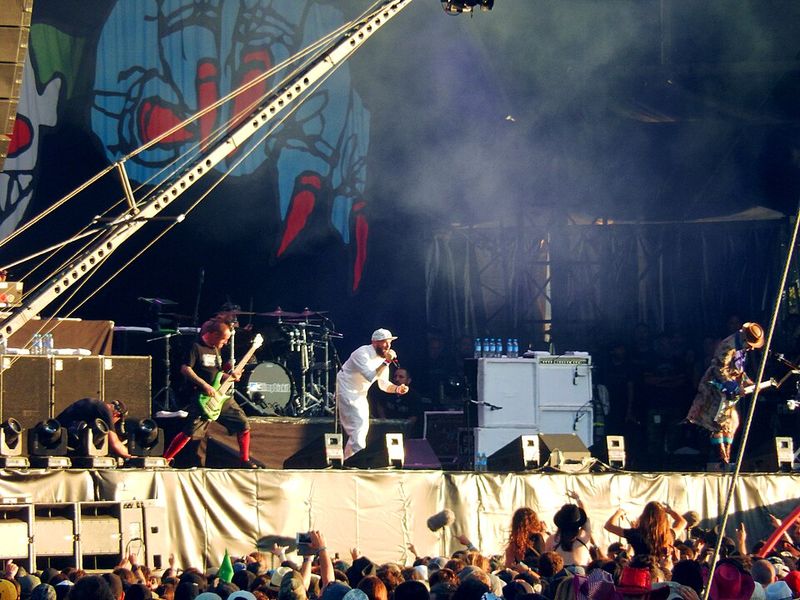
Limp Bizkit gets blamed for almost everything people disliked about the late-’90s music scene: baggy clothes, macho energy, rap-rock attitude, and the chaotic festival culture that defined that era. Fred Durst became a symbol of excess, which made the whole band easy to write off.
That reputation, though, has always overshadowed what the music actually did. “Break Stuff” captured a kind of blunt, physical frustration that few songs have matched. The band mixed hip-hop rhythm, metal riffs, and punk aggression into something that felt immediate rather than calculated.
Wes Borland’s guitar style and theatrical visual creativity also gave Limp Bizkit a genuinely strange artistic edge that most critics ignored. The band continues to tour actively, with 2026 dates listed on their official page, which means a real audience is still showing up.
The meme version of Limp Bizkit and the real band are two very different things.
U2
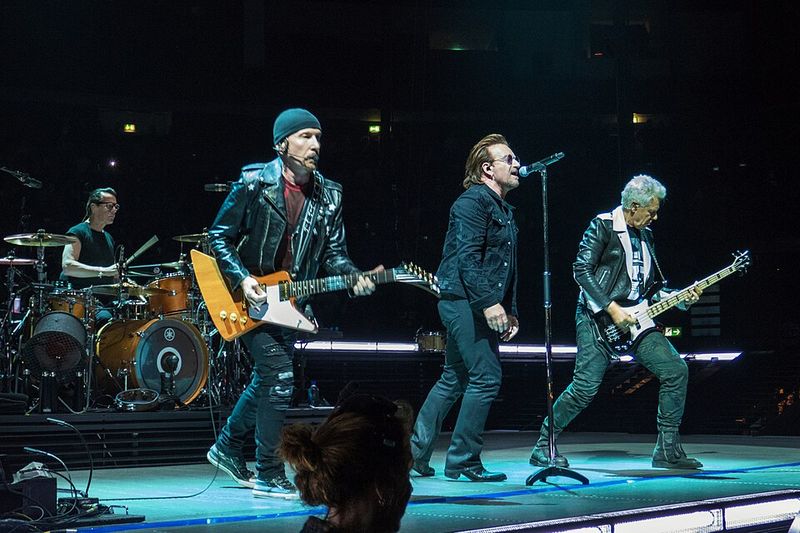
U2 are criticized for being too serious, too political, and too grand. Bono’s activism has made the band a reliable target for people who prefer their rock stars to stay quiet and play the hits.
But reducing U2 to “preachy arena rock” skips past a genuinely remarkable catalog.
The Joshua Tree and Achtung Baby remain landmark albums because they sound like a band pushing rather than coasting. U2 blended post-punk atmosphere, spiritual searching, and massive hooks in ways that few acts have replicated.
The Edge’s guitar style helped define an entire generation of rock texture, showing that restraint and space could be just as powerful as technical flash.
The band also remains creatively active. Their official site showed 2026 activity including new music updates and subscriber releases, which confirms that U2 are still engaged rather than simply cashing in on nostalgia.
The criticism says more about the era than the music.
The Eagles
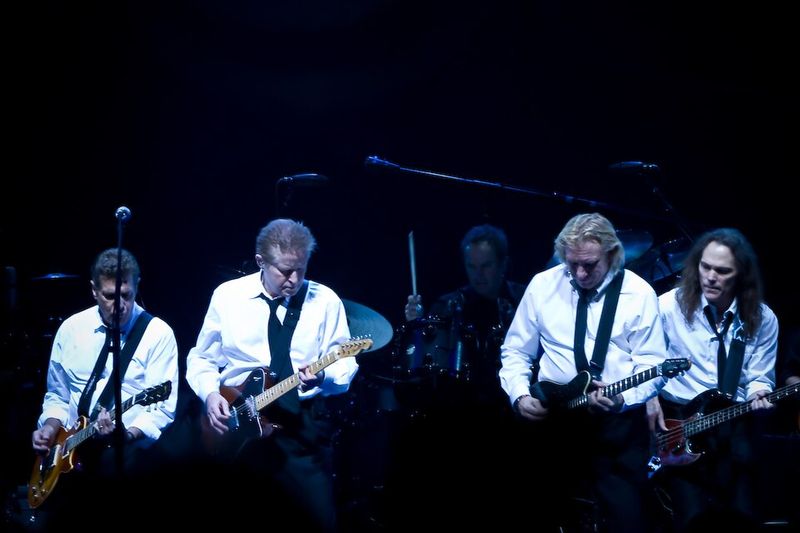
The Eagles are hated for one simple reason: they are everywhere. “Hotel California,” “Take It Easy,” and “Desperado” have been played so many times that some listeners confuse overexposure with weakness. But familiarity is not a flaw, and overexposure does not erase craftsmanship.
The Eagles mastered harmony, mood, and storytelling in ways that still feel impressive. Their best songs sit somewhere between rock, country, folk, and California pop, creating a sound that became almost impossible to separate from the 1970s. “Hotel California” remains iconic because it manages to feel mysterious, polished, and unsettling all at the same time.
Their commercial significance is hard to argue with. Their Greatest Hits 1971-1975 has been certified 40x Platinum by the RIAA, making it one of the most significant albums in American music history.
The band also continued performing through a Sphere concert run, proving their audience is still very much present.
Guns N’ Roses After the Use Your Illusion Era
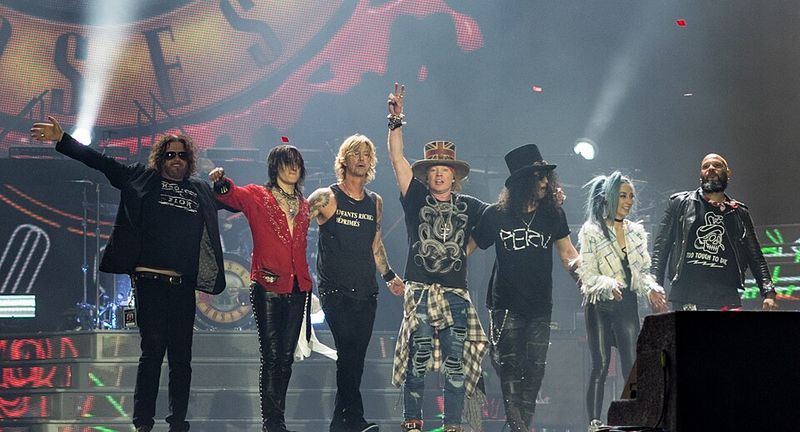
Some fans treat the Use Your Illusion albums as the end of the story and dismiss everything that followed. The long wait for Chinese Democracy, the lineup changes, and Axl Rose’s complicated public reputation all gave critics plenty of material to work with.
But the band’s story did not stop in the early 1990s. Even their later material showed ambition and a refusal to become predictable or safe.
Chinese Democracy, whatever its flaws, was a genuinely unusual major-label rock record that took real risks. When Slash and Duff McKagan rejoined the lineup, the reunion became one of rock’s biggest live events in years.
Guns N’ Roses have continued touring through 2025 and into 2026, with activity documented through official and promoter channels. The audience that showed up for those shows was not showing up out of nostalgia alone.
There is still real energy in what this band does on a stage.
Metallica After the Black Album
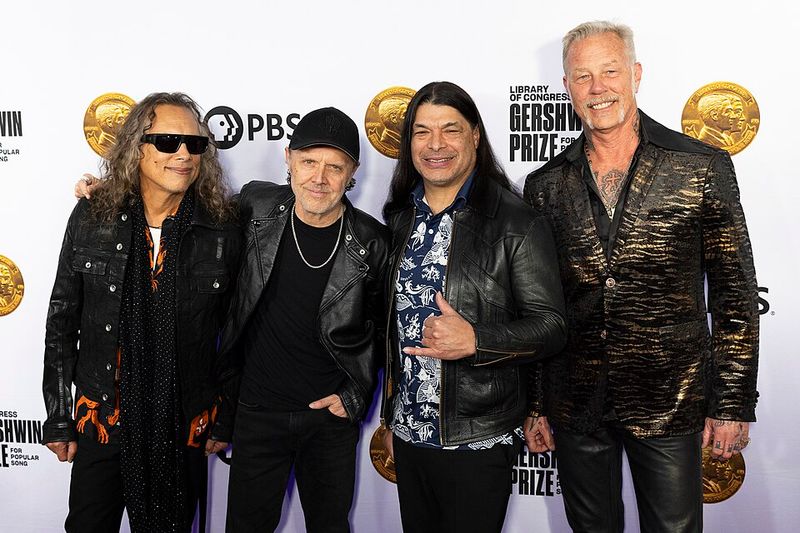
Metallica’s so-called sellout era is one of rock’s longest-running arguments. When the Black Album brought mainstream success, some older thrash fans felt genuinely betrayed.
Albums like Load, Reload, and St. Anger kept the debate alive for years, with each release drawing fresh criticism from the faithful.
But evolution is not automatically betrayal. Metallica had already proven everything they needed to prove with Kill ‘Em All, Ride the Lightning, Master of Puppets, and And Justice for All.
The Black Album simply showed they could write heavier music with broader appeal without abandoning their identity.
Later records may be uneven, but they also show a band willing to take risks rather than repeat the same formula. Metallica remain one of the most active major rock bands in the world, with M72 World Tour activity and a Sphere run announced for October 2026.
That is not a band running on fumes.
KISS
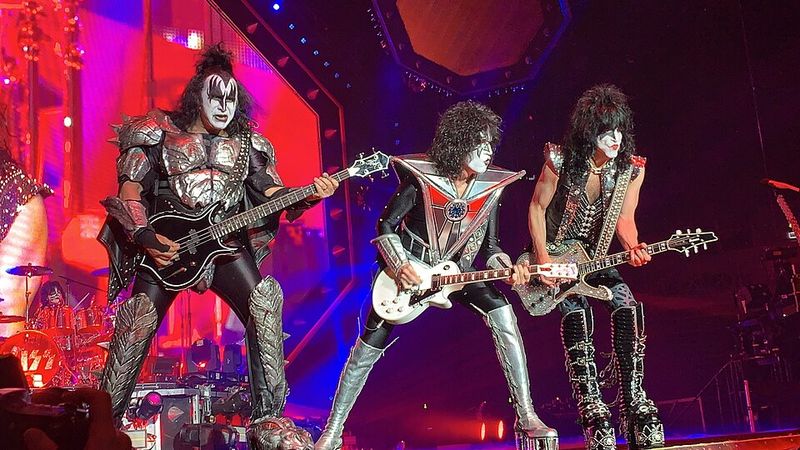
KISS are accused of being more brand than band, and that accusation has followed them for decades. The makeup, the merchandise, the comic-book personas, and the seemingly endless farewell narratives have made them an easy target for critics who prefer their rock unadorned and unbranded.
But that criticism misses how important spectacle has always been to rock history. KISS understood that a concert could be theater.
Fire, blood, costumes, platform boots, and larger-than-life characters turned their shows into events that audiences remembered for years. Their music was never trying to be subtle, and it never needed to be.
Songs like “Detroit Rock City,” “Rock and Roll All Nite,” and “Shout It Out Loud” were built for crowd participation and arena energy. KISS have since retired from traditional touring, with their final live show followed by plans for avatar-based performances.
That creative pivot shows a band still thinking forward rather than backward.
Bon Jovi
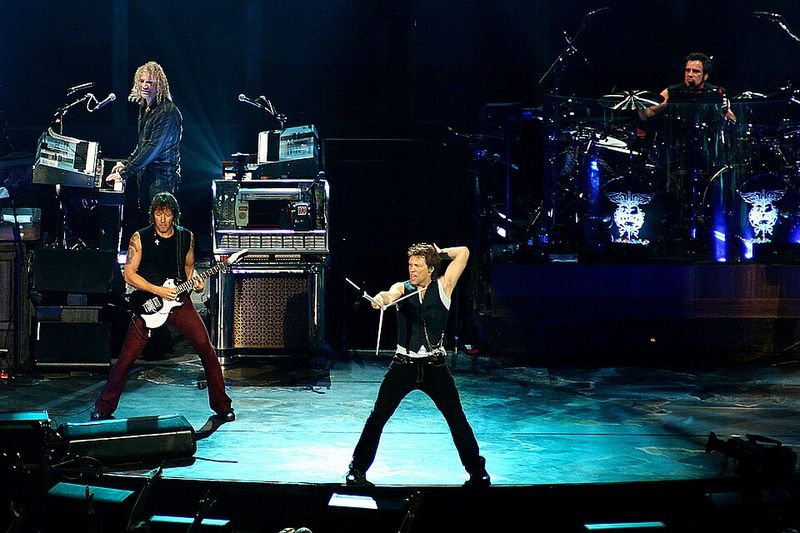
Bon Jovi’s biggest crime, according to rock purists, is being too polished. Their songs are huge, clean, emotional, and radio-ready, which has always made them a target for listeners who associate roughness with authenticity.
But that polish is exactly why they became one of the biggest rock bands of the 1980s and beyond.
“Livin’ on a Prayer” works because it combines storytelling, melody, drama, and a chorus that practically demands participation. Slippery When Wet was not an accident; it was a carefully constructed arena-rock record.
Richie Sambora’s guitar work gave the band real edge, while Jon Bon Jovi’s voice and stage presence gave them mainstream reach that most bands only dream about.
Bon Jovi returned to the stage in 2026 after Jon Bon Jovi’s vocal cord surgery, with Live Nation listings confirming tour activity. Coming back after that kind of setback takes more grit than critics usually credit this band for having.
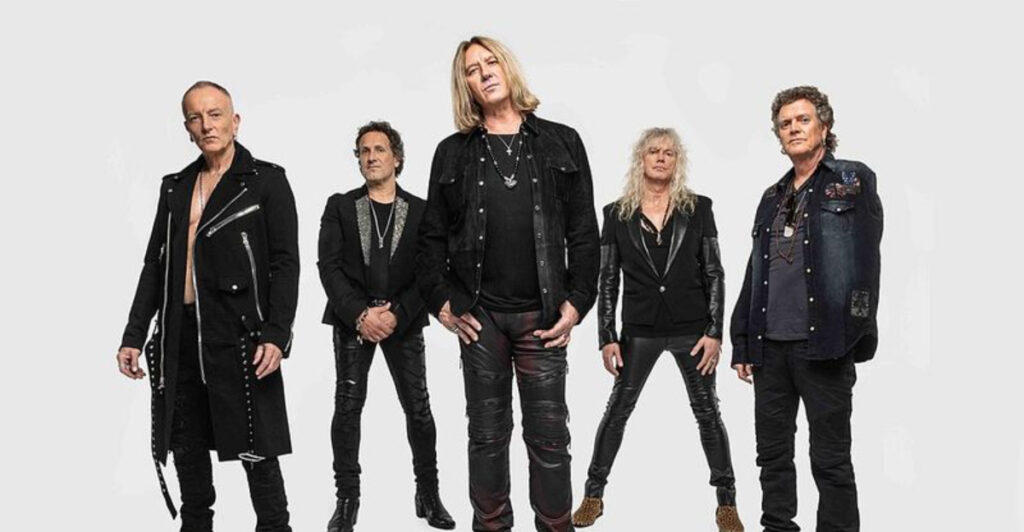
Def Leppard
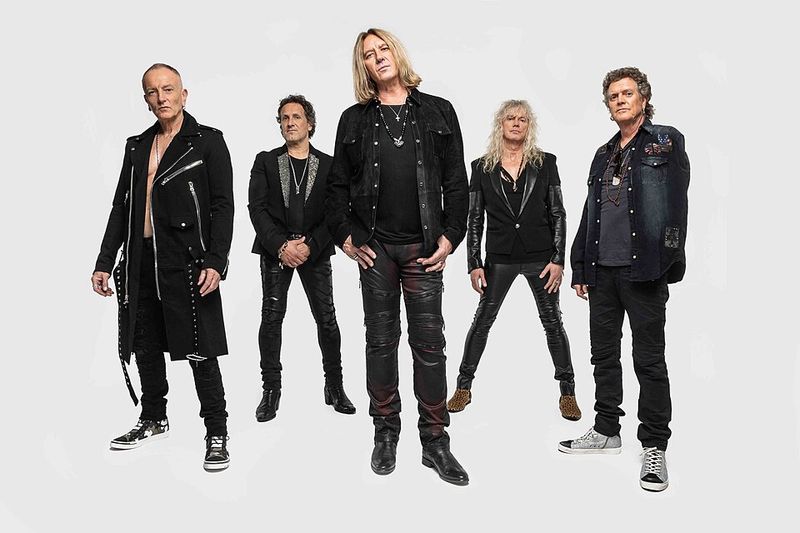
Def Leppard are sometimes dismissed as overproduced, too glossy, or too tied to the MTV era. But that criticism ignores how genuinely revolutionary their production approach actually was.
Pyromania and Hysteria helped define the sound of 1980s rock: massive drums, layered vocals, sharp guitars, and choruses built for stadiums.
Their story also carries real weight beyond the music. Drummer Rick Allen continued with the band after losing his arm in a car accident, adapting his technique and becoming one of rock’s most genuinely inspiring figures.
That kind of commitment to the craft does not fit the “glossy sellout” narrative critics prefer.
Def Leppard remain active on the road, with their official tour page showing 2026 tour information. A band that has been performing at this level for this long, through genuine hardship and changing trends, deserves more than a footnote in conversations about what 1980s rock actually meant.
Journey
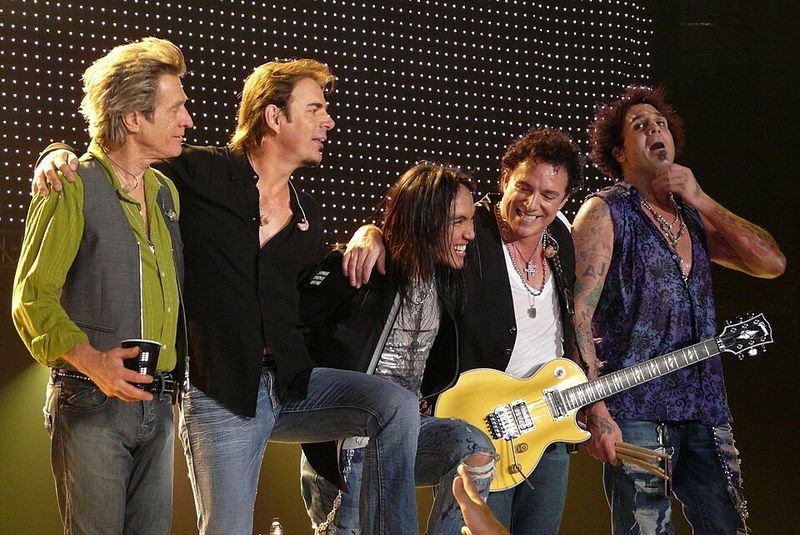
Journey are often reduced to a single song, and “Don’t Stop Believin'” has become so embedded in pop culture that it can make people forget the band was ever more than a singalong machine. Before that song became a television staple, Journey were a serious rock band with progressive roots and genuinely elite musicianship.
Neal Schon’s guitar playing gave the band real fire, and Steve Perry’s vocals gave them emotional lift that few singers in rock history have matched. Songs like “Separate Ways,” “Wheel in the Sky,” “Faithfully,” and “Any Way You Want It” show a band that understood how to balance technical ability with wide accessibility.
Journey remain active as a touring act, with Live Nation listing 2026 dates for the Final Frontier Tour. The fact that they continue drawing audiences without Steve Perry in the lineup says something about the strength of the catalog they built together across their best years.
Aerosmith After Pump
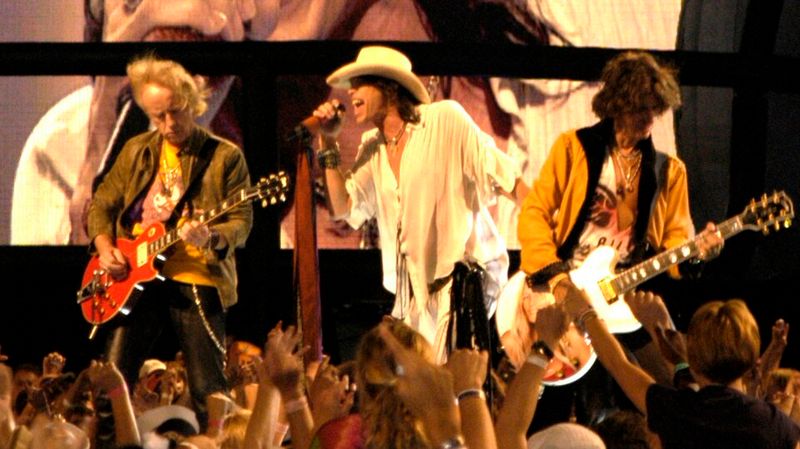
Aerosmith’s later years divide fans pretty cleanly. Some love the big ballads and MTV-era comeback hits; others prefer the rawer, looser version of the band that existed in the 1970s.
After Pump, critics often accused them of chasing pop trends rather than following their instincts.
But the post-Pump era still produced music that introduced Aerosmith to entirely new generations. Get a Grip may have been slicker than their early work, but it kept the band commercially relevant well into the 1990s, decades after most of their peers had faded.
No amount of pop polish erases their foundational influence on hard rock, blues rock, and the sleazy, swaggering American rock tradition.
Aerosmith are not currently a touring band. In 2024, the band announced the difficult decision to retire from live performance, citing Steven Tyler’s vocal injury.
That announcement, while sad, also confirmed how seriously they took their commitment to their audience for so long.
Chicago
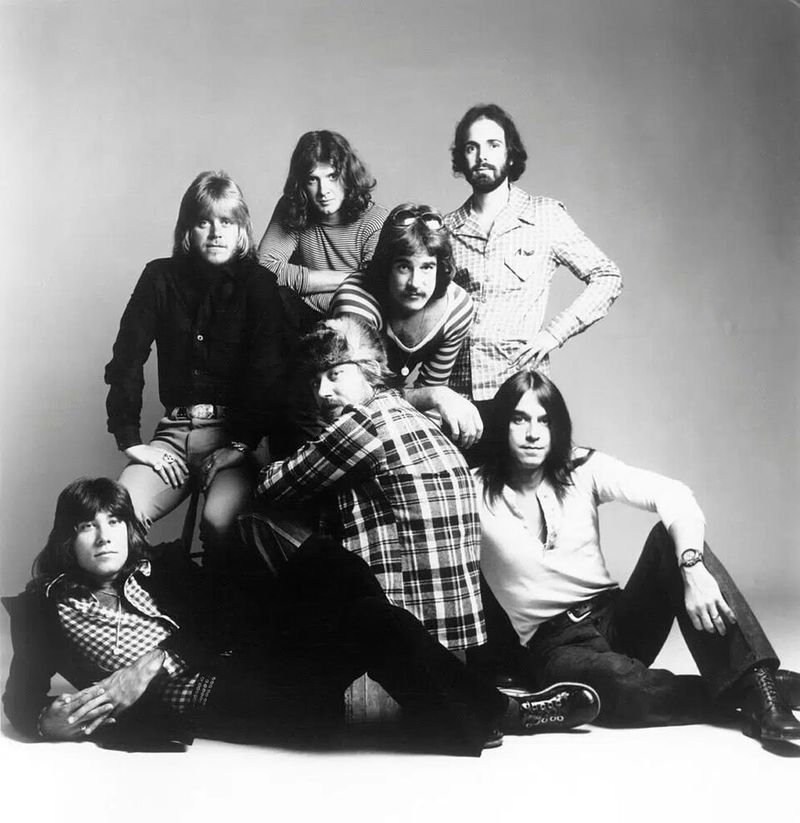
Chicago are mocked for their soft-rock ballad era, and that reputation has stuck around long enough to overshadow how adventurous they were at the start. Their early music blended rock, jazz, brass arrangements, and long-form composition in ways that had no obvious precedent in mainstream rock at the time.
Terry Kath’s guitar work earned genuine respect from fellow musicians, including Jimi Hendrix, who reportedly praised his playing. The band’s shift toward smoother pop ballads may have frustrated listeners who preferred the earlier sound, but it also kept Chicago commercially alive across multiple decades when most bands from their era had already disappeared.
Few bands manage to evolve that dramatically and still remain recognizable as themselves. Chicago are still active, with their official site listing 2026 tour dates that include The Windy Cities Tour alongside Styx.
The band formed in Chicago, Illinois, in 1967, which means they have been at this for nearly six decades.
Styx
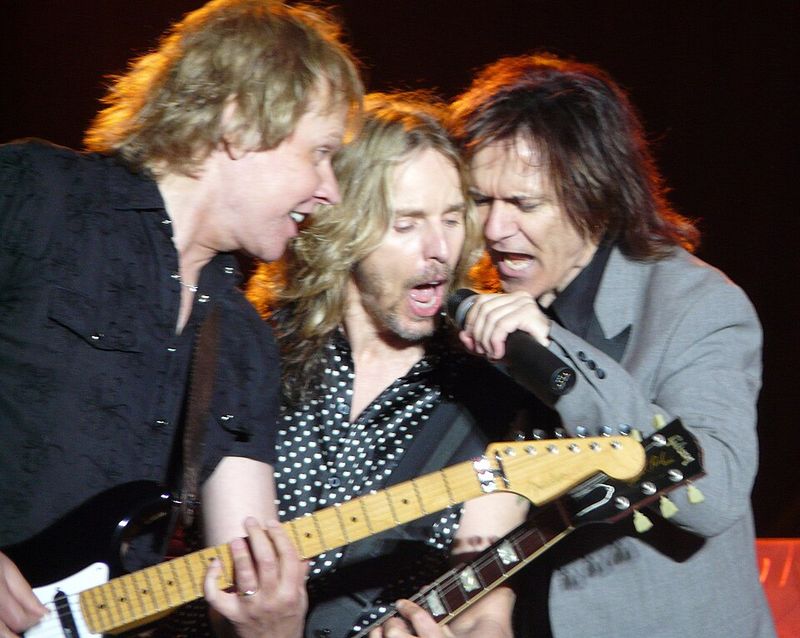
Styx are criticized for being theatrical, dramatic, and sometimes over-the-top, as if those qualities were weaknesses rather than deliberate artistic choices. But that theatrical energy is also what made them stand out in a crowded rock landscape where plenty of bands were just playing it straight.
Albums like The Grand Illusion and Paradise Theatre showed a band genuinely interested in concept, arrangement, and performance. Their songs could be grandiose, but they were also carefully constructed and packed with hooks that held up long after the drama faded. “Come Sail Away” alone demonstrates how effectively Styx could move from quiet, reflective opening to full arena-rock release within a single track.
Styx remain active on the road, with 2026 touring activity that includes The Windy Cities Tour alongside Chicago. A band still drawing audiences at this level, on the strength of original material rather than nostalgia alone, has clearly been doing something right all along.
Motley Crue
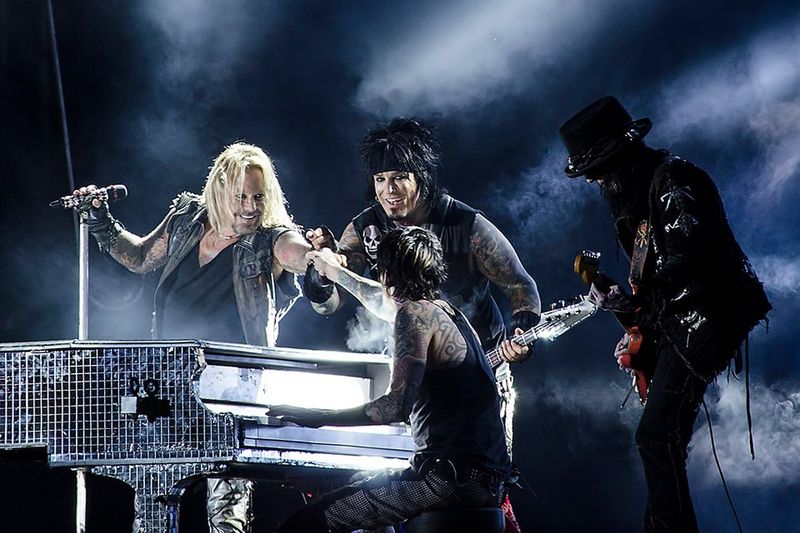
Motley Crue are criticized for almost everything that made them famous: the excess, the image, the chaos, and the danger. They became symbols of hair metal’s most reckless impulses, which has made them easy to dismiss as style over substance for anyone who prefers their rock measured and serious.
But their best albums are sharper than the stereotype suggests. Shout at the Devil and Dr. Feelgood are not just party records; they are tightly crafted hard-rock albums with attitude, hooks, and a clear sense of identity.
They captured the dark, reckless side of Los Angeles glam metal better than almost any other band working in that space during that era.
Motley Crue remain active live, with their official site announcing a 2026 North American tour celebrating the 20th anniversary of Carnival of Sins and the band’s 45th anniversary. Bands with no real substance do not usually last 45 years while still filling venues.
Poison
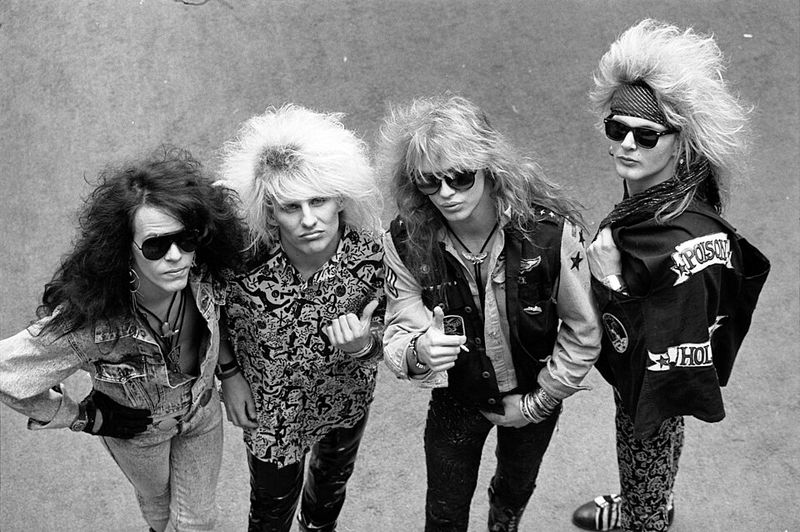
Poison are often treated like the cartoon version of hair metal: bright clothes, big hair, catchy choruses, and party-first lyrics that never pretended to be anything deeper. That image made them easy to dismiss, especially once grunge arrived and changed the conversation about what rock was supposed to look and sound like.
Not every rock band needs to be dark, complex, or tortured to matter, though. Poison’s real strength was uncomplicated fun.
They wrote songs that were easy to sing, easy to remember, and perfectly suited to the glam-metal moment they helped define. “Every Rose Has Its Thorn” also proved they could slow things down and deliver something genuinely emotional without losing their identity.
Poison’s full-band touring activity has been more limited recently, but Bret Michaels has publicly expressed enthusiasm about potential reunion activity with the other members. That ongoing interest in the band’s legacy shows the connection between Poison and their audience has never fully faded.
Phil Collins Solo and Genesis After Peter Gabriel

Few artists have been reevaluated quite as publicly as Phil Collins. For years, he was treated as the face of safe adult-contemporary pop, and Genesis after Peter Gabriel was dismissed by fans who preferred the band’s earlier progressive-rock identity.
The backlash became almost reflexive, a cultural habit rather than a genuine musical judgment.
Collins was a brilliant drummer long before he became a pop superstar, and his contributions to Genesis as both a drummer and vocalist were central to the band’s evolution. The post-Gabriel era produced smart, melodic, commercially powerful music that succeeded on its own terms.
Invisible Touch may not sound like early Genesis, but it was never trying to.
Collins’ solo career blended pop, soul, rock, and atmospheric production in ways that continue to influence artists working today. Neither Genesis nor Collins is currently active as a touring act.
Collins has not performed live since The Last Domino? Tour wrapped in March 2022, with 2026 reports confirming his retirement from touring due to health reasons.
Share this story