Sports can be thrilling, but sometimes they turn terrifying in an instant. From cardiac arrests on the field to fiery crashes and violent attacks, some athletes have faced life-or-death situations that left the world holding its breath.
What makes these stories remarkable is not just the survival, but the courage and resilience these men and women showed in the aftermath. Here are 15 athletes who lived through some of the most frightening moments in sports history.
1. Damar Hamlin
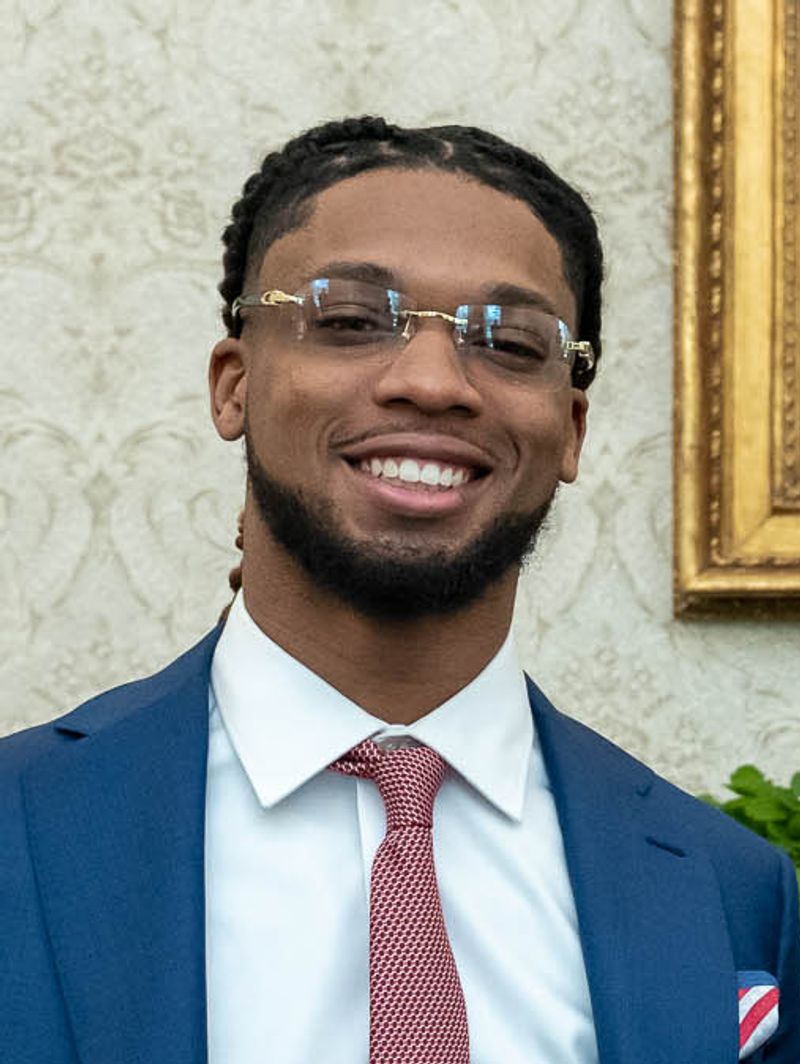
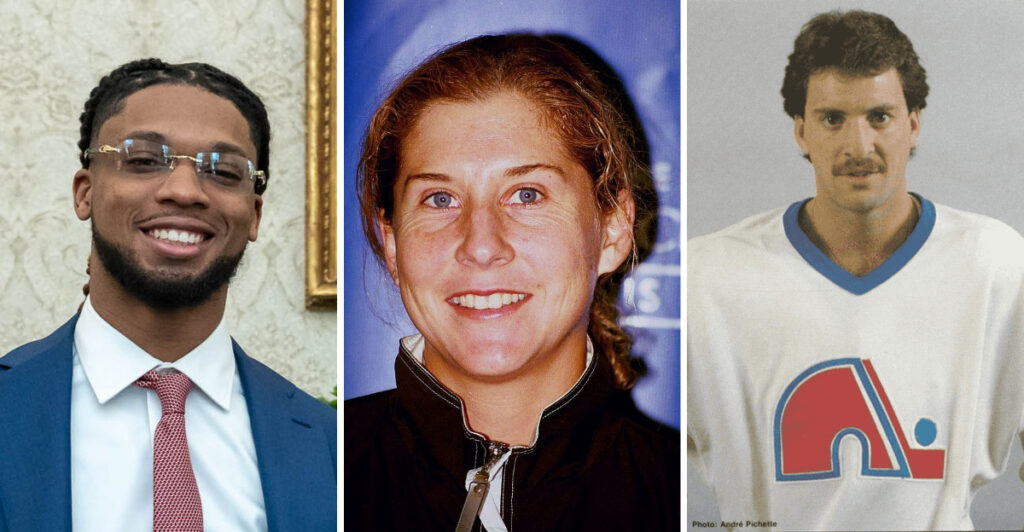
On January 2, 2023, the world watched in shock as Buffalo Bills safety Damar Hamlin collapsed on the field after making a tackle against the Cincinnati Bengals. His heart had stopped.
Medical personnel rushed in immediately, performing CPR and using a defibrillator right there on the field in front of millions of viewers.
The game was suspended, and teammates knelt in prayer as Hamlin was rushed to the hospital. He spent days in intensive care before doctors confirmed he was recovering well.
The outpouring of support from fans and fellow athletes was extraordinary.
Hamlin was discharged and later returned to the NFL, suiting up for the Bills in the 2023 season. His story became a powerful reminder of how quickly life can change and how fast a team of trained medical professionals can make the difference between life and death.
2. Christian Eriksen

Few moments in soccer history were as frightening as June 12, 2021, when Danish midfielder Christian Eriksen collapsed during a Euro 2020 group stage match against Finland. He dropped to the ground with no warning, and his teammates immediately formed a protective circle around him as medical staff performed CPR.
Eriksen had suffered a cardiac arrest. Broadcast cameras caught the panic on the faces of players and fans alike.
His teammate Simon Kjaer acted quickly, keeping Eriksen in a safe position and supporting his wife in the stands.
Doctors successfully resuscitated him, and Eriksen was fitted with an implantable cardioverter-defibrillator. Remarkably, he returned to professional soccer, joining Manchester United and continuing to play at a high level.
His recovery remains one of the most uplifting comebacks in the history of the sport.
3. Romain Grosjean
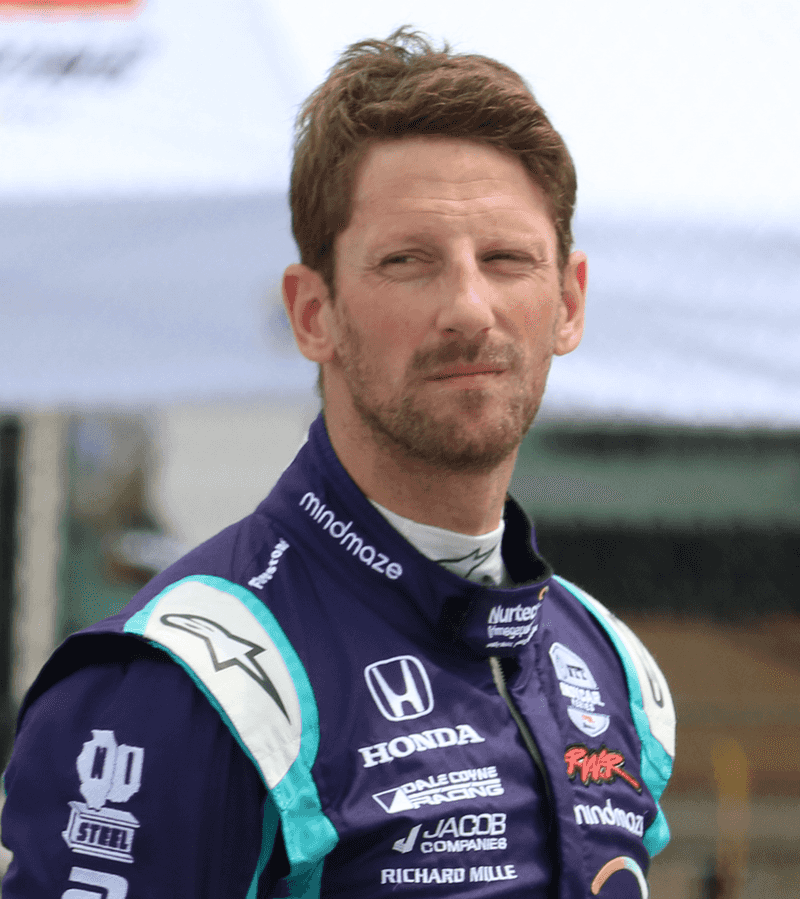
The 2020 Bahrain Grand Prix delivered one of the most terrifying crashes Formula 1 had ever seen. Romain Grosjean’s car slammed into a metal barrier at high speed and split in half, erupting into a massive fireball that engulfed the cockpit almost instantly.
Viewers around the world assumed the worst. But incredibly, Grosjean emerged from the flames on his own, stepping over the barrier with burns to his hands and wrists.
The halo device, a safety feature many had criticized, is widely credited with saving his life by deflecting a barrier section away from his head.
He received treatment for his burns and was discharged from the hospital within days. Grosjean later said the experience changed his perspective on life.
He moved to IndyCar racing the following year, carrying with him a story that few drivers in motorsport history could ever match.
4. Niki Lauda
August 1, 1976, is a date burned into motorsport history. Austrian Formula 1 driver Niki Lauda crashed at the Nurburgring during the German Grand Prix, and his Ferrari burst into flames.
Fellow drivers stopped to pull him from the wreckage, but not before he suffered severe burns to his face and lungs.
Lauda was given last rites in the hospital. Doctors gave him little chance of survival.
Yet within six weeks, he was back behind the wheel, competing in the Italian Grand Prix with his wounds still healing. The bandages under his helmet caused him serious pain throughout the race.
He went on to nearly win the 1976 World Championship and claimed another title in 1977. Lauda’s story is widely regarded as one of the greatest acts of courage in sports history.
He passed away in 2019, but his legend endures as a symbol of extraordinary willpower.
5. Alex Zanardi
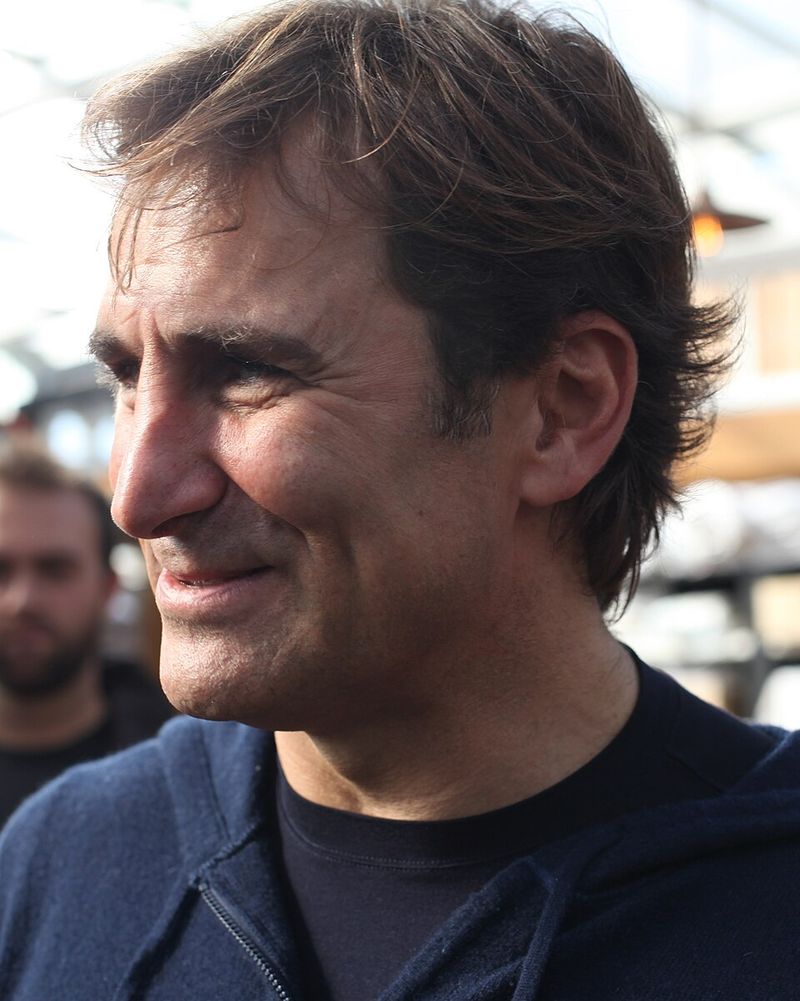
Racing driver Alex Zanardi experienced a catastrophic accident at Germany’s Lausitzring during a CART race in September 2001. His car was struck by another vehicle after a pit stop, and the impact was so severe that he lost both legs.
He lost an enormous amount of blood before medical teams stabilized him.
Doctors worked urgently to save his life. Many believed his racing days, and possibly his athletic career, were finished forever.
Zanardi had other plans. After recovering and being fitted with prosthetic legs, he discovered handcycling and threw himself into the sport with remarkable dedication.
He went on to win multiple Paralympic gold medals in handcycling, becoming one of the most celebrated Paralympic athletes in history. Zanardi’s transformation from near-death accident victim to Paralympic champion is a story that continues to inspire athletes and non-athletes around the world.
6. Bethany Hamilton
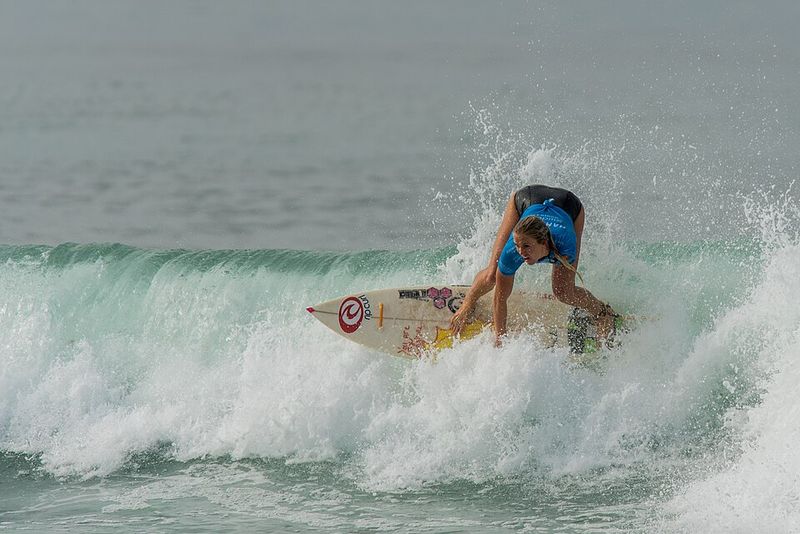
Halloween morning, 2003, started like any other surf session for 13-year-old Bethany Hamilton off the coast of Kauai, Hawaii. Then a tiger shark attacked, biting off her left arm just below the shoulder.
She lost about 60 percent of her blood and was rushed to the hospital in critical condition.
Most people would have walked away from the ocean forever. Bethany was back on her board within a month.
She taught herself to surf with one arm, adapting her technique and refusing to let the attack define her future in the sport she loved.
Hamilton went on to compete professionally, earning victories and earning the admiration of surfers worldwide. Her story was turned into the 2011 film “Soul Surfer,” introducing her journey to millions more.
She remains an active surfer and motivational figure, proving that determination can outlast even the most frightening circumstances.
7. Mick Fanning
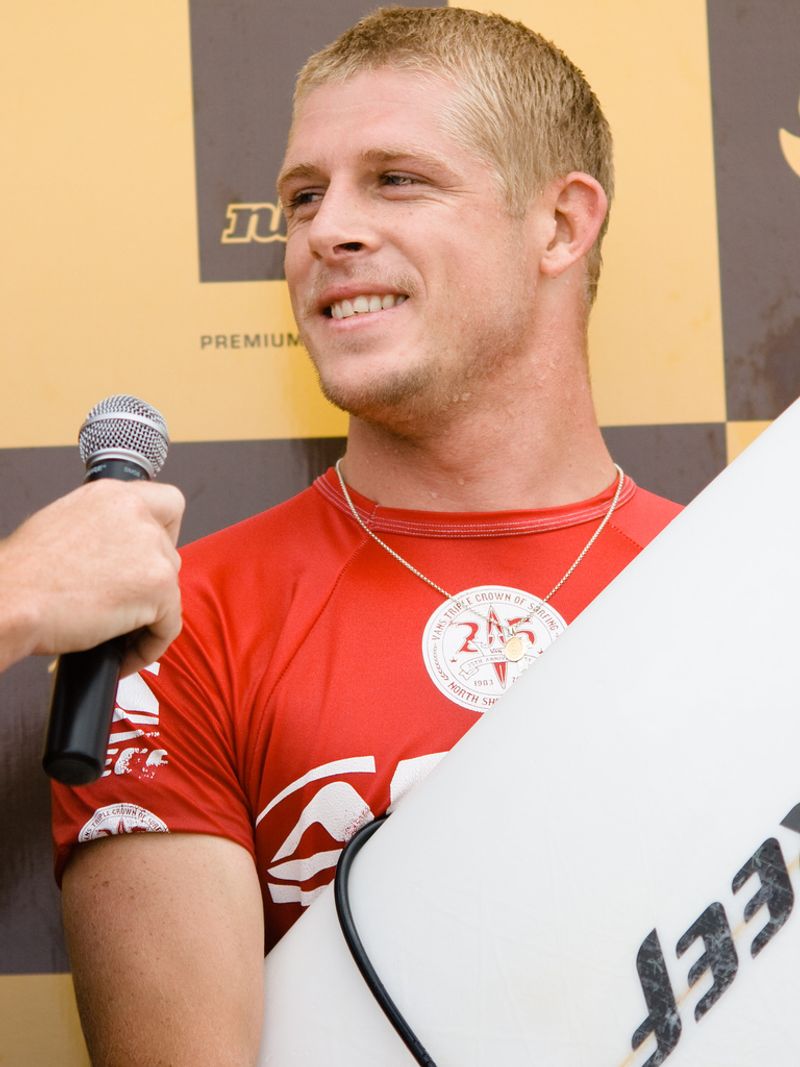
During the final of the 2015 J-Bay Open at Jeffreys Bay, South Africa, Australian surfer Mick Fanning was sitting on his board waiting for a wave when a shark appeared and struck at his board area. The entire encounter was broadcast live on television, sending shockwaves through the surfing community.
Fanning reacted instinctively, punching at the shark and kicking away. He was pulled from the water by a rescue jet ski within seconds.
Incredibly, he came away without a scratch. His competitor Julian Wilson, who had paddled toward him to help, was visibly emotional after the incident.
The contest was canceled, and both finalists were awarded equal prize money. Fanning later admitted the experience shook him deeply, and he took time away from competition.
He eventually returned to the tour and retired on his own terms in 2018, his bravery in that moment never forgotten.
8. Monica Seles
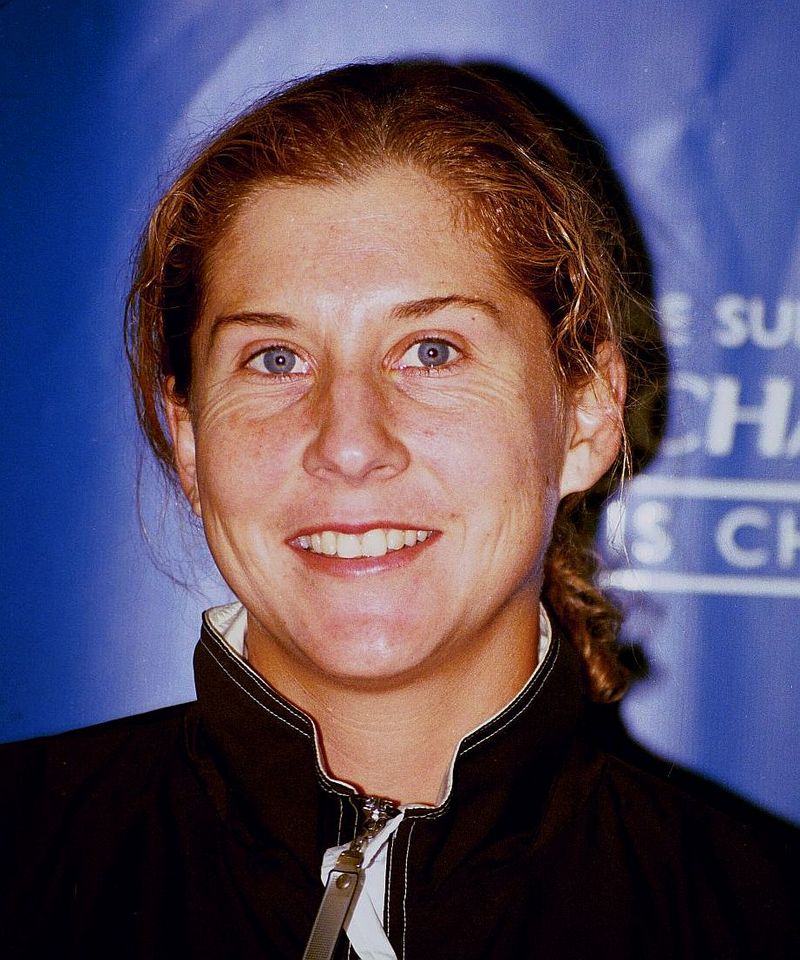
Monica Seles was one of the most dominant tennis players in the world when, on April 30, 1993, a spectator ran onto the court during a changeover at a tournament in Hamburg, Germany, and stabbed her in the back with a boning knife. The attacker was a fan obsessed with her rival Steffi Graf.
The wound was not life-threatening, but the psychological trauma ran deep. Seles, who had won eight Grand Slam titles before the age of 20, did not return to professional tennis for more than two years.
The attack shook the entire sports world and raised serious questions about athlete safety.
When she finally returned in 1995, Seles won the Canadian Open and reached several more Grand Slam finals. She was never quite the same player, but her courage in coming back at all was widely admired.
She was inducted into the International Tennis Hall of Fame in 2009.
9. Clint Malarchuk
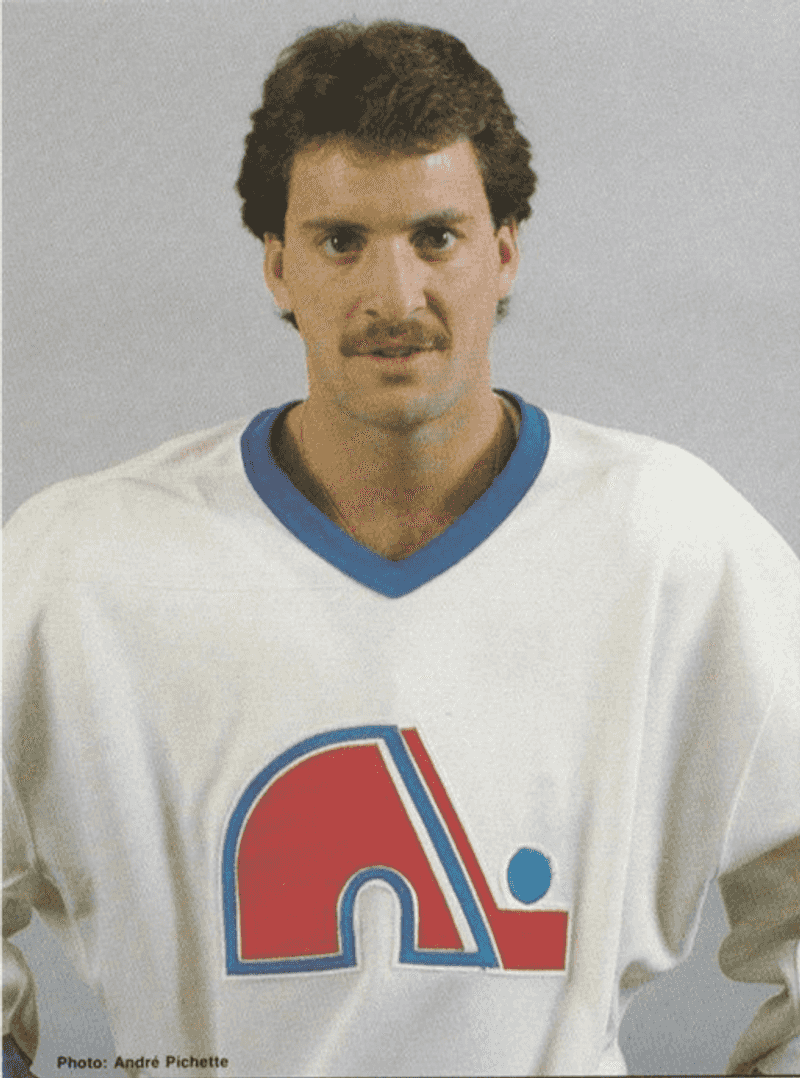
On March 22, 1989, Buffalo Sabres goalie Clint Malarchuk experienced one of the most horrifying injuries in NHL history. During a game, a player’s skate blade sliced across his neck, severing his carotid artery.
Blood poured onto the ice at an alarming rate, and several players and fans fainted at the sight.
Team trainer Jim Pizzutelli sprinted onto the ice and used his hands to pinch the artery shut, a decision that almost certainly saved Malarchuk’s life. Malarchuk was conscious throughout, reportedly asking if he would make it to the hospital in time.
He was rushed into emergency surgery.
Remarkably, Malarchuk returned to play in the same season, just ten days later. He later became a goalie coach and has spoken openly about the mental health struggles he faced in the years following the incident.
His story is both harrowing and deeply human.
10. Richard Zednik

A eerily similar incident to Malarchuk’s occurred nearly two decades later. On February 10, 2008, Florida Panthers forward Richard Zednik had his neck sliced open by teammate Olli Jokinen’s skate blade during an NHL game against the Buffalo Sabres.
The cut severed his external carotid artery, causing immediate heavy bleeding.
Zednik skated to the bench holding his neck, staying remarkably calm in an incredibly dangerous situation. Quick action from medical staff and the arena’s emergency team prevented a tragedy.
He was taken to a local hospital, where surgeons performed emergency surgery to repair the artery.
Zednik recovered fully and returned to play professional hockey the following season. His composure during the incident was widely praised.
The two neck injuries, separated by 19 years, prompted the NHL to look more seriously at neck guard requirements, sparking ongoing discussions about player safety equipment standards.
11. Allan McNish
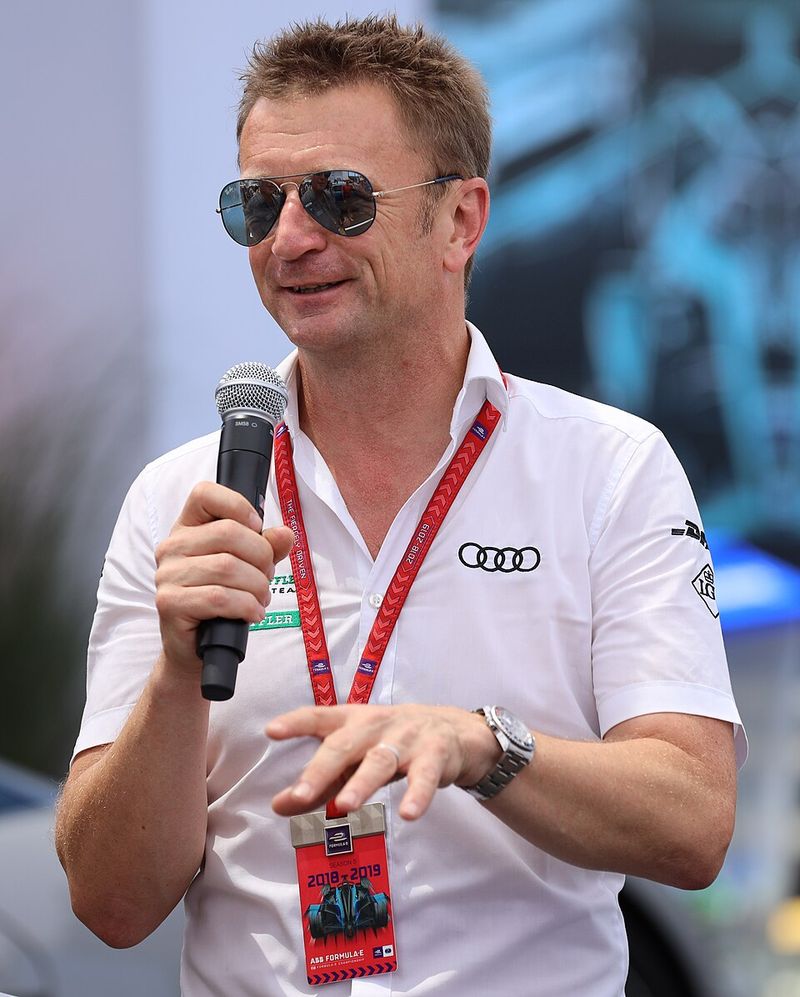
The 2011 24 Hours of Le Mans produced one of the most spectacular and frightening crashes in the race’s long history. Scottish driver Allan McNish, competing in his Audi R18, collided with a Ferrari at high speed near the Ford Chicane.
The impact launched the Audi into the barriers, and the car essentially disintegrated on contact.
Pieces of the vehicle scattered across the track and into the spectator areas. Miraculously, no spectators were seriously hurt, and McNish climbed from what remained of the cockpit with only minor injuries.
Footage of the crash spread quickly and left many stunned by how anyone could survive it.
McNish walked back to the pits, visibly shaken but physically intact. He continued racing after the incident and retired from professional motorsport in 2013.
The crash became a key reference point in discussions about circuit safety improvements at Le Mans and other endurance events.
12. Felipe Massa

Qualifying for the 2009 Hungarian Grand Prix took a terrifying turn when a small suspension spring, dislodged from Rubens Barrichello’s Brawn GP car ahead, flew through the air and struck Felipe Massa’s helmet at around 150 miles per hour. The impact fractured his skull and knocked him unconscious behind the wheel.
Massa’s car continued at speed before safety systems slowed it. He was airlifted to a Budapest hospital and underwent surgery to remove bone fragments near his eye.
For a time, doctors were uncertain whether he would ever race again, let alone walk away without lasting neurological damage.
After months of rehabilitation, Massa returned to Formula 1 for the 2010 season, taking his place back at Ferrari. He continued racing until 2017.
The incident led to significant changes in Formula 1 safety standards, particularly around debris management and visor protection improvements for drivers.
13. Kevin Ware
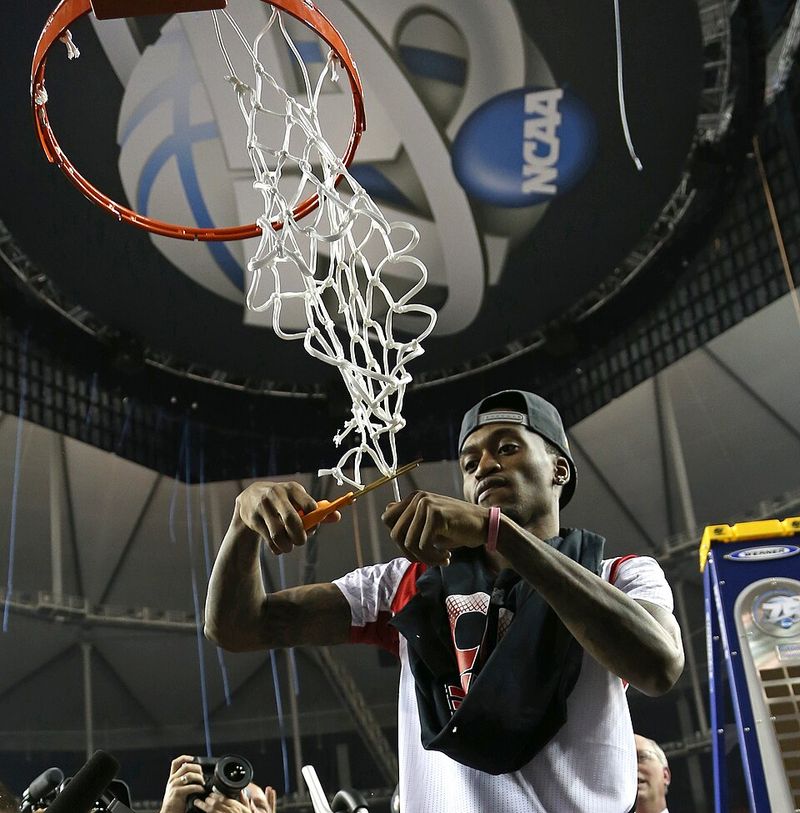
During the 2013 NCAA Tournament Elite Eight game between Louisville and Duke, guard Kevin Ware went up to contest a shot and landed awkwardly. His right leg broke in a compound fracture so severe that the bone protruded through the skin.
Players on both teams immediately turned away, many in tears.
Ware, remarkably composed despite the injury, reportedly told his teammates to go win the game before being taken off the court on a stretcher. The moment was broadcast live on national television and became one of the most discussed sports injuries of the decade.
Louisville did go on to win the national championship that year, and Ware was present for the celebration. He underwent surgery and rehabilitation, eventually returning to competitive basketball.
His response in the moment, encouraging his teammates while suffering a devastating injury, became a defining story of toughness and selflessness in college sports.
14. Ryan Shazier
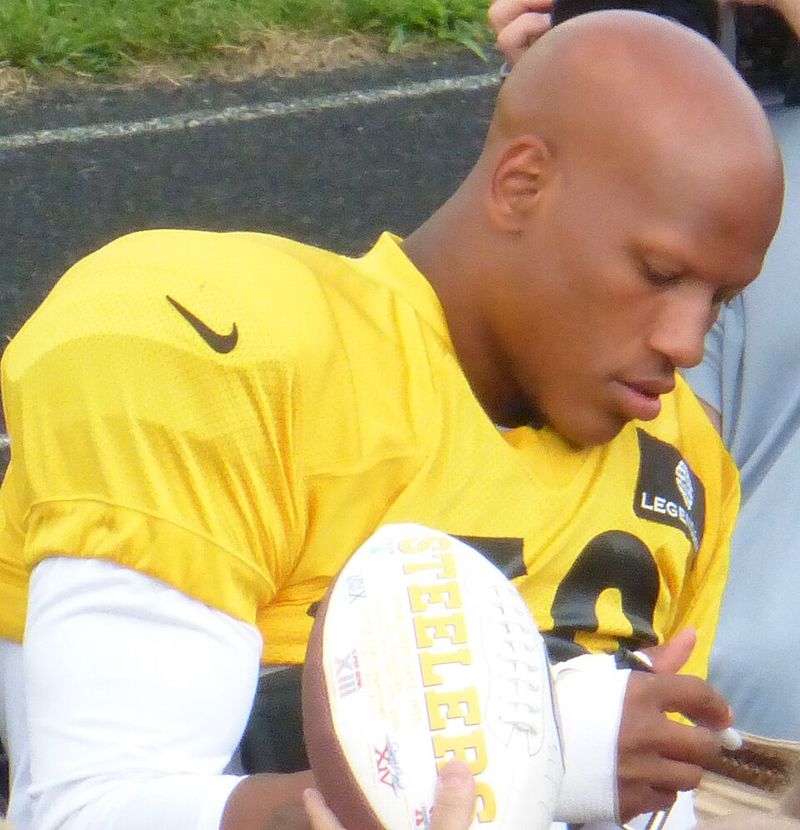
Pittsburgh Steelers linebacker Ryan Shazier was one of the most athletic players in the NFL when a tackle during a December 2017 game against the Cincinnati Bengals changed everything. He went down immediately after the hit and could not get up.
He lay motionless on the field, and the stadium fell silent as medical staff attended to him.
Shazier had suffered a serious spinal injury. He was transported to the hospital and underwent spinal stabilization surgery.
Doctors were initially uncertain whether he would walk again. The football world rallied around him, and his rehabilitation became a widely followed story throughout 2018.
Through months of intensive therapy and sheer determination, Shazier regained the ability to walk. He announced his retirement from the NFL in 2020 and has since worked as an ambassador for the Steelers.
His recovery is considered remarkable by medical professionals and remains an inspiring chapter in modern sports history.
15. Fabrice Muamba
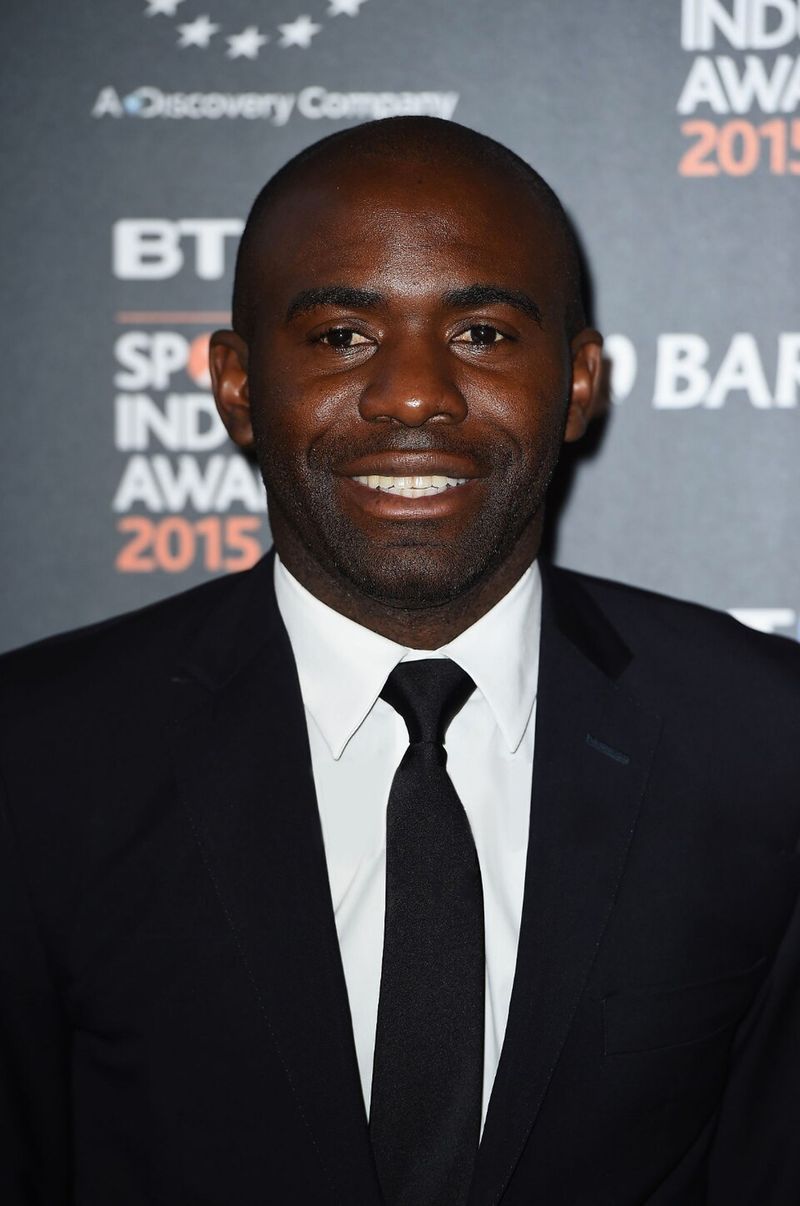
March 17, 2012, stands as one of the most dramatic days in English soccer. Bolton Wanderers midfielder Fabrice Muamba collapsed on the pitch during an FA Cup quarterfinal against Tottenham Hotspur at White Hart Lane.
He was not breathing, and his heart had stopped beating entirely.
Medical teams worked on him for over 70 minutes, and his heart did not beat on its own for 78 minutes. Cardiologist Andrew Deaner, who happened to be watching from the stands, ran down to assist the medical team on the pitch.
The match was abandoned as players and fans looked on in disbelief.
Muamba survived against extraordinary odds and was discharged from the hospital six weeks later. He announced his retirement from professional soccer in August 2012, acknowledging that returning to play was not safe.
His survival, described by doctors as a miracle, sparked widespread awareness about cardiac screening for young athletes.
Share this story