Somewhere on the northeast side of Tulsa, tucked beside an active airfield, sits a place that most people drive past without a second glance. The Tulsa Air and Space Museum is easy to overlook from the road, but once you step onto the grounds, a row of retired aircraft stretches out in front of you like a timeline of American flight.
You can get close enough to touch some of them, which is not something most museums let you do. Whether you grew up loving planes or just want a genuinely interesting afternoon, this place delivers more than you might expect.
Where the Museum Sits and What It Guards
Right along the edge of Richard Lloyd Jones Jr. Airport in northeast Tulsa, the Tulsa Air and Space Museum occupies a spot that feels both industrial and oddly cinematic. The address is 3624 N 74th E Ave, Tulsa, OK 74115, and the setting alone tells you something interesting is happening here.
The museum sits adjacent to a working airfield, which means that on a clear day, you might watch a small plane take off while standing next to a retired military jet. That layering of past and present is not accidental.
It sets the tone before you even pay admission.
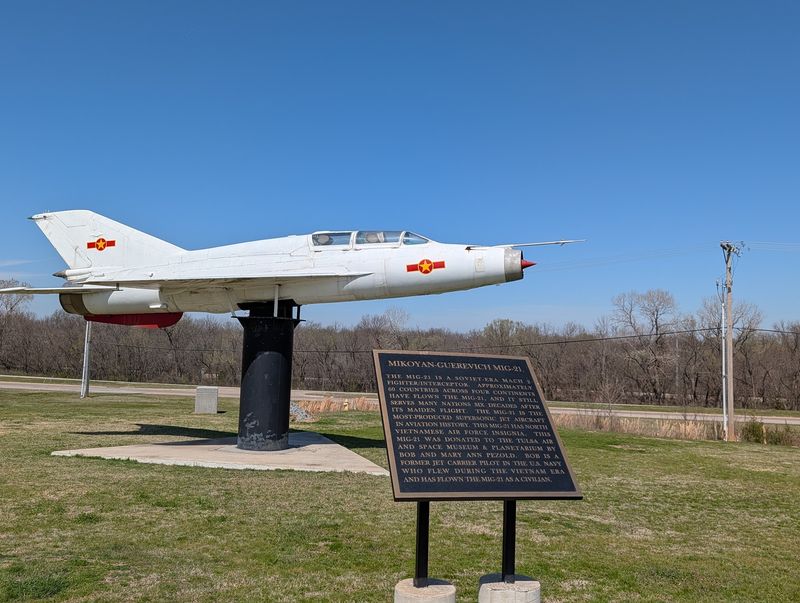
Outside, a growing collection of aircraft waits on the tarmac-style grounds. Some are roped off, others are close enough to run your hand along the fuselage.
The museum has earned a 4.3-star rating across nearly 600 reviews, and the consistent thread running through visitor feedback is genuine surprise at how much the place offers. It reads modest from the outside and reveals itself slowly, which is exactly the kind of destination worth seeking out.
Tulsa’s Deep Roots in Aviation History
Tulsa has a longer relationship with aviation than most people realize, and the museum makes that case clearly. Oklahoma was not just flyover country during the early decades of powered flight.
It was a place where oil money, ambition, and the open skies of the Great Plains created fertile ground for aviation investment and innovation.
The museum traces that story from 1897 through the space age, connecting local history to national milestones. Exhibits highlight how Tulsa’s oil-rich community bankrolled early aviation ventures and how the city became an important hub for aircraft maintenance and manufacturing during the mid-twentieth century.
There is also a dedicated section on the Tuskegee Airmen, which several visitors have pointed to as one of the most moving parts of the museum. The exhibit does not feel tacked on.
It fits naturally into the broader narrative of who built American aviation and under what conditions. For anyone who thinks Oklahoma history is mostly about cattle and cowboys, this section offers a genuinely compelling correction.
The depth of local context here separates TASM from generic aviation museums that could exist anywhere.
The Aircraft Garden You Can Actually Approach
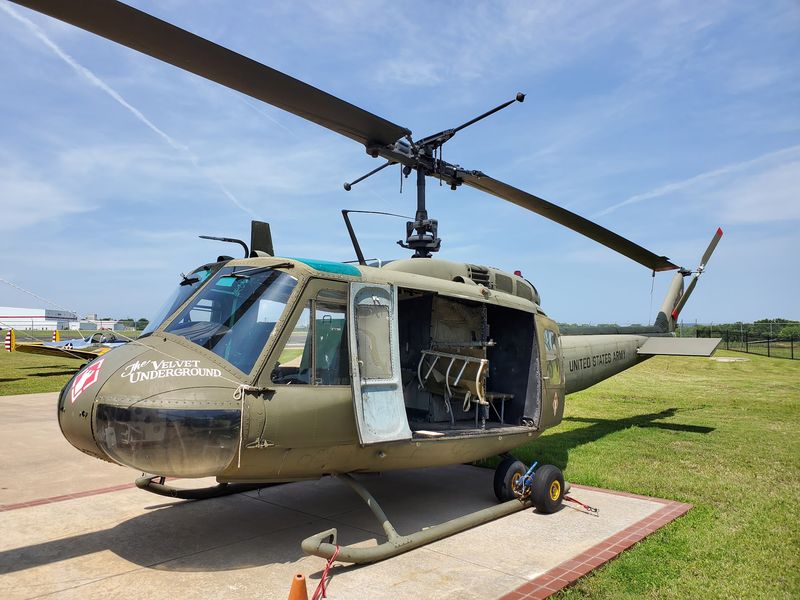
One of the most talked-about features at TASM is what the museum itself calls its aircraft garden. It is an outdoor collection of retired planes and helicopters arranged so that visitors can walk among them at close range.
There are no velvet ropes keeping you at a polite distance from everything.
The crown of the outdoor collection is an F-14 Tomcat, and it draws serious attention. The F-14 was one of the most recognizable carrier-based fighters of the Cold War era, and seeing one up close, rather than through a distant fence or a glass barrier, carries a different kind of weight.
The sheer scale of the aircraft is something photographs do not quite capture.
The museum has stated plans to expand the aircraft garden further, with a walking trail in the works. That ambition suggests the outdoor collection will keep growing.
Right now, it already functions as an open-air extension of the indoor exhibits, and the combination of the two gives the whole visit a texture that feels more like exploration than a traditional museum tour. Coming back on a second visit may well reward you with something new parked on the grounds.
The Spartan Model 12 and the Indoor Collection
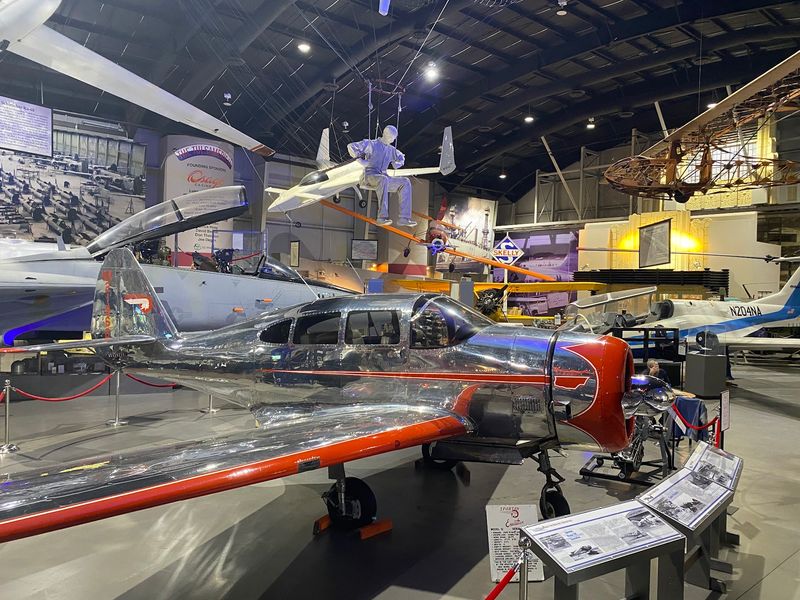
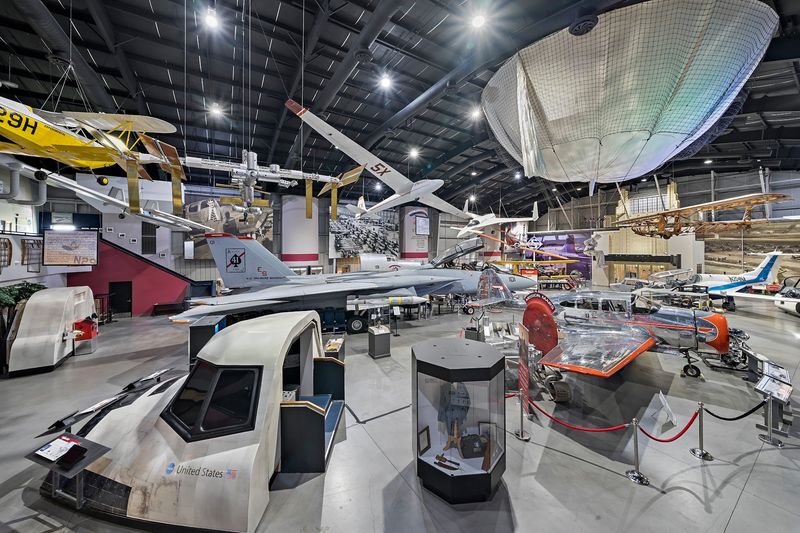
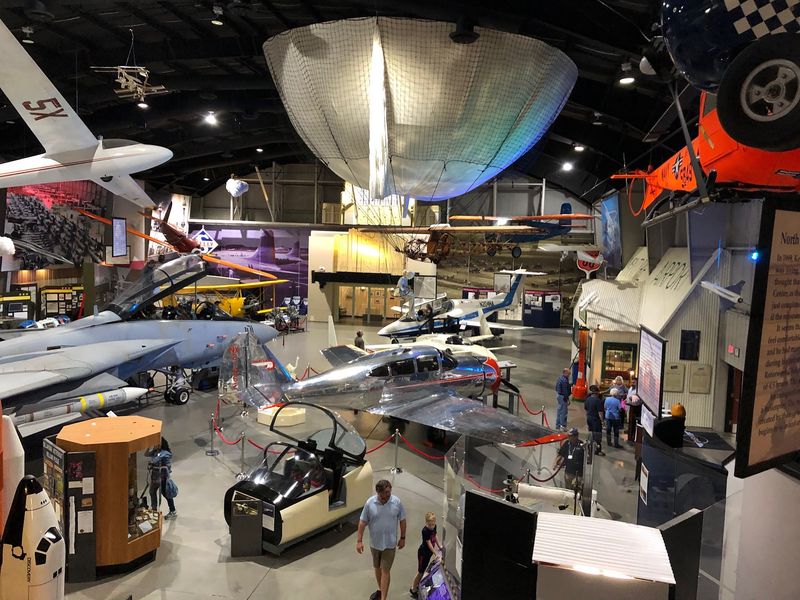
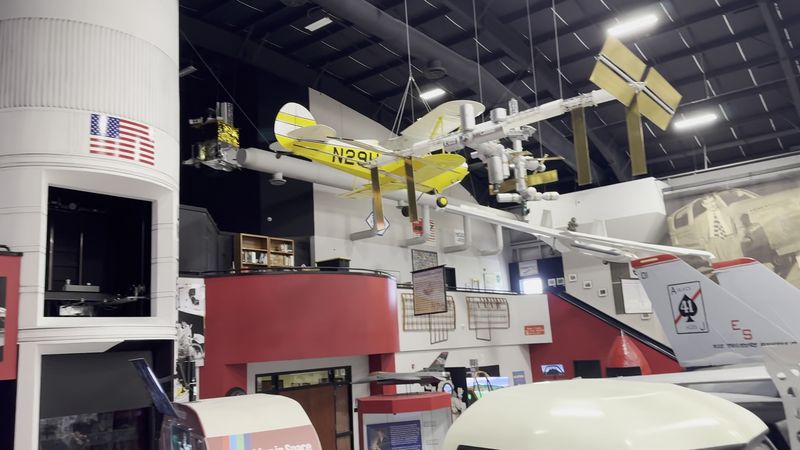
Inside the museum, the exhibit floors span two stories and pack a surprising variety of aircraft, artifacts, and interactive displays into the available space. The collection ranges from early biplanes to more modern military hardware, with each aircraft accompanied by context that makes the timeline feel coherent rather than cluttered.
Among the indoor aircraft, the Spartan Executive Model 12 has earned its own devoted following. The museum’s own response to visitor feedback describes it as their crown gem and notes that it is, quite literally, one of a kind.
The Spartan Aircraft Company was based in Tulsa, which gives the plane a local significance that goes beyond its elegant design. Seeing a genuinely rare aircraft in the city where it was built adds a layer that larger national museums cannot replicate.
The two-story layout means there is always something new to discover as you move through the building. Helicopters, commercial airliner sections, and a variety of military aircraft share the floor with hands-on exhibits that keep younger visitors engaged without dumbing anything down for the adults in the room.
The balance between spectacle and substance is one of TASM’s quiet strengths.
Flight Simulators and Hands-On Experiences
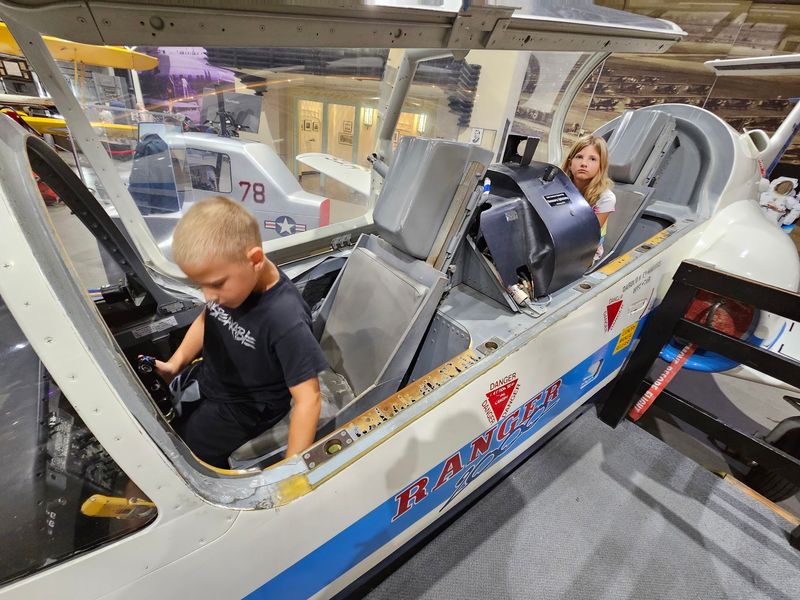
Aviation museums can sometimes feel like quiet archives, full of objects you look at but never touch. TASM takes a different approach, building in hands-on experiences that give the visit a more active rhythm.
Flight simulators are among the most popular features, and they consistently come up in visitor conversations about what made the trip memorable.
The simulators are not just novelty additions. They are placed within a context of broader STEM-focused programming that the museum has developed with younger audiences in mind.
Kids who might lose interest in a wall of historical text tend to stay locked in when there is a simulator seat waiting for them nearby.
Beyond the simulators, there are interactive games and displays that cover principles of aerodynamics, space exploration, and engineering in accessible ways. A playground on the grounds adds another layer for families with younger children who need to burn off energy between exhibits.
There is also a commercial airliner section where visitors can board and sit inside an actual aircraft, which tends to be a highlight for kids and quietly thrilling for adults who have forgotten how strange and wonderful the inside of a plane actually is.
The Planetarium and Its Full-Dome Shows
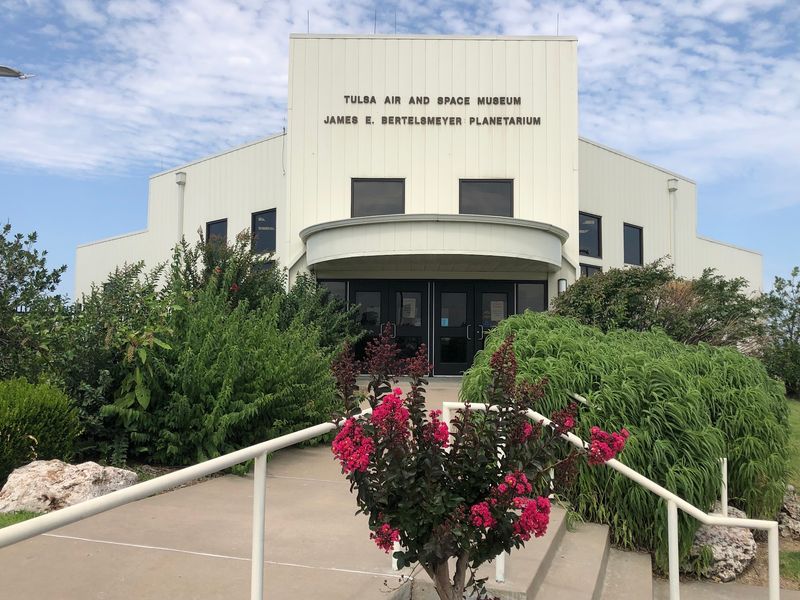
Anchoring the museum’s space exploration side is a planetarium that has developed a loyal audience of its own. The full-dome format wraps imagery across the entire ceiling, creating an immersive experience that goes well beyond what a standard projection screen can offer.
Shows cover topics ranging from the solar system to deep space exploration, and the presentations are designed to work for both curious adults and school-age children.
The presenter style leans toward engaging and conversational rather than dry and academic. Multiple visitors have noted that the planetarium host managed to make complex astronomical concepts feel genuinely exciting rather than intimidating.
That kind of facilitation is harder to pull off than it looks, and it elevates the show from a passive viewing experience into something that prompts real questions.
A single planetarium ticket also functions as a welcome break on a warm Oklahoma day, offering cool air and a 45-minute journey through the cosmos. Regular museum programming runs Tuesday through Friday and on Saturdays, so the planetarium schedule aligns with those hours.
The museum also hosts outside events in the planetarium space on evenings, though those programs are managed by third-party vendors and reflect separately on the overall experience.
The Volunteers and Staff Who Shape Every Visit
A museum is only as good as the people who bring it to life, and TASM has built a reputation around its volunteers and staff. The knowledgeable volunteers category has earned 23 mentions in visitor feedback, placing it among the most frequently cited positives alongside the planetarium itself.
That is not a small thing in a collection of nearly 600 reviews.
The docents here tend to be aviation enthusiasts with deep backgrounds in the subject matter. They are not reciting scripts.
They are sharing knowledge they have accumulated over years of genuine interest, and that distinction comes through quickly in conversation. Visitors who engage with them often come away with details and stories that are not written on any exhibit placard.
The front desk staff have also been noted for creating a welcoming atmosphere from the moment visitors arrive. For a museum that depends heavily on community support and return visits, that first impression matters.
The museum actively participates in the Harvest Hosts program, which allows RV travelers to stay overnight on the grounds. That kind of hospitality-forward approach extends the TASM experience well beyond a standard daytime museum visit and speaks to how the organization thinks about its relationship with its audience.
Oklahoma’s Space Story and the STEM Focus
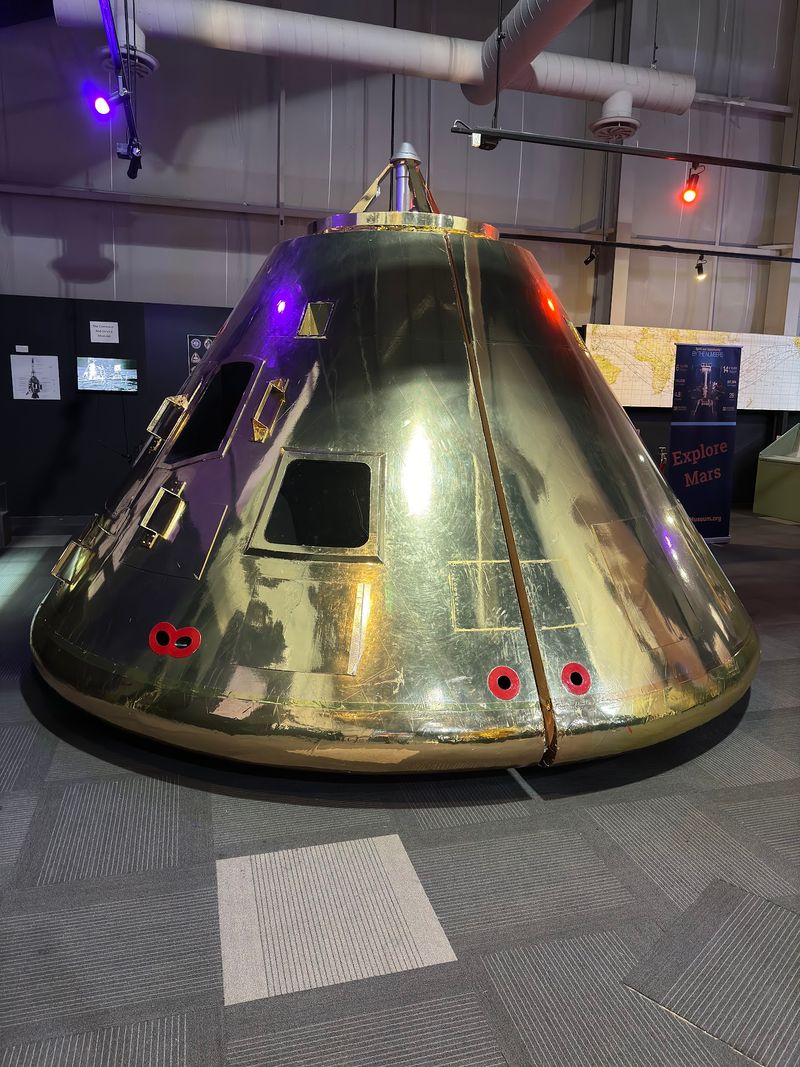
Beyond aircraft, TASM devotes considerable floor space to space exploration, and the Oklahoma angle gives that section a local specificity that makes it more than a standard NASA retrospective. The exhibits connect Oklahoma’s geography, its aviation infrastructure, and its scientific community to broader achievements in human spaceflight.
The STEM programming woven through the museum reflects a deliberate effort to position TASM as an educational resource rather than simply a repository of cool objects. Interactive displays are designed to illustrate engineering and physics principles in ways that feel connected to the aircraft and spacecraft on display nearby.
The relationship between theory and hardware becomes surprisingly clear when you can walk between a working simulator and the actual machine it is modeled after.
For teachers and parents looking for a field trip destination that earns its educational label without sacrificing engagement, this museum checks both boxes. The content is organized to build on itself as you move through the exhibits, so by the time you reach the space section, you have already absorbed enough aviation history to appreciate how the two stories connect.
That curatorial logic is one of the things that separates TASM from venues that simply fill a large space with impressive objects and call it a day.
Hours, Admission, and Planning Your Visit

TASM is open Tuesday through Friday from 10 AM to 4 PM, and on Saturdays during the same hours. The museum is closed on Sundays and Mondays, so it pays to plan accordingly rather than showing up on a weekend morning expecting to walk in.
Checking current hours at tulsamuseum.org before your visit is a good habit, especially around holidays.
Admission is described consistently by visitors as affordable, with multiple reviewers noting it feels like strong value relative to what the museum offers. Tickets can be purchased online in advance, which speeds up arrival and avoids any delay at the front desk.
Parking is not a complicated affair given the airfield setting, and the grounds are accessible enough for families with strollers or visitors with mobility considerations.
The gift shop is worth a browse before you leave. It stocks aviation and space-themed merchandise that visitors have described as genuinely tempting, and it supports the museum’s ongoing operations.
A membership option is available for those who plan to return, and given the museum’s stated plans to expand the aircraft garden and add a walking trail, a second visit in the coming year might look noticeably different from the first. Reach the museum directly at 918-834-9900 for group bookings or event inquiries.
Share this story