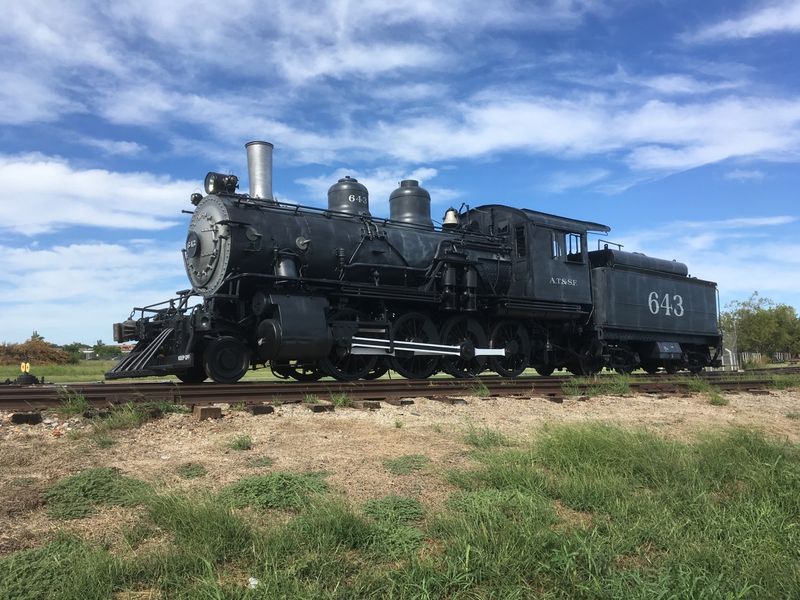
Somewhere in northeast Oklahoma City, a collection of iron giants waits quietly on a stretch of track that most people drive right past without a second glance. The Oklahoma Railway Museum is one of those rare finds that surprises you the moment you step onto the grounds, whether you came for the history, the nostalgia, or just to show a curious kid what a real locomotive looks like up close.
Admission to walk the property is completely free, and on select days, you can climb aboard a vintage train and roll through the surrounding area at a pace the highway crowd will never appreciate. Few experiences in the state blend education, fresh air, and genuine wonder quite this effortlessly.
Where the Oklahoma Railway Museum Lives
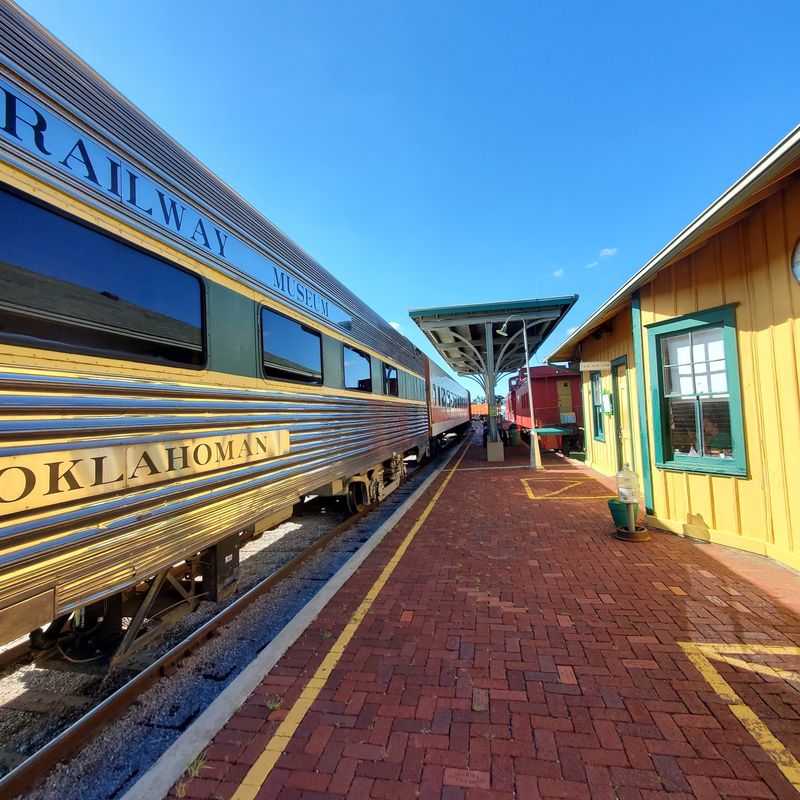
Tucked along NE Grand Boulevard in Oklahoma City, the Oklahoma Railway Museum sits at 3400 NE Grand Blvd, Oklahoma City, OK 73111, a nonprofit institution run almost entirely by volunteers who genuinely love what they do. The address puts it in the northeast corner of the city, easy to reach but just far enough from the downtown bustle that the grounds feel open and unhurried.
The museum occupies a working rail yard, which means the setting itself tells part of the story before you read a single placard. Locomotives line the tracks, weathered depot structures anchor the property, and the faint smell of oil and iron greets you the moment you step out of your car.
Getting there is straightforward from most parts of Oklahoma City, and parking is conveniently available on site. The museum phone number is 405-424-8222, and the website at oklahomarailwaymuseum.org carries current event schedules worth checking before you visit.
The surroundings feel industrial and historic in equal measure, which is exactly the right atmosphere for a place dedicated to preserving railroad heritage.
A Railroad Collection Built on Volunteer Passion
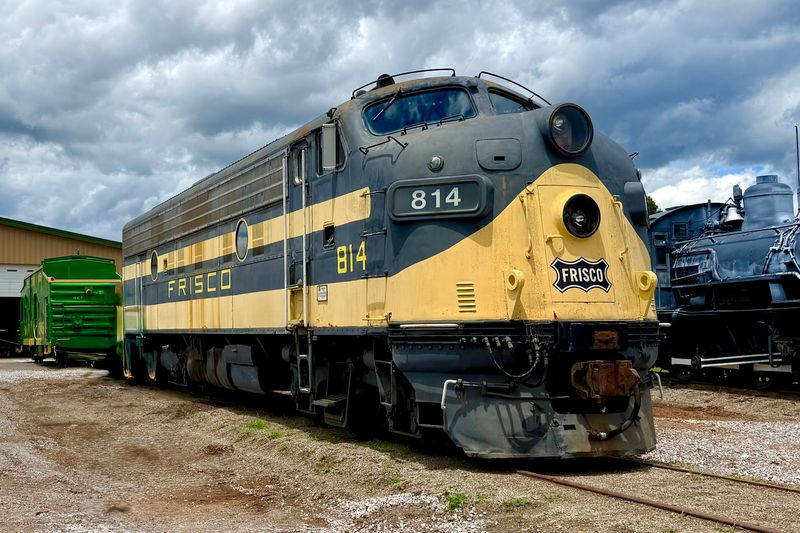
Every piece of equipment at this museum exists because a group of dedicated volunteers decided it was worth saving. The Oklahoma Railway Museum receives no state or federal funding, operating entirely on ticket sales, donations, and the tireless effort of people who show up because they love trains, plain and simple.
That volunteer energy is palpable the moment someone approaches you on the grounds. Guides like Steve Davis have earned genuine praise for their ability to answer questions thoroughly and enthusiastically, sharing stories about specific locomotives with the kind of detail you only get from someone who has spent real time with the machines.
Other longtime volunteers have personal connections to the equipment itself, including at least one gentleman who once maintained one of the trains on display.
The museum holds a 4.6-star rating across more than 1,100 reviews, which speaks to how consistently well that volunteer culture translates into a positive visitor experience. Donating is encouraged but never required, and the gift shop offers a card-based tip jar in five-dollar increments for those who want to contribute to keeping the collection alive for future visitors.
The Locomotives and Rolling Stock on Display
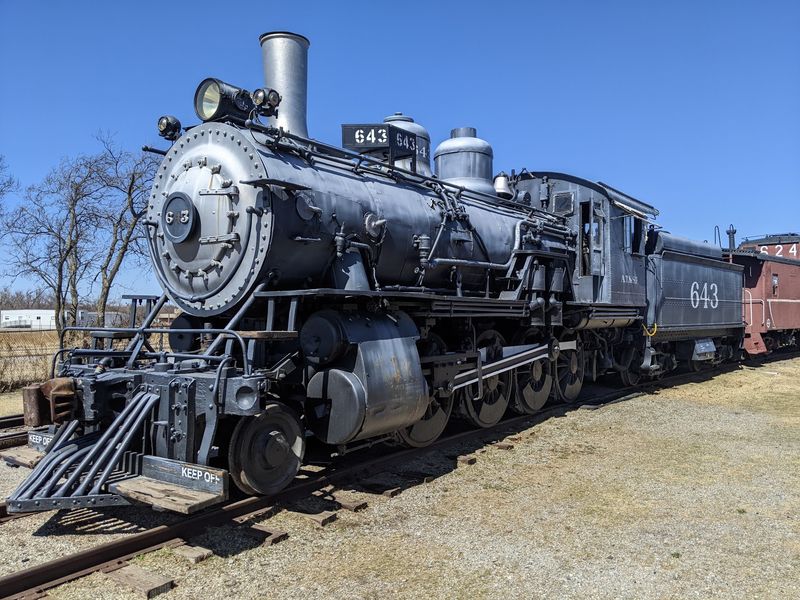
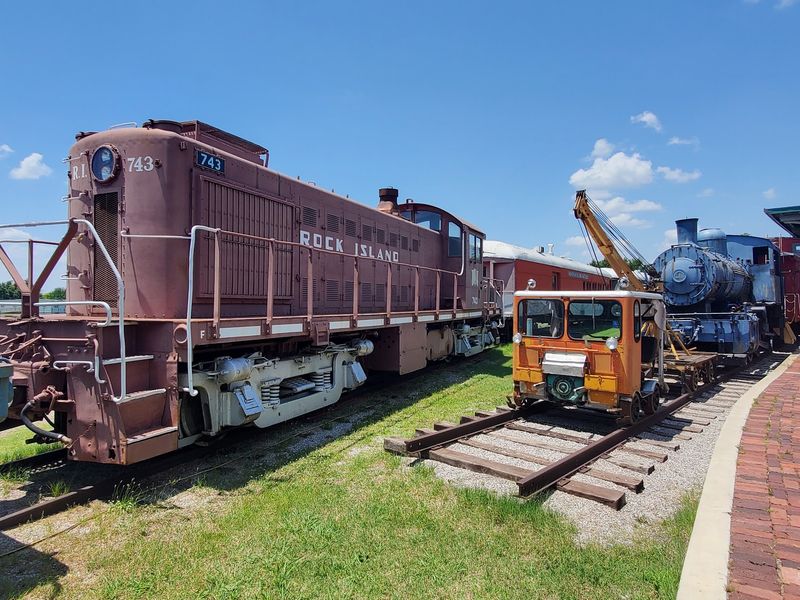
The outdoor collection at the Oklahoma Railway Museum is substantial enough to hold the attention of even casual visitors, let alone committed rail enthusiasts. Multiple locomotives anchor the yard, ranging across different eras of American railroad history, and the variety in size, design, and condition gives the property a genuinely museum-quality feel despite its open-air layout.
Visitors can get close to the equipment in ways that indoor exhibits rarely allow. Climbing up to the steps of a locomotive, peering into a cab, or running a hand along the side of a freight car connects you physically to the history in a way a photograph never could.
The smell of grease and oil still clings to several engines, an unintentional but effective sensory detail that brings the experience to life.
Rail fans who have traveled widely still find the collection impressive, while first-time visitors tend to be caught off guard by the sheer scale of the machines. Teenagers who arrived skeptical have reportedly been drawn in almost immediately once they got close enough to take in the size of the equipment.
The collection continues to grow as new pieces are acquired and restored to display-worthy condition.
Inside the 19th-Century Depot
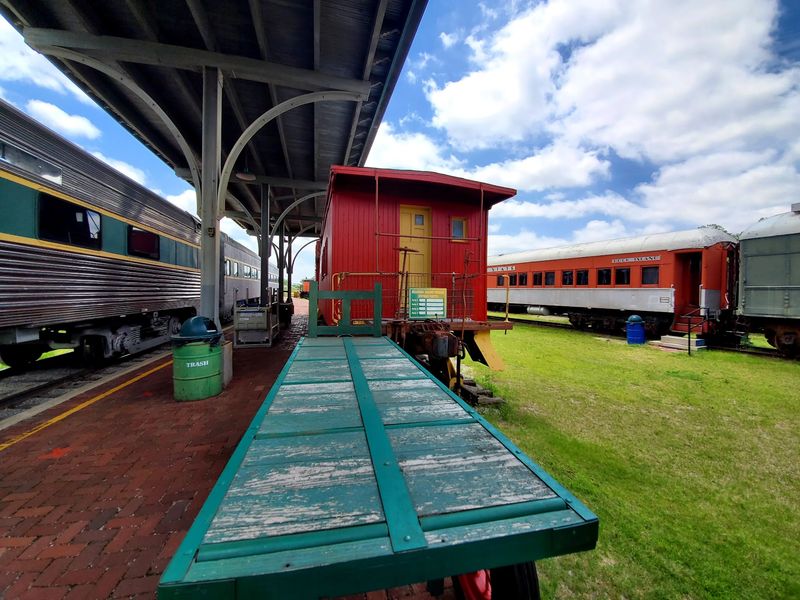
Among the structures on the grounds, the 19th-century depot stands out as a physical anchor to the earliest era of Oklahoma railroad history. Restored to reflect its original function, the building offers a window into what train travel once meant for communities across the region, a time when the depot was the beating heart of a small town’s commerce and social life.
Inside, memorabilia displays fill the space with artifacts that span decades of railroad operation. Signage, tools, uniforms, and equipment from various periods give context to the locomotives sitting outside, helping visitors understand how all the pieces fit together into a working system that once connected Oklahoma to the rest of the country.
The depot also serves as a gathering point during special events, particularly the seasonal rides that draw families from across the metro area. During the Polar Express experience, the area around the depot is transformed into a scene straight from the beloved story, complete with a walkable “town” that visitors explore before boarding.
That combination of architectural preservation and living event programming makes the depot one of the museum’s most versatile and appreciated spaces.
The HO Scale Model Train Layout Worth Seeking Out
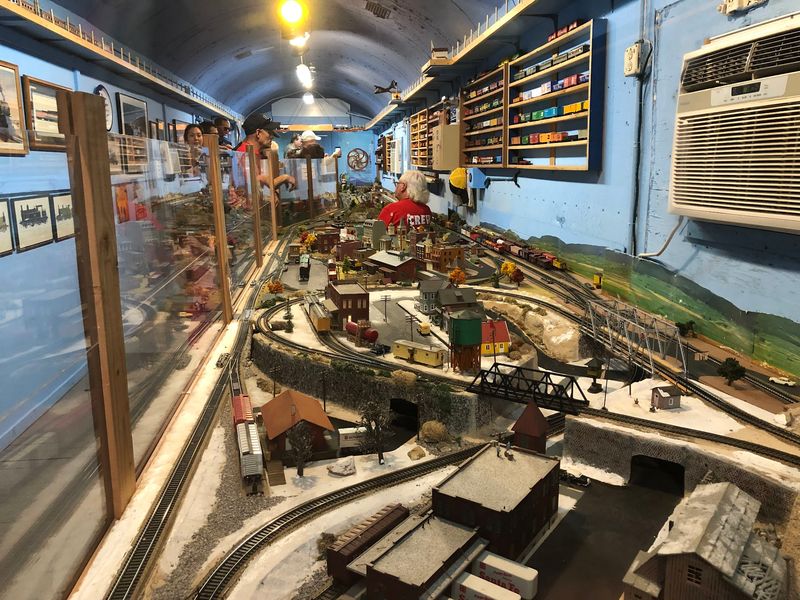
Hidden inside one of the old coaches on the property is a model train layout that catches visitors by surprise. The HO scale display is housed in a converted baggage or coach car, which adds a clever layer of authenticity to the exhibit since you are, quite literally, inside a piece of railroad history while admiring a miniature version of one.
The layout itself is well-constructed and operational, with trains running through a detailed miniature landscape that rewards careful looking. Families with young children tend to linger here longer than anywhere else on the property, and the air conditioning inside the car makes it a welcome retreat on warm Oklahoma afternoons.
One practical note worth passing along: if you arrive and find the model train exhibit locked, museum staff will open it on request without any fuss. The display has earned consistent praise from visitors who appreciate both the craftsmanship of the layout and the novelty of experiencing it inside a genuine rail car.
For many guests, especially those who grew up with model trains at home, the exhibit carries a warm streak of nostalgia that pairs nicely with the full-scale equipment waiting just outside the door.
The Excursion Train Ride Experience
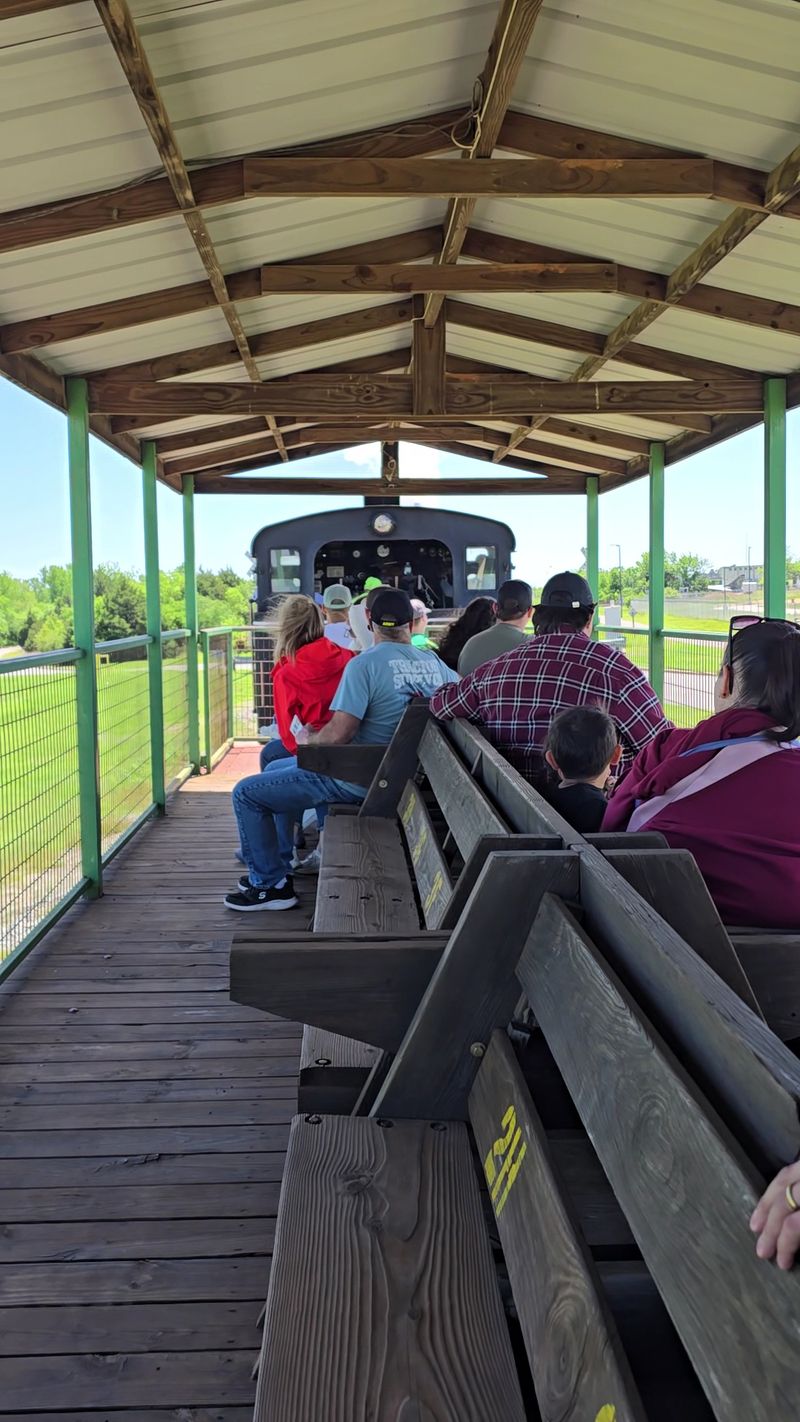
Riding the excursion train is the centerpiece activity for many visitors, and the experience delivers something genuinely different from anything you can get behind a steering wheel. The museum runs train rides on the first and third Saturdays of each month through the summer, giving guests a chance to roll along the tracks aboard restored equipment with a knowledgeable conductor narrating the journey.
Three car options are typically available, and the open-air car tends to be the most popular choice, offering unobstructed views and a breeze that makes the ride feel like something out of another era. For those who want a more enclosed experience, coach seating provides comfortable, roomy seats that hold up well on the excursion.
Seats 5A and 5B in the caboose have earned a reputation among regulars for delivering some of the best views on the ride, particularly from the cupola position where conductors and brakemen once kept watch. The conductor’s commentary adds genuine depth to the ride, with knowledgeable volunteers sharing railroad history and equipment details that turn a short journey into an educational experience.
Tickets for the excursion carry a small cost beyond the free general admission to the grounds.
Inside the Caboose – A Hands-On Highlight
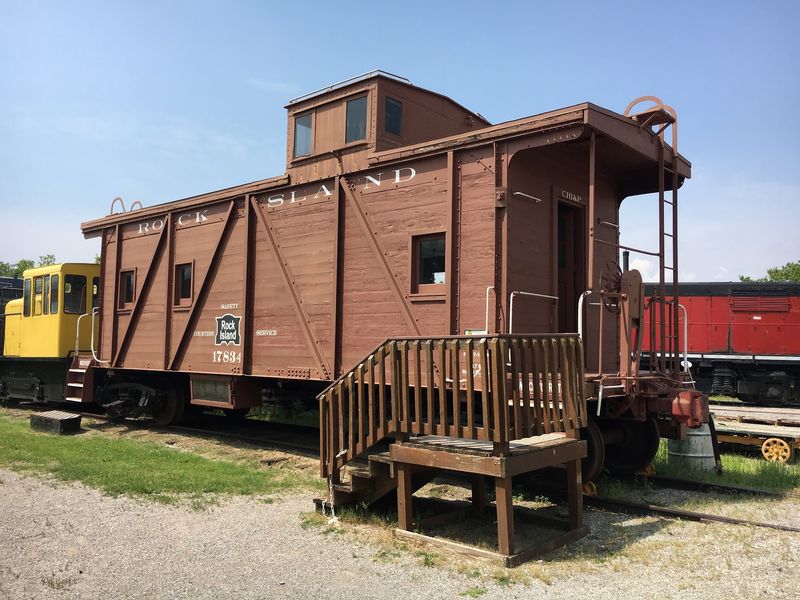
Few things at the museum generate as much enthusiasm as the opportunity to climb inside an actual caboose and make your way up to the cupola. That elevated perch at the top of the car is where conductors and brakemen once kept watch over the length of the train, scanning for any trouble along the line, and sitting in that same spot carries a particular kind of quiet thrill.
The caboose interior is well-preserved and gives visitors a tangible sense of what life on the railroad actually looked like from the working end of the train. The compact space, the climbing required to reach the top, and the view from the cupola all combine to make it one of the more memorable stops on the property.
Families with kids find the caboose especially engaging since the physical act of climbing and exploring makes the history feel interactive rather than passive. Adults who grew up watching freight trains roll past road crossings often find themselves unexpectedly moved by the chance to sit where the crew once sat.
The caboose is a reminder that the best museum experiences are the ones that let you step fully into the story rather than observe it from a distance.
The Polar Express Ride – A Holiday Tradition
Come November and December, the Oklahoma Railway Museum transforms into something that feels pulled straight from the pages of a children’s book. The Polar Express experience is the museum’s most popular seasonal event, drawing families from across the metro and beyond for a theatrical train ride that blends storytelling, performance, and holiday magic into a single unforgettable outing.
Guests are encouraged to arrive in pajamas, a tradition that the cast leans into enthusiastically, with actors engaging every passenger individually and giving extra attention to the youngest riders. Hot chocolate is served on board, a detail that lands with children every single time.
Purchasing tickets in advance is strongly recommended, and arriving about an hour before the scheduled departure helps with the check-in process.
Buying an entire row rather than individual scattered seats has proven to be a popular choice for families who want to stay together throughout the ride. Evening departures tend to heighten the atmosphere, with the darkness outside the windows making the experience feel more immersive.
The event sells out regularly, and the cast’s energy has drawn consistent praise from guests who note that the performance quality rivals much larger productions. Checking the museum’s website for current season dates is the best way to plan ahead.
Day Out With Thomas and Family-Focused Events
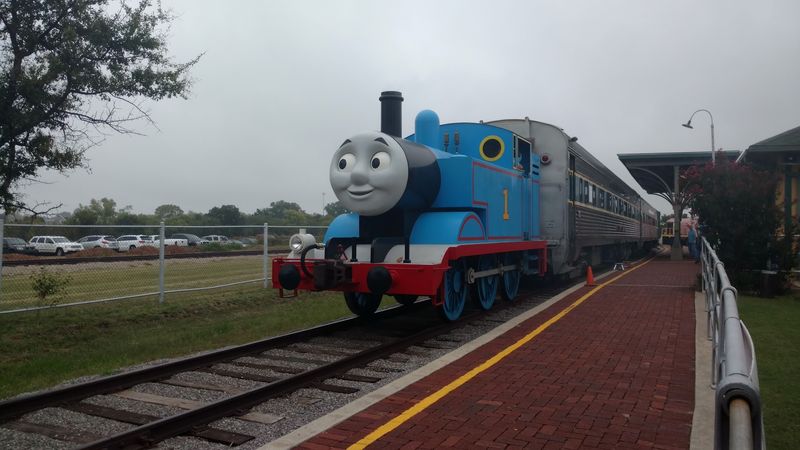
Beyond the Polar Express, the Oklahoma Railway Museum hosts a rotating calendar of family events that keeps the grounds lively throughout the year. Day Out With Thomas is among the most recognizable of these, drawing young children who light up at the sight of the famous blue engine and the themed activities that accompany the event.
The museum also runs a Halloween Train as part of its fall programming, offering a seasonal alternative that appeals to older kids and adults who want a festive ride with a slightly spookier edge. A Steam Train event rounds out the autumn schedule, giving rail enthusiasts a chance to see steam power in action, which is a genuinely rare experience in the modern era.
On regular open days, the grounds also feature a bounce house and a miniature golf area, giving younger visitors additional ways to burn energy between exploring the train cars. The combination of educational content and pure play makes the museum a practical choice for parents looking for an outing that works for multiple age ranges at once.
Dogs are welcome on the grounds as well, which adds one more reason for families to make a full afternoon of the visit.
Free Admission and What That Really Means
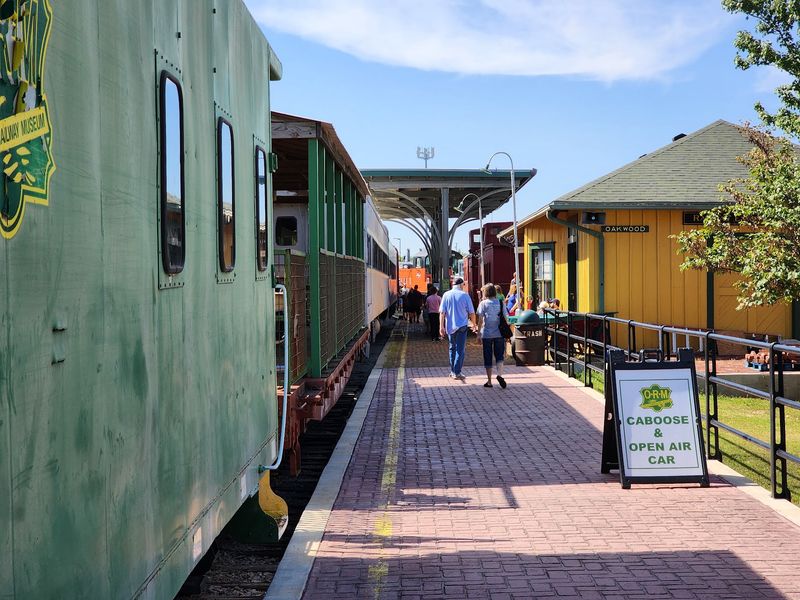
General admission to the Oklahoma Railway Museum grounds is completely free, and that single fact tends to reframe the whole experience the moment visitors realize it. Wandering the property, climbing steps, peering into car interiors, photographing locomotives, and browsing the gift shop all fall within that free access, no ticket counter, no timed entry, no pressure.
The museum sustains itself through excursion ticket sales, event revenue, and voluntary donations. A tip jar in the gift shop accepts card payments in five-dollar increments for visitors who want to contribute without cash on hand.
The entirely volunteer-run operation means that every dollar donated goes directly toward maintaining and expanding a collection that the state has no financial stake in preserving.
The free model makes the museum accessible to a wider range of visitors than a traditional admission-based attraction would reach, and it removes the mental calculus of whether a trip is worth the cost. You can arrive with no particular agenda, spend an hour or three depending on your interest level, and leave having experienced something genuinely worthwhile at no expense.
For families watching a budget without wanting to shortchange the kids on memorable outings, few places in Oklahoma City offer this kind of return.
Photography Opportunities Across the Grounds
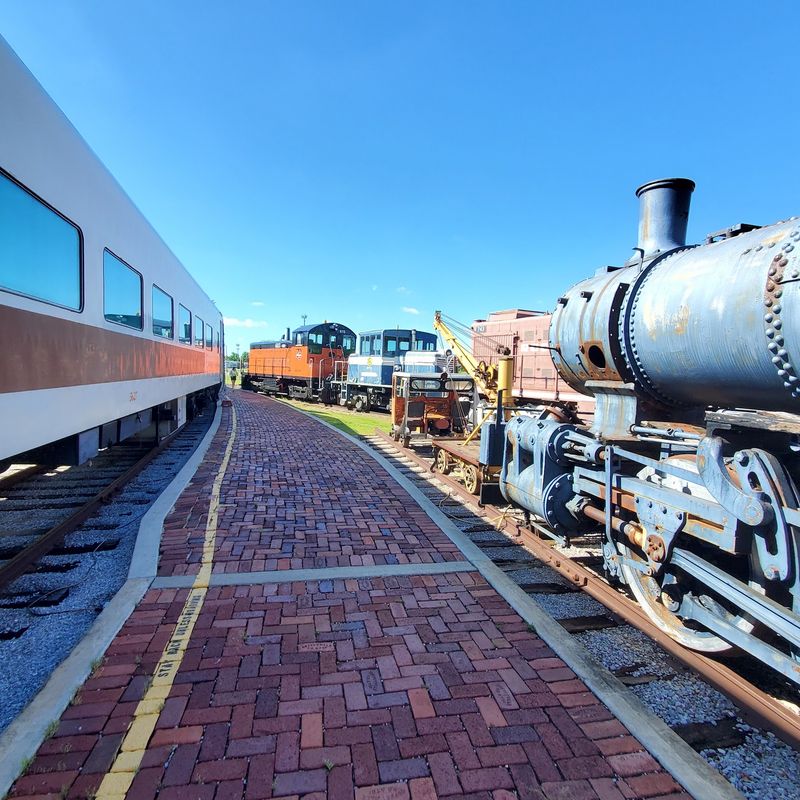
Rail yards have an aesthetic that professional photographers and casual smartphone shooters both tend to respond to instinctively. The weathered steel, the geometric lines of the tracks, the layered textures of old paint and rust, and the massive scale of the locomotives all combine to produce images that hold up well even without a particularly dramatic sky overhead.
The Oklahoma Railway Museum gives photographers unusual access to their subjects. Getting close to the equipment, crouching beneath a locomotive, or framing a shot through the open door of a freight car are all options that a strictly hands-off exhibit would never allow.
The industrial character of the grounds provides a naturally compelling backdrop for portraits as well, particularly for families who want something more visually interesting than a park bench.
The museum’s outdoor layout means lighting conditions change throughout the day, with morning visits offering softer angles and afternoon light creating sharper contrast on the metal surfaces. The variety of equipment, from steam-era engines to mid-century diesel locomotives, gives photographers a range of subjects without having to travel between locations.
Visitors regularly note that the photo opportunities alone make the trip worthwhile, even for those who arrived with only a passing interest in trains.
Who the Museum Suits Best
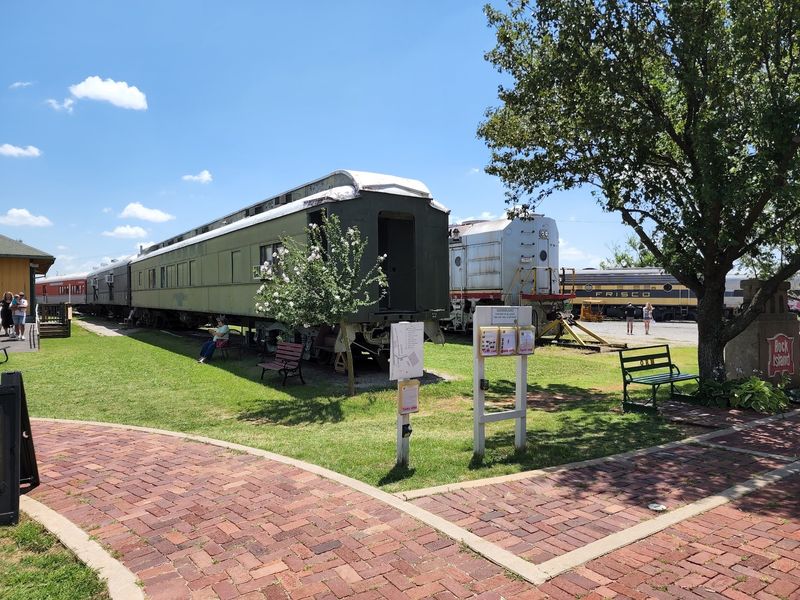
Railroad museums can sometimes feel narrowly targeted toward a specific kind of enthusiast, but the Oklahoma Railway Museum manages to sidestep that limitation consistently. The combination of free access, hands-on exploration, working rides, model trains, and seasonal events creates an experience that lands well across a genuinely broad range of visitors.
Young children respond to the sheer size of the locomotives and the interactive freedom of exploring the grounds without ropes or barriers constantly redirecting them. Teenagers who arrive skeptical tend to get drawn in by the scale of the equipment and the chance to climb into a caboose.
Adults and seniors often find the most meaning in the historical context, particularly those who remember when passenger rail was still a regular part of American life.
Rail enthusiasts traveling through Oklahoma City treat the museum as a required stop rather than an optional one, and first-time visitors with no particular interest in trains frequently leave surprised by how much they enjoyed themselves. The museum also works well as a solo visit, since the uncrowded grounds and lack of time pressure allow for a relaxed, self-directed pace.
Couples, families, and individual explorers all find their own version of the experience here.
Hours, Seasonal Scheduling, and Planning Your Visit
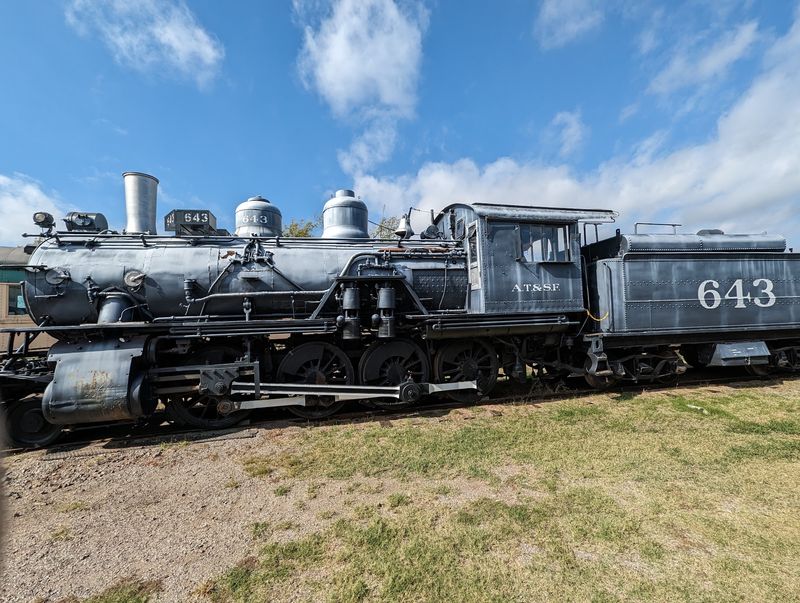
Planning around the museum’s schedule pays off, since the hours and available activities vary depending on the day and time of year. The museum is open Thursday through Saturday from 9 AM to 5 PM and remains closed Sunday through Wednesday.
Arriving on a day when train rides are running adds considerably to the experience, so checking the schedule in advance is worth the extra step.
Excursion train rides operate on the first and third Saturdays of each month through the summer season. Outside of those ride days, the grounds are still open for self-guided exploration, and tours can be arranged by contacting the museum directly at 405-424-8222.
The website at oklahomarailwaymuseum.org carries the most current information on special events, seasonal programming, and ticket availability.
Because the museum is primarily an outdoor experience, dressing for the weather makes a meaningful difference in comfort. Summer visits call for sun protection and comfortable shoes, while cooler months offer a more temperate setting for extended exploration.
Arriving with a bit of extra time beyond what you think you need tends to work in your favor, since the grounds reward slow, curious wandering over a quick pass-through. The museum is also dog-friendly, making it a natural choice for visitors who prefer to bring their pets along on day outings.
A Living Museum Still Growing Into Its Potential
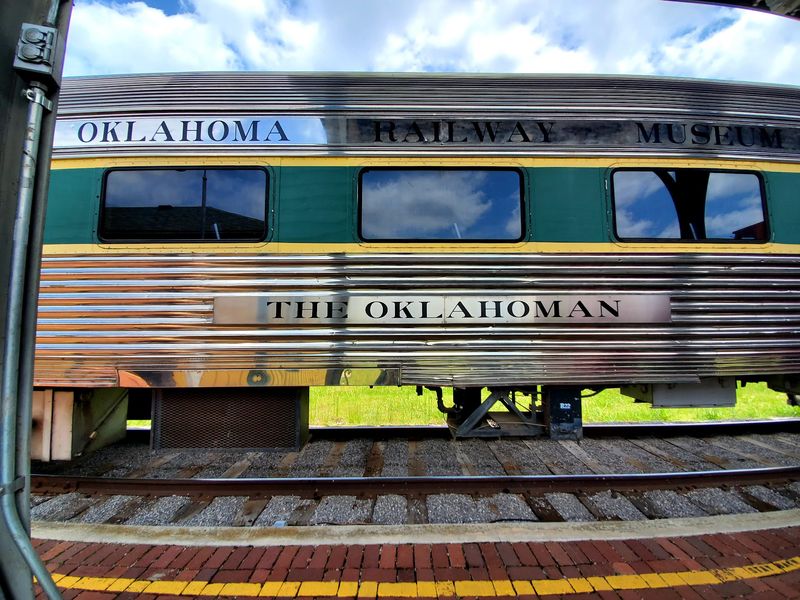
One of the more compelling aspects of the Oklahoma Railway Museum is that it operates as a living institution rather than a static display. New pieces are acquired periodically, though each addition requires restoration work before it meets the standard for public display.
That ongoing process means repeat visitors have genuine reason to return, since the collection is not fixed in place.
The museum has also signaled broader ambitions for the future. A Historical Society is expected to move into the facility and upgrade the visitor experience over the next several years, a development that longtime supporters are watching with considerable anticipation.
The museum’s current trajectory suggests that what already impresses visitors today represents only part of what the property will eventually become.
Funding that growth depends on continued public support, and the museum is transparent about its all-volunteer, no-government-funding model. Every excursion ticket purchased, every donation dropped in the gift shop jar, and every visitor who spreads the word about the museum contributes to keeping the collection intact and expanding.
The grounds already carry the unmistakable feeling of a place that people genuinely care about, and that investment of attention and effort from the community is precisely what gives the Oklahoma Railway Museum its character and its staying power.
Share this story