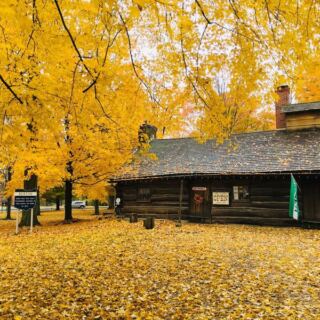
Tucked away in a small southeastern Oklahoma town, the Coal Miners Museum in Coalgate is the kind of place most road-trippers speed right past without a second glance. That would be a mistake.
Behind its modest exterior lies a surprisingly rich story about the men and communities who built their lives around the coal seams running beneath this part of Oklahoma. From underground tour experiences to authentic mining artifacts, this little museum punches well above its weight.
The Town Behind the Name and Where to Find It
Coalgate, Oklahoma did not get its name by accident. The town sits in Coal County in the southeastern corner of the state, a region where coal mining was once the economic backbone of entire communities stretching across the Choctaw Nation territory.
The Coal Miners Museum calls 118 S Broadway St, Coalgate, OK 74538 its home, right on the town’s main commercial strip. The location feels fitting, since Broadway Street itself carries the quiet dignity of a town that remembers its working-class roots with genuine pride.
Coal County was officially established in 1907 when Oklahoma achieved statehood, and Coalgate served as its county seat from the very beginning. The museum exists to make sure that founding chapter of the region’s identity does not fade into obscurity.
Getting here is straightforward from Ada or Ardmore, both of which sit within reasonable driving distance along US-75 and connecting state highways. The drive through rolling green hills and open pastureland is a pleasant warm-up for what waits inside.
A Region Shaped by Coal and Choctaw History
Long before Oklahoma was a state, coal mining in this region was already in full swing. The Choctaw Nation controlled vast coal-rich lands in Indian Territory, and operators moved in during the 1870s and 1880s to extract the resource with significant labor drawn from immigrant communities and local populations alike.
Welsh, Italian, and Eastern European miners arrived in large numbers, creating a surprisingly multicultural society in the middle of Indian Territory. Their presence left a lasting imprint on the culture of Coal County that the museum works hard to document and preserve.
The Choctaw Coal and Railway Company played a central role in developing the area’s mining infrastructure, and the railroad lines that followed the coal seams helped connect Coalgate to broader markets. Understanding that layered history, where Indigenous land rights, immigrant labor, and industrial ambition all intersected, gives the museum’s exhibits a depth that goes well beyond simple nostalgia.
The story told here is genuinely complicated, and the museum does not shy away from that complexity.
The Underground Tour Experience That Sets This Place Apart
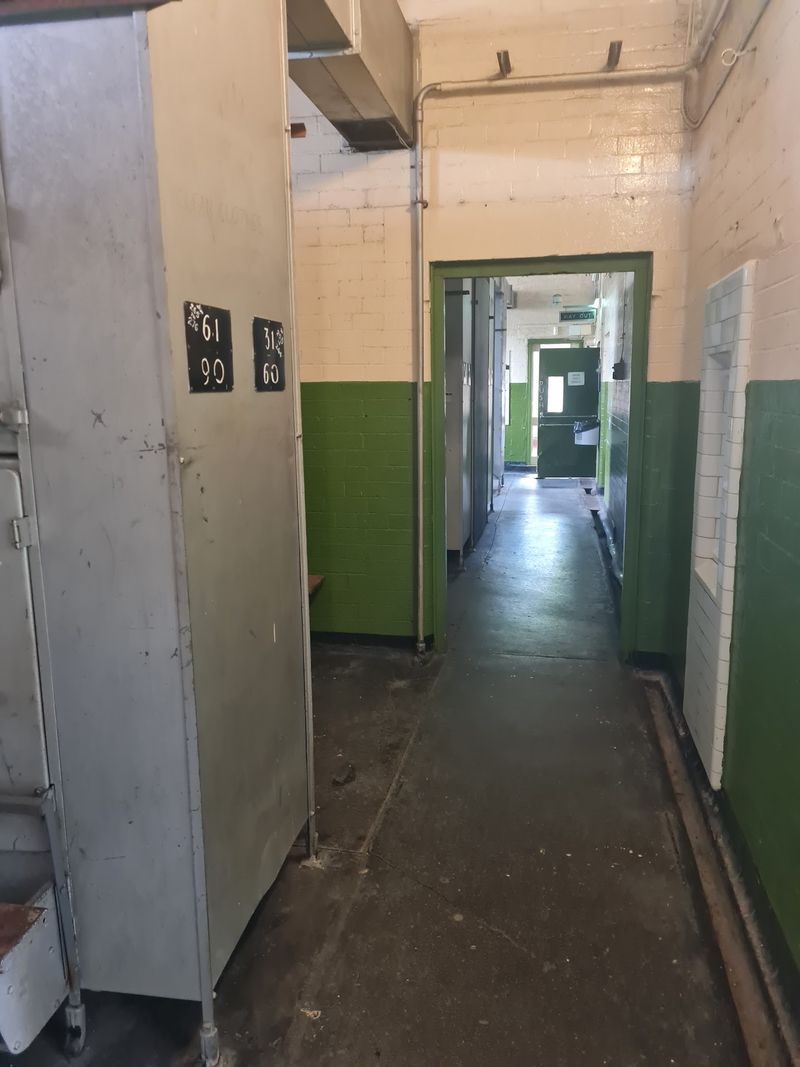
Most small-town museums stick to glass cases and wall panels. The Coal Miners Museum goes a step further with an underground tour experience that gives visitors a tangible sense of what it actually felt like to work deep beneath the surface.
The underground component recreates the cramped, dimly lit environment that miners navigated every single day. Narrow passages, replica support timbers, and period-accurate tools come together to build an atmosphere that photographs simply cannot capture.
You have to walk through it to feel the weight of it.
Families with children tend to find this portion of the visit especially memorable. Kids who might otherwise glaze over at historical exhibits suddenly pay close attention when they are crouching through a tunnel and handling the kinds of tools their great-great-grandparents actually used.
The experience bridges the gap between abstract history and something visceral and real. For adults, the underground section delivers a quiet, almost meditative appreciation for the physical demands that defined a miner’s working life every single shift.
Artifacts That Tell the Story Without Saying a Word
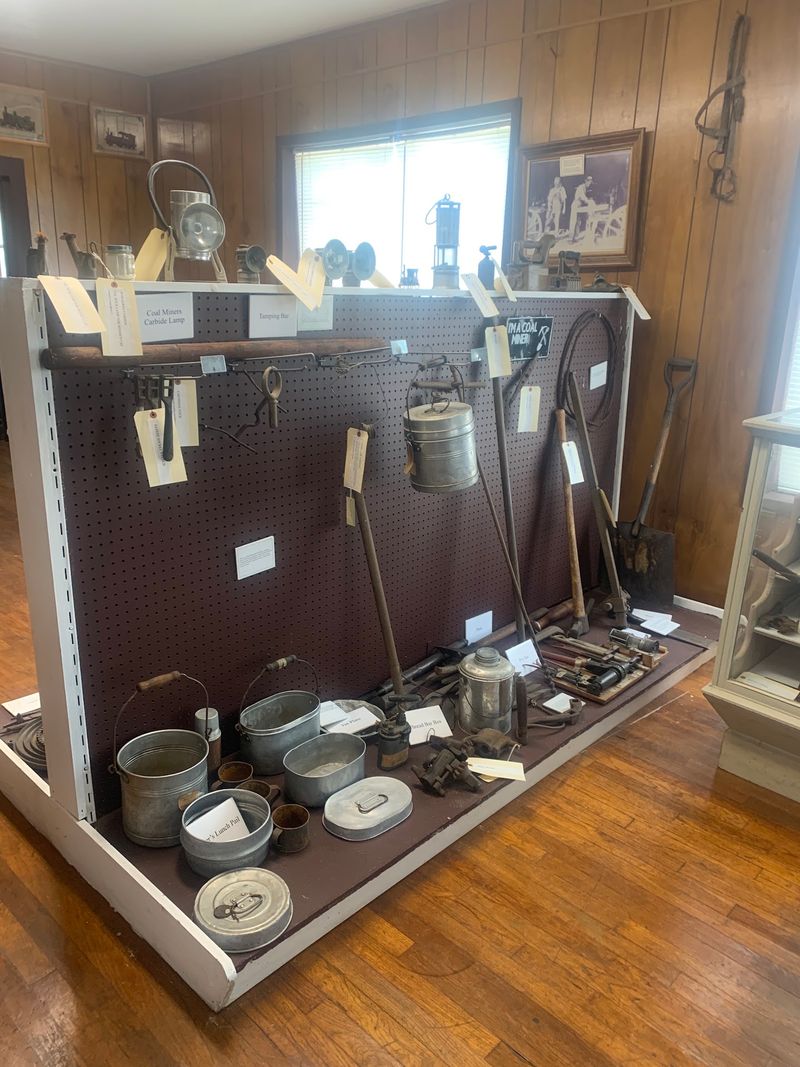
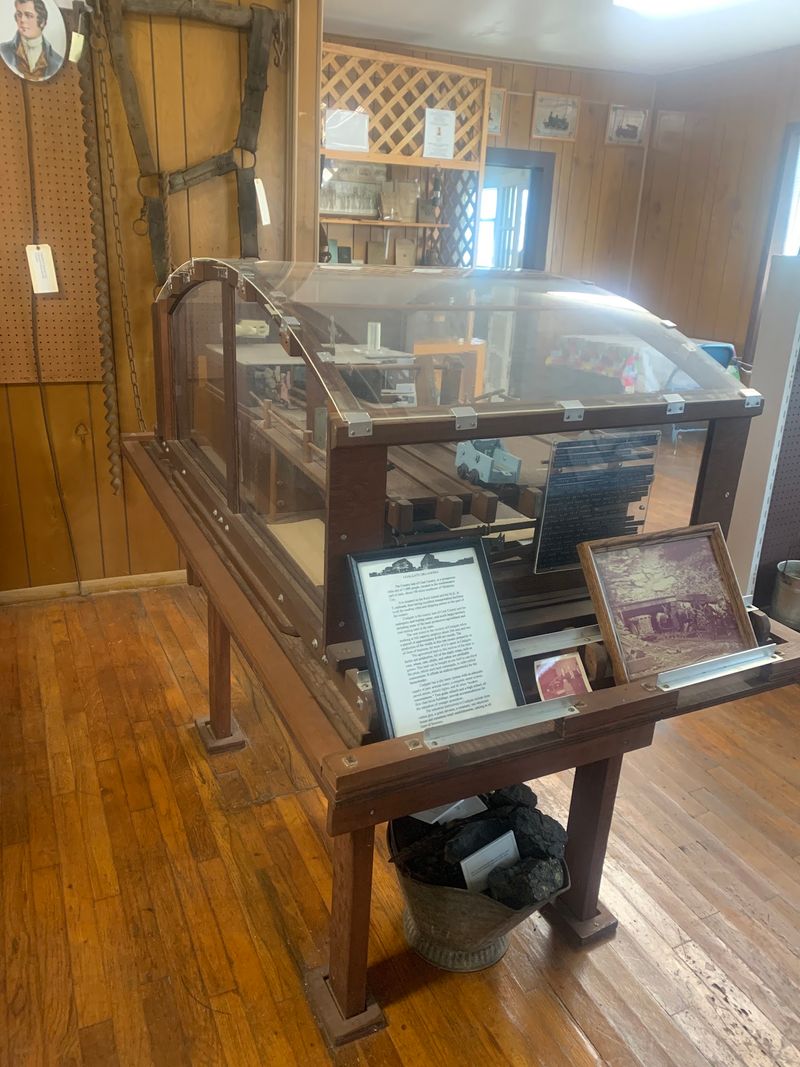
Beyond the underground experience, the museum’s artifact collection fills the space with objects that carry real weight, literally and figuratively. Carbide lamps, canvas work jackets, blasting equipment, and hand tools line the displays in a way that feels curated rather than cluttered.
Each object represents not just a function but a life. A battered lunch pail sitting in a case is easy to overlook until you stop and consider that someone carried it underground every morning for decades, not knowing with certainty whether they would surface at the end of the shift.
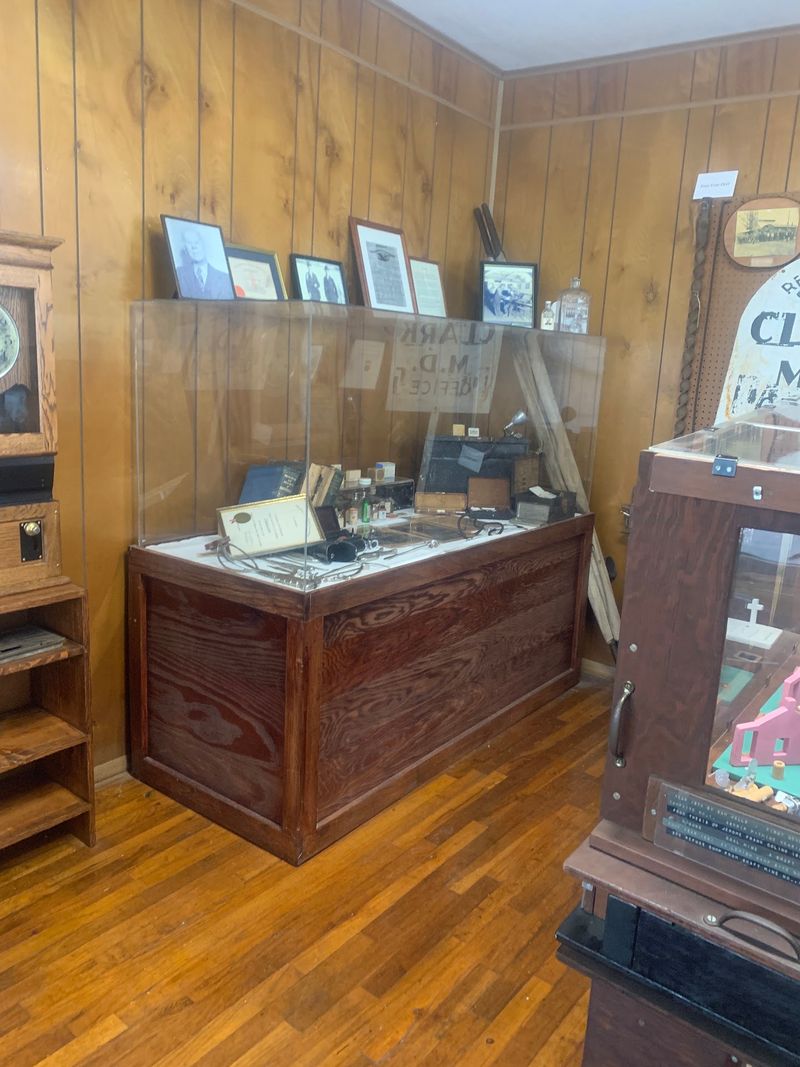
The collection also includes photographs, documents, and company records that flesh out the human side of the industry. Payroll ledgers, union cards, and safety notices from the early 1900s appear alongside the physical tools, creating a fuller picture of what daily life looked like in a coal mining community.
Visitors who take their time with the artifact displays tend to leave with a much richer understanding of the era than those who move quickly through the space.
The Architecture and Setting of the Museum Building
The building itself occupies a spot on Broadway Street that feels very much like the heart of old Coalgate. Small-town main street architecture in southeastern Oklahoma tends toward solid, no-nonsense brick construction, and this block is no exception.
There is something appropriate about housing a museum dedicated to working-class history inside a building that does not try to impress with grand gestures. The modest scale of the space actually reinforces the story being told inside, because coal mining was never a glamorous industry.
It was hard, practical work, and the museum’s physical setting reflects that spirit honestly.
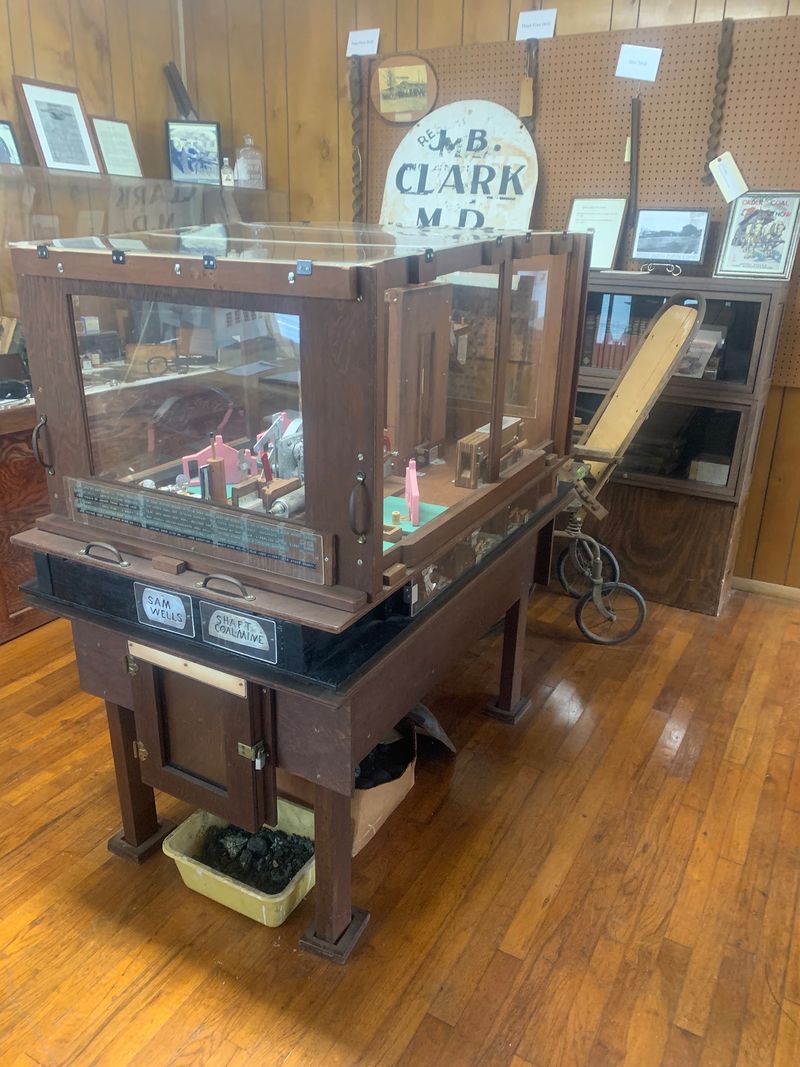
The interior layout makes good use of the available square footage without feeling overstuffed. Display areas flow naturally from one to the next, and the underground section adds a vertical dimension that most storefront museums simply cannot offer.
First-time visitors are often surprised by how much ground the museum covers given its unassuming street presence. The building wears its purpose quietly, which somehow makes the experience inside feel more genuine.
Coal County Communities and the Human Geography of Mining
Coal County is not a large place, but at its peak during the early twentieth century it supported a surprising number of active mining communities. Towns like Coalgate, Lehigh, Coalton, and Tupelo each had their own character shaped by the particular mix of people who settled there to work the mines.
The museum touches on this community geography in its exhibits, giving visitors a sense of how dispersed yet interconnected the mining culture was across the county. Company towns, union halls, ethnic churches, and company stores all played roles in defining daily social life in ways that went far beyond the mine shaft itself.
Lehigh, just a short drive from Coalgate, was once one of the most active mining communities in the territory and the state. Understanding that the museum exists within a broader landscape of related history makes the visit feel like a starting point rather than a final destination.
The surrounding area rewards curious travelers who want to connect the dots between what they learn inside the museum and what they can still observe driving the back roads of Coal County.
The Role of Labor Unions in the Mining Era
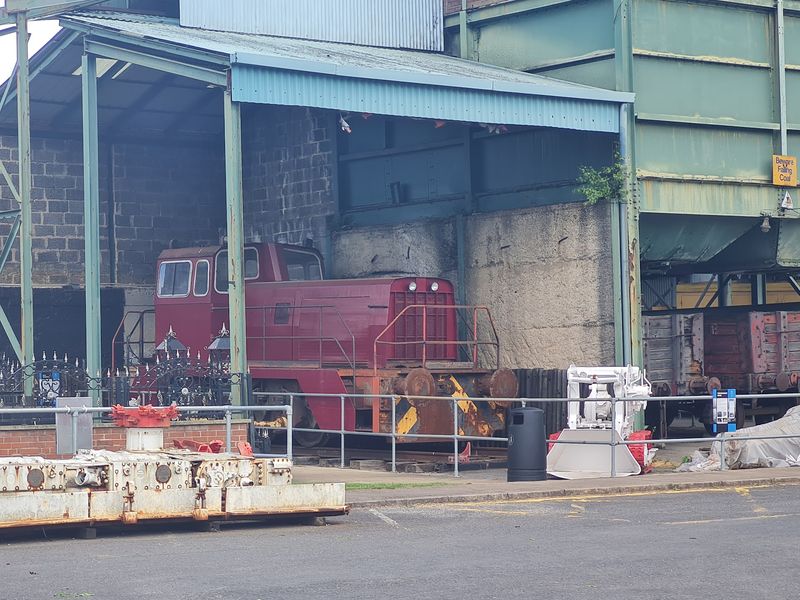
One of the more compelling threads running through the Coal Miners Museum’s story is the role that organized labor played in shaping conditions underground and above ground. The United Mine Workers of America had a significant presence in Indian Territory and later in Oklahoma, and their influence touched nearly every aspect of mining life in Coal County.
Strikes, negotiations, and hard-won safety improvements all came out of the union movement, and the museum’s exhibits acknowledge that history without glossing over the tensions that accompanied it. Management and labor clashed repeatedly during the late 1800s and early 1900s, and those conflicts left marks on the community that lasted for generations.
For visitors with an interest in labor history, this dimension of the museum adds a layer of political and social context that elevates the experience beyond simple industrial nostalgia. The story of coal mining in Oklahoma is inseparable from the story of workers fighting for safer conditions and fair wages, and the museum treats that struggle with the seriousness it deserves.
The union angle alone makes this a richer stop than most travelers expect.
Family Visits and the Museum’s Appeal for Younger Audiences
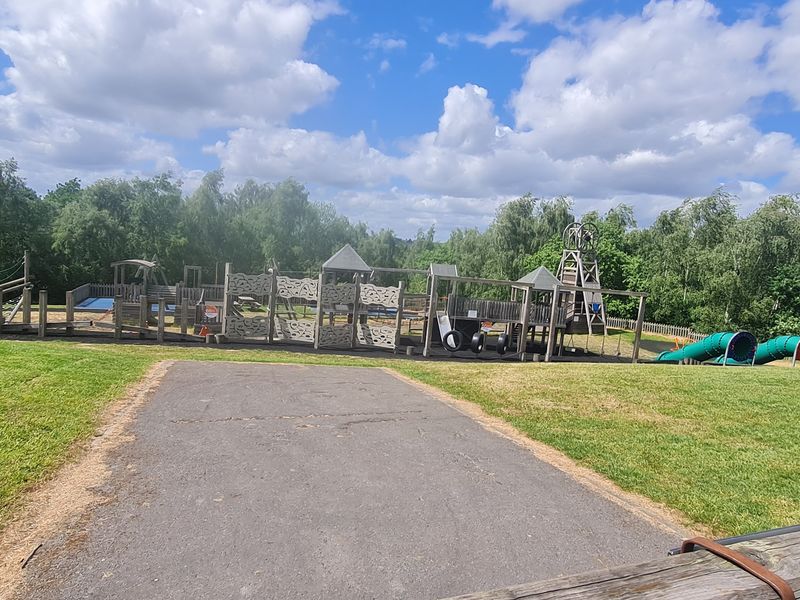
Bringing kids to a history museum can feel like a gamble, but the Coal Miners Museum tilts the odds in your favor. The hands-on quality of the underground tour section in particular gives younger visitors something to engage with physically rather than just visually.
Children respond well to spaces that ask something of their imagination and their bodies simultaneously. Crouching through a replica tunnel, examining tools sized for human hands, and hearing about the actual boys who worked in mines at young ages during the 1800s and early 1900s creates a kind of historical empathy that classroom learning rarely achieves on its own.
Parents report that the visit sparks genuine questions from kids long after they leave Coalgate, which is about the best outcome any museum can hope for. The museum does not talk down to younger visitors or oversimplify the history to the point of distortion.
The story is presented honestly, and children tend to rise to meet it. A visit here pairs well with a picnic lunch at one of the nearby parks in town, making it a complete and satisfying half-day outing for families.
Immigrant Communities and the Cultural Mosaic of Coal Country
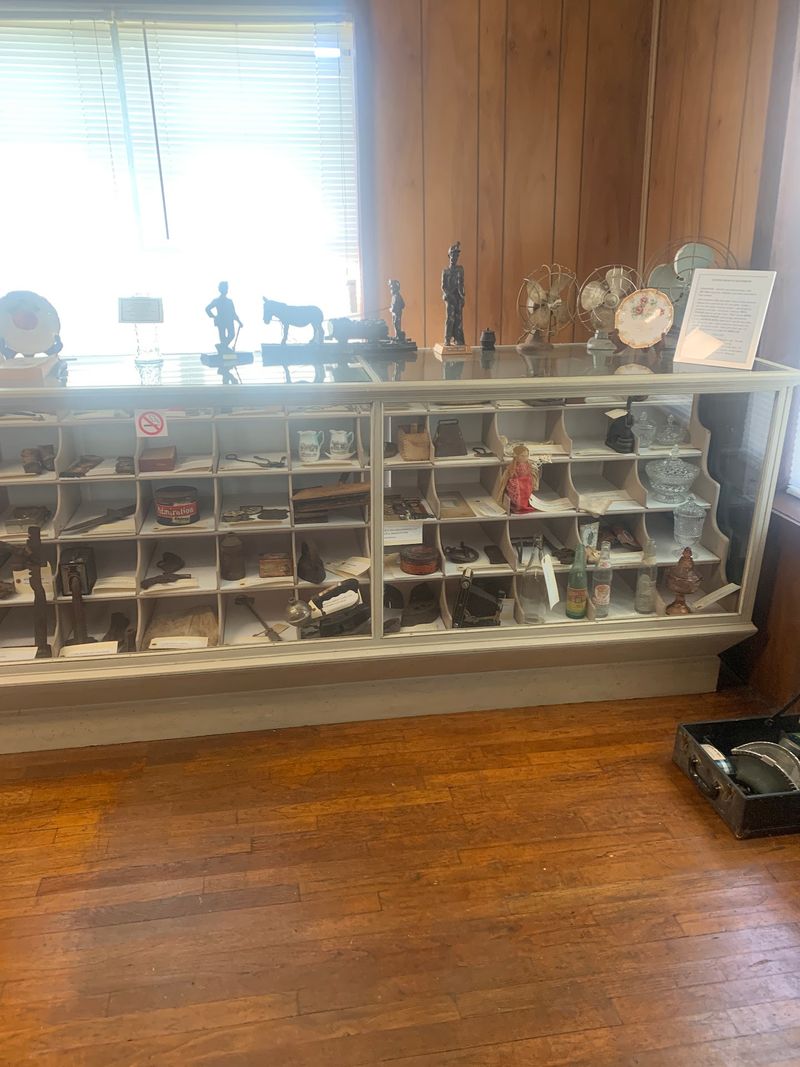
Few corners of Oklahoma carry the kind of multicultural immigrant history that Coal County does, and the museum gives that story meaningful space. Welsh miners brought technical expertise from the coalfields of Britain.
Italian immigrants arrived in significant numbers, particularly from southern Italy, and established tight-knit neighborhoods around the mining camps.
Eastern Europeans from Poland, Slovakia, and other nations added further layers to the community’s cultural fabric. Each group brought its own food traditions, religious practices, and social customs, and those influences blended in ways that shaped the region’s identity for decades after the mines closed.
Photographs in the museum capture faces from this era that feel remarkably vivid despite the passage of time. Looking at a group portrait of miners from the early 1900s, you can see the mix of backgrounds represented in a single crew.
The museum frames this diversity not as a curiosity but as a core feature of Coal County’s story, one that deserves to be understood alongside the industrial and economic history. It is a dimension of Oklahoma’s past that rarely gets the attention it merits.
Safety, Hazards, and the Hard Realities of Underground Work
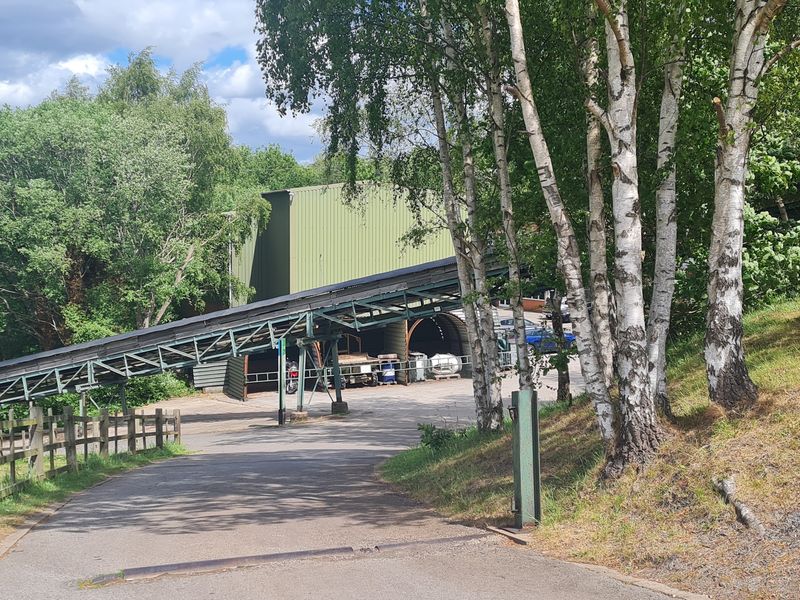
Coal mining was among the most hazardous occupations of the industrial era, and the museum does not soften that reality. Exhibits covering mine safety touch on the ever-present threats of cave-ins, gas explosions, flooding, and respiratory disease that miners faced as routine occupational hazards.
Early safety equipment on display, including primitive gas detection tools and basic protective gear, makes the technological gap between then and now feel stark. The tools miners relied on for warning were rudimentary by any modern standard, yet workers descended into those conditions daily because the work was available and the pay, however modest, was necessary.
The museum handles this material with appropriate gravity without tipping into sensationalism. Understanding the physical risks of the job deepens respect for the people who performed it, and the exhibits are designed to cultivate that respect thoughtfully.
Visitors who work in physically demanding trades today often find a particular resonance with this section of the museum, recognizing across the decades a shared understanding of what it means to do hard, dangerous work because it needs doing. The atmosphere here is quiet and reflective.
The Atmosphere Inside the Museum on a Quiet Weekday
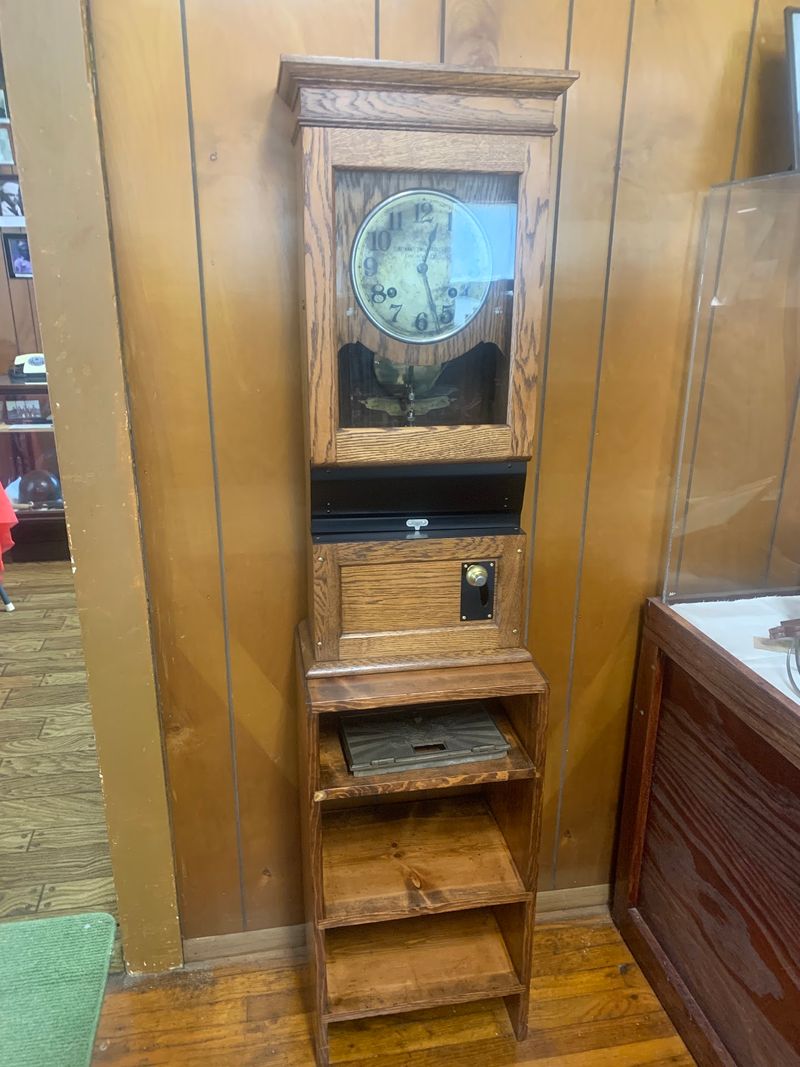
There is a particular quality to visiting a small museum in a small town on a slow Tuesday afternoon that bigger institutions simply cannot replicate. The Coal Miners Museum carries that quality in abundance.
The pace is unhurried, the space is intimate, and there is no crowd noise drowning out your own thoughts as you move through the exhibits.
Staff and volunteers at this kind of community museum tend to be deeply invested in the material they are presenting. A conversation with someone who grew up in Coal County and has personal family connections to the mining era adds dimensions to the visit that no display panel can provide.
The overall atmosphere is warm and genuinely welcoming rather than performatively so. You get the sense that the museum exists because the community believes the story matters, not because someone decided a heritage attraction would be good for tourism metrics.
That authenticity is detectable the moment you walk through the door. For travelers who have grown weary of polished, over-produced visitor experiences, the Coal Miners Museum offers a refreshing counterpoint grounded in real local pride.
Coalgate as a Base for Exploring Southeastern Oklahoma
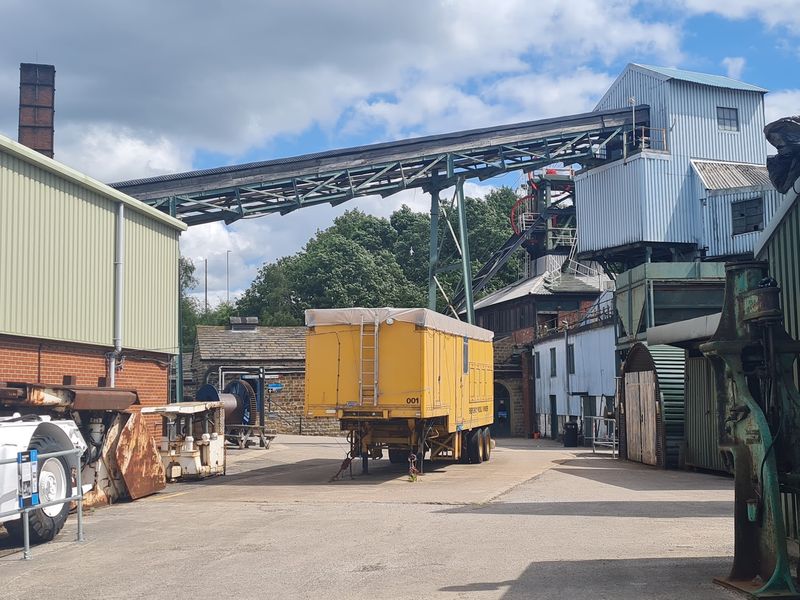
Coalgate sits in a part of Oklahoma that rewards slow travel and open curiosity. The Arbuckle Mountains lie to the northwest, offering trails, waterfalls, and natural swimming holes within a reasonable drive.
Chickasaw National Recreation Area, one of Oklahoma’s most underrated federal parks, is accessible from this general corridor as well.
The town itself is compact and easy to navigate, with the museum serving as a natural anchor point for a half-day or full-day exploration of the area. Grabbing a meal in town before or after your museum visit keeps things simple, and the surrounding countryside is pleasant enough to justify a leisurely drive rather than a direct shot back to the highway.
Road-trippers moving between Dallas and Oklahoma City sometimes overlook southeastern Oklahoma entirely in favor of the more trafficked I-35 corridor. Swinging through Coal County adds genuine texture to that journey without adding much time.
The combination of the museum, the landscape, and the quiet small-town atmosphere makes Coalgate a worthwhile detour that tends to stick in the memory longer than a routine highway stop ever could.
Practical Information for Planning Your Visit
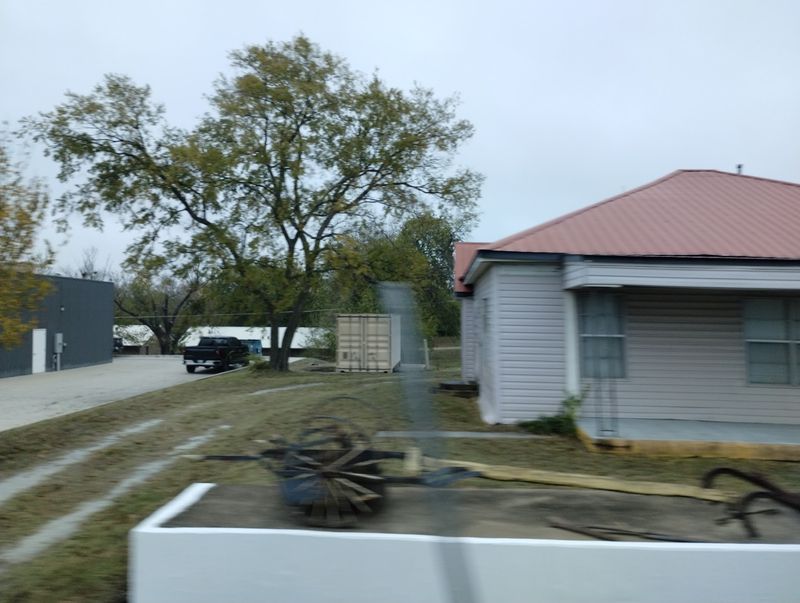
Planning around the museum’s schedule is the most important practical step before making the trip. The Coal Miners Museum is open Tuesday through Thursday, 9 AM to 4 PM, and is closed Friday through Monday.
That limited window catches some visitors off guard, so checking the schedule before you drive out is worth the thirty seconds it takes.
The museum’s phone number is 580-927-2360 if you want to confirm hours or ask about group visits before arriving. Reaching out ahead of time is particularly useful if you are traveling with a larger group or want to make sure the underground tour is available during your visit.
The address, 118 S Broadway St in Coalgate, is easy to locate using any standard navigation app, and parking on Broadway Street is generally straightforward given the town’s modest traffic levels. The museum holds a 4.4-star rating across its Google reviews, with most visitors highlighting the underground tour and the breadth of the artifact collection as the standout elements.
Admission pricing is best confirmed directly with the museum by phone, since small institutions sometimes adjust fees based on programming or group size. Arriving early in the day gives you the most time to explore without feeling rushed.
Why This Museum Earns a Place on Any Oklahoma Road Trip
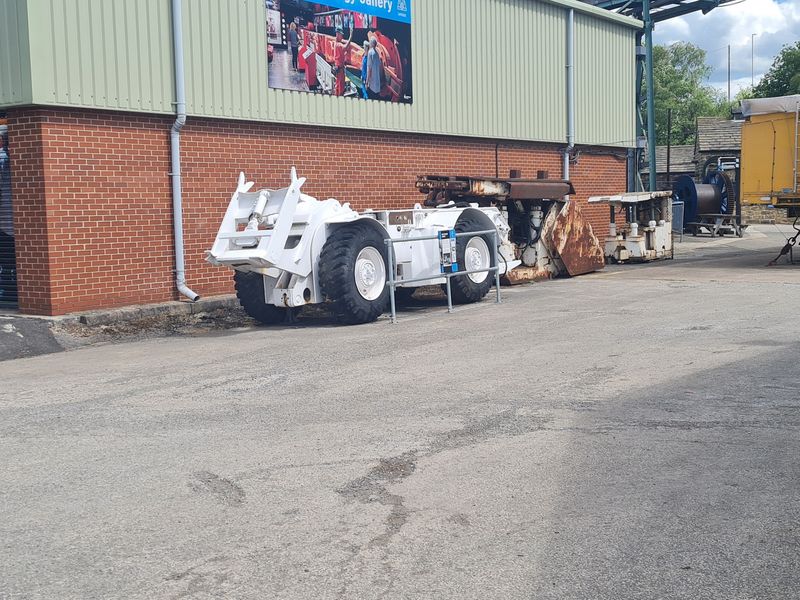
Oklahoma has no shortage of roadside attractions and regional museums competing for a traveler’s attention, but the Coal Miners Museum occupies a niche that very few others can claim. An actual underground experience, a layered multicultural history, and an honest reckoning with the physical realities of industrial labor combine to make this a stop that delivers more than its modest profile suggests.
The museum is the kind of place that reminds you why slowing down and taking the back road matters. It is not trying to compete with major metropolitan attractions, and it does not need to.
The story it tells is specific, grounded, and real in a way that resonates precisely because it does not reach for more than it can honestly deliver.
Coal County and Coalgate deserve more visitors than they currently get, and the museum is the clearest argument for why that should change. Whether you are a history enthusiast, a curious road-tripper, or a parent looking for something genuinely educational for your kids, this small but serious museum on Broadway Street makes a strong case for itself.
Go on a Tuesday, give it your full attention, and leave room to be surprised.
Share this story