History books have a way of leaving out some of the most remarkable people who ever lived. For centuries, women who made groundbreaking discoveries, led armies, saved lives, and changed the course of science were quietly pushed aside while others took the credit or the spotlight.
Their stories did not disappear because they were unimportant. They disappeared because the people writing history often decided whose names were worth remembering.
This list brings back 16 of those women, each one responsible for something that shaped the world we live in today. Some of their names are starting to get the recognition they deserve, while others are still waiting.
Either way, their contributions are real, their courage was extraordinary, and their stories are long overdue for a wider audience.
Hypatia of Alexandria: The Scholar Silenced by Violence
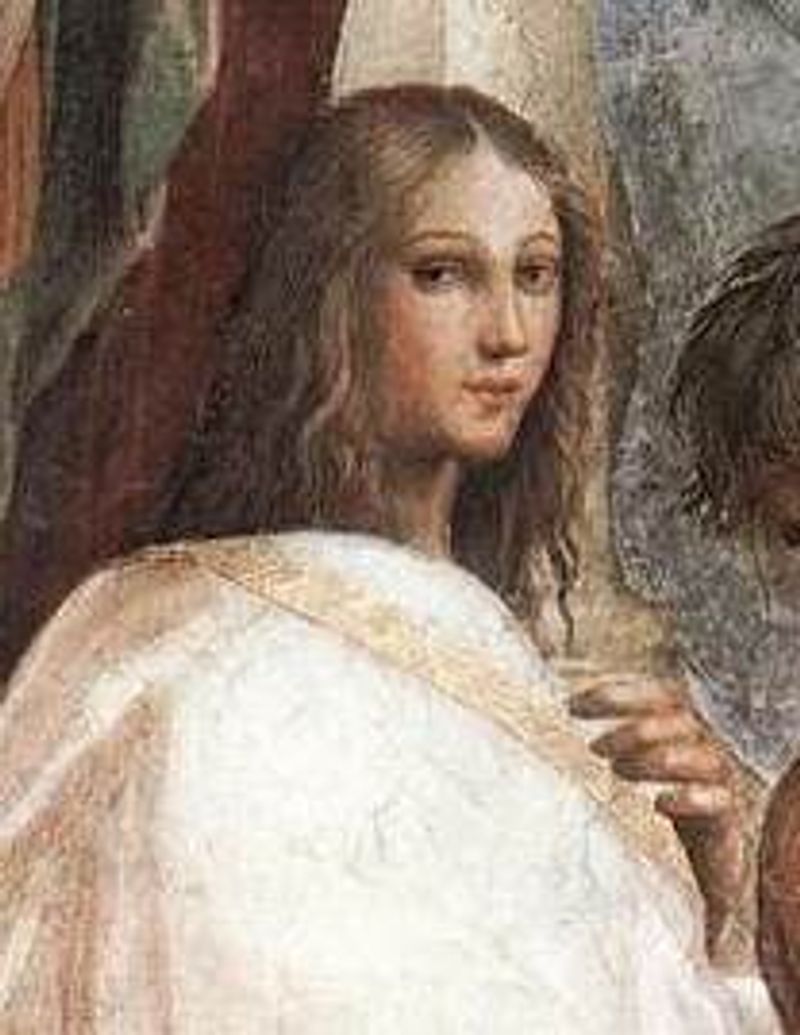
Few names from the ancient world carry as much weight as Hypatia of Alexandria. She was a philosopher, mathematician, and teacher who worked in a city famous for its intellectual life, and she attracted serious students who came from across the region to learn from her.
Her death in 415 CE was not quiet or forgotten. She was killed by a mob in a violent act tied to the political and religious tensions of her time, and that moment has echoed through history as a stark reminder of what happens when knowledge is seen as a threat.
What makes Hypatia so significant is that she proves women were active participants in serious academic life long before modern universities existed. She debated, taught, and influenced thinkers in a world that rarely preserved women’s intellectual legacies with the same care it gave to men.
Her story is not just tragic. It is a challenge to every assumption about who gets to be called a genius.
Mary Anning: The Fossil Hunter Who Helped Shape Paleontology
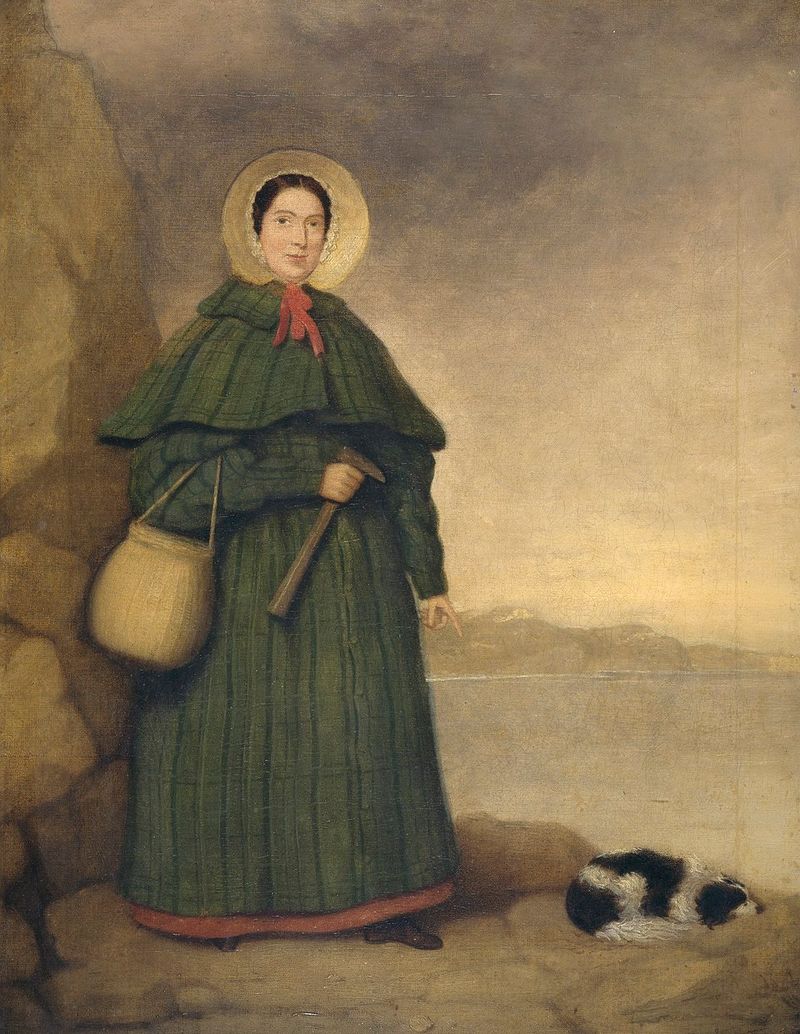
Mary Anning grew up poor in Lyme Regis, England, and never received a formal scientific education, yet her eye for fossils helped transform the way scientists understood prehistoric life. She discovered important marine reptile fossils along the Jurassic Coast, including ichthyosaurs and plesiosaurs, that reshaped what researchers knew about Earth’s ancient past.
The frustrating part of her story is how rarely she was credited. Male scientists bought and studied the fossils she uncovered, published findings based on her work, and were celebrated while her name was often left out of the record entirely.
The Natural History Museum has acknowledged that this pattern was both real and deeply unfair.
Anning’s case is one of the clearest examples of how class and gender shaped scientific recognition in the 19th century. She had the skill and patience to find things that changed entire fields of study.
The scientific establishment of her time simply chose not to say her name out loud often enough.
Ada Lovelace: The Woman Who Saw the Future of Computing
Ada Lovelace is often called the first computer programmer, and the reason why is genuinely fascinating. She worked alongside Charles Babbage on his proposed Analytical Engine and understood something that almost no one else at the time could see: this machine was not just a calculator.
It could potentially manipulate symbols and follow complex instructions in ways that anticipated modern computing by more than a century.
Her genius was as much imaginative as it was technical. At a time when machines were seen purely as mechanical tools, Lovelace was already thinking about what they could become.
She wrote what many historians consider the first algorithm intended to be processed by such a machine.
That is why her name still matters in technology today. She recognized the creative potential of computing before computers truly existed, and she did it in a world that rarely expected women to think about machines at all.
Her vision was simply ahead of its time.
Ida B. Wells: The Journalist Who Exposed Lynching
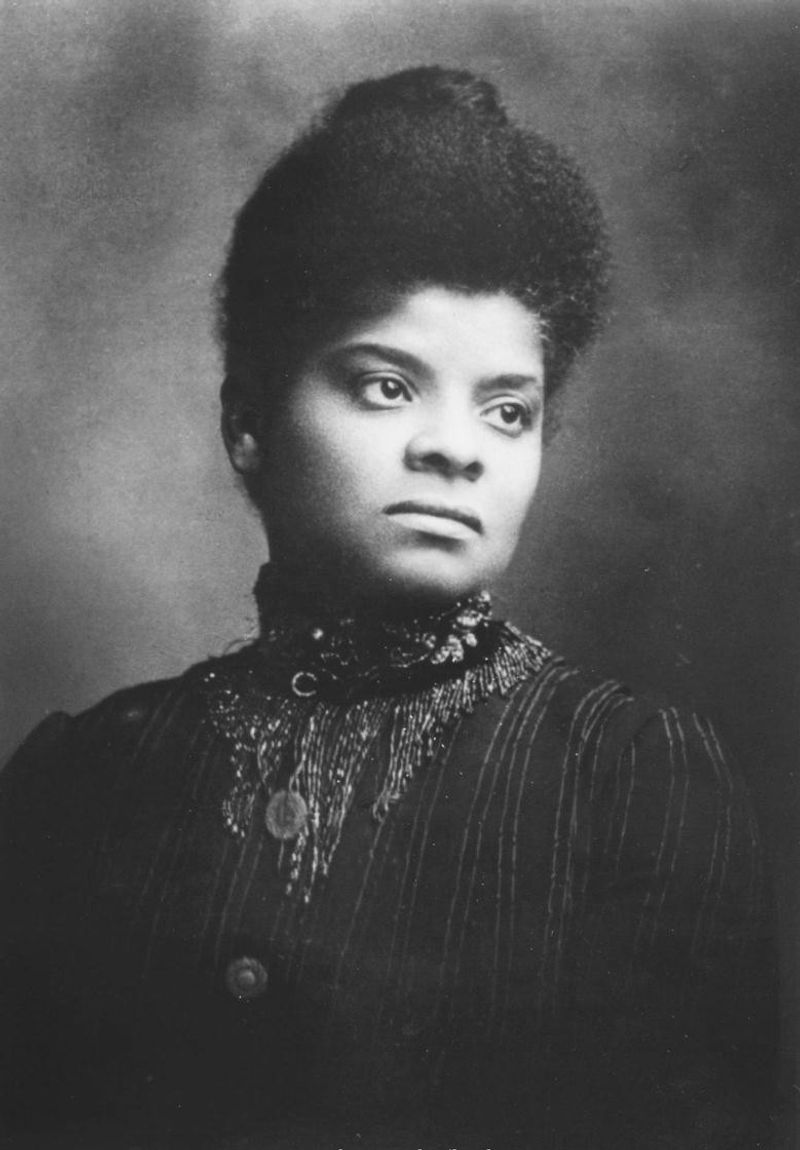
Ida B. Wells picked up a pen and used it like a weapon.
As a journalist and activist in the late 19th and early 20th centuries, she used investigative reporting to document and expose racial terror in the United States at a time when many white institutions were working hard to justify or ignore it.
Her work came at a real personal cost. Her newspaper office was destroyed by a mob, she received serious threats, and she was forced to leave the South.
None of that stopped her from continuing to write, speak, and organize. The NAACP recognizes her as one of the foundational figures in anti-lynching activism.
Wells did not just report the news. She built an argument, backed it with facts, and forced the public to look at what was happening.
Her legacy reaches far beyond journalism. She helped lay the groundwork for later civil rights organizing by proving that documented truth, delivered with courage, can challenge even the most entrenched systems of violence.
Hedy Lamarr: The Hollywood Star Who Helped Inspire Wireless Technology
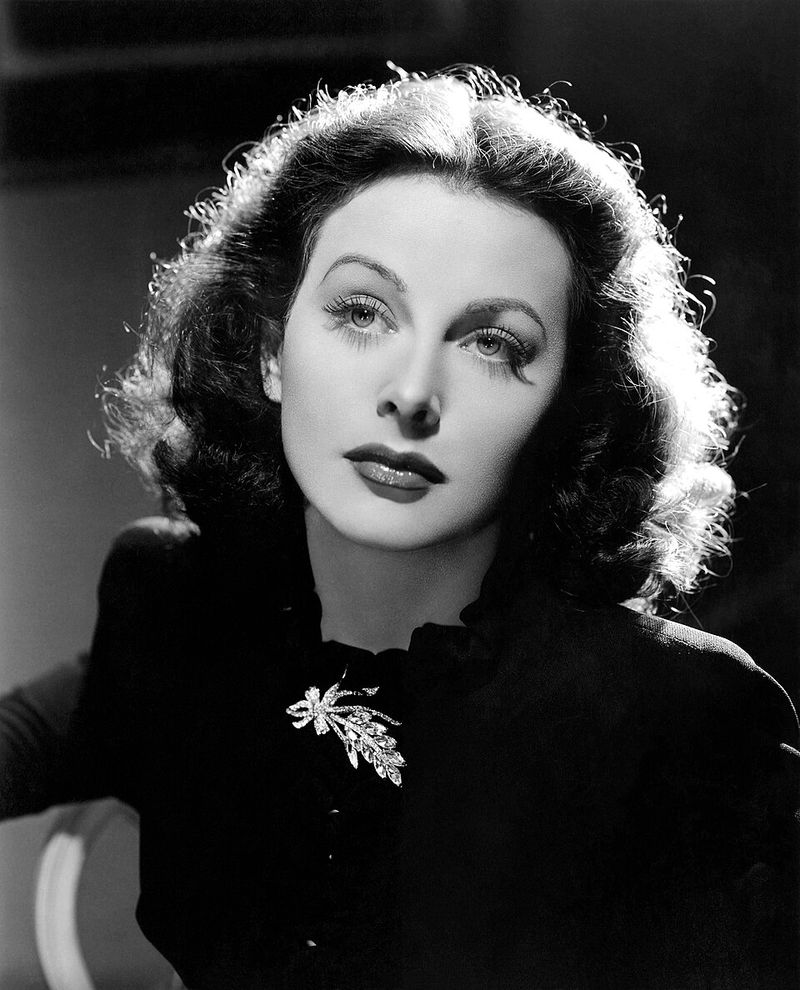
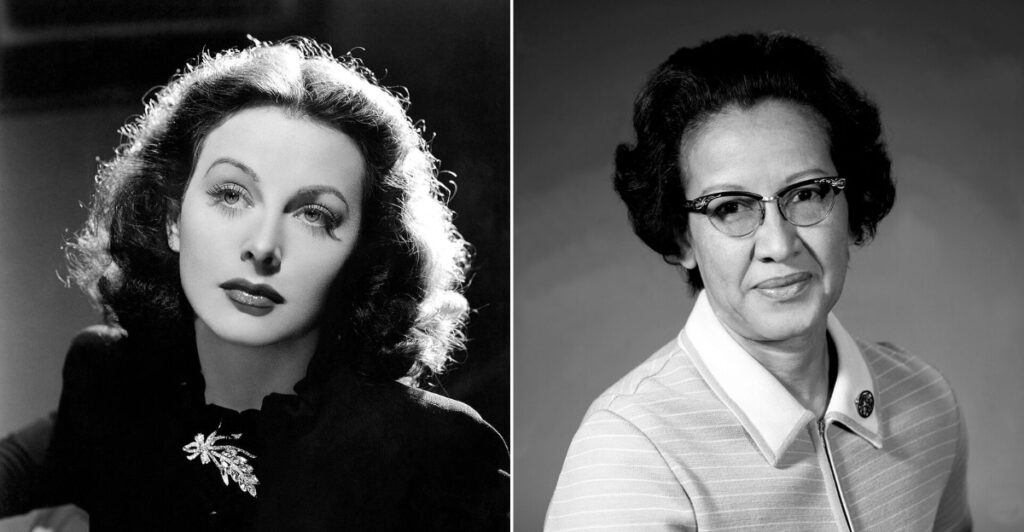
Most people knew Hedy Lamarr as one of the biggest movie stars of the 1940s. Very few knew she was also working on an invention that would eventually contribute to the foundation of modern wireless communication technology.
During World War II, Lamarr and composer George Antheil developed a frequency-hopping communication system designed to prevent radio-guided torpedoes from being jammed by enemy forces. The National WWII Museum notes that they filed a patent application in 1941 and received a U.S. patent in 1942.
The military did not act on the patent during the war, and it expired before its full value was recognized.
Her story challenges a tired assumption that beauty and technical brilliance are somehow incompatible. The world was so comfortable seeing her as a glamorous face on screen that it had little interest in her ideas.
Today, she is remembered as someone whose thinking helped shape concepts that billions of people rely on every single day.
Rosalind Franklin: The Scientist Behind DNA’s Most Famous Image
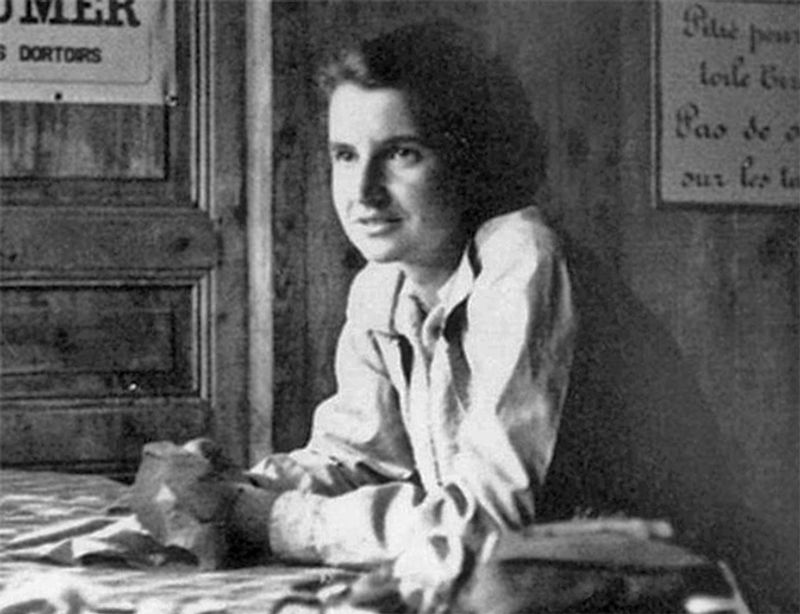
Rosalind Franklin’s contribution to one of the biggest scientific discoveries of the 20th century was essential, and for a long time, it was also largely invisible to the public. Working at King’s College London, Franklin and her student Raymond Gosling captured Photo 51 in 1952, an X-ray diffraction image that provided critical evidence for the double-helix structure of DNA.
That image was shared with James Watson and Francis Crick without Franklin’s knowledge, and it helped them complete their famous model. Watson, Crick, and Maurice Wilkins received the Nobel Prize in 1962.
Franklin had passed away in 1958 and was not eligible, but her absence from the credit was a pattern that started long before her death.
Her careful, precise scientific work helped unlock one of biology’s greatest secrets. The tragedy of her story is not that she was absent from the discovery.
It is that the popular version of the story was told for decades as though she barely existed.
Katherine Johnson: The Mathematician Who Helped Send Astronauts Into Space
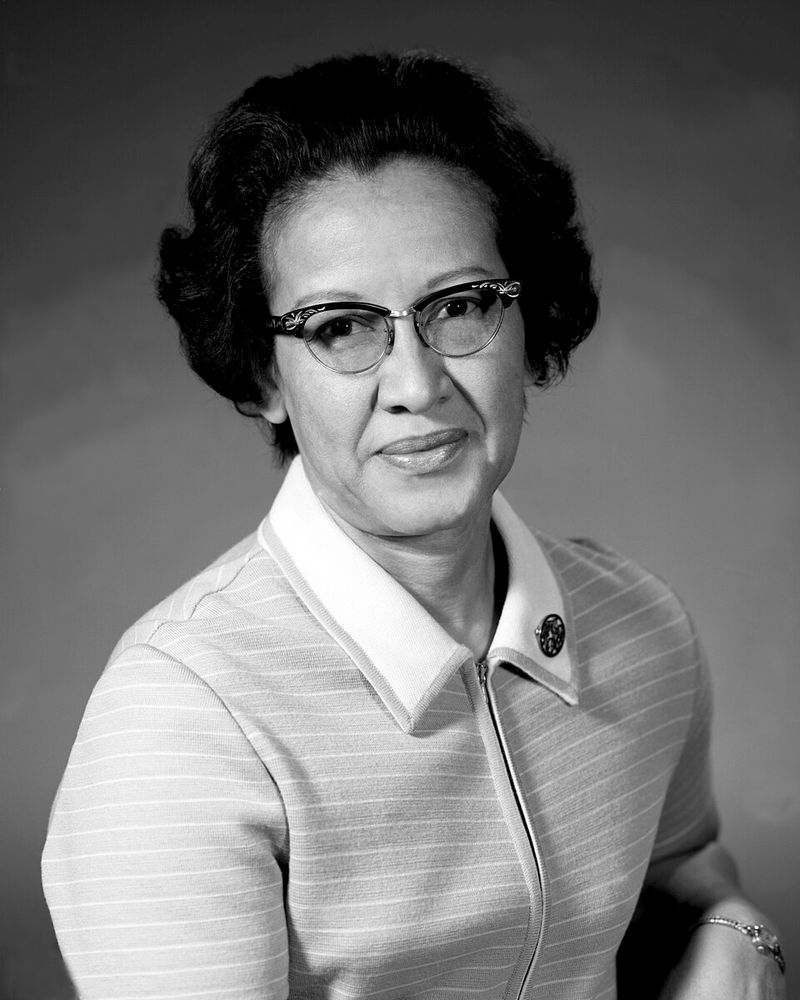
Katherine Johnson’s calculations were not just useful to NASA. They were trusted with human lives.
Her mathematical work contributed to critical aeronautics and space programs, and when John Glenn prepared for his 1962 orbital flight, he specifically requested that Johnson recheck the computer’s calculations before he would agree to fly.
That detail says everything. At a time when NASA was beginning to rely on electronic computers, one of its most accomplished astronauts trusted a person over a machine, and that person was Katherine Johnson.
NASA credits her with work connected to Apollo and to the synchronization of the Lunar Module with the Command and Service Module.
Her story was largely unknown to the general public for decades. The 2016 film Hidden Figures brought wider attention to her contributions, but the work itself was never small.
Johnson helped make human spaceflight safer and more precise at a time when every calculation carried consequences that could not be undone.
Noor Inayat Khan: The Spy Who Refused to Break
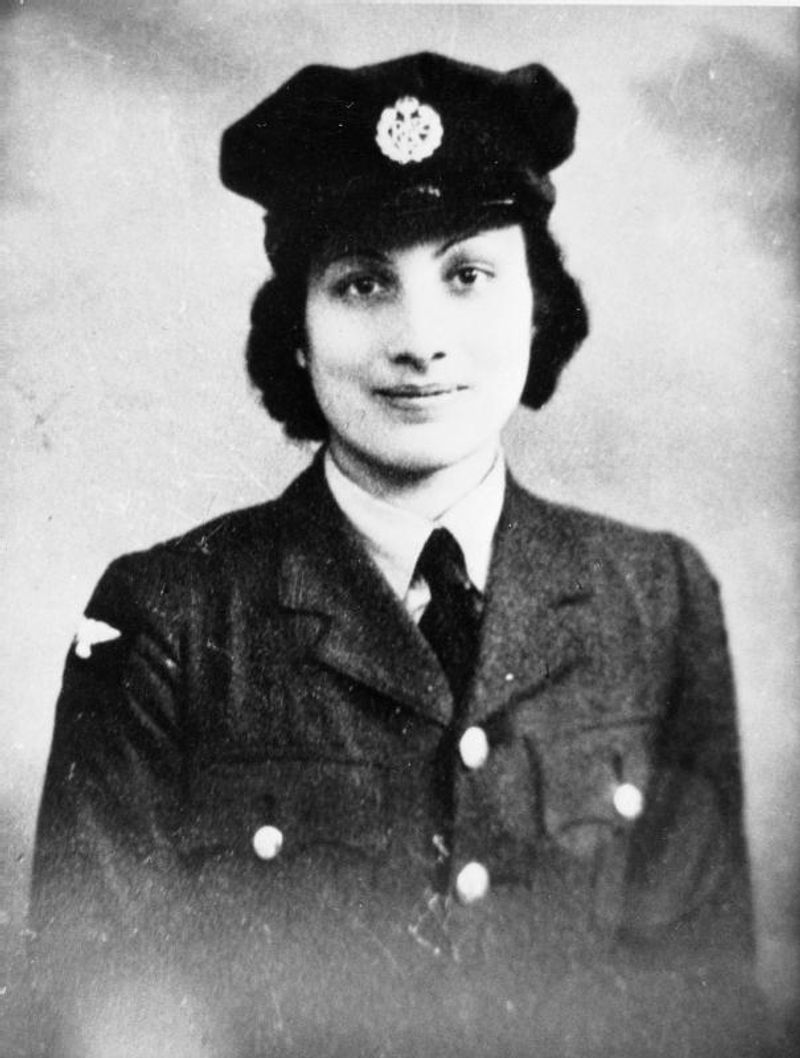
Noor Inayat Khan was born into a family with deep spiritual and pacifist roots, which makes it all the more remarkable that she chose one of the most dangerous roles available during World War II. She became the first female radio operator sent into occupied France as a British Special Operations Executive agent, working under the codename Madeleine.
Radio operators in occupied territory were at constant risk because transmissions could be tracked by enemy forces. Most of the agents she worked alongside were captured within weeks.
Noor kept operating for months, becoming one of the last links in a network that had been nearly destroyed around her.
She was eventually captured, imprisoned, and killed by the Nazis. She was posthumously awarded the George Cross and the Croix de Guerre with Gold Star.
English Heritage recognizes her courage and sacrifice. Her bravery was not loud or theatrical.
It was disciplined, isolated, and deadly serious, the kind that rarely makes it into history books the way it should.
Irena Sendler: The Rescuer Who Helped Save Jewish Children
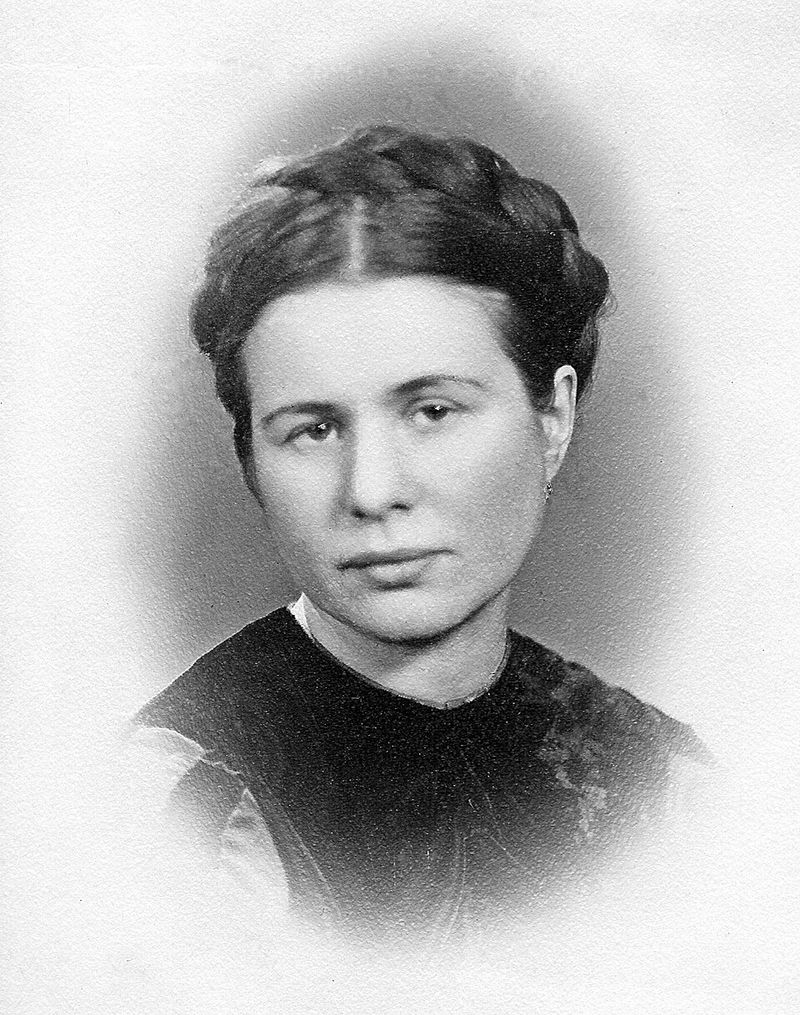
Irena Sendler was a Polish social worker who used her official access to the Warsaw Ghetto to help smuggle Jewish children to safety during the Holocaust. She worked with Zegota, the Polish underground Council for Aid to Jews, and her position allowed her to enter the ghetto under the cover of public health inspections.
Popular accounts have often cited a figure of 2,500 children saved, but Yad Vashem notes that the exact number rescued by Sendler and her network is not fully documented. That distinction matters, because her story is powerful enough without embellishment.
She was arrested by the Gestapo, tortured, and sentenced to death, yet she did not reveal the names of her collaborators.
She survived and continued her work after the war. The children she helped were placed with Polish families and in orphanages, and she kept their original identities recorded so they could one day reconnect with their heritage.
Her courage was quiet, methodical, and profound.
Chien-Shiung Wu: The Physicist Whose Experiment Changed Science
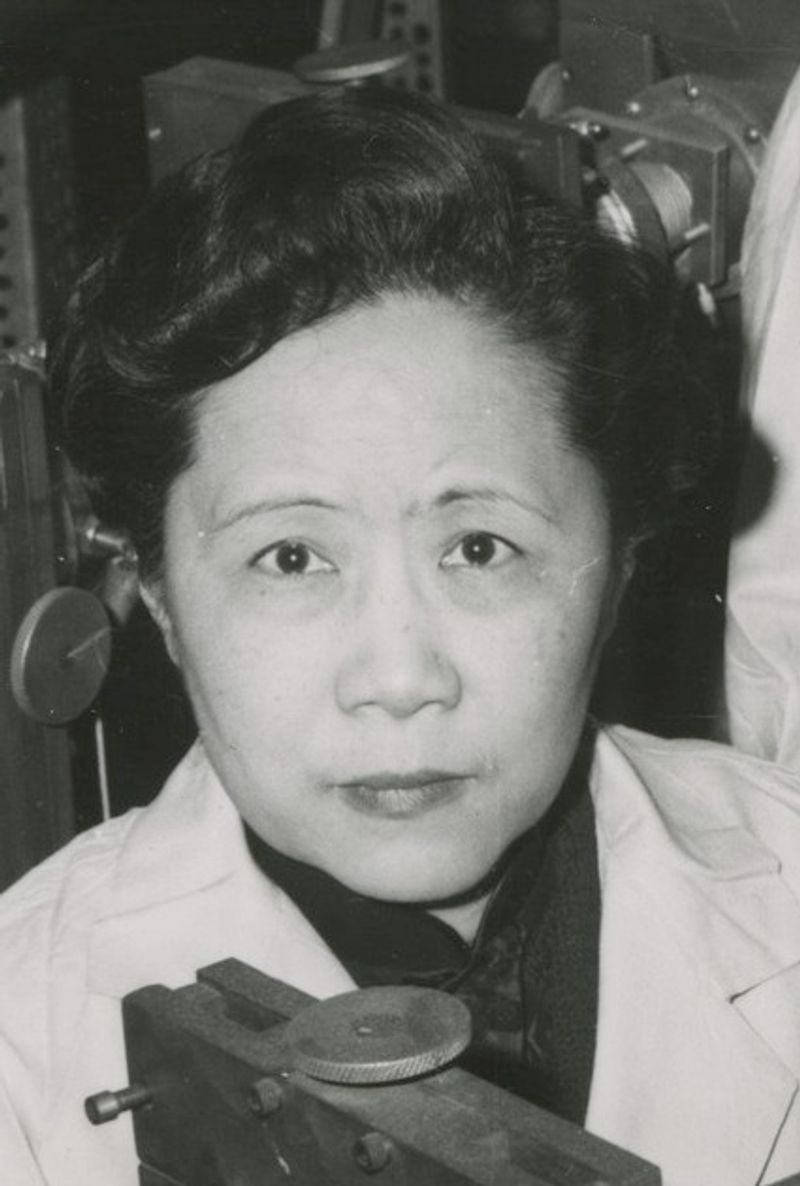
Chien-Shiung Wu earned the nickname the First Lady of Physics, and she earned it through some of the most precise and demanding experimental work of the 20th century. Her most famous achievement was an experiment that overturned a widely accepted principle in physics known as the conservation of parity in beta decay.
Two male colleagues, Tsung-Dao Lee and Chen Ning Yang, had proposed the theoretical idea that parity might not always be conserved. Wu designed and conducted the experiment that proved they were right.
When the 1957 Nobel Prize in Physics was awarded, it went to Lee and Yang. Wu was not included, despite being the person who provided the experimental proof.
Columbia University recognized her contributions, and she later received the National Medal of Science and the Wolf Prize in Physics. Her career is a sharp reminder that in science, the person who proves an idea can be just as important as the person who first proposes it.
Wangari Maathai: The Environmentalist Who Turned Trees Into a Movement
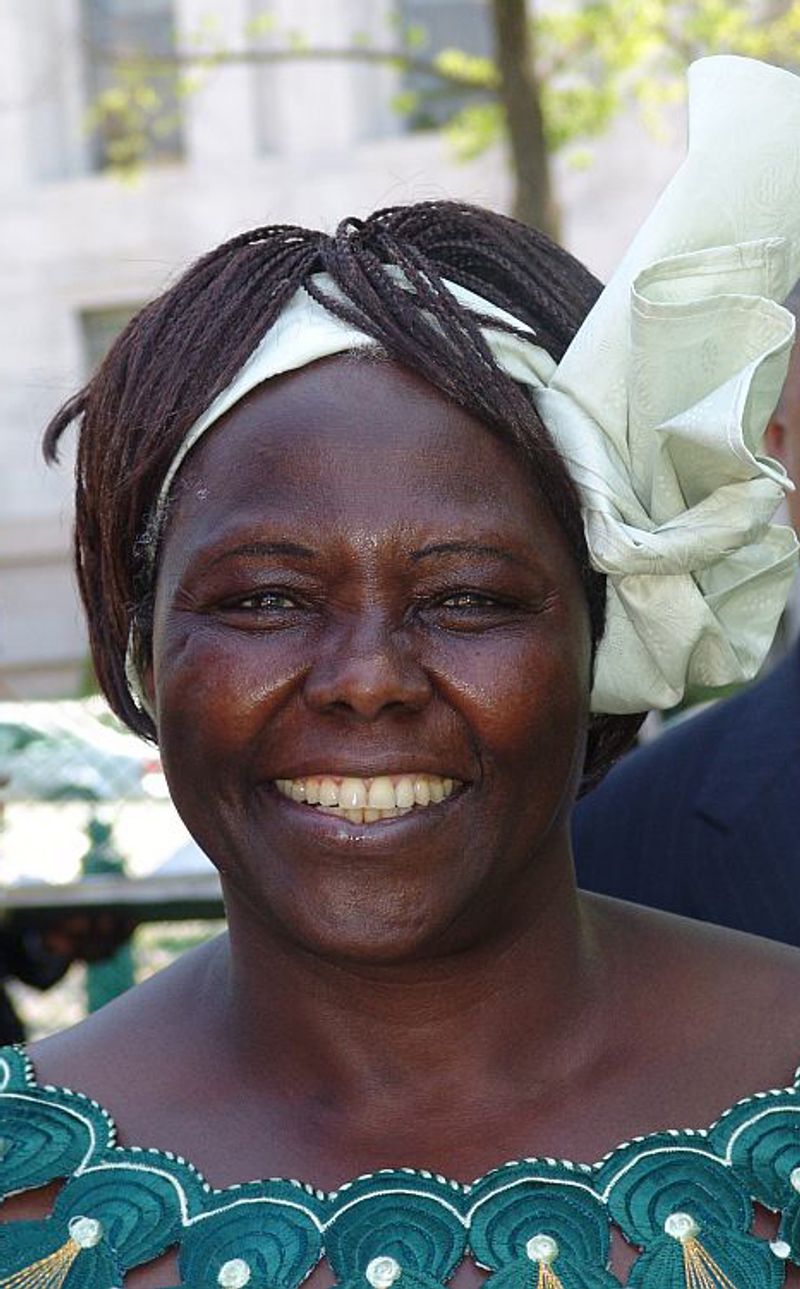
Wangari Maathai understood something that many environmental campaigns miss: protecting the land and empowering women are not separate goals. When she founded the Green Belt Movement in Kenya, she connected tree planting directly to women’s rights, food security, democracy, and community survival.
The Nobel Peace Prize site notes that the Green Belt Movement contributed to the planting of over 30 million trees across Kenya. In 2004, Maathai became the first African woman to receive the Nobel Peace Prize, recognized for her contribution to sustainable development, democracy, and peace.
What she built was not just an environmental organization. It was a political act.
Women in rural communities who planted trees were also gaining agency, income, and a stake in the future of their land. Maathai showed that environmental activism can be deeply personal, locally rooted, and genuinely transformative all at once.
Her legacy continues through the movement she started and the millions of trees still growing because of it.
Sophie Scholl: The Student Who Stood Against Hitler
Sophie Scholl was 21 years old when the Nazi regime executed her on February 22, 1943. She was a member of the White Rose, a student resistance group at the University of Munich that distributed leaflets calling on ordinary Germans to resist the Nazi government.
The United States Holocaust Memorial Museum records her execution alongside her brother Hans Scholl and fellow member Christoph Probst.
Her resistance was not armed. It was built on words, moral conviction, and the belief that conscience had to mean something even when the cost was everything.
She and her fellow members were caught distributing leaflets inside the university and were arrested almost immediately.
What makes Sophie Scholl’s story so enduring is how clearly she understood what she was risking. She was not naive about the danger.
She chose to act anyway, and she faced her execution with a composure that witnesses found remarkable. Today, she stands as one of the most powerful symbols of youth resistance against totalitarianism in modern history.
Bessie Coleman: The Pilot Who Refused to Stay Grounded
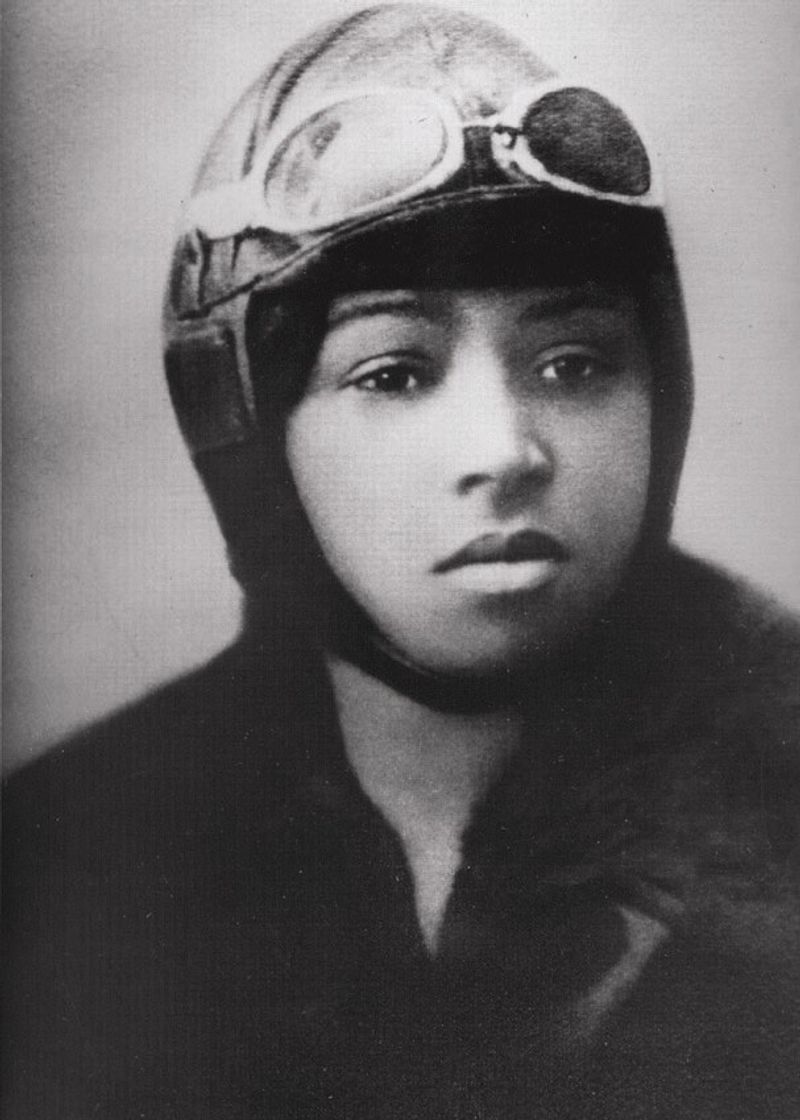
Bessie Coleman wanted to fly, and when American flight schools refused to accept her because of her race and gender, she learned French and traveled to France to earn her license instead. The Smithsonian records that she received her international pilot’s license on June 15, 1921, becoming the first African American woman and the first woman with Native American ancestry to hold one.
She returned to the United States determined to perform in air shows and to inspire other Black aviators to pursue aviation. She refused to perform at venues that did not allow Black audiences, using her public platform to push back against segregation in addition to gravity.
Coleman did not live long enough to open the flight school she dreamed of building. She passed away in 1926 during an aircraft accident.
But the aviators she inspired and the barriers she refused to accept kept her legacy alive. She proved that the sky was not a boundary.
It was a starting point.
Valentina Tereshkova: The First Woman in Space
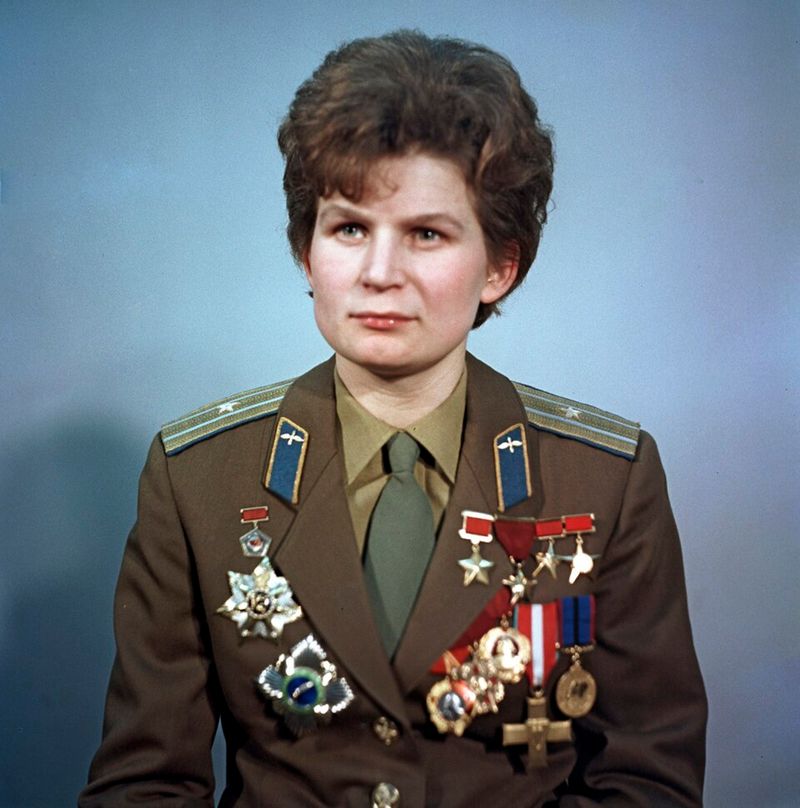
On June 16, 1963, Valentina Tereshkova launched aboard Vostok 6 and became the first woman to travel into space. NASA’s StarChild biography confirms this milestone, and the numbers behind her mission are genuinely impressive.
She completed 48 orbits of Earth over nearly three days, logging more time in space than all American astronauts combined up to that point.
Before she was selected for the cosmonaut program, Tereshkova was a textile factory worker and amateur parachutist. Her background was not in science or military aviation, which was the typical path for male cosmonauts.
She was chosen partly for her parachuting skills and partly because the Soviet program was actively looking to put a woman in space before the Americans did.
Her flight was a milestone for women everywhere, not just for the Soviet space program. Space exploration had been framed as a male frontier, and Tereshkova’s mission cracked that image open.
She proved that women belonged in the most ambitious scientific and technological projects of the modern age.
Mary Seacole: The Nurse Who Went Where She Was Needed
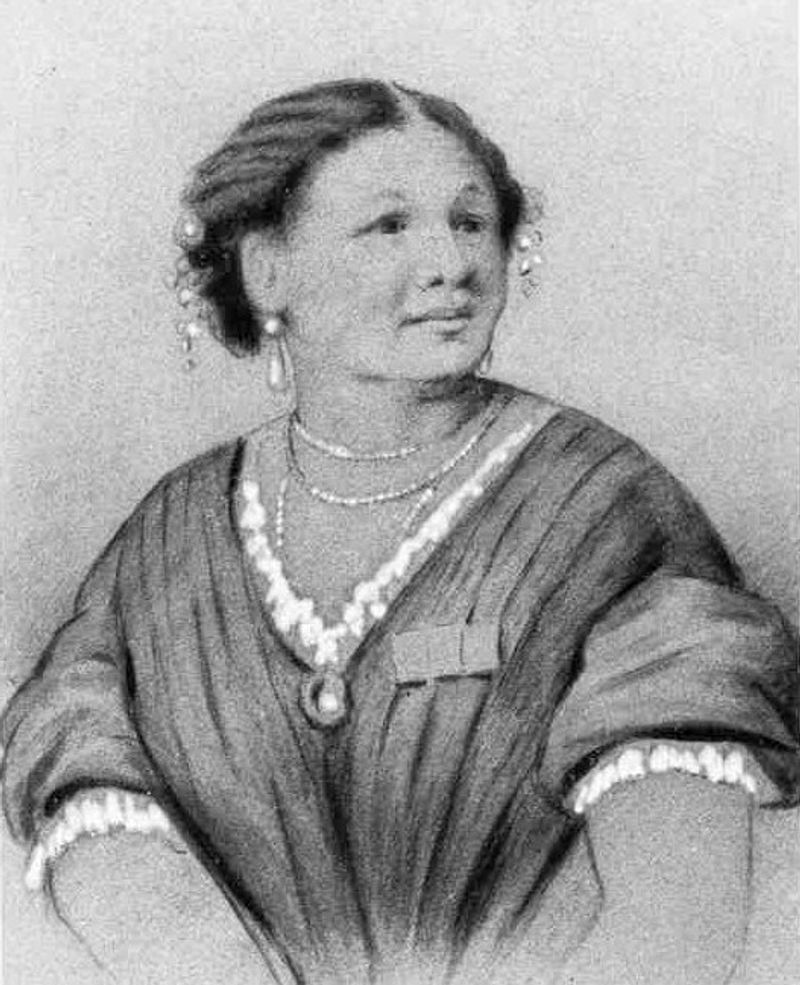
Mary Seacole did not wait for an invitation. When she traveled to London and applied to join the official nursing efforts during the Crimean War, she was turned away.
She funded her own journey, traveled independently to the Crimea, and set up a place she called the British Hotel near the front lines, where she provided medical care and supplies to soldiers.
The National Portrait Gallery describes her as a woman of courage and humanitarianism who overcame major obstacles to serve others. Her methods combined medical knowledge she had developed in Jamaica with practical care delivered close to actual combat, which was far closer to the front than most caregivers of her era operated.
Her legacy was long overshadowed by Florence Nightingale, but their stories are genuinely distinct. Seacole worked independently, used her own resources, and operated in conditions that official institutions would not send others into.
She represents the part of medical history shaped not by institutions but by individuals who simply showed up and helped.
Annie Jump Cannon: The Astronomer Who Organized the Stars
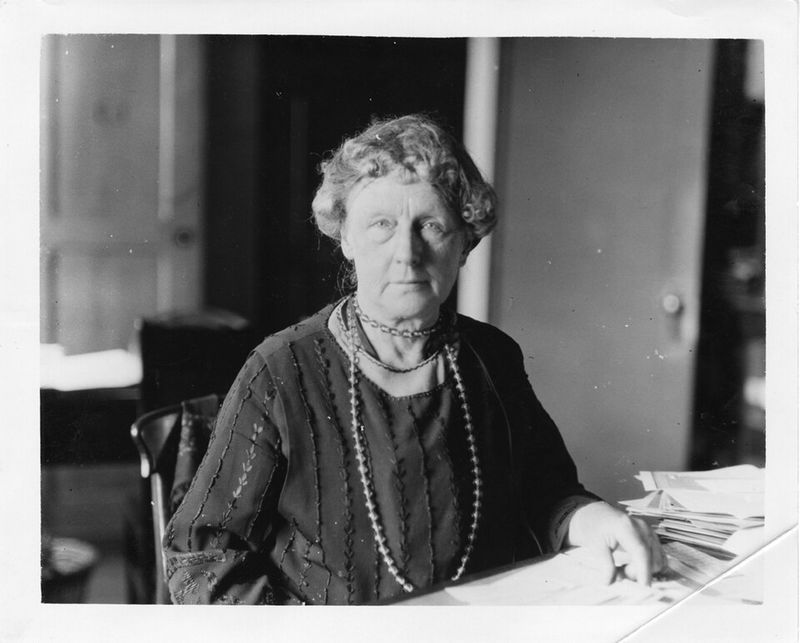
Annie Jump Cannon classified more stars than almost any other person in history. Working at the Harvard College Observatory as one of the women known as computers, she studied photographic plates of the night sky with a level of speed and accuracy that set her apart even among that remarkable group of women.
The Smithsonian notes that she created the Harvard Classification Scheme, a system for organizing stars by their spectral characteristics. That system, refined into what is now called the OBAFGKM sequence, is still used by astronomers today.
Cannon could classify up to three stars per minute at her peak, and she catalogued hundreds of thousands of them over her career.
Her achievement was absorbed into institutional history rather than celebrated as the work of a specific brilliant individual. She received honorary degrees and recognition later in her life, but her name remains far less famous than the system she built.
Every time an astronomer classifies a star today, they are using a framework she created.
Share this story