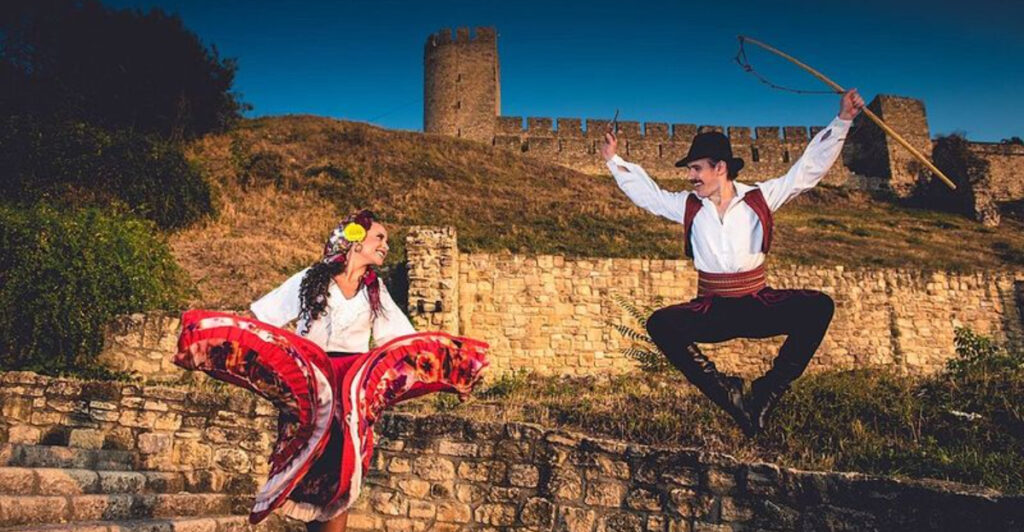
The Romani people are one of the largest ethnic minority groups in the world, with communities spread across dozens of countries. Their history is rich, complex, and often misunderstood, stretching back centuries to their origins in northern India.
Today, millions of Romani people live across Europe and beyond, contributing to the culture, music, and daily life of their home countries. Understanding where the largest Romani populations live helps us appreciate the diversity and resilience of this remarkable community.
1. Turkey
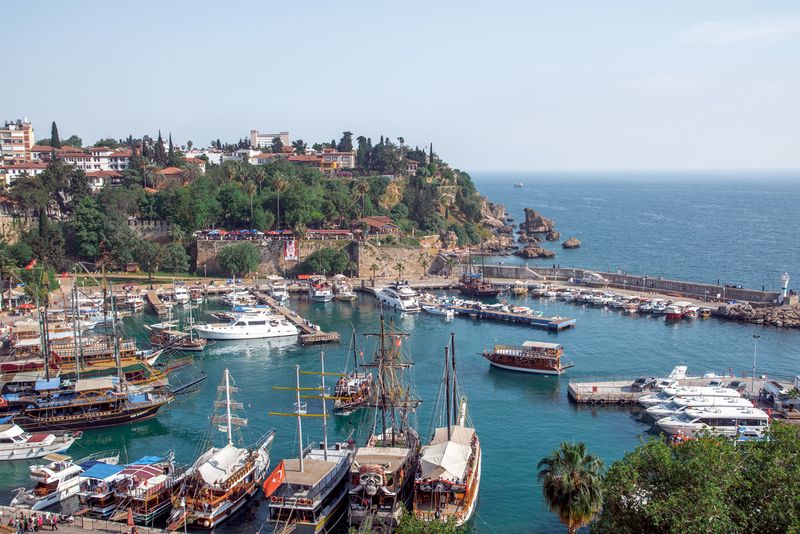
Turkey is home to one of the largest Romani populations in the world, with estimates ranging from 500,000 to over 2.75 million people, depending on the source. The Romani community in Turkey is often referred to locally as “Roman” and has deep roots in the country going back several centuries.
Many Turkish Romani people are known for their contributions to music, particularly the lively and soulful style known as Roman music, which blends traditional Romani rhythms with Turkish folk sounds. Cities like Istanbul, Edirne, and Izmir have historically significant Romani neighborhoods.
Despite their cultural contributions, Romani people in Turkey have faced challenges related to housing, education, and social inclusion. Government programs in recent years have worked toward improving living conditions.
Their presence continues to shape Turkish cultural life in meaningful and lasting ways.
2. Romania
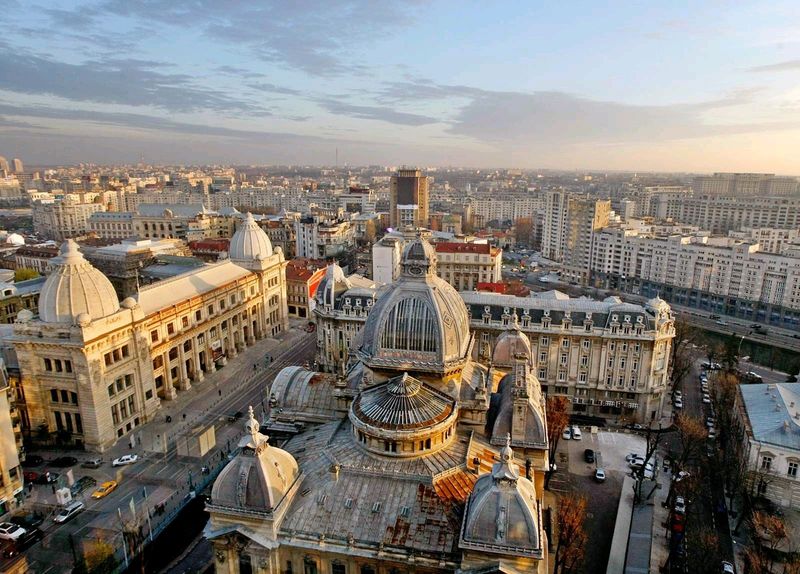
Romania holds one of the highest Romani populations in Europe, with official counts around 620,000, though many researchers believe the real number could be closer to 1.8 to 2.5 million. The gap exists because many Romani people do not identify themselves as such on official census forms.
Romani communities in Romania have a long and layered history. For centuries, Romani people in Romanian territories were actually enslaved, a painful chapter that lasted until the mid-1800s.
After emancipation, many settled across the country, blending into both rural and urban life.
Today, Romanian Romani communities are diverse, ranging from those who maintain traditional crafts and music to those fully integrated into modern city life. Challenges around poverty and discrimination remain, but advocacy groups and European Union support have pushed for greater inclusion and equal opportunity across the country.
3. Bulgaria
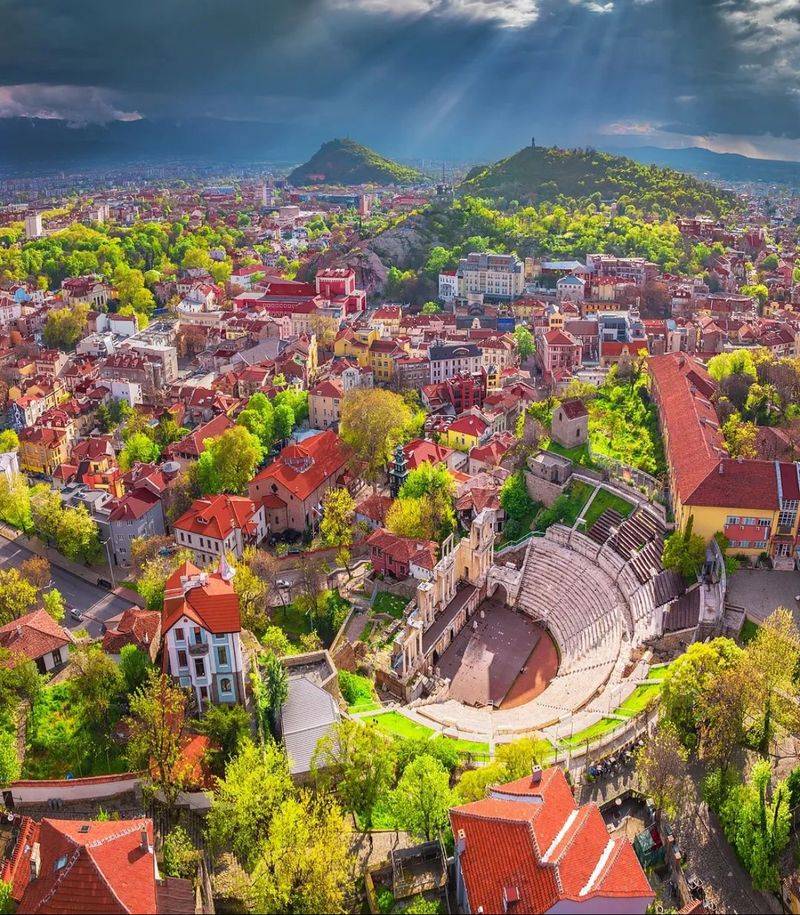
Bulgaria has one of the highest concentrations of Romani people relative to its total population in all of Europe. Estimates suggest that between 700,000 and 800,000 Romani people live in Bulgaria, making up roughly 10 percent of the country’s total population.
Romani communities in Bulgaria are found throughout the country, with large settlements in cities like Plovdiv, Sofia, and Sliven. Many Romani Bulgarians have preserved their language and traditions, while also adapting to modern Bulgarian society over generations.
Unfortunately, discrimination and poverty remain serious issues for many Romani Bulgarians. Access to quality education and employment opportunities is still unequal in many areas.
However, civil society organizations and EU-funded programs have made some progress in recent years toward improving daily life. Bulgaria’s Romani community is a vital, though often overlooked, part of the country’s social and cultural fabric.
4. Spain
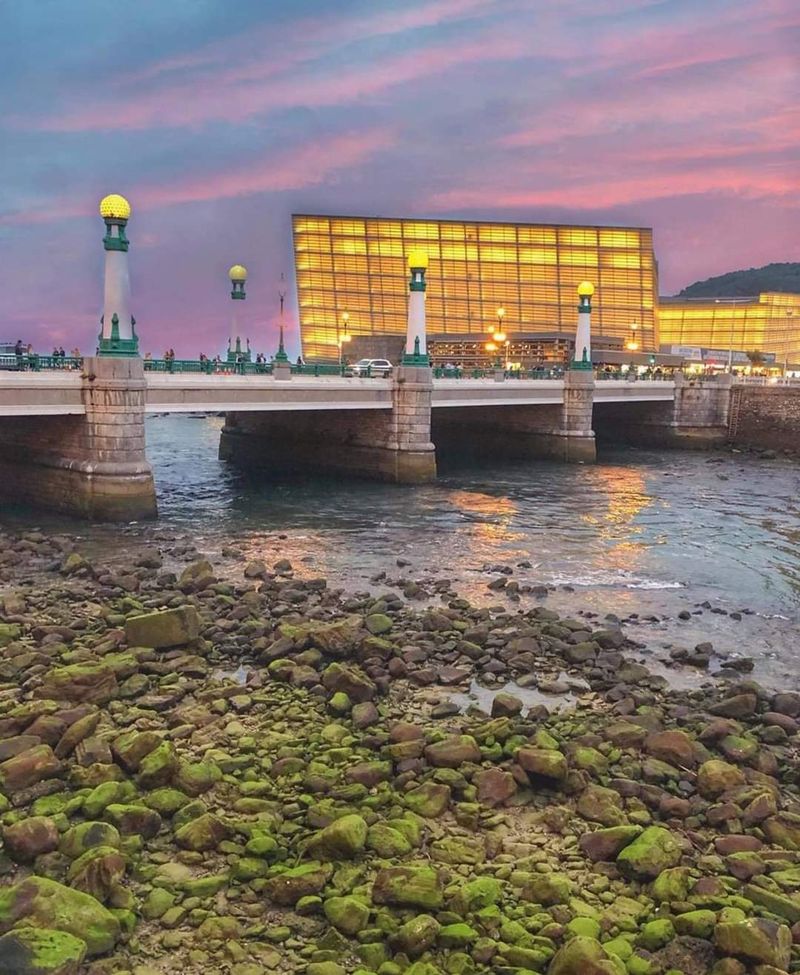
Spain is home to one of the most well-known Romani communities in Western Europe. Known as the Gitano people, Spanish Romani have lived on the Iberian Peninsula for over 600 years, arriving in the early 1400s.
Their population today is estimated at around 750,000 to 1 million people.
Perhaps the most famous contribution of Spanish Romani culture is flamenco, the passionate and expressive art form that combines singing, guitar playing, and dance. Flamenco has become a global symbol of Spanish identity, even though its roots are deeply Romani.
Spanish Romani people today are mostly settled and many are fully integrated into mainstream society. While discrimination still exists in some areas, Spain has made considerable strides in Romani inclusion compared to other European nations.
The Gitano community continues to be a proud and visible part of Spanish cultural life.
5. Hungary
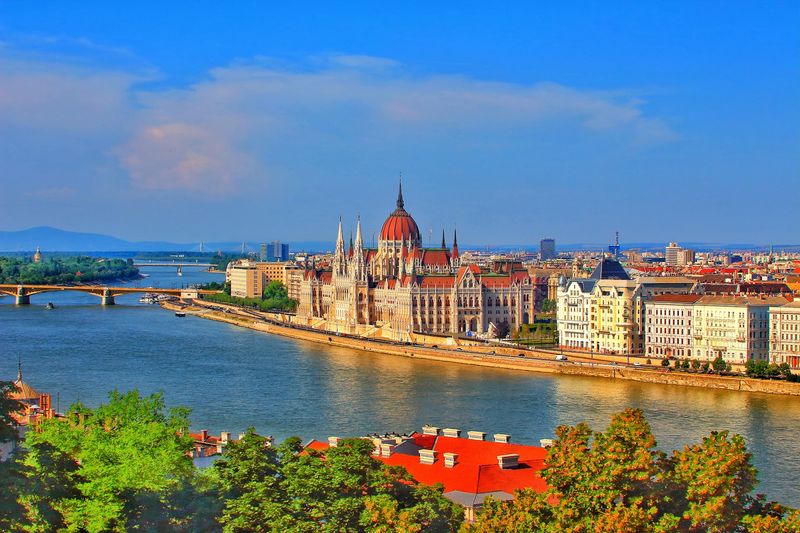
Hungary is home to an estimated 700,000 to 800,000 Romani people, making them the country’s largest ethnic minority group. Romani people have lived in Hungary for centuries, and their cultural influence can be felt in music, crafts, and local traditions across the country.
Hungarian Romani music, particularly the violin-driven style played at traditional restaurants and celebrations, became a defining sound of Hungarian folk culture. Many celebrated Hungarian musicians throughout history have had Romani roots, contributing deeply to the nation’s musical identity.
Despite this cultural richness, Hungarian Romani people often face high rates of poverty and limited access to quality education. Many live in segregated communities in rural areas, where resources and opportunities are scarce.
Advocacy efforts both within Hungary and from European institutions continue to push for systemic changes that can improve conditions and opportunities for Romani families across the country.
6. Serbia
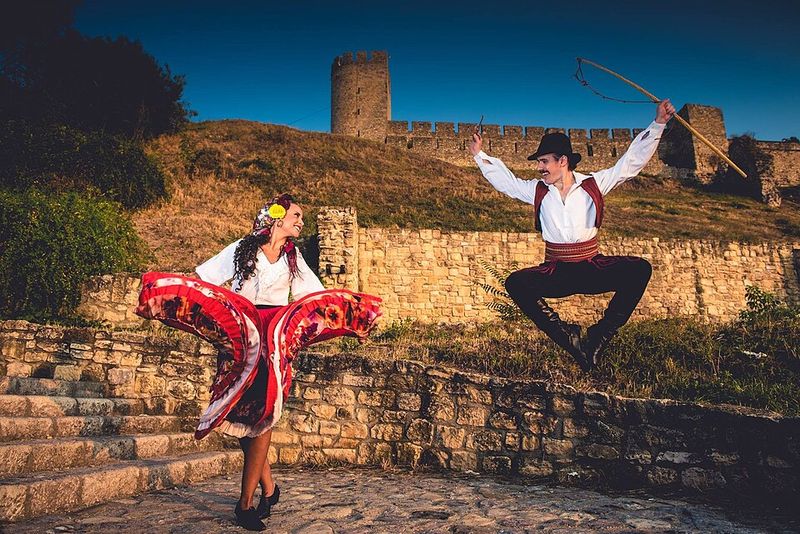
Serbia has a Romani population estimated at around 400,000 to 600,000 people, though official census figures are significantly lower. The Romani community in Serbia is one of the most culturally vibrant in the Balkans, with a rich tradition of music that has gained international recognition.
Serbian Romani brass music, often called “turbofolk” or Balkan brass, has become famous worldwide, largely thanks to musicians like Boban Markovic and films by director Emir Kusturica. The annual Guca Trumpet Festival draws massive crowds and celebrates this energetic musical tradition.
Like in many other countries, Serbian Romani communities often face challenges related to housing, employment, and social integration. Many live in informal settlements without reliable access to clean water or electricity.
Government and international organizations have worked toward improving these conditions, though progress has been slow and uneven across different regions of the country.
7. Slovakia
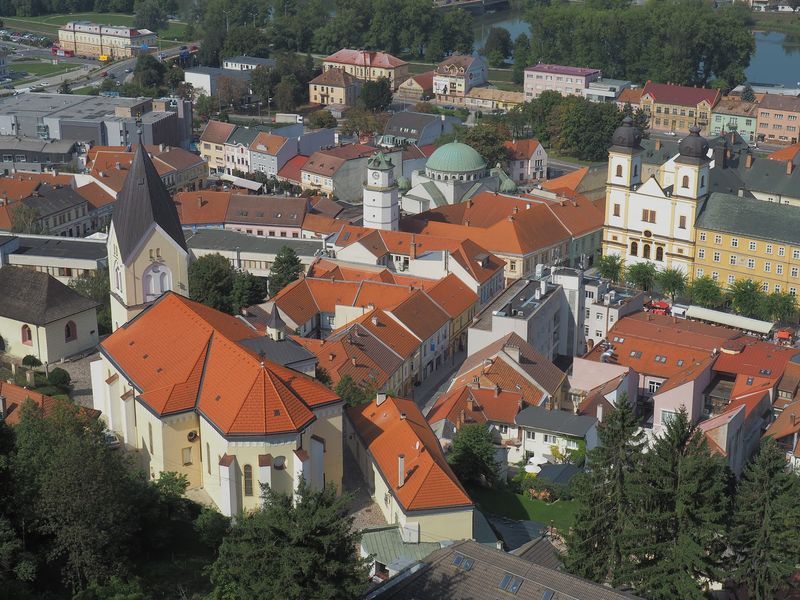
Slovakia has one of the highest proportions of Romani people relative to its national population in all of Europe. Estimates suggest that between 400,000 and 500,000 Romani people live in Slovakia, representing roughly 7 to 9 percent of the total population.
The majority of Slovakia’s Romani population is concentrated in the eastern part of the country, where poverty levels are higher and access to services is more limited. Many Romani communities live in segregated settlements, sometimes on the outskirts of towns, with limited infrastructure and economic opportunity.
Education remains a central challenge, as Romani children are sometimes placed in separate school tracks that limit their future prospects. Slovak civil organizations and EU programs have pushed for desegregation and better access to mainstream education.
The situation is improving gradually, but meaningful change requires sustained commitment from both the Slovak government and local communities working together.
8. France
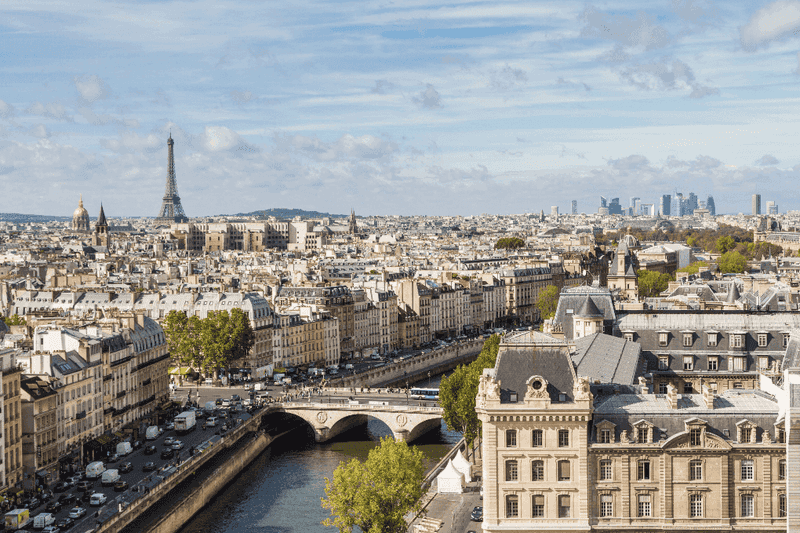
France has a Romani population estimated at around 400,000 people, though this figure varies depending on whether it includes both settled communities and traveling groups. The French Romani population includes several distinct subgroups, such as the Manouches, Gitans, and Rroms, each with their own traditions and history.
One of France’s most celebrated contributions to jazz, the “jazz manouche” style, was created by Romani guitarist Django Reinhardt in the 1930s. His music blended swing jazz with Romani folk influences and remains beloved and widely performed around the world today.
France has had a complicated relationship with its Romani population. Policies around evicting Romani encampments have drawn criticism from human rights groups.
Yet culturally, Romani contributions to French music, art, and circus traditions are widely appreciated. The annual Romani pilgrimage to Saintes-Maries-de-la-Mer in southern France draws thousands of visitors each year.
9. Greece
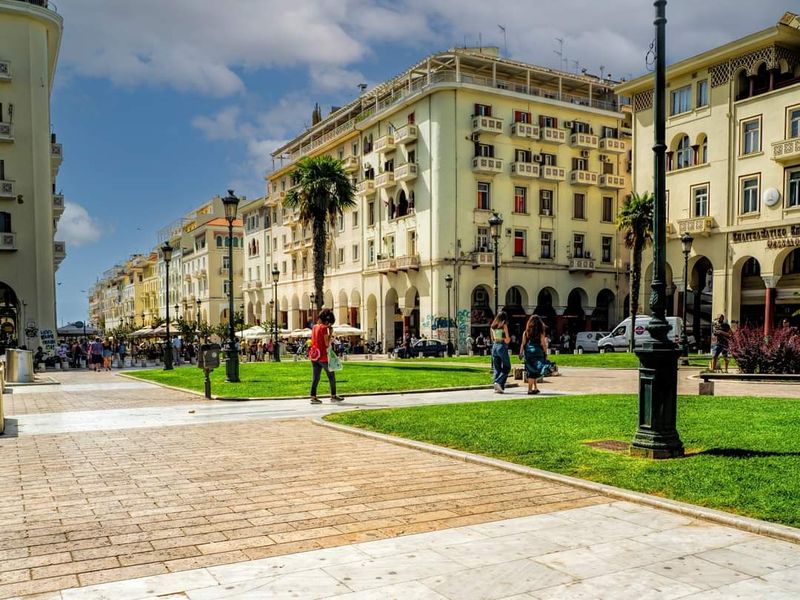
Greece is home to an estimated 250,000 to 350,000 Romani people, spread across both urban centers and rural communities. Romani people have lived in Greek territory for centuries and are known locally by various names, including Gyftoi and Tsingani, though many prefer to be called Roma.
Greek Romani communities have made significant contributions to the country’s musical heritage. The style known as “rebetiko,” which emerged in the early 20th century and is sometimes called the Greek blues, has notable Romani influences.
This music tells stories of hardship, love, and resilience.
Many Romani people in Greece work in seasonal labor, small trades, and market vending. Social exclusion and discrimination remain ongoing concerns, particularly in access to housing and education.
Despite these obstacles, Romani communities in Greece maintain strong cultural identities and family bonds that have persisted through generations of challenges and change.
10. North Macedonia
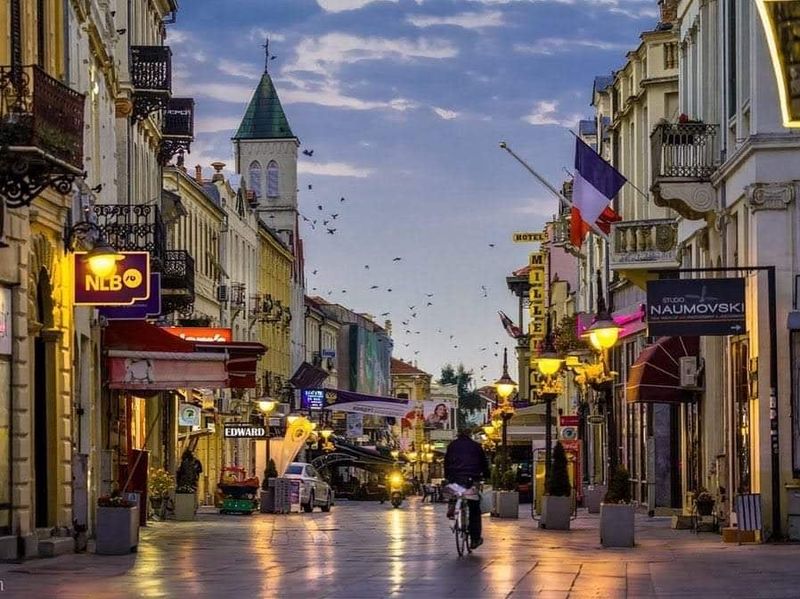
North Macedonia has one of the highest percentages of Romani people relative to its total population in the entire world. Estimates suggest that Romani people make up between 9 and 11 percent of the country’s population, with numbers ranging from 200,000 to 260,000 individuals.
The city of Shuto Orizari, a suburb of the capital Skopje, is often called the world’s largest Romani municipality. It is unique in that Romani people hold political office there and Romani language is officially recognized, making it a rare example of Romani political self-governance.
North Macedonia’s Romani community has a lively cultural scene, with music, crafts, and storytelling traditions that are actively practiced and celebrated. While poverty and limited access to education remain challenges, the country has taken some positive steps toward Romani inclusion.
International recognition of Shuto Orizari has helped shine a light on Romani culture globally.
11. Italy
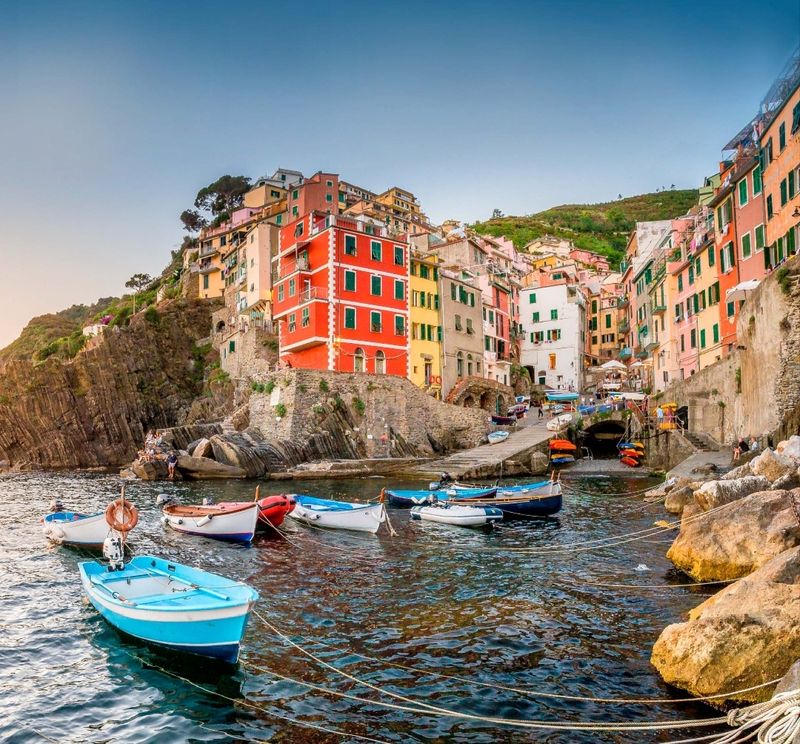
Italy’s Romani population is estimated at around 120,000 to 180,000 people, a smaller number compared to other European countries, but still a significant and historically rooted community. Romani people have lived in Italy since at least the 15th century, settling in regions across the peninsula.
Italian Romani communities include several distinct groups, such as the Sinti in the north and the Rom in the south and central regions. Each group has its own dialect, customs, and cultural traditions that have been preserved across many generations.
Romani people in Italy have frequently faced hostility, forced evictions, and political scapegoating. Media coverage has often portrayed them negatively, which has contributed to public misunderstanding.
Despite this, many Romani individuals in Italy have found success in music, art, and business. Advocacy groups continue to push for legal protections and better access to housing, healthcare, and education throughout the country.
12. Germany
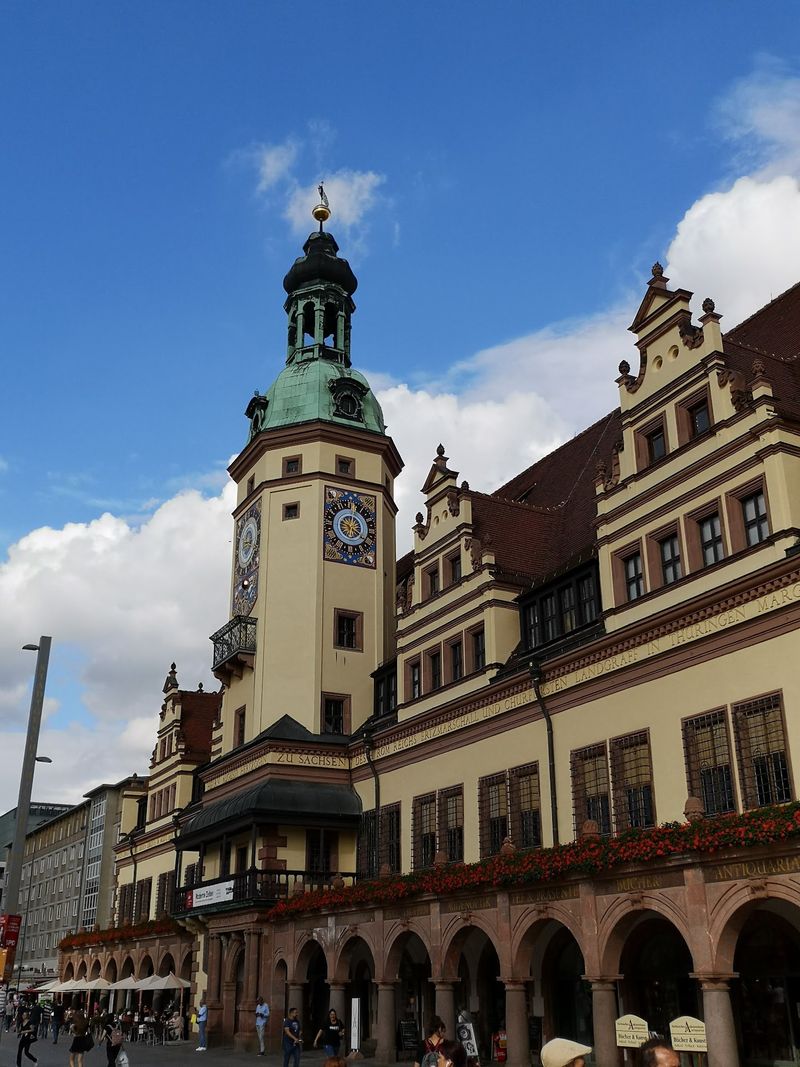
Germany has a Romani population estimated at around 70,000 to 150,000 people, though some advocacy organizations suggest the number may be higher when including recent migrants from Eastern Europe. Romani people, known as Sinti and Roma in Germany, have lived in the region for over 600 years.
During the Holocaust, an estimated 500,000 to 1.5 million Romani people were murdered by the Nazi regime in what is known as the Porajmos, meaning “the Devouring.” This genocide is a defining and deeply painful chapter in Romani history that continues to shape the community’s identity and memory.
Germany officially recognized the Porajmos in 1982 and established a memorial in Berlin in 2012 to honor the victims. Today, German Romani communities work to preserve their culture and language while advocating for equal rights and recognition.
The Central Council of German Sinti and Roma is a leading voice in this ongoing effort.
13. United Kingdom
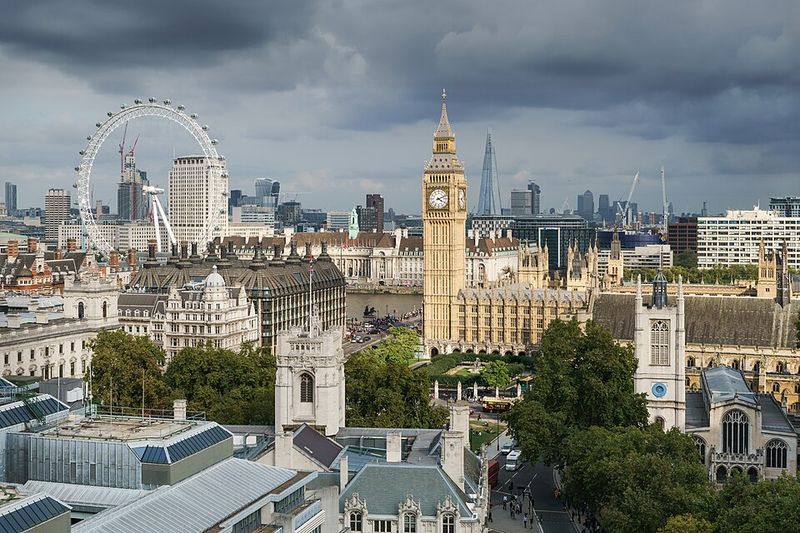
The United Kingdom has a Romani and Traveller population estimated at around 200,000 to 300,000 people, including both Romani Gypsies who have lived in Britain since the 1500s and Irish Travellers who have a separate but related history. Together, they form one of the UK’s recognized ethnic minority groups.
British Romani culture is rich with traditions in horse trading, crafts, storytelling, and music. The Appleby Horse Fair in Cumbria, held every June, is one of the largest annual gatherings of Romani and Traveller communities in Europe and has taken place for over 300 years.
Romani and Traveller people in the UK face significant challenges, including high rates of discrimination, lower life expectancy, and limited access to education and healthcare compared to the general population. Recent government policies around unauthorized encampments have drawn strong criticism from human rights organizations.
Cultural preservation efforts, however, remain active and resilient across the community.
14. Albania
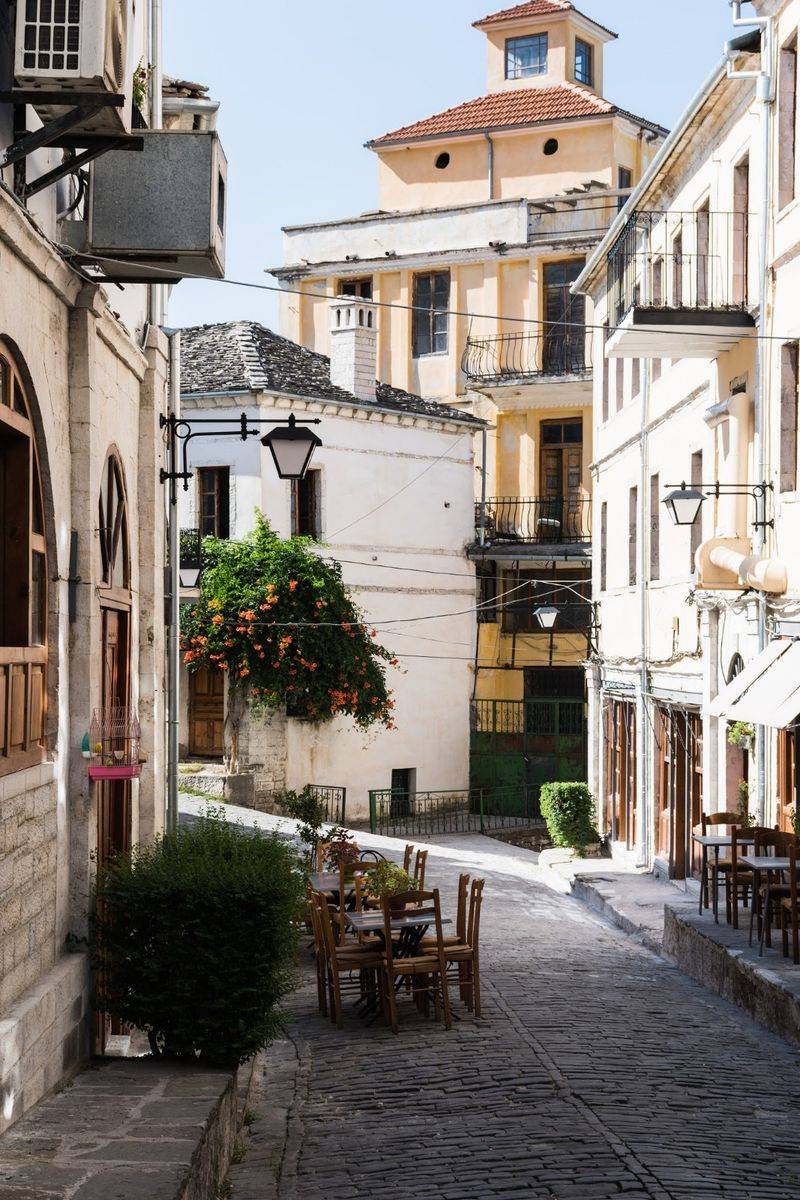
Albania has a Romani population estimated at around 100,000 to 120,000 people, representing roughly 3 to 4 percent of the total population. Romani communities in Albania are present in many cities and towns, with larger concentrations in Tirana, Elbasan, and Korce.
Albanian Romani people have long been involved in traditional trades such as metalworking, basket weaving, and music performance. Their musical traditions, blending Romani rhythms with Albanian folk influences, are a valued part of local cultural life in many regions.
Poverty and social exclusion remain significant issues for many Romani Albanians. Access to formal employment, education, and healthcare is often limited, particularly for those living in more isolated communities.
Albania’s path toward European Union membership has brought some pressure on the government to improve minority rights and social inclusion. Progress is ongoing, though much work still remains to ensure equal opportunity for all Romani citizens.
15. Bosnia and Herzegovina
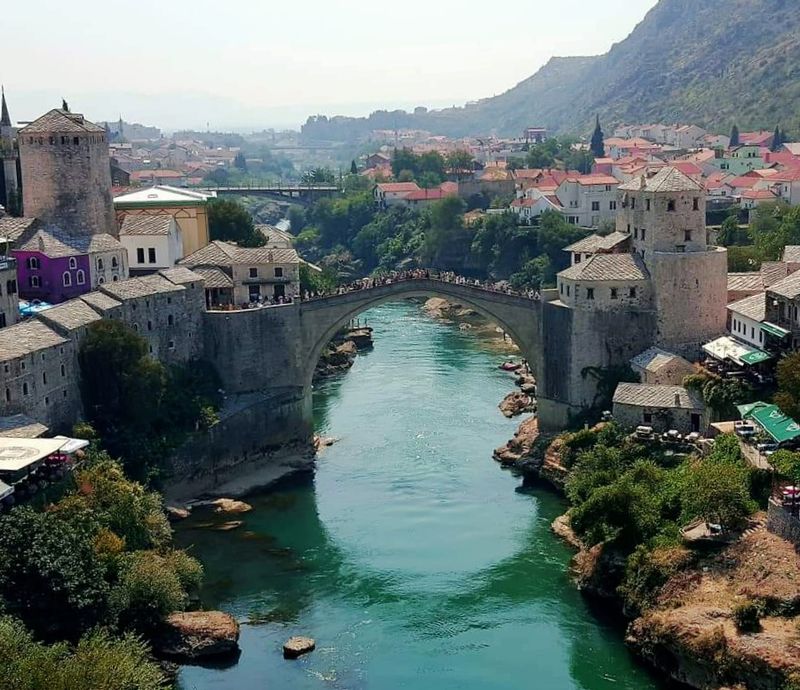
Bosnia and Herzegovina has a Romani population estimated at between 40,000 and 70,000 people, though some organizations believe the actual number may be higher due to undercounting in official records. Romani communities are spread across both the Federation of Bosnia and Herzegovina and the Republika Srpska entities.
The Romani people of Bosnia have faced particularly difficult conditions, especially in the aftermath of the 1990s war, which left many communities displaced and without documentation. Lack of civil registration documents has created serious barriers to accessing education, healthcare, and social services for many Romani individuals and families.
International organizations, including UNICEF and the OSCE, have worked with local governments to improve registration rates and access to services. Cultural traditions, including music and storytelling, remain strong within Bosnian Romani communities.
Younger generations are increasingly advocating for their rights and working to keep Romani language and customs alive for future generations.
Share this story