Most people grew up watching Westerns where nearly every cowboy on screen was white. That version of history left out a huge part of the real story.
One in three cowboys in the American West was actually Black, and a small but powerful museum in Denver has spent decades making sure that truth finally gets told. What started as one man’s lifelong mission to correct the record has grown into one of the most important and overlooked cultural stops in all of Colorado.
The Man Who Refused to Accept a Lie
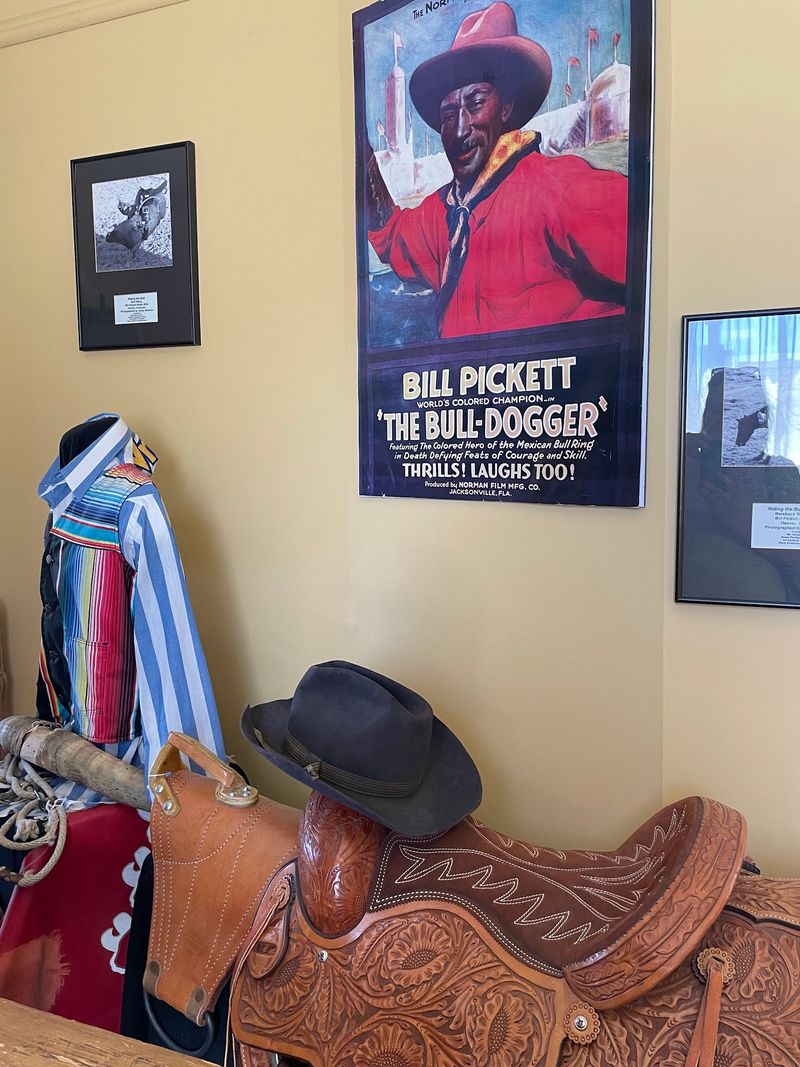
Paul Wilbur Stewart was told as a child that there were no Black cowboys. Instead of accepting that, he spent his entire life proving it wrong.
That quiet act of defiance became the foundation of one of Denver’s most remarkable cultural institutions.
Stewart dedicated decades to collecting oral histories, photographs, artifacts, and documents that told the real story of Black Americans in the West. He tracked down aging cowboys, listened to their stories, and preserved evidence that mainstream history had largely ignored.
His research confirmed what many Black families already knew but rarely saw reflected in books or films: that African Americans were central figures in building the American frontier. Stewart’s collection eventually grew large enough to fill a museum, and the institution he inspired continues to carry his mission forward every single day it opens its doors.
Where the Museum Calls Home
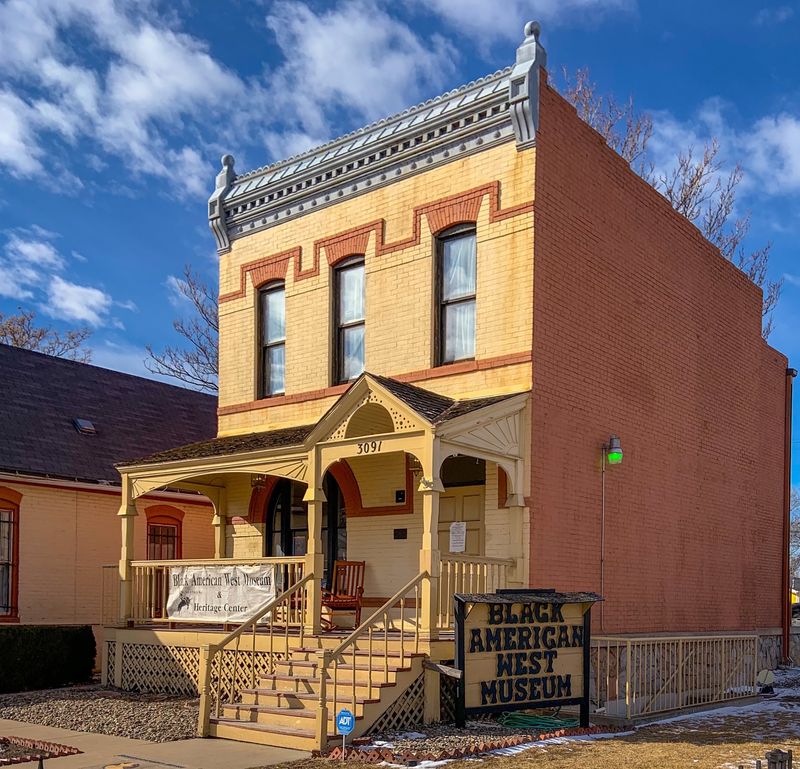
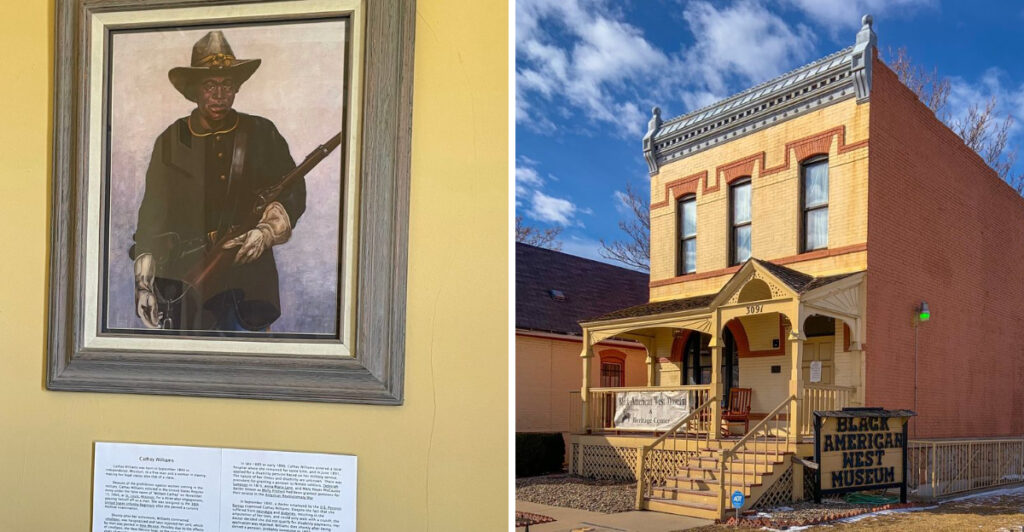
The Black American West Museum and Heritage Center sits at 3091 California St, Denver, CO 80205, right in the heart of the Five Points neighborhood. The building itself is a piece of history before you even walk through the front door.
Five Points has long been one of Denver’s most culturally significant neighborhoods, with deep roots in Black community life, jazz, and civic leadership. Choosing this location was not accidental.
The museum belongs here the way a book belongs on the shelf it was written for.
The structure is a beautifully restored Victorian home, and its preserved architecture gives every visit a grounded, tangible feeling that modern exhibit halls rarely achieve. You are not just reading about history inside a generic building.
You are standing inside a place that history actually touched, and that difference is something you feel the moment you arrive.
Dr. Justina Ford and the House That Holds Her Story
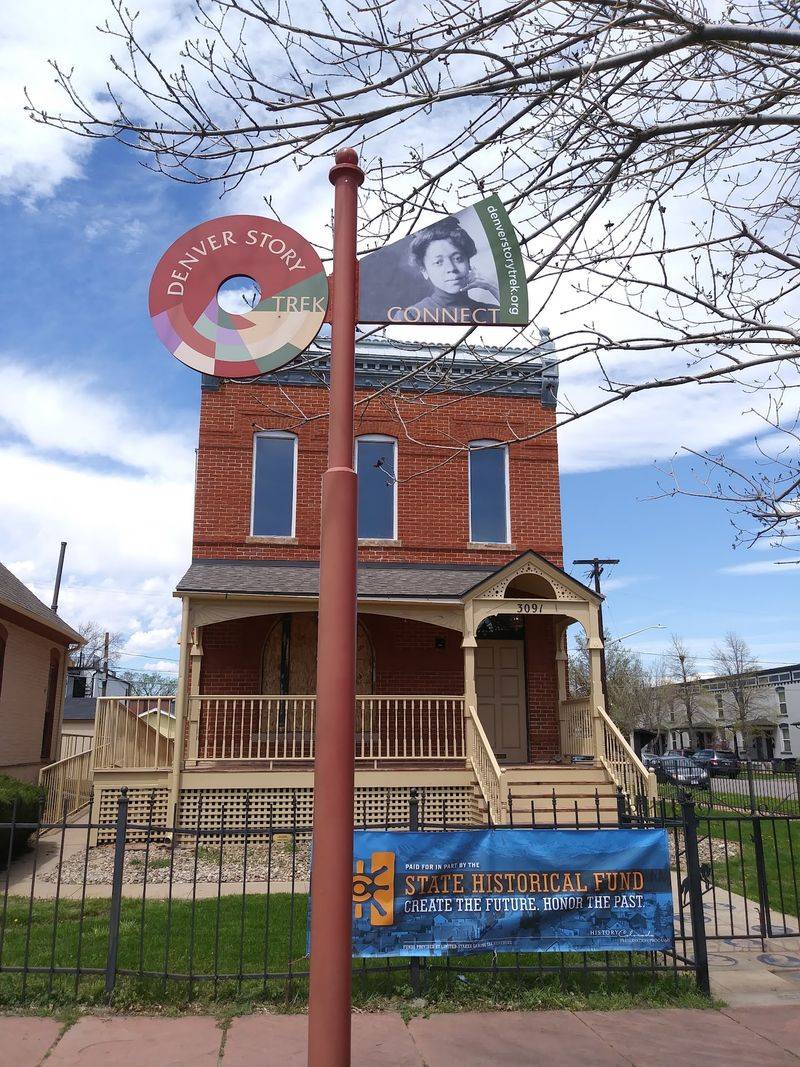
Before it became a museum, this Victorian home belonged to Dr. Justina Ford, the first Black woman licensed to practice medicine in Denver. Her story alone is worth the trip.
Dr. Ford treated patients regardless of race, gender, language, citizenship, or ability to pay. During a time when hospitals refused to admit Black patients, she delivered approximately 7,000 babies over her long career, working out of this very home.
That number is not a typo.
Walking through the rooms where she lived and worked adds a layer of meaning that no exhibit caption can fully capture. The building was relocated to its current site to preserve it, and the effort required to move an entire historic structure speaks to how seriously this community takes her legacy.
Knowing whose floors you are standing on changes how you see everything else inside the museum.
The Real Numbers Behind the Cowboy Myth
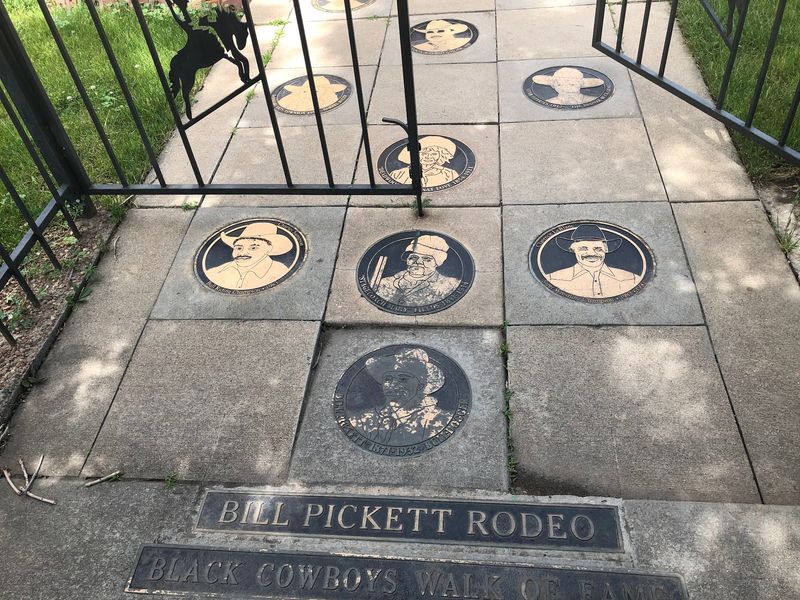
Hollywood built an entire mythology around the American cowboy, and it left out roughly one third of the real workforce. Research and oral histories collected by Paul Stewart and others suggest that a significant portion of working cowboys in the post-Civil War West were Black men.
Many were formerly enslaved people who brought cattle-driving skills with them from Southern ranches. They were expert ropers, skilled horsemen, and experienced trail hands who played essential roles in cattle drives across the Great Plains and into Colorado.
The museum presents this history through artifacts, photographs, and documents that make the numbers feel real rather than abstract. Seeing a worn saddle, a faded photograph, or a handwritten account from a Black cowboy who actually worked these trails turns a statistic into a person.
That shift in perspective is exactly what this museum was built to create, and it delivers on that promise consistently.
Buffalo Soldiers and the Military Legacy on Display
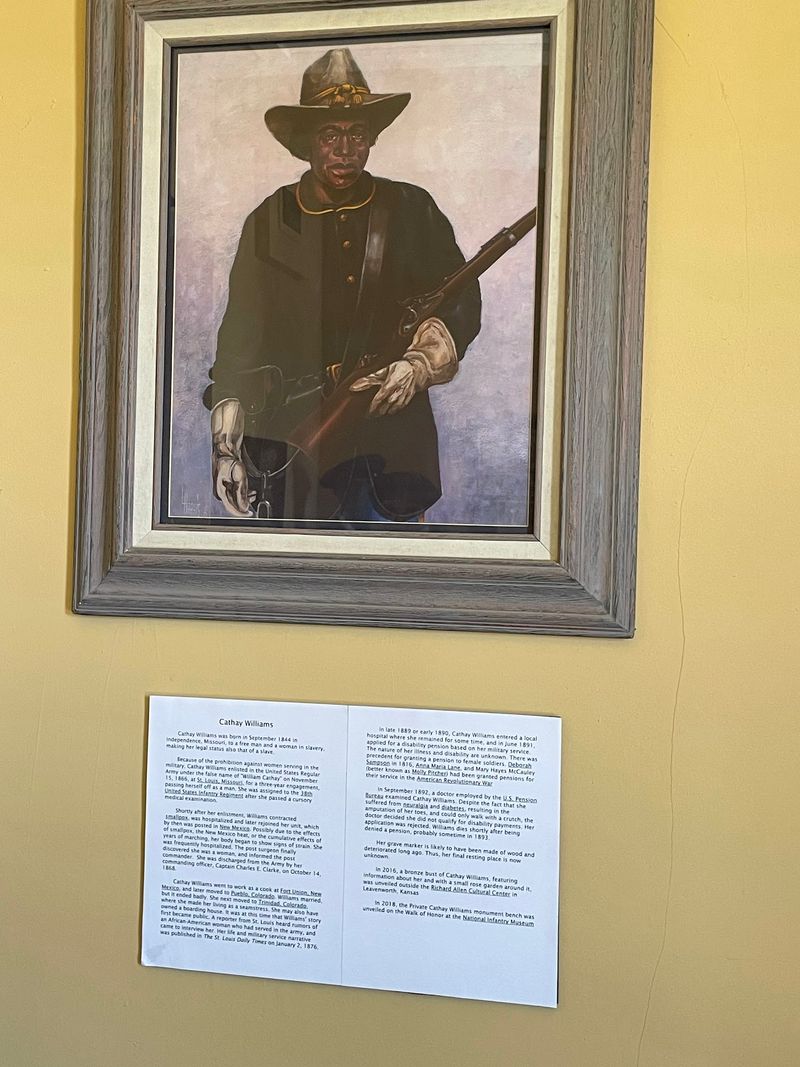
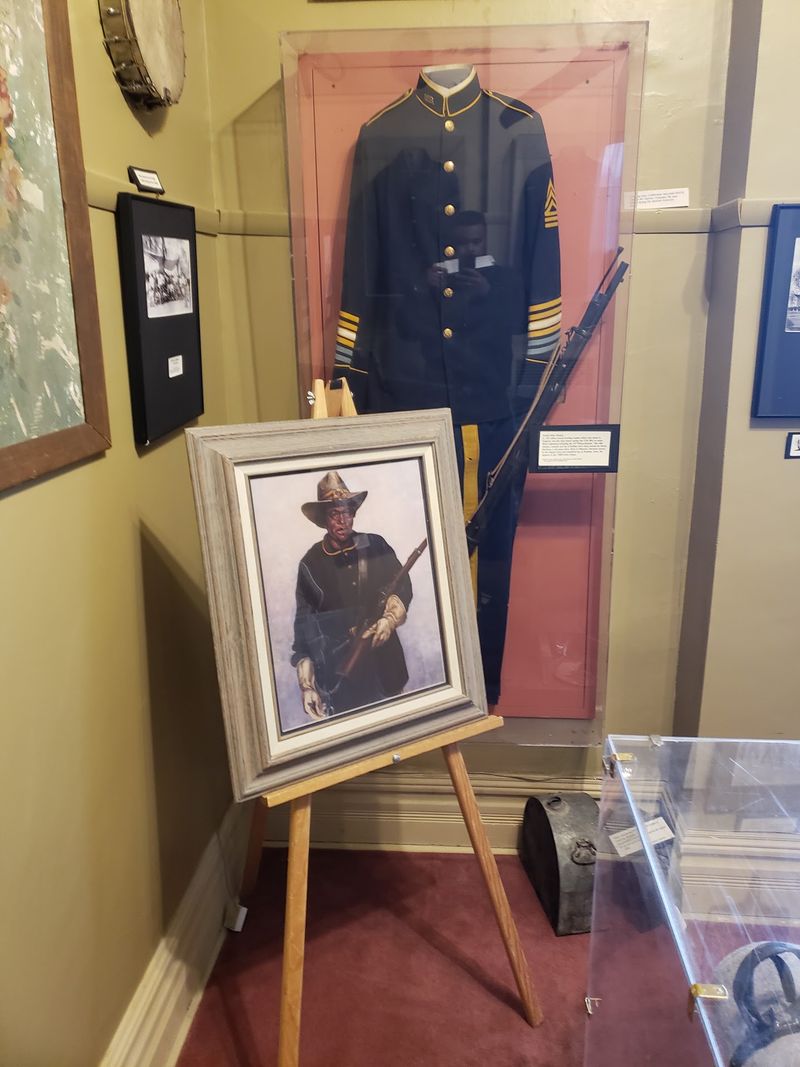
The Buffalo Soldiers exhibit is one of the most emotionally resonant sections of the museum. These were Black military regiments formed after the Civil War, assigned to serve on the western frontier under conditions that were often harsh and always underappreciated by the broader public.
The name Buffalo Soldiers was reportedly given to them by Native American tribes they encountered, though historians note the exact origins of the term remain a subject of discussion. What is not in dispute is their record of service and the discrimination they faced despite their dedication.
The museum’s collection includes military artifacts, photographs, and documents that bring this chapter of American history into sharp focus. Visitors who arrive knowing little about the Buffalo Soldiers tend to leave with a completely different understanding of who actually patrolled and protected the western territories during that era.
The exhibit does not let that story stay buried.
Tuskegee Airmen Recognized Within These Walls
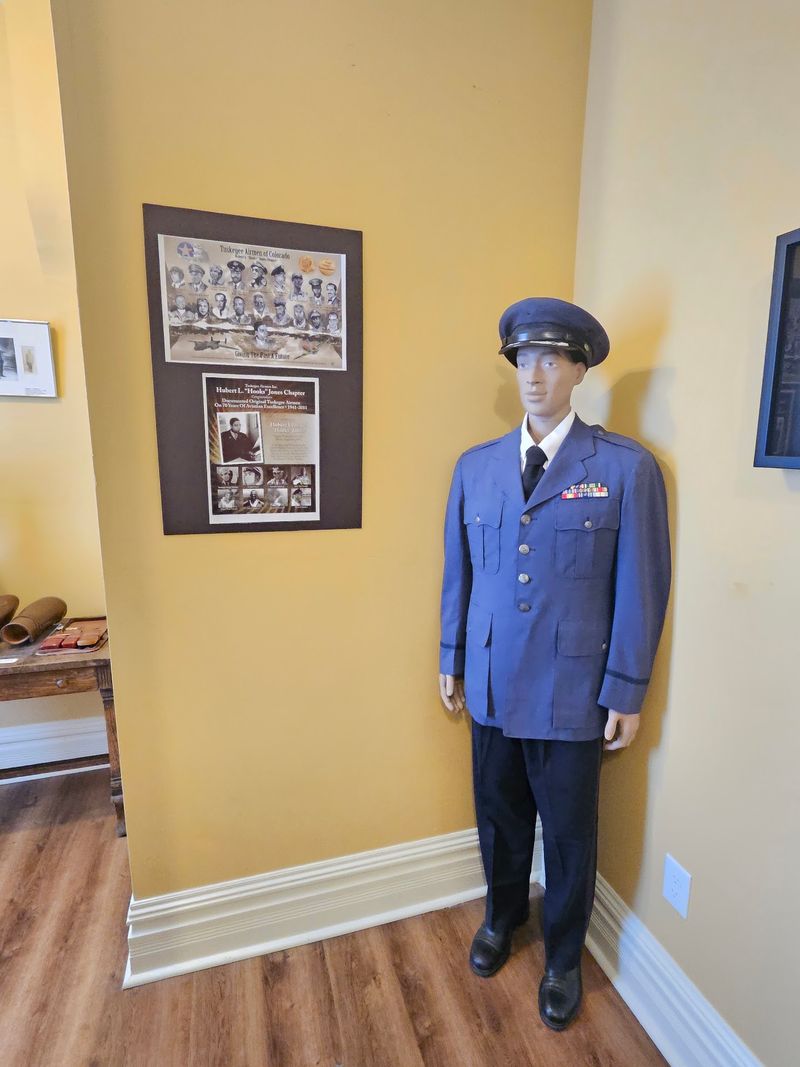
The Tuskegee Airmen section of the museum extends the story of Black military service into the 20th century. These were the first Black military aviators in the United States Armed Forces, trained at Tuskegee University in Alabama during World War II.
Their connection to a museum focused on the American West might not be immediately obvious, but the thread is consistent: Black Americans contributed enormously to American history at every level, and those contributions were systematically overlooked. The museum draws that line clearly.
Visitors from military heritage organizations have made the trip specifically to see this exhibit, and the connection between the Tuskegee Airmen display and the museum’s broader mission is handled thoughtfully. The exhibit does not feel tacked on.
It feels like a natural continuation of the same story told throughout the building, one of service, skill, and recognition long overdue.
Artifacts That Make History Tangible
One of the most striking aspects of a visit here is how physical everything feels. This is not a museum built around digital screens and dramatic lighting effects.
The artifacts are real, and their age shows in the best possible way.
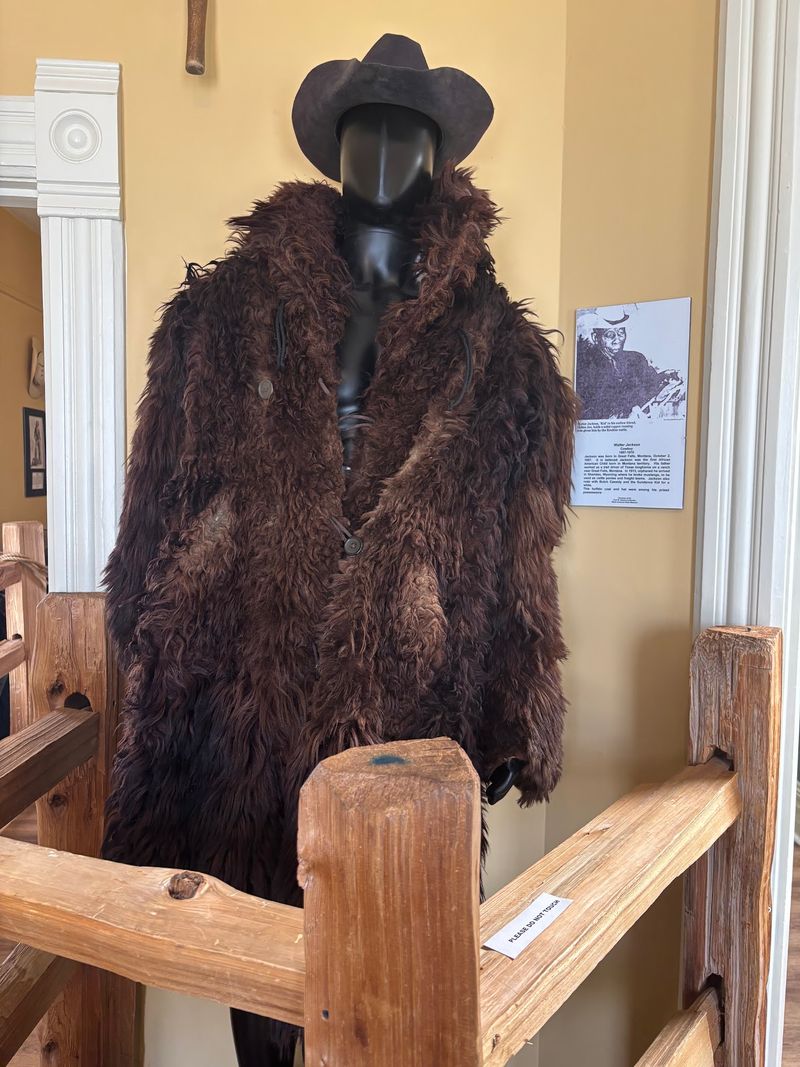
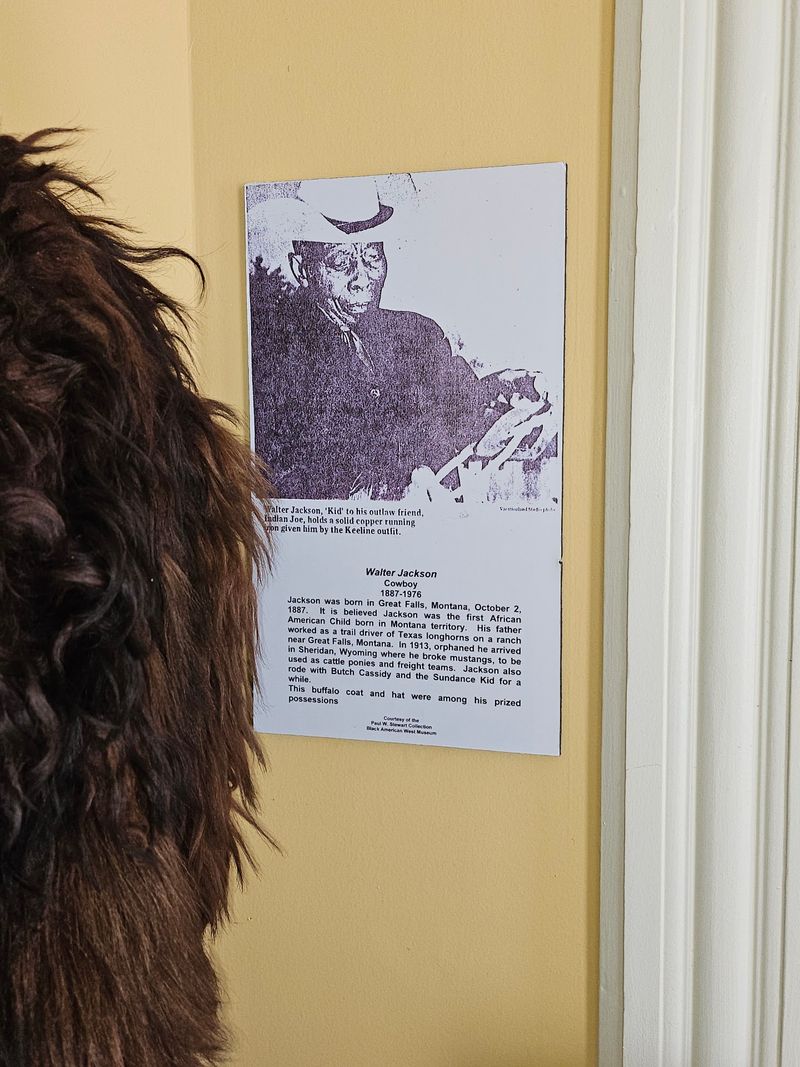
Walter Jackson’s buffalo coat is a standout piece that visitors remember long after leaving. The garment is genuinely historic and visually arresting, the kind of object that stops you mid-step and makes you want to know everything about the person who wore it.
Throughout the museum, personal items, tools, documents, and clothing from real people create a sense of intimacy that larger institutions rarely achieve. Each object was owned or used by someone whose name and story the museum works hard to preserve.
That intentionality runs through every display case and every carefully placed photograph, giving the collection a curated warmth that feels personal rather than institutional.
The Five Points Neighborhood and Its Cultural Weight
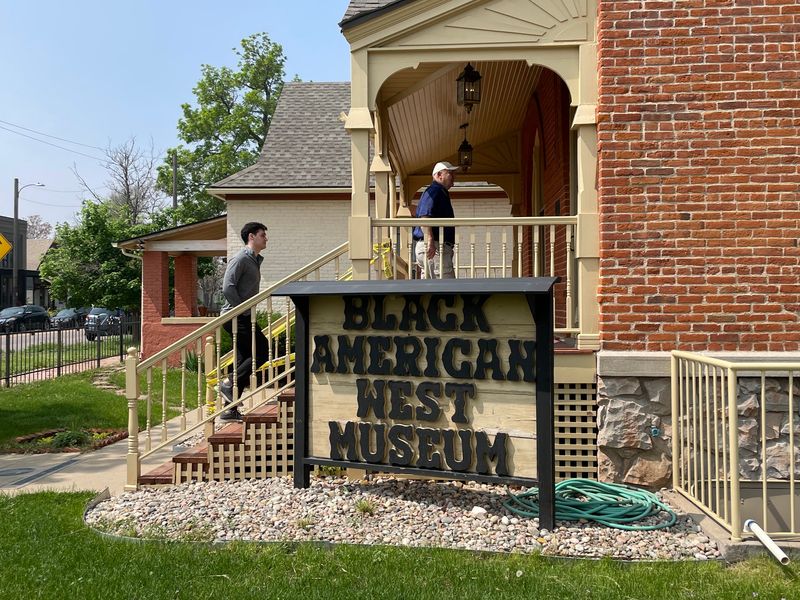
Arriving at the museum means arriving in Five Points, and that context matters. This neighborhood has been central to Denver’s Black community for well over a century, earning a reputation as a cultural hub with deep ties to jazz, civil rights, and community organizing.
At its peak, Five Points was sometimes called the Harlem of the West, drawing musicians, entrepreneurs, and community leaders who built a thriving social and economic ecosystem despite facing significant legal and social barriers. That history lives in the streets around the museum, not just inside it.
Visitors who walk from nearby areas often notice the older housing styles and the layered architectural history of the neighborhood. Spending a few extra minutes exploring the blocks around the museum adds meaningful context to everything you see inside.
The museum and its neighborhood tell the same story from two different angles, and both are worth your attention.
Medicine, Mining, and Homesteading: Overlooked Chapters
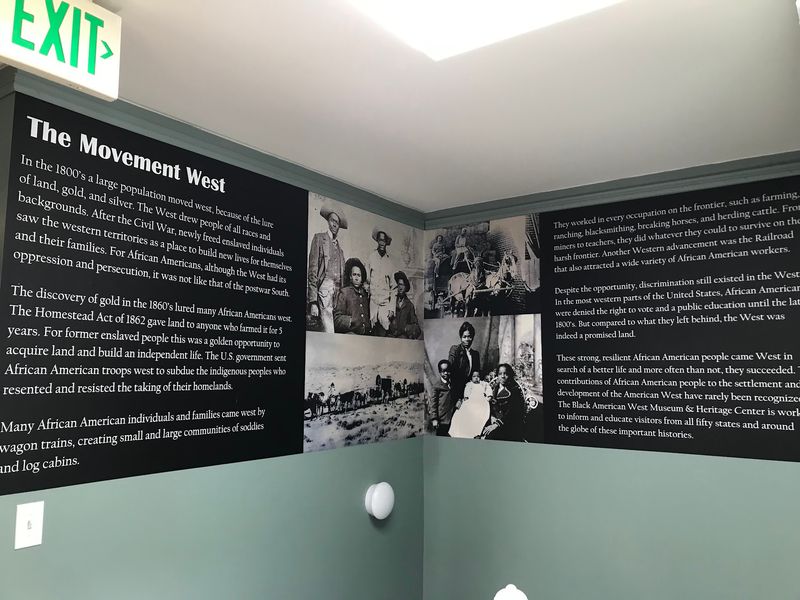
The cowboy narrative gets most of the attention, but the museum covers far more ground than trail drives and cattle ranching. Exhibits on Black contributions to medicine, mining, and homesteading reveal just how broadly African Americans shaped life in the West.
Black homesteaders claimed land under the Homestead Act and built communities across Colorado and surrounding states. Black miners worked the same mountains that drew prospectors from around the world, often under worse conditions and with fewer legal protections.
These are chapters that rarely make it into popular histories of the frontier era.
One particularly striking piece of the collection involves a video about an all-Black settlement in Colorado that eventually became a ghost town. That story encapsulates so much about the ambition, the obstacles, and the erasure that defined the Black experience in the West.
Finding it here, preserved and presented with care, is a genuinely moving experience.
A Self-Guided Tour That Rewards Curiosity
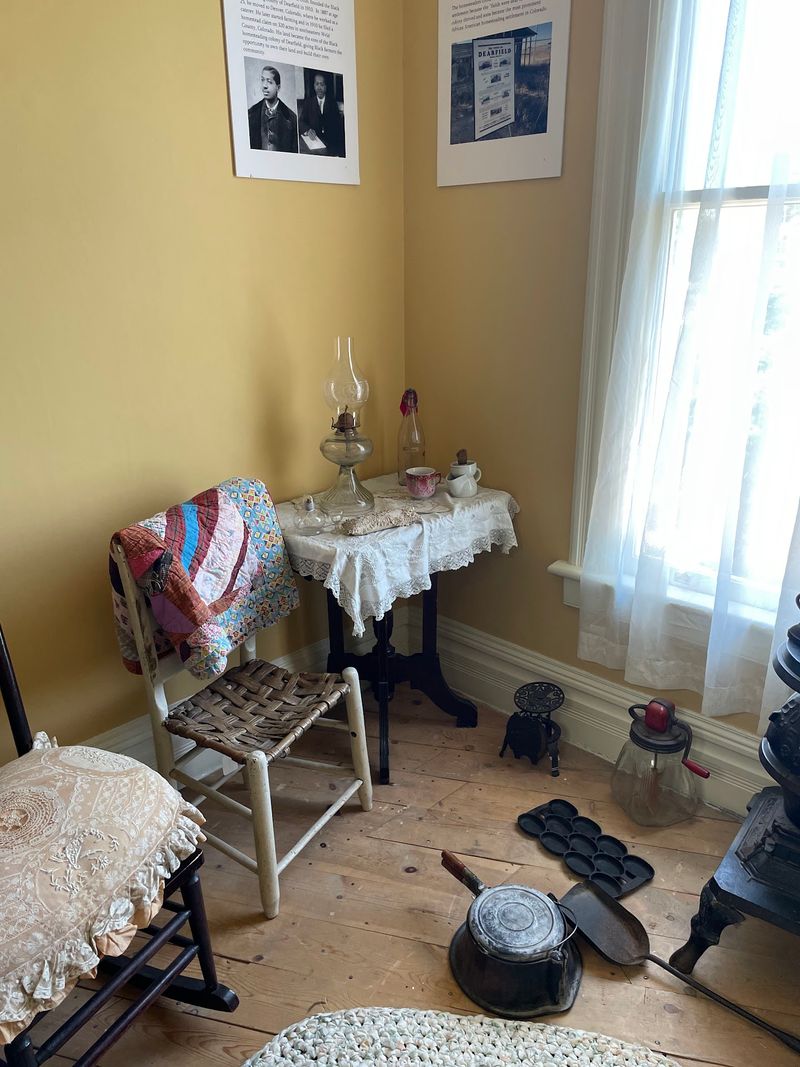
The museum is set up for self-guided exploration across two floors of the historic home, and the format suits the material well. There is no pressure to move quickly, and no audio tour telling you what to think.
You set your own pace and follow your own curiosity.
Most visitors spend around an hour inside, though it is easy to linger longer if a particular exhibit pulls you in. The layout flows naturally from room to room, and the organization of the displays makes it easy to follow the broader narrative even without a guide.
Guided tours are also available, and visitors who have experienced them describe the depth of knowledge that comes with having someone walk you through the context behind each exhibit. Whether you prefer to explore independently or with guidance, the museum accommodates both approaches without feeling like either was an afterthought.
Booking tickets in advance is recommended.
The Bookstore Worth Browsing Before You Leave
Tucked into the museum experience is a bookstore that visitors consistently mention as a highlight on its own. It is not a large space, but the selection is focused and thoughtful, reflecting the same intentionality that runs through the rest of the museum.
Books on Black history in the West, African American cowboys, Buffalo Soldiers, and related topics fill the shelves in a way that feels curated rather than random. It is the kind of bookstore where you pick up one title and end up holding four by the time you reach the register.
For anyone who leaves the museum wanting to go deeper into the history they just encountered, the bookstore provides a natural next step. Taking a book home extends the experience well beyond the visit itself and supports the museum’s ongoing mission.
Browsing the shelves before you leave is time genuinely well spent.
Why This Museum Deserves a Much Bigger Audience
The museum runs entirely on volunteer energy and community support, which makes every visit feel like a direct contribution to keeping an important story alive. The people who show up to guide tours and maintain the collection do so out of genuine commitment, not obligation.
Operating hours are limited, currently Friday and Saturday from 10 AM to 2 PM, so planning ahead is essential. Purchasing tickets in advance is strongly recommended, and arriving with some flexibility in your schedule allows you to absorb the experience without feeling rushed.
For anyone spending time in Denver, this stop belongs on the itinerary alongside the city’s better-known attractions. The museum does not try to compete with larger institutions.
It simply tells a story that no other place in the city tells quite this well, with this much heart, and with this much evidence that the story was always worth telling. That is more than enough reason to go.
Share this story