The 1980s were unlike any other decade in entertainment history. Music videos changed how we experienced songs, blockbuster movies redefined what a star could be, and television brought unforgettable characters into living rooms every week.
From pop icons who sold out arenas to actors who made us laugh, cry, and cheer, the decade was packed with talent that still feels relevant today. Whether you grew up in the ’80s or discovered the era through your parents’ old records and VHS tapes, these are the legends who made the decade unforgettable.
Michael Jackson
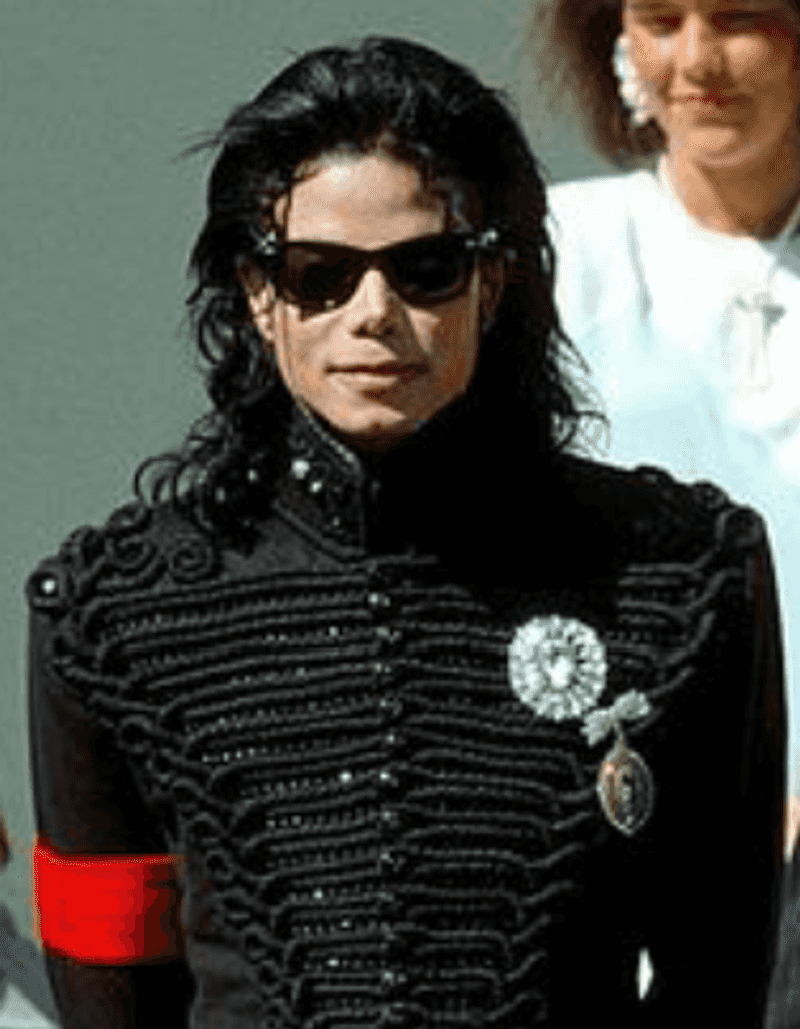
No single artist captured the energy of the 1980s quite like Michael Jackson. His 1982 album Thriller became the best-selling album in recorded history, according to Guinness World Records, and it did not get there by accident.
Songs like “Billie Jean,” “Beat It,” and “Thriller” did not just top charts; they became cultural moments that people still reference today.
What set Jackson apart was the complete package he offered. The moonwalk, the single glove, the red leather jacket, and the short-film-style music videos turned MTV into a global stage.
He understood that pop music was as much a visual art form as a sonic one.
Jackson passed away in 2009, but his influence on music, dance, video production, and celebrity image-making has never faded. Artists across every genre still study his performances, his showmanship, and his extraordinary ability to hold a crowd’s full attention.
Madonna

Madonna did not just make music in the 1980s; she rewrote the rulebook for female pop stardom. With hits like “Like a Virgin” and “Material Girl,” she became one of the decade’s most talked-about performers and one of its boldest visual icons.
Her lace gloves, layered jewelry, and fearless stage presence helped define an entire era of fashion and attitude.
Her real genius was reinvention. Madonna understood that pop music was about image, confidence, and control just as much as it was about melody.
She turned self-expression into a performance strategy and made controversy feel like a creative tool rather than a liability.
Unlike many stars who stayed locked into one look or one sound, she kept evolving. That restless creativity helped her outlast nearly every trend of the decade and remain one of pop culture’s most recognizable figures well into the decades that followed.
Prince
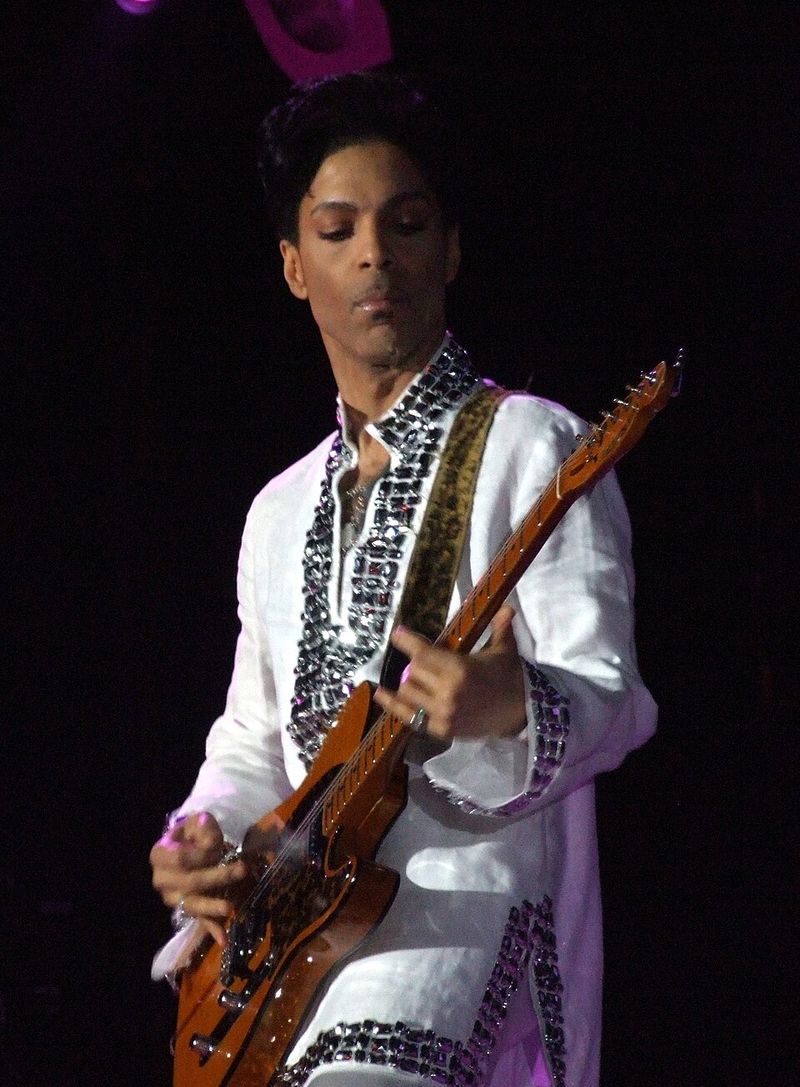
Prince brought something to the 1980s that nobody else could quite replicate: pure musical originality wrapped in theatrical confidence. His 1984 album Purple Rain stayed at No. 1 on the Billboard 200 for 24 consecutive weeks and sold more than 25 million copies worldwide, making it the defining release of his career.
Categorizing his sound was nearly impossible. He blended funk, rock, R&B, pop, and soul into something that felt completely his own.
His style was equally boundary-pushing: ruffled shirts, purple suits, high heels, and eyeliner worn with total conviction. He challenged gender norms through fashion before most artists would have dared.
Prince passed away in 2016, but his influence continues to show up in artists who value creative control, genre-blending, and bold visual identity. His catalog remains one of the most celebrated in popular music history, and new listeners still discover him every year.
Whitney Houston
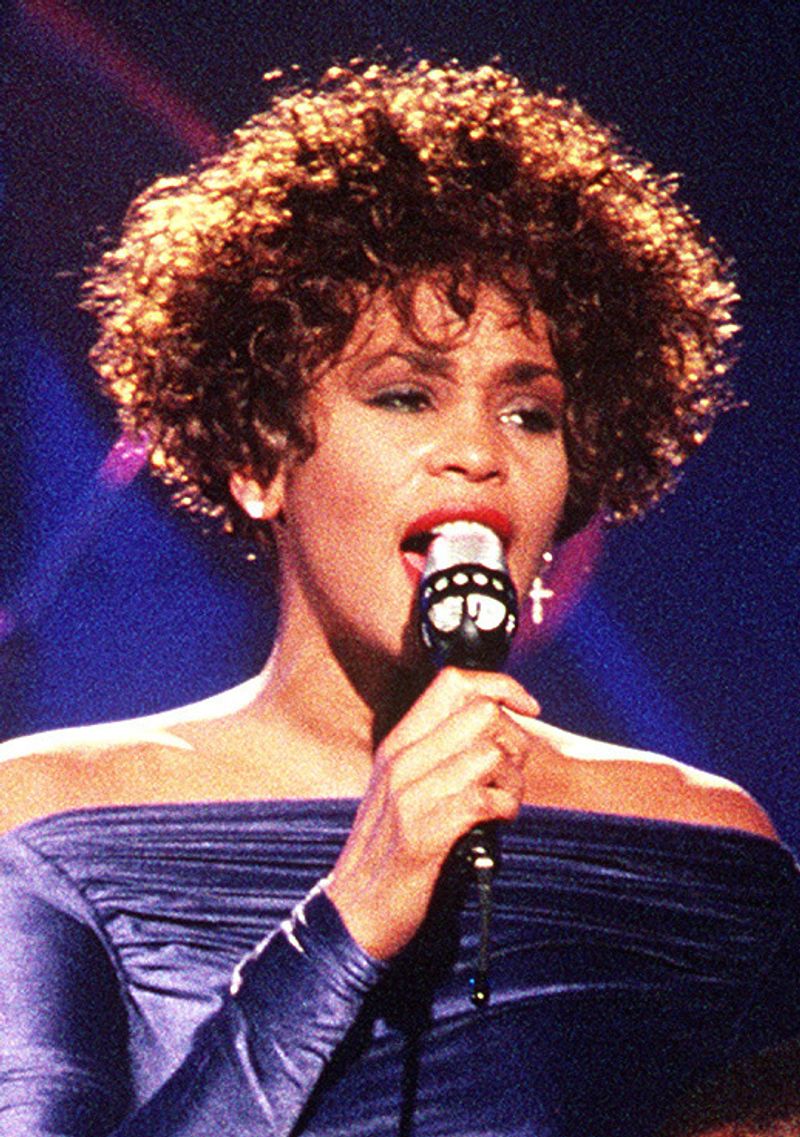
Whitney Houston arrived in the mid-1980s with a voice that stopped people in their tracks. Her 1985 debut album introduced the world to her extraordinary vocal talent, and she went on to become the only artist in history to achieve seven consecutive No. 1 hits on the Billboard Hot 100.
That is a record that still stands.
In the ’80s, Houston represented elegance and crossover appeal in equal measure. Songs like “How Will I Know” and “I Wanna Dance with Somebody” brought her into homes, radio stations, and music-video rotations everywhere.
She could move between pop and R&B with effortless grace, which made her appeal feel genuinely universal.
Houston passed away in 2012, but her vocal standard remains one of the highest in music history. Singers across genres still measure their technique against the clarity, control, and emotional depth she brought to every single performance.
Sylvester Stallone
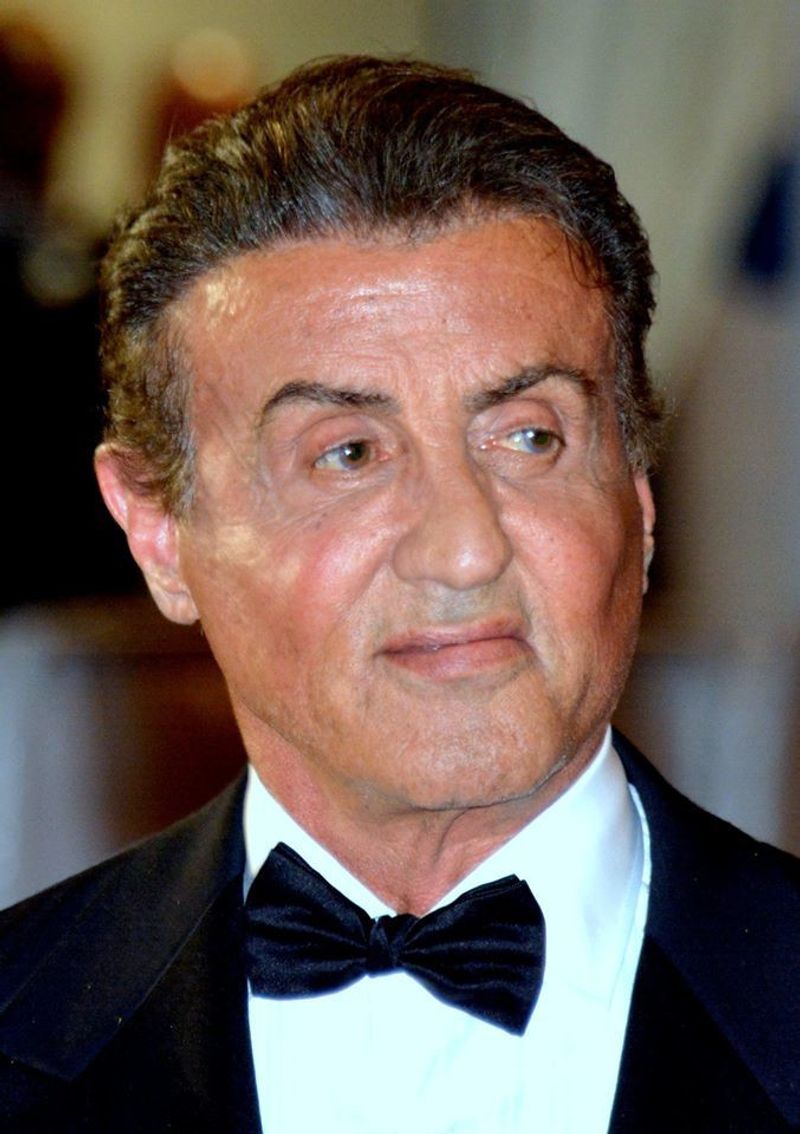
Sylvester Stallone spent the 1980s building one of the most durable action-hero brands in Hollywood history. Rocky III, Rocky IV, Rambo: First Blood Part II, and Rambo III all landed during the decade, giving audiences a steady supply of grit, toughness, and underdog intensity.
Few actors of the era could match that kind of consistent box-office presence.
Rocky Balboa and John Rambo were very different characters, but they shared a quality that audiences responded to deeply: survival against the odds. Rocky fought with heart and endurance.
Rambo carried a wounded intensity that felt raw and physical. Together, they helped shape the muscular action-hero image that defined so much of ’80s cinema.
Stallone is still alive and continues to appear in film and television projects. His two signature characters from the decade remain among the most recognizable action figures in the entire history of American film.
Arnold Schwarzenegger
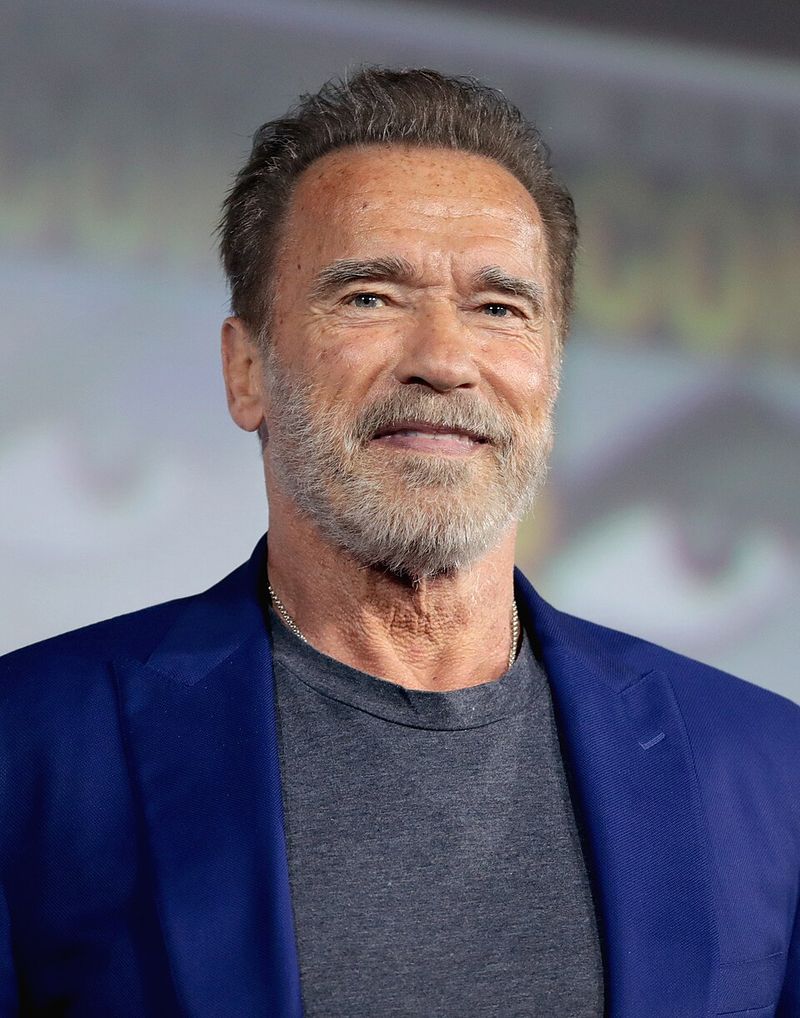
Arnold Schwarzenegger’s rise in the 1980s felt almost perfectly timed for the era. He had the physique, the screen presence, the accent, and the one-liners that made him impossible to ignore.
His filmography from the decade includes The Terminator and Predator, two films that cemented his reputation as one of Hollywood’s most bankable action stars.
He represented a different kind of movie stardom. Part bodybuilder, part action hero, part pop culture catchphrase machine, Schwarzenegger occupied a space in Hollywood that nobody else could quite fill.
The Terminator gave him one of the decade’s most iconic roles, and the film’s cultural footprint has never really shrunk.
He is still alive and remains active as a public figure, actor, and former Governor of California. His ’80s films still attract new viewers, and his most memorable lines have become a permanent part of popular culture conversation around the world.
Eddie Murphy
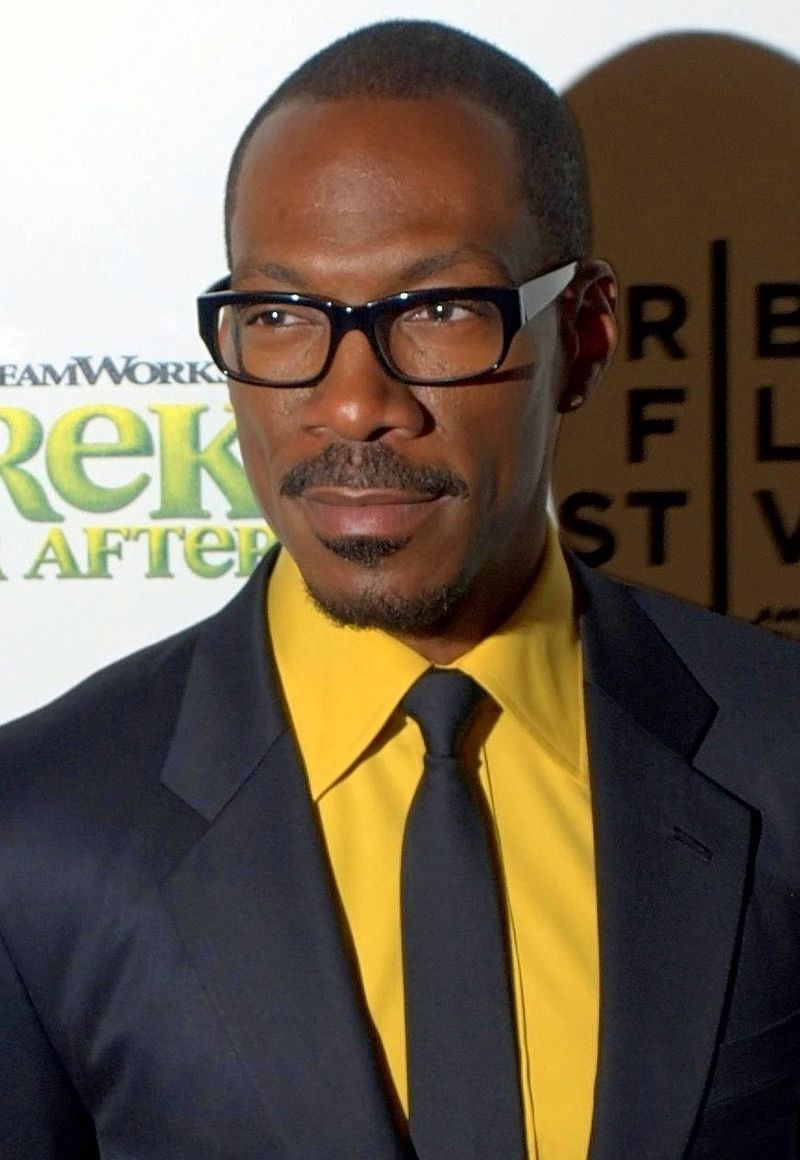
Few careers in the 1980s moved as fast or as boldly as Eddie Murphy’s. The British Film Institute describes his rise as a meteoric ascent from stand-up comedy to the front rank of Hollywood movie stars, and that description barely covers the speed of it.
Saturday Night Live, Beverly Hills Cop, and Coming to America all happened within the same decade.
Murphy’s comedy had a quality that was hard to fake: electric confidence. He could command a sketch, a stand-up stage, or a movie screen with the same natural authority.
His portrayal of Axel Foley in Beverly Hills Cop made him one of the decade’s most commercially powerful performers, and the film became a massive hit worldwide.
He is still alive and continues to appear in major film and entertainment projects. His ’80s work remains some of the most rewatched comedy in American cinema, and his influence on stand-up storytelling is still widely acknowledged.
Meryl Streep
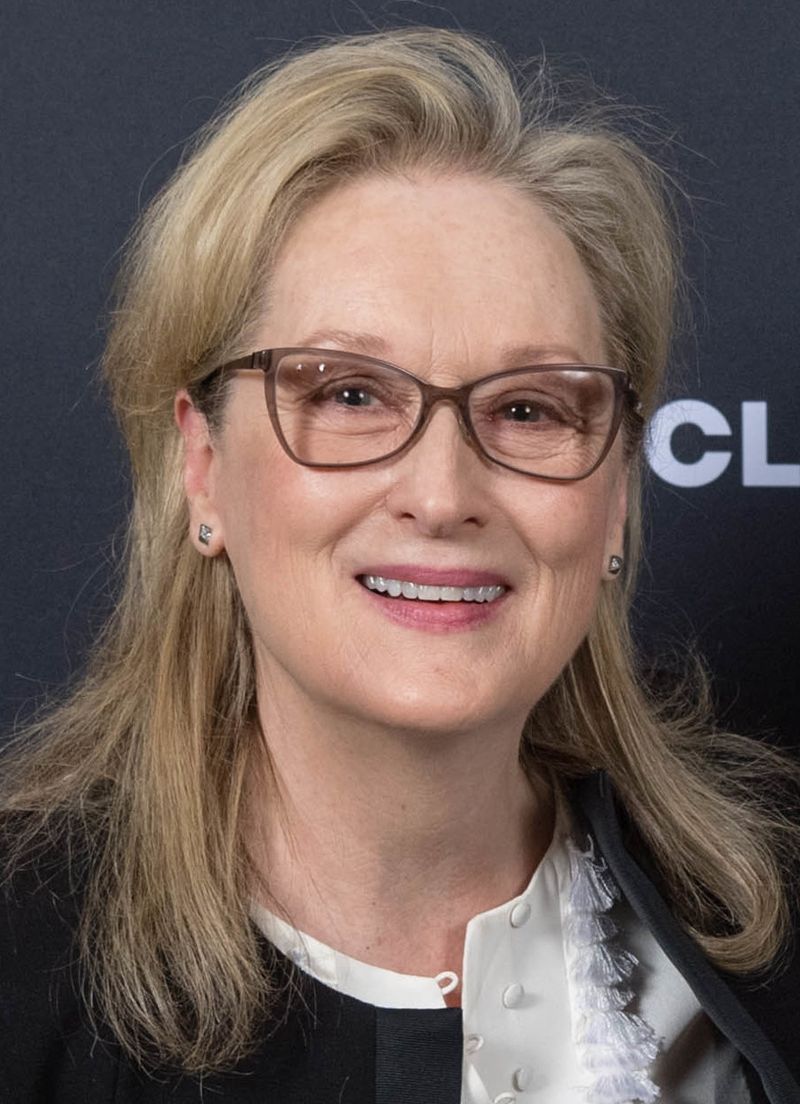
Meryl Streep built something rare in the 1980s: a reputation for pure craft that audiences and critics respected equally. Her Academy Award-winning performance in Sophie’s Choice became one of the decade’s most discussed acting achievements, and Out of Africa added another major film to her already impressive body of work.
She was not chasing trends; she was setting a standard.
Streep did not become an icon through flash or scandal. She became one through precision, emotional depth, and an ability to disappear completely into a character.
Her performances were layered and deliberate in a way that made them feel timeless rather than tied to any particular moment.
She is still alive and remains one of the most celebrated actors in the history of film. Her name alone has long been shorthand for serious, committed performance, and younger actors still cite her as a benchmark for what great screen acting can look like.
Tom Cruise
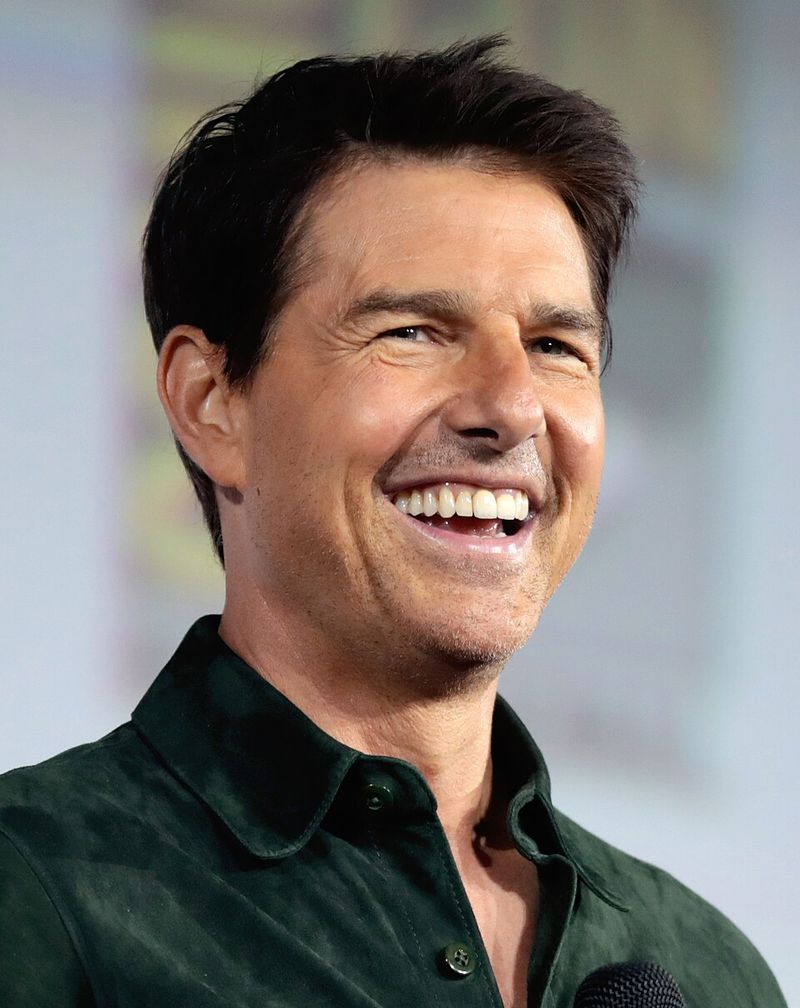
Tom Cruise arrived in the 1980s with a screen presence that was hard to look away from. Risky Business helped launch him to stardom in 1983, and Top Gun turned him into a full-scale international movie star in 1986.
Both films gave him moments that became instantly recognizable pieces of the decade’s pop culture identity.
His famous living-room dance scene in Risky Business became one of the era’s most imitated movie moments. Then Maverick in Top Gun gave audiences a different kind of Cruise: fast, ambitious, and wrapped in jet-fuel cool.
The film connected with audiences worldwide and helped establish him as one of Hollywood’s most reliable box-office draws.
He is still alive and remains one of the most active major film stars working today. His dedication to performing his own stunts has become as much a part of his public identity as any character he has ever played on screen.
Bruce Springsteen
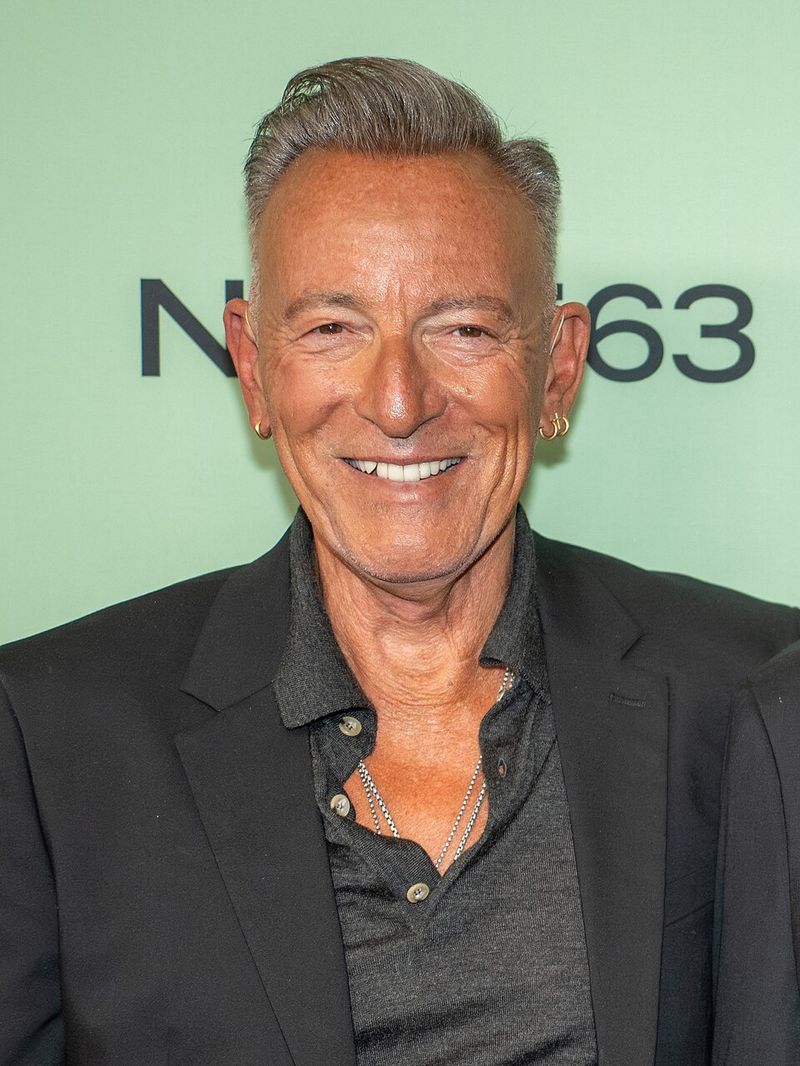
Bruce Springsteen gave the 1980s one of its most powerful and misunderstood rock albums. Born in the U.S.A., released in 1984, became a commercial landmark and a complicated cultural statement at the same time.
Its title track was frequently mistaken for straightforward patriotism, but the song actually carried deep frustration and pointed social commentary beneath its anthemic surface.
Springsteen’s image during the decade was distinctly unglamorous by design. Blue jeans, sweat, guitars, and working-class storytelling set him apart from the polished pop spectacle happening around him.
He represented a grittier, more earnest side of ’80s celebrity, one rooted in heartland rock intensity rather than MTV-ready flash.
He is still alive and continues to tour and record. His reputation as one of America’s most respected rock performers has only grown stronger with time, and Born in the U.S.A. remains one of the best-selling albums in American music history.
Dolly Parton
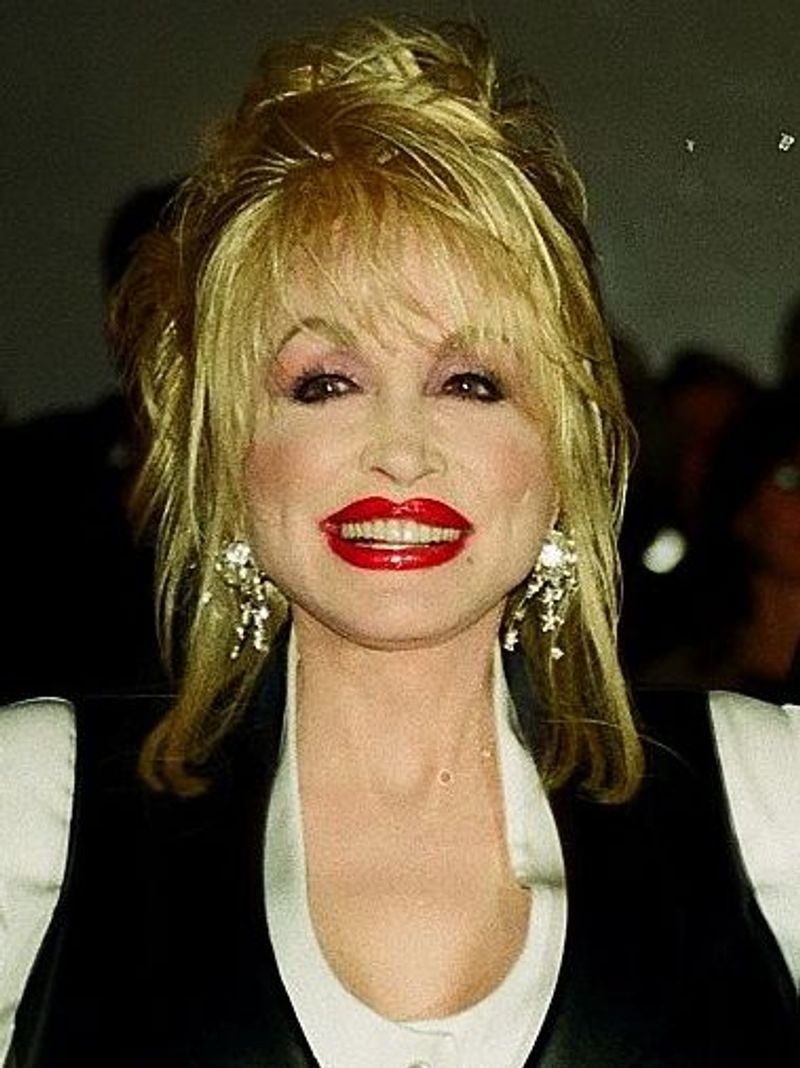
Dolly Parton was already a country music institution before the 1980s began, but the decade stretched her reach into territory most artists would not have attempted. Her song “9 to 5,” tied to the 1980 film of the same name, became a full-blown anthem that connected with working people far beyond country radio.
Then Dollywood opened in Tennessee in 1986, adding entrepreneur to her already impressive list of titles.
Parton’s strength has always been her combination of genuine warmth, sharp humor, serious talent, and clear-eyed business sense. In the ’80s, she proved she could move from country into film, mainstream pop culture, and theme park ownership without losing a single thread of her authentic personality.
She is still alive and very much active. Dollywood remains open seasonally and continues to draw visitors to the Smoky Mountains region.
Parton’s cultural footprint has only expanded with each passing decade.
David Bowie
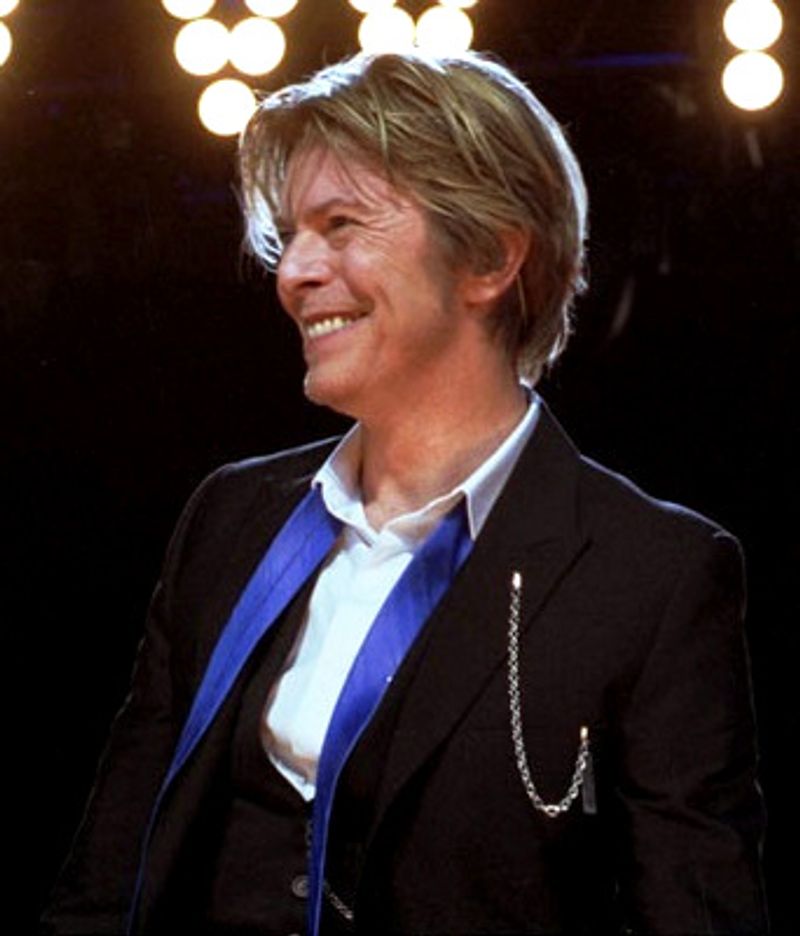
David Bowie had already reshaped pop culture multiple times before the 1980s arrived, but he refused to coast on past reinventions. His 1983 album Let’s Dance brought him some of the biggest commercial success of his career, reaching new audiences who had not followed his earlier, more experimental work.
The album showed he could write radio-friendly pop without abandoning his instinct for style.
His role as Jareth the Goblin King in the 1986 fantasy film Labyrinth introduced him to an entirely new generation of fans. That performance became one of the decade’s most visually memorable, and the film developed a devoted following that has never really faded.
Bowie passed away in 2016, but his influence on music, fashion, performance art, and visual culture remains enormous. He is still regularly cited as one of the most creative and fearless artists in the history of popular music, across every generation of listeners.
Cyndi Lauper
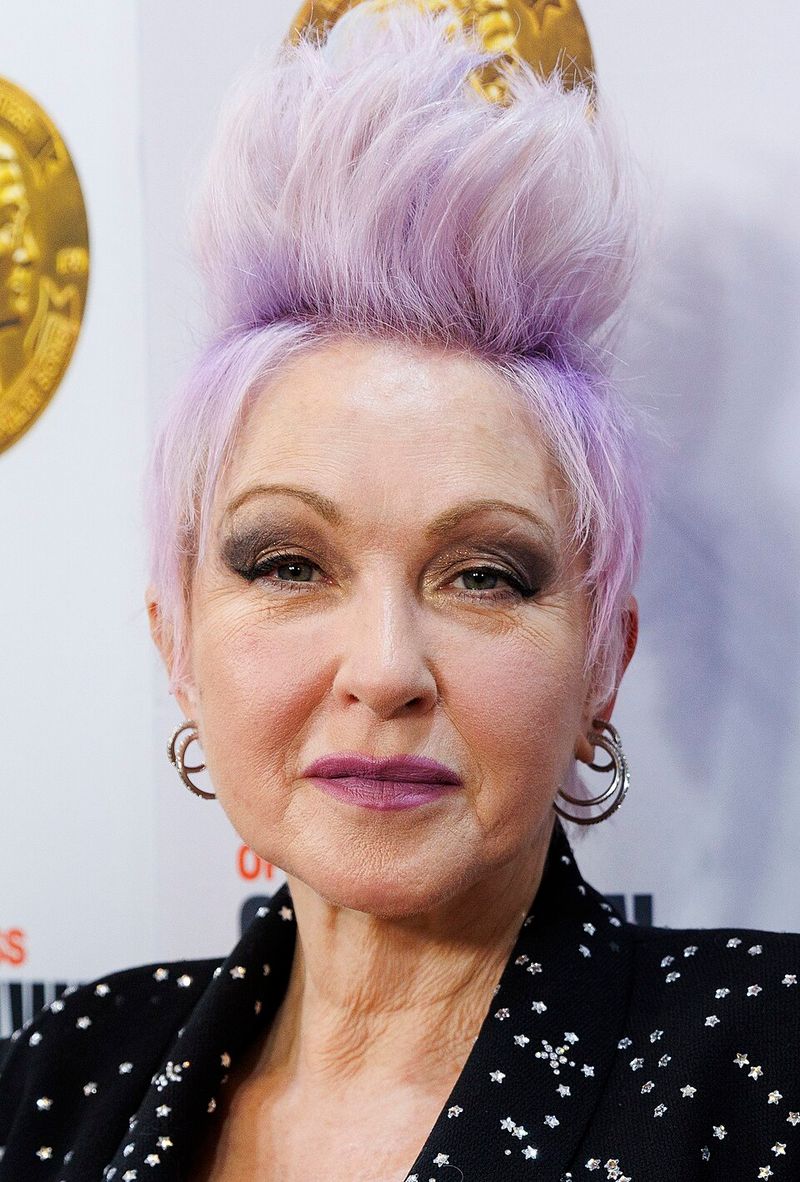
Cyndi Lauper brought something genuinely joyful and wonderfully strange to the ’80s pop landscape. Her 1983 debut album She’s So Unusual introduced the world to “Girls Just Want to Have Fun,” and she took home Best New Artist at the Grammy Awards in 1985.
Her sound was playful and powerful at the same time, which was not a combination many artists managed to pull off.
Her look was instantly recognizable: bright hair, layered thrift-store fashion, bold accessories, and an attitude that celebrated being different without apology. She became a symbol of joyful self-expression and female individuality at a time when pop stardom often demanded conformity.
Lauper has earned Grammy, Emmy, and Tony awards throughout her career, making her one of the most decorated entertainers of her generation. She is still alive and continues to perform and record, carrying the same colorful energy that made her impossible to ignore in her debut decade.
Harrison Ford
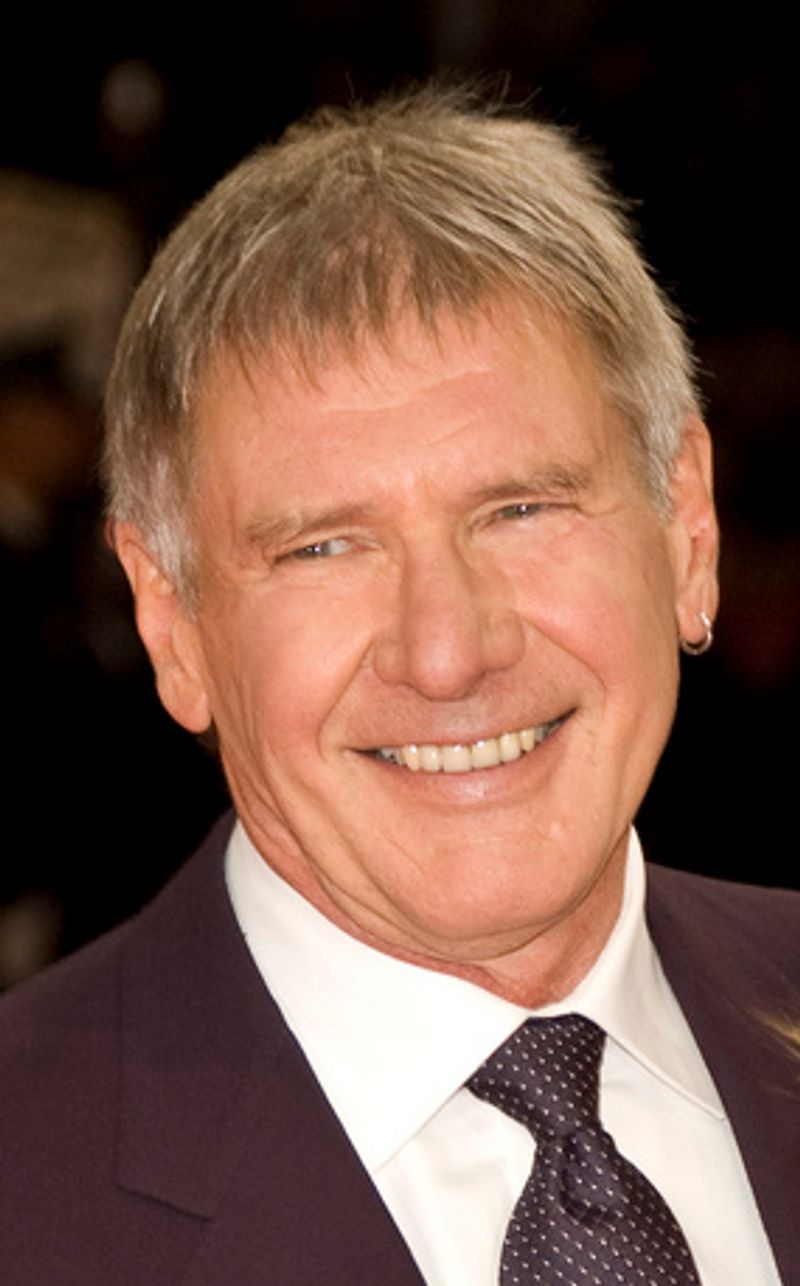
Harrison Ford made the 1980s look like one long adventure film, and he was the lead in almost all of it. The decade saw him return as Han Solo in The Empire Strikes Back and Return of the Jedi while simultaneously launching the Indiana Jones franchise with Raiders of the Lost Ark and its sequels.
Running two of cinema’s most beloved characters at the same time was not a small achievement.
What made Ford work so well in both roles was his grounded screen presence. He could be heroic, sarcastic, exhausted, brave, and funny without ever losing believability.
Indiana Jones and Han Solo felt like real people inside extraordinary situations, and that human quality is what made audiences care so deeply about what happened to them.
Ford is still alive and remains one of the most recognizable film stars of his generation. His ’80s films continue to attract new viewers and remain fixtures in pop culture conversation worldwide.
Oprah Winfrey
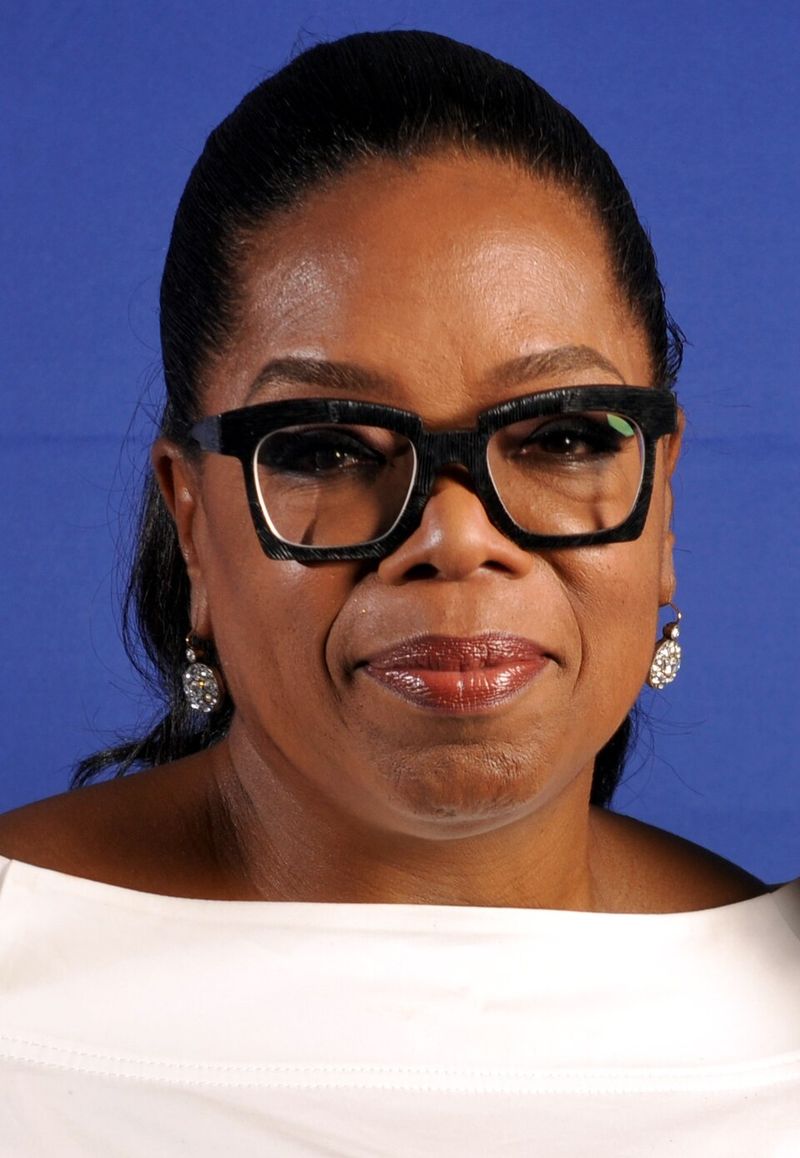
Oprah Winfrey changed the shape of American television in the 1980s, and she did it by being something the medium had rarely seen: genuinely present. The Oprah Winfrey Show went national on September 8, 1986, and it quickly became clear that this was not just another daytime talk program.
She brought warmth, honesty, and real emotional intelligence to a format that often felt mechanical.
Her show could feature celebrities one day and serious social issues the next, moving between entertainment and empathy in a way that felt natural rather than calculated. Audiences responded to her vulnerability and her curiosity.
She did not keep guests at arm’s length; she engaged with them in a way that felt like a real conversation.
Winfrey is still alive and remains one of the most influential media figures in the world. Her impact on television, publishing, and public conversation about personal growth and social issues has been enormous and lasting.
Mr. T
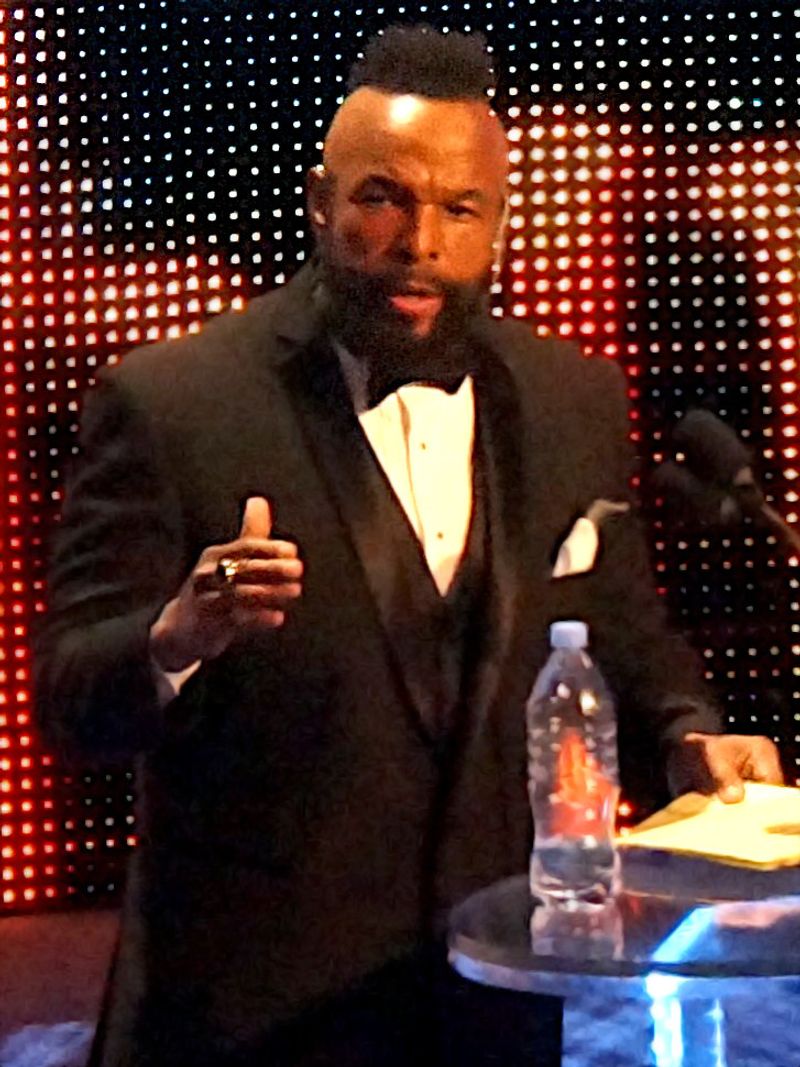
Mr. T was one of the most recognizable faces the 1980s produced, and his look alone told you everything you needed to know about the era’s appetite for larger-than-life personalities. The gold chains, the mohawk, the growling voice, and the no-nonsense attitude made him impossible to miss on any screen.
He played Clubber Lang in Rocky III and B.A. Baracus on The A-Team, two roles that turned him into a genuine pop culture phenomenon.
His fame was not subtle, and that was entirely by design. Mr. T represented the decade’s love of bold, cartoonish energy packaged inside an intimidating exterior.
He was tough and funny and marketable all at once, which made him a natural fit for everything from action television to Saturday morning cartoons.
He is still alive and remains a nostalgic symbol of the decade. His image still appears regularly in ’80s retrospectives, merchandise, and popular culture references across many different platforms.
Molly Ringwald

Molly Ringwald became the defining face of ’80s teen cinema, and she earned that title through a string of collaborations with director John Hughes that still hold up remarkably well. Sixteen Candles, The Breakfast Club, and Pretty in Pink each gave her a different kind of character to work with, and she brought emotional honesty to all of them.
Hughes had a gift for capturing adolescence, and Ringwald was his most expressive interpreter.
Her characters were relatable in a way that teen movie protagonists had rarely been before. They were stylish but insecure, emotional but self-aware, caught between the world they came from and the one they were trying to figure out.
She gave the high school experience a cinematic weight it had not always received.
Ringwald is still alive and continues to be associated with the legacy of ’80s coming-of-age films. The Breakfast Club in particular is still regularly screened, discussed, and celebrated as a touchstone of the decade.
Run-D.M.C.
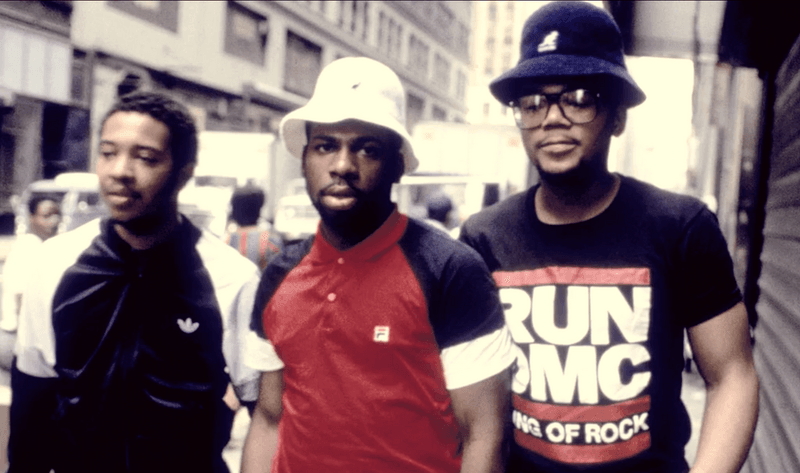
Run-D.M.C. did not just participate in the 1980s music scene; they fundamentally changed it. The Rock and Roll Hall of Fame describes them as a group of firsts: the first rap group to go gold, platinum, and multiplatinum, the first to earn a Grammy nomination, and the first to appear on the cover of Rolling Stone.
Those milestones were not small steps; they were seismic shifts in how the music industry viewed hip-hop.
Their collaboration with Aerosmith on “Walk This Way” became one of the decade’s most important genre-crossing moments. It introduced rap music to audiences who had never engaged with it before and helped prove that hip-hop was not a passing trend but a permanent part of American culture.
The group’s original lineup changed after the tragic passing of Jam Master Jay in 2002, but their cultural legacy remains enormous. Their influence on fashion, production, and rap performance style is still clearly visible in the music being made today.
Sigourney Weaver
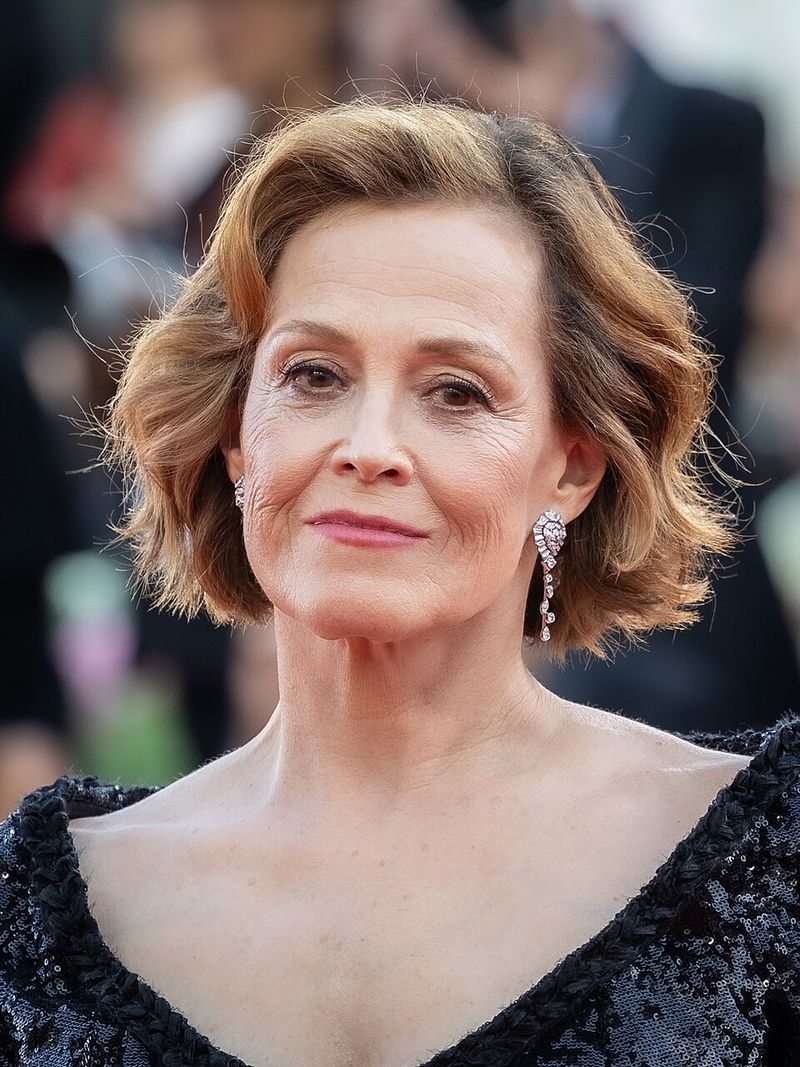
Sigourney Weaver redefined what an action heroine could look like in the 1980s. Her performance as Ellen Ripley in Aliens earned her an Academy Award nomination for Best Actress in a Leading Role, which was a rare and significant achievement for a science-fiction action film.
The nomination itself sent a message: genre films could produce performances worthy of serious recognition.
She also appeared in Ghostbusters, released in June 1984, which became one of the decade’s most beloved comedies and a landmark in Hollywood special-effects history. Her ability to move between intense sci-fi drama and sharp comedic performance showed a range that few actors in the decade could match.
Weaver brought intelligence, physical presence, and emotional seriousness to every role she took on. She proved convincingly that a female lead could carry a major action franchise without being reduced to a supporting role or a decorative presence.
She is still alive and remains active in film.
Boy George

Boy George was one of the most visually striking figures the 1980s produced, and his look was impossible to separate from his music. As the frontman of Culture Club, he brought androgynous fashion, soulful vocals, and new-wave pop energy into the mainstream at a moment when mainstream pop was not always ready for it.
Culture Club’s “Karma Chameleon” reached No. 1 in the United States, the United Kingdom, and Canada, which was a remarkable cross-Atlantic achievement.
His appearance challenged expectations in ways that were genuinely new for mainstream pop audiences. His voice gave Culture Club an emotional warmth and depth that balanced the visual spectacle of his presentation.
Together, those qualities made him one of the decade’s most distinctive and memorable pop figures.
Boy George is still alive and remains publicly active as a singer, performer, and media personality. His influence on gender expression in pop music is still acknowledged by artists working across many different genres today.
Share this story