There is a spot in central Illinois where the water sits still, the cattails sway, and turtles line up on logs like they are waiting for something important. A floating boardwalk carries you right over the wetlands, close enough to hear frogs, spot great blue herons, and watch lotus flowers bloom in shades that seem almost too vivid to be real.
This is not a wilderness expedition requiring gear or serious hiking experience. Heron County Park in Danville, Illinois, is the kind of place that surprises you with how much nature it packs into a short, peaceful walk, and once you see it for yourself, you will want to come back every season.
Where the Boardwalk Begins: Park Location and Access
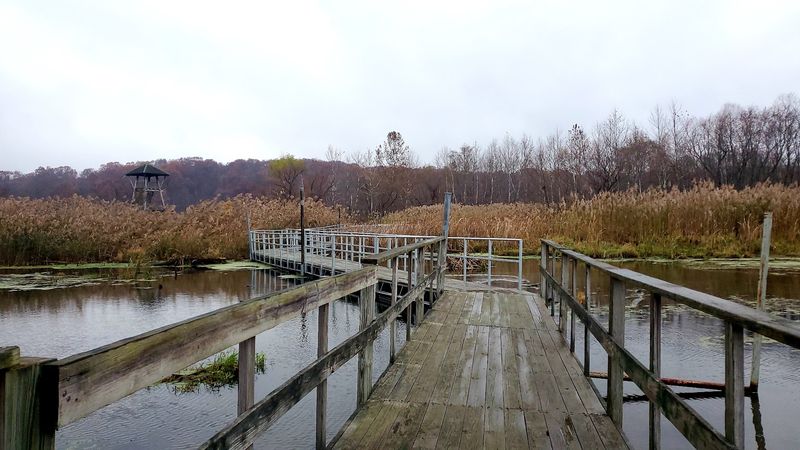
Heron County Park sits at 22296-A Henning Rd, Danville, IL 61834, tucked into Vermilion County in east-central Illinois. The drive in is straightforward, and the first thing you notice is how much free parking is available right at the entrance.
There is no scramble for spots, no fee booth, and no long walk from your car to the trailhead.
The park is managed by the Vermilion County Conservation District and is open every day of the week from 7:30 AM to 8:00 PM. That schedule gives you plenty of time for a morning visit before the heat builds up, or a late-afternoon walk when the light turns golden over the water.
Restrooms are available at the entrance, which is a detail that matters more than people admit, especially when you bring kids along. The facilities are clean and easy to find.
You can reach the park by phone at 217-442-1691, and the official website at vccd.org/heron-county-park carries updated information on conditions and events.
The Floating Boardwalk That Puts You on the Water
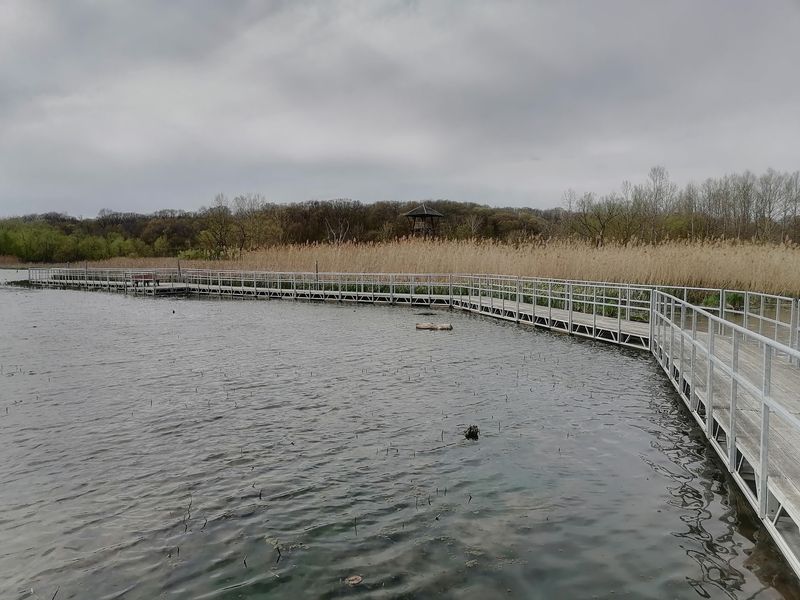
The boardwalk at this park is not just a path, it is a floating structure built directly on the water. Every step has a slight give to it, and the surface moves just enough to remind you that there is nothing but water underneath.
That sensation alone makes the walk feel different from any ordinary nature trail.
The loop is short, which makes it perfect for families with young children or anyone who wants a relaxed outing without a major time commitment. The path winds through the heart of the wetland, putting you close to the lily pads, the cattails, and the open patches of water where birds hunt and turtles rest.
A fair heads-up: some boards along the boardwalk have shown wear over the years, with occasional gaps or lifted sections. Watching your step is smart, especially if you are moving quickly or have little ones running ahead.
Wear shoes with some grip, and take your time. The walk rewards a slow pace far more than a quick one, and there is always something new to notice when you are not rushing.
Great Blue Herons and the Birds That Rule This Wetland
Great blue herons are the celebrities of this wetland, and they know it. These birds stand nearly four feet tall, move with a slow and deliberate calm, and tend to hold their ground even when visitors walk nearby on the boardwalk.
Spotting one standing motionless at the edge of the reeds is one of those quiet thrills that sticks with you.
The park earns its name well. Beyond the herons, the wetland hosts an impressive variety of bird species throughout the year.
Wood ducks have been spotted swimming with their ducklings in spring. Swans nest in the area.
Bald eagles have been seen soaring nearby on approach to the park. The sheer variety keeps birdwatchers coming back season after season.
Bringing binoculars is genuinely worth the effort here. Many birds perch or feed at a distance across the open water, and a good pair of binoculars turns a blurry shape into a detailed, satisfying view.
The park has been called a birder’s paradise by people who visit regularly, and that description holds up well against the reality of what you actually see here.
Turtle Spotting Along the Marsh
Turtles have a devoted fan base at this park, and it is not hard to understand why. On a warm, sunny day, they gather on logs and partially submerged branches along the boardwalk route, sometimes stacking up in groups of eight, nine, or ten at a time.
Watching them pile onto a single log with complete commitment is one of the more charming sights in the whole park.
Painted turtles are the most common species you will encounter, identifiable by their smooth dark shells and the bright red and yellow markings along their edges. They are not shy creatures, but they will slip into the water if you get too close or make sudden movements.
Moving slowly and speaking quietly gives you the best chance of watching them for a longer stretch.
Kids are particularly drawn to the turtles, and this part of the walk tends to create a natural stopping point where the whole group pauses and stares. There is something genuinely satisfying about watching a turtle do absolutely nothing in a very confident way.
Pack patience, and the marsh will reward you with a front-row seat to some of the best sunbathing in Illinois.
The Lookout Tower and the View From Above
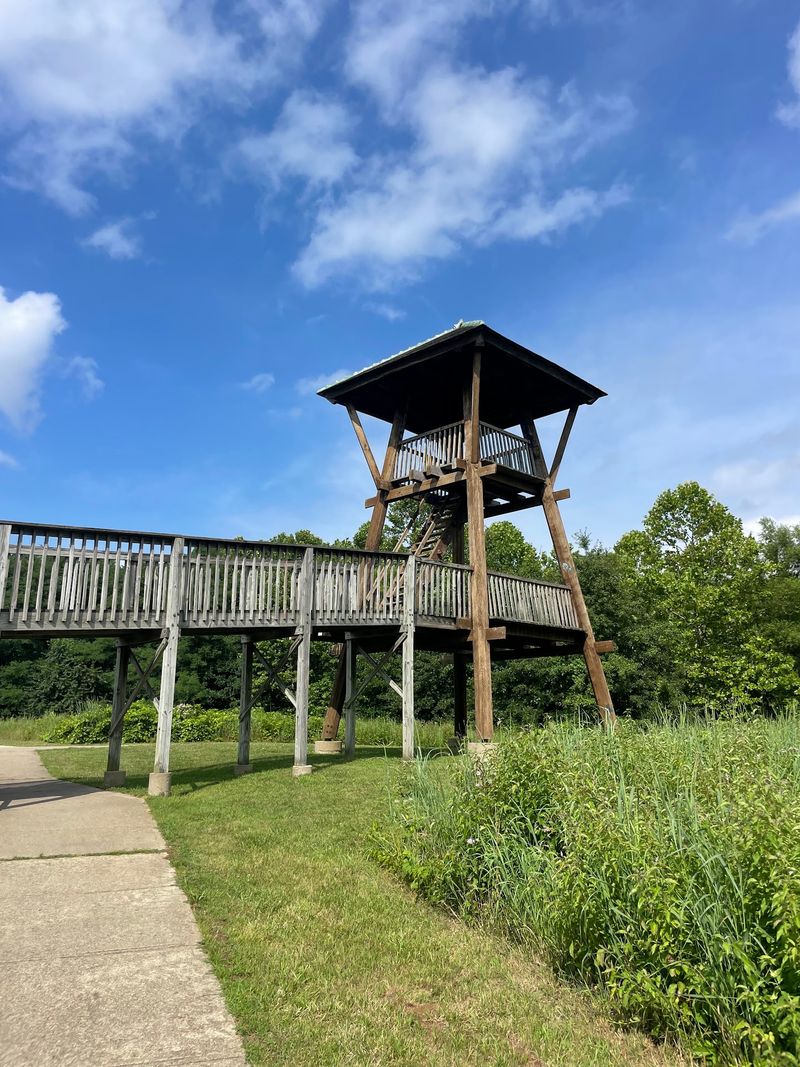
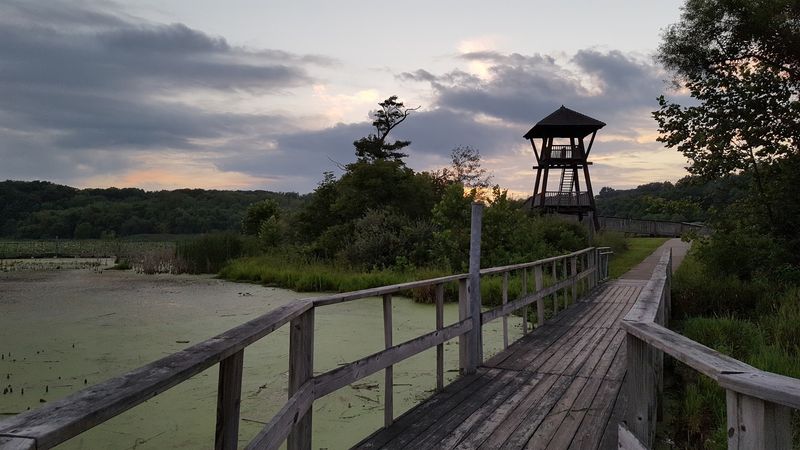
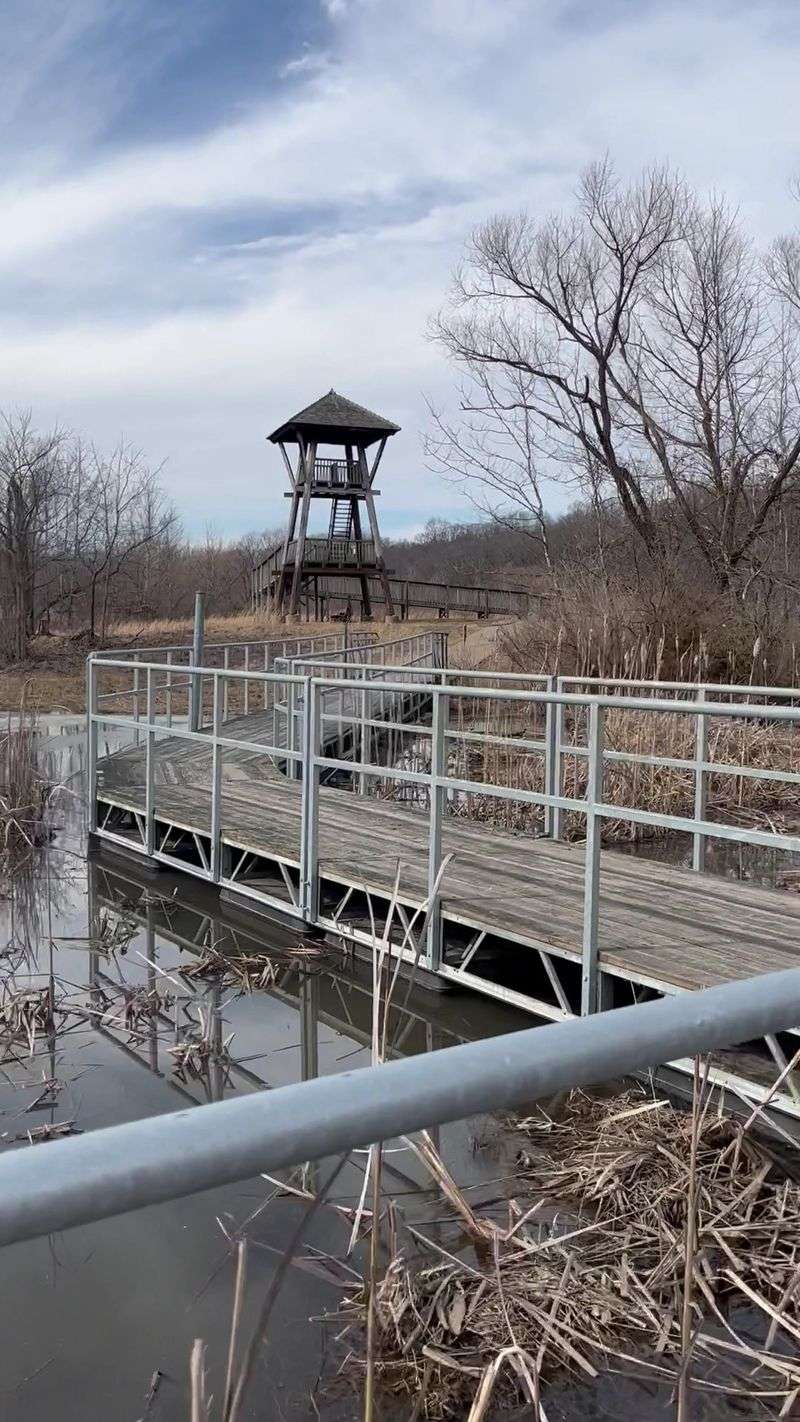
One of the most distinctive features of this park is the observation tower that rises above the wetland and offers a completely different perspective on the landscape. From ground level, the marsh feels close and intimate.
From the top of the tower, it opens up into something much larger, a wide expanse of water, reeds, and tree lines stretching out in every direction.
The tower is well-built and accessible in a way that not all outdoor structures manage to be. A wheelchair ramp leads to the first elevated deck, making it usable for visitors with limited mobility.
That thoughtful design detail has made a real difference for many people who might otherwise have missed the elevated view entirely.
Climbing to the top level gives you a bird’s-eye look at the full wetland system, and on a clear day, you can see far beyond the immediate marsh. Bring binoculars up here too, because the height gives you a much wider field of view for spotting herons in flight, swans on the water, and any raptors circling above.
The tower alone is worth a visit, and the view from the top has a way of making the whole park feel even larger than it already is.
Lotus Blooms in Mid to Late Summer
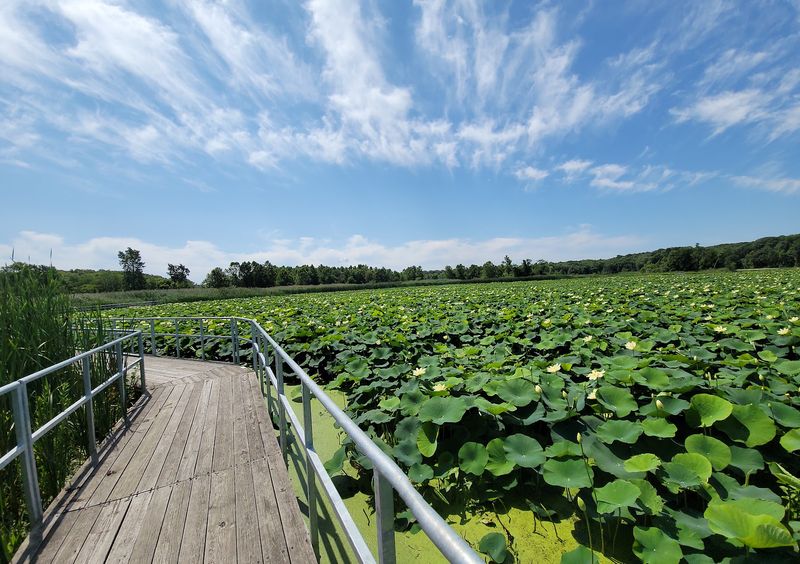
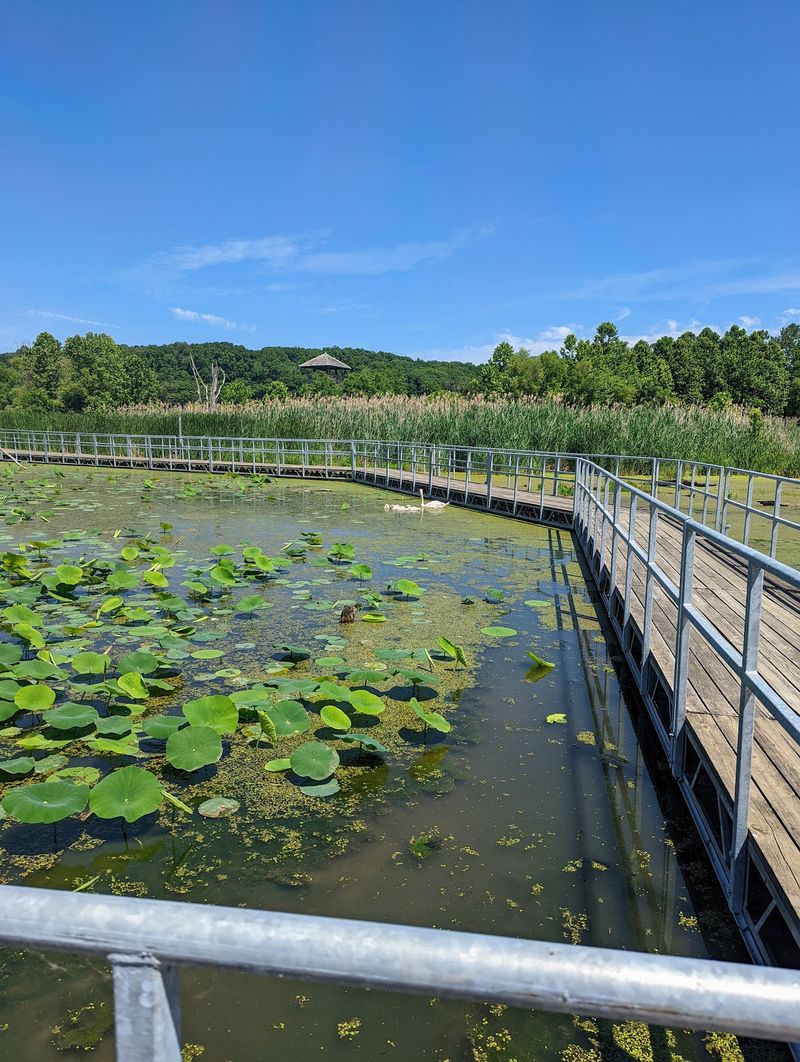
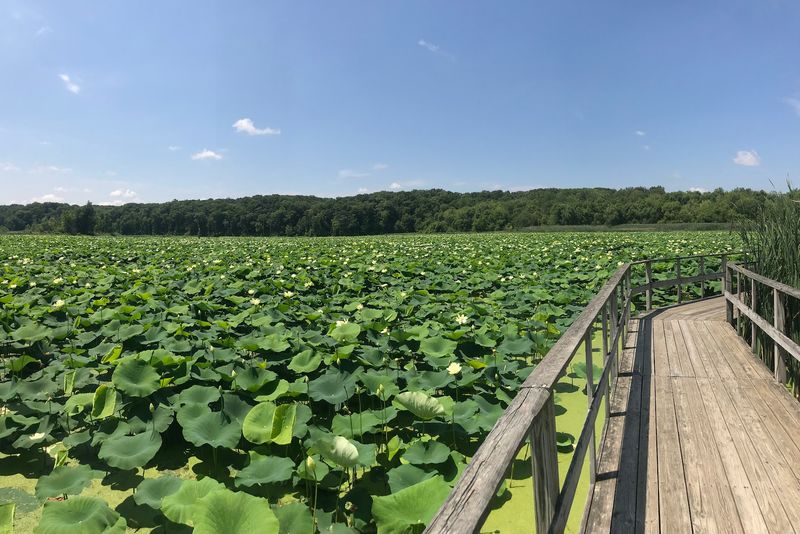
Mid to late summer brings one of the most spectacular natural displays this park has to offer. American lotus plants bloom across the wetland in numbers that are genuinely hard to believe until you see them yourself.
The flowers are large, pale yellow, and rise above the broad circular leaves on tall stems, covering patches of the water in a dense, almost otherworldly spread.
The lotus bloom season typically peaks in July, and visitors who time their trip for this window are rewarded with a scene that feels more like a painting than a park in central Illinois. The fragrance is subtle but present, and the combination of color, scale, and stillness makes this one of the more memorable natural sights in Vermilion County.
These are not imported or planted ornamentals, they grow wild here as part of the natural wetland ecosystem. American lotus has a long history in North American wetlands, and this marsh provides ideal conditions for the plants to thrive in large numbers.
If you have only visited this park in spring or fall, a summer return trip during peak bloom will show you a completely different side of the same landscape, and it is worth planning around.
A Walk That Works for All Ages and Abilities
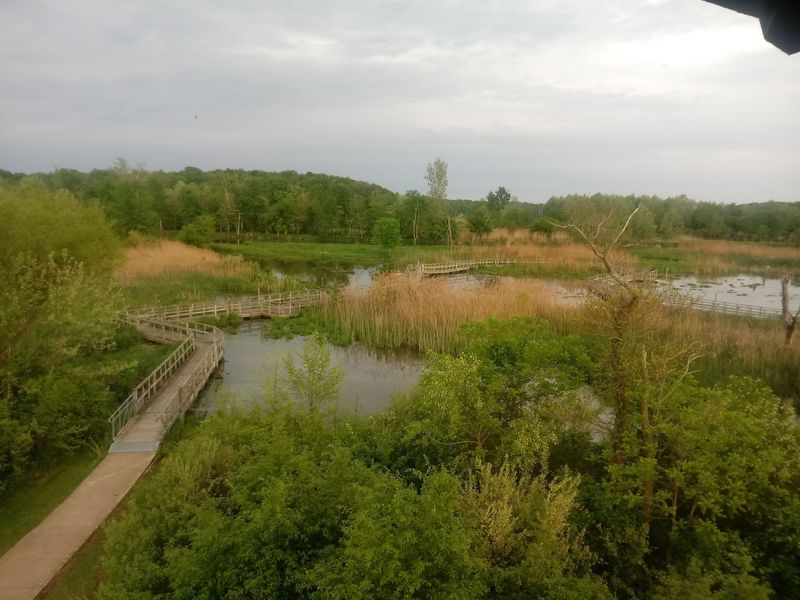
Not every nature trail is genuinely accessible for everyone, but this park makes a real effort to include visitors of different ages and physical abilities. The boardwalk loop is short enough that young children can complete it without getting worn out, and the flat surface means strollers and wheelchairs can navigate it without major difficulty on most days.
The park has been visited and praised by people using wheelchairs who were pleasantly surprised to find both the boardwalk and the first level of the observation tower were usable without assistance. That kind of access does not happen by accident, and it reflects a genuine commitment to making the wetland experience available to more than just able-bodied hikers.
Grandparents, toddlers, school groups, and solo visitors all seem to find something that works for them here. The pace of the park naturally slows people down, and the short distance means there is no pressure to push through discomfort or rush the experience.
A walk that takes most adults about thirty minutes can stretch into an hour or more when you stop to watch turtles, listen to birds, and take in the quiet that settles over the water between breezes.
Picnic Pavilion and Relaxing Outdoor Spaces
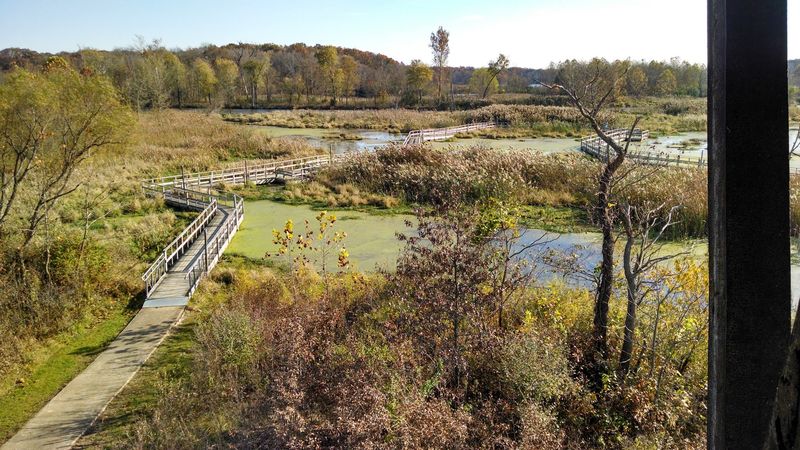
After a walk on the boardwalk and a climb up the tower, having a place to sit down and eat is a genuine pleasure, and this park delivers on that front. A covered pavilion with picnic tables sits within the park grounds, offering a shaded spot for a packed lunch or a simple break between exploring different parts of the property.
Several benches are also scattered along the trails and near the water, giving visitors the option to sit and absorb the scenery without committing to a full picnic setup. These spots are especially nice in the morning when the light is soft and the birds are most active.
The seating areas are well-placed and feel like natural pauses in the landscape rather than afterthoughts.
The picnic area is kept clean, and the overall grounds are maintained with care. Trash receptacles are available, and the park consistently earns praise for being tidy and well-organized.
Families who pack a lunch can turn a quick nature visit into a full half-day outing without needing to drive anywhere else. The combination of the boardwalk, the tower, and a relaxed picnic makes for a well-rounded outdoor experience that costs nothing beyond what you bring to eat.
The Trail Across the Road
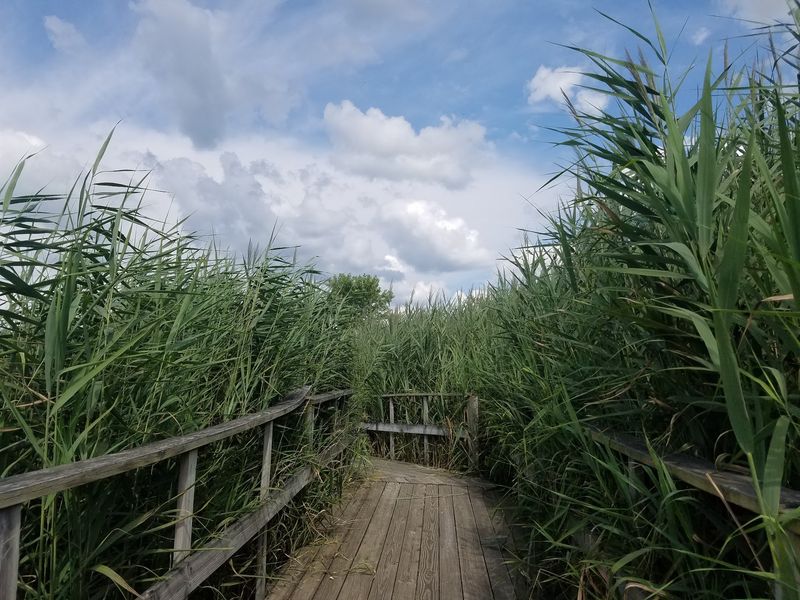
Many visitors focus entirely on the boardwalk loop and the tower, but there is a second trail on the other side of Henning Road that deserves attention. This trail is less polished than the main boardwalk and feels more like a traditional woodland path, with a few access points that bring you close to the water’s edge in a quieter setting.
A posted sign at the trailhead gives visitors some basic guidance, and the path has a few stops where you can look out over the water or scan the treeline for birds. The terrain is a bit more uneven here, and the vegetation is thicker, which means ticks can be present during warmer months.
Checking yourself after the walk and wearing long socks is a smart habit on this side of the road.
The cross-road trail adds a different texture to the visit, one that feels less curated and more raw. If you have already done the main boardwalk loop and want to extend your time at the park, this trail gives you a genuinely different experience within the same property.
The combination of both trails together covers a satisfying range of terrain and scenery without requiring more than a couple of hours total.
Kayaking the River Nearby
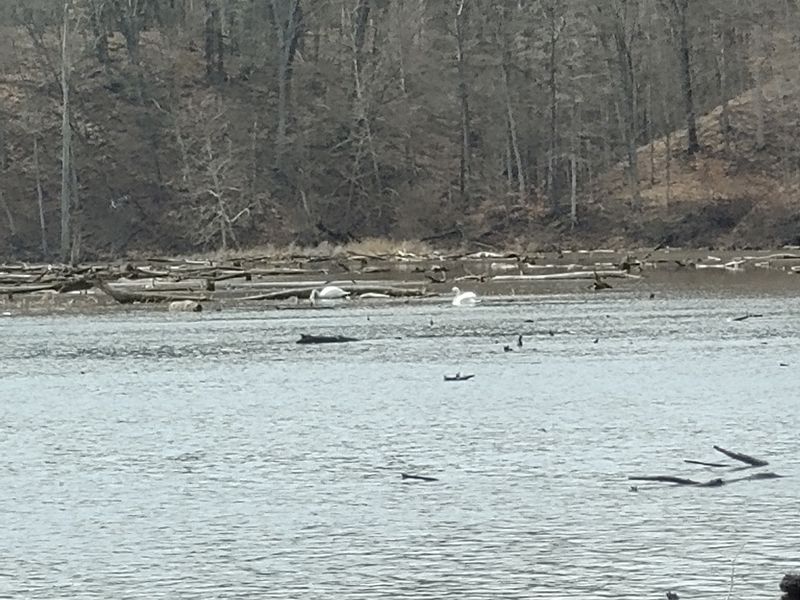
The wetland boardwalk gets most of the attention, but the river running adjacent to the park property opens up an entirely different kind of outdoor activity. Kayaking on the water during summer months has become a popular extension of a visit here, and the calm, scenic conditions make it a good option for paddlers of varying experience levels.
The river offers a ground-level perspective on the same natural environment you see from the boardwalk and tower, but from the water, everything feels closer and more immediate. Tree roots hang at the bank, birds perch at eye level, and the sounds of the wetland surround you from every direction.
It is a different kind of quiet than the boardwalk provides.
Visitors who bring their own kayak or canoe can access the water near the park, though checking current conditions and access points before your trip is always a good idea. The summer season is peak time for this activity, when water levels tend to be cooperative and the surrounding vegetation is at its fullest.
Pairing a boardwalk walk with an afternoon on the river turns a short park visit into a full outdoor day that covers the wetland from multiple angles and elevations.
What to Bring and When to Visit
Timing and preparation make a meaningful difference at a wetland park like this one. The best overall experience tends to come in mid to late summer, when the lotus are in full bloom and wildlife activity is at its highest.
Early morning visits reward the most patient birdwatchers, since herons and ducks are most active before the midday heat settles in.
Binoculars are the single most useful thing you can bring. Many of the most interesting birds, including eagles spotted near the park and herons hunting across the open water, are visible from a distance but hard to appreciate without magnification.
A small pair fits easily in a bag and makes a noticeable difference in how much you see.
Bug spray is worth packing from late spring through early fall, especially if you plan to walk the cross-road trail where the vegetation is thicker. Comfortable, closed-toe shoes with some grip handle the boardwalk and the woodland path equally well.
Water and sunscreen round out the basics. The park is free to enter, open seven days a week, and requires no reservation, so the barrier to visiting is essentially zero once you know it exists.
Why This Park Keeps Drawing People Back
A park rated 4.6 stars across hundreds of reviews does not get there by accident. Heron County Park earns that reputation through a combination of natural beauty, thoughtful infrastructure, and the kind of wildlife variety that genuinely changes with the seasons.
Spring brings nesting swans and ducklings. Summer delivers lotus blooms and peak bird activity.
Fall shifts the color palette entirely, and even winter visits offer a different kind of stillness that some people find just as compelling.
The park is free, clean, and maintained with visible care. Restrooms are functional.
The grounds are organized. The picnic area is pleasant.
These are not dramatic features, but they add up to a place where people feel comfortable and welcomed rather than merely tolerated.
What keeps visitors returning is harder to pin down precisely. It has something to do with the way the floating boardwalk puts you directly over the water, or the way a heron holds its position long enough for you to really look at it.
Heron County Park in Danville, Illinois, is the kind of place that earns a spot on your regular rotation not because it is flashy, but because it is genuinely, quietly wonderful every single time you show up.
Share this story