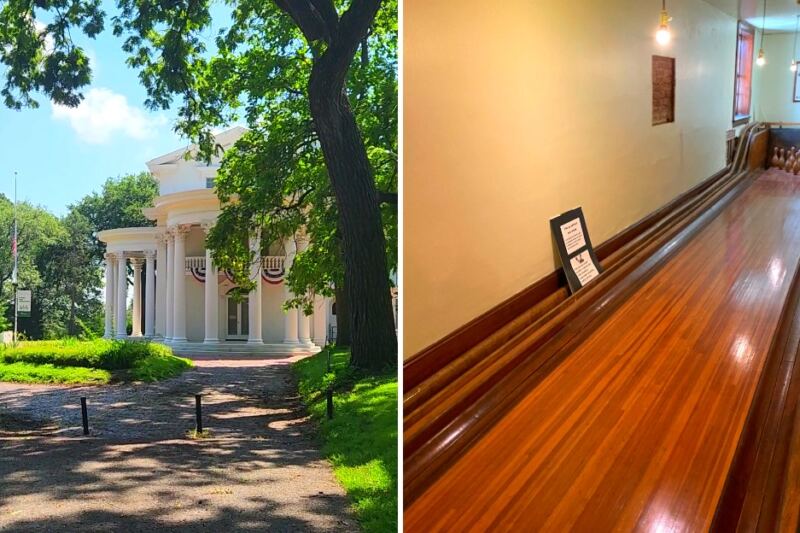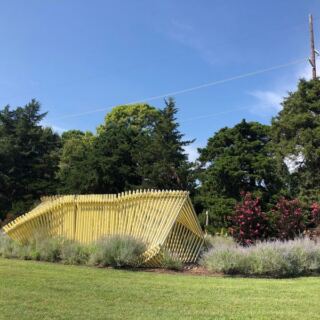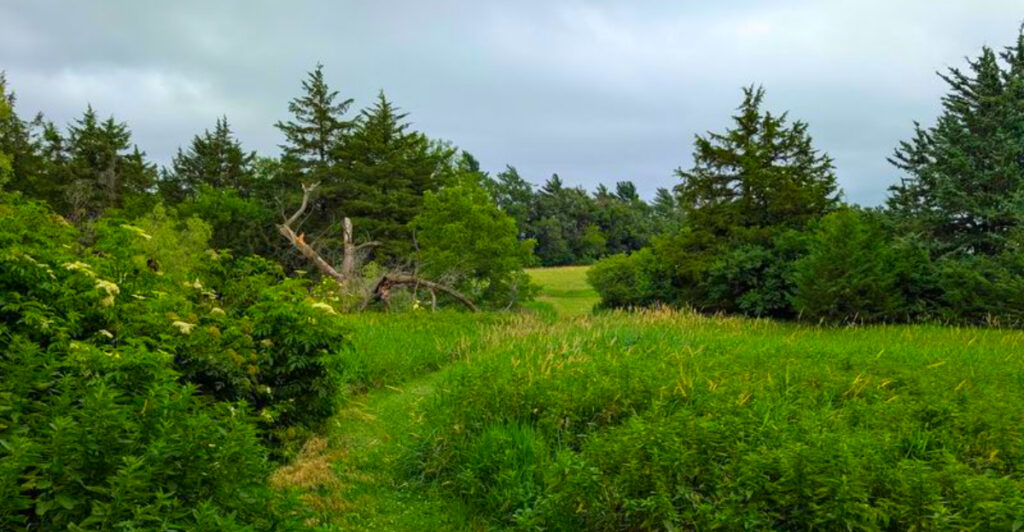
On the edge of Lincoln, 145 acres of pine forest, native prairie, wetlands, and walking trails have survived while development grew around them. The property includes 17 miles of connected trails, more than 200 species of trees and shrubs, and a rare 10-acre remnant of Nebraska tallgrass prairie.
What makes the place even more surprising is that much of it was once ordinary farmland. Beginning in 1959, one couple spent decades turning the property into woodlands and wildlife habitat, then helped secure legal protections to prevent it from becoming another subdivision.
Today, there is far more hiding among those trails than forests and prairie, including an outdoor obstacle course, community farmland, and an art gallery in a place you would never expect to find one.
The Origins of Prairie Pines Nature Preserve
Most urban green spaces are planned by committees and funded by city budgets. Prairie Pines Nature Preserve started with one couple and a stubborn belief that farmland could become something far more lasting.
In 1959, Walter Thaine Bagley, an Associate Professor of Forestry at the University of Nebraska-Lincoln, and his wife Virginia purchased what was then a working row crop farm at what is now addressed as 3000-4498 N 112th St, Lincoln, Nebraska 68527. Rather than continuing to plant soybeans, they set about converting the fields into woodlands, windbreaks, and grassland habitats.
They preserved a 10-acre remnant of native tallgrass prairie that already existed on the property and built an arboretum around it. The preserve now covers 145 acres and carries a 4.8-star rating from visitors who consistently describe it as a place that genuinely restores a sense of calm. The Bagleys’ quiet ambition turned a modest farm into a living landmark that Lincoln did not know it needed.
How a Christmas Tree Farm Sparked a Conservation Legacy
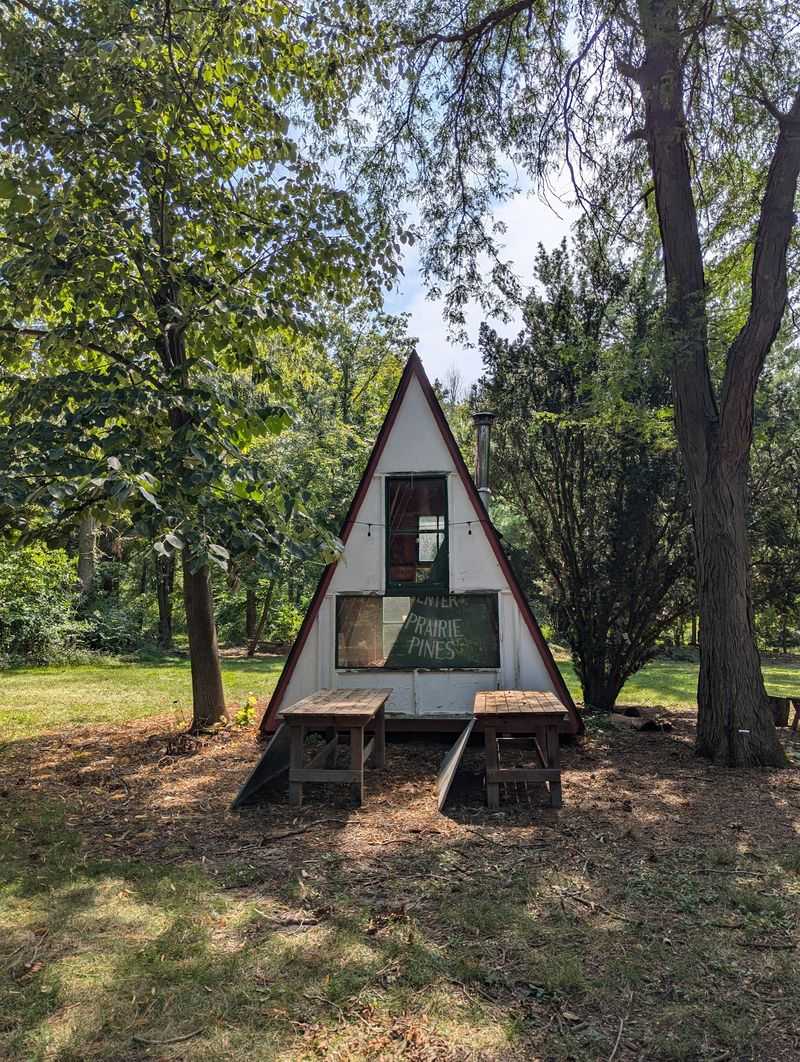
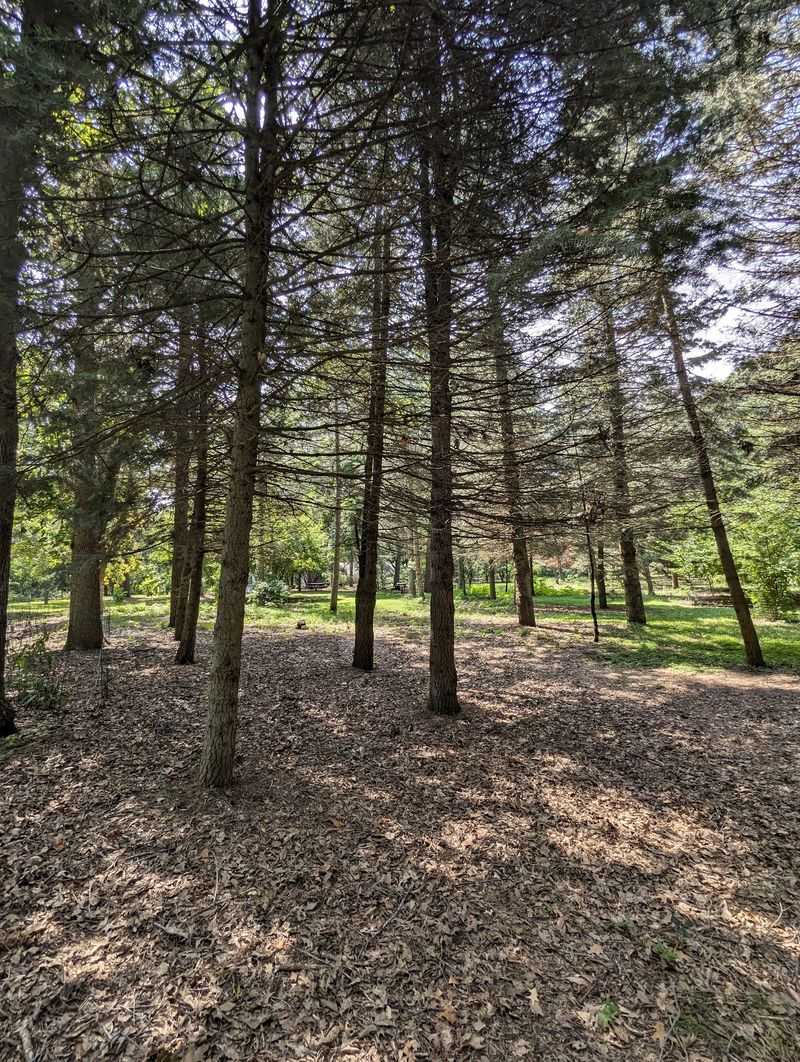
Before it became a sanctuary for wildlife and walkers, Prairie Pines earned its name in a very practical way. The Bagleys planted Scotch, Austrian, ponderosa, and red pines, and later white pine and concolor fir, establishing Nebraska’s first choose-and-cut Christmas tree farm.
Families would arrive each December to select and cut their own trees, a tradition that brought the community onto the land and gave the Bagleys the resources to keep developing their conservation vision. The trees they planted for holiday sales eventually matured into the forest corridors that now shade the walking trails and shelter wildlife.
Their holiday pines even graced the Nebraska State Capitol, which is a detail that gives the whole enterprise a quietly impressive footnote. The Christmas tree farm was not just a business; it was the financial engine behind a broader ecological dream. That original planting decision, practical and purposeful, is now the canopy visitors walk beneath every weekend the preserve is open.
Nebraska’s First Conservation Easement and Why It Matters
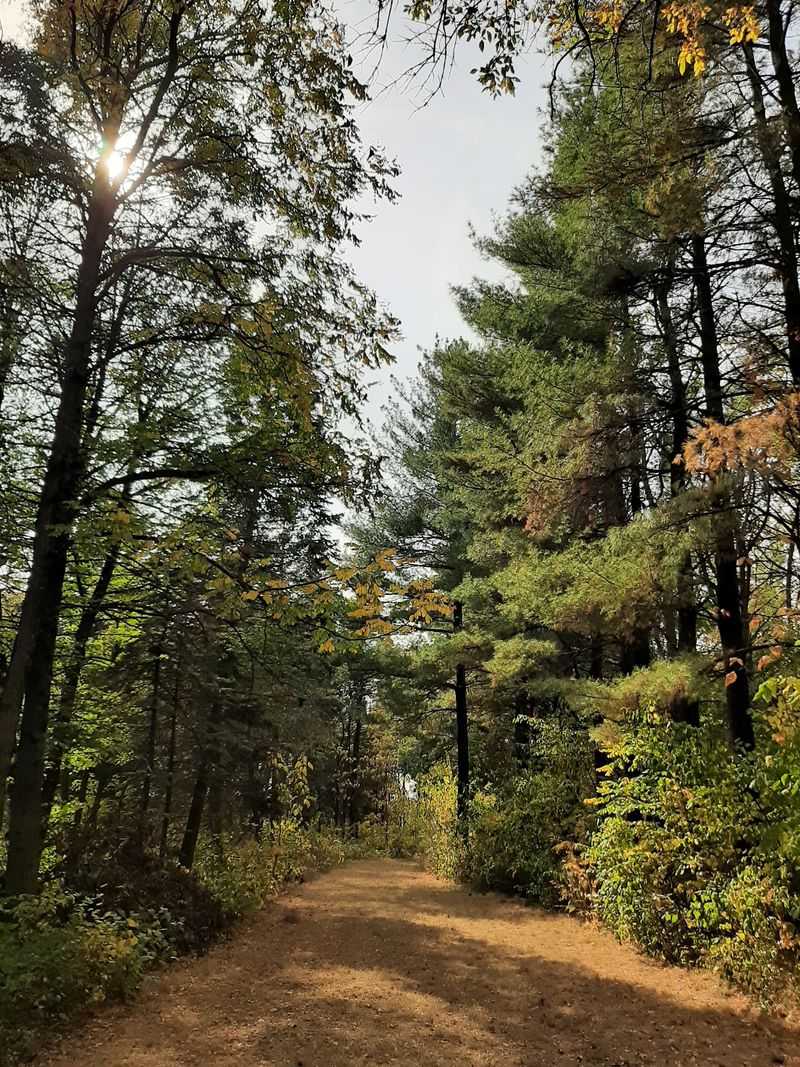
The Bagleys did not just plant trees and hope for the best. They lobbied for legal protection that would outlast them, and in doing so, they changed Nebraska conservation law.
They were instrumental in advocating for the Conservation and Preservation Easement Act of 1981. Then, in 1982, Prairie Pines became the very first property in Nebraska to be protected under that act, legally prohibiting additional residences, paved roads, or soil disruption on the land in perpetuity.
That legal safeguard is why the preserve still exists today in its current form, untouched by the residential development that has grown steadily around it. Without that easement, this forest and prairie would almost certainly have been subdivided long ago. The Wachiska Audubon Society assumed ownership in December 2024 and continues to uphold the preserve’s mission, with an active Prairie Pines Buffer Plan now guiding responsible development in the surrounding area. Legal language rarely sounds poetic, but in this case, a few carefully written clauses protected something genuinely irreplaceable.
The Landscape Itself: Pines, Prairies, Wetlands, and Arboretum
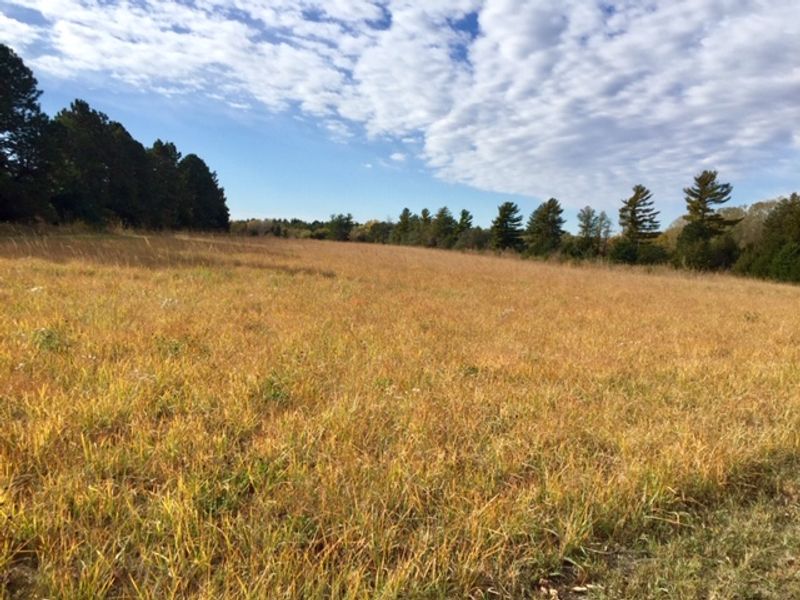
The variety packed into 145 acres here is genuinely surprising. Most preserves offer one primary habitat type. Prairie Pines layers pine woodlands, open grasslands, wetlands, and a 10-acre remnant of native tallgrass prairie into a single continuous landscape that shifts noticeably as you move through it.
The arboretum alone features over 200 species of trees and woody shrubs, including Osage orange, hackberry, elm, eastern redcedar, apple, walnut, and pecan. These were planted deliberately to create windbreaks and diverse ecosystems, and decades later they form a rich, textured canopy that changes with every season.
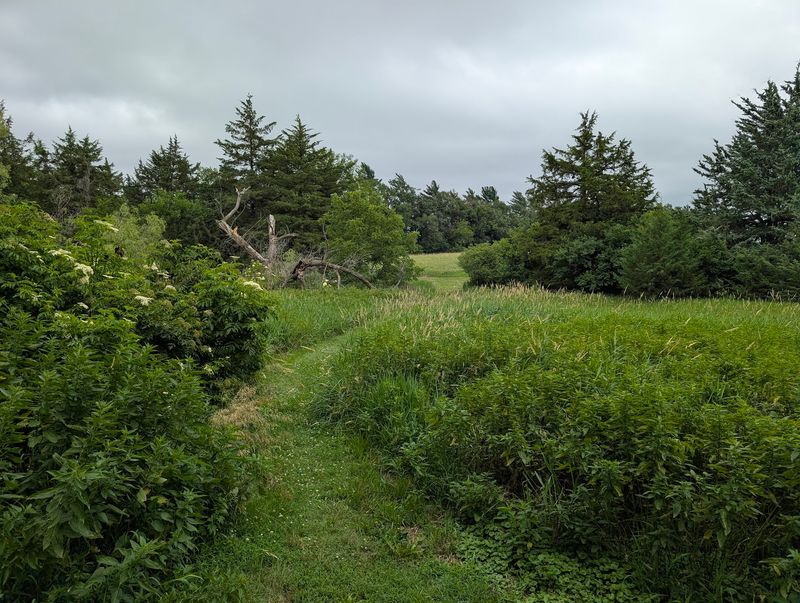
The tallgrass prairie section stands apart from everything else on the property. The grasses reach their full height in summer and the visual effect, combined with the wide Nebraska sky above, is one of those moments that makes you stop walking and simply look. Each habitat transition along the trails feels like turning a page, and the next section reveals what lives in all of it.
Seventeen Miles of Trails and the Nature Ninja Course
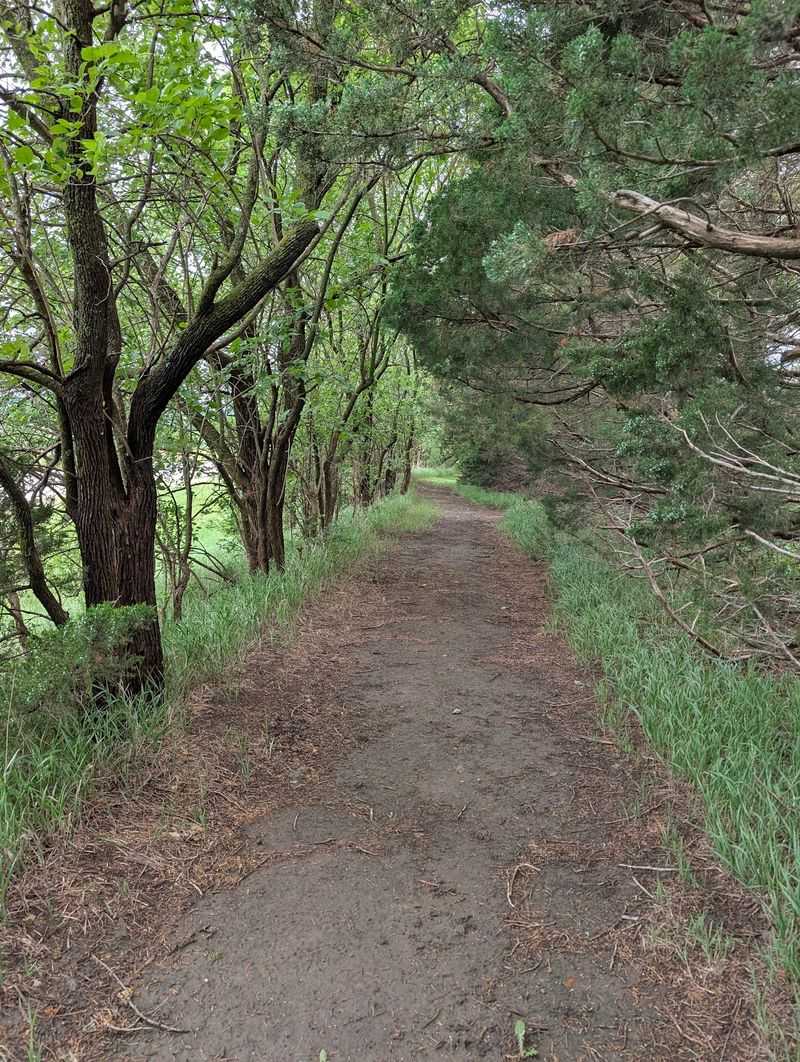
Seventeen miles of grassed walking trails sounds like a lot until you are actually out there, discovering that each loop connects to another and the terrain keeps offering new reasons to keep going.
The trail network winds through every habitat on the property, shifting from shaded pine corridors to open prairie stretches and back again. Entry-level loops suit families with young children perfectly, while longer routes provide a more substantial outing for those looking to cover real ground. Bridges cross low-lying areas, and a few spots along the way invite visitors to simply sit and absorb the surroundings.
Tucked along Walt’s Woods Trail is the Nature Ninja course, an outdoor obstacle course built from natural materials that gives kids a genuine physical challenge in a forest setting. Logs, climbing walls, and balance beams are arranged so that children engage with the environment rather than just passing through it. A massive cottonwood tree nearby has even hosted weddings, which speaks to the kind of quiet grandeur this trail system carries.
Community Farming and Cultural Connection on the Land

A nature preserve that also functions as an incubator farm is not something you expect to find, but Prairie Pines has been doing exactly that since 2013 in partnership with Community Crops.
The program provides land access and support for new farmers, many of whom are refugees and immigrants building new lives in Lincoln. Fresh produce grows on plots that sit within the same property where white-tailed deer graze and raptors nest, a combination that feels both practical and quietly moving.
The preserve also collaborates with the Otoe-Missouria Tribe, welcoming tribal members back to the land to plant traditional medicines, tobacco, and beans. This initiative acknowledges ancestral ties to the landscape and creates a form of connection that goes well beyond recreational trail use. Prairie Pines functions as a meeting point for people from very different backgrounds, all engaging with the same soil in different but equally meaningful ways. That layered human story is part of what makes this place feel unlike any other preserve in the region.
Programs, Events, and Seasonal Offerings Throughout the Year
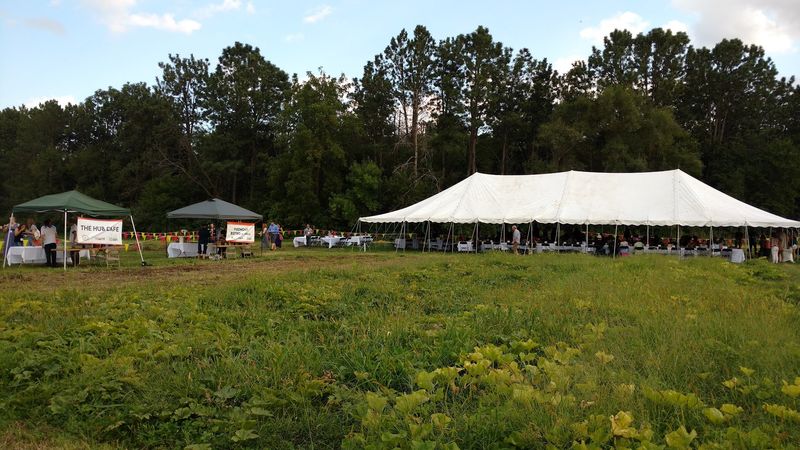
The preserve operates as more than an open trail system. A structured calendar of programs and events runs throughout the year, giving visitors specific reasons to return across every season.
Monthly programs are held on the second Saturday from April through January, covering topics like plant identification, wildlife observation, and ecological processes. The High Summer Tree Hike brings in local tree experts for a guided tour of the arboretum, and Daycare Nature Walks in April and October introduce young children to conservation themes in an accessible, hands-on format.
The annual Run Four the Pines is a cross-country style run and walk that threads through the trail network, and human-dog pairs are welcome to participate, making it a lively community event. The Tree Your Mind Wellness Festival has also drawn enthusiastic visitors who appreciate the intersection of outdoor space and personal wellbeing. Each event is designed to deepen engagement with the land rather than simply fill a calendar, and the variety ensures that returning visitors always find something fresh waiting for them.
The Cat House Gallery and Unexpected Art in the Forest
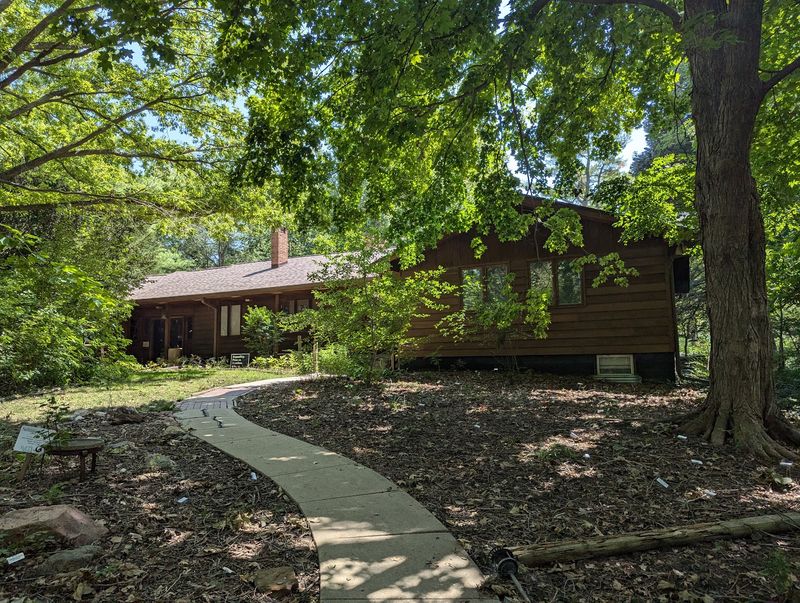
Finding a functioning art gallery inside a nature preserve is the kind of detail that makes you do a small double-take on the trail map.
The Cat House Gallery at Prairie Pines is a beautifully repurposed former stray cat shelter that now hosts rotating art installations. The building is modest in size but the concept is genuinely clever: original art displayed within a natural setting creates a conversation between human creativity and the organic world surrounding it. Visitors who stumble upon it mid-hike tend to pause longer than they planned.
The gallery adds an unexpected layer to the preserve experience, particularly for visitors who come primarily for the trails and leave with a broader sense of what this place holds. Virginia’s Garden, the Bagley Memorial, and the historic windmill on the property offer additional quiet focal points for reflection between stretches of walking. These details accumulate into something larger than any single feature, and together they give Prairie Pines a personality that most parks simply do not develop over time.
Practical Tips for Visiting Prairie Pines
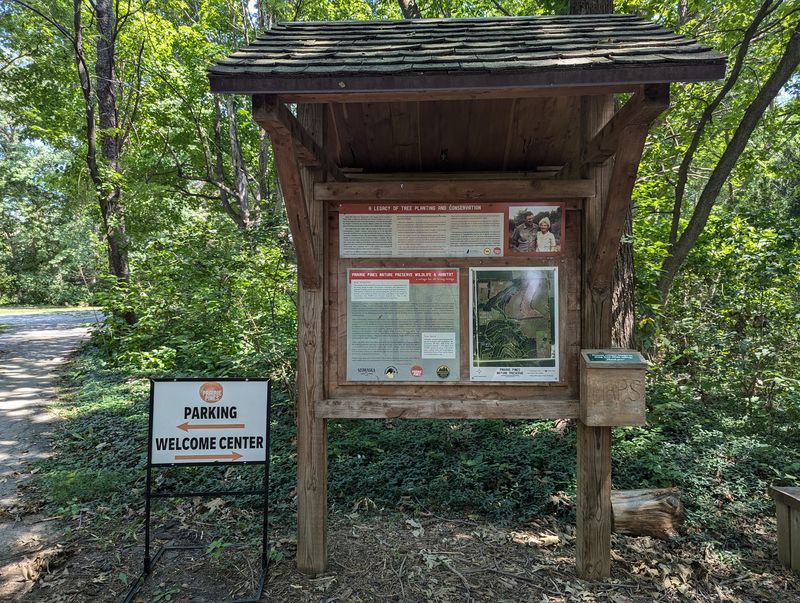
A visit to Prairie Pines rewards a little preparation. The preserve is open Fridays, Saturdays, and Sundays from 9 AM to 5 PM, and checking the website at prairiepines.org before you go is the best way to confirm hours and any event-related schedule changes.
Ticks are genuinely present on the trails, particularly in warmer months. Insect repellent with DEET, long pants, and closed-toe shoes are practical necessities rather than optional suggestions. A thorough check after your visit is a sensible habit worth building. Bringing your own water is equally important, especially on warm days when the open prairie sections offer little shade.
Pets are not permitted on the trails outside of specific permitted events, a policy that protects the wildlife habitats the preserve works hard to maintain. The Welcome Center provides restroom facilities, and a new wayfinding system helps visitors navigate the interconnecting trail network without getting turned around. Early morning visits on weekdays tend to offer the quietest experience, which is exactly the kind of morning this place deserves.
What Makes the Autumn and Spring Visits Stand Apart
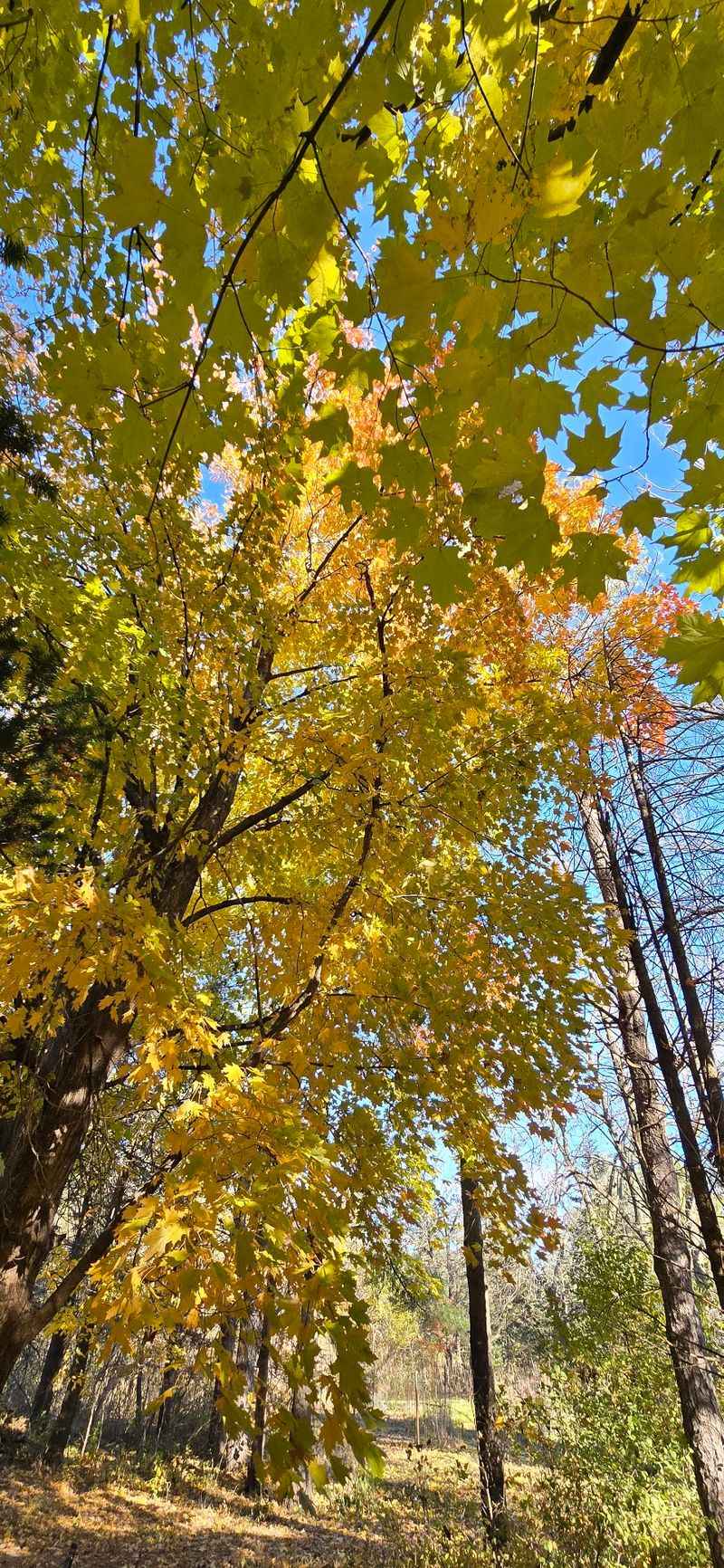
Every season at Prairie Pines offers something distinct, but spring and autumn visits tend to linger in memory more than the others, for reasons that become obvious the moment you arrive.
Spring brings migratory birds back through the woodlands, and the soundscape changes almost daily as new species arrive. New growth in the arboretum and along the prairie edges creates a fresh visual energy that feels genuinely celebratory after a Nebraska winter. Morning visits in April and May are particularly rewarding for anyone willing to arrive close to the 9 AM opening time.
Autumn shifts the palette entirely. The over 200 tree and shrub species in the arboretum produce a layered display of reds, oranges, and yellows that makes the trails feel like a different place from the summer version. Temperatures drop, insects thin out considerably, and the light through the thinning canopy takes on a quality that photographers and casual walkers alike tend to notice. The prairie grasses turn gold and the whole property settles into a quieter, more contemplative mood.
Why Prairie Pines Deserves a Spot on Your Weekend List
There are parks you visit once and parks you return to repeatedly because they keep revealing new details. Prairie Pines falls firmly into the second category, and the 4.8-star rating from visitors reflects exactly that quality.
The trails are accessible enough for young children and varied enough for adults who want a genuine workout across 17 miles of connected paths. The arboretum, the tallgrass prairie, the wildlife, the art gallery, the community farm, the seasonal events, and the conservation history all exist on the same 145 acres, which means a single visit rarely covers everything the property holds.
The Wachiska Audubon Society’s ongoing stewardship and the active Prairie Pines Buffer Plan signal that the preserve will continue to grow and evolve responsibly. Plans to connect the trail network to the broader Lincoln trails system, including a link to the Murdock Trail, will make it even more accessible in the years ahead. Pack your insect repellent, wear your walking shoes, and give yourself more time than you think you need.
Share this story