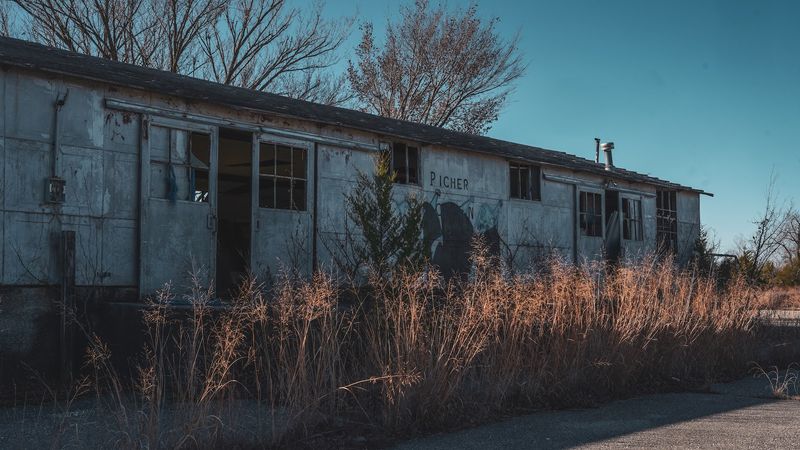
Most ghost towns leave behind little more than a crumbling foundation or two, but Picher, Oklahoma is a different story entirely. Tucked into the northeastern corner of the state in Ottawa County, this former mining city still has actual storefronts standing along its old streets, and you can walk right through them without spending a dime.
Picher spent over a century as one of the most productive lead and zinc mining centers in the entire country, and the bones of that past are still very much visible today. It is the kind of place that feels frozen in time, equal parts haunting and fascinating, and absolutely worth the detour.
Picher, Oklahoma: A Ghost Town With Walls Still Standing
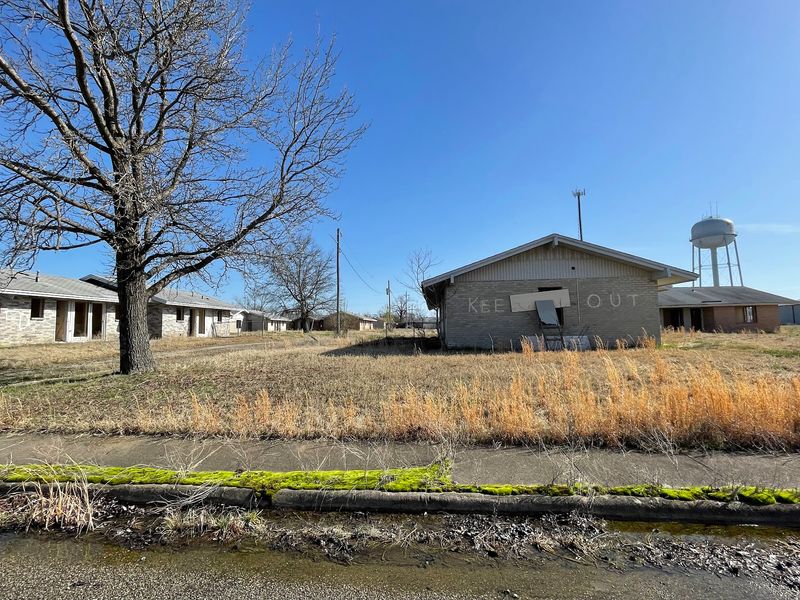
Picher sits at the coordinates 36.9870116, -94.8307844, in Ottawa County in the far northeastern corner of Oklahoma, near the Kansas and Missouri borders. The mailing zip is Oklahoma 74360, and the town is reachable via State Highway 69.
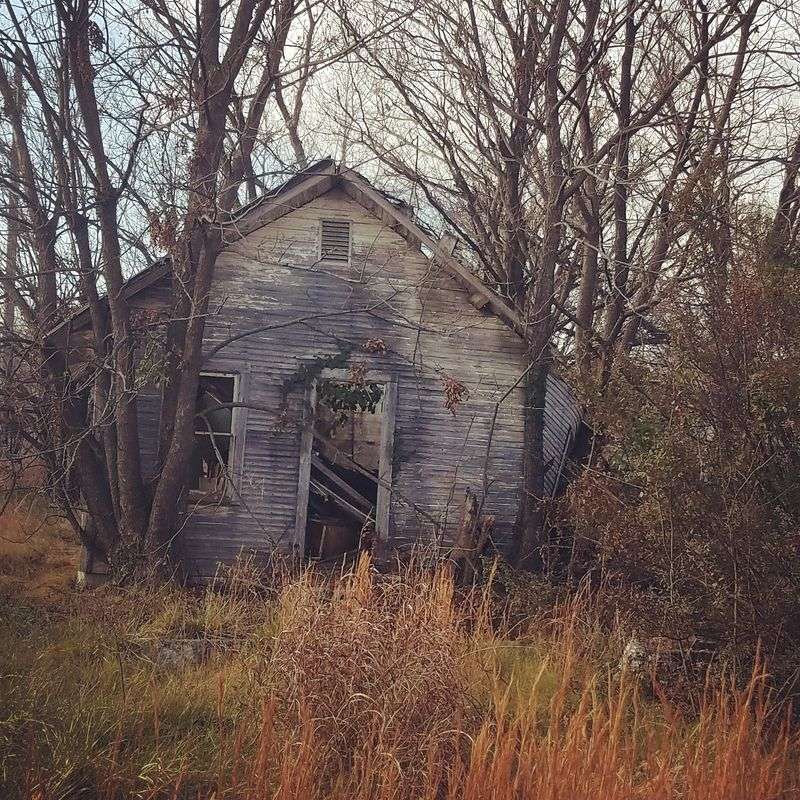
What greets you on arrival is not a pile of rubble but an actual streetscape, rows of brick and wood-frame buildings still upright, windows empty, doors ajar, storefronts open to whoever wanders in.
At its peak, Picher was a roaring industrial city with tens of thousands of residents. The Tri-State Mining District, which covered parts of Oklahoma, Kansas, and Missouri, had Picher at its very center.
Lead and zinc pulled from beneath the town fueled the United States military during both World Wars, and the city grew fast and loud around that industry.
Today the population is essentially zero, and the federal government officially declared the area a Superfund site due to contamination from decades of mining waste. But the physical structure of the old downtown remains, and that is what draws curious road-trippers from across the region to this unforgettable corner of Oklahoma.
The Mining Boom That Built a City Overnight
Before Picher became a ghost town, it was a powerhouse. Lead and zinc mining began in the area around 1914, and the city incorporated shortly after as miners and their families flooded in from across the country.
By the 1920s, Picher was producing more lead and zinc than almost anywhere else in the United States, and the population swelled accordingly.
The Tri-State Mining District was one of the most significant mineral-producing regions in American history. Picher sat right at the heart of it, and the wealth that flowed through the town built banks, hotels, schools, and those storefronts that still stand today.
At the industry’s height, the underground network of mine shafts stretched for miles beneath the city streets.
What made the boom particularly intense was the demand driven by wartime production. Lead was essential for ammunition, and zinc was critical for galvanizing steel.
Picher’s mines helped supply both World Wars, giving the town a sense of national importance that fueled even faster growth. The city went from a patch of prairie to a full industrial settlement in just a few years, which explains why so much of it was built in such a concentrated, uniform style.
The Chat Piles: Mountains Made of Mining Waste
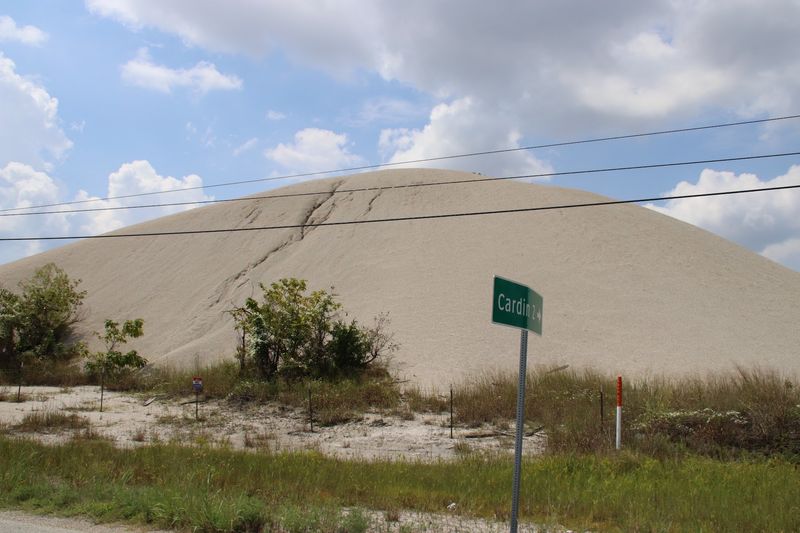
One of the most visually striking things about Picher is what you see before you even reach the old downtown. Rising from the flat Oklahoma landscape like alien landforms, the chat piles are enormous mounds of gray and white mining waste, byproducts of over a century of lead and zinc extraction.
Some of these piles reach several stories in height, and they stretch across the terrain in clusters that look almost geological in scale.
Chat is the granular waste material left over after ore is processed. In Picher, it accumulated for decades and was actually used locally as gravel for roads and playgrounds before the full extent of its toxicity was understood.
The lead content in the chat and the surrounding soil eventually became a serious environmental and public health concern, which was a major factor in the town’s official closure.
The piles are visible from a distance as you approach on the highway, and they give Picher a surreal, almost cinematic quality before you even park the car. They are not something you can easily photograph and explain to someone who has never seen them.
Standing next to one, you get a physical sense of how much material came out of the ground beneath this small city over more than a hundred years of continuous mining.
Walking the Empty Streets: What the Storefronts Look Like Now
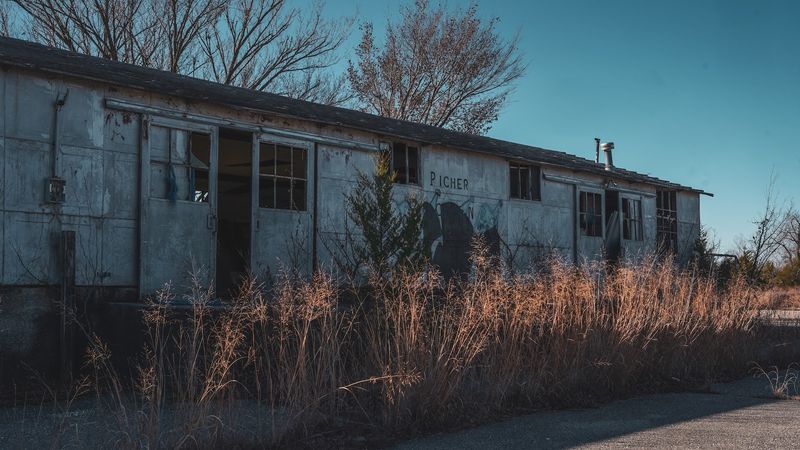
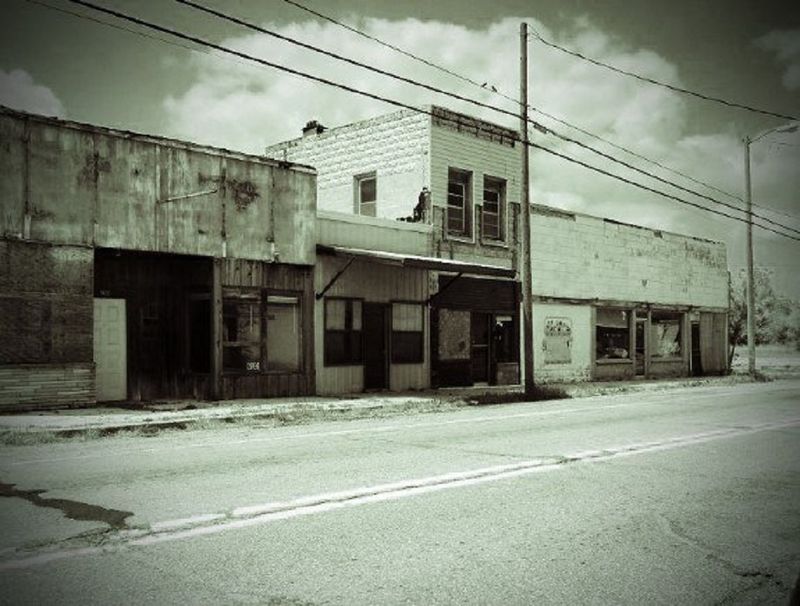
Wandering through Picher’s old commercial district is a genuinely unusual experience. The buildings are not roped off or fenced away behind barriers.
Many of them are open at ground level, with doors missing or standing wide, and the interiors are visible and walkable. Old shelving units lean against walls.
Faded paint clings to plaster. Floors are dusty but mostly intact, and the bones of the original construction are clear to see.
The storefronts reflect the architectural style of the 1920s and 1930s, with flat brick facades, recessed doorways, and large display windows now empty of everything except daylight and silence. Some buildings still have fragments of their original signage, enough to suggest what kind of business once operated inside.
A hardware store here, a dry goods shop there, the outline of a former diner visible in the tilework near the entrance.
What makes the walk so compelling is the scale. This is not a single preserved building in an otherwise cleared lot.
Entire blocks of the original streetscape remain, giving you the uncanny feeling of moving through a town that simply stopped one day and never started again. It is quiet in a way that feels specific to Picher, unlike anything else in northeastern Oklahoma.
The Superfund Designation and Why the Town Was Abandoned
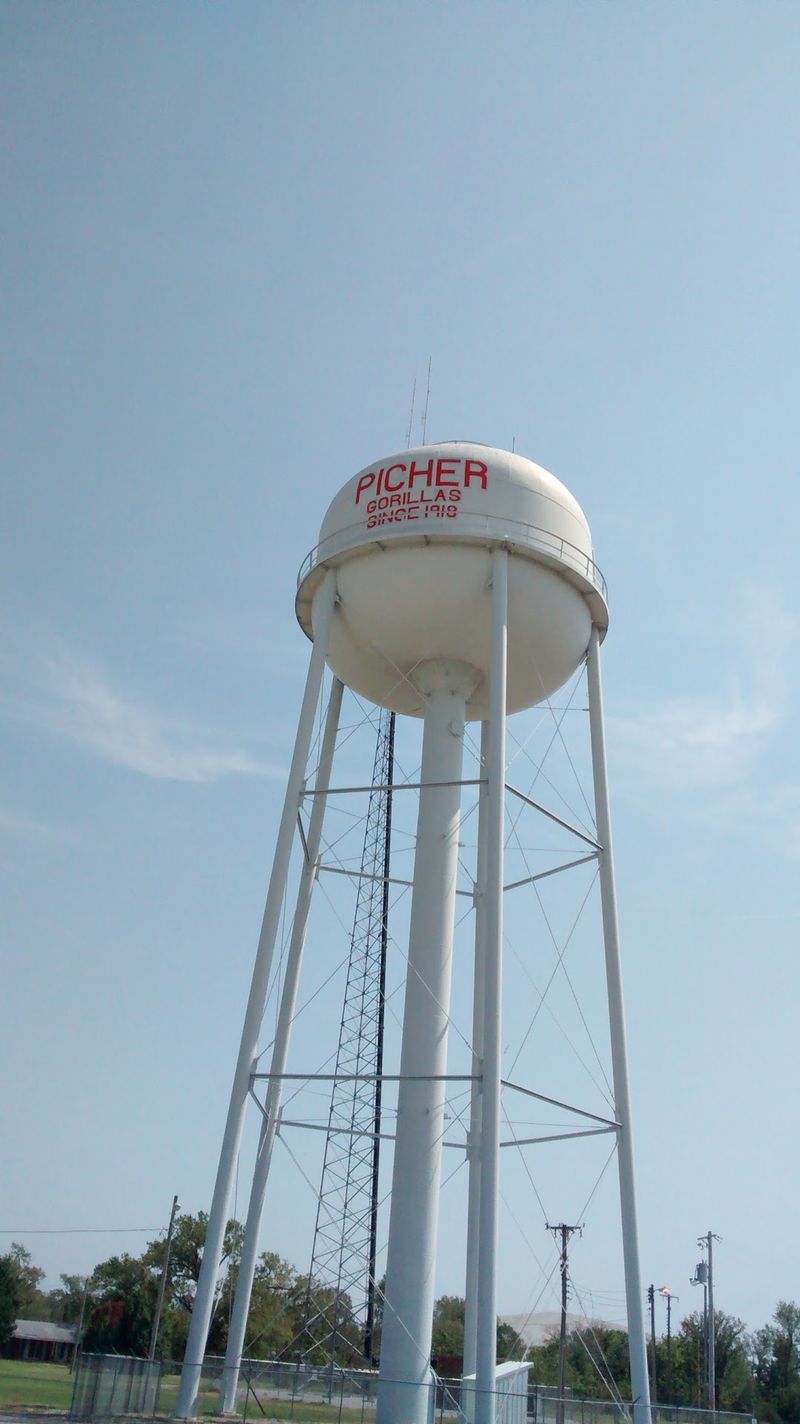
Picher’s closure was not a slow drift into irrelevance. It was a deliberate, government-managed process tied directly to the environmental legacy of all that mining.
The Environmental Protection Agency designated the Tar Creek Superfund site, which includes Picher, as one of the most contaminated areas in the country. Lead and other heavy metals had leached into the soil, the groundwater, and the air over decades of industrial activity.
By the early 2000s, studies showed dangerously elevated blood lead levels in a significant portion of the children living in the area. The contamination was not just a surface problem.
The underground mine shafts had also created serious land subsidence risks, meaning the ground itself was unstable in places, with sinkholes forming as old tunnels collapsed below the surface.
The federal and state governments eventually offered buyouts to Picher residents, and most accepted. A tornado in 2008 accelerated the departure of the remaining population and destroyed a portion of the structures that had survived to that point.
By 2009, Picher was officially disincorporated. The buildings that stand today are what remains after all of that, and their survival feels almost defiant given everything the town has been through over the past few decades.
The Atmosphere of Picher: Eerie, Quiet, and Strangely Honest
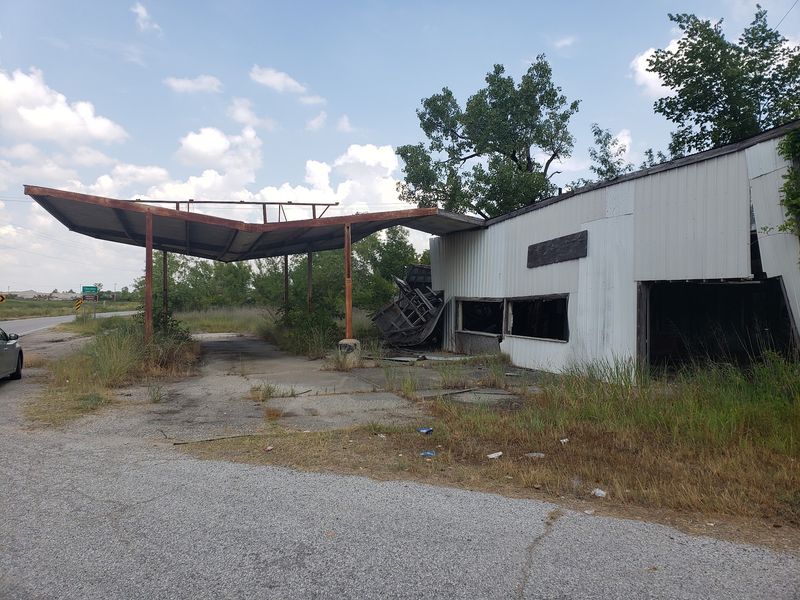
There is a particular quality to the silence in Picher that is hard to pin down. It is not peaceful in the way a forest trail is peaceful.
It is more like the quiet that follows something significant, a hush that has settled over a place that used to be full of noise and people and industry. Walking the streets, you hear wind moving through open doorways and the occasional creak of a structure shifting in the heat.
For road-trippers with a taste for history or the offbeat, Picher delivers something that polished tourist destinations simply cannot replicate. There is no gift shop, no interpretive center, no guided tour script.
Just the raw physical presence of a place that existed fully and then stopped, with the evidence of that existence still standing around you.
History enthusiasts, photographers, and anyone drawn to the stranger corners of American geography tend to find Picher genuinely moving rather than just morbid. The town does not perform its history for you.
It just sits there, open and honest, letting you draw your own conclusions from the brick and the dust and the chat piles on the horizon. That kind of unmediated encounter with the past is increasingly rare, and Picher offers it completely for free.
Who Should Make the Trip and What to Bring
Picher is not a destination for everyone, and that is part of what makes it special. If your idea of a great road trip involves air-conditioned lobbies and curated experiences, this is not your stop.
But if you are the kind of traveler who gets a charge from standing somewhere genuinely unusual, somewhere with actual history embedded in its walls, Picher will deliver in a way that sticks with you long after the drive home.
Photographers find the location particularly rewarding. The interplay of light through empty windows, the textures of weathered brick and peeling paint, and the scale of the chat piles in the background create compositions that are hard to find anywhere else in the region.
Early morning or late afternoon light adds a warm tone that makes the ruins look almost painterly.
A few practical notes before heading out: wear sturdy, closed-toe shoes since floors and ground surfaces can be uneven. Bring water, especially in warmer months, because there are no services of any kind in Picher.
Cell coverage can be limited in spots. Respect the structures and do not remove anything from the site.
The town is on public land and accessible year-round, but conditions vary seasonally, and summer heat on the Oklahoma plains is not something to underestimate.
Getting to Picher and Making the Most of the Visit
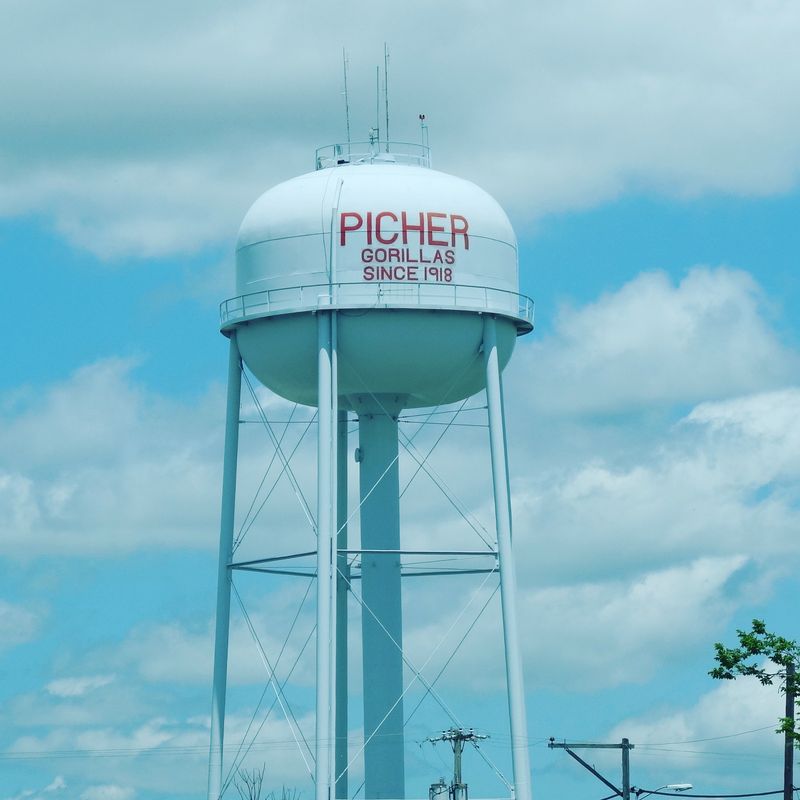
Picher sits just south of the Kansas state line in Ottawa County, making it a natural addition to any northeastern Oklahoma road trip. Miami, Oklahoma, the county seat, is about 12 miles to the south and has gas stations, restaurants, and lodging if you need to base yourself somewhere with amenities.
Joplin, Missouri is roughly 25 miles to the northeast and offers even more options for an overnight stay.
From Tulsa, the drive to Picher takes about an hour and a half via US-69 north. From Oklahoma City, expect around three hours.
The approach on State Highway 69 is straightforward, and the chat piles become visible well before you reach the old town center, serving as an unmistakable landmark that you are getting close.
Plan to spend at least an hour or two exploring, longer if you are a photographer or a history enthusiast who likes to linger. There is no admission fee, no parking meter, and no timed entry.
You arrive, you walk, you take it in at your own pace, and you leave with a clearer picture of what a century of industrial ambition looks like when the industry finally stops. Picher is the kind of place that earns a permanent spot in your mental map of Oklahoma’s most remarkable destinations.
Share this story