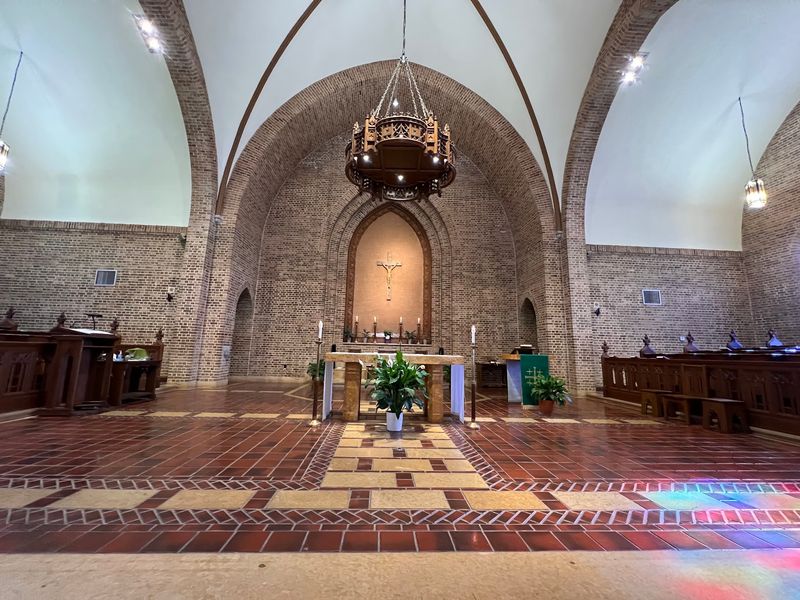
Most people drive through Shawnee, Oklahoma without a second glance, but tucked along West MacArthur Street is a place that quietly stops people in their tracks. St. Gregory’s Abbey is a working Benedictine monastery with a chapel full of sacred relics, a peaceful water garden, and a shop stocked with goods made by the monks themselves.
It holds a 4.8-star rating from visitors who describe it as one of the most unexpectedly moving spots in the state. Whether you are drawn by faith, curiosity, or simply the need for a slower afternoon, this abbey has a way of making time feel irrelevant.
1. The Abbey on West MacArthur Street
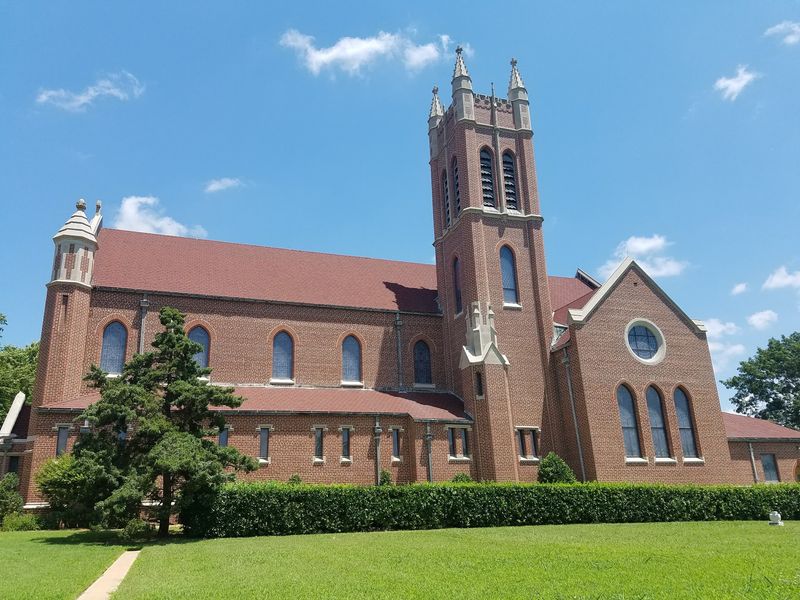
Somewhere between the strip malls and the highway noise of Shawnee, Oklahoma, a different world exists. St. Gregory’s Abbey sits at 1900 W MacArthur Street in Shawnee, OK 74804, and from the moment you pull onto the grounds, the shift in atmosphere is immediate and unmistakable.
This is a functioning Benedictine monastery, not a museum or a tourist attraction dressed up to look like one. Real monks live and work here, following the Rule of Saint Benedict, a framework for communal religious life that dates back to the sixth century.
The abbey belongs to the Order of Saint Benedict, and it has been rooted in this corner of central Oklahoma for generations.
The grounds are well-kept and quietly impressive, with architecture that feels deliberately removed from the surrounding city. Visitors are welcome to explore the public areas, and the abbey opens its doors every day of the week at 7:30 AM.
For a place so easy to overlook on a map, it carries a weight and a presence that genuinely surprises first-timers.
2. Benedictine Roots and a Long Oklahoma History
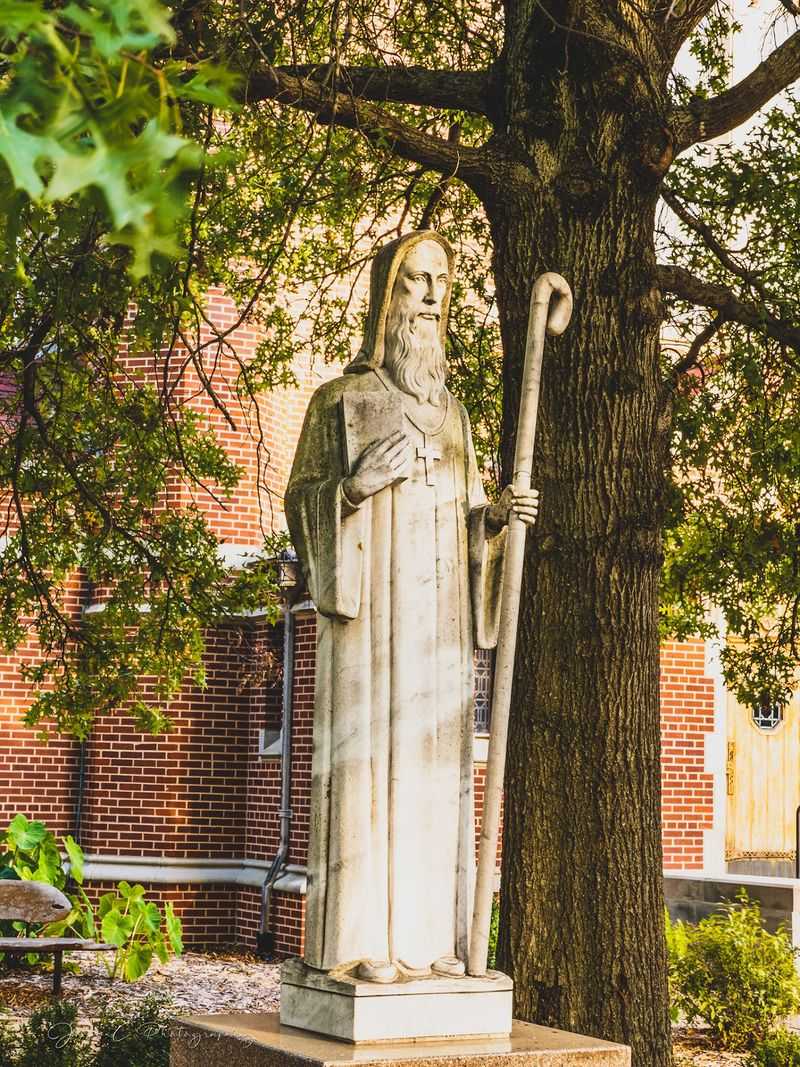
The Benedictine tradition that defines St. Gregory’s Abbey is one of the oldest forms of organized monastic life in the Western world. Saint Benedict of Nursia wrote his Rule around 530 AD, outlining a balanced daily rhythm of prayer, work, and study.
That same rhythm still governs life at this abbey in Shawnee today.
Benedictine monks arrived in Oklahoma Territory in the late 1800s, drawn by the opportunity to establish a Catholic presence in a rapidly developing region. The community that would become St. Gregory’s Abbey grew steadily over the following decades, building not just a place of worship but a self-sustaining institution rooted in both faith and labor.
The abbey’s name honors Pope Gregory the Great, himself a Benedictine monk who became one of the most influential figures in early medieval Christianity. That lineage gives the place a historical depth that goes far beyond its Oklahoma address.
Knowing that context before you visit makes the experience of walking those grounds feel less like a casual afternoon outing and more like a quiet encounter with centuries of living tradition.
3. The Chapel and Its Staggering Collection of Relics
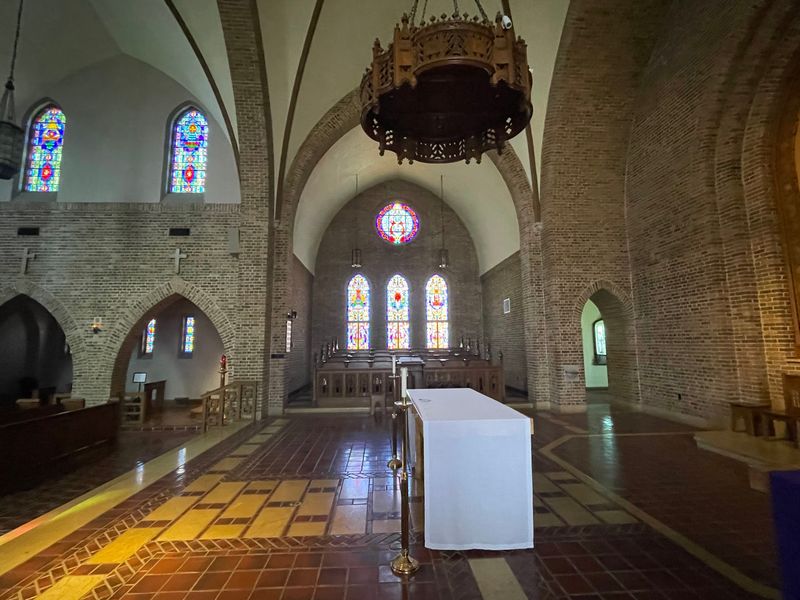
Nothing quite prepares you for the chapel. Visitors who wander in expecting a modest country church tend to come out wide-eyed, talking fast, trying to describe what they just saw.
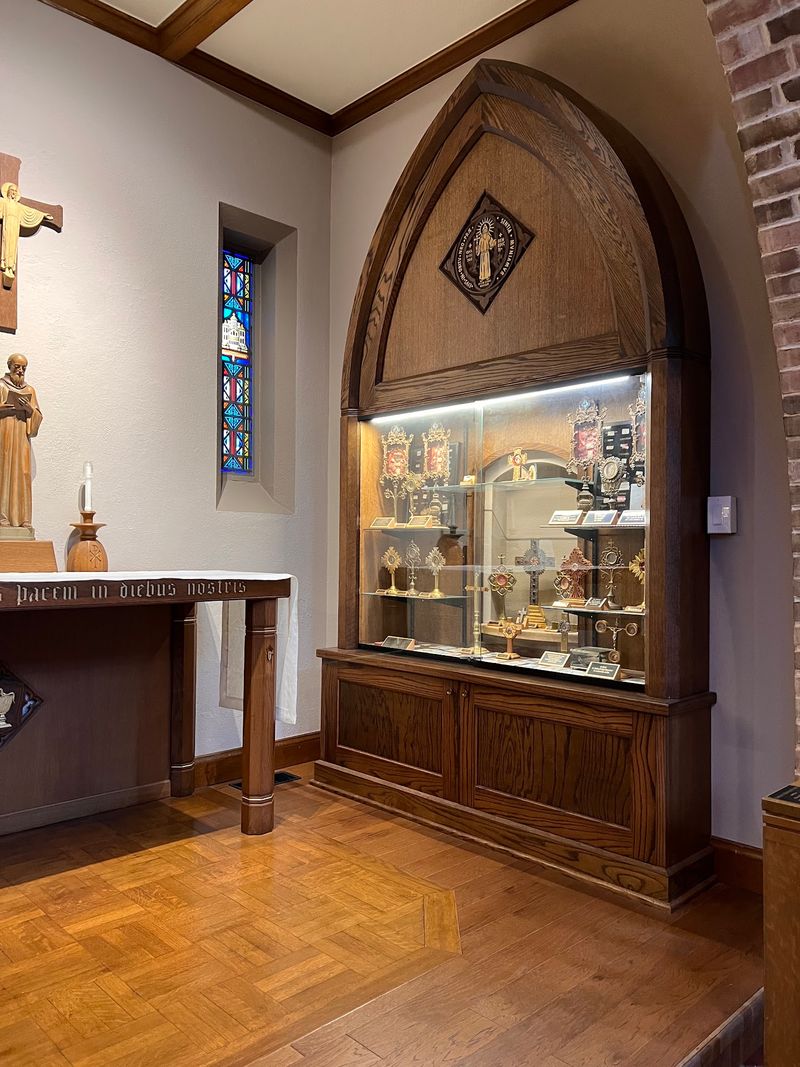
The interior holds an extraordinary collection of sacred relics, the kind of display that belongs in a major European cathedral but somehow landed in central Oklahoma.
Relics in Catholic tradition are physical remains or objects associated with saints and holy figures. At St. Gregory’s Abbey, they are not hidden away or treated as curiosities.
They are displayed with reverence, each one part of an ongoing act of worship. The collection includes relics of saints and apostles, and the sheer number of them is what tends to stop people cold.
Visitors regularly say they could have spent hours just standing there, moving slowly from one reliquary to the next, reading names and dates, letting the weight of it all settle in. The noon prayer service opens the chapel to the public, making that a particularly meaningful time to visit.
Few places in Oklahoma offer anything remotely comparable to what this chapel holds.
4. Daily Prayer and the Rhythm of Monastic Life
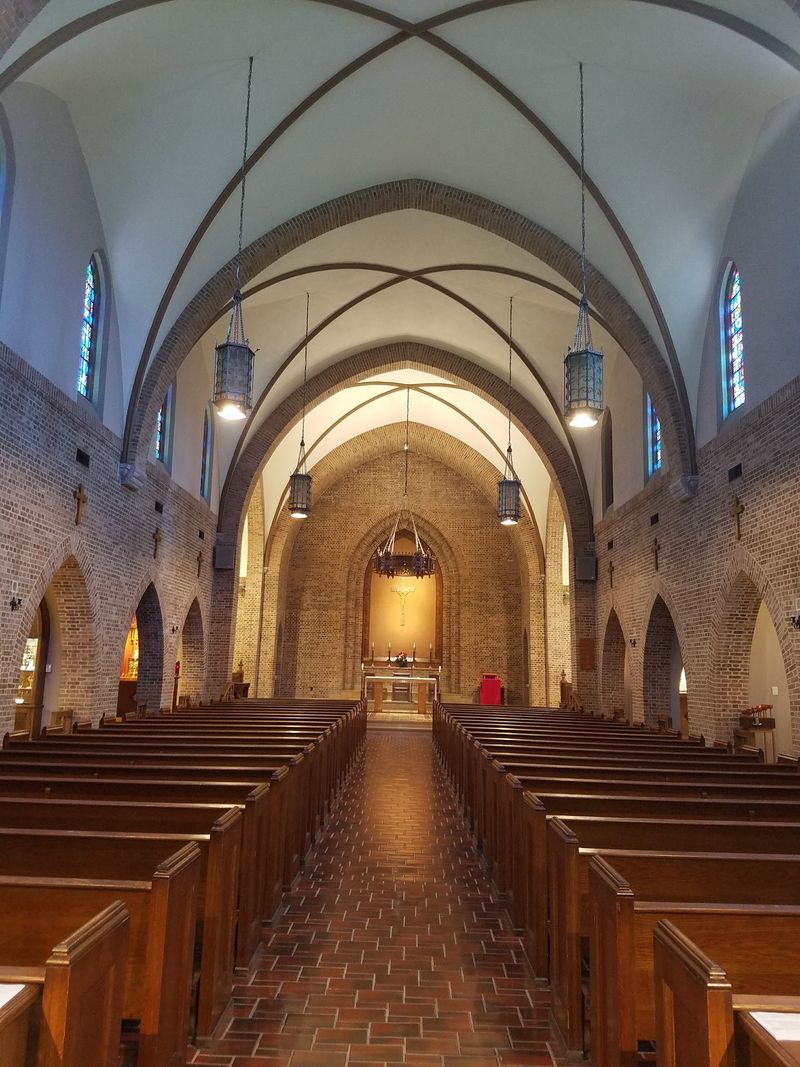
One of the more quietly remarkable things about St. Gregory’s Abbey is that visitors are welcome to participate in the monks’ prayer schedule. The community follows the Liturgy of the Hours, a structured daily cycle of prayer rooted in the Benedictine Rule.
Noon prayer is among the most accessible for visitors passing through during regular hours.
Joining that service is not a performance or a guided experience. It is the real thing.
The monks gather, the chanting begins, and the chapel fills with something that is genuinely hard to put into words. Several visitors describe the experience as one of the most unexpectedly moving moments they have had in a long time.
The abbey is open every day from 7:30 AM to 7:30 PM, which means the schedule accommodates both early risers and those who prefer a late-afternoon visit. There is no pressure to participate in prayer if you prefer simply to observe or explore.
But for those who do join in, the experience of praying alongside a living monastic community tends to linger long after the drive home.
5. The Water Garden and Grounds Worth Wandering
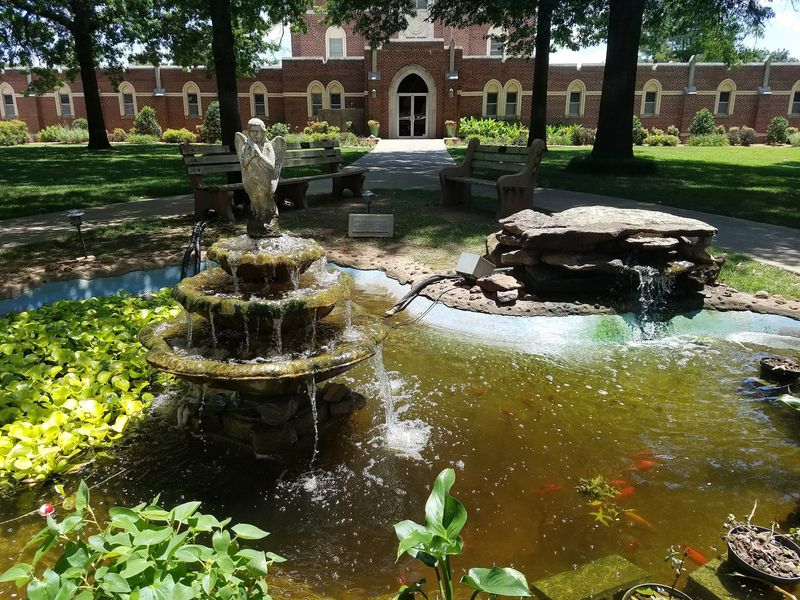
Beyond the chapel, the abbey grounds offer their own kind of reward. A water garden with benches sits in a quiet corner of the property, and it is the sort of spot that makes you slow down without anyone asking you to.
The sound of a fountain moving over stone has a way of making the outside world feel very far away.
The garden is thoughtfully arranged, with seating positioned to invite stillness rather than just a quick photo and a move-on. People come back specifically for this space, returning on weekday evenings to sit, listen to the water, and decompress in a way that a park bench along a busy road simply cannot replicate.
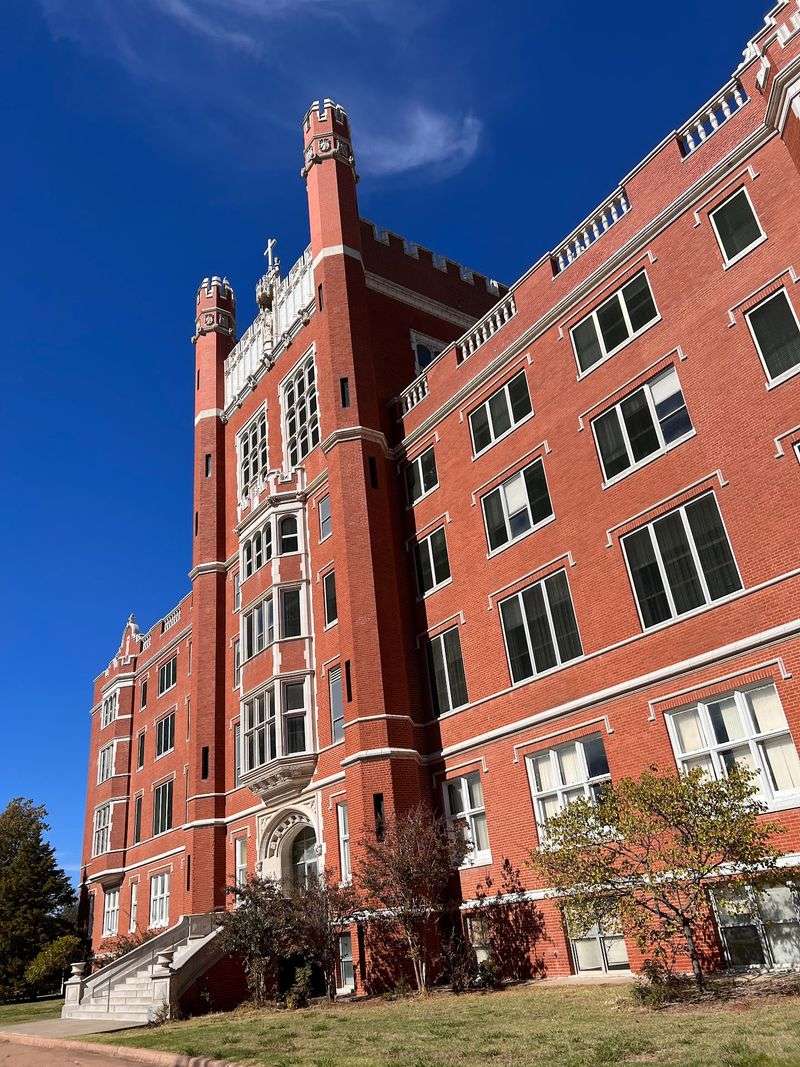
The surrounding architecture adds to the effect. The abbey buildings have a solidity and a crafted quality that contrasts nicely with the softness of the garden plantings.
Taken together, the grounds feel genuinely curated rather than incidental. Whether you are a person of faith or simply someone who appreciates a well-made outdoor space, the gardens at St. Gregory’s Abbey earn a visit on their own terms.
6. The Monks Marketplace and What You Will Find There
Monastic communities have a long tradition of sustaining themselves through skilled labor, and the monks at St. Gregory’s Abbey are no exception. The Monks Marketplace on the grounds offers a curated selection of goods that reflect the abbey’s own agricultural and craft work, and it is a genuinely satisfying place to browse.
Handmade soaps are among the standout offerings, along with hand cream that visitors consistently single out as worth buying. Local honey produced from the abbey’s own beehives shows up regularly, and it is the kind of honey that tastes noticeably different from the supermarket variety.
Food products round out the selection, giving shoppers a range of options whether they are looking for something practical or something to give as a gift.
The shop has a warmth to it that commercial stores rarely manage. Everything on the shelves connects back to the community that made it, which gives even a simple jar of honey a layer of meaning.
The monks who run the marketplace are known for their genuine kindness, and the interaction alone tends to be a highlight for first-time visitors who were not expecting to leave with a bag full of abbey-made goods.
7. Beekeeping, Cattle, and the Working Side of the Abbey
A monastery that makes its own honey and raises its own beef is doing something most people associate more with the distant past than with present-day Oklahoma. At St. Gregory’s Abbey, both are very much part of current operations.
The monks maintain beehives and raise cattle, selling products from both to the public through their marketplace.
This kind of agricultural self-sufficiency is central to the Benedictine ideal of ora et labora, pray and work. The two activities are not treated as separate halves of the day but as a unified way of living.
The bees get tended with the same intentionality that goes into the noon prayer service.
For visitors, knowing this adds a dimension to everything you encounter on the grounds. The honey in the shop is not sourced from a distributor.
The beef products come from animals raised right there on the property. That direct connection between the monks’ labor and what ends up on the marketplace shelves is something increasingly rare in modern life, and it gives the abbey an integrity that is easy to respect even if you have no particular religious affiliation.
8. The Atmosphere That Keeps People Coming Back
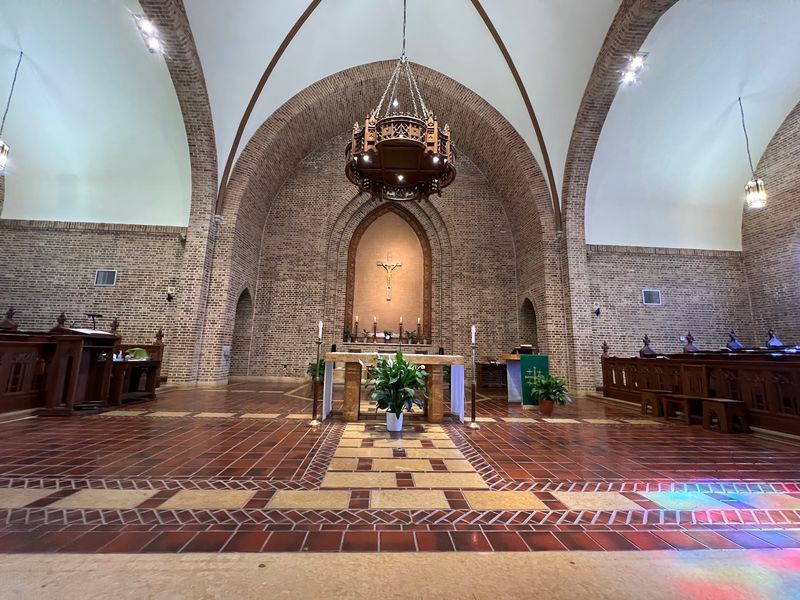
There is a specific quality to the quiet at St. Gregory’s Abbey that regular visitors try to explain and usually end up describing in the same way: it feels earned. This is not the hush of an empty building or the enforced silence of a library.
It is the accumulated stillness of a place where people have been intentionally slowing down for a very long time.
Some people come almost every evening. Others make the drive from surrounding towns specifically because they have not found anything comparable closer to home.
The abbey works as a place to pray, to meditate, to reset, or simply to exist without the noise of an ordinary day pressing in from every direction.
What makes the atmosphere hold up across repeat visits is that nothing about it feels manufactured for effect. The monks are not performing serenity for an audience.
The garden is not staged. The chapel is not a set piece.
Everything functions as it always has, and visitors are simply allowed to be present within it. That authenticity is what gives St. Gregory’s Abbey its unusual staying power as a destination.
9. Who Belongs Here and Who Might Be Surprised
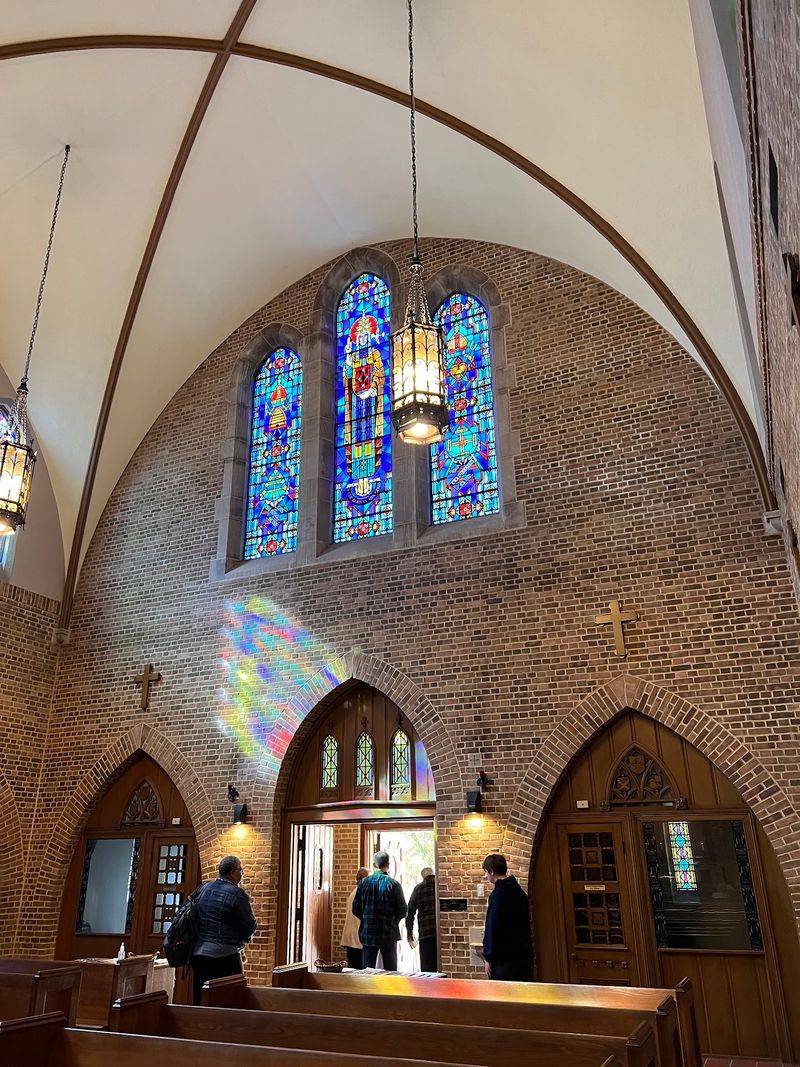
St. Gregory’s Abbey draws a wider range of visitors than you might expect. Devout Catholics come to pray alongside the monks and spend time with the relic collection.
People of other faiths or no particular faith at all show up because the grounds are beautiful and the marketplace is worth the stop. Both groups tend to leave feeling like they got more than they bargained for.
The abbey is well suited to solo visitors who want uninterrupted quiet, but it also works for small groups. A crew of friends who visited together and joined the noon prayer service came away describing the relic collection as something they could have studied for hours.
That kind of shared discovery tends to make for a better afternoon than another restaurant or shopping trip.
Children who are curious and reasonably patient can find a lot to engage with, particularly in the chapel and the marketplace. The grounds are not a playground, but the abbey community is welcoming rather than restrictive.
First-time visitors who arrive unsure of what to expect almost universally leave with the same thought: they will be back, and they will bring someone with them.
10. Planning Your Visit to St. Gregory’s Abbey
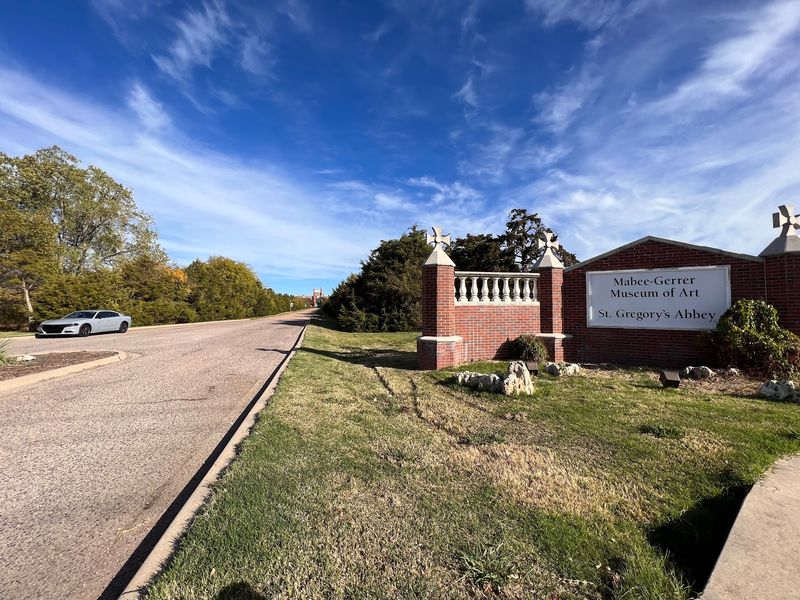
Getting to St. Gregory’s Abbey is straightforward. The address is 1900 W MacArthur Street, Shawnee, OK 74804, and the abbey is open every day of the week from 7:30 AM to 7:30 PM.
That consistent daily schedule makes planning easy, whether you are a local with a free weekday afternoon or a road-tripper passing through central Oklahoma on a weekend.
Shawnee sits roughly 35 miles east of Oklahoma City along US-270, making the abbey a natural stop for anyone exploring the region. The drive from Oklahoma City takes under an hour, and the abbey grounds are easy to find once you are in town.
Phone contact is available at 405-878-5491 for anyone with specific questions before visiting, and the monastery’s website at monksok.org carries additional information about community life and marketplace offerings.
There is no admission charge to visit the grounds or the chapel during regular hours. The Monks Marketplace operates within the abbey’s open hours, so timing your visit to allow time in the shop is worth considering.
A visit that includes the grounds, the chapel, and the marketplace runs about two to three hours for most people, though the abbey has a way of making that time feel considerably shorter.
Share this story