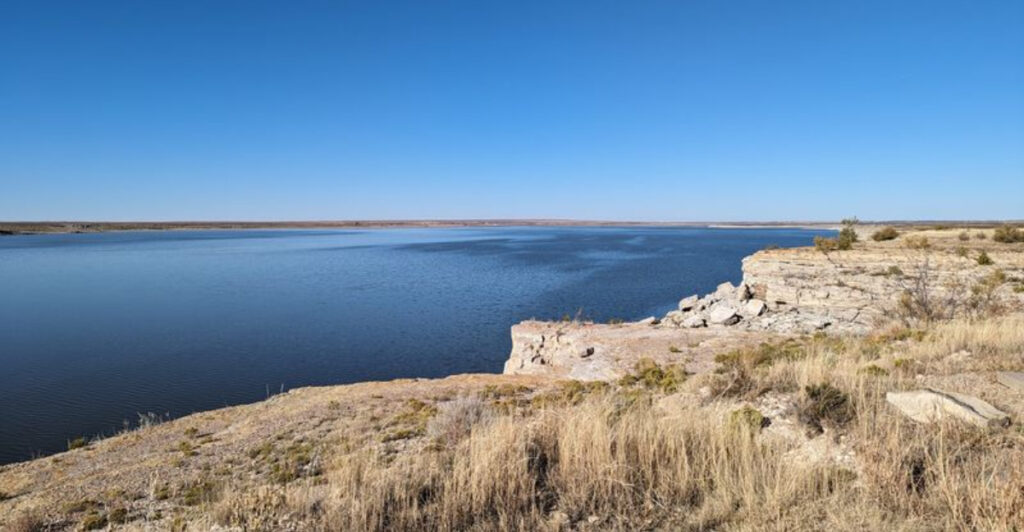
Out on the flat, wind-swept plains of southeastern Colorado, where the land stretches endlessly under a massive sky, there is a body of water so unexpectedly large that it genuinely stops first-time visitors in their tracks. Most people think of Colorado as a state of mountains and ski resorts, but this corner of the state tells a completely different story.
A sprawling reservoir sits in the middle of open prairie, drawing birds by the hundreds of thousands, anglers, boaters, campers, and wildlife watchers who keep coming back year after year. The sheer contrast between the dry, golden grasslands and that enormous blue expanse of water makes this one of the most visually striking state parks in the entire region.
Where the Prairie Meets the Water
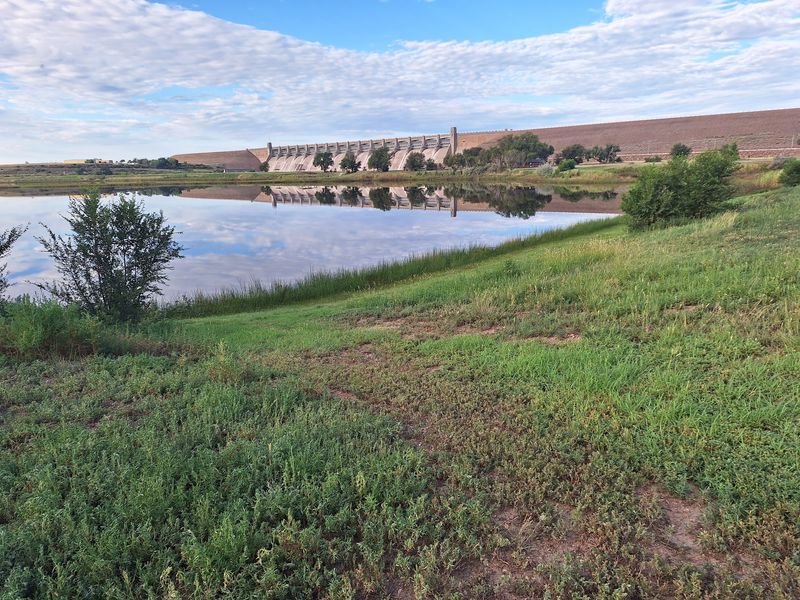
There are very few places in Colorado where you can stand on open ground, spin in a full circle, and see nothing but grass, sky, and water. John Martin Reservoir State Park, located at 30703 Co Rd 24, Hasty, CO 81044, delivers exactly that kind of raw, wide-open experience.
The reservoir itself is enormous, holding back the waters of the Arkansas River behind a large earthen dam. The surrounding landscape is classic High Plains terrain, flat and dry, with sandy soil and prairie grasses that turn golden in the summer heat.
What makes this park so visually arresting is the sheer contrast. You drive through miles of open range and then suddenly, that blue water appears on the horizon.
It feels almost surreal, like the landscape changed the rules without warning. That contrast is exactly what keeps people coming back.
The Dam That Created a Colorado Landmark
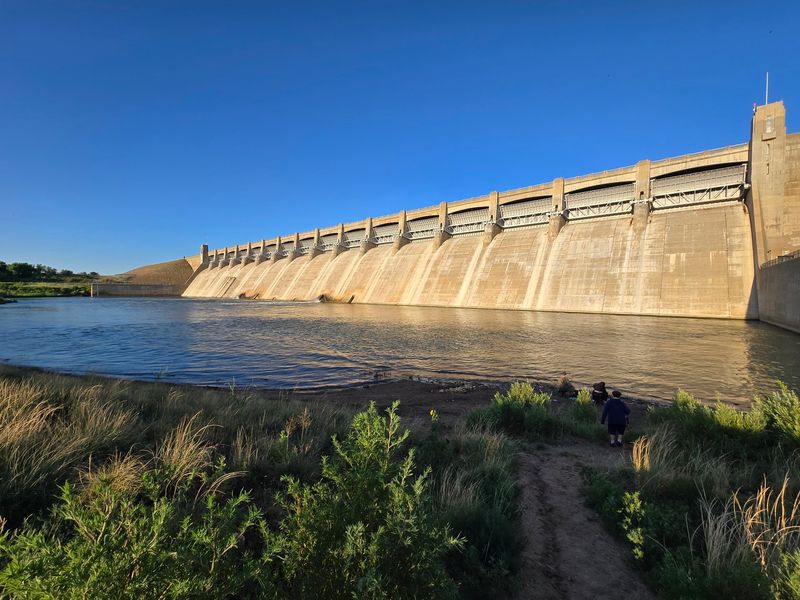
Built by the U.S. Army Corps of Engineers and completed in 1948, the John Martin Dam was originally constructed for flood control and irrigation along the Arkansas River.
The dam created the reservoir, which spans thousands of acres and serves as a critical water source for the surrounding agricultural region.
Driving across the top of the dam is one of those quiet little moments that catches you off guard. The views from up there stretch in every direction, with the reservoir on one side and the river channel on the other.
Sunrise and sunset from that vantage point are genuinely worth setting an alarm for.
The dam also plays a role in the park’s ecology. Water levels in the reservoir fluctuate depending on irrigation demands and seasonal runoff, which shapes the shoreline and affects fishing conditions throughout the year.
That fluctuation is part of what makes each visit feel a little different.
A Birding Spot That Rivals Any in the State
Serious birders know about this place. Casual visitors often leave converted into serious birders after spending a single morning here.
John Martin Reservoir is one of the most important birding locations in all of Colorado, sitting along a major migratory corridor that funnels hundreds of species through the area each year.
Sandhill cranes, bald eagles, white pelicans, great blue herons, and countless shorebird species have all been spotted here. During winter months, the lake below the dam at Hasty fills with geese and swans in numbers that are almost hard to believe.
One January visit can turn into a two-hour wildlife watching session without even trying.
The open prairie habitat surrounding the reservoir adds to the diversity. Raptors hunt the grasslands while waterfowl crowd the shorelines.
Bringing a pair of binoculars here is not optional. It is simply the right move.
Fishing Across Two Very Different Bodies of Water
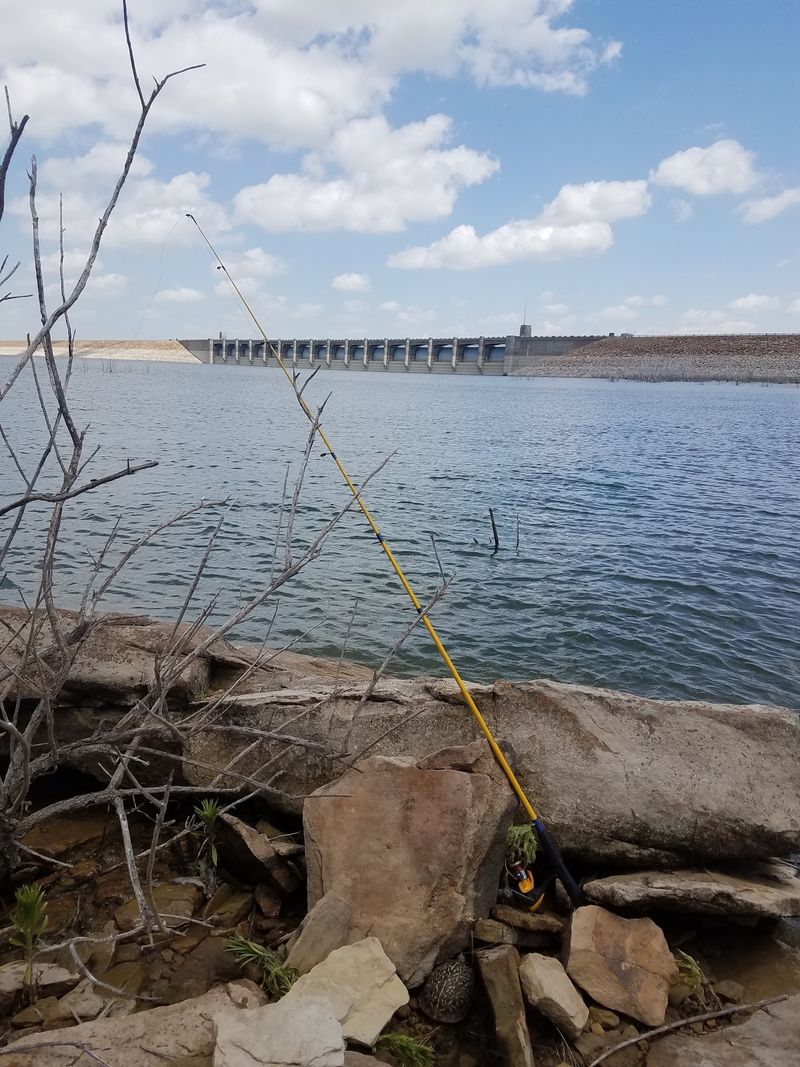
The fishing situation at John Martin Reservoir is a tale of two very different experiences. The main reservoir is vast and open, best suited for anglers with boats who can cover water and target species like walleye, catfish, and white bass.
Two boat ramps give boaters easy access to the main lake.
Then there is Lake Hasty, the smaller body of water sitting just below the dam. It has a calmer, more intimate feel, making it popular for shore fishing and kayak anglers.
The quiet surface of Lake Hasty in the early morning, with dragonflies hovering and turtles sunning on rocks, has a peacefulness that the bigger reservoir cannot quite replicate.
Water levels on the main reservoir do fluctuate seasonally, which affects fishing conditions. Checking current conditions before a trip is always a smart call.
When conditions are right, though, this is a genuinely productive fishing destination.
Camping Under a Sky Full of Stars
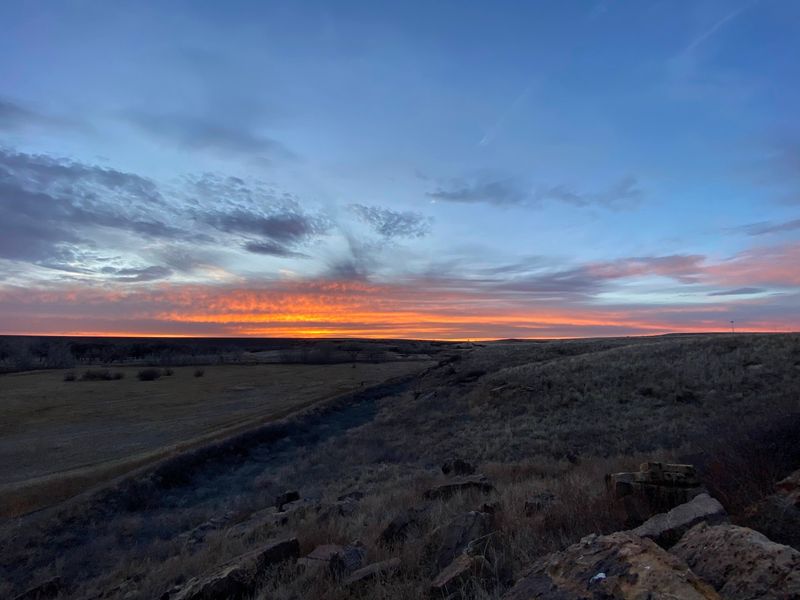
Camping here is a different experience depending on which area of the park you choose. The Hasty Campground sits near Lake Hasty and offers shaded sites under large trees, electrical hookups, water spigots, a dump station, and even coin-operated showers.
It has the kind of comfortable setup that makes multi-night stays genuinely enjoyable.
The Point Campground, positioned overlooking the main reservoir, trades trees for sweeping views. Sites there are open to the sky, which means full exposure to wind but also unobstructed sunrise and sunset panoramas that are hard to put a price on.
Some sites have metal canopies over the picnic tables, which helps during the hottest parts of the day.
Both campgrounds offer spacious sites with good distance between neighbors, which keeps things quiet even on busier weekends. The open prairie setting means the night sky here is genuinely dark and star-filled, making it a treat for anyone who enjoys stargazing.
Boating on One of Eastern Colorado’s Largest Reservoirs
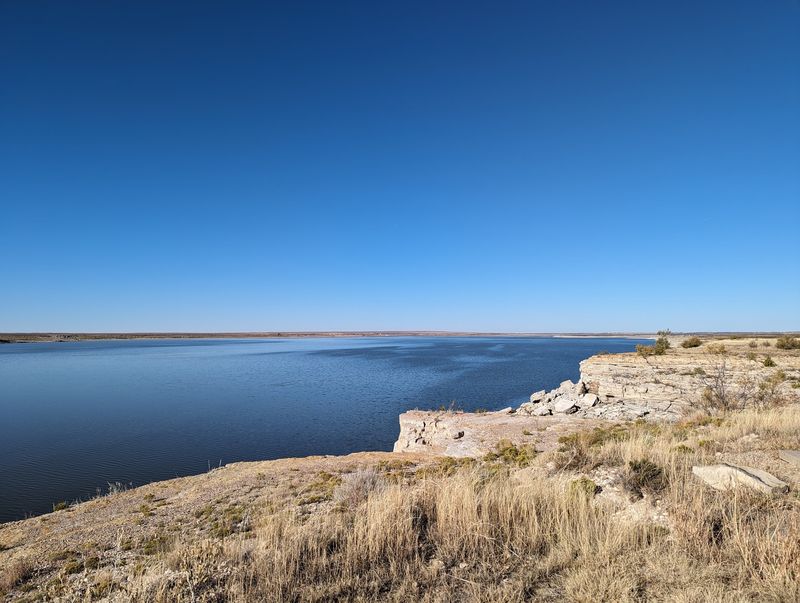
On a calm summer morning, the main reservoir at John Martin has a quiet grandeur that rewards anyone who gets out on the water. The sheer size of the lake means boaters can spread out comfortably, and on weekdays especially, you can feel like you have the whole thing to yourself.
Two boat ramps serve the main reservoir, giving boaters straightforward access without a complicated launch process. Jet skis, fishing boats, and kayaks all share the water, though the open expanse of the reservoir makes it easy for everyone to find their own space.
The calmer waters of Lake Hasty below the dam are better suited for paddleboarding and kayaking, where the wind is less of a factor and the scenery feels more enclosed and peaceful. Wind on the main reservoir can pick up quickly in the afternoon, so morning launches tend to make for the smoothest outings.
Wildlife Beyond the Birds
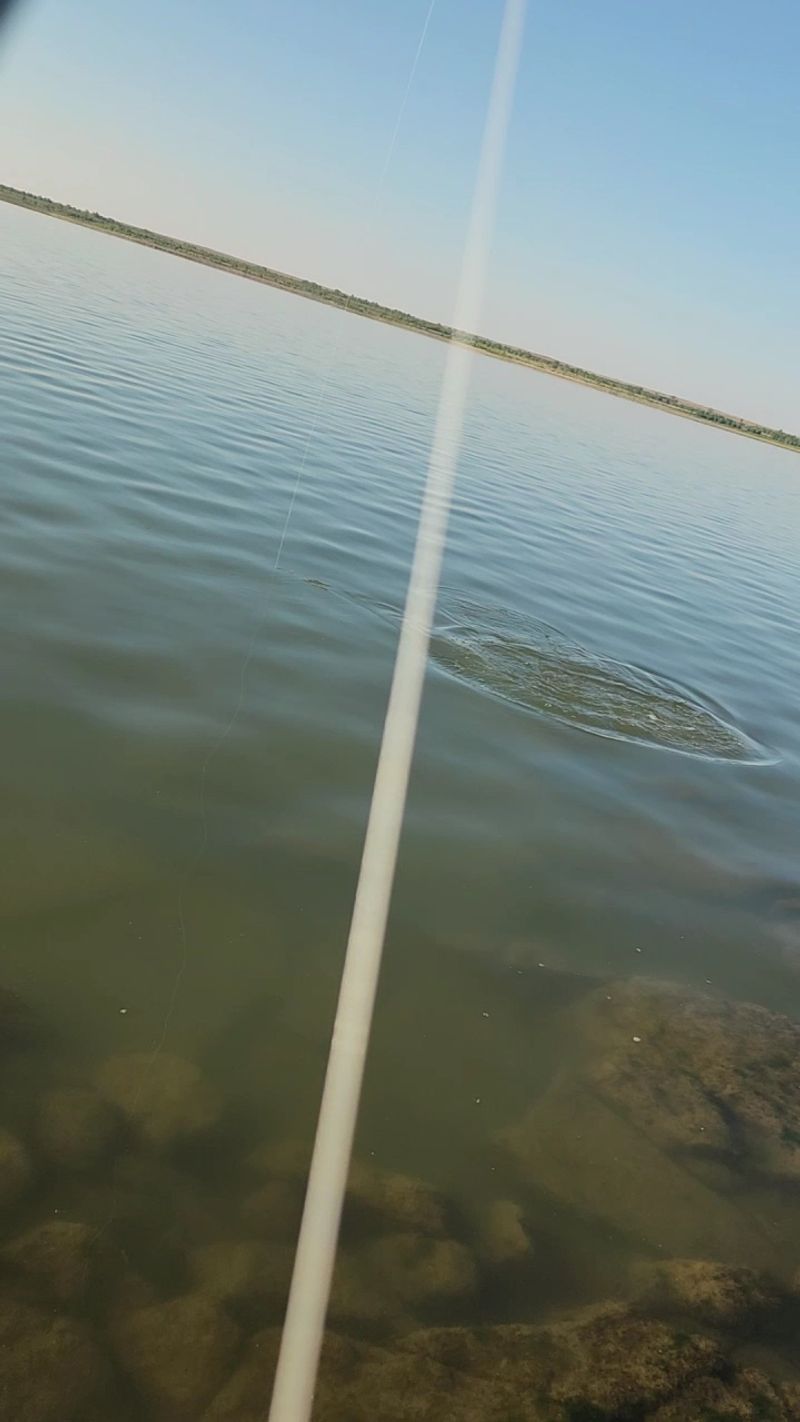
Birds get most of the attention at John Martin Reservoir, and fairly so, but the wildlife watching extends well beyond what flies. Prairie dog towns dot the landscape near the campgrounds above the dam, and watching them pop up and down from their burrows is genuinely entertaining, especially for kids.
Coyotes move through the area regularly, often spotted at dawn or dusk along the edges of the campgrounds and open grasslands. Deer are present too, though they tend to be elusive, leaving behind plenty of evidence of their presence without always showing themselves.
Turtles sun on rocks along Lake Hasty, and blue dragonflies appear in remarkable numbers during summer visits. The combination of water, grassland, and shoreline habitat creates a layered ecosystem that supports a surprising variety of species.
Slowing down and paying attention to the smaller details here pays off in ways that bigger, more crowded parks rarely allow.
The Santa Fe Trail Connection Most Visitors Miss
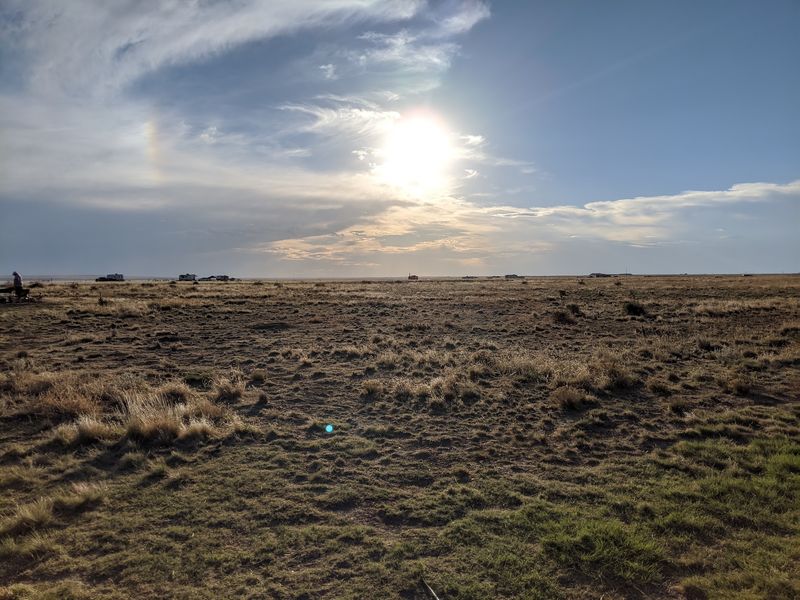
The land surrounding John Martin Reservoir carries history that goes far deeper than the dam and reservoir. This area sits along the historic Santa Fe Trail, the famous trade route that connected Missouri to Santa Fe, New Mexico, throughout the 19th century.
Wagon trains once rolled through this exact stretch of southeastern Colorado.
That historical layer adds a completely different dimension to a visit here. Walking the open prairie near the reservoir, it is not hard to picture what travelers on the trail would have experienced, the same flat horizon, the same relentless wind, the same enormous sky pressing down on everything.
For anyone exploring the Santa Fe Trail corridor, the park makes a natural and rewarding stop. The combination of significant history, wildlife, and recreation in one location is something that the region does not always get credit for.
It genuinely deserves more recognition than it receives.
Sunrise and Sunset Views That Earn Their Reputation
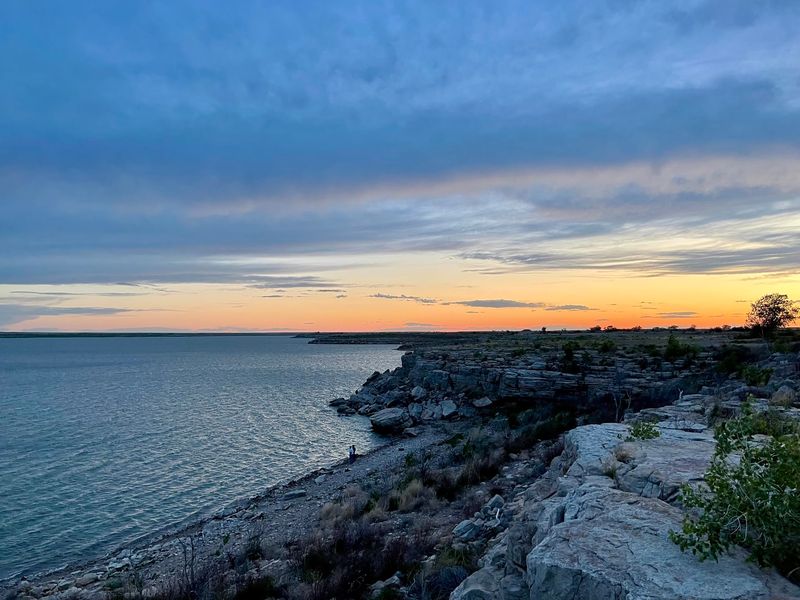
Southeastern Colorado does not get much credit for scenery in the traditional sense. There are no fourteeners here, no dramatic canyon walls, no famous ski runs.
What this corner of the state does have is sky, and the sunrises and sunsets at John Martin Reservoir make full use of every inch of it.
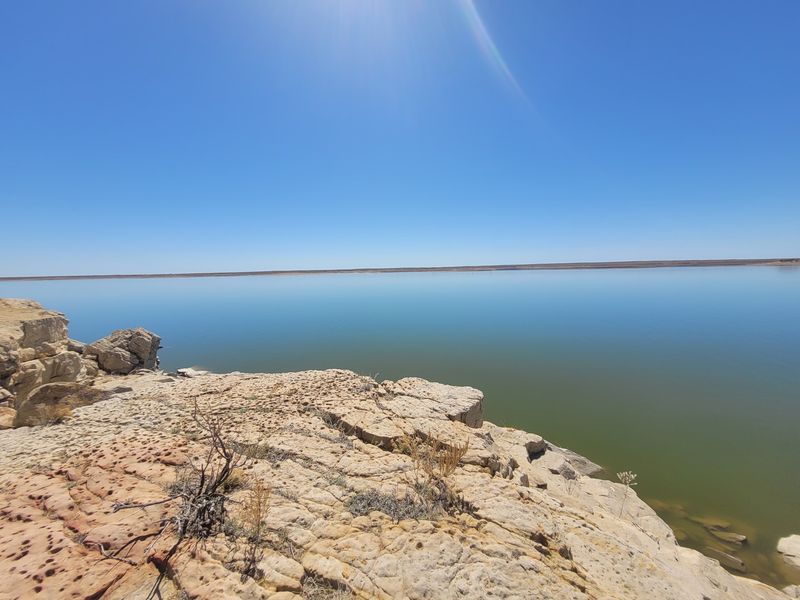
From the dam, the view at sunrise is especially striking. The light spreads across the flat water in layers of orange and pink, and the small sandstone cliffs along parts of the shoreline catch the early morning glow in a way that feels almost theatrical.
Multiple visitors have mentioned setting alarms specifically to catch the morning light from the dam, and it is easy to see why once you have experienced it.
Sunsets from the Point Campground are equally impressive, with the open western horizon giving the light nowhere to hide. Clear evenings here produce color shows that would look right at home in any travel photography collection.
Hiking the Open Prairie Landscape
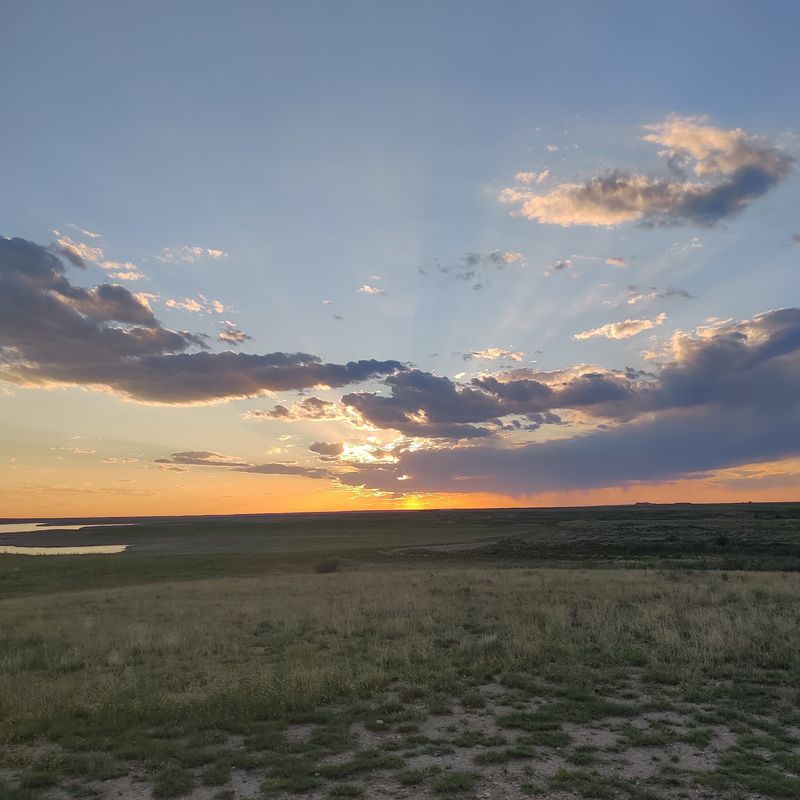
Hiking at John Martin Reservoir is not about elevation gain or alpine scenery. The trails here move through open prairie and along the shoreline, offering a completely different kind of walking experience that rewards patience and observation over physical challenge.
The trail system has been noted for being a bit tricky to follow in places, with some sections that could use better signage. Going slowly and paying attention to the surroundings turns that minor inconvenience into part of the adventure.
The landscape changes subtly as you move along the shoreline, with different plant communities, bird activity, and shoreline textures keeping things interesting.
Early morning hikes along the lake edge, when the light is low and the wildlife is most active, are genuinely special. The absence of crowds means you can stop, look, and listen without feeling rushed.
This is a park where the pace of the visit matters as much as the destination.
The Visitor Center and Its Small But Worthwhile Museum
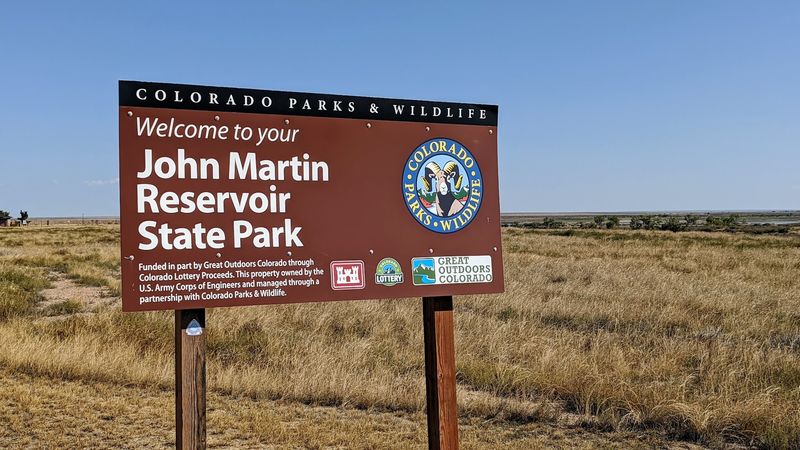
Not every state park visitor center earns a mention in a travel article, but the one at John Martin Reservoir is worth a stop, particularly for first-time visitors trying to understand what they are looking at. The center includes a small museum-style exhibit area with information about the reservoir, local wildlife, and the natural history of the surrounding region.
Park rangers are stationed there and tend to be knowledgeable and approachable, ready to point visitors toward the best birding spots or explain the current water conditions. Getting a quick orientation from the visitor center before heading out into the park makes the rest of the visit noticeably more rewarding.
The building itself is modest, but the information inside gives real context to the landscape outside. Understanding why the reservoir exists, how it functions, and what lives in and around it transforms a simple camping trip into something with a bit more substance and meaning.
Wind, Weather, and What to Expect on the Open Plains
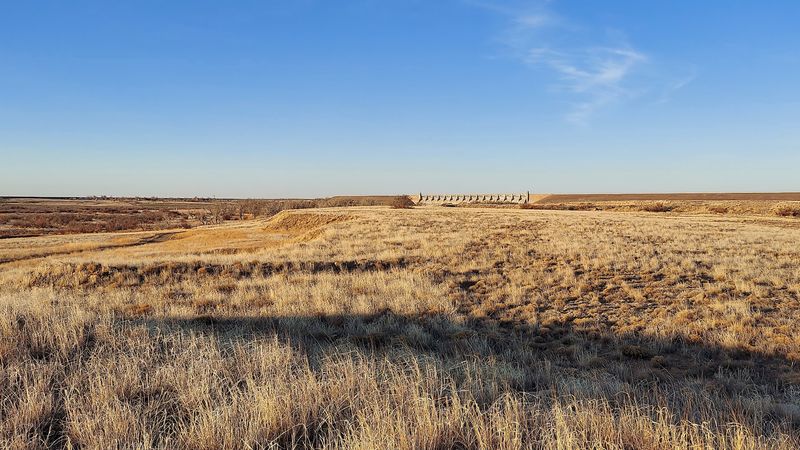
The open prairie setting that makes John Martin Reservoir so visually striking also means the weather here plays by its own rules. Wind is a near-constant presence, and afternoon gusts can turn a pleasant paddle into a workout or send an unprepared tent into the next county.
Thunderstorms roll across the plains with impressive speed. A clear morning can shift into a full storm system by early afternoon, and the flat terrain gives those storms nowhere to sneak up from.
More than one camper has found their setup tested by a sudden weather change that arrived faster than expected.
The practical advice is simple: stake your tent thoroughly, bring a windbreak or canopy, and check the forecast regularly during your stay. Morning hours tend to be calmer and more pleasant for outdoor activities.
Accepting that the weather is part of the experience here, rather than fighting it, makes visits considerably more enjoyable.
Practical Tips for Planning Your Visit
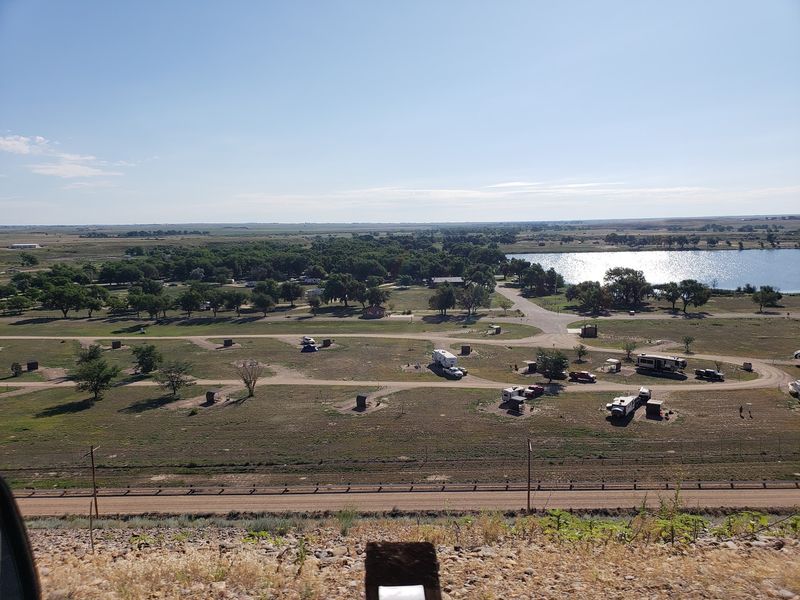
The park is open daily from 5 AM to 10 PM, which gives early risers plenty of time to catch the morning wildlife activity and that famous sunrise before most of the world is even awake. A Colorado State Parks pass or a day use fee covers entry, and the day pass has been described by visitors as genuinely worth the cost.
Showers are available at the Hasty Campground for a small coin-operated fee, which is unusual for a state park but keeps the facilities functional and maintained. The campground also has a laundry room, dump station, and dumpsters at the exit, making it well-equipped for longer stays.
Cell service in this part of southeastern Colorado can be limited, so downloading maps and checking conditions before leaving home is a smart habit. The nearest towns are small, so arriving with supplies already stocked avoids unnecessary drives across the prairie looking for a grocery store.
What Makes This Park Different From Colorado’s Mountain Parks
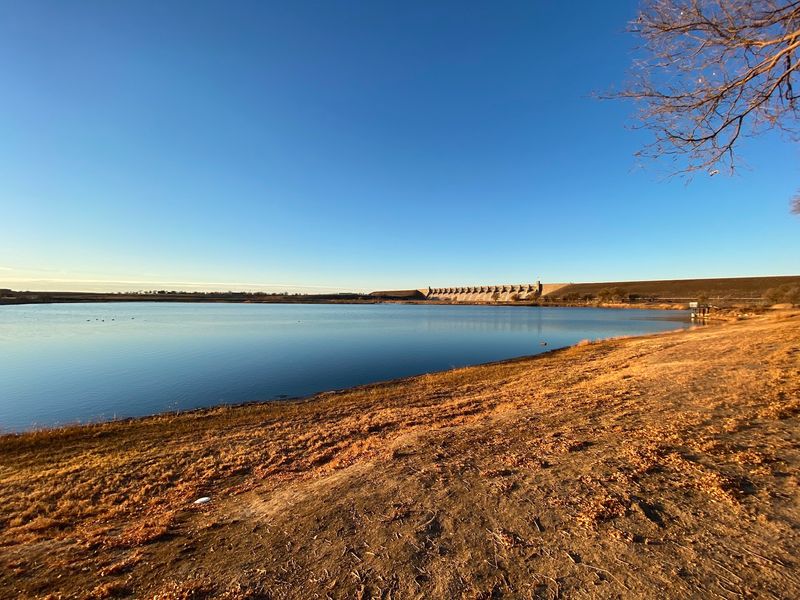
Most people who visit Colorado for the first time head straight for the mountains, and that makes complete sense. But the mountain parks are crowded, the roads are steep, and the altitude takes some adjustment.
John Martin Reservoir offers something genuinely different: space, quiet, and a landscape that does not ask anything of you except attention.
There are no traffic jams getting into the park. Campsites are spacious and rarely packed to capacity.
The wildlife here is approachable and abundant without requiring a strenuous hike to find it. The fishing, boating, and birding are all accessible from easy, flat terrain.
For Colorado residents who have never explored the southeastern corner of their own state, this park tends to be a genuine revelation. The High Plains have a beauty that takes a little longer to appreciate than a mountain panorama, but once it clicks, it sticks with you in a way that is hard to shake.
Why This Blue Oasis Deserves a Spot on Your Colorado List
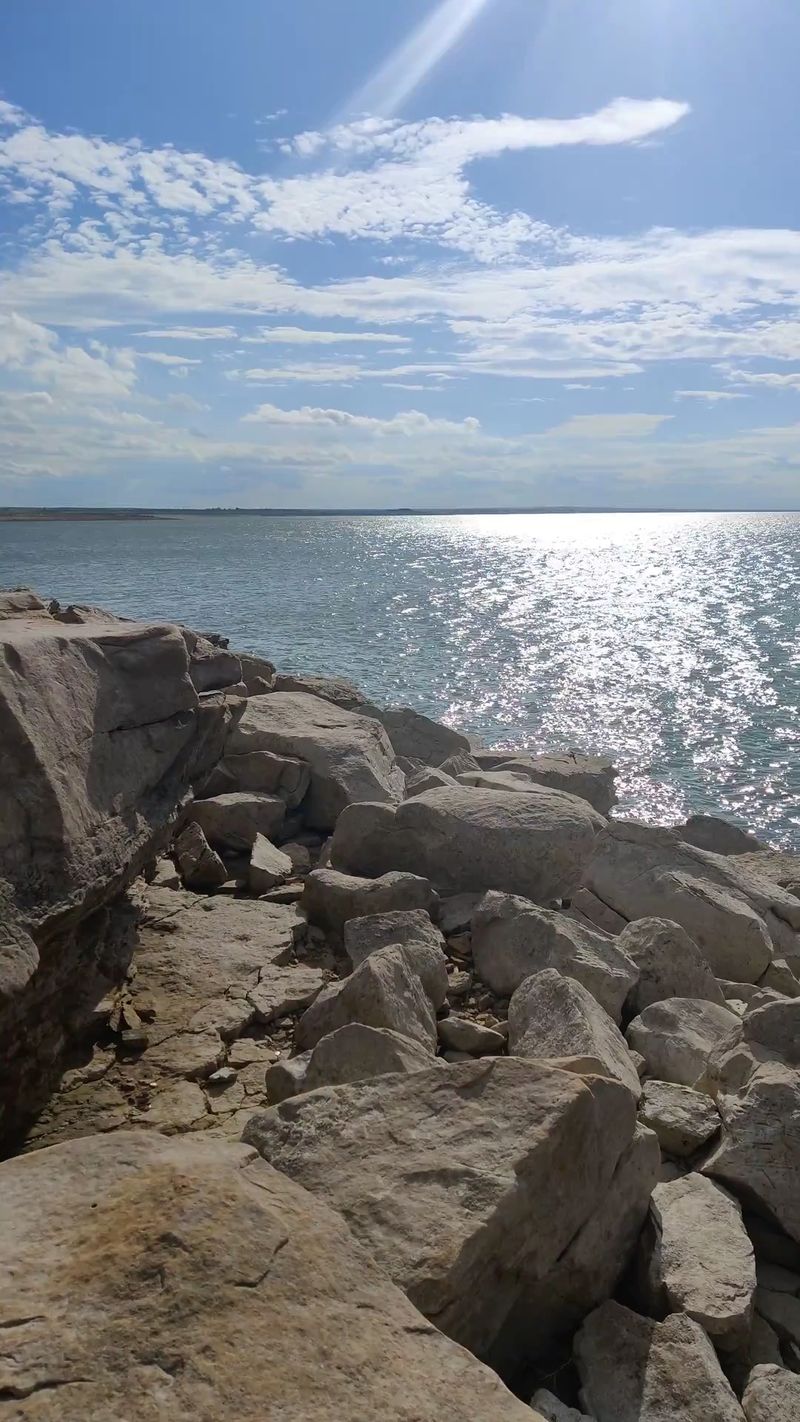
A reservoir in the middle of the Colorado prairie should not be this compelling, and yet here we are. John Martin Reservoir State Park earns its place on any serious Colorado outdoor itinerary not because it tries to compete with the mountains, but because it does not bother trying at all.
It is entirely and confidently its own thing.
The birding alone would justify a trip. Add the fishing, the spacious camping, the dramatic skies, the Santa Fe Trail history, and the sheer visual surprise of all that blue water sitting in the middle of open grassland, and you have a park with more going on than its relatively low profile would suggest.
First-time visitors often leave already planning a return trip. The combination of accessibility, wildlife, open space, and that remarkable contrast between prairie and water creates a place that lingers in memory longer than expected.
Southeastern Colorado has been keeping this one quiet long enough.
Share this story