Some of the greatest minds in history were not celebrated when they first shared their ideas. They were ignored, mocked, or punished for seeing the world differently than everyone else around them.
From scientists who challenged powerful institutions to doctors who questioned standard medical practice, these thinkers paid a real price for being right too early. Their stories are worth knowing because they remind us that progress rarely comes without resistance, and that the people who change the world often do it long before the world is ready to thank them.
Galileo Galilei: The Man Who Challenged the Center of the Universe
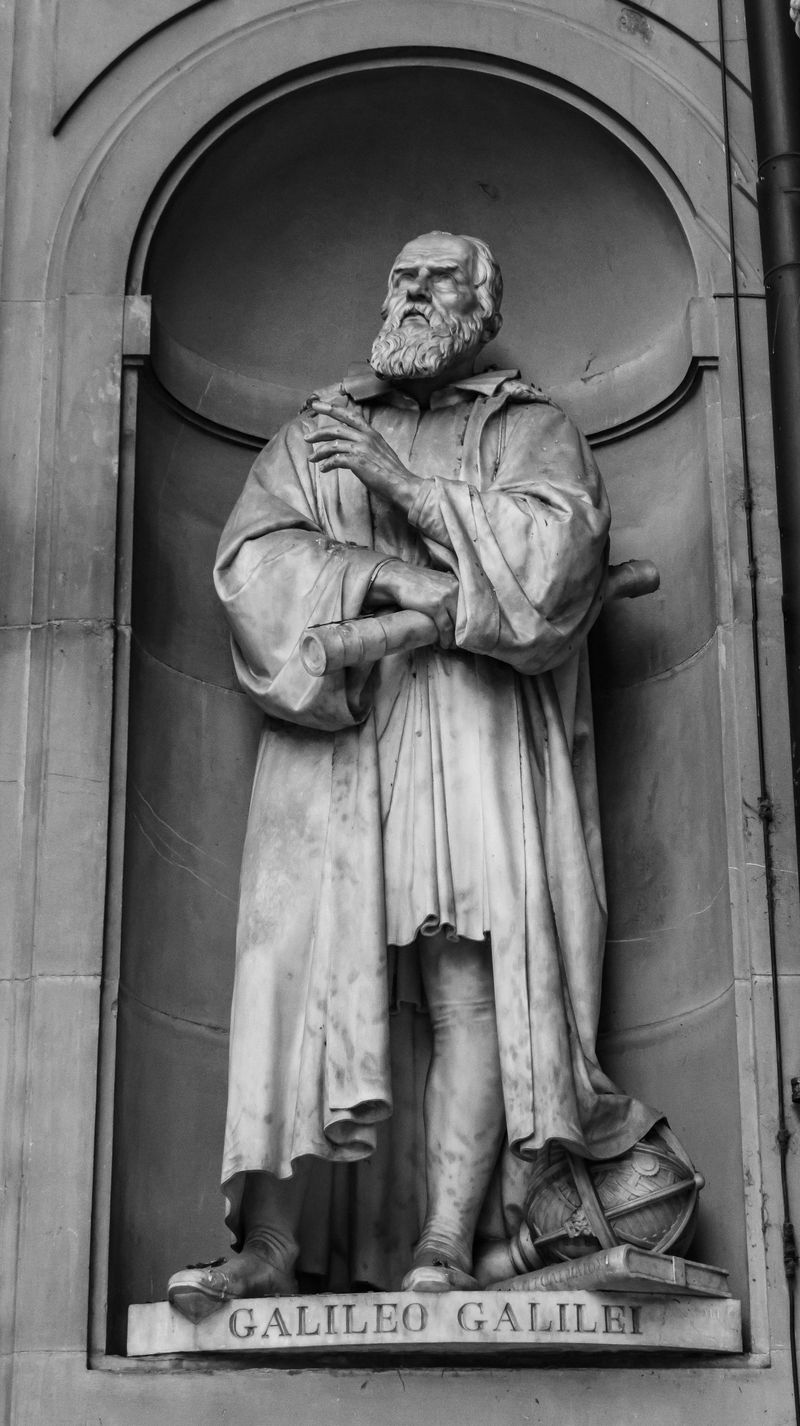
Few people in history paid a higher price for being correct than Galileo Galilei. In the 1600s, the accepted belief across Europe was that Earth sat at the very center of the universe.
That idea had been around for centuries, backed by tradition, philosophy, and religious authority.
Galileo used telescopic observations to challenge that belief directly. His discoveries, including the moons of Jupiter and the phases of Venus, helped support the idea that Earth and other planets move around the Sun.
That was not a comfortable conclusion for powerful people of his time.
In 1633, the Roman Inquisition tried him, forced him to recant his views, and placed him under house arrest for the rest of his life. He spent years confined while being proven right.
In 1992, Pope John Paul II acknowledged that errors were made in how the Church handled the Galileo case. Looking through better tools than anyone else had, he simply saw more than the world was ready to accept.
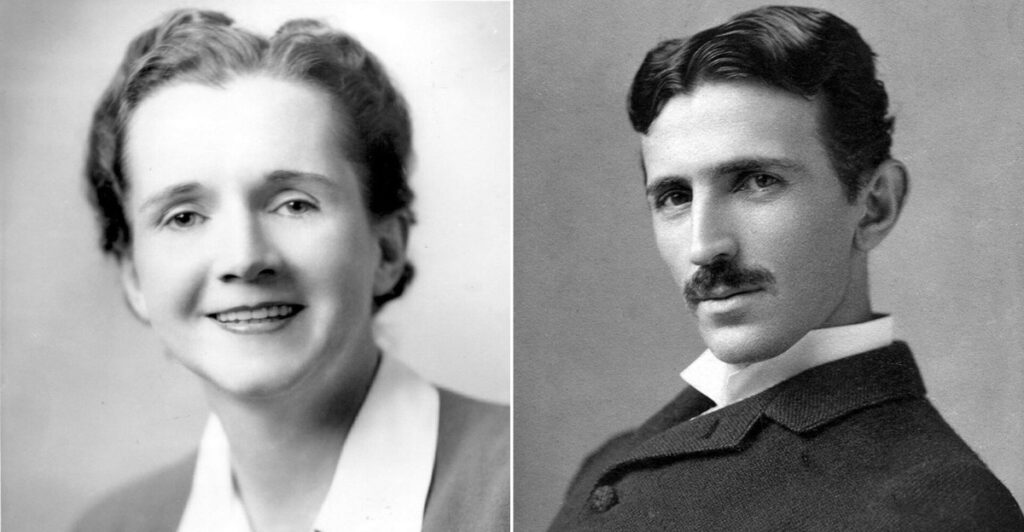
Nikola Tesla: The Inventor Whose Ideas Sounded Like Science Fiction
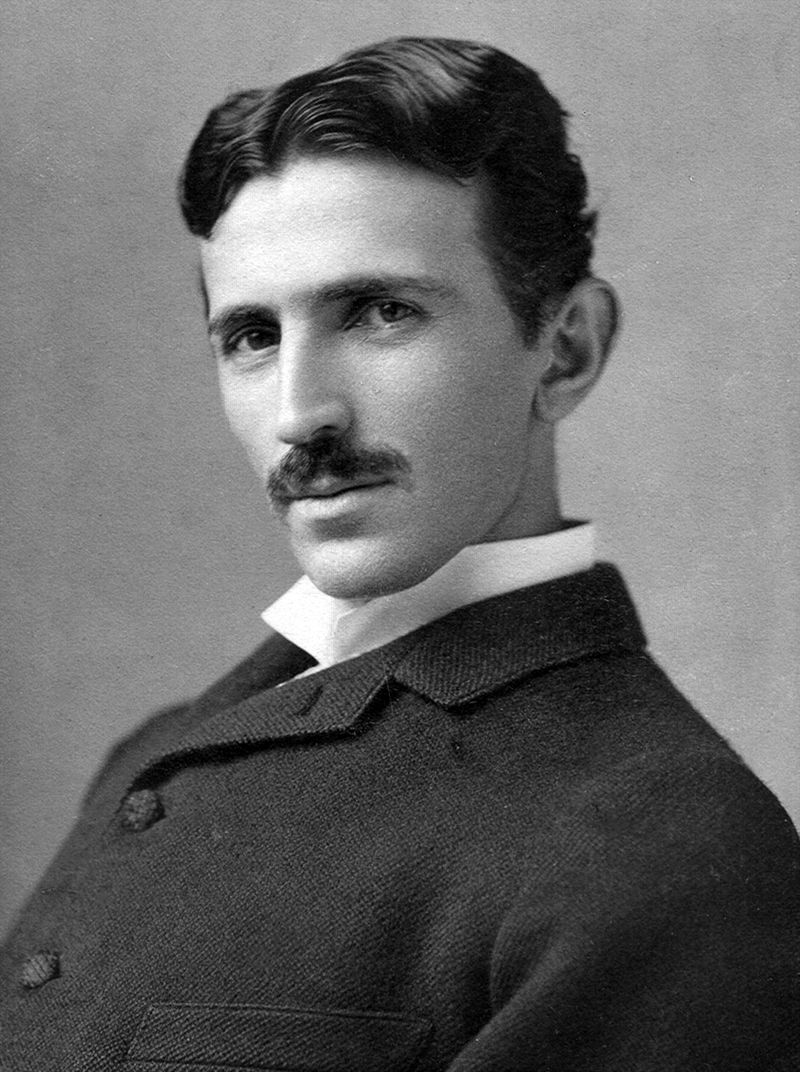
Nikola Tesla operated in a world that was not always sure what to make of him. The Serbian-American inventor made foundational contributions to alternating current electrical systems, which became the backbone of how power is distributed across modern cities and homes.
He also worked on wireless communication, remote control, and ideas about transmitting power without wires, concepts that his era often dismissed as fantasy. Some of his grander visions were never realized in the way he imagined them, and that nuance matters.
Not every Tesla idea came true exactly as he described it.
But the broader point holds up. Many of his possibilities were brushed aside far too quickly by investors and rivals who ran out of patience.
By the end of his life, he was frequently described as eccentric and impractical. Looking at the modern electrical grid, wireless technology, and remote-control systems today, that old reputation seems hard to defend.
The gap between “impossible” and “ahead of its time” turned out to be razor thin.
Alfred Wegener: The Man Who Said Continents Move
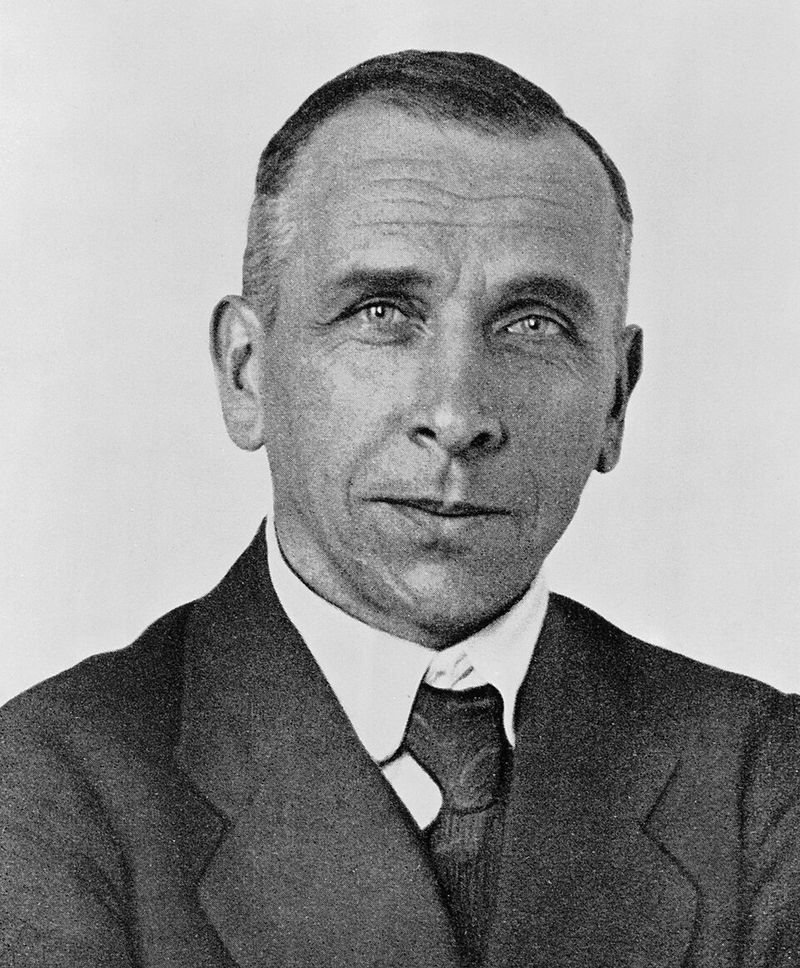
Alfred Wegener stood in front of the scientific community in 1912 and said something that sounded almost absurd: the continents had once been one giant landmass and had slowly drifted apart over millions of years. Most geologists at the time were not impressed.
His evidence was compelling in its own way. The coastlines of South America and Africa fit together like puzzle pieces.
Similar fossils appeared on continents separated by entire oceans. Related rock formations showed up on landmasses that had no obvious connection.
But Wegener could not fully explain what force was actually moving the continents, and without a solid mechanism, many scientists dismissed the whole idea.
He died in 1930 during an expedition to Greenland, never seeing his theory accepted. Decades later, research into seafloor spreading and paleomagnetism gave scientists the mechanism he was missing, and plate tectonic theory was born.
Wegener was not wrong. He simply arrived at the right answer before the supporting evidence had been fully uncovered.
Rachel Carson: The Writer Who Warned About Pesticides
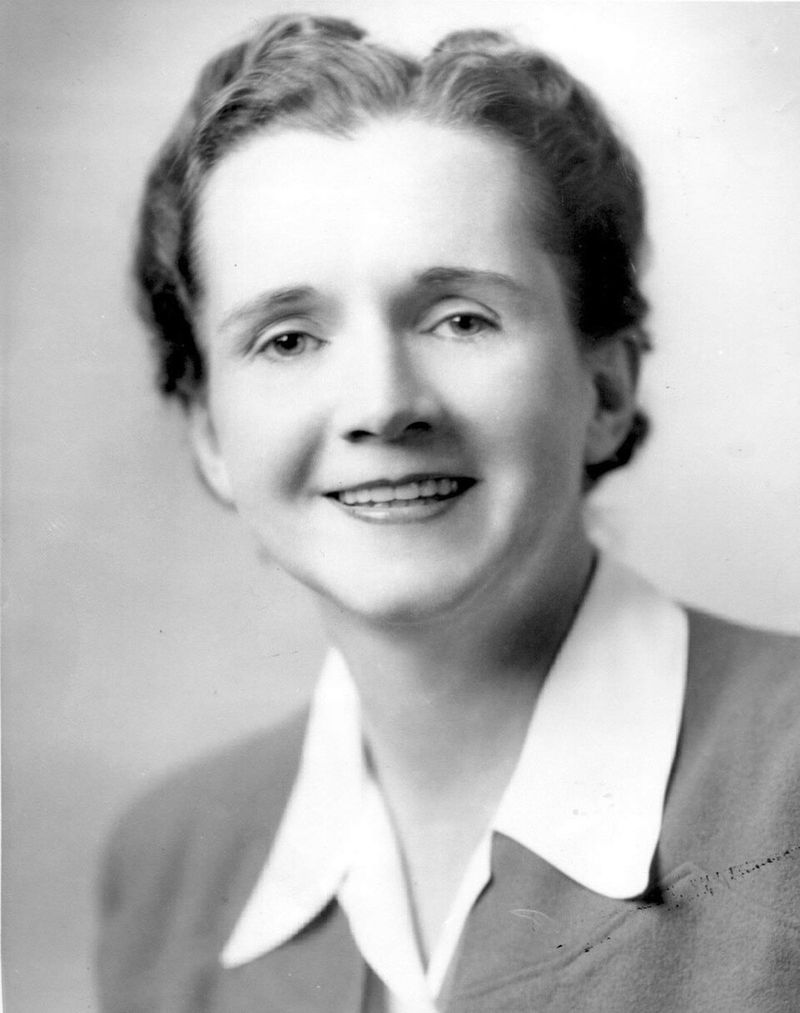
Rachel Carson did not just face criticism when she published Silent Spring in 1962. She faced a coordinated effort to destroy her credibility before anyone could take her warnings seriously.
Her book laid out the environmental dangers of pesticides, particularly DDT, arguing that widespread chemical use in agriculture and pest control was harming birds, wildlife, and ecosystems. Chemical companies responded with pamphlets, attacks on her science, and attempts to paint her as emotional and unqualified.
The pushback was aggressive precisely because her research was thorough and her conclusions were hard to dismiss.
The U.S. Environmental Protection Agency credits Silent Spring with helping generate serious public concern about pesticide use and the push for stronger regulations.
The EPA issued a cancellation order for most uses of DDT in 1972. Carson did not live to see it.
She passed away in 1964. But the environmental movement she helped spark grew into a global force.
People called her dramatic. The policy changes that followed proved her right.
Gregor Mendel: The Monk Whose Pea Plants Explained Inheritance
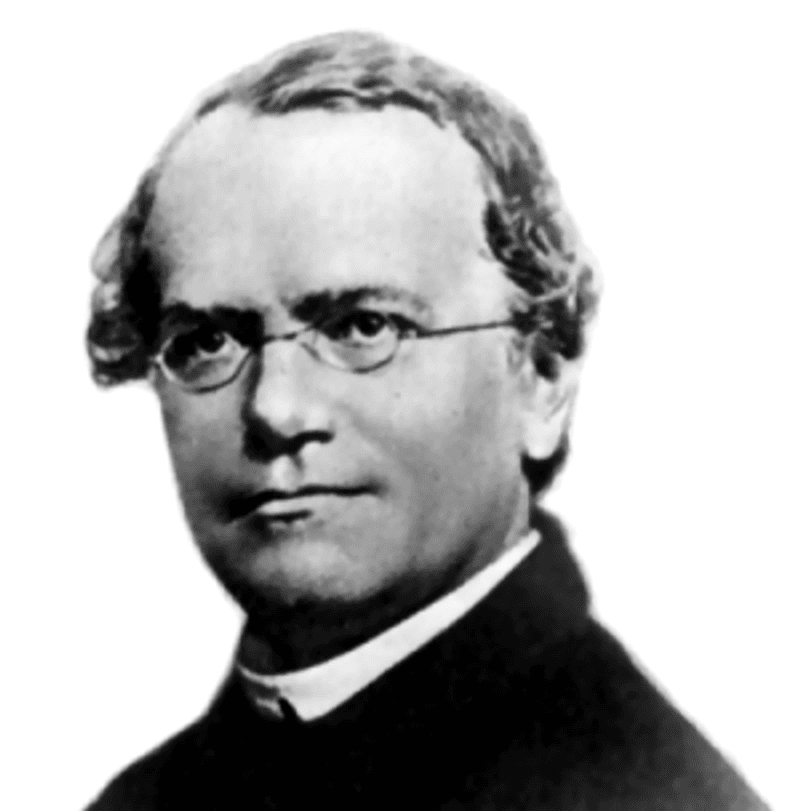
Gregor Mendel’s story is quieter than most on this list, but in some ways that makes it more striking. He was not loudly rejected.
He was simply ignored, which can be just as discouraging for a scientist doing careful, methodical work.
Through the 1850s and 1860s, Mendel conducted thousands of experiments with pea plants at a monastery in what is now the Czech Republic. By tracking how traits like seed color and plant height passed from one generation to the next, he identified patterns that later became known as Mendel’s laws of inheritance.
He published his findings in 1866.
The scientific world took almost no notice. His work did not fit neatly into the major biological conversations of his era, and it sat largely unread for decades.
Around 1900, years after Mendel’s death, other scientists rediscovered his papers and realized they had found the foundation of modern genetics. Today he is widely called the father of genetics.
Sometimes history forgets its most important contributors until someone finally looks back.
Nicolaus Copernicus: The Astronomer Who Moved Earth Out of the Center
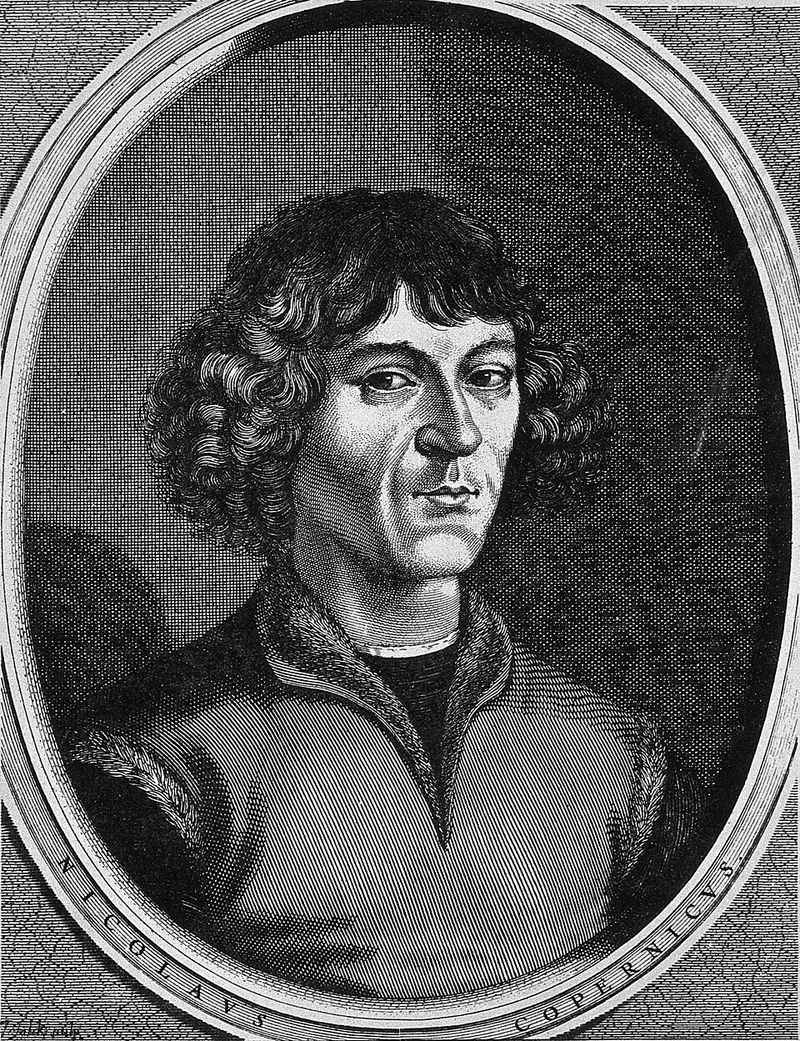
Before Galileo became the face of the heliocentric conflict, Nicolaus Copernicus did the groundbreaking work that started it all. He proposed that the Sun, not Earth, sat at the center of the known planetary system, which meant overturning centuries of accepted astronomical thinking in one sweeping claim.
His major work, De revolutionibus orbium coelestium, was published in 1543, the same year he died. The controversy it generated grew over time rather than erupting all at once.
By 1616, religious authorities had suspended the book pending corrections, and works promoting the Copernican model were restricted.
Copernicus avoided the personal persecution Galileo later faced, partly because he did not live to see the full reaction. But the idea itself was still radical: Earth was not fixed, not central, and not the measure of all things in the cosmos.
That shift in perspective turned out to be one of the most important moments in the history of human knowledge. He moved Earth by daring to think clearly.
Fritz Haber: The Chemist Whose Breakthrough Fed the World – With a Complicated Legacy
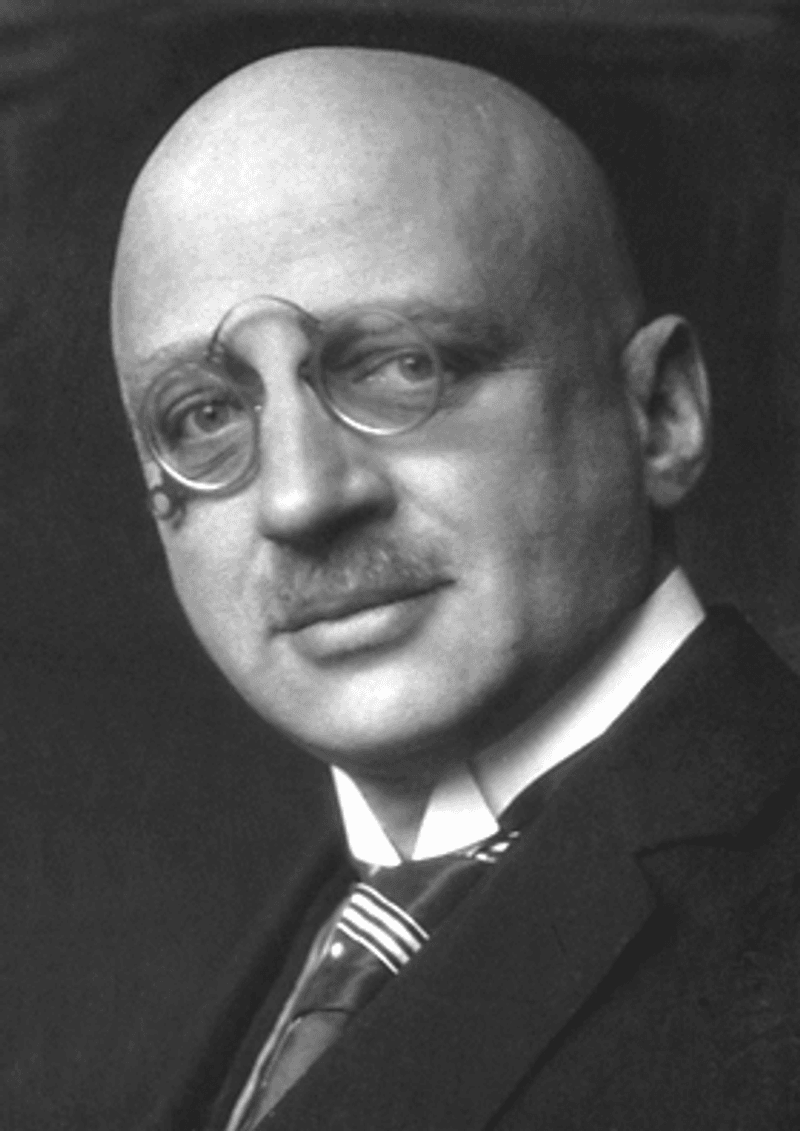
Fritz Haber’s place in history is genuinely difficult to summarize in simple terms, and that complexity is exactly what makes his story worth understanding.
Haber developed a method for synthesizing ammonia from nitrogen and hydrogen, which became the foundation of the Haber-Bosch process. That process made large-scale artificial fertilizer production possible, and nitrogen fertilizer transformed global agriculture.
The ability to pull usable nitrogen from the air once sounded like an impossible ambition. Today it supports food production for billions of people, and Haber received the 1918 Nobel Prize in Chemistry for this work.
But the same chemical knowledge that helped feed the world also connected to weapons development during World War I. His Nobel biography acknowledges that ammonia production helped Germany extend the war by supporting explosives manufacturing when natural nitrate supplies ran short.
Haber belongs on a list of visionaries, but his story carries a real warning alongside the achievement. Being scientifically correct does not guarantee that history will remember a person simply or kindly.
Temple Grandin: The Animal Scientist Who Saw Livestock Differently
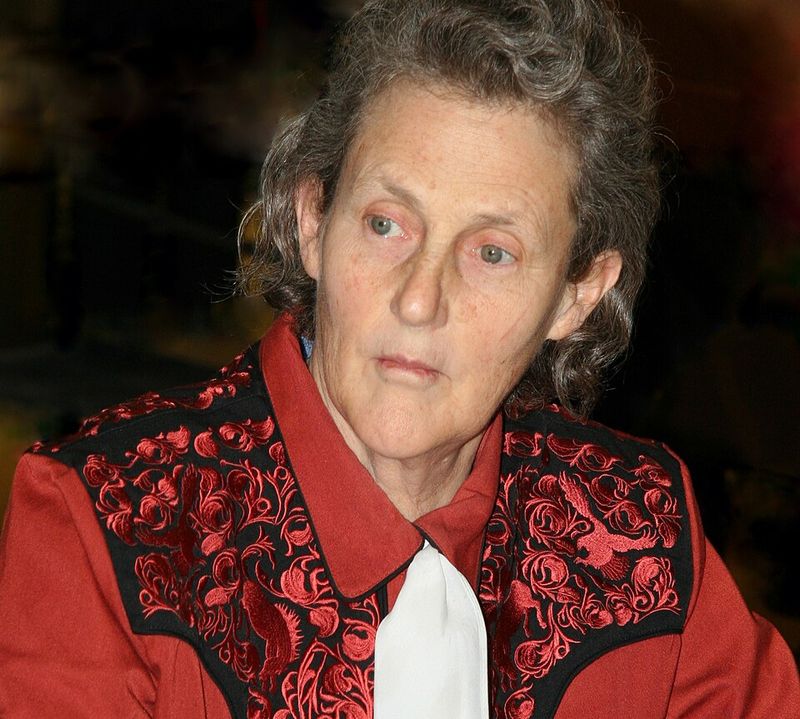
Temple Grandin approached the livestock industry from an angle that most professionals had never considered, and the results reshaped how the industry thinks about animal welfare and facility design.
Grandin, who is autistic, developed a visual way of processing information that helped her understand how cattle perceive their environment, including how they respond to movement, noise, shadows, and confined spaces. She applied those insights to design livestock-handling systems that reduced animal stress and improved overall welfare.
The approach was practical and grounded in observation, not sentiment.
Early in her career, she faced skepticism. She was a woman working in a male-dominated industry, speaking openly about both autism and animal emotion at a time when neither topic was treated as especially relevant to agricultural engineering.
Colorado State University, where she holds a faculty position, describes her as a pioneer in farm animal handling and welfare, noting that her humane slaughter designs became industry standards. Her career is a clear example of why dismissing an unconventional perspective can mean missing the most useful solution in the room.
Share this story