Food is more than just fuel – it carries centuries of culture, tradition, and meaning. Around the world, different countries have developed their own rules about how food should be eaten, shared, and enjoyed.
Some of these customs might seem surprising to Americans used to eating on the go or skipping the formalities. Taking a closer look at these global food rules can offer a fresh perspective on how mealtime can be a richer, more meaningful experience.
1. Italy: Cappuccino Is Traditionally a Morning Drink

Walk into any Italian bar after 11 a.m. and order a cappuccino, and you might get a curious look from the barista. Italians believe that the milk in cappuccino is too heavy for the stomach after a meal, so they keep it strictly as a morning drink.
This is not just a personal preference – it is a deeply rooted cultural habit passed down through generations. Espresso is what Italians drink after lunch or dinner, not creamy, frothy coffee drinks.
For Americans who sip cappuccinos at any hour, this rule might feel strange at first. But there is something to be said for being mindful about when and what you drink.
Matching your food and drink choices to the time of day can actually help with digestion and make each meal feel more intentional and satisfying.
2. Japan: Slurping Noodles Can Show Appreciation
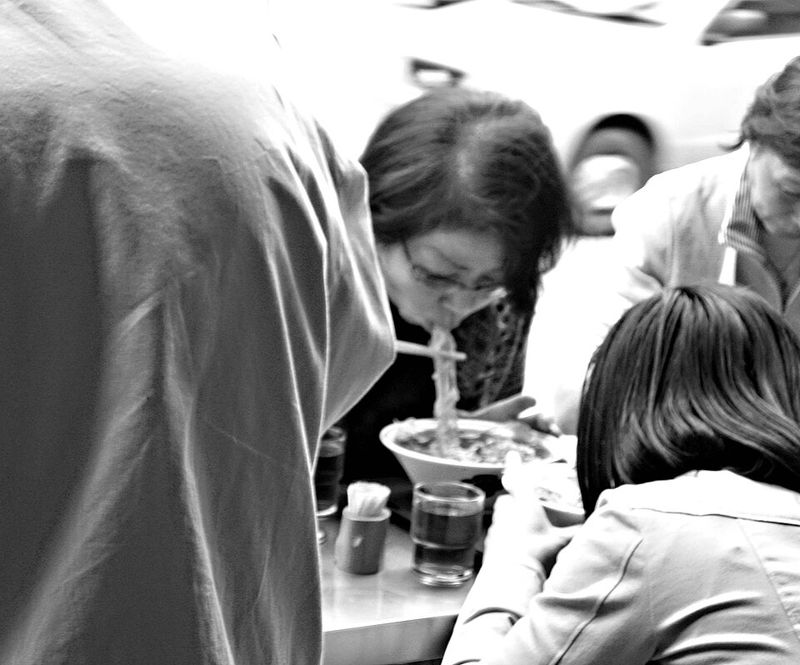
In the United States, slurping your food at the table is considered rude. In Japan, though, loudly slurping noodles is actually a compliment to the chef.
It signals that you are enjoying the meal and fully savoring every bite.
The tradition goes back centuries and is especially common with ramen, soba, and udon. Some food experts even say that slurping helps cool the noodles as they enter your mouth, making the experience more comfortable and flavorful.
This cultural difference is a good reminder that table manners are not universal – they are shaped by the values and history of each community. What seems impolite in one place can be perfectly respectful in another.
Next time you sit down to a bowl of noodles, you might think twice before silently twirling your fork.
3. France: Bread Is Often Placed Directly on the Table
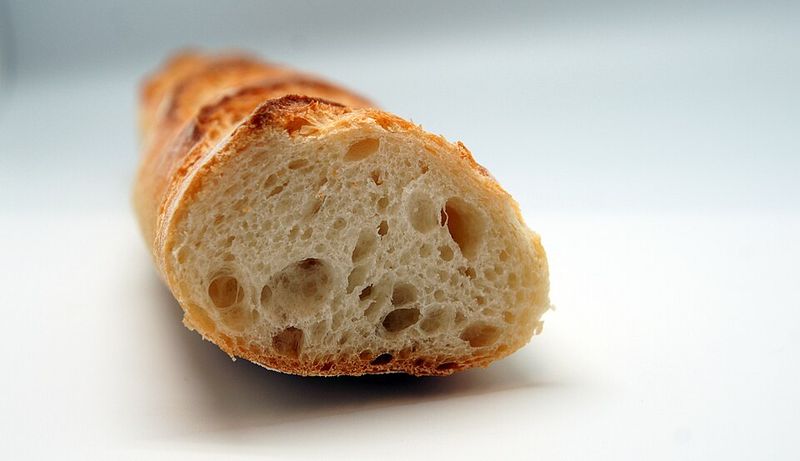
French dining has a reputation for elegance, so it might surprise some people to learn that bread is often placed directly on the tablecloth rather than on a plate. This is a long-standing French custom that most locals consider completely normal.
The bread is meant to be a casual accompaniment to the meal, not the star of the show. Placing it on the table keeps things relaxed and informal, even in nicer restaurants.
It is used mainly to soak up sauces or enjoy between bites, not to fill up before the food arrives.
Americans are often used to getting a bread basket with butter as a starter. The French approach treats bread more like a tool than a course.
This small shift in thinking can actually change how you relate to bread during a meal – making it purposeful rather than mindless snacking.
4. India: Eating With the Right Hand Is Customary
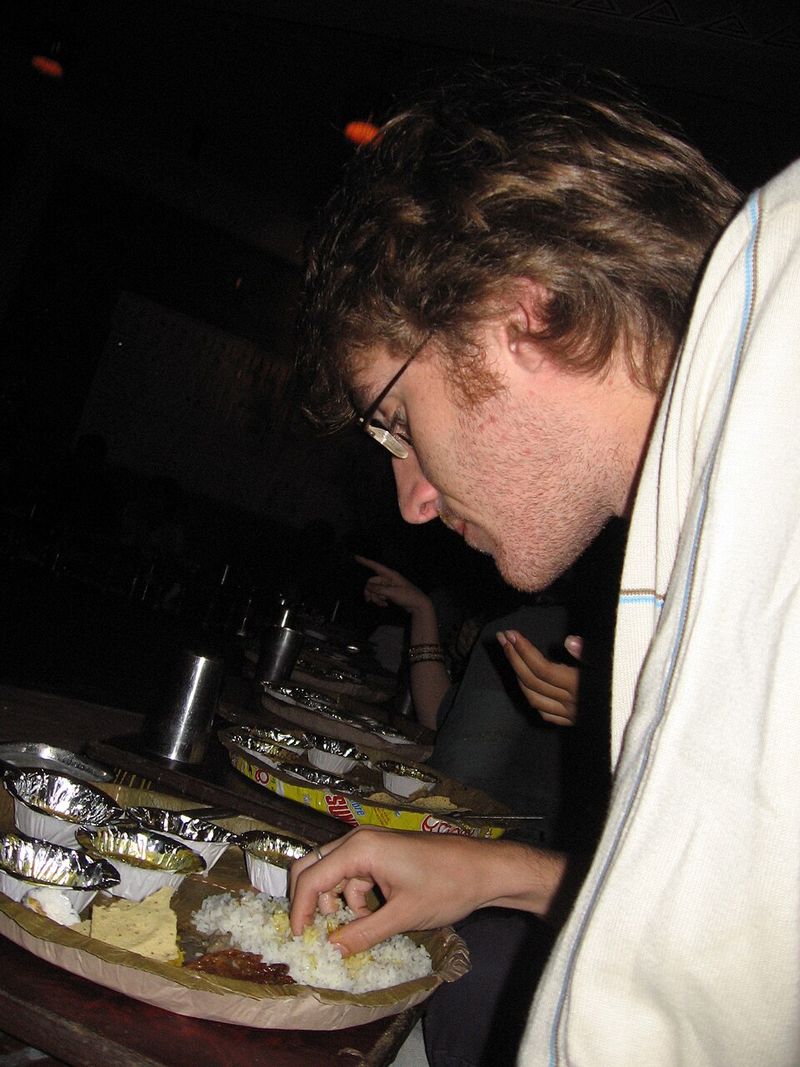
Across much of India, eating with your hands is not just acceptable – it is considered the proper and respectful way to enjoy a meal. Specifically, the right hand is used, as the left hand is traditionally associated with tasks considered unclean.
This practice is deeply tied to the belief that food is sacred. Using your hands creates a more direct, sensory connection with what you eat, and many people feel it actually enhances the taste.
There is even a concept in Ayurveda, the ancient Indian system of medicine, that suggests the fingers carry energy that improves digestion.
For Americans raised to always use utensils, this can feel unfamiliar. But eating with your hands encourages you to slow down and be more present with your food.
It is a reminder that mealtime can be a mindful, personal experience rather than a rushed routine.
5. South Korea: Wait for the Eldest Person to Begin Eating
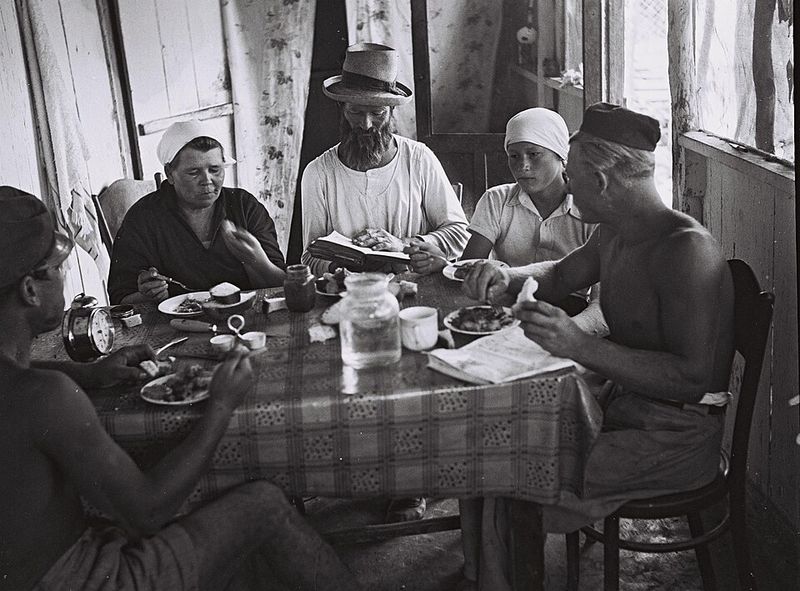
In South Korean culture, respect for elders is woven into almost every part of daily life – and that includes mealtimes. It is customary to wait until the oldest person at the table has begun eating before anyone else picks up their chopsticks or spoon.
This tradition reflects the Confucian values that have influenced Korean society for hundreds of years. Showing deference to elders is seen as a sign of good character and proper upbringing.
Jumping ahead and eating before the eldest person is considered quite rude.
In American households, meals often start whenever food hits the table. The Korean approach encourages a pause – a moment of collective patience and acknowledgment of those who came before.
Adopting even a small version of this habit, like waiting for everyone to be seated before eating, can bring more warmth and connection to family meals.
6. Thailand: Forks Are Generally Used to Push Food Onto a Spoon
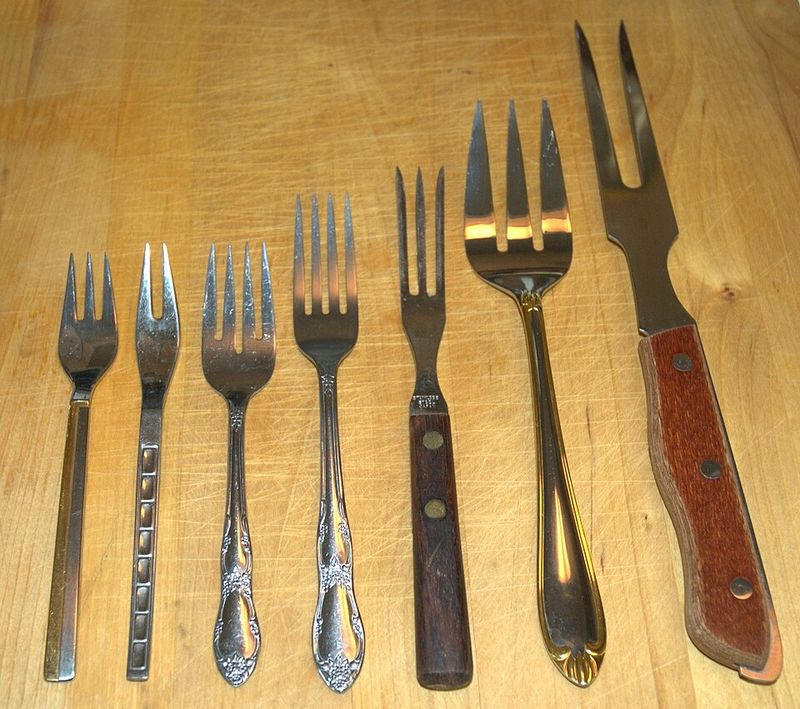
Here is a small detail that surprises many Western visitors to Thailand: the fork is not meant to go into your mouth. Instead, Thais use the fork to move food onto a spoon, which is then used for eating.
The spoon does most of the work at the table.
This custom likely developed because many Thai dishes are served in soft, saucy, or bite-sized forms that are easier to eat with a spoon. Chopsticks are mainly used for noodle dishes, not as an everyday utensil.
The Thai approach to utensils is a great example of how tools are adapted to fit the food, not the other way around. Americans often default to forks for nearly everything, but being open to different methods can actually make eating more practical and enjoyable.
Sometimes the right tool really does make a difference in how a meal is experienced.
7. Ethiopia: Sharing Food From a Communal Platter Is Common
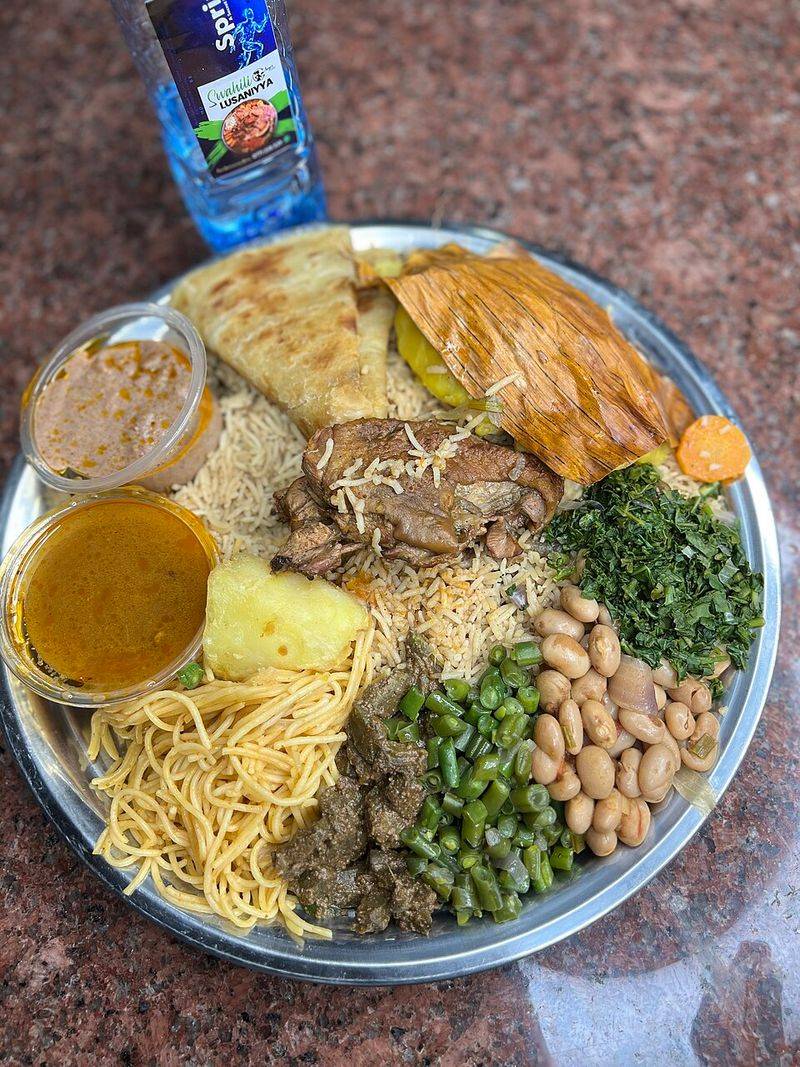
Ethiopian meals are built around togetherness. Food is typically served on a large shared platter lined with injera, a spongy sourdough flatbread, and everyone at the table eats from the same dish.
There are no individual plates in a traditional Ethiopian setting.
This style of eating is called “gursha” when someone feeds a piece of food to another person as a gesture of love or friendship. Sharing from one platter creates a sense of unity and trust among those at the table.
For Americans accustomed to individual servings, this communal approach might feel unfamiliar. But it has a powerful social effect – it encourages conversation, generosity, and connection.
You naturally slow down and pay attention to the people around you. Eating becomes less of a solo activity and more of a shared event, which can make even a simple meal feel like a celebration.
8. China: Chopsticks Should Never Be Stuck Upright in Rice
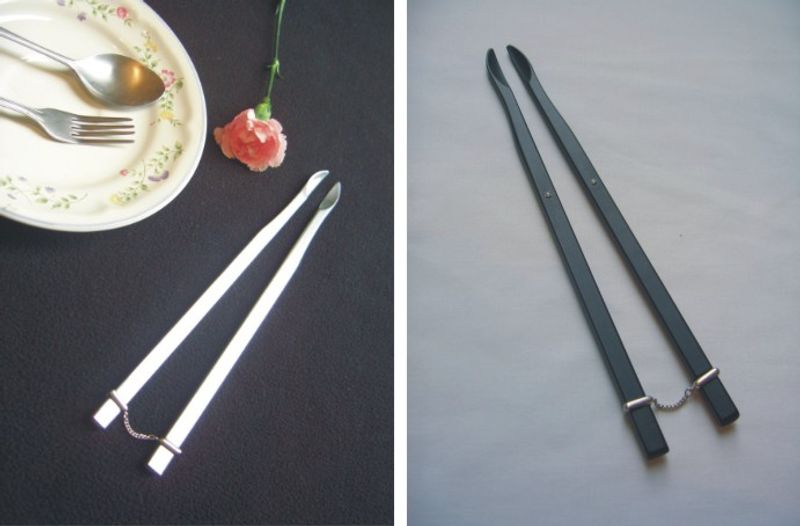
Sticking chopsticks straight up in a bowl of rice is a serious taboo in Chinese culture. The image closely resembles the incense sticks burned at funerals and as offerings to the deceased.
Doing this at the dinner table is seen as a deeply disrespectful and even ominous gesture.
When not in use, chopsticks should be placed flat on a chopstick rest or laid across the top of the bowl. This is considered polite and shows awareness of cultural meaning.
The rule is taken seriously in many parts of East Asia, not just China.
Americans who use chopsticks casually at Asian restaurants may not realize the weight this action carries. Learning the reasoning behind such customs adds a layer of respect to the dining experience.
Small gestures matter, and understanding them helps build cross-cultural awareness that goes far beyond the dinner table.
9. Spain: Dinner Is Commonly Eaten Much Later Than in the U.S.

In Spain, sitting down for dinner at 10 p.m. is perfectly normal – and in some cities, even considered early. Most Spanish families do not eat their evening meal until 9 or 10 at night, a schedule that would seem extreme to most Americans used to eating by 6 or 7 p.m.
This late dinner culture is tied to Spain’s long workday and the tradition of taking a midday break, often with a substantial lunch. Since lunch is the biggest meal of the day, dinner does not need to happen early or be overly heavy.
The Spanish approach encourages savoring meals slowly and socially, often stretching dinner into a two-hour event filled with conversation. Americans might find value in rethinking their own meal timing – eating a more filling lunch and a lighter, later dinner could support better energy levels throughout the day.
10. Georgia: Toasts Are an Important Part of Traditional Feasts

In the country of Georgia, a traditional feast called a “supra” is not complete without a series of elaborate toasts. A designated person called the “tamada” or toastmaster leads the table through toasts that can cover topics like life, love, ancestors, peace, and friendship.
These toasts are not quick one-liners. They can be lengthy, poetic, and deeply heartfelt, sometimes lasting several minutes.
Everyone at the table is expected to listen respectfully and drink together at the end of each toast.
For Americans, toasting usually means a quick “cheers” before taking a sip. The Georgian tradition transforms toasting into a meaningful ritual that brings people together and honors shared values.
It encourages gratitude and reflection in a way that feels almost ceremonial. Bringing even a touch of this intentionality to American gatherings could make celebrations feel more connected and memorable.
11. Morocco: Eating From a Shared Dish With the Right Hand
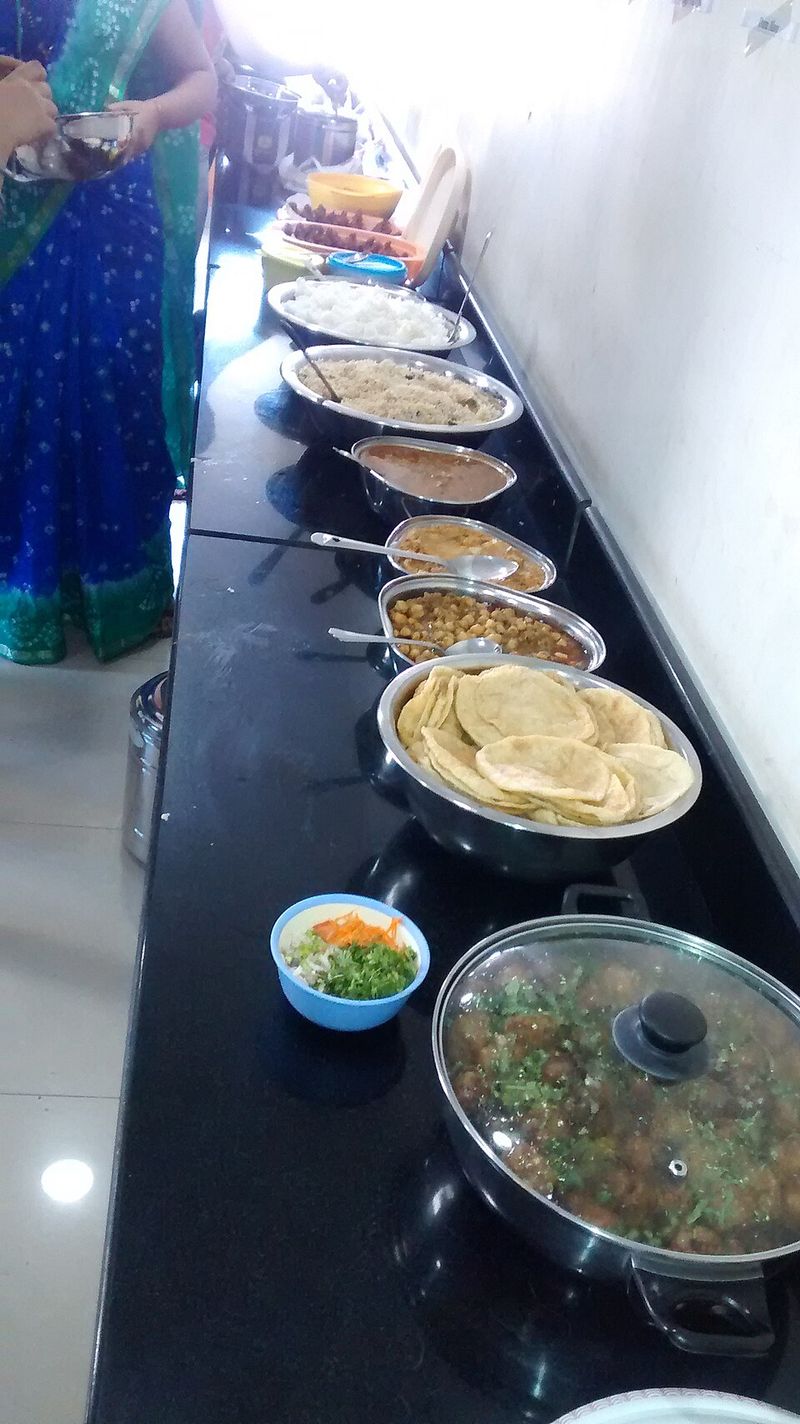
Moroccan meals are a social event, often centered around a large shared tagine or platter placed in the middle of the table. Tradition calls for eating with the right hand, and each person eats from the section of the dish directly in front of them rather than reaching across.
This respectful boundary within a shared meal reflects a sense of order and mindfulness. Guests are expected to eat from their own side, showing consideration for others at the table.
Bread is often used as a utensil, scooping up stews and sauces in place of a fork or spoon.
The Moroccan dining style combines community and personal boundaries in a way that feels both warm and organized. Americans might take note of how eating from a shared dish can build connection, while simple unspoken rules keep the experience comfortable and respectful for everyone involved.
12. Italy: Cutting Long Pasta Such as Spaghetti Is Traditionally Avoided
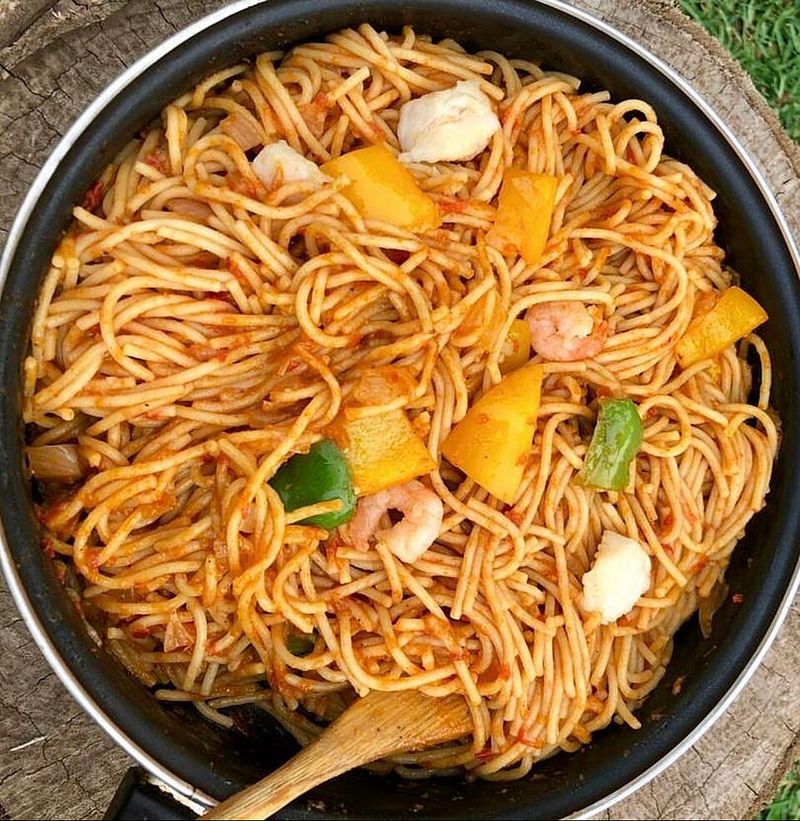
Ask any Italian grandmother and she will tell you – cutting spaghetti with a knife or scissors is simply not done. Long pasta is meant to be twirled onto the fork, ideally using a spoon to help gather the strands.
Cutting it is seen as a sign of impatience and disrespect for the dish.
The shape of pasta is not just for looks. Long strands are designed to coat evenly with sauce, and cutting them disrupts that balance.
Italians take pasta seriously, and the way you eat it is just as important as how it is prepared.
Americans often cut pasta to make it easier to manage, especially for children. But learning to twirl is a skill worth picking up.
Beyond just following the custom, it slows down the eating process and encourages you to appreciate the texture and flavor of the dish more fully.
Share this story