Some countries are known around the world for fiery food, but the full picture is more varied. Everyday menus often lean on herbs, sweet spices, fresh produce, and gentle sauces.
Looking at what people really eat helps separate the famous hot dishes from the mild ones. Here are ten countries where the spicy label only tells part of the story.
1. Italy
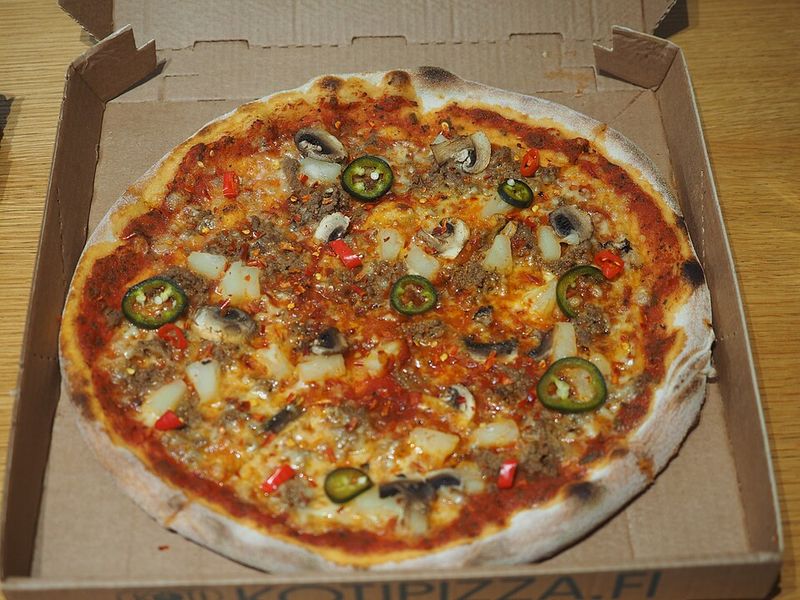
A single jar of Calabrian chili paste can make a whole table gasp. Parts of southern Italy really do love heat, and penne all’arrabbiata, whose name means angry, shows it off with a bold red sauce.
Still, the big picture looks different. Most classic Italian cooking is built around tomatoes, olive oil, garlic, basil, cheese, and careful balance.
Dishes like risotto, carbonara, lasagna, and pizza margherita rely on simple, clean flavors instead of burning heat.
Calabria is the main home of chili in Italian cooking. There, peppers appear in spreads, sausages like nduja, and pasta sauces.
Travelers heading north will find far fewer hot dishes on the menu.
So the next time someone says Italian food is fiery, remember that it is a regional flair. Most meals are comforting and mellow, with chili sitting on the side as an optional extra for those who want it.
2. Spain
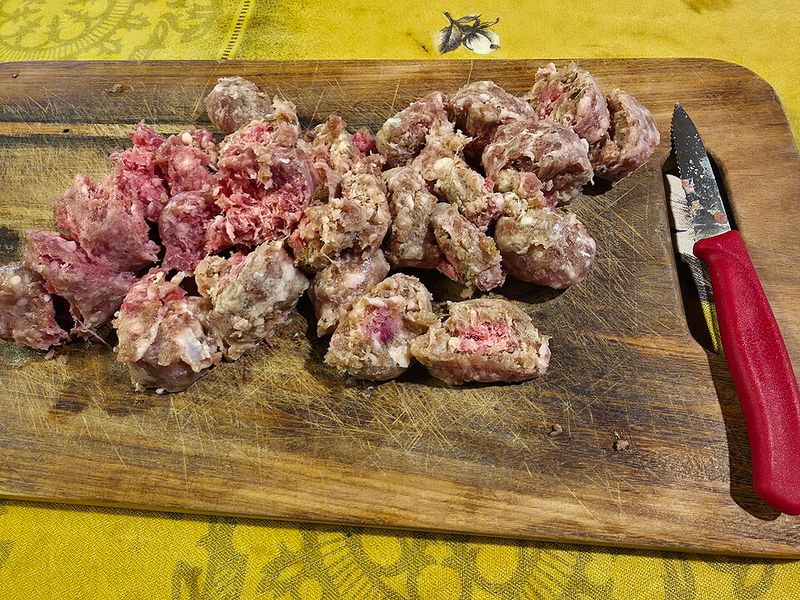
Walk into a tapas bar in Madrid and the red color on the plates might suggest a lot of heat. Paprika and chorizo do paint much of Spanish food in that shade, yet color and spice are not the same thing.
Most Spanish paprika, called pimenton, comes sweet or smoked. It adds depth and a campfire aroma more than a sharp burn.
Even patatas bravas, the famous fried potatoes, often arrive with a sauce that is only gently spicy.
Other national favorites lean mild too. Think of tortilla espanola, gazpacho, paella, jamon, and grilled seafood with olive oil and lemon.
Hot versions of paprika do exist, and some regions enjoy small peppers like guindilla. They are a side note rather than the center of the cuisine.
Spain is about smoky, savory richness more than fire.
3. Hungary
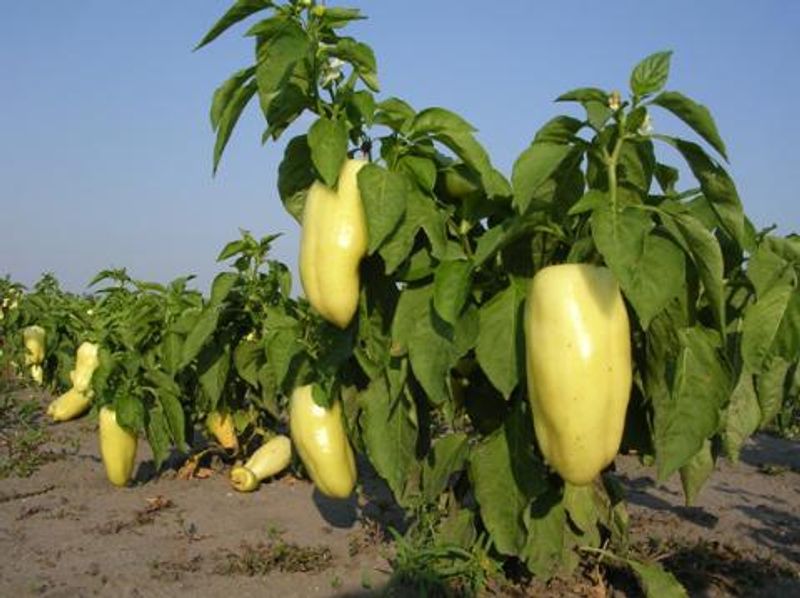
Paprika is practically a national treasure in Hungary, so it is easy to assume every bowl of goulash will make your eyes water. The reality is much gentler for most diners.
Hungarian paprika is sold in many grades, from sweet and mild to hot. Cooks often choose the sweet kind for stews, soups, and chicken paprikash, since it gives rich color and a warm, slightly fruity taste.
Fun fact: the scientist Albert Szent-Gyorgyi won a Nobel Prize in 1937 for work on vitamin C that involved Hungarian paprika peppers.
Hot paprika and pastes like Eros Pista are available on many tables, so guests can add their own kick. That choice is the key.
The cuisine is built around savory depth, onions, and slow cooking, with heat used as an option rather than a rule.
4. South Korea
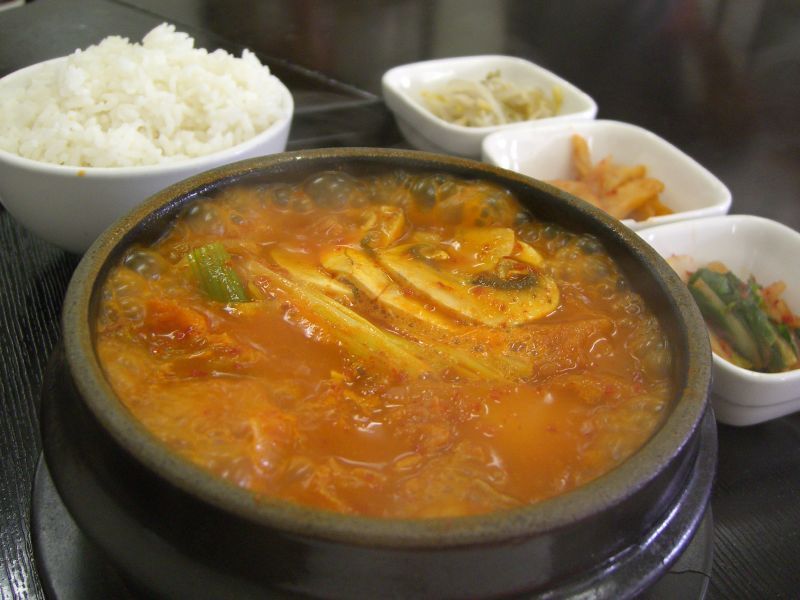
Fire noodles, red rice cakes, and sizzling kimchi stew have made South Korea a social media star for spicy challenges. Those dishes are real and loved, and they do bring plenty of heat.
But a typical Korean meal is wide and varied. Bulgogi is sweet and savory, galbi is grilled and smoky, and japchae noodles are slippery and mild.
Rice, steamed eggs, seaweed, and clear soups like seolleongtang balance out the table.
Many families also eat kimchi in white versions, such as baek kimchi, that skip the red pepper altogether.
Gochugaru, the Korean chili flake, tends to give a fruity warmth that varies by brand. Spice is one thread in a cuisine focused on fermentation and balance.
A visitor can enjoy a full Korean dinner without ever feeling overwhelmed by heat.
5. Japan
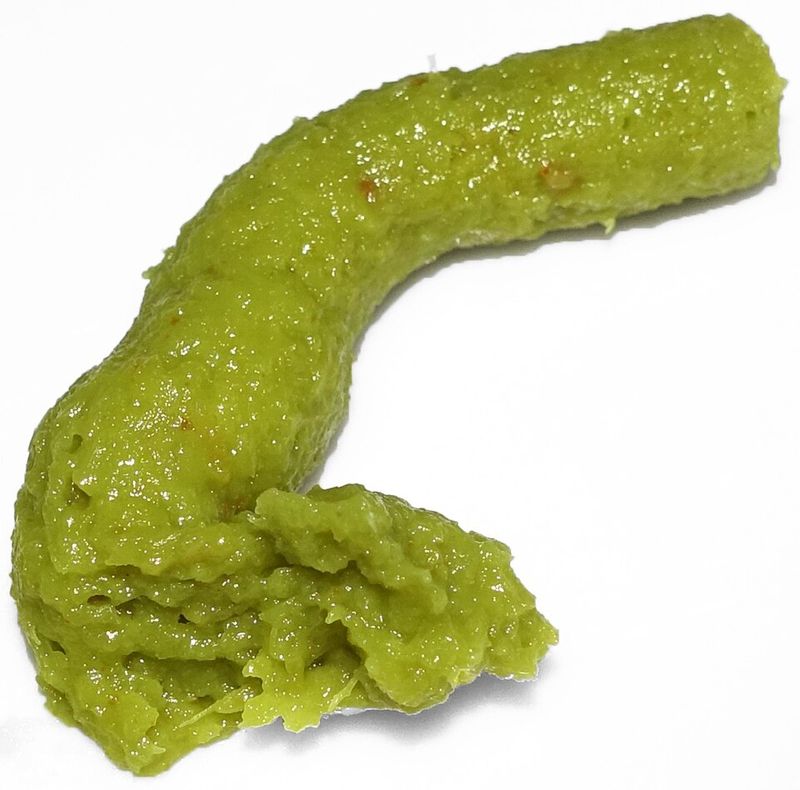
Anyone who has bitten into a blob of fresh wasabi knows the zing that shoots up the nose. It feels powerful, but it fades in seconds.
That is because wasabi works differently from chili. Its sharp compounds are airborne and short-lived, while the capsaicin in chili peppers clings to the tongue and keeps burning.
Karashi mustard works in a similar quick-hit way.
Beyond those condiments, much of Japanese cooking is gentle. Sushi, tempura, udon, miso soup, teriyaki, and rice bowls aim for clean, savory, and slightly sweet flavors.
Spicy ramen and curry with extra heat do exist, and shichimi togarashi adds a pepper sprinkle at the table. Still, they are choices, not the foundation.
Japan is better known for subtle umami than for sustained fire.
6. Turkey
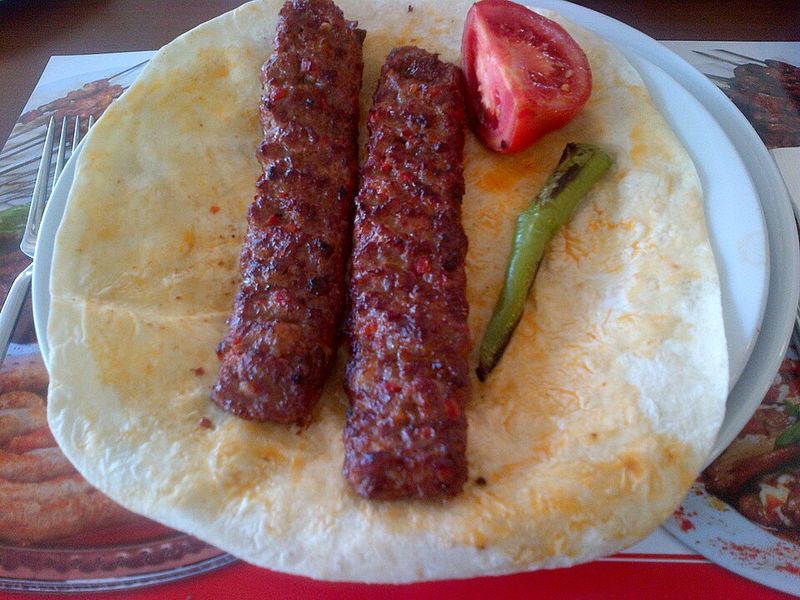
Order an Adana kebab and you will taste why Turkey has a bold reputation. The minced lamb is mixed with red pepper and grilled over charcoal, and it can be quite hot.
That dish comes from the south, though, and it is not the whole menu. Across the country, cooks rely on mint, parsley, cumin, sumac, and smoky grilled flavors.
Cool yogurt, bread, and salads often sit beside the meat to soften any bite.
Breakfast in Turkey is a good example. Olives, cheese, tomatoes, cucumbers, eggs, and honey make a mild and fresh spread.
Pul biber, a pepper flake with a mild, slightly fruity warmth, shows up on many tables, but it adds color and gentle zip more than blazing heat. Turkish cuisine is savory first, with spice used with care.
7. Morocco
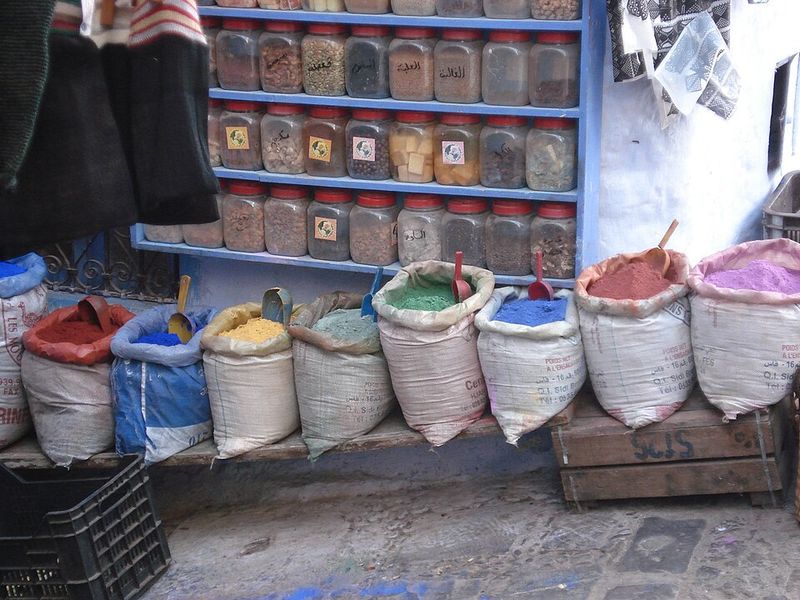
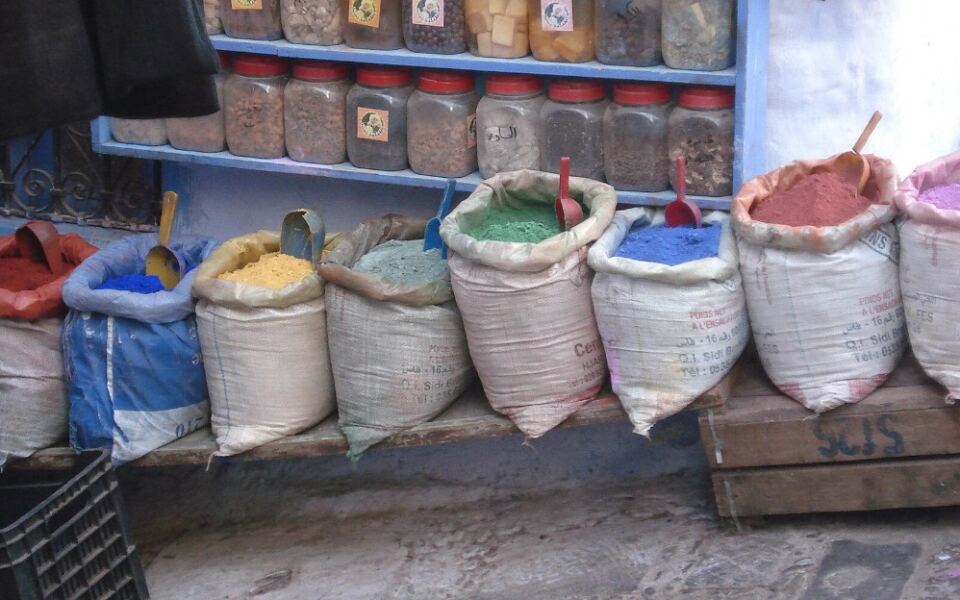
Picture the scent of a Moroccan market: cinnamon, saffron, ginger, and cumin all mingling in the air. That aroma tells you a lot about how local cooks think about spice.
Harissa, a chili paste also tied closely to Tunisia, does bring heat, and some families keep a jar nearby. But in Morocco it is often a side condiment, stirred in by the eater rather than cooked into every pot.
Many tagines lean sweet and fragrant. Lamb with prunes, chicken with preserved lemon and olives, and couscous with vegetables are layered with warm spices instead of burning peppers.
This approach rewards slow tasting. The goal is complexity and harmony, with a gentle glow rather than a sharp sting.
Visitors who expect constant fire may be surprised by how soft and perfumed the food can be.
8. Greece
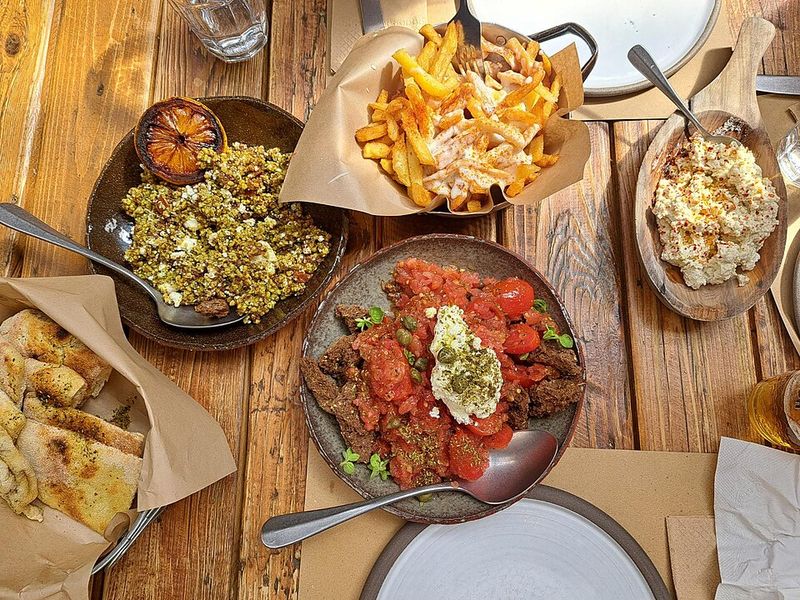
Few people link Greek food with heat, and for the most part they are right. Still, a small bowl of tirokafteri can surprise the unsuspecting diner.
This whipped feta dip is mixed with hot peppers and olive oil, and it has a real kick. Some tavernas also serve pickled peppers or chili flakes beside grilled meats.
Yet the heart of the cuisine lies elsewhere. Olive oil, lemon, oregano, garlic, tomatoes, and fresh fish take center stage.
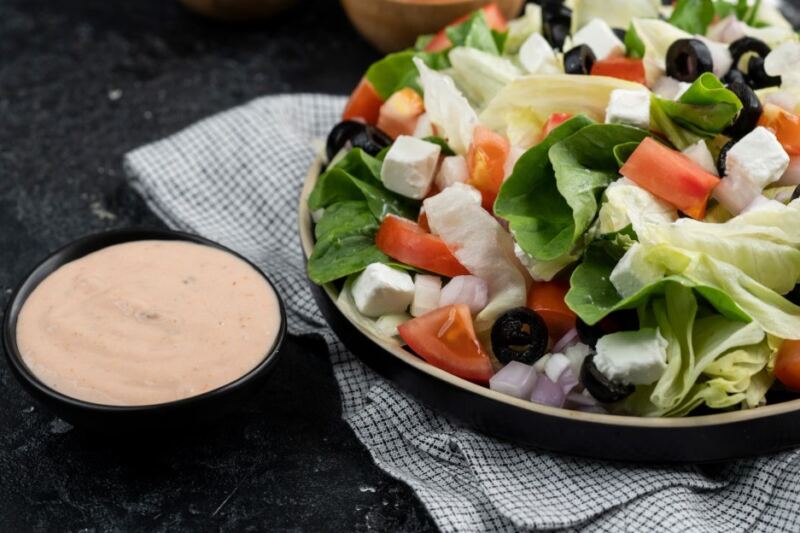
Dishes like moussaka, spanakopita, souvlaki, and Greek salad are savory and comforting rather than fiery.
The Mediterranean climate shapes this style, favoring bright herbs and simple preparation. Spicy touches are local treats that add variety.
A typical Greek feast is more likely to leave you full and relaxed than reaching for water.
9. Jamaica
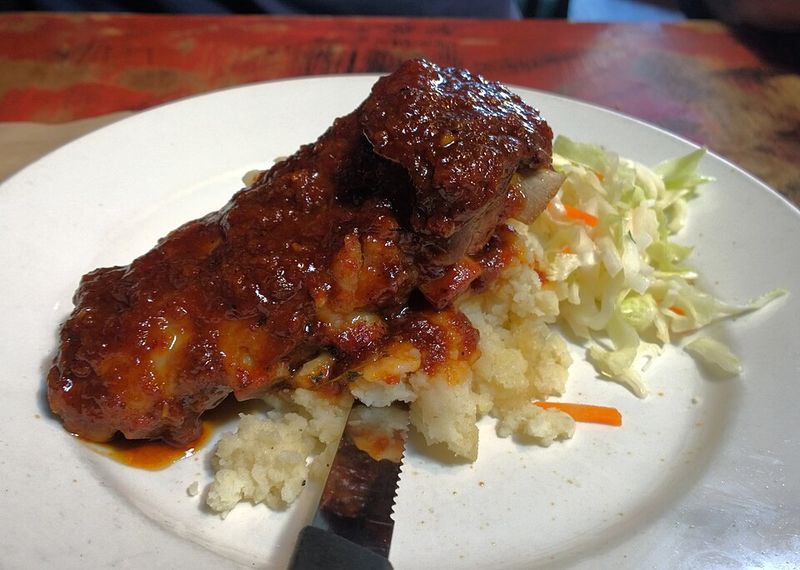
Smoke rises from an oil drum grill on a Jamaican roadside, and the jerk chicken inside is rubbed with Scotch bonnet peppers. Those peppers are truly hot, and the dish earns its fiery fame.
Even so, Jamaican food has a softer side. Rice and peas cooked in coconut milk is creamy and comforting.
Fried plantains are sweet, and dishes like callaloo, steamed fish, and ackee with saltfish are rich without being sharp.
Breakfast tells the story well. Johnny cakes, boiled bananas, and porridge are gentle ways to start the day.
Scotch bonnets also bring fruity flavor, and many cooks use them whole to perfume a stew without bursting them. Heat is present, but cooks control it.
Many Jamaican meals offer warmth and aroma with a mellow finish.
10. United States
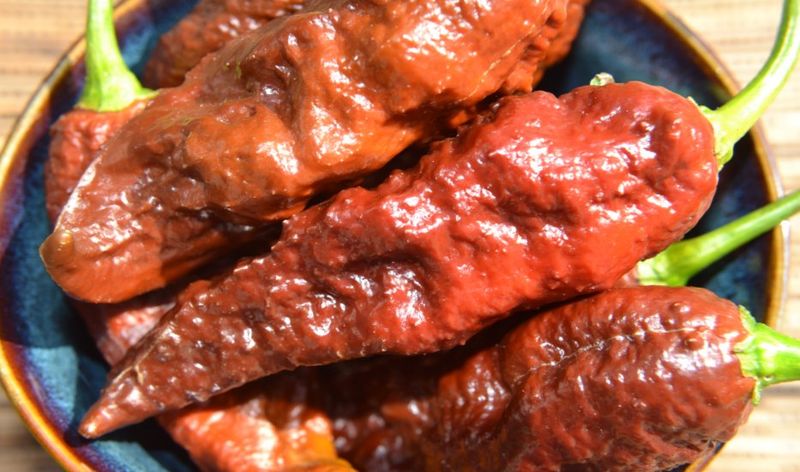
Hot wing contests, ghost pepper challenges, and Nashville hot chicken give the United States a fiery image online. Those foods are popular, and some are truly intense.
They are also specialties. Buffalo wings began in New York, and Nashville hot chicken is tied to Tennessee.
Extreme chili contests are events people sign up for on purpose, much like a pie eating race.
Everyday American meals tell a gentler tale. Burgers, mac and cheese, pancakes, meatloaf, sandwiches, pizza, and roast turkey rarely bring much heat.
Even classic barbecue often leans smoky and sweet.
Of course, regional spice does thrive in places like Louisiana, Texas, and New Mexico. Hot sauce sits on many tables as a choice.
Across the country, though, the typical plate is far milder than the headlines suggest.
Share this story