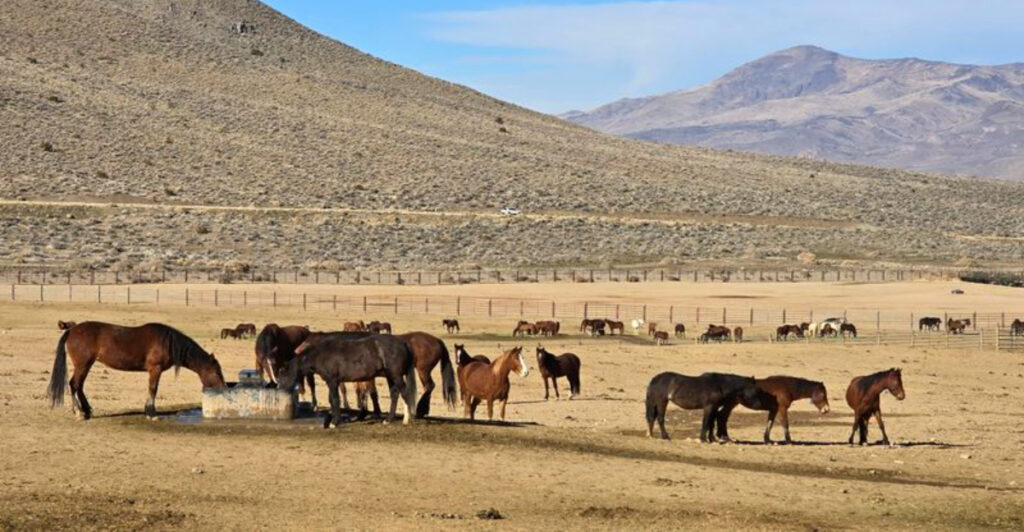
Somewhere north of Reno, Nevada, thousands of wild mustangs stand in wide open pens, their manes catching the desert wind as they wait for a second chapter. These are not ranch horses or show horses.
They are wild animals gathered from America’s public lands, and this facility is the place where their lives change direction. What happens here is part federal program, part conservation effort, and entirely worth knowing about.
What the Palomino Valley Center Actually Is
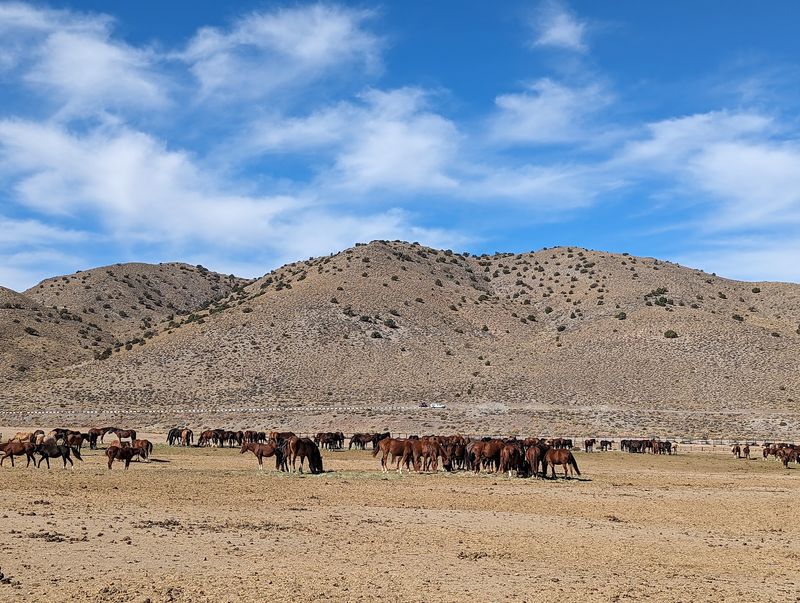
Most people driving north of Reno on Pyramid Highway have no idea they are passing one of the largest wild horse holding facilities in the entire country. The National Wild Horse and Burro Center at Palomino Valley sits at 15780 Pyramid Highway on Ironwood Road, Reno, NV 89510, and it operates under the Bureau of Land Management.
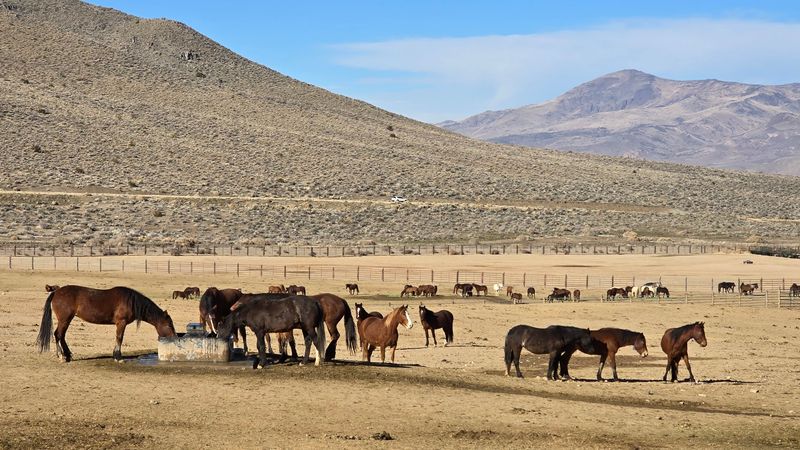
The center serves as a short-term holding facility where wild horses and burros gathered from public lands across the West are brought before being offered for adoption or sale. The property is massive, with large open pens spread across the high desert terrain.
This is not a zoo or a sanctuary in the traditional sense. It is a working federal facility with a very specific mission: to connect wild horses with people who can give them a home.
The scale of the operation is something most first-time visitors do not expect.
The Law That Started It All
Back in 1971, Congress passed the Wild Free-Roaming Horses and Burros Act, which made it illegal to capture, harass, or harm wild horses and burros on federal public lands. That single piece of legislation set the foundation for everything that happens at Palomino Valley today.
The Bureau of Land Management was given the responsibility of managing these animals across millions of acres of western rangeland. When populations grow beyond what the land can sustainably support, the BLM gathers excess animals and brings them to holding facilities like this one.
It is a program with strong supporters and vocal critics, and understanding that history makes a visit here feel much more layered than a simple trip to see horses. The center exists because of a legal promise made more than fifty years ago to protect these animals as living symbols of the American West.
How Wild Horses End Up Here
The journey to Palomino Valley begins far out on the open range, where wild horse herds roam across designated Herd Management Areas in Nevada and other western states. When population counts exceed the land’s carrying capacity, the BLM organizes gather operations to remove excess animals.
Helicopter gathers are the most common method used, where low-flying aircraft guide horses toward temporary corrals. Bait trapping is another technique used in certain situations.
Either way, the experience is a dramatic transition for animals that have never been handled by humans.
Once gathered, the horses are transported to Palomino Valley, where they receive veterinary care, are sorted by age and sex, and begin the process of preparation for adoption. Watching a herd that arrived recently, you can see the alertness in their eyes, the way they move together, still operating as a unit even in a pen.
The Sheer Scale of What You See
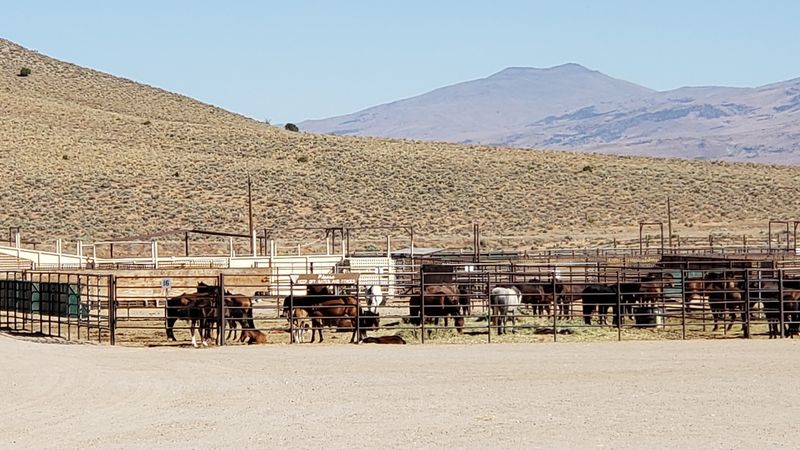
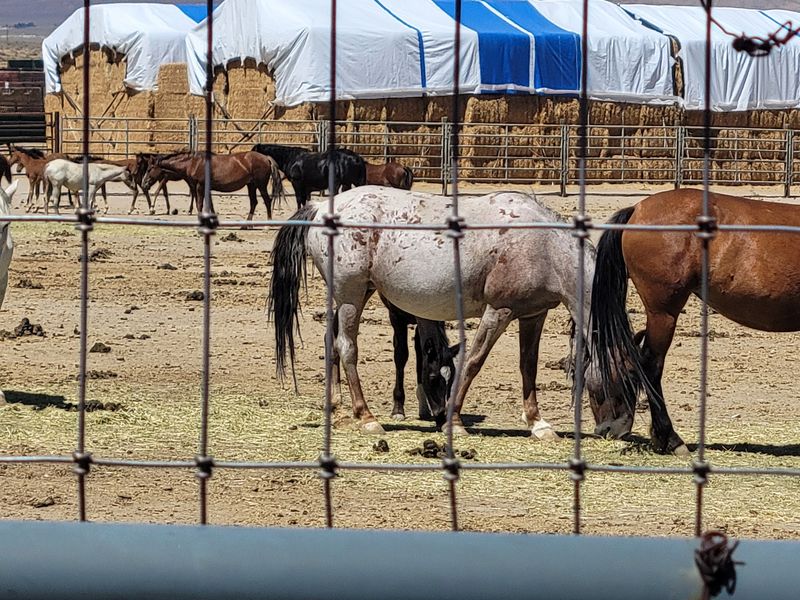
Nothing quite prepares you for the view when you first pull up to the fence line at Palomino Valley. The pens stretch far into the distance, and the horses inside them number in the hundreds depending on the time of year and recent gather activity.
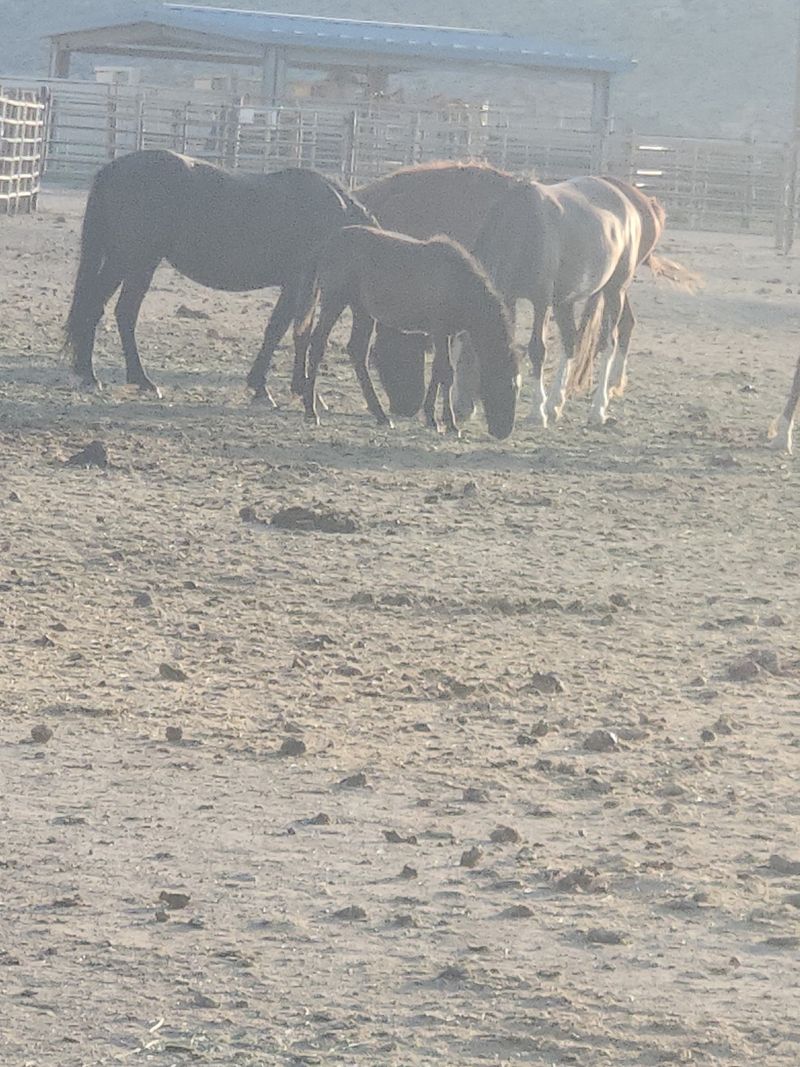
Foals stay close to their mothers in the family pens. Younger horses run and test the fence lines with restless energy.
Older stallions stand apart, watching everything with calm authority. The variety of colors alone is stunning: bays, grays, sorrels, roans, and paints all mixed together.
Visitors have described watching a large group suddenly break into a run across the pen as one of the most memorable things they have ever seen. There is something genuinely moving about that much wild energy contained in one place, and it puts the whole program into sharp, immediate perspective.
What Visiting the Center Is Actually Like
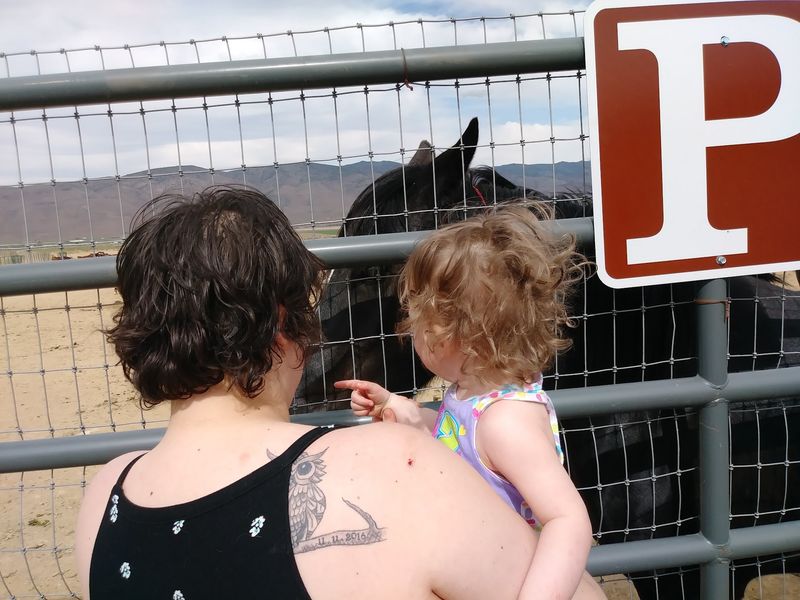
The center is open Monday through Friday from 8 AM to 4 PM, and it is closed on weekends. That detail catches a lot of visitors off guard, so planning ahead matters.
Arriving during open hours means you can go inside, speak with staff, and get a much richer understanding of the program.
The entry area has informational displays, including materials that are particularly engaging for kids. Families who have visited talk about how well the educational signage holds children’s attention and sparks real questions about wild horses and public land management.
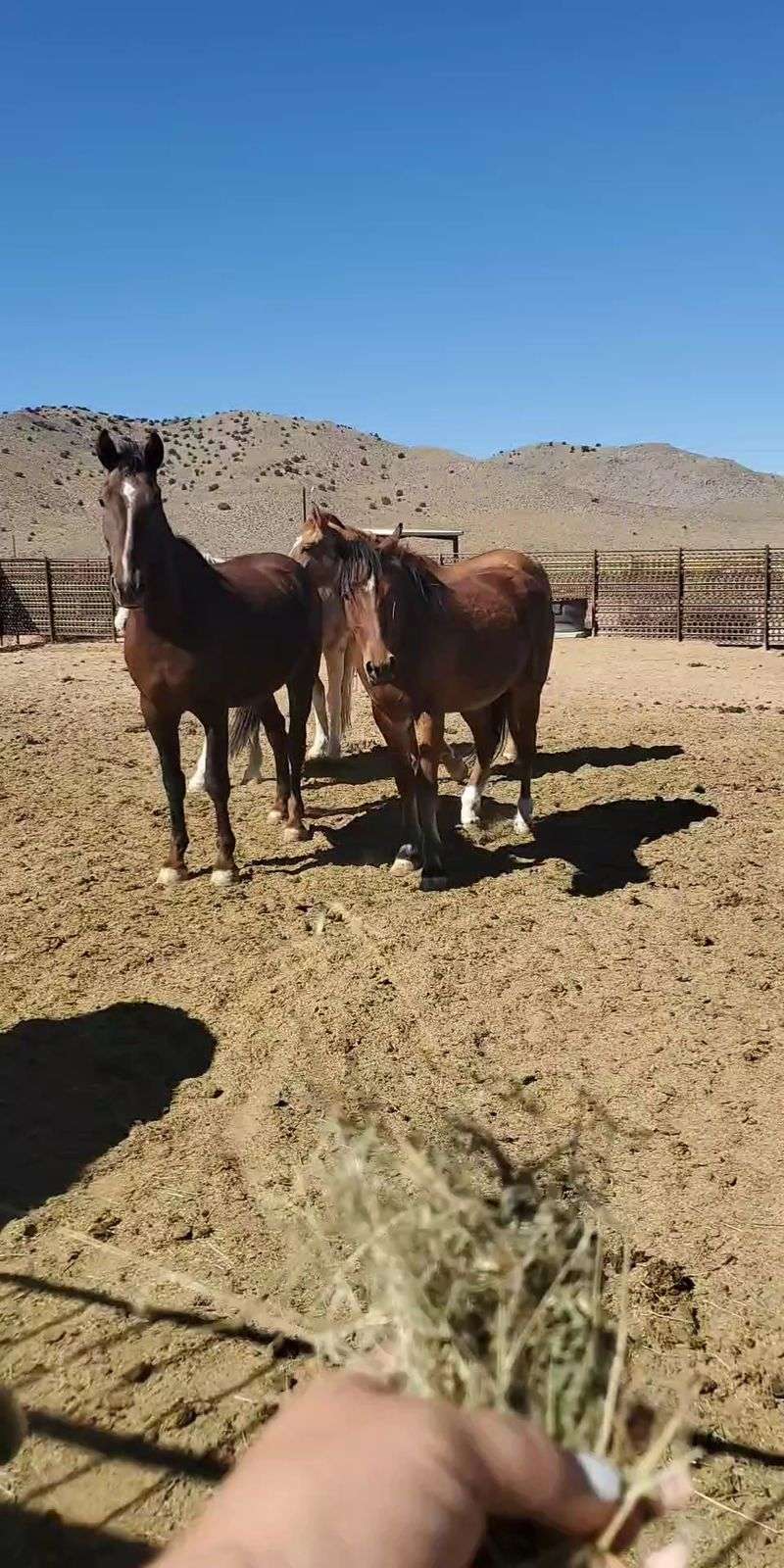
Even if you arrive and the facility is not offering full tours, walking the fence lines still gives you a remarkable close-up view of the horses. Some animals approach the fence out of curiosity, and a few visitors have had the memorable experience of a horse coming close enough to touch through the fence rails.
The Adoption Program That Changes Lives
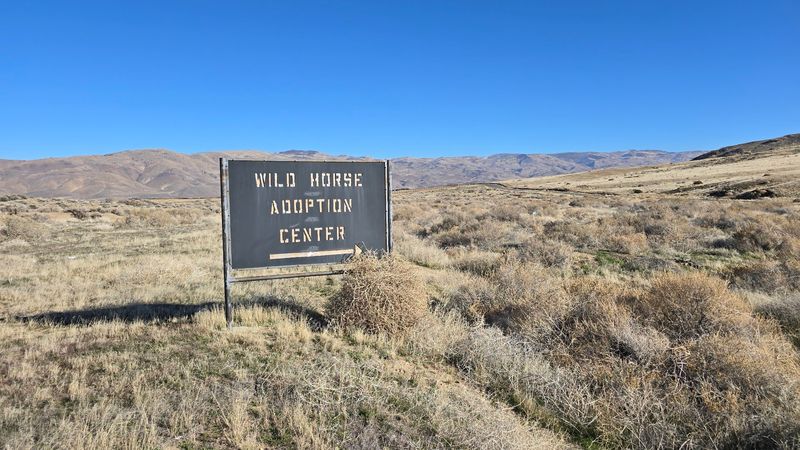
The whole point of Palomino Valley is adoption, and the numbers involved in that process are genuinely surprising. Wild horses and burros processed through the center become available through the BLM’s adoption and sale programs, giving members of the public the chance to take home an animal with a truly wild history.
Adopters must meet specific requirements, including demonstrating that they have adequate, properly zoned property and the knowledge and facilities to care for a horse. The process is not casual, which is by design.
The BLM wants these animals going to homes where they will thrive.
One past visitor mentioned that adoption fees for a wild horse were around $125 at the time of their visit, which is remarkably low given what is involved. Adopted horses come with a genuine story behind them, one that starts on open Nevada rangeland and continues with whoever is patient enough to earn their trust.
The Debate Surrounding Wild Horse Management
Any honest conversation about Palomino Valley has to acknowledge that the program it represents is genuinely controversial. Wild horse management in the American West sits at the intersection of ranching interests, environmental science, animal welfare advocacy, and federal policy, and reasonable people land in very different places on the issue.
Critics of the gather program argue that removing horses from public lands disrupts natural herd behavior and that the holding system is not a long-term solution. Supporters of management point to data suggesting that unchecked population growth leads to overgrazing and harm to both the horses and the broader ecosystem.
Walking through Palomino Valley with that debate in mind makes the experience more thoughtful. The horses in the pens are real animals caught in a complicated situation, and sitting with that complexity rather than looking away from it is probably the most honest way to engage with what this place represents.
Foals and Young Horses at the Center
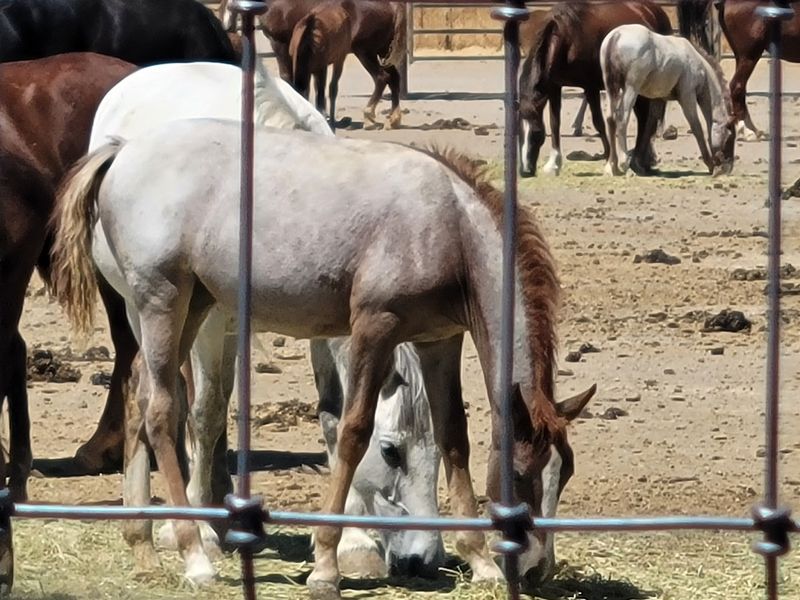
One of the most talked-about sights at Palomino Valley is the young horses. Foals born at the facility or brought in with their mothers during gathers are a regular presence, and watching them interact with the older horses gives visitors a real sense of herd dynamics in action.
Young horses at the center are often more visibly curious than the adults. They approach the fence, sniff the air in your direction, and sometimes startle at sudden movements before circling back to investigate again.
That mix of boldness and caution is genuinely charming to watch.
Visitors who have seen the babies run in a group describe it as one of those sights that stays with you long after you leave. There is something about the energy of a young wild horse that feels almost electric, a reminder that these animals carry something genuinely untamed even in a pen.
Tips for Getting the Most Out of Your Visit
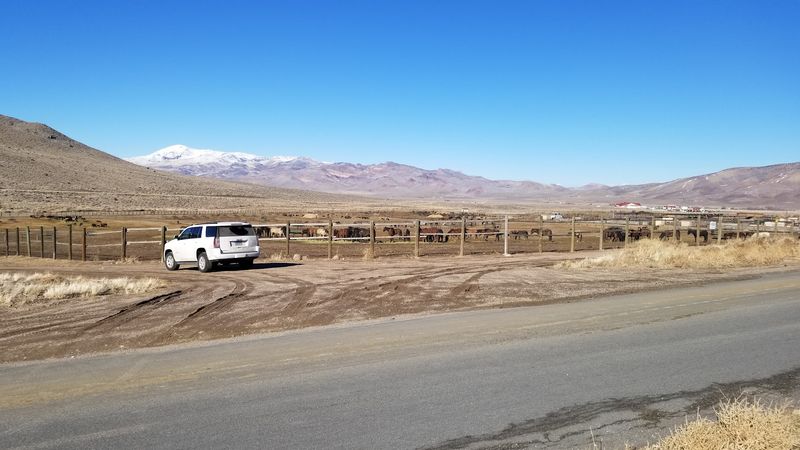
A few practical things will make your visit to Palomino Valley significantly better. Arriving on a weekday between 8 AM and 4 PM is the only way to access the facility fully, so avoid planning a Saturday or Sunday trip unless you are happy viewing horses from outside the fence line.
Bringing binoculars is a smart move, especially if the horses are gathered toward the far end of a pen. The pens are large, and some of the most interesting behavior happens at a distance.
Comfortable walking shoes are also worth the thought since you will be covering ground on uneven terrain.
Feeding the horses anything from outside the fence is generally discouraged, though some past visitors have mentioned informal moments of sharing carrots or apples. Check with staff on arrival about current policies.
The drive out on Pyramid Highway is scenic in its own right, cutting through classic Nevada high desert.
Why the Setting Adds to the Experience
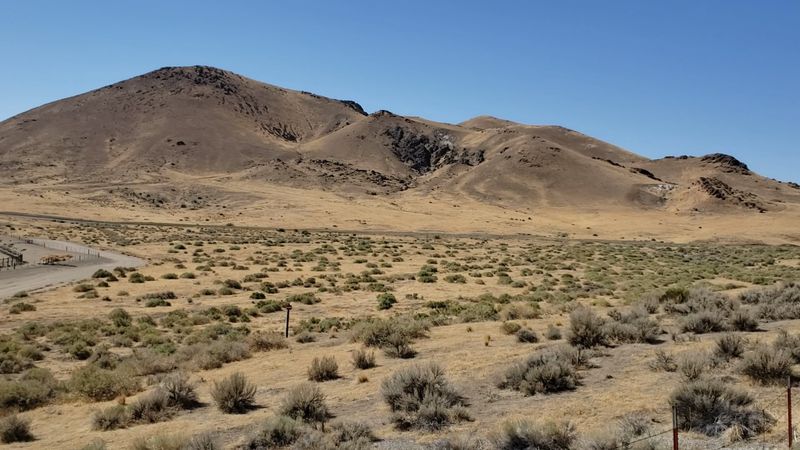
The drive to Palomino Valley is part of the experience whether you realize it at the time or not. Pyramid Highway stretches north from Reno through open sagebrush country, with mountain ridges rising in the distance and very little development in sight.
By the time you reach the facility, you already have a sense of the landscape these horses came from.
That context matters. Seeing wild horses against a backdrop of high desert terrain, even from within a pen, connects the animals to their environment in a way that a zoo setting never could.
The wide Nevada sky overhead and the dry, sage-scented air complete the picture.
The Pyramid Lake Paiute Tribe’s ancestral territory surrounds much of this region, and Pyramid Lake itself is only a short drive further north, making the broader area rich with natural and cultural history worth exploring if you have extra time after your visit.
What Stays With You After You Leave
Most people who visit Palomino Valley leave thinking about it longer than they expected to. It is not a flashy attraction.
There is no gift shop with branded merchandise, no dramatic presentation, no guided safari vehicle rolling through the pens. What there is feels more honest than any of that.
You stand at a fence and watch animals that were running free on public land not long ago. Some ignore you completely.
Some walk over and study you with the same focused attention you are giving them. That mutual curiosity is hard to put into words but easy to remember.
The center represents a genuine crossroads in the lives of these animals, and being present for even a small part of that feels meaningful. Whether you leave as a supporter of the program, a critic, or somewhere in between, you will leave with a much more personal relationship to the question of what it means to be wild.
Share this story