The 1970s were unlike any other decade in pop culture history. Music, film, fashion, and sports all collided in the most spectacular ways, producing personalities so bold and larger-than-life that we still talk about them today.
From disco floors to boxing rings, from Hollywood sets to rock concert stages, a remarkable group of individuals shaped what it meant to be a star. This list celebrates the 20 personalities who truly owned that unforgettable era and left a mark that time has never managed to erase.
Farrah Fawcett
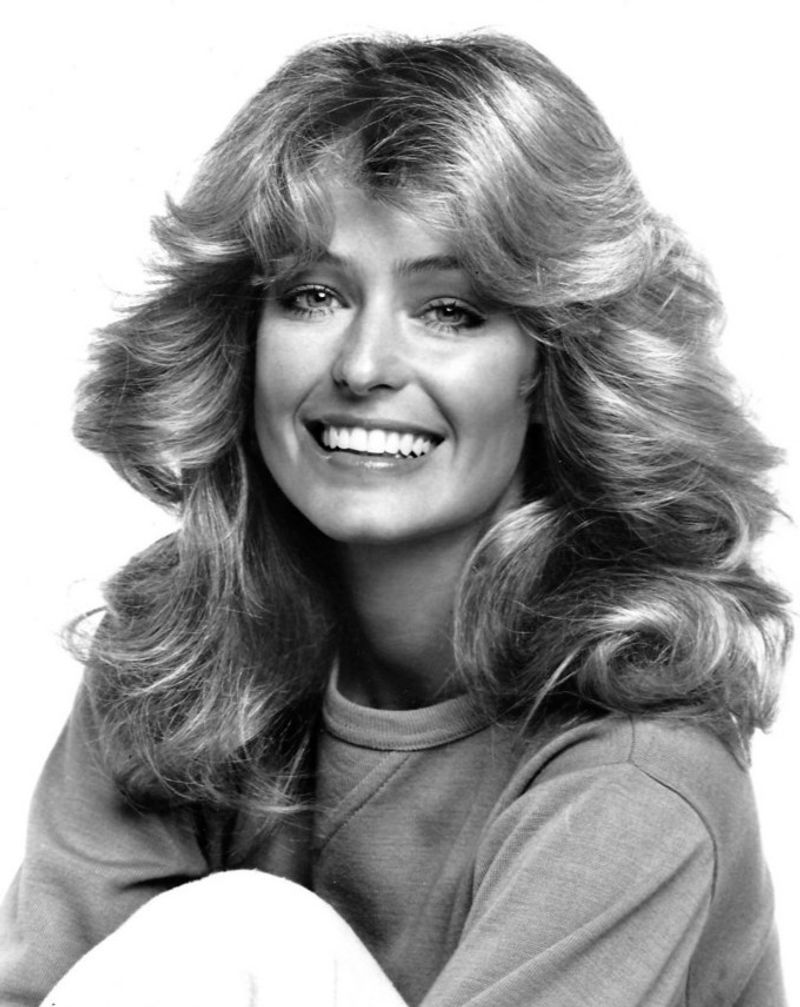
Few images from the 1970s are as instantly recognizable as Farrah Fawcett’s red swimsuit poster, which sold over 12 million copies and became a cultural landmark almost overnight. She joined the cast of Charlie’s Angels in 1976, and her portrayal of Jill Munroe turned the show into a national obsession within weeks of its premiere.
Her feathered hairstyle was copied by women across the country, and hairdressers reportedly stayed booked solid just to recreate that signature look. Beyond her glamorous image, Fawcett was a genuinely skilled actress who later earned Emmy and Golden Globe nominations for her dramatic work.
She proved she was far more than a pretty face with her intense performance in the 1984 television film The Burning Bed. In the ’70s, though, she was simply the face that launched a thousand posters and a fashion trend that defined the decade.
David Bowie
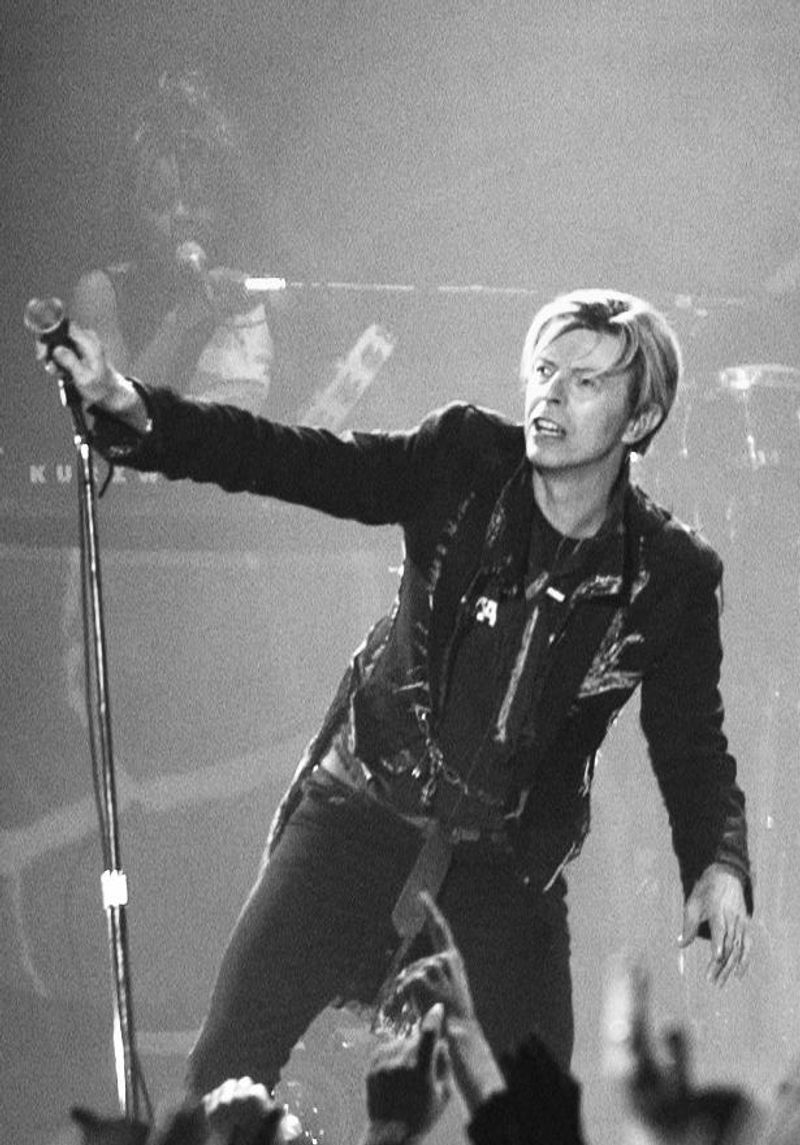
David Bowie did not just make music in the 1970s. He reinvented what a pop star could be, cycling through personas like Ziggy Stardust, Aladdin Sane, and the Thin White Duke with a theatrical confidence that left audiences genuinely unsure where the character ended and the man began.
His 1972 album The Rise and Fall of Ziggy Stardust and the Spiders from Mars is still considered one of the most important rock records ever made. Bowie blended glam rock, soul, and avant-garde art in ways that no one else dared to attempt at the time.
He also had a sharp eye for fashion, collaborating with designers to create stage looks that influenced everything from runway collections to music videos for decades. By the time the ’70s closed, Bowie had released a string of critically celebrated albums and established himself as one of the most creative forces in modern entertainment history.
Diana Ross
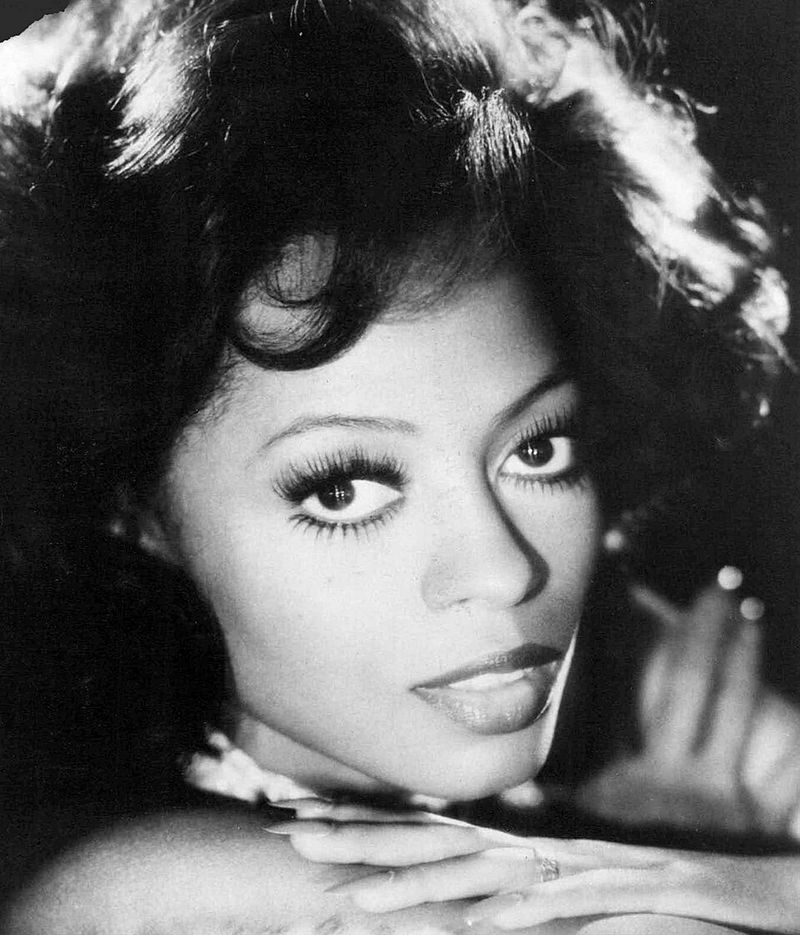
Coming off her legendary run with The Supremes, Diana Ross entered the 1970s as a solo artist with something serious to prove, and she delivered in a way that silenced every skeptic. Her 1970 debut solo album announced a new chapter, and the hits that followed made her one of the best-selling artists of the entire decade.
She earned an Academy Award nomination for her role as Billie Holiday in the 1972 film Lady Sings the Blues, a performance so raw and committed that it changed how Hollywood viewed Black actresses. Ross was not simply a singer crossing over into film.
She was a full creative force reshaping both industries at once.
Her concert performances were elaborate, emotional events that drew massive crowds worldwide. Ross set a standard for what a live show could look and feel like, long before stadium spectacles became the industry norm.
Her influence on artists who followed her is genuinely hard to overstate.
John Travolta
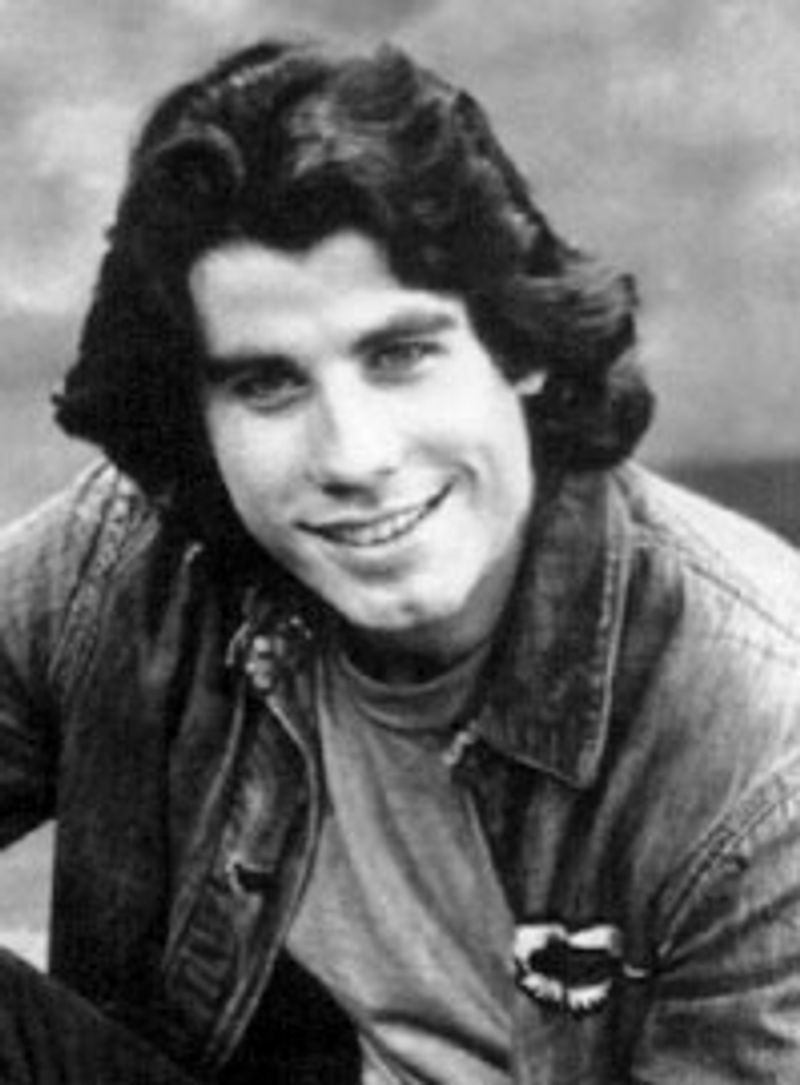
When Saturday Night Fever hit theaters in December 1977, John Travolta became a phenomenon almost instantly. His portrayal of Tony Manero, a Brooklyn kid who lived for the disco floor, connected with audiences on a deeply emotional level while also making him the most recognizable face of the disco era.
The film’s soundtrack, powered by the Bee Gees, became one of the best-selling albums in history, and Travolta’s dancing set a new standard for what actors were expected to bring physically to a role. He earned an Academy Award nomination for the performance, a remarkable achievement for a film that many critics initially dismissed as lightweight entertainment.
He followed that success with Grease in 1978, cementing his status as the defining male star of late-decade pop culture. Two massive film hits in back-to-back years was a rare accomplishment, and Travolta carried both with a charisma that felt completely effortless on screen.
Cher
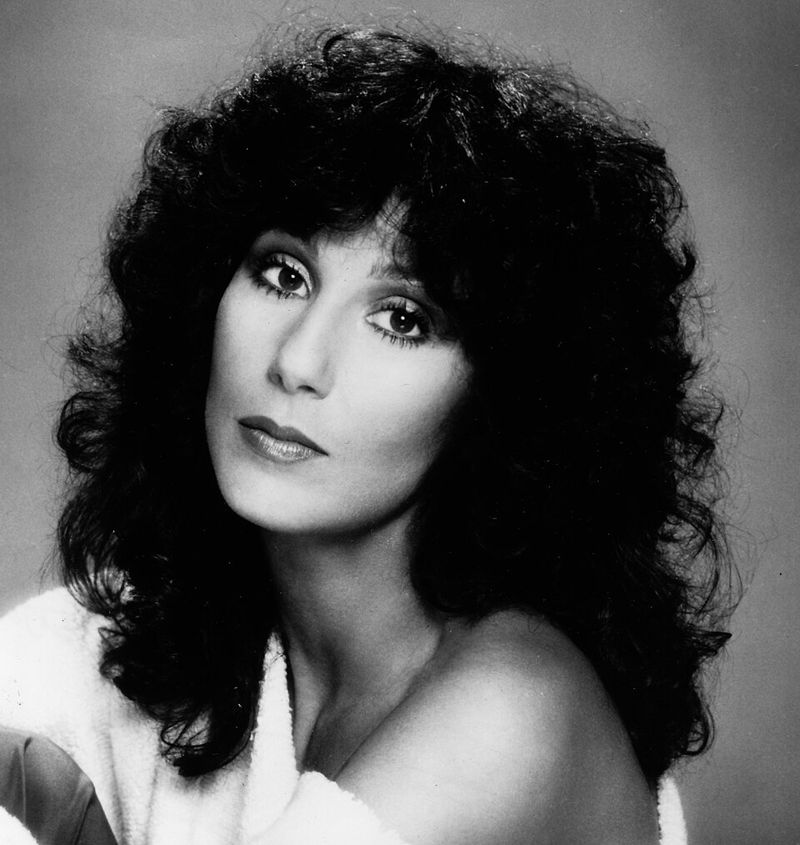
Cher spent the 1970s doing things on her own terms, which made her one of the most fascinating figures in entertainment. After the massive success of The Sonny and Cher Comedy Hour, she launched a solo television variety show in 1975 that showcased her sharp wit, powerful voice, and a seemingly endless wardrobe of outrageous Bob Mackie creations.
Her fashion choices were genuinely shocking for the time, featuring bare midriffs, feathered headdresses, and beaded gowns that pushed every boundary network television had ever set. Audiences tuned in each week partly to see what she would wear next.
But Cher was never just a spectacle. Her vocal performances were consistently strong, and her comedic timing rivaled professional stand-up comics.
She also maintained a steady stream of hit singles throughout the decade, proving she could hold her own on radio without the support of a television platform. Cher was a category of one, and the ’70s were her proving ground.
Elton John
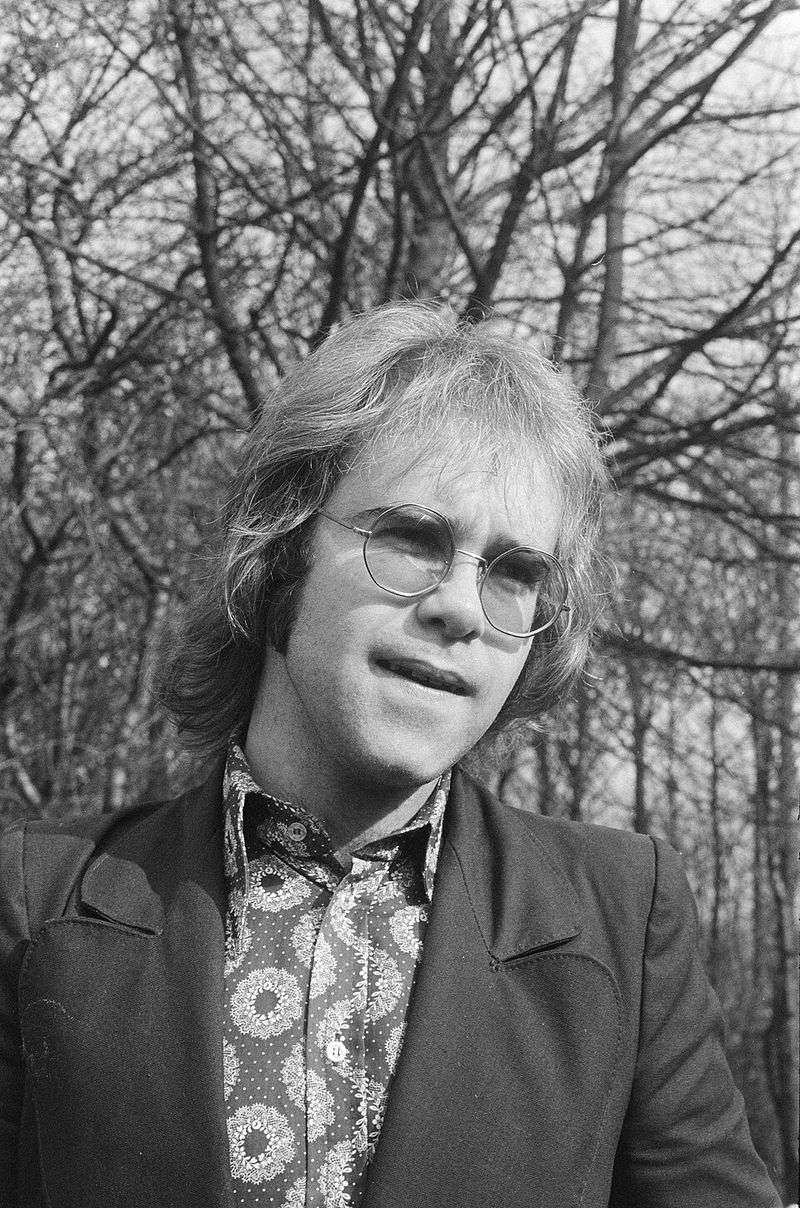
Elton John released an almost unbelievable run of successful albums in the early 1970s, including Honky Chateau, Don’t Shoot Me I’m Only the Piano Player, Goodbye Yellow Brick Road, and Captain Fantastic and the Brown Dirt Cowboy, all within just a few years of each other. That kind of creative output at that level of quality simply had no precedent in rock music.
His partnership with lyricist Bernie Taupin produced songs that were melodically brilliant and emotionally complex, covering everything from childhood nostalgia to rock stardom to personal longing. Meanwhile, his stage costumes grew increasingly theatrical, turning concerts into visual experiences that matched the music in ambition and scale.
By the mid-1970s, Elton John was reportedly the best-selling recording artist in the world. His glasses alone became a fashion statement that designers and fans imitated for years.
Few artists in any era have managed to be simultaneously this commercially dominant and this artistically adventurous at the very same time.
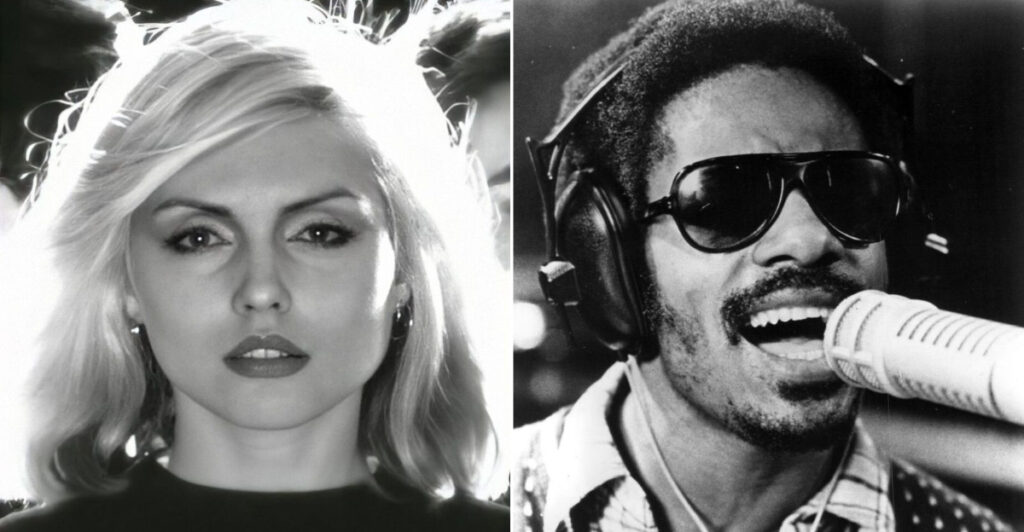
Stevie Wonder
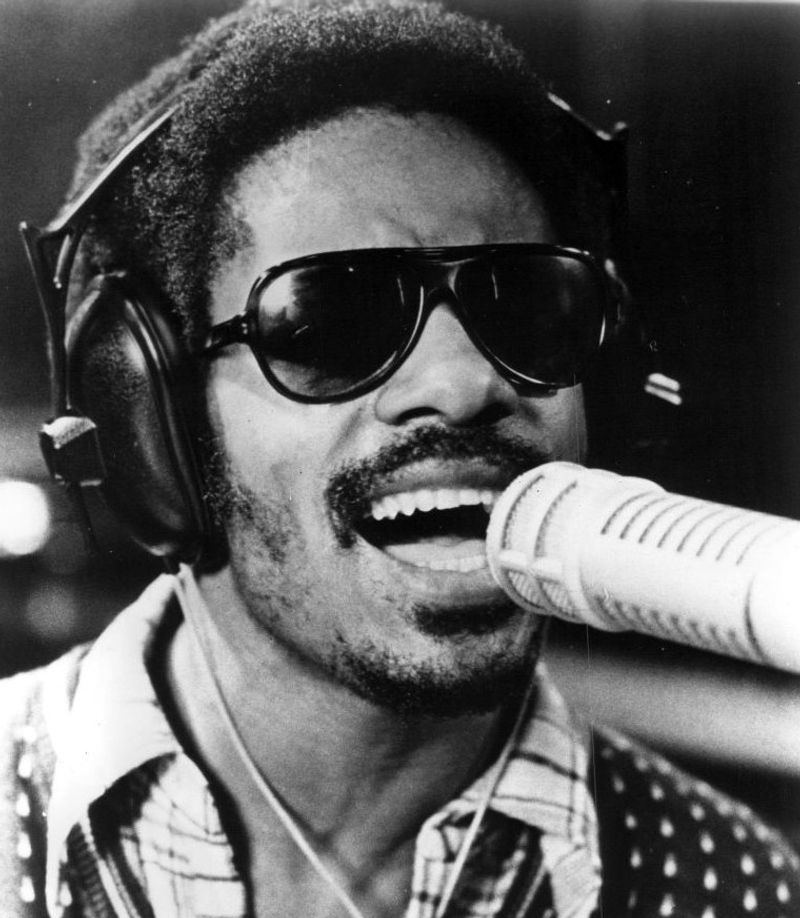
Stevie Wonder’s run from 1972 to 1976 is one of the most celebrated creative periods in the history of popular music. He released Music of My Mind, Talking Book, Innervisions, Fulfillingness’ First Finale, and Songs in the Key of Life in rapid succession, winning four Grammy Awards for Album of the Year across that stretch alone.
Each record was musically distinct and conceptually ambitious, covering themes of social justice, spiritual searching, romantic love, and political awareness. Wonder played most of the instruments himself, using synthesizers and traditional arrangements in combinations that felt genuinely ahead of their time.
His technical skill matched his emotional range at every turn.
Songs in the Key of Life, released in 1976, is still regularly cited by musicians and critics as one of the greatest albums ever recorded. Stevie Wonder was not simply popular in the 1970s.
He was operating at a level of artistry that made his contemporaries openly acknowledge they were watching something extraordinary unfold.
Debbie Harry

Debbie Harry walked into the late 1970s music scene and immediately rewrote the rules about what a female rock star could look and sound like. As the frontwoman of Blondie, she blended punk attitude with pop accessibility in a way that made the band genuinely hard to categorize, which turned out to be exactly their greatest strength.
Her platinum blonde hair and cool, detached stage presence made her one of the most photographed women of the era. But the image never overshadowed the music.
Blondie’s 1978 album Parallel Lines produced several major hits and positioned the band at the center of the emerging new wave movement sweeping New York City.
Harry also had a natural ease in front of cameras that translated well to film and television appearances, expanding her reach well beyond the concert circuit. She brought a downtown New York edge to mainstream pop that had never quite existed before her arrival, and the genre has felt her influence ever since.
Muhammad Ali
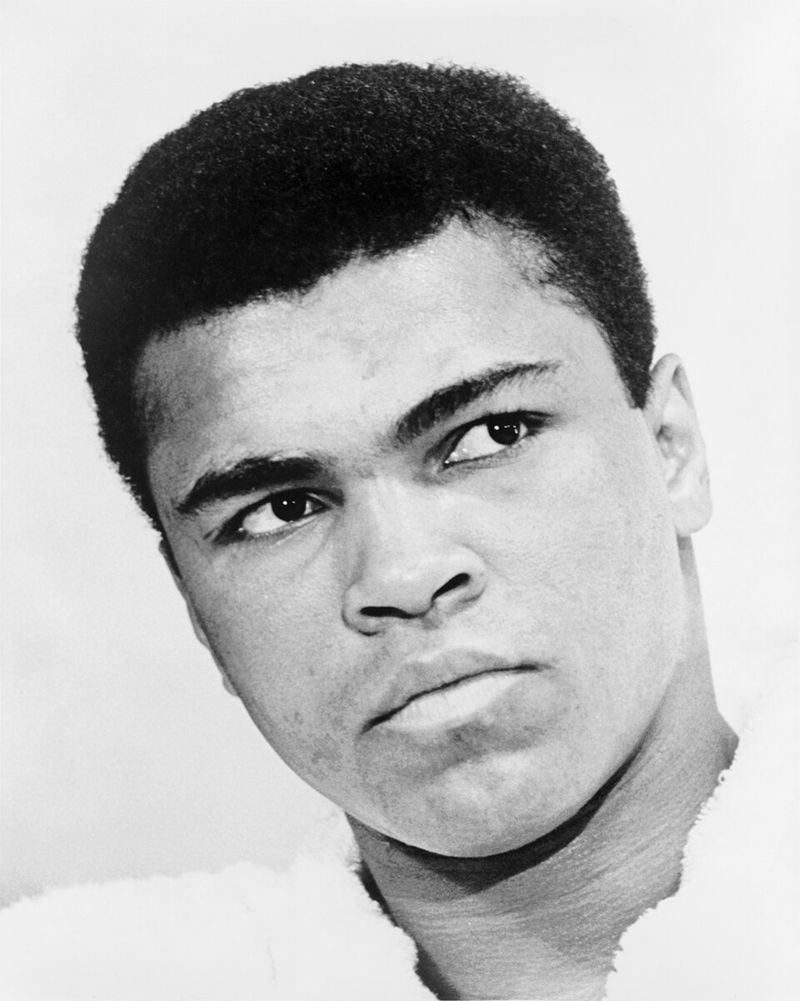
Muhammad Ali in the 1970s was not just a boxer. He was the most recognizable athlete on the planet and one of the most compelling public figures of any era.
The decade opened with his return from a three-year suspension and quickly built toward two of the most famous sporting events ever staged.
The Thrilla in Manila and the Rumble in the Jungle, both held in 1975 and 1974 respectively, were global events that transcended sports entirely. The Rumble in the Jungle, documented in the film When We Were Kings, showed Ali defeating George Foreman using his famous rope-a-dope strategy in a performance that stunned the boxing world.
Ali’s gift for poetry, self-promotion, and social commentary made him compelling far beyond the ring. He gave interviews that were as entertaining as they were quotable, and his willingness to speak plainly about race, religion, and politics made him a genuinely polarizing and important cultural voice throughout the entire decade.
Jane Fonda
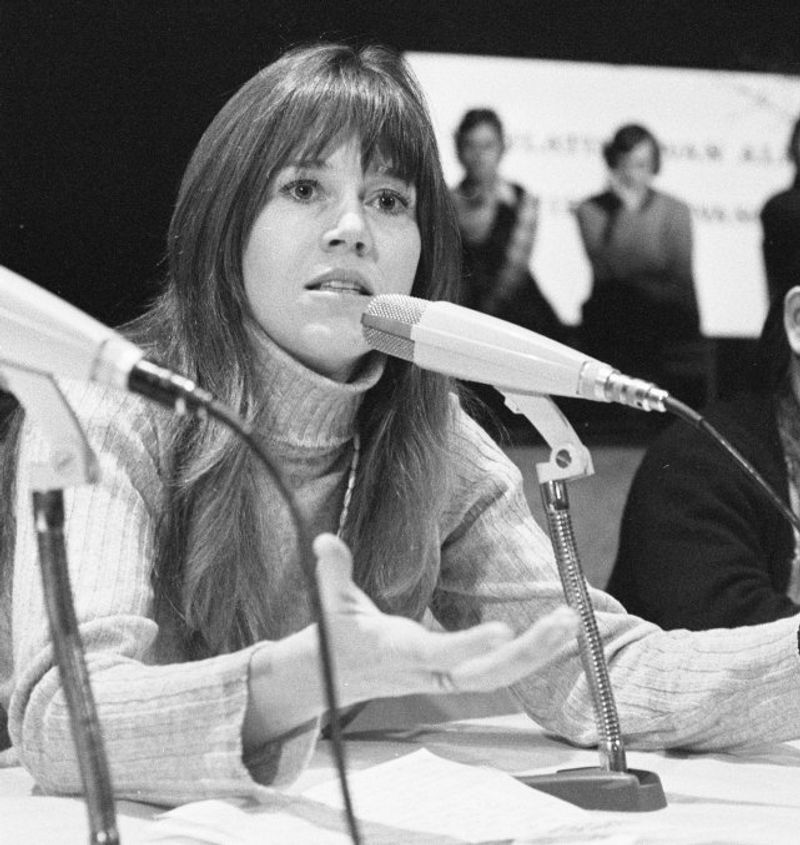
Jane Fonda arrived in the 1970s already famous, but she spent the decade deliberately reshaping her public identity in ways that were both bold and controversial. Her 1971 film Klute earned her the first of two Academy Awards for Best Actress, establishing her as one of the most serious dramatic performers working in Hollywood at the time.
She followed that with Coming Home in 1978, winning her second Oscar and cementing her place among the elite of her generation. Fonda was also deeply engaged in political activism throughout the decade, which made her a genuinely divisive figure whose cultural footprint extended well beyond film screens.
She was never content to simply be a movie star. Fonda used her platform aggressively and without apology, which kept her name in public conversation constantly.
By the end of the ’70s, she was already laying the groundwork for her fitness empire, which would define her image in the decade that followed.
Mick Jagger
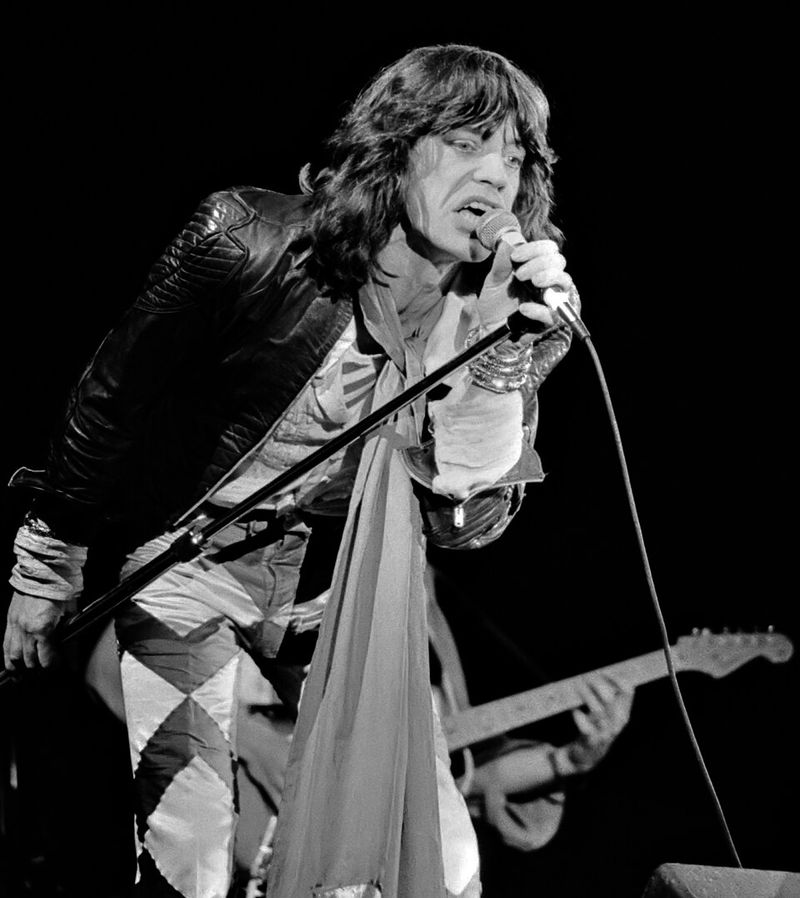
Mick Jagger and the Rolling Stones spent the 1970s confirming what many already suspected: they were the greatest rock and roll live act on earth. Albums like Sticky Fingers, Exile on Main St., and Some Girls kept the band at the commercial and critical peak of rock music throughout the decade.
Jagger’s stage presence was unlike anything else in rock. He moved with a loose, almost confrontational physicality that made every concert feel unpredictable.
His lips, his strut, and his sneering delivery became shorthand for rock and roll itself, referenced and imitated by musicians for generations after.
The Stones’ 1975 Tour of the Americas, featuring a giant inflatable lotus flower and elaborate stage production, helped define what a major rock tour could look like. Jagger was also a constant presence in fashion and social circles, photographed everywhere from Studio 54 to European film festivals.
In the ’70s, he was simply the rock star against whom all others were measured.
Liza Minnelli
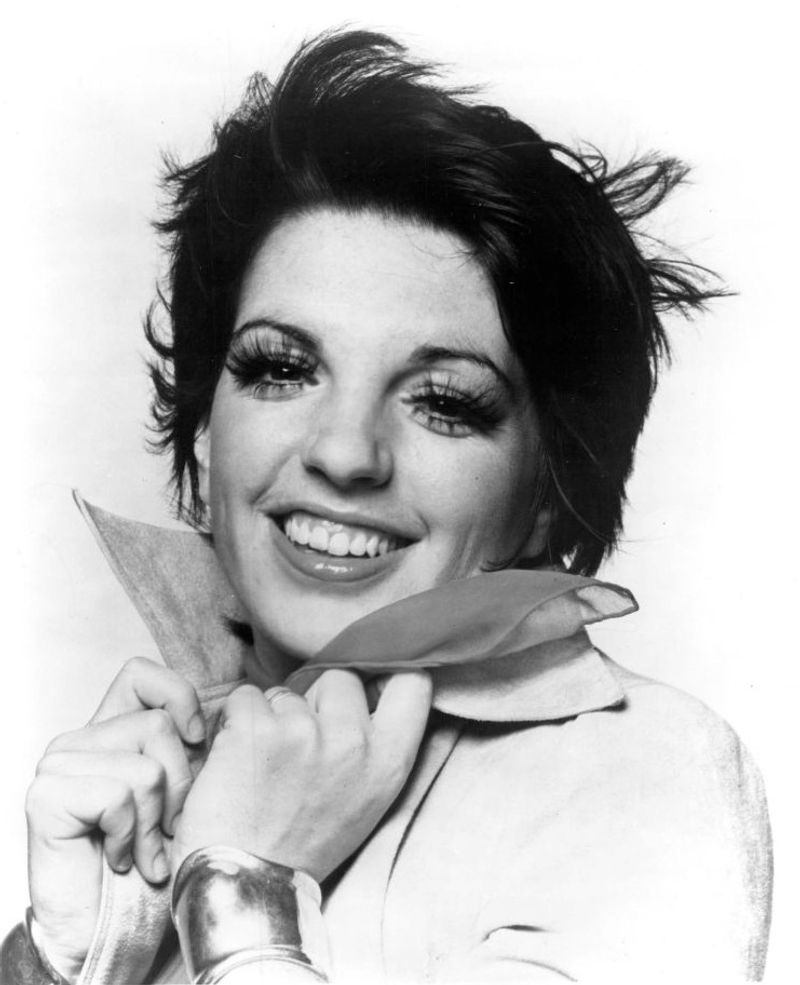
Liza Minnelli’s performance as Sally Bowles in the 1972 film Cabaret is one of the most fully realized acting and singing achievements in Hollywood history. She won the Academy Award for Best Actress for the role, and the win was widely considered one of the most deserved in the award’s history at that point.
Minnelli brought an almost reckless emotional intensity to the character that made every scene feel genuinely alive. Director Bob Fosse pushed her hard, and she delivered something that went far beyond what the script alone could have produced.
The film itself won eight Academy Awards, making it one of the most decorated musicals ever made.
Beyond Cabaret, Minnelli was a commanding concert performer whose live shows at Carnegie Hall and other prestigious venues drew critical acclaim throughout the decade. She carried the legacy of her mother Judy Garland without being crushed by it, carving out an identity that was entirely and unmistakably her own.
Olivia Newton-John
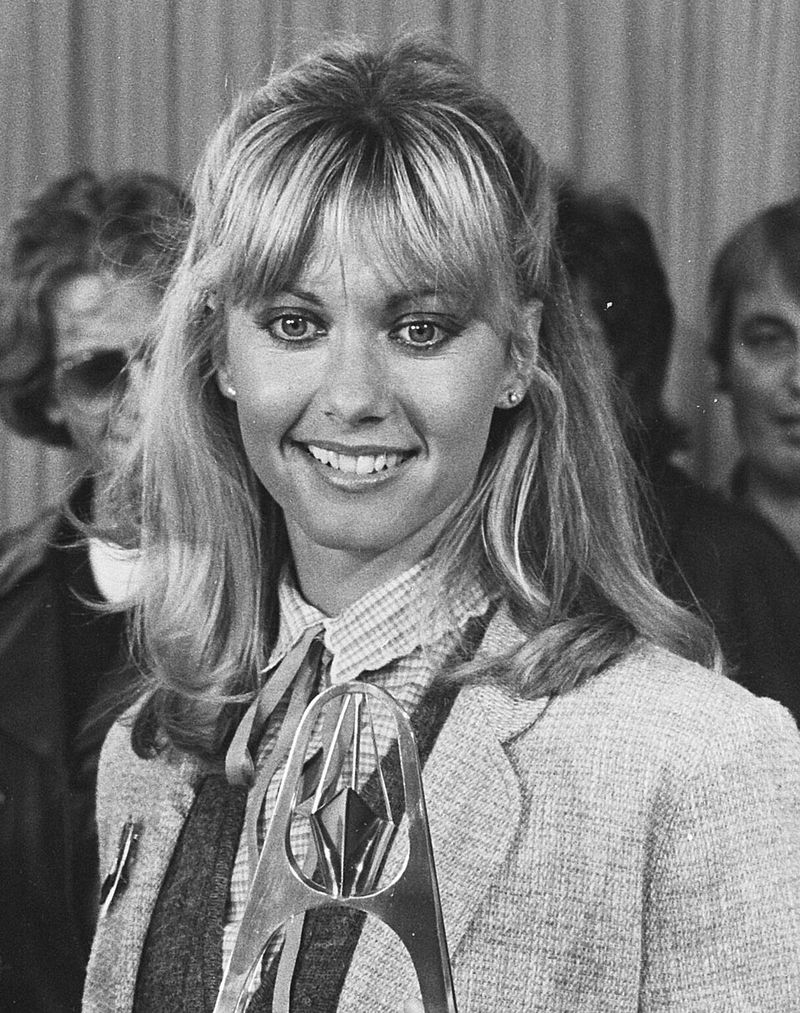
Olivia Newton-John spent the early 1970s building a reputation as a warm, polished country-pop singer with a string of hits that earned her multiple Grammy Awards and significant crossover radio success. She was already a major star before she ever stepped onto a film set.
Then came Grease in 1978, and everything changed scale. Her transformation from wholesome Sandy to the leather-clad version at the film’s finale became one of the most talked-about moments in movie musical history.
The film’s soundtrack produced multiple hit singles, and her duet with John Travolta on You’re the One That I Want became one of the best-selling singles of the decade.
She followed Grease with the disco-influenced album Totally Hot, which showed she could adapt to changing musical trends without losing her core audience. Newton-John navigated the decade with a likable ease that made her success feel natural rather than calculated, and audiences responded to her authenticity at every stage of her career.
Bruce Lee
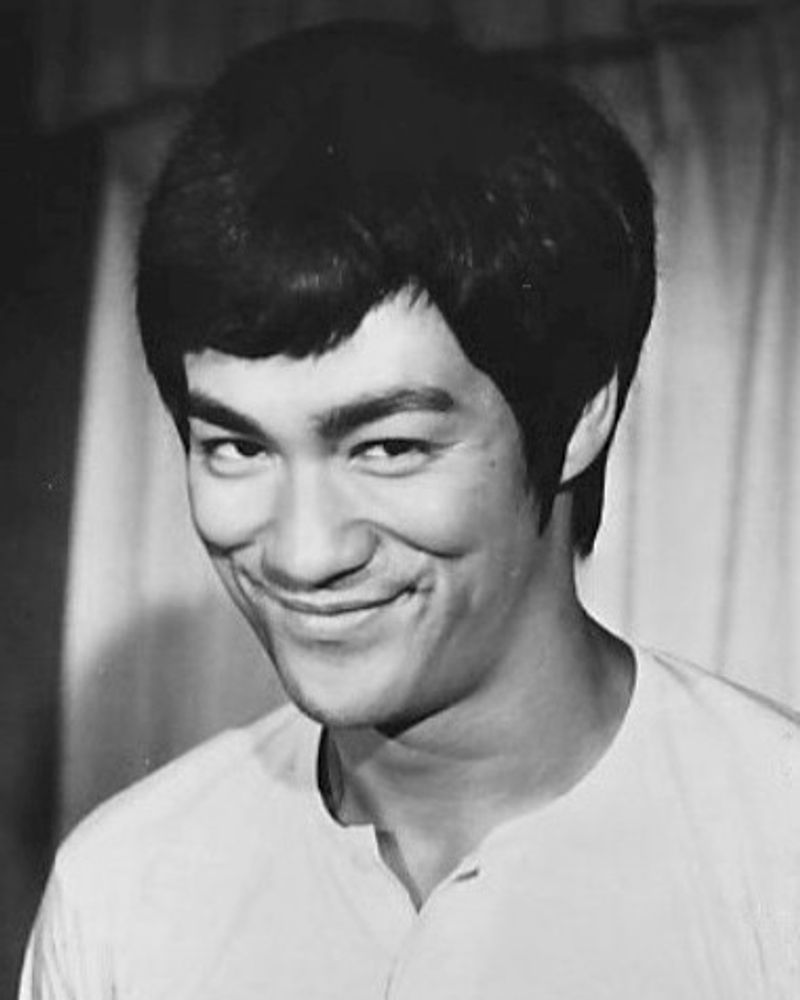
Bruce Lee fundamentally changed what audiences expected from action films, and he did it in an incredibly short window of time. His Hong Kong films Enter the Dragon, Fists of Fury, and The Chinese Connection reached Western audiences in the early 1970s and created a martial arts film craze that Hollywood had never seen before.
Lee’s physical abilities were extraordinary by any standard, and his on-screen charisma was equally powerful. He moved faster than cameras of the era could comfortably capture, and his fight choreography had a raw, kinetic quality that made previous action films look slow and staged by comparison.
Enter the Dragon, released in 1973, became a massive international box office success and remains one of the most influential action films ever made. Lee’s cultural impact extended well beyond cinema.
He sparked widespread Western interest in martial arts training and Asian cinema, opening doors that had been firmly closed for decades. His legacy grew even larger after his passing in July 1973.
Donna Summer
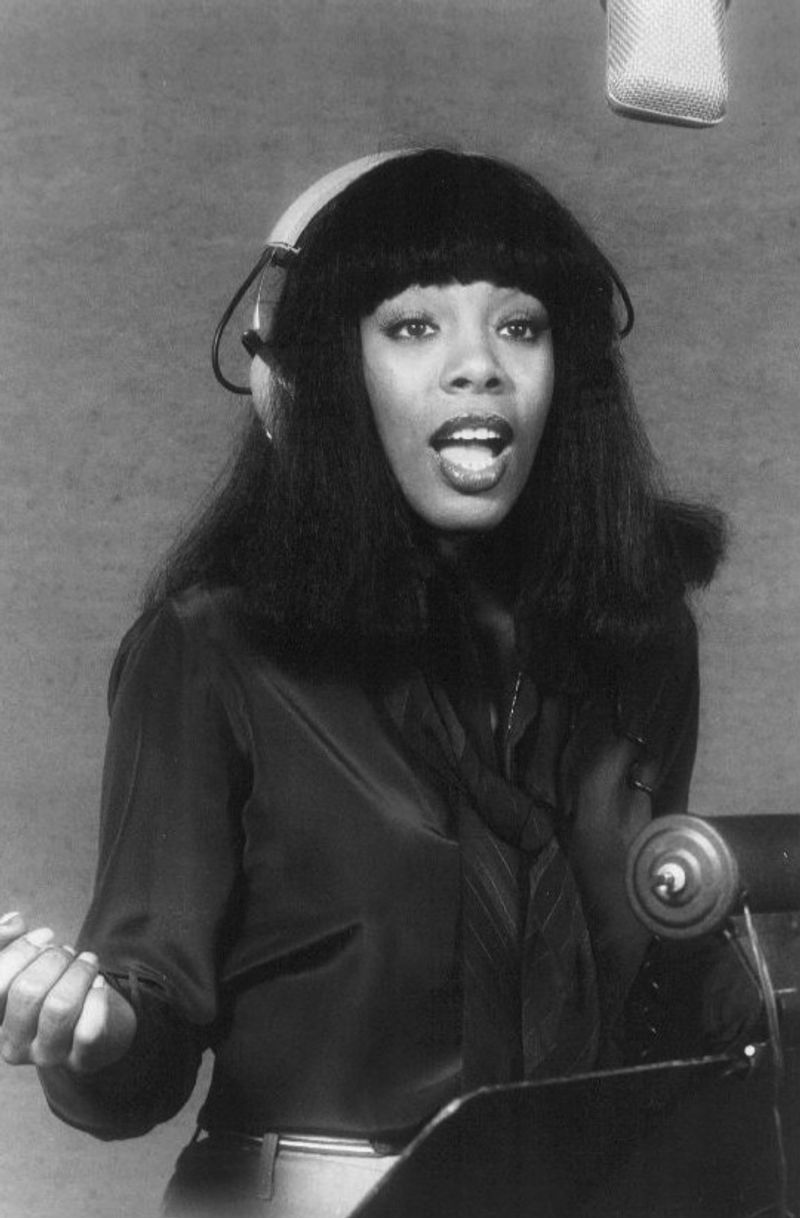
Donna Summer became the defining voice of the disco era so completely that the genre and her name became almost inseparable in the public imagination. Her 1975 recording of Love to Love You Baby introduced a new kind of sensual, extended dance track that changed how producers and DJs thought about club music.
She followed that breakthrough with a remarkable string of hits including I Feel Love, Last Dance, Hot Stuff, and Bad Girls, each one showing a slightly different dimension of her vocal range and musical ambition. Producer Giorgio Moroder’s electronic arrangements gave her records a futuristic sound that still feels modern decades later.
Summer won Grammy Awards and topped charts repeatedly throughout the late 1970s, making her the most commercially successful artist in the disco genre by a significant margin. She also demonstrated real vocal power in ballad settings, which separated her from artists who relied purely on production.
Summer was a genuinely gifted singer operating at the center of the decade’s most dominant musical movement.
Richard Pryor
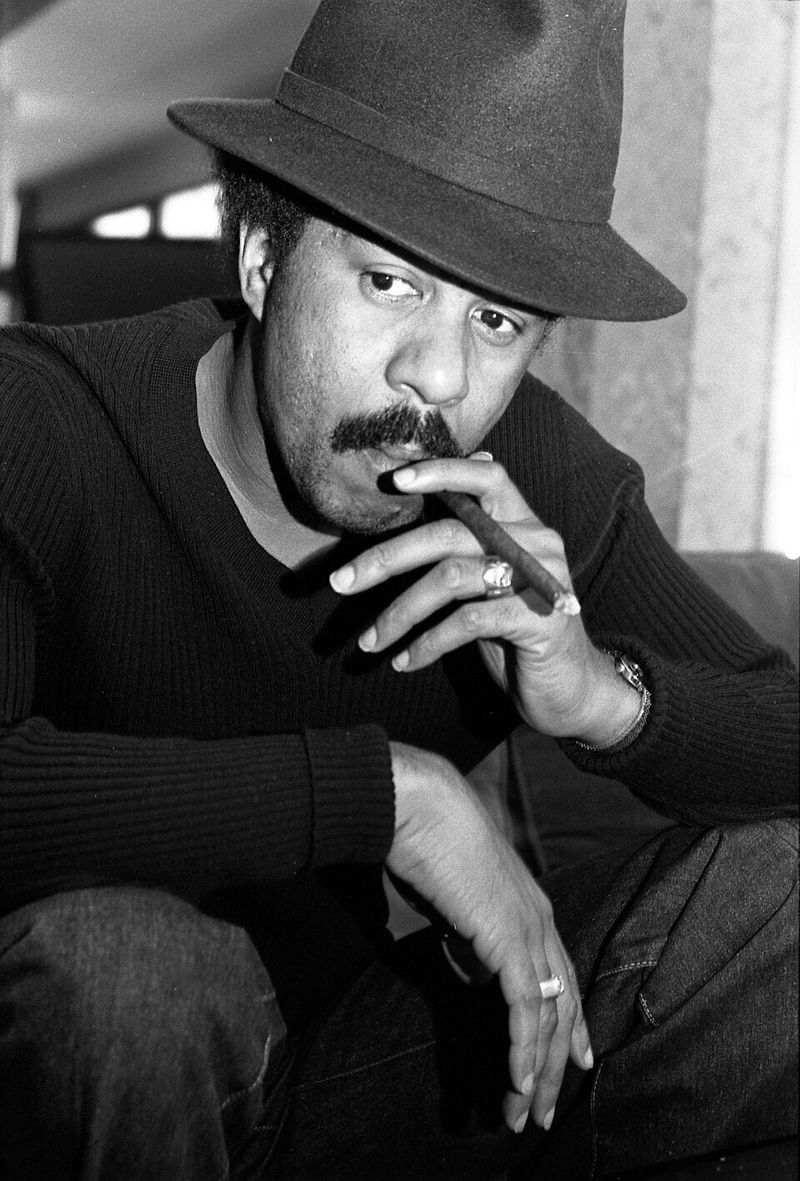
Richard Pryor reshaped American comedy in the 1970s with a honesty and vulnerability that no stand-up comedian had ever brought to a stage before him. His albums, including That Nigger’s Crazy and Is It Something I Said, were raw, funny, and deeply personal in ways that made audiences laugh and feel uncomfortable at the same time, which was precisely the point.
Pryor drew material from his own difficult life, including poverty, family dysfunction, and addiction, and turned those experiences into comedy that felt like truth-telling rather than performance. His 1979 concert film Richard Pryor: Live in Concert is still considered by many comedy historians as the greatest stand-up performance ever captured on film.
He also had a successful film career during the decade, appearing in Silver Streak and other mainstream comedies that introduced him to audiences who might never have sought out his concert recordings. Pryor expanded what comedy was allowed to say, and every honest comedian who followed him owes him a significant debt.
Barbra Streisand
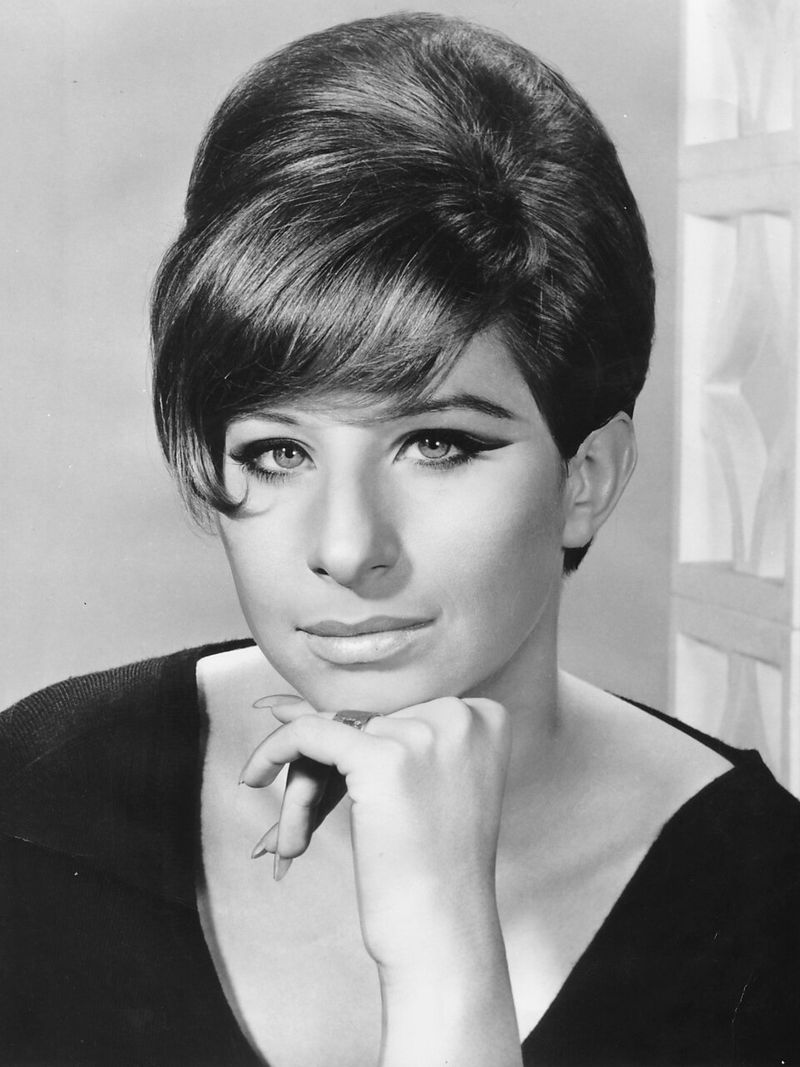
Barbra Streisand entered the 1970s as one of the most powerful entertainers in the world, and she spent the decade proving that her earlier success was not the ceiling but merely the starting point. Her 1973 film The Way We Were, co-starring Robert Redford, was both a critical and commercial triumph that showed her dramatic range in a more mature light.
The title song became one of the best-selling singles of the decade and won the Academy Award for Best Original Song, adding to a trophy collection that was already remarkable. Streisand also directed, produced, and starred in Yentl in the early 1980s, a project she spent much of the late 1970s developing with fierce determination.
Her concert performances and television specials drew enormous audiences, and her record sales remained consistently strong throughout the decade. Streisand operated with an artistic control that few performers of any era have managed to maintain at the same commercial level she consistently achieved.
Andy Warhol
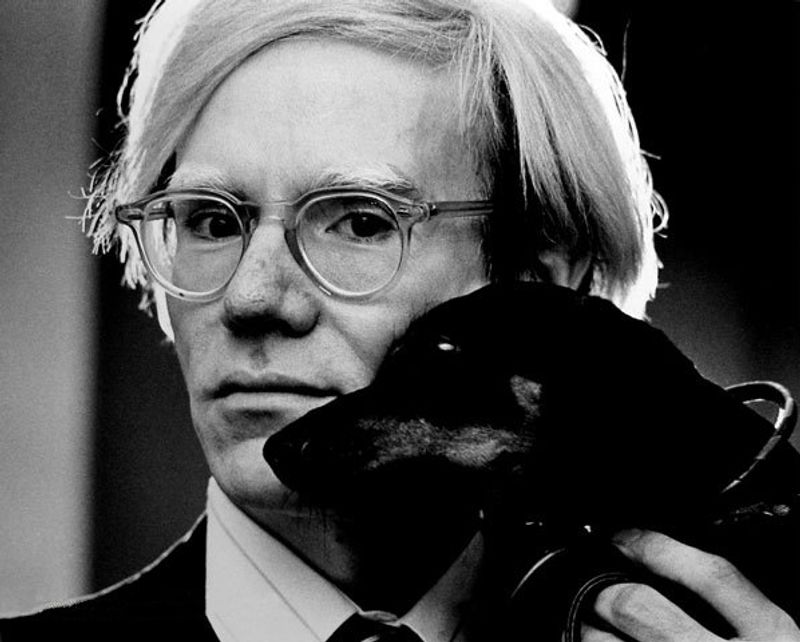
Andy Warhol did not just observe the 1970s. He helped manufacture the decade’s visual and social identity through his art, his Factory studio, his magazine Interview, and his relentless presence at every significant cultural gathering in New York City.
He was simultaneously artist, journalist, and social architect.
His celebrity portraits from the 1970s, including his iconic images of Mick Jagger, Liza Minnelli, and Mao Zedong, used bold color fields and silkscreen techniques to turn fame itself into the subject of art. Warhol understood celebrity culture earlier and more clearly than almost anyone else, and his work from this period reads now as both commentary and prophecy.
Studio 54, which opened in 1977, became a second home for Warhol, and his presence there connected the art world to the disco scene in ways that shaped both. His diaries from the period, later published, offer one of the most detailed and entertaining records of what New York’s creative world actually looked and felt like during that extraordinary decade.
Bianca Jagger
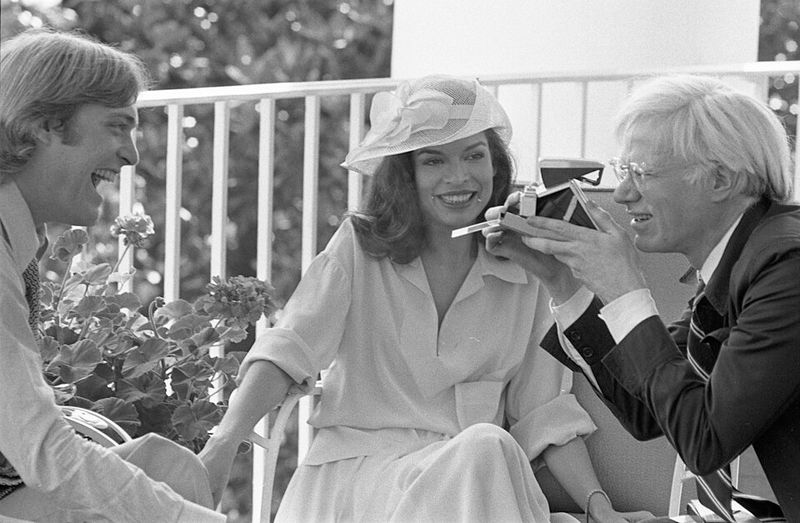
Bianca Jagger arrived in the 1970s as the wife of Mick Jagger, but she quickly established an identity so distinct and compelling that she became a major cultural figure in her own right. Her fashion sense was considered exceptional even by the standards of a decade that produced some of the most memorable personal style in modern history.
She was a constant presence at Studio 54, and her 1977 birthday entrance on a white horse inside the club became one of the most photographed and retold moments of the entire disco era. That image alone secured her place in the visual memory of the decade.
But Bianca was also politically engaged and intellectually serious in ways that separated her from the purely social celebrity category.
Her friendship with designer Halston produced some of the most elegant looks of the era, and her influence on fashion was genuine and documented. She later became a serious human rights activist, but in the ’70s, she was the living definition of cosmopolitan glamour.
Burt Reynolds
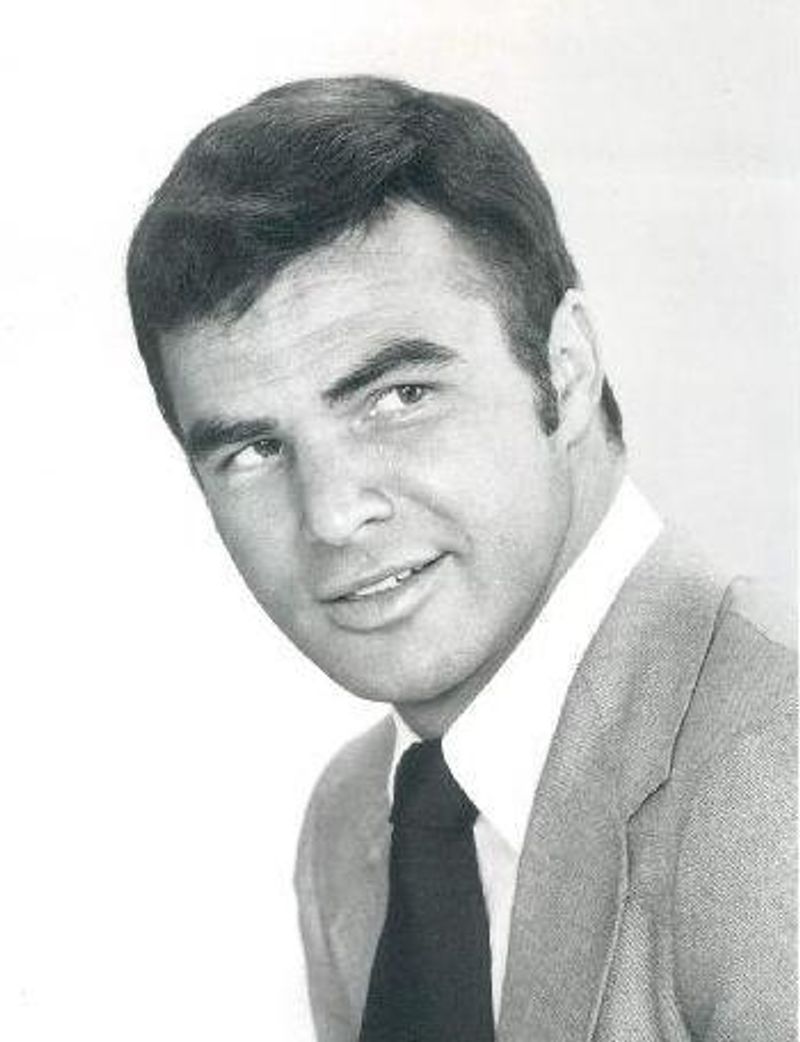
Burt Reynolds was the most bankable movie star in America for much of the late 1970s, a distinction he earned through a combination of genuine charm, physical confidence, and an instinct for picking projects that matched the decade’s appetite for fun, irreverent entertainment. His 1977 film Smokey and the Bandit became one of the highest-grossing films of the year and turned him into a genuine phenomenon.
Reynolds had a self-deprecating sense of humor that made him unusually likable for an actor of his leading-man status. His famous 1972 Cosmopolitan centerfold made him the first male celebrity to pose in that format, which generated enormous publicity and showed he understood how to control his own image with wit rather than pretension.
He followed Smokey and the Bandit with The Cannonball Run and other crowd-pleasing hits that kept him at the top of box office rankings. Reynolds represented a distinctly American kind of movie stardom: unpretentious, good-humored, and completely at ease with being the most popular person in any room.
Share this story