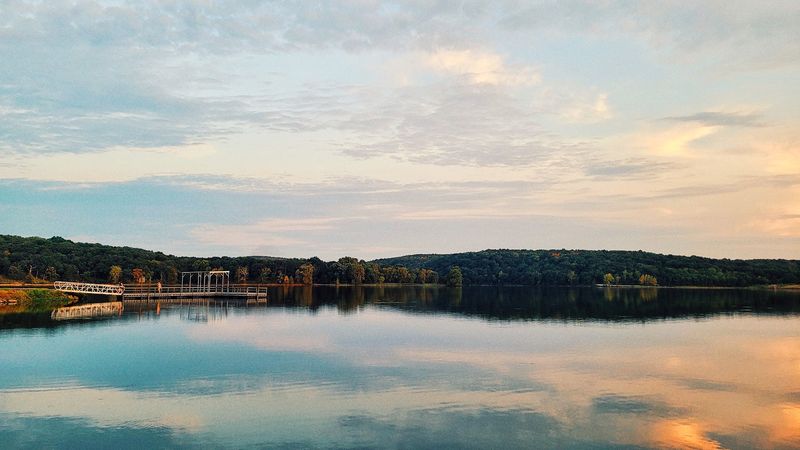
Some places earn their reputation quietly, without billboards or big marketing budgets. Greenleaf State Park in Braggs, Oklahoma is exactly that kind of place.
Cabins built by the Works Progress Administration in the 1930s still stand here, weathered and warm, looking out over a glassy lake where the sun sets in slow, unhurried color. If you have been searching for a weekend that feels genuinely removed from the noise of everyday life, this little-known gem in eastern Oklahoma might be the answer you did not know you were looking for.
Greenleaf State Park and Its Place on the Map
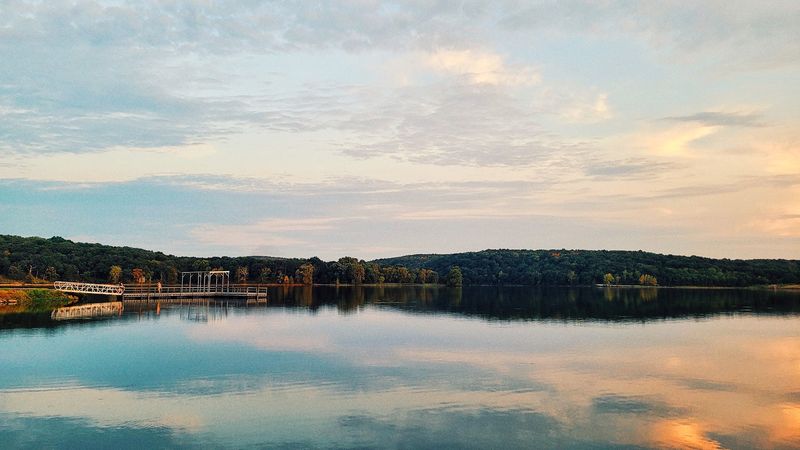
Tucked into the rolling hills of eastern Oklahoma, Greenleaf State Park sits at 12022 Greenleaf Rd, Braggs, OK 74423, roughly an hour southeast of Tulsa. The park wraps around Greenleaf Lake, a quiet body of water that gives the whole place its unhurried personality.
Getting here requires winding through some genuinely beautiful countryside, and that drive alone starts to slow your nervous system down before you even park the car.
Braggs is a small community in Muskogee County, far enough from city noise to feel like a different world. The park sits within the Cookson Hills region, where oak and hickory trees crowd the ridgelines and wildlife moves freely through the underbrush.
Deer are spotted constantly here, sometimes right outside cabin doors.
The park earns a 4.5-star rating from over 1,000 reviews, which is a strong signal that this is not a well-kept secret among Oklahoma outdoor lovers. Road-trippers heading through eastern Oklahoma often stumble onto it and immediately wonder why they had never planned a dedicated trip.
The park is reachable by phone at 918-487-5622, and more details are available at travelok.com/state-parks/greenleaf-state-park.
The WPA Legacy Behind Those Stone Walls
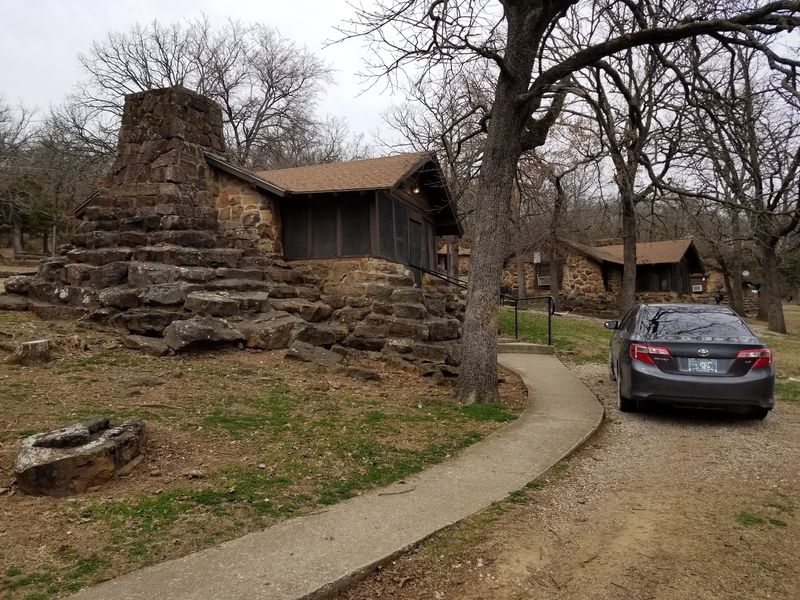
Few parks in Oklahoma carry as much layered history as Greenleaf. The cabins here were built by the Works Progress Administration, the federal jobs program launched during the Great Depression to put Americans back to work and build lasting public infrastructure.
Skilled laborers shaped local stone and timber into structures that were meant to last, and nearly a century later, they have proven exactly that.
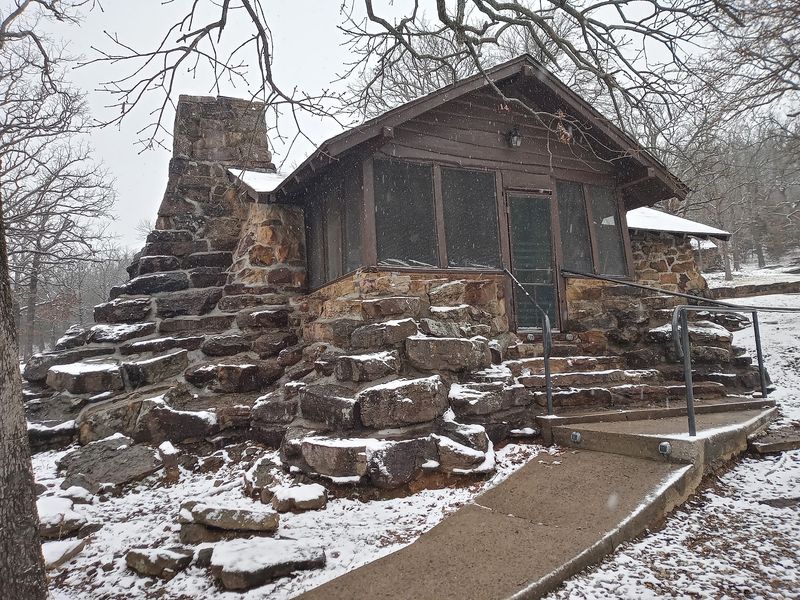
The WPA construction style is unmistakable. Thick stone walls, hand-hewn woodwork, and a solidity that modern construction rarely matches give these cabins a presence that feels almost ancestral.
Later, during World War II, the U.S. Army used the park, adding another chapter to a story that most visitors only half-know when they arrive.
Staying in one of these cabins is not just a comfortable night’s sleep. It is a small act of connection to a particular moment in American history when people built things to endure.
The craftsmanship visible in the stonework and the framing tells a story that no interpretive sign could fully capture. Running your hand along one of those walls, you get a sense that the builders knew exactly what they were doing and took real pride in it.
Cabin Life at Greenleaf Lake
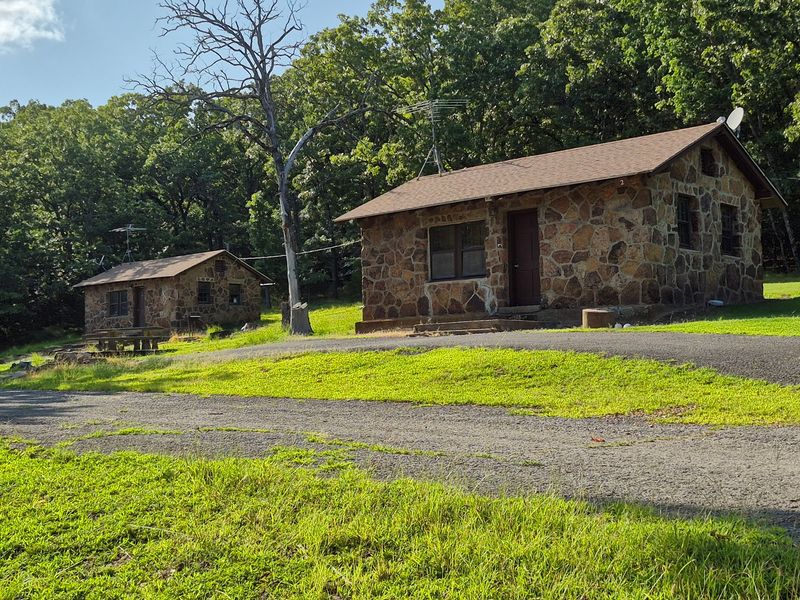
Waking up inside one of the Greenleaf cabins is a genuinely different experience from a hotel room or even a modern vacation rental. The structures are described by visitors as extremely rustic, which is accurate in the best possible sense.
Stone walls keep temperatures reasonable, and fireplaces inside the cabins make cold-weather stays not just manageable but genuinely cozy.
Cabin sizes vary, which makes the park flexible for different group configurations. Couples who want a quiet Valentine’s getaway have used them, and larger families have spread out across the bigger options.
Some units even include pullout beds, adding sleeping capacity without feeling crowded. Pricing has been described as affordable, which is refreshing given how much character these structures carry.
Deer have a habit of wandering right up to the cabin doors, especially in the early morning hours. More than one visitor has described going to bed as a deer passed by the entrance, then waking to find one resting in the grass just outside.
That kind of wildlife encounter, unplanned and unhurried, is exactly what makes a stay here feel different from anything a resort could manufacture. The cabins come with a fireplace for chilly nights and a lake view that rewards patience.
Sunset Over the Water and What It Actually Looks Like
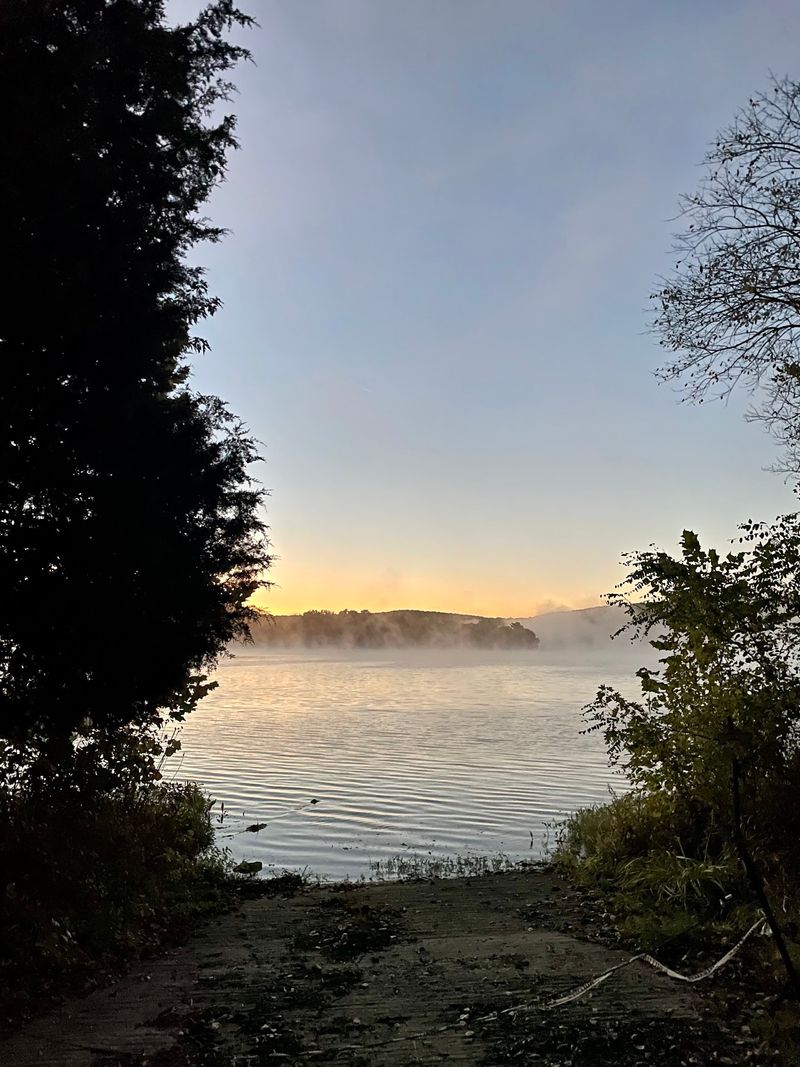
One visitor described a foggy sunrise over the lake as feeling like a message from something larger than themselves. That kind of reaction is not unusual here.
The orientation of the lake combined with the surrounding tree line creates conditions where both sunrises and sunsets become genuinely cinematic, the kind of light that makes you stop whatever you are doing and just watch.
The park sits in a part of Oklahoma where the sky is wide and the horizon is not cluttered by development. In the Deer Creek campground area, the descent down a steep paved hill drops you into a hollow where phone signals fade and the outside world recedes.
That natural quiet amplifies everything, including the color show the sky puts on each evening over the water.
Fishing boats drift slowly in the late afternoon, and kayakers often linger on the lake longer than they planned simply because the light keeps getting better. No skiing or jet skis are permitted on Greenleaf Lake, which means the surface stays calm and reflective right through golden hour.
That policy, sometimes overlooked in park listings, is one of the quiet reasons sunsets here feel so uninterrupted and worth every minute of the drive.
Fishing the Lake and What Bites
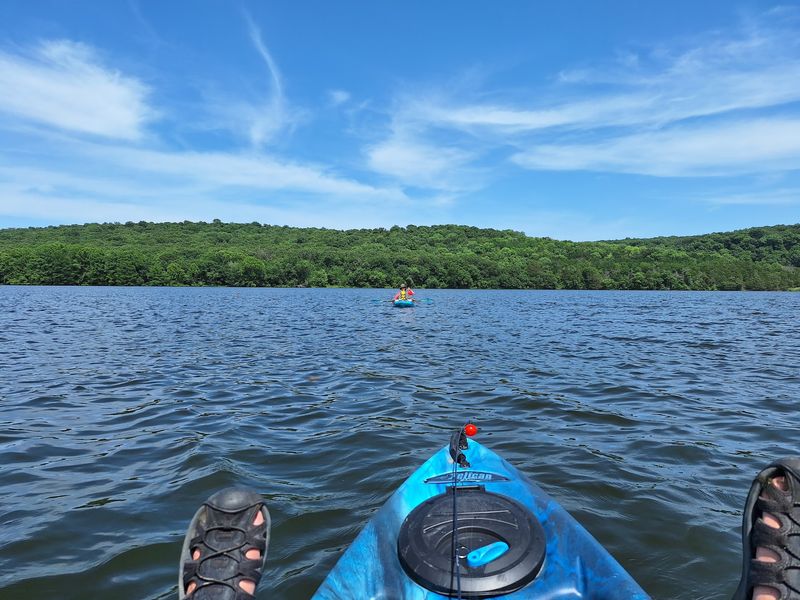
Fishing is the single most-mentioned activity in visitor conversations about Greenleaf, appearing in nearly 80 reviews. The lake supports a healthy fishery, and the no-motorized-watercraft rule, aside from fishing boats, keeps the water from being churned up constantly.
That calm environment tends to produce better fishing conditions, and regulars here seem to know it.
The marina and general store at the park can cover most of what an angler might have forgotten at home. Tackle, bait, and basic supplies are available without needing to make a long drive into town.
There is also a dedicated kids fishing pond within the park, which makes it easy to introduce younger family members to the sport in a low-pressure setting away from the main lake.
The Arkansas River runs nearby, giving visitors who want a longer fishing day another option outside the park boundaries. Whether you are casting from the bank at sunrise or drifting quietly in a rented kayak, the lake rewards patience.
Visitors who come specifically for fishing tend to leave satisfied, and many plan return trips before they have even packed up their gear. The combination of calm water, good access points, and an unhurried atmosphere makes Greenleaf a reliable destination for anyone who takes their fishing seriously.
Kayaking and the Swinging Bridge Paddle
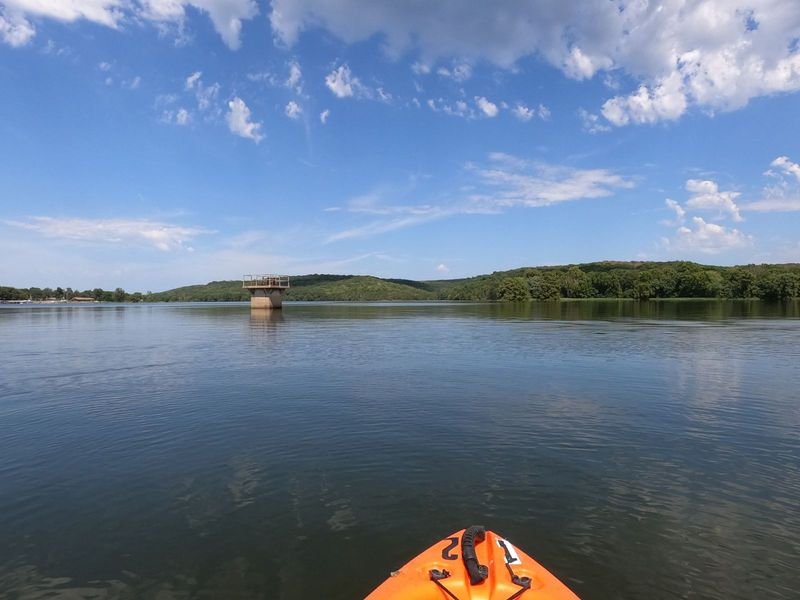
Paddling from the marina down past the swinging bridge is one of those experiences that earns its own category. The stretch of water between the launch point and the bridge is described by visitors as incredibly beautiful and peaceful, with very few motorized boats to break the quiet.
On a calm summer morning, the lake surface holds a near-perfect reflection of the surrounding tree canopy.
The park offers kayak and canoe rentals, so there is no need to haul your own equipment. That accessibility makes the paddle a realistic option even for visitors who arrive without gear.
The rental operation is based at the marina, which also stocks general supplies in case you need anything before heading out on the water.
The swinging bridge itself has been a landmark on the trail system for years, though it is currently in need of repair and portions of the upper hiking segment remain closed as a result. The lower section of the trail leading to the bridge is still accessible and remains scenic.
Kayakers who approach from the water get a different and arguably more dramatic view of the bridge and the surrounding landscape than hikers do. The combination of calm paddling water and that old wooden span overhead makes this one of the more memorable short trips the park offers.
Hiking Trails Through the Cookson Hills
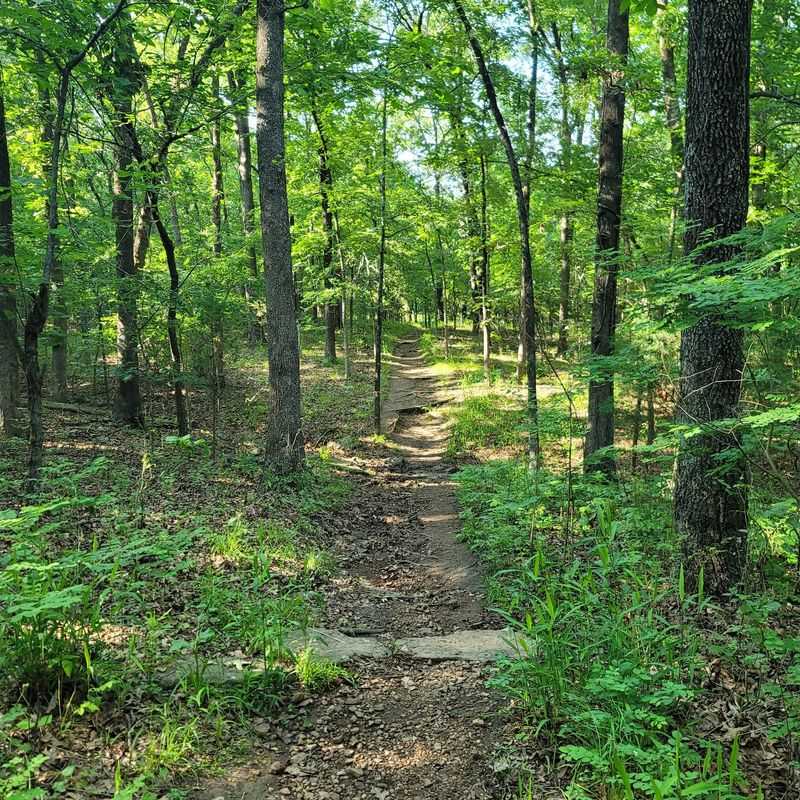
The trail system at Greenleaf runs through terrain that is more rugged than the park’s gentle lake surface might suggest. The Ankle Express Trail, when fully open, connects visitors to the North primitive area and offers a backcountry experience unusual for an Oklahoma state park.
Boulders, loose rocks, and fallen trees make the upper segments genuinely challenging, and the views from the ridgeline reward the effort considerably.
Currently, the upper segment of the trail past the swinging bridge is closed due to structural damage to the bridge. The lower section remains accessible and is well-marked, offering a satisfying hike through beautiful scenery with plenty of wildlife sightings along the way.
Visitors using the lower trail report seeing deer, mushrooms, and a variety of bird species throughout the year.
Anyone planning to hike beyond the bridge area in the future should check current trail conditions before visiting, as the closure has been in place for some time without a confirmed repair timeline. For the lower trail, the markings are reliable and the scenery is genuinely worth the effort.
Bringing a navigation app as a backup is a reasonable precaution given how quickly the trail character shifts once you cross into the less-maintained upper sections. Ticks are present, particularly in warm months, so long pants and a check afterward are both advisable.
The Splash Pad, Mini Golf, and Amenities That Surprise First-Timers
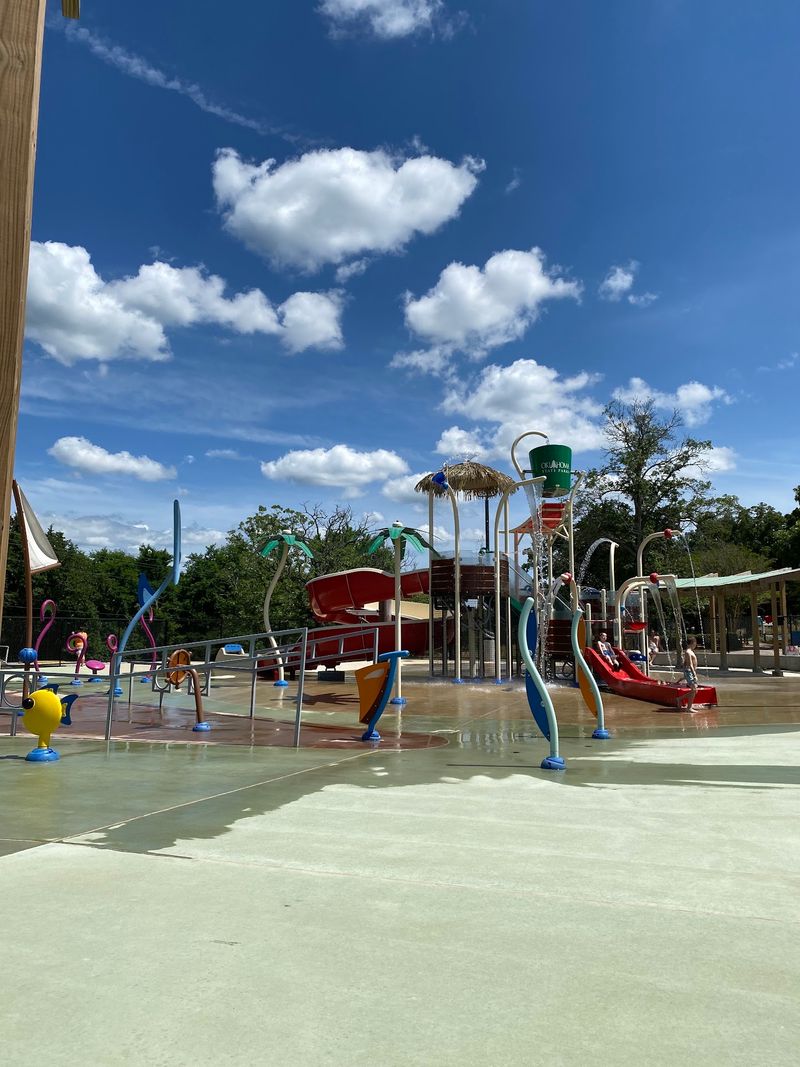
Pulling up to the main area of Greenleaf and spotting a water slide and splash pad is the kind of pleasant surprise that makes you immediately wish you had brought more people. The splash pad is one of the most frequently mentioned features in visitor conversations, racking up over 60 mentions.
On a scorching Oklahoma summer day, it transforms the park from a nature retreat into something the kids will be talking about for weeks.
The splash pad carries a small admission fee of around six dollars per person, which caught some visitors off guard but did not dampen enthusiasm once they were in the water. Mini golf is also available on site, offering a compact course that works well for families looking for a low-key activity between swims and hikes.
At six dollars per round, some visitors feel the price is a bit steep for the course size, but it fills a gap nicely for groups with mixed interests.
Beyond those highlights, the park includes a marina, a general store, a swim beach with decent sand, and bathroom and shower facilities that visitors consistently describe as clean and well-maintained. The overall amenity package is more comprehensive than the park’s quiet reputation might suggest, making it a strong choice for mixed groups where not everyone wants to fish or hike all day.
Camping Options From Primitive to Full Hookup
Greenleaf offers a range of camping setups that accommodate everything from backcountry tent campers to RV travelers who want full hookups. The Deer Creek campground sits at the bottom of a steep descent and delivers the kind of disconnected, off-grid feeling that serious campers seek out.
Phone signals fade there, internet becomes unreliable, and the surrounding forest closes in just enough to make the experience feel genuinely remote.
The Gobbler Ridge area offers a quieter, well-kept option that visitors describe as peaceful, with clean bathrooms and showers and good spacing between sites. Several named campground sections give the park real variety, and booking in advance is advisable during busy weekends since popular sites fill quickly.
Some site configurations include picnic tables and fire pits, though visitors should confirm specifics when booking rather than assuming based on photos.
RV travelers find the electrical and water hookups reliable, and the pad quality has drawn positive comments for being level and well-maintained. Tent campers appreciate the spacing between sites, which avoids the packed-in feeling common at more popular state parks.
The camp host presence at Greenleaf has been described as friendly and genuinely helpful, which adds a layer of comfort for first-time visitors navigating a new park layout for the first time.
Wildlife Encounters That Come With the Territory
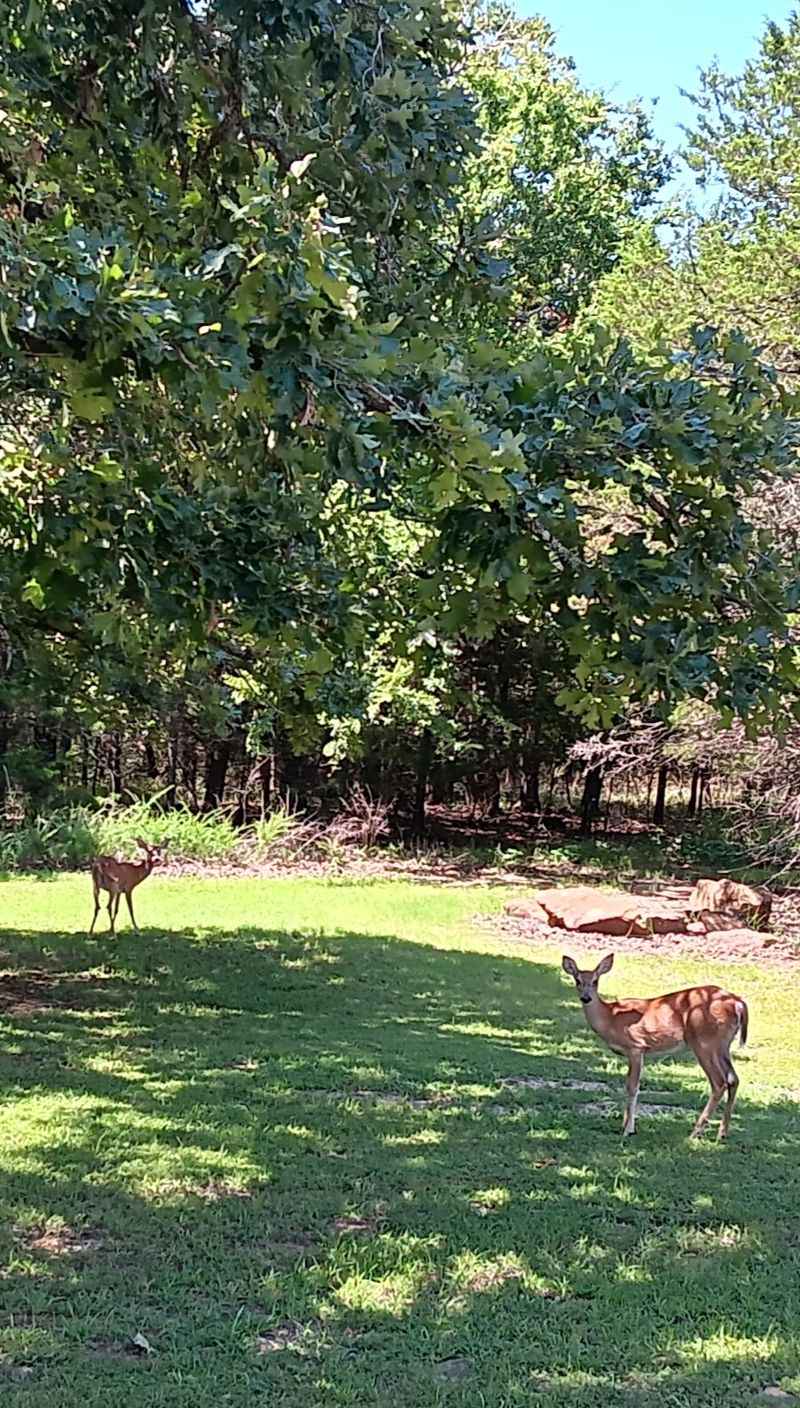
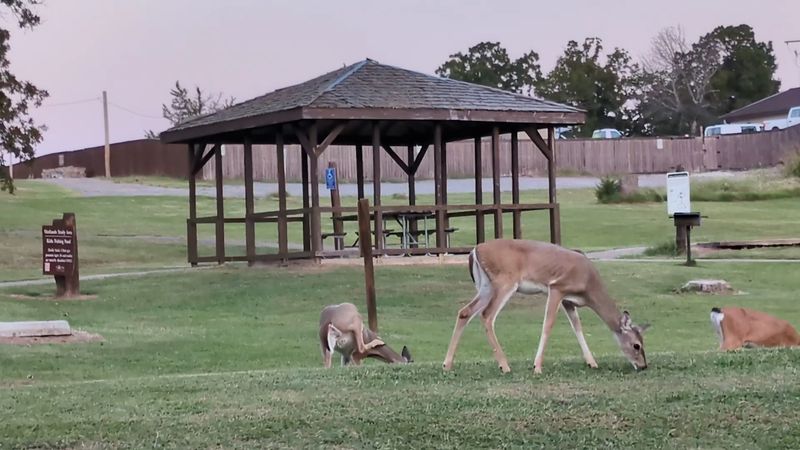
Deer are practically a fixture at Greenleaf. They appear in visitor accounts with remarkable regularity, grazing near cabins, crossing trails, and standing calmly at the edge of campsites as if they have read the park rules and know they are safe here.
Over 25 reviews specifically mention deer sightings, which tells you something about how habituated the local population has become to human presence.
Beyond deer, the park’s forest habitat supports a wide range of wildlife. Mushroom hunters find the woods productive, particularly after rain in spring and fall.
Bird activity is consistent throughout the year, and the lake draws waterfowl during migration periods. The combination of forested ridgelines, open lake shoreline, and brushy edges creates a layered habitat that supports real biodiversity.
One visitor recounted going to sleep as a deer passed by the cabin door, then waking to find one resting in the grass directly across from the entrance the next morning. That kind of encounter does not happen by accident.
It reflects a park where the natural world has not been pushed to the margins to make room for development. The wildlife at Greenleaf is not a background feature.
For many visitors, it becomes the most memorable part of the entire stay, more than any amenity the park could offer.
Who Greenleaf Suits Best and When to Go
Greenleaf is genuinely well-suited to families, particularly those with children young enough to be thrilled by a splash pad and old enough to handle a short trail. The kids fishing pond, the swim beach, and the mini golf course give younger visitors plenty of structured activity while adults decompress at their own pace.
The cabin option makes it accessible to families who are not ready to commit to full tent camping but still want an outdoor experience.
Couples looking for a quiet retreat also find Greenleaf fits well. The no-jet-ski policy on the lake keeps the atmosphere calm, and the cabin fireplaces make off-season visits genuinely romantic without requiring much effort.
The Valentine’s Day visits mentioned by guests suggest the park has built a small reputation for that kind of low-key, unplugged getaway.
Spring and fall are arguably the strongest seasons here. Summer brings the splash pad crowd and can get warm inside the cabins if the climate control is not cooperating, which has been an issue in at least one unit.
Spring break visitors in the Gobbler Ridge area have reported excellent conditions. Fall layers in the color change across the Cookson Hills, which amplifies every view the park already offers.
Winter stays are quieter and give the historic architecture a chance to really shine against a still landscape.
Practical Details Before You Pack the Car
The park office at Greenleaf operates daily from 9 AM to 5:30 PM, seven days a week. That window covers most of what visitors need for check-in, passes, and rental equipment, but arriving early in the day gives you more flexibility and avoids the risk of missing staff if something needs attention.
The phone number on file is 918-487-5622, and the official website at travelok.com/state-parks/greenleaf-state-park carries current booking information for cabins and campsites.
Reservations are strongly recommended, especially for holiday weekends and spring break. Memorial Day weekend, in particular, draws family groups and fills sites quickly.
Booking online in advance is the most reliable approach, and double-checking your specific site details, including whether a picnic table and fire pit are included, prevents surprises on arrival. Cabin guests should also verify that all appliances and climate control units are functioning before settling in, as maintenance issues have been reported in at least one unit.
The marina and general store cover most forgotten supplies, so a perfect packing list is not required. Tick prevention is worth adding to your preparation, particularly in warm months when trail use is highest.
The park sits about 1.5 hours from Tulsa and is well worth the drive. A 4.5-star rating from over 1,000 visitors is about as reliable an endorsement as you will find for any state park in Oklahoma.
Share this story