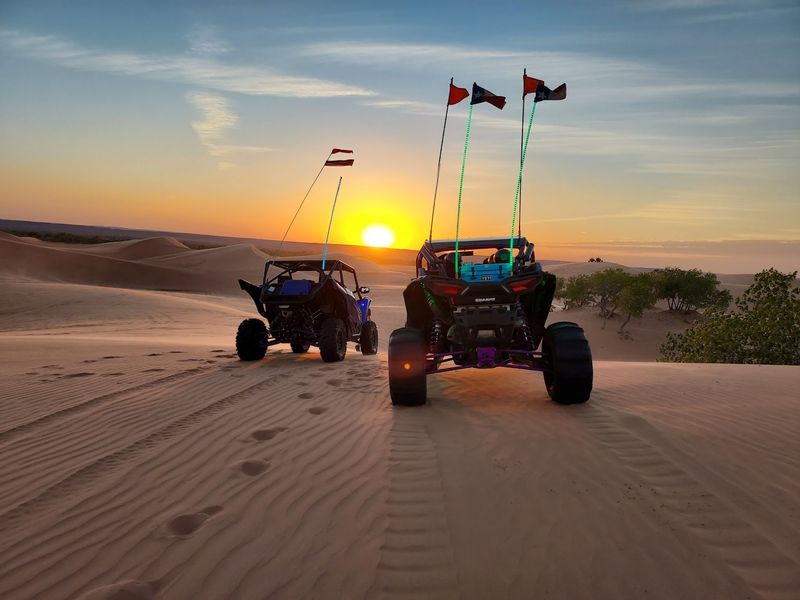
Most people picture flat wheat fields and red clay when they think of Oklahoma, so stumbling across a 1,600-acre stretch of rolling sand dunes feels like a genuine plot twist. Little Sahara State Park near Waynoka is exactly that kind of surprise, and it has been drawing off-road riders from across the region for decades.
Entry runs just ten to fifteen dollars per person, making it one of the most affordable outdoor adventures the state has to offer. Whether you haul your own rig or rent one nearby, the dunes are ready whenever you are, day or night.
Little Sahara State Park and Where to Find It
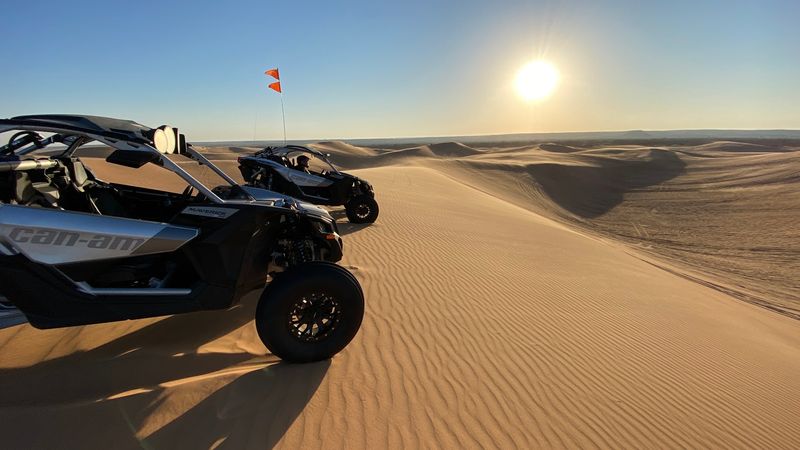
Sand dunes in the middle of the Great Plains sound like a geography teacher’s trick question, but Little Sahara State Park is absolutely the real deal. The park sits at 101 Main St, Waynoka, OK 73860, in Woodward County in northwestern Oklahoma, and it spans roughly 1,600 acres of recreational sand dunes open to off-road vehicles year-round.
Waynoka is a small town, so the park is hard to miss once you roll into the area. The surrounding landscape of flat prairie makes the dunes feel even more dramatic when they finally come into view.
It genuinely feels like the land forgot to follow the rules everyone else agreed on.
The park earns a 4.7-star rating across more than 1,100 Google reviews, which is a strong signal that people are leaving happy. Managed by Oklahoma State Parks, Little Sahara is one of only a handful of sand dune riding destinations on the entire Great Plains, making it a genuinely rare find in this part of the country.
How the Dunes Got Here
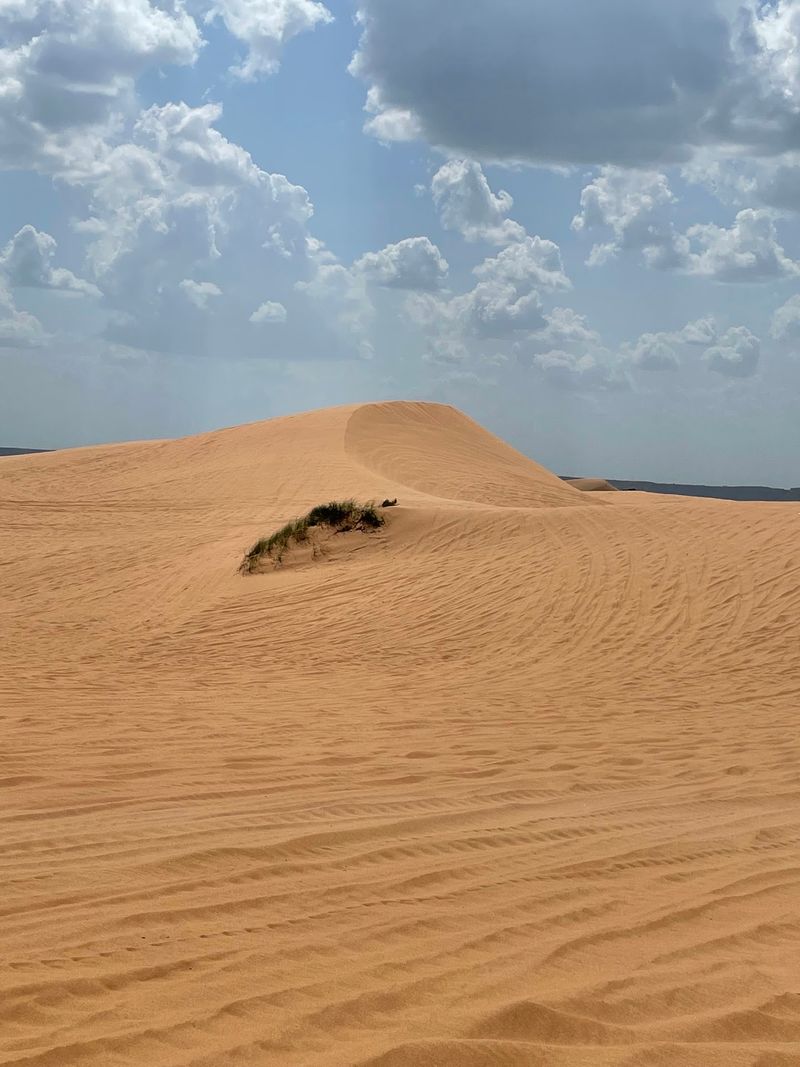
Wind and water built these dunes over thousands of years, and the result is a landscape that feels borrowed from New Mexico or Utah rather than the Oklahoma plains. The fine, pale sand was deposited by the Cimarron River and then shaped by persistent prairie winds into the rolling formations riders enjoy today.
The dunes are not static. Their surfaces shift with the seasons and weather, meaning the terrain you ride one weekend might look noticeably different the next.
That constant change keeps the riding experience fresh and adds a layer of unpredictability that experienced riders genuinely appreciate.
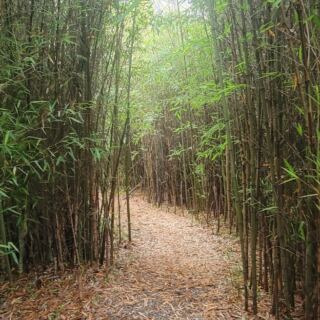
Because the dunes exist in a semi-arid grassland environment, the surrounding landscape is dotted with native flora that has adapted to sandy, dry conditions. Some of that vegetation is visible along the park’s entry path, offering a quiet reminder that this ecosystem has its own story to tell beyond the roar of engines.
The geology here is unusual enough that it draws curious visitors who simply want to understand how a place like this ended up in Oklahoma.
The Riding Terrain and What to Expect on the Dunes
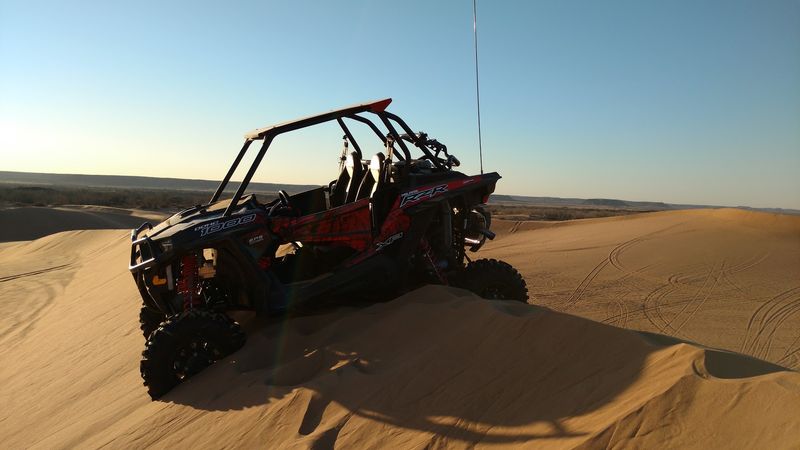
Nearly 2,000 acres of rideable terrain gives riders a lot of room to spread out, and the variety of that terrain is one of the park’s biggest strengths. Wide-open dune faces offer plenty of space for high-speed runs and big climbs, while sandy trails winding through brushy areas provide a tighter, more technical challenge for those who want it.
First-timers are often caught off guard by just how large the dunes are. The scale is genuinely impressive, and the sight of a full dune field stretching out ahead tends to stop people in their tracks before they even start the engine.
Riders on everything from dirt bikes to side-by-sides find something to enjoy here, and the mix of skill levels on any given day is broad.
One practical tip that experienced riders pass along quickly: let your tire pressure down before heading out. Lower pressure gives tires better flotation on loose sand, and it can be the difference between a smooth run and getting stuck in the first thirty seconds.
The terrain rewards preparation and punishes overconfidence in equal measure.
Night Riding and the Around-the-Clock Access
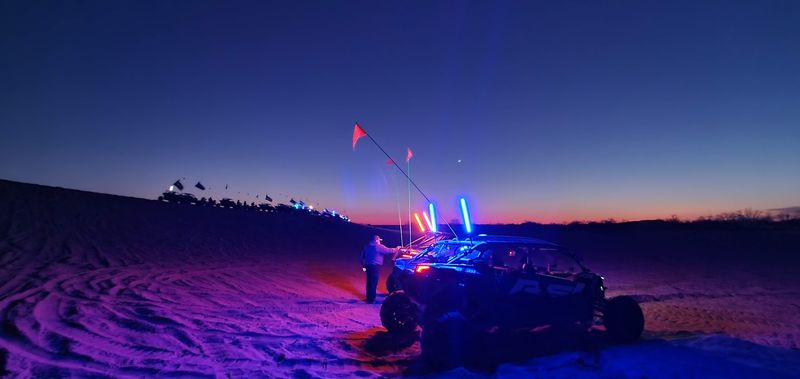
One detail that genuinely sets Little Sahara apart from many off-road parks across the country is the fact that the riding area stays open twenty-four hours a day, seven days a week. There are no cutoff times, no last-entry gates, and no reason to pack up just because the sun went down.
Night riding on the dunes carries its own atmosphere entirely. Headlights sweep across the sand, shadows deepen in the troughs between dunes, and the whole experience takes on a different energy once the daytime crowd thins out.
Riders who prefer cooler temperatures or simply want to avoid peak-hour crowds often find that evening and overnight sessions are their favorite.
The park does require every machine to carry a long flagpole with a solid orange flag, which becomes especially important at night when visibility between riders decreases. That safety rule is enforced consistently, and rental operators in the area are well aware of the requirement.
The combination of all-night access and a well-maintained campground means a full weekend of riding is genuinely easy to plan without any logistical stress.
Camping Options Across the Park
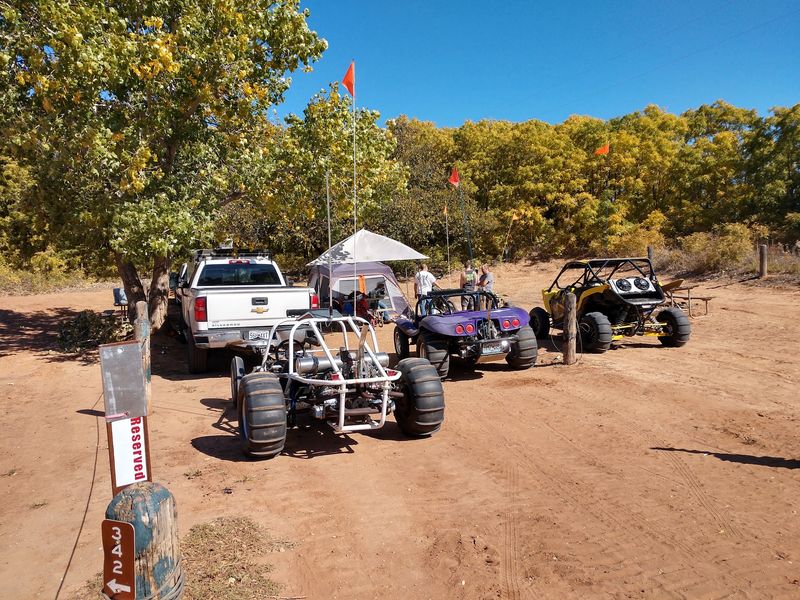
Camping at Little Sahara covers a solid range of setups, from bare-bones cowboy camp spots to full-hookup RV sites with 30 and 50 amp electrical service. The Buttercup campground offers pull-through sites with electric and water connections, fire rings, picnic tables, and charcoal grills, which covers most of what a comfortable weekend requires.
Full-hookup sites run around thirty-five dollars per night, and reservations can be made online ahead of time. A kiosk at the ranger office also accepts card payments for wristbands if you prefer to handle things on arrival.
Wheelchair-accessible camping spots are available, which reflects a genuine effort to make the park usable for a wider range of visitors.
Restroom facilities are cleaned regularly and include showers, with a coin-operated system that charges fifty cents for three minutes or a dollar and a quarter for seven and a half minutes. Dumpsters are located on-site, and a dump station serves campers without sewer hookups at their site.
The overall setup is functional and well-maintained, even if some camping areas feel a bit compact when the park is running at full capacity.
Renting a Ride When You Do Not Have Your Own
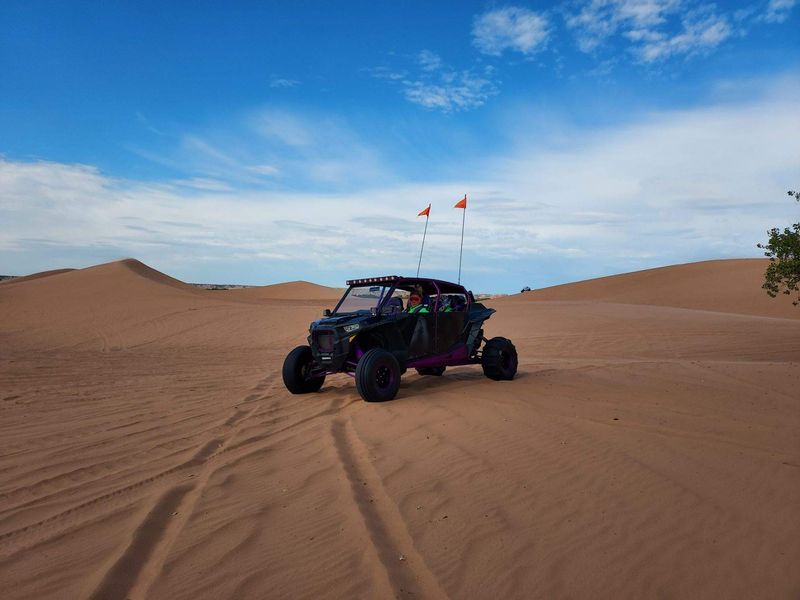
Hauling your own machine to the park is ideal, but not everyone has a trailer and a side-by-side sitting in the garage. The good news is that several rental operations are set up just outside the park gates, making it straightforward to show up without any equipment and still have a full day on the dunes.
Rental outfitters in the Waynoka area stock a range of machines, including ATVs, four-wheelers, and RZR-style side-by-sides, so groups of different sizes and experience levels can usually find something that fits. Staff at these shops tend to be familiar with the park’s terrain and are generally helpful about flagging requirements and basic riding tips for newcomers.
Sand sports shops in the area also carry parts, accessories, flags, and gear, which is worth knowing if something breaks mid-trip or you forgot a piece of equipment at home. Premium fuel is available at a couple of locations nearby, though prices vary between them.
The rental ecosystem around Little Sahara has grown in step with the park’s popularity, so the options are reasonably solid even for spontaneous weekend trips.
Entry Fees, Hours, and Getting There
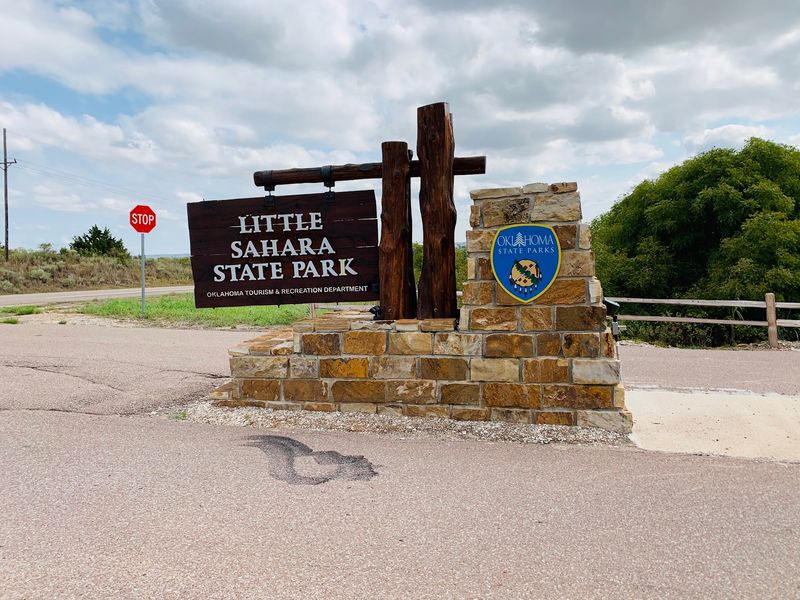
Getting into the dunes costs fifteen dollars per person, paid at the guard shack as you enter the riding area. Wristbands serve as your pass for the day, and the ranger office kiosk accepts card payments for added convenience.
The park itself is open around the clock every day of the year, so there is genuine flexibility about when you show up and how long you stay.
Waynoka sits in northwestern Oklahoma, roughly two hours northwest of Oklahoma City and about an hour south of the Kansas border. The drive through the plains is flat and straightforward, and the town of Waynoka is small enough that the park is easy to locate once you arrive.
The park’s phone number is 580-824-1471 for anyone who wants to call ahead with questions.
One important note for visitors who do not have an off-road vehicle: the dune riding area is not accessible on foot for safety reasons, and the observation deck near the entrance provides only a limited view of the sand. Planning ahead to either rent or bring a machine will make the difference between a memorable trip and a frustrating one.
More information is available at the park’s official listing on travelok.com.
Who the Park Suits Best and What Makes It Worth the Drive
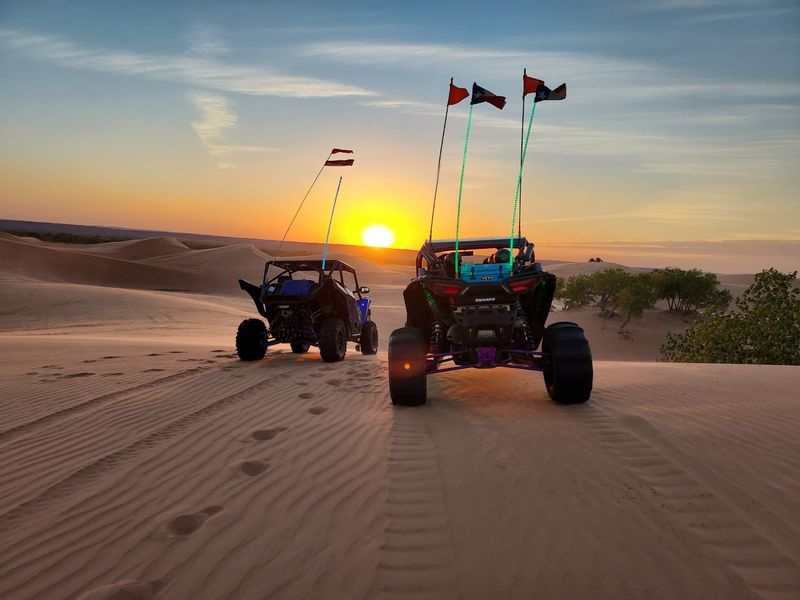
Families with off-road vehicles, experienced riders chasing a new landscape, and complete beginners willing to rent a machine all tend to leave Little Sahara with something worth talking about. The terrain scales reasonably well across skill levels, with wide dune faces giving newcomers room to build confidence and tighter trails offering more experienced riders a technical challenge.
The atmosphere on a busy weekend leans social and energetic. Other campers are generally friendly, and there is a shared culture of helpfulness on the dunes, the kind of place where strangers will stop to help you get unstuck without being asked.
That community feeling adds something to the experience that pure terrain alone cannot deliver.
Little Sahara is not the right destination for hikers, dog walkers, or anyone hoping to explore the dunes on foot. The park is built around motorized recreation, and the experience is genuinely thin without a machine to ride.
But for anyone who arrives with wheels and a sense of adventure, this corner of northwestern Oklahoma delivers something that feels genuinely unlike anywhere else in the state, and at fifteen dollars a head, the value is hard to argue with.
Share this story