Most people can name the singer on a hit record, but far fewer can name the guitarist, drummer, or keyboardist who made the song unforgettable. From the 1960s through the 1980s, a relatively small circle of elite studio musicians played on an astonishing number of chart-topping records, often working on multiple sessions in a single week.
Their names rarely appeared on album covers, yet their performances shaped entire decades of popular music. This list looks at 15 of those players, what they contributed, and why their work still matters today.
1. Hal Blaine
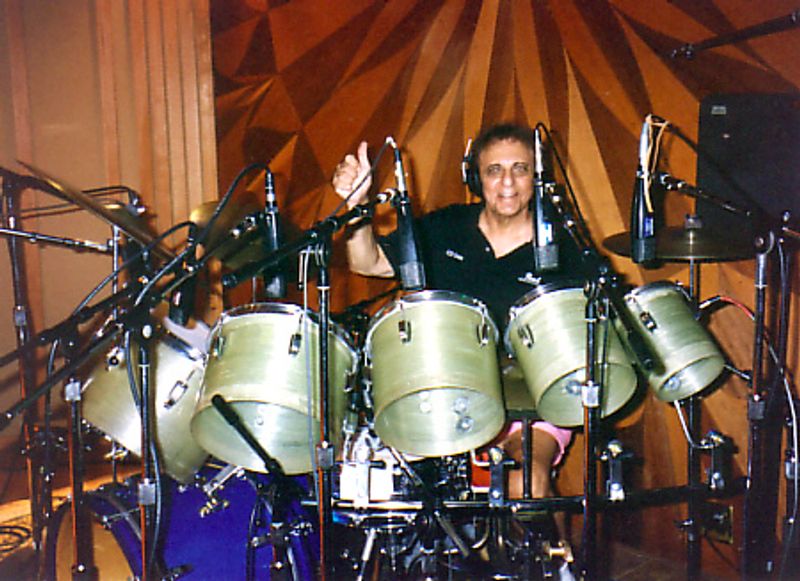
Over the course of his career, Hal Blaine performed on more than 35,000 recording sessions and contributed to 6,000 singles, a volume of work that has never been matched in the history of American studio drumming.
A core member of the Los Angeles session collective known as the Wrecking Crew, Blaine played on records by the Beach Boys, Simon and Garfunkel, Frank Sinatra, Elvis Presley, and the Carpenters, among countless others. Producers trusted him because he could move between styles without losing the rhythmic precision each song required.
His opening drum pattern on the Ronettes’ “Be My Baby” became one of the most imitated introductions in pop history. Blaine also played on six consecutive Grammy Award Record of the Year winners from 1966 to 1971, a streak that speaks for itself.
2. Billy Preston
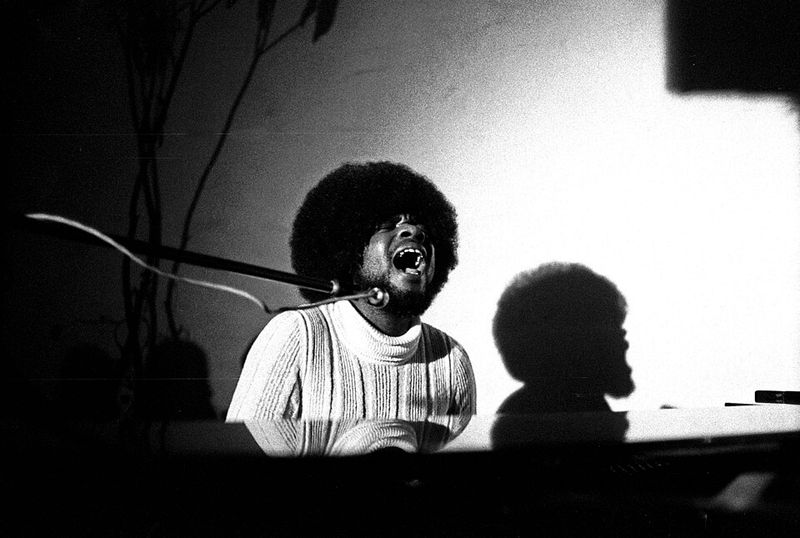
When Billy Preston walked into the Beatles’ chaotic Get Back sessions in January 1969, the atmosphere reportedly shifted for the better almost immediately. His presence alone changed the dynamic of the room.
Preston played electric piano and organ on songs including “Get Back” and “Don’t Let Me Down,” bringing a warmth and energy that the sessions had been lacking. His contribution was considered so important that the 1969 single “Get Back” was credited to “The Beatles with Billy Preston,” making him the only outside artist ever credited as a co-performer on a Beatles single.
After his time with the Beatles, Preston worked extensively with the Rolling Stones on albums including “Sticky Fingers” and “Exile on Main St.” He also collaborated with Eric Clapton, Bob Dylan, and Aretha Franklin throughout his career.
3. Steve Gadd
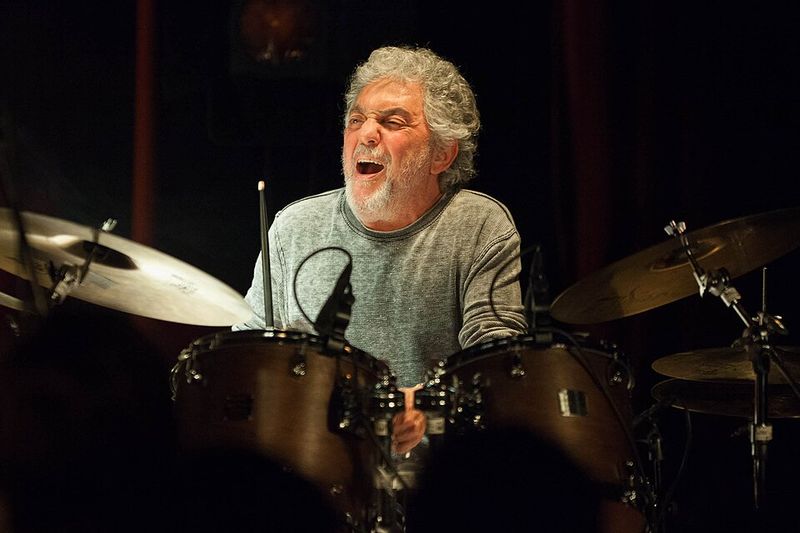
The drum groove that opens Paul Simon’s “50 Ways to Leave Your Lover” is one of the most instantly recognizable patterns in 1970s pop music, and it belongs entirely to Steve Gadd.
Gadd built a reputation as one of his generation’s most respected session drummers, appearing on recordings with Paul Simon, Steely Dan, Eric Clapton, James Taylor, and Chick Corea. His playing combined technical precision with a musical restraint that made producers trust him with their most important projects.
His performance on the title track of Steely Dan’s 1977 album “Aja” became required study material for serious drummers, functioning almost as a featured solo while still holding the track together. Gadd’s career proves that extraordinary skill and selfless musical service are not mutually exclusive qualities in a session player.
4. Nicky Hopkins
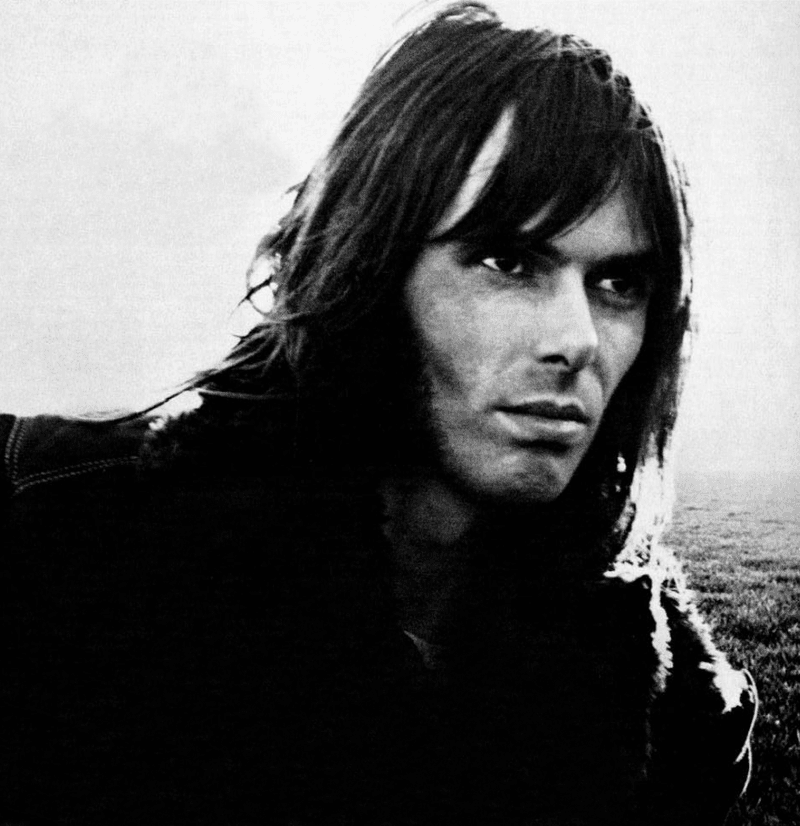
Mick Jagger once described Nicky Hopkins’ piano playing on “She’s a Rainbow” as a music box version of Mozart, which gives a sense of just how distinctive his contributions to the Rolling Stones’ catalog were.
The English keyboardist worked with an extraordinary range of artists throughout his career, including the Rolling Stones, the Who, the Kinks, Jefferson Airplane, John Lennon, and George Harrison. His playing could add personality and color to a track without ever overshadowing the central performance.
Hopkins contributed to celebrated Stones recordings including “Sympathy for the Devil,” “No Expectations,” and “Gimme Shelter.” His elegant touch on those sessions made him one of the most quietly influential figures in classic rock, recognized primarily by musicians and dedicated fans rather than casual listeners.
5. Bernard Purdie
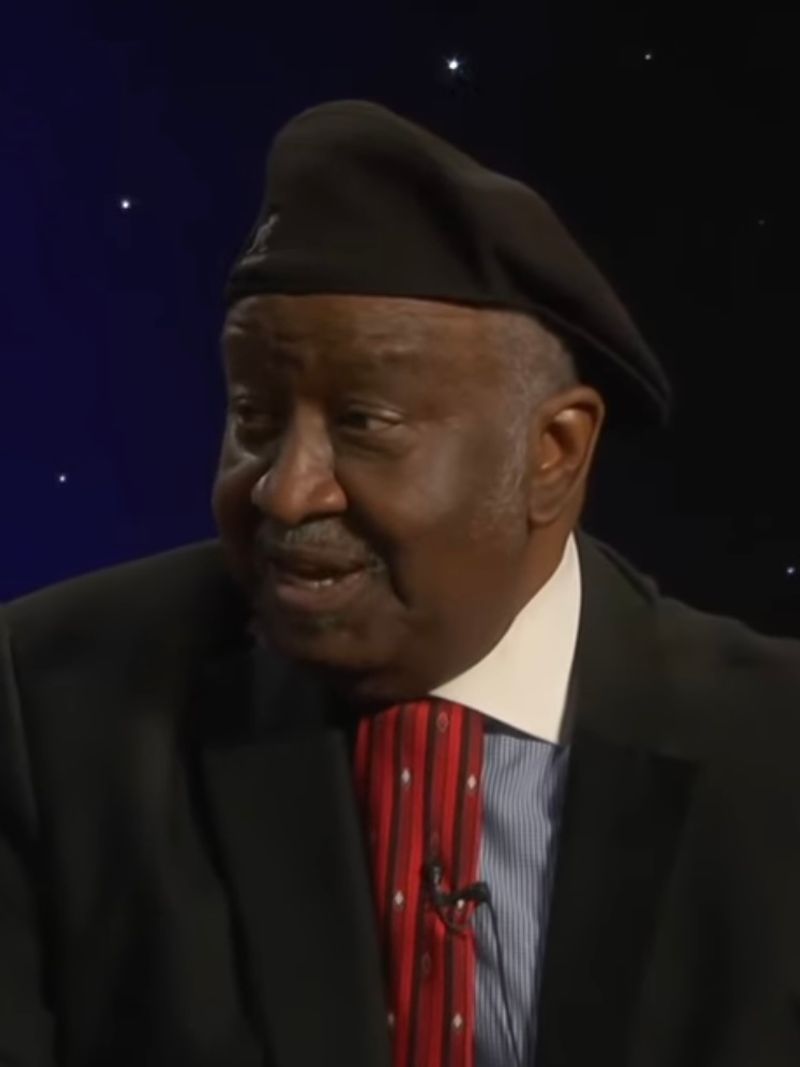
Few drummers can claim that a specific rhythmic feel carries their name, but Bernard “Pretty” Purdie is one of them. The Purdie Shuffle, built around triplets against a half-time backbeat with syncopated ghost notes, has been studied and adapted by generations of players since he introduced it.
Purdie’s session résumé is remarkable in its range. He served as Aretha Franklin’s musical director for five years starting in 1970, and his drumming on Steely Dan’s “Home at Last” from the 1977 album “Aja” remains the clearest textbook example of the shuffle associated with his name.
Walter Becker of Steely Dan specifically noted Purdie’s driving hi-hat rhythms as a defining element of that recording. What set Purdie apart wasn’t volume or flash.
His value was feel, and feel is the hardest thing to teach.
6. Duane Allman
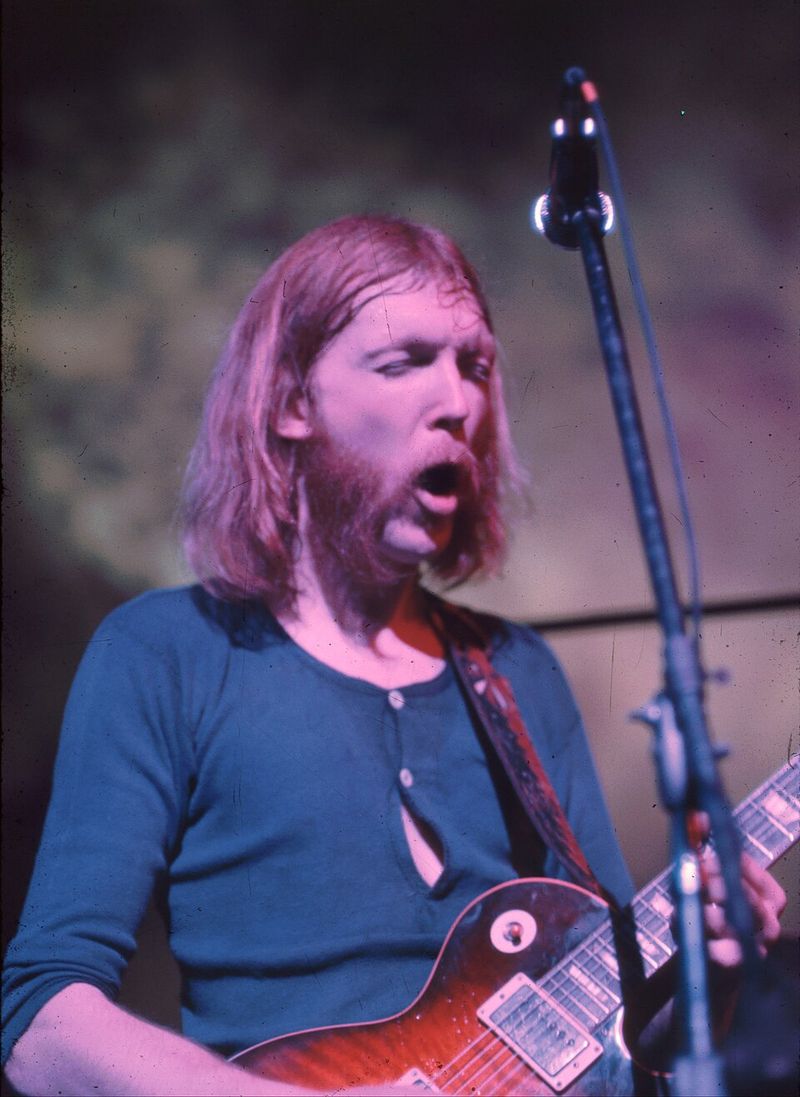
Before he became one of rock’s most celebrated guitarists, Duane Allman was earning his reputation in the recording studios of Muscle Shoals, Alabama, where his fiery playing on Wilson Pickett’s 1968 cover of “Hey Jude” caught the attention of Eric Clapton.
That connection led to one of the great guest appearances in rock history. Allman joined Clapton and Derek and the Dominos during the recording of “Layla and Other Assorted Love Songs” in 1970, playing lead and slide guitar on 11 of the album’s 14 tracks.
He is also credited with creating the signature riff of the title track, transforming what had been a slower ballad into a driving rock recording.
Allman’s session career was brief. He passed away in October 1971 at only 24, but the performances he left behind influenced guitarists for decades afterward.
7. Steve Lukather
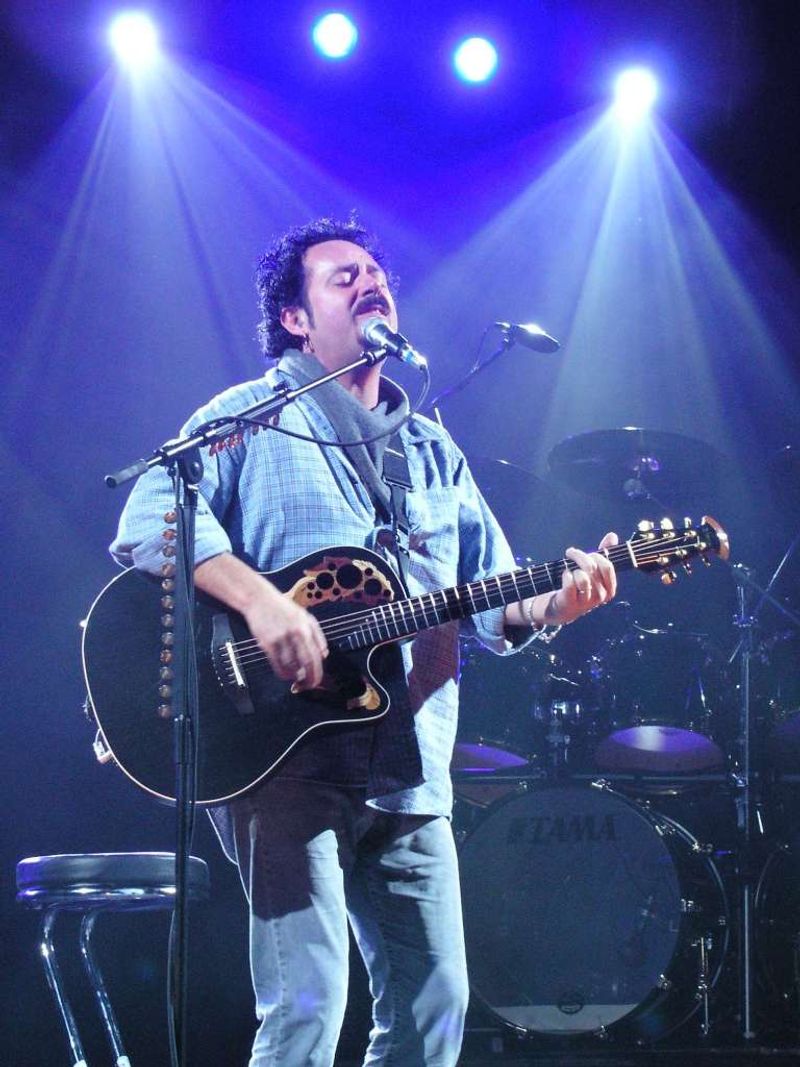
Steve Lukather contributed guitar tracks to over 1,500 albums during his career as a Los Angeles session player, a number that reflects just how thoroughly he was woven into the fabric of major-label recording during the late 1970s and 1980s.
His work on Michael Jackson’s “Beat It” is among his most well-known session contributions. While Eddie Van Halen’s solo receives most of the attention, Lukather played the iconic main riff, contributed rhythm guitar, and also played bass on the track.
He and drummer Jeff Porcaro re-cut the basic tracks specifically to accommodate Jackson’s vocal and Van Halen’s solo.
Lukather also worked with Boz Scaggs, Lionel Richie, and Earth, Wind and Fire, among many others. His ability to shift between rock, pop, and R&B without losing his musical identity made him one of the era’s most versatile studio guitarists.
8. Jeff Porcaro
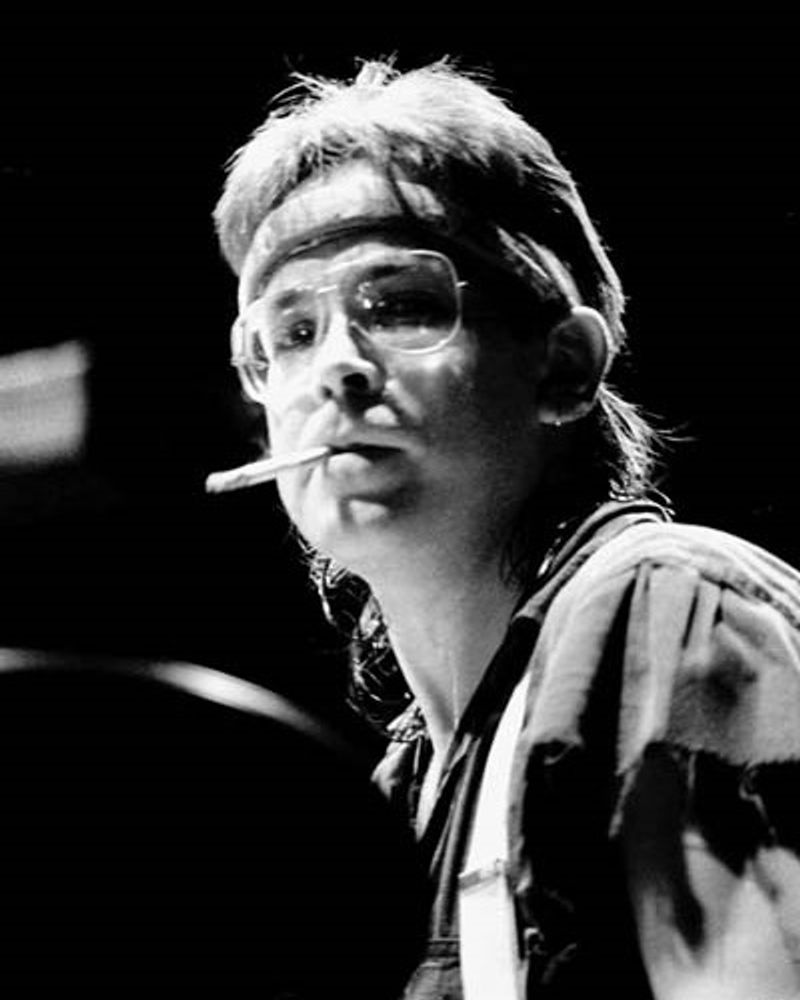
Jeff Porcaro was widely regarded as one of the most technically accomplished and musically sensitive studio drummers working in Los Angeles from the mid-1970s through the early 1990s, a reputation built across hundreds of albums and thousands of individual sessions.
He played on recordings for Steely Dan, Boz Scaggs, Michael Jackson, Elton John, and Paul McCartney, among many others. His drum performance on Michael Jackson’s “Beat It” placed him in the rhythm section of one of the 1980s’ defining pop recordings.
For Toto’s own hit “Rosanna,” Porcaro created a half-time shuffle groove that drew from Bernard Purdie’s shuffle, John Bonham’s drumming on “Fool in the Rain,” and a Bo Diddley beat. That combination became one of the most studied drum patterns in modern music.
Porcaro passed away unexpectedly in August 1992 at age 38.
9. Glen Campbell
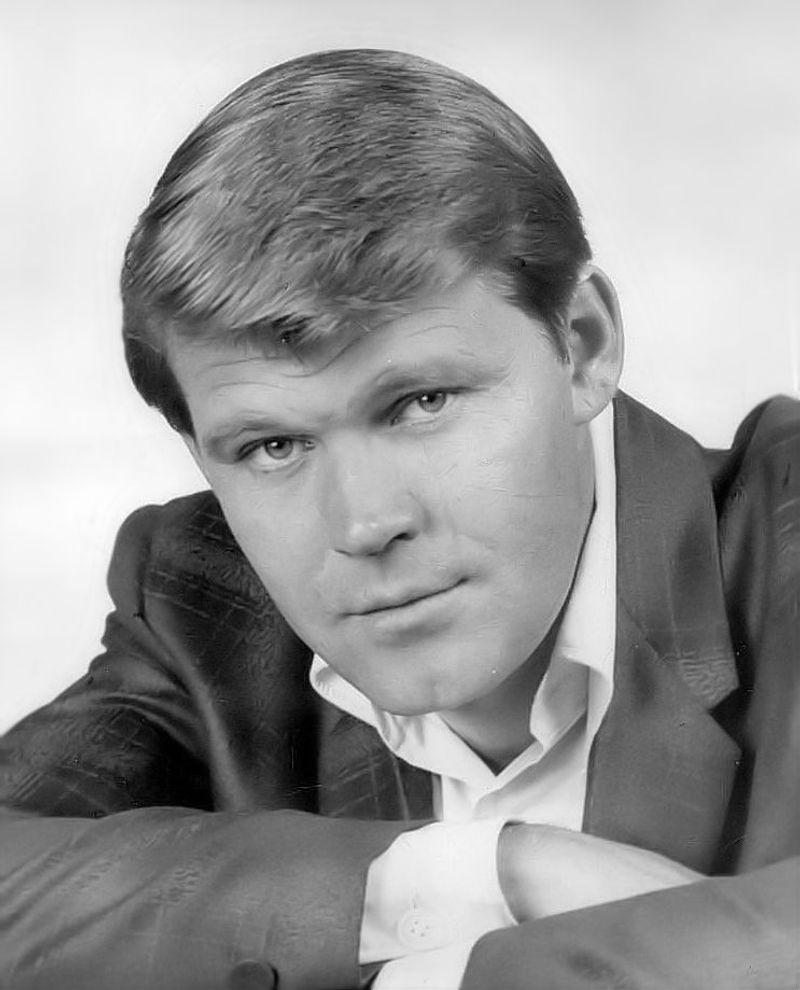
Long before “Wichita Lineman” and “Rhinestone Cowboy” made Glen Campbell a household name, he was one of the busiest and most reliable guitarists working the Los Angeles studio circuit during the 1960s.
Campbell became closely associated with the Wrecking Crew, contributing to sessions for Frank Sinatra, Elvis Presley, and the Monkees, among others. His connection to the Beach Boys was particularly significant.
He played guitar on several sessions including the recording of “Pet Sounds” and briefly toured with the group from late 1964 to early 1965, filling in for Brian Wilson after Wilson stepped back from live performances.
Campbell’s eventual transition from studio musician to solo star was one of the most successful in pop history. His 1967 recording of “Gentle on My Mind” and 1968’s “Wichita Lineman” confirmed that the former session player had become a star in his own right.
10. Leon Russell
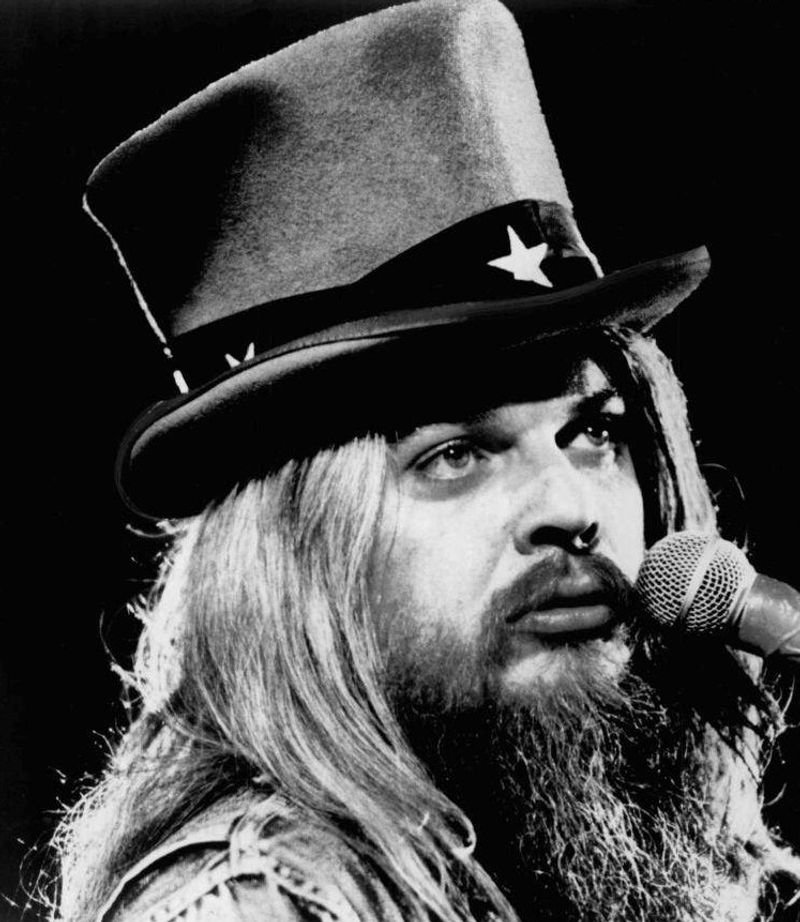
Leon Russell built his early career as a reliable keyboard player in the Los Angeles studio scene before his talents as an arranger, songwriter, producer, and bandleader pushed him well beyond the session world.
A member of the Wrecking Crew circle, Russell contributed to albums by the Beach Boys and the Byrds during the mid-1960s. His skills extended far beyond playing piano on other people’s recordings.
He organized and performed with Joe Cocker’s legendary “Mad Dogs and Englishmen” tour in 1970, one of the most talked-about concert tours of that era.
Russell also collaborated with George Harrison, playing on Harrison’s solo work and participating in the Concert for Bangladesh in 1971. His eventual solo career blended rock, blues, gospel, and country into a distinctive sound that made his earlier life as a studio player easy to overlook.
11. Jimmy Page
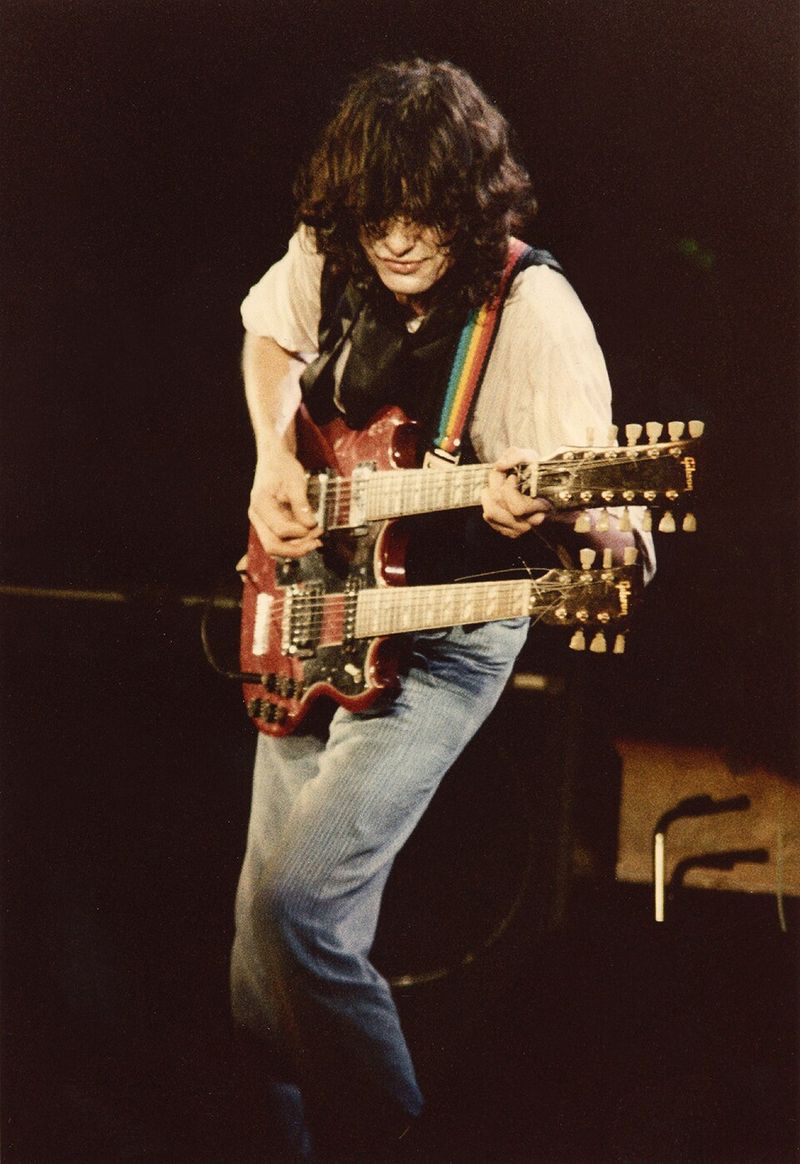
Years before Led Zeppelin made Jimmy Page one of the most recognizable guitarists on the planet, he spent the early and mid-1960s as one of London’s most sought-after session players, valued for his ability to learn material quickly and adapt to whatever style a producer needed.
Page contributed guitar to recordings for the Kinks, the Who, the Rolling Stones, Shirley Bassey, and Joe Cocker during that period. Those years gave him something no music school could have provided: an intimate understanding of how records were actually built, from arrangement decisions to engineering choices.
That knowledge proved crucial for Led Zeppelin, which became as celebrated for its innovative studio sound as for its performances. Page’s pioneering production methods on Zeppelin’s albums grew directly from the lessons he absorbed during those early years working behind the glass.
12. Jim Keltner
Jim Keltner’s list of collaborators reads like a who’s who of rock and folk royalty: John Lennon, George Harrison, Ringo Starr, Bob Dylan, Neil Young, and Eric Clapton, among many others. Few session drummers have worked so consistently at that level for so long.
Keltner became particularly important in the world surrounding the former Beatles after the group’s breakup. He played on Lennon’s “Imagine” album and Harrison’s “Living in the Material World,” and later joined the supergroup Traveling Wilburys.
Those sustained relationships kept him connected to major recordings across multiple decades.
His reputation among musicians rests not on technical fireworks but on feel, taste, and an almost uncanny ability to understand what each specific recording required. Keltner’s deceptively simple patterns and loose, soulful approach made him one of the most trusted drummers in the business for over four decades.
13. Larry Carlton
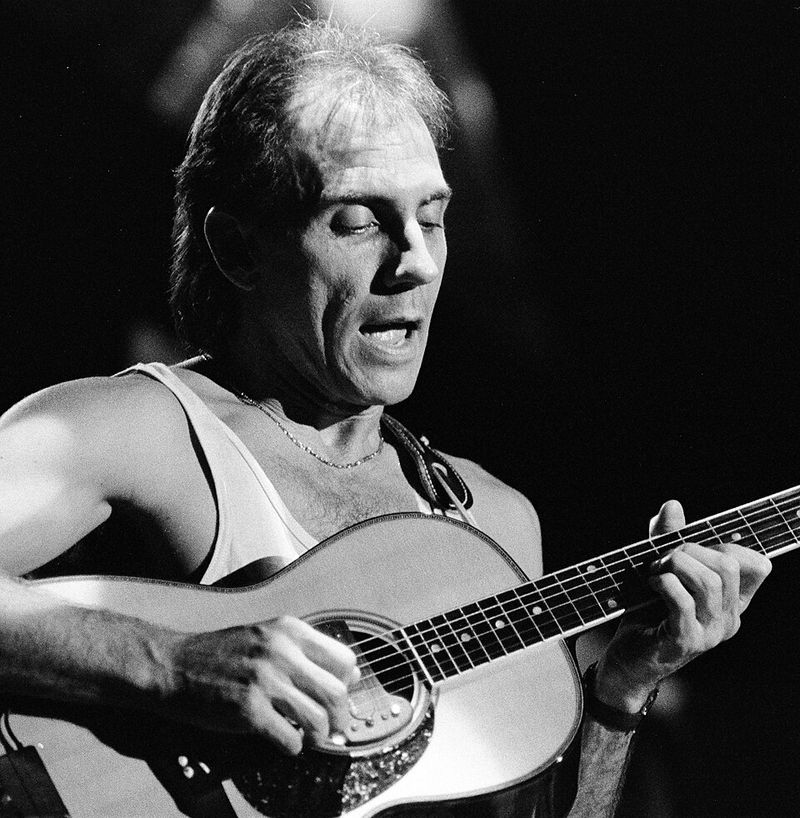
Rolling Stone ranked Larry Carlton’s guitar solo on Steely Dan’s “Kid Charlemagne” at number 8 on its list of the 100 greatest guitar solos of all time, placing a session musician’s contribution among the most celebrated moments in rock guitar history.
Carlton established himself as one of Los Angeles’ premier session guitarists during the 1970s, contributing to thousands of recordings for artists including Steely Dan, Joni Mitchell, Michael Jackson, and Linda Ronstadt. “Kid Charlemagne,” from Steely Dan’s 1976 album “The Royal Scam,” became his signature moment, praised for its technical precision and sophisticated harmonic vocabulary.
Steely Dan was not an easy environment for any musician. Walter Becker and Donald Fagen demanded extremely high standards and used elite players specifically because they could meet those expectations.
Carlton consistently delivered exactly what those sessions required, which is why producers kept calling him.
14. Booker T. Jones
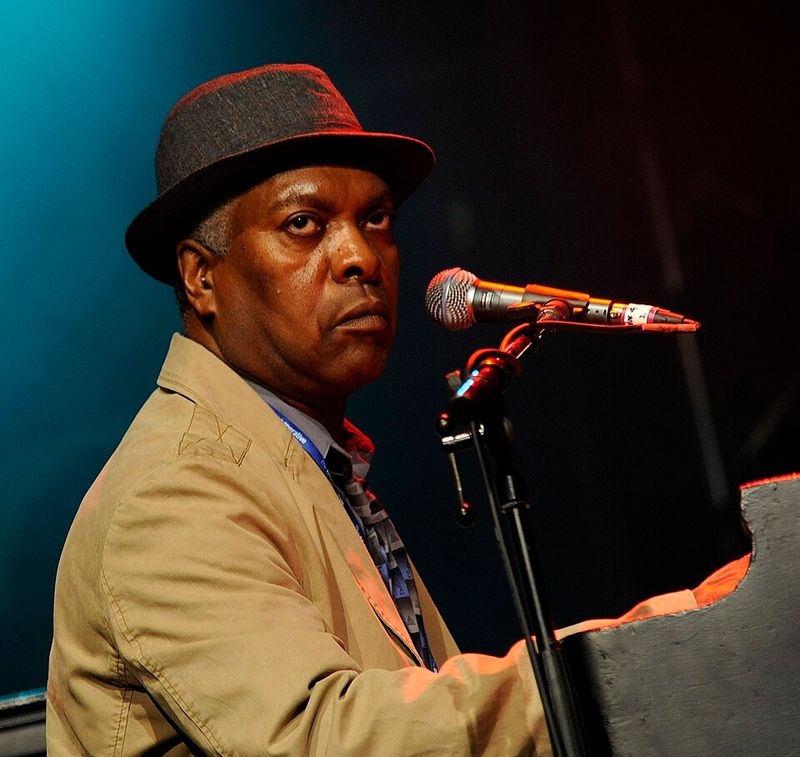
At Stax Records in Memphis during the 1960s, Booker T. and the M.G.’s were not simply a backing band. They were the engine behind one of American music’s most distinctive and influential sounds.
Jones and his fellow musicians provided backing for hundreds of soul recordings, supporting artists including Otis Redding, Wilson Pickett, and Sam and Dave. His Hammond organ playing became a defining characteristic of what came to be called the Memphis Sound, weaving his musical personality into the work of numerous Stax artists across hundreds of sessions.
Unlike most session players, Jones also enjoyed major success under his own name. The band’s 1962 instrumental “Green Onions” topped the U.S.
R&B chart and reached number three on the Billboard Hot 100. On any given project, Jones might be the person supporting a star or the person whose organ was the main attraction.
15. Dr. John
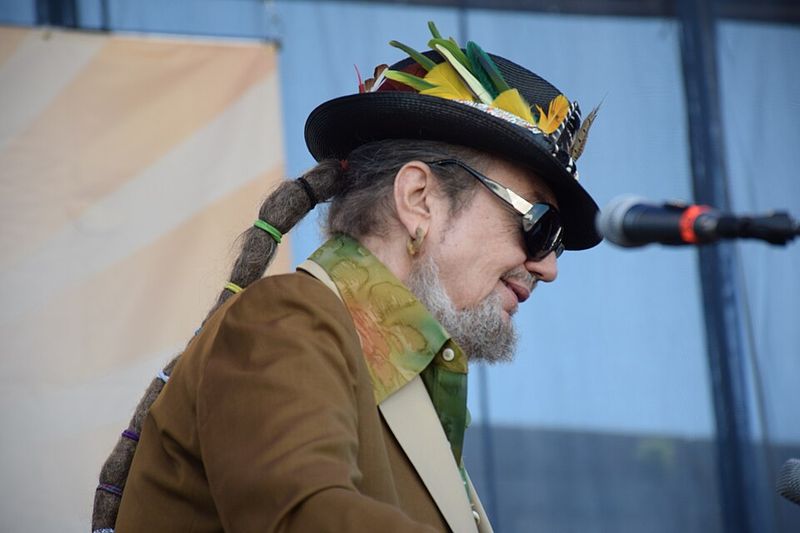
Mac Rebennack began his career in the New Orleans recording scene of the 1950s primarily as a guitarist, building session experience in one of American music’s richest regional traditions before relocating to Los Angeles in the mid-1960s to continue his studio work.
An injury to his left ring finger around 1960 or 1961 changed the course of his career. Rebennack shifted away from guitar, eventually making piano his primary instrument.
That transition did not slow him down. He remained a highly active session player in Los Angeles while developing the artistic identity he would bring to his work as Dr. John.
His records as Dr. John blended New Orleans R&B, blues, funk, jazz, soul, and psychedelic rock into something genuinely his own. Even after achieving recognition as a solo artist, he continued collaborating with Eric Clapton, Mick Jagger, Ringo Starr, and Van Morrison, carrying his session instincts throughout his entire career.
Share this story