Every September, something remarkable happens across North America’s parks and preserves. Bull elk that spent the summer quietly grazing suddenly transform into one of wildlife’s most dramatic performers, bugling across open meadows, gathering herds of females, and occasionally crashing antlers with rivals in full view of anyone patient enough to watch.
These seasonal spectacles happen in some of the country’s most breathtaking landscapes, from the high Rockies to California’s ancient redwood forests and Arkansas river valleys. Whether you are a longtime wildlife enthusiast or someone who has never seen a wild elk in person, autumn rut season offers a rare window into raw, unscripted animal behavior.
The 13 parks and protected areas on this list are among the best places in North America to witness it firsthand. Some are famous, some are surprisingly off the radar, and all of them earn their reputation once the bugling begins.
1. Rocky Mountain National Park, Estes Park, Colorado
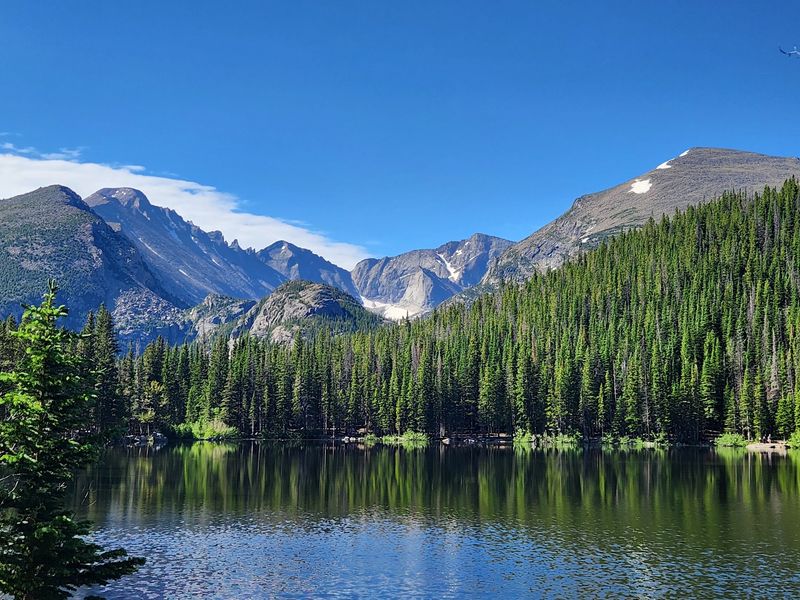
Every fall, Rocky Mountain National Park becomes ground zero for one of America’s most iconic wildlife events, with bull elk descending from higher elevations to gather females in broad mountain meadows visible right from your car window.
September and October are the key months, with the final two weeks of September typically producing the most intense bugling activity. Moraine Park, Horseshoe Park, and Upper Beaver Meadows are the classic spots, and even the town of Estes Park sees elk on lawns and golf courses.
The park enforces seasonal meadow closures from September 1 through October 31, restricting foot traffic in prime areas between 5 p.m. and 10 a.m. Timed entry permits are also required for key corridors during peak season.
Visitors must stay at least 75 feet from elk at all times. Imitating bugles and using spotlights are both prohibited.
The golden aspen backdrop and the sheer number of elk make this one of the continent’s most photogenic rut destinations.
2. Yellowstone National Park, Mammoth, Wyoming
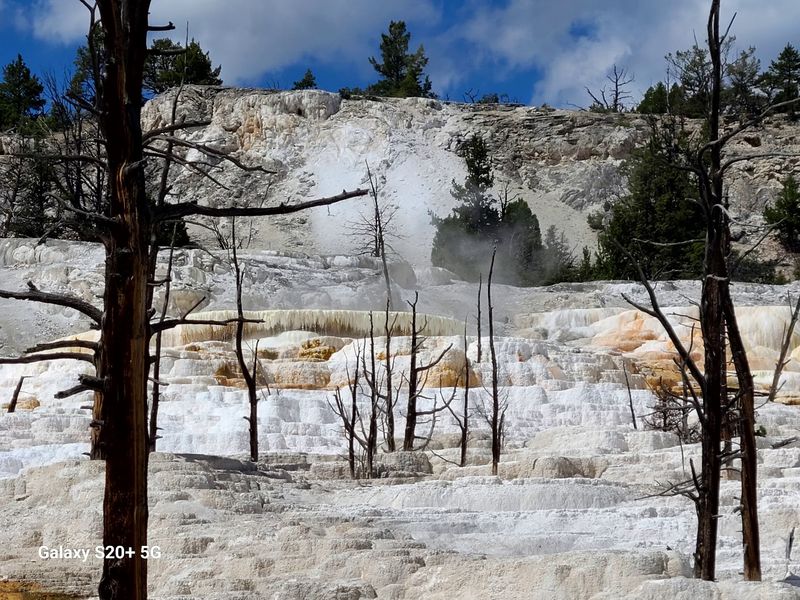
Yellowstone in September has a reputation that goes well beyond geysers. The northern range around Mammoth Hot Springs turns into an open-air elk theater, where bulls bugle within earshot of historic buildings and tourists watching from the sidewalk.
The Madison River meadows and Lamar Valley are additional hotspots, each offering a different style of viewing across Yellowstone’s famously varied terrain. Elk are most vocal at dawn and dusk, making early starts worthwhile.
Between 10,000 and 20,000 elk summer in the park across multiple herds, with roughly 4,000 to 5,000 remaining through winter. The northern herd alone has numbered in the thousands for generations.
Bull elk near Mammoth are accustomed to people but remain genuinely wild and unpredictable. Maintaining at least 25 yards of distance is mandatory, and approaching a bull that is actively herding cows is especially risky.
Rangers are typically stationed at popular viewing areas to help visitors stay safe.
3. Grand Teton National Park, Moose, Wyoming
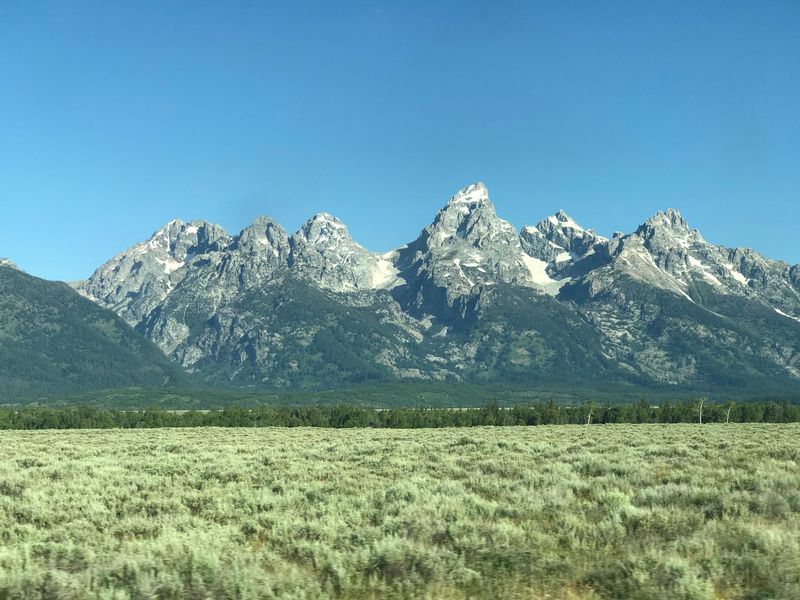
No mountain range in North America provides a more dramatic backdrop for a bugling elk than the jagged Teton peaks, and fall is exactly the right time to catch both in the same frame.
The rut runs from late August through mid-October, with bulls gathering harems in open sagebrush flats and valley meadows. Recommended viewing areas include Bradley-Taggart parking, White Grass Meadow, and the meadows near Granite Canyon.
The National Elk Refuge boundary at the park’s southern edge also draws bulls during peak activity.
Grand Teton is part of the larger Greater Yellowstone Ecosystem, and its Jackson elk herd is the largest in North America, with roughly 8,000 animals wintering on the adjacent National Elk Refuge.
Bulls can lose up to 20 percent of their body weight during the rut from constant activity and reduced feeding. Visitors should keep at least 75 feet from elk and never position themselves between a bull and his herd of cows.
4. Great Smoky Mountains National Park, Cherokee, North Carolina
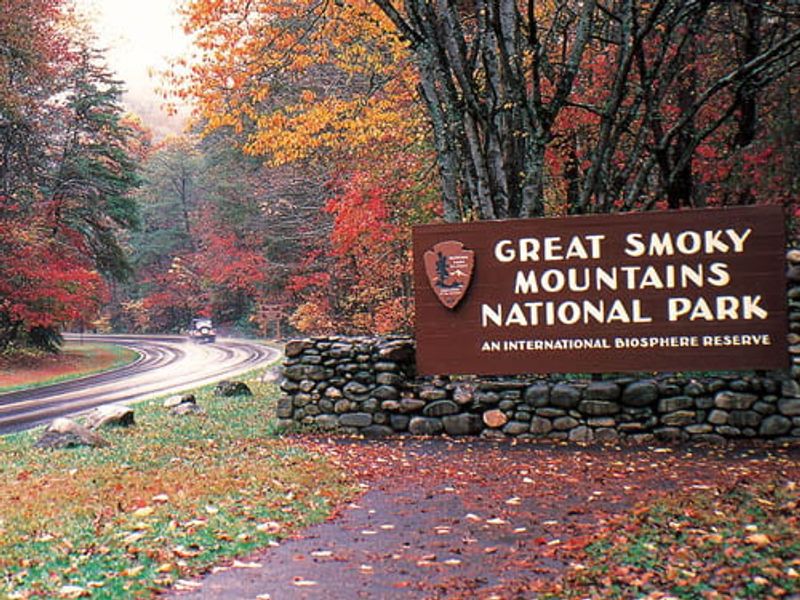
Cataloochee Valley holds one of the most compelling comeback stories in American wildlife conservation. Elk were gone from the southern Appalachians for well over a century before 25 animals were released here in 2001, and today the herd numbers more than 200.
The rut runs from early September through late October, and bulls produce calls that carry more than a mile through the narrow mountain valleys. Cataloochee, Oconaluftee, and Balsam Mountain are the park’s primary viewing areas, with fields most active around dawn and dusk.
During the rut, pedestrian access to fields in key elk areas is closed entirely. Roadside pull-offs become the designated viewing spots, and rangers are typically present to help manage crowds and distances.
The legal minimum distance is 50 yards from any elk, with fines possible for violations. Feeding elk is prohibited and has caused problems in the past.
Approaching a bull that is actively guarding cows is particularly inadvisable during this season.
5. Valles Caldera National Preserve, Jemez Springs, New Mexico
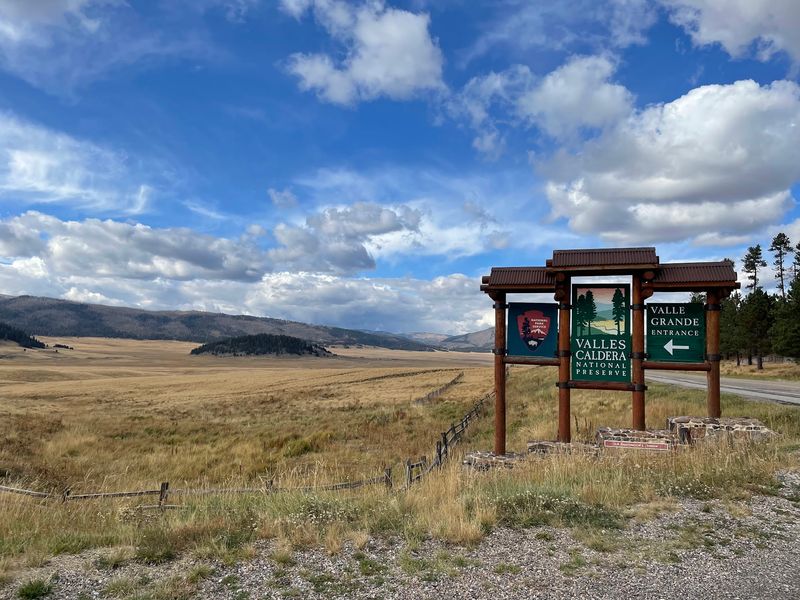
Valles Caldera is one of those places that genuinely surprises first-time visitors. A collapsed volcanic crater roughly 13 miles across, it holds one of New Mexico’s largest elk herds and some of the most open terrain you will find anywhere in the American Southwest.
The rut typically runs from early September into mid-October, with peak bugling concentrated in mid-September. Valle Grande, the preserve’s largest open meadow, offers wide-angle views that put the sheer scale of the caldera on full display alongside the elk activity.
The preserve is home to an estimated 2,500 to 3,000 elk, making it the second-largest elk herd in New Mexico. Limited fall driving tours occasionally provide access to interior meadows like Valle San Antonio, though advance reservations fill quickly.
Viewing is best during the first hour after sunrise and the last before dusk. Visitors should pull fully off NM-4 when stopping, keep dogs leashed, and maintain respectful distances from any animals encountered along the route.
6. Wind Cave National Park, Hot Springs, South Dakota
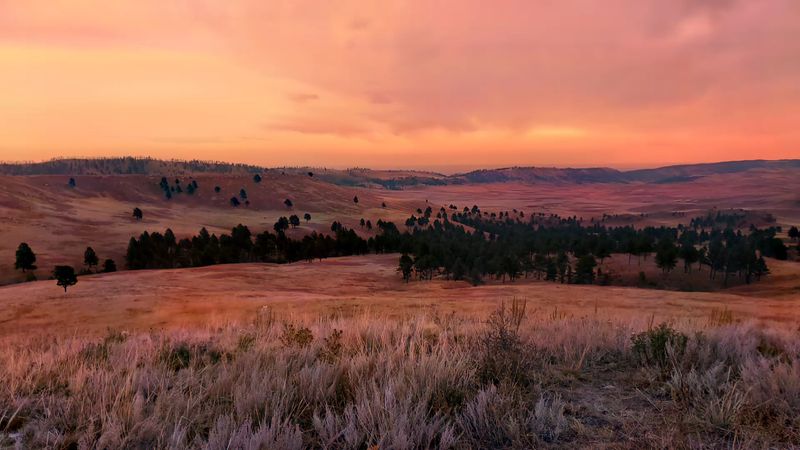
Wind Cave is best known for what lies underground, but September and October remind visitors that the park’s surface has its own headline act. Bull elk bugle along the edges of grasslands and ponderosa pine forests, most reliably around dawn and dusk.
The aptly named Elk Mountain Campground and its surrounding slopes are reliable starting points, and Boland Ridge in the park’s eastern section is noted for consistent elk activity during the rut. Roadside pull-offs along Highways 87 and 385 also offer listening opportunities for those with limited time.
The park has a notable conservation history with elk. Animals reintroduced here in 1914 and 1916 from Wyoming eventually helped restore elk populations across multiple other parks, including Theodore Roosevelt National Park in North Dakota.
The current population is actively managed, partly in response to Chronic Wasting Disease detected in 2003. Ranger-led fall elk bugling programs have been offered in recent seasons, making this one of the few parks with organized educational events built around the rut.
7. Theodore Roosevelt National Park, Medora, North Dakota
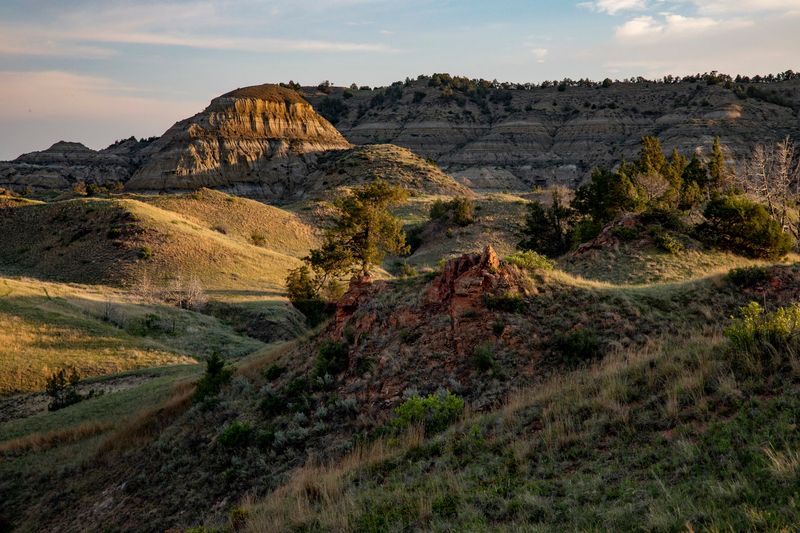
Spotting an elk in Theodore Roosevelt National Park feels like finding something extra. Bison and prairie dogs dominate most wildlife sightings here, which makes a rut-season encounter with a bugling bull feel like a genuine bonus.
The South Unit offers the best odds, with Wind Canyon Overlook and the Buck Hill area recommended for early morning and late afternoon scans. Elk were reintroduced to the South Unit in 1985 using animals from Wind Cave National Park, after being absent from the North Dakota Badlands since the late 1800s.
Population management is ongoing here, partly because the park has no natural predators to regulate numbers. The herd has exceeded 1,000 animals at times, and the park maintains an optimal target of 100 to 400 through culling and transfers to Native American tribes.
Bulls become vocal and territorial beginning in September, bugling to gather harems and challenge rivals. Elk are notably shy compared to bison, so quiet, patient observation from a vehicle gives the best chance of a close sighting.
8. Buffalo National River, Ponca, Arkansas
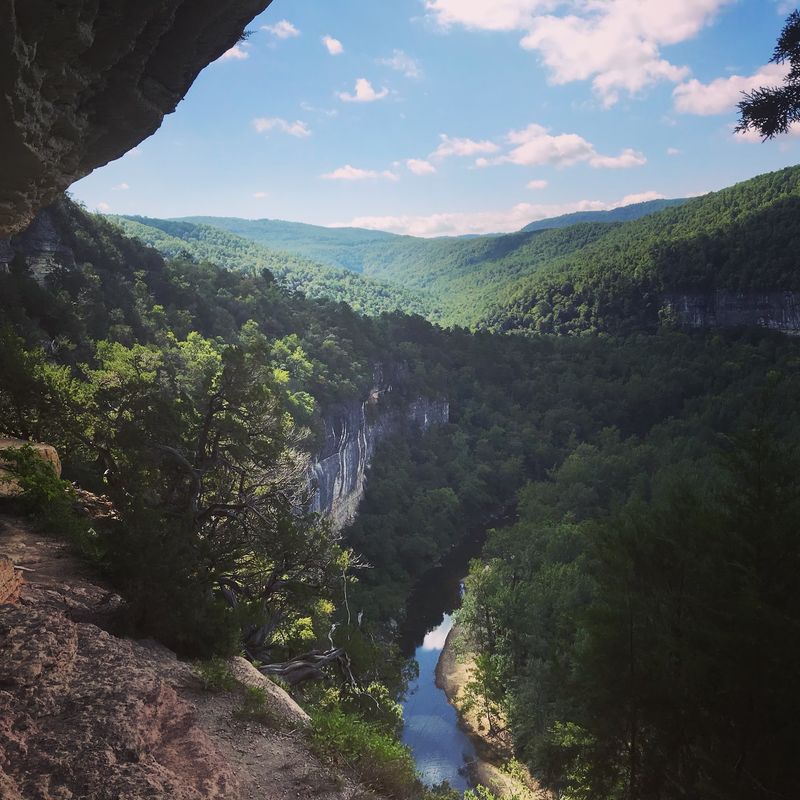
Most people do not think of Arkansas when elk come to mind, but the Boxley Valley quietly hosts one of the South’s most rewarding fall wildlife experiences, and the rut is the main event.
October and November are peak months for viewing, with a six-mile stretch of Highways 43 and 21 between Ponca and Boxley serving as the primary corridor. Elk emerge into open fields along the river corridor near sunrise and again in late afternoon.
Erbie Campground and Carver Bridge on Highway 123 are additional spots worth checking.
This herd traces back to a 1981 reintroduction of 112 Rocky Mountain elk from Colorado and Nebraska. Eastern elk had been gone from Arkansas since the 1840s.
Today, the herd numbers between 450 and 900 animals, and Newton County holds the official title of Elk Capital of Arkansas.
When stopping to watch, pull completely off the highway and stay aware that much of the surrounding land is privately owned. Never approach or feed elk, particularly during the rut when bulls are most unpredictable.
9. Sinnemahoning State Park, Austin, Pennsylvania
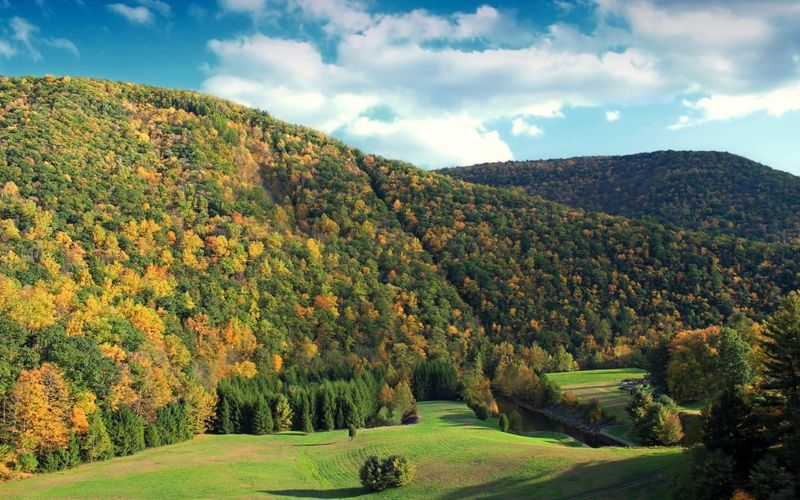
Tucked into the steep ridges and creek valleys of the Pennsylvania Wilds, Sinnemahoning State Park offers one of the region’s most accessible elk viewing setups, built around a dedicated wildlife platform that overlooks a grassy clearing planted specifically for elk.
The rut runs through September and October, peaking roughly from mid-September to early October. The 40 Maples Picnic Area and the Stevenson Dam spillway are additional places where elk regularly appear.
The Lowlands Trail leading to the platform is ADA-accessible, making this one of the more inclusive elk viewing options in the Northeast.
Pennsylvania’s elk herd, the largest free-ranging herd in the northeastern United States, numbers around 1,400 animals. Elk were gone from the state by the late 1800s and were reintroduced beginning in 1913 with animals from Yellowstone.
Cell service is very limited in this remote park, so downloading maps before arrival is a practical necessity. Maintain at least 50 yards from elk at all times, and never feed them, as doing so is both illegal and genuinely dangerous.
10. Olympic National Park, Port Angeles, Washington
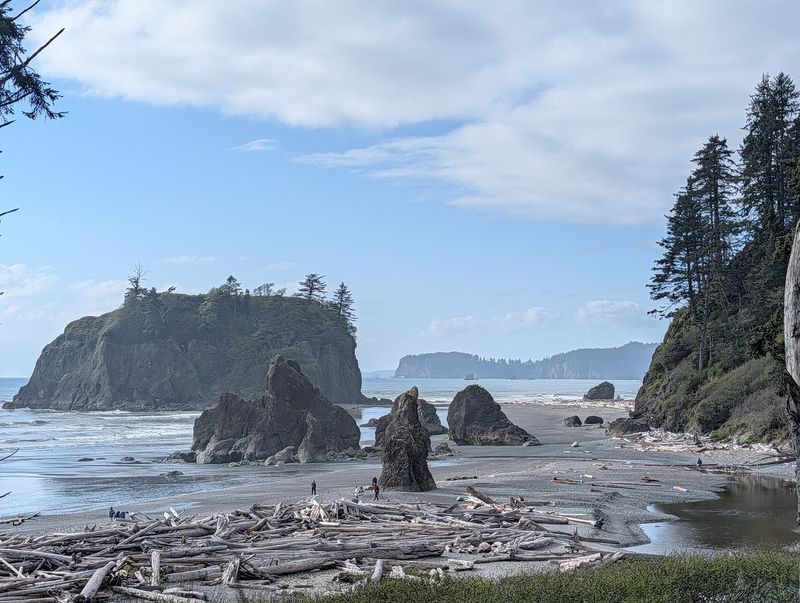
Olympic National Park is home to the largest fully wild and unmanaged herd of Roosevelt elk in the Pacific Northwest, and autumn brings their breeding season into the park’s famous rainforest valleys in a setting unlike any other on this list.
The Hoh Rain Forest is the most well-known viewing area, with non-migratory elk present year-round and rutting behavior observable along nature trails. The Quinault Rain Forest loop and Dosewallips area on Hood Canal are additional locations with reliable fall sightings.
Roosevelt elk are the largest North American elk subspecies, with bulls reaching up to 1,200 pounds. Olympic National Monument was originally established in 1909 partly to protect these animals from overhunting, when populations had dropped to critical levels.
Visitors should keep at least 50 yards from elk, and the Hoh Campground may close for overnight use in October due to rut-related safety concerns. Elk frequently cross park roads during this period, so drivers should reduce speed and stay alert throughout the lower valley corridors.
11. Prairie Creek Redwoods State Park, Orick, California
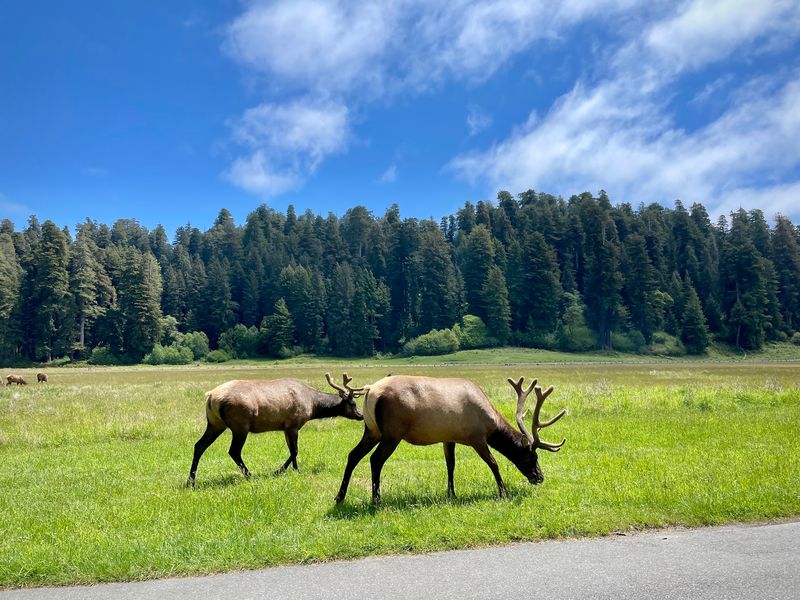
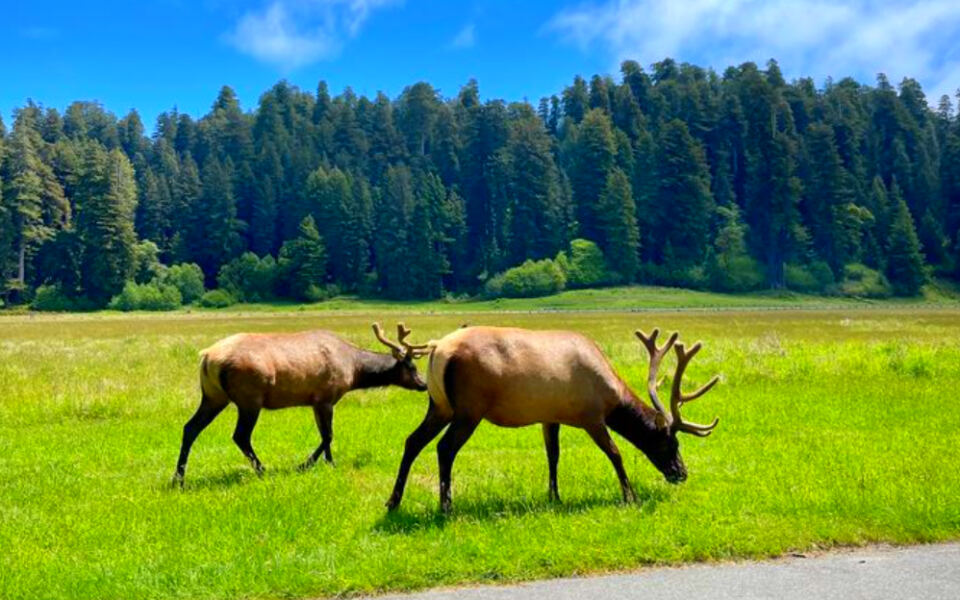
Prairie Creek Redwoods State Park offers one of the most visually distinctive settings for elk watching anywhere in North America. Ancient redwoods tower over open grassy prairies where Roosevelt elk graze in full view, and the rut adds a layer of drama that the scenery alone cannot top.
The rut runs from late August through mid-October. Elk Prairie near the visitor center and campground along Newton Drury Scenic Parkway is the park’s signature viewing spot.
Elk Meadow off Davison Road and Gold Bluffs Beach, where elk graze next to the ocean, round out the main locations.
Seven elk herds call Redwood National and State Parks home, with the Bald Hills herd being the largest at around 250 animals. Roosevelt elk here are non-migratory due to the mild coastal climate, meaning bulls are present year-round but most active during fall breeding season.
Keep at least 25 yards from elk at all times, and never approach a bull on foot during the rut. If a bull moves toward you, retreat to a vehicle or behind a large tree immediately.
12. Bighorn Canyon National Recreation Area, Fort Smith, Montana
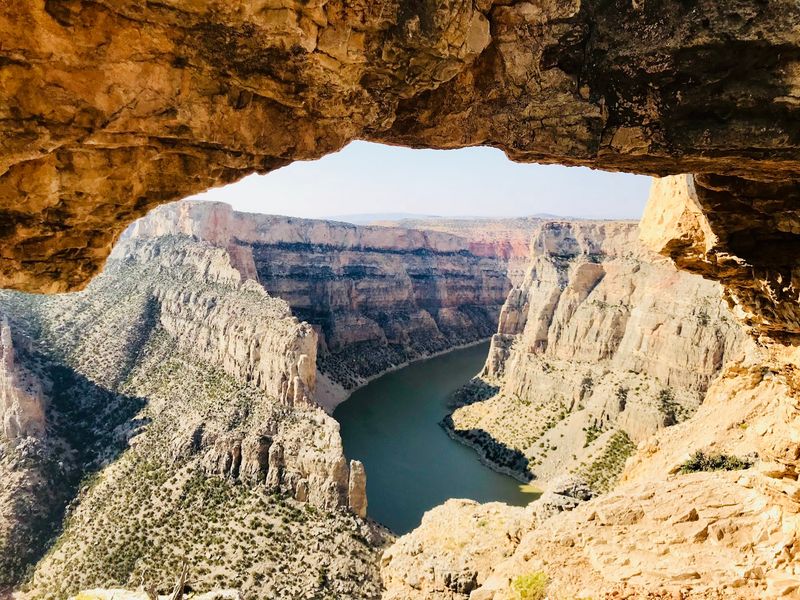
Bighorn Canyon is the kind of place where wildlife watching feels genuinely unscripted. There are no famous roadside meadows or designated viewing platforms here, just open canyon country along the Montana-Wyoming border and the chance that a bugling bull will appear somewhere on a distant ridge.
The rut typically peaks from mid-September through the first week of October, often within days of the autumnal equinox. Pine and fir woodlands along the canyon flanks and surrounding Bighorn National Forest foothills provide core elk habitat.
Historically, the Crow tribe hunted elk in an area within the canyon they called Bull Elk Basin.
Dawn and dusk on cold, clear mornings give the best odds of hearing bulls. A mature bull may gather a harem of 20 or more cows and defend them aggressively, often losing significant body weight by the end of the season.
General wildlife etiquette applies throughout: keep a safe distance from all animals and avoid approaching rutting bulls. The wide-open terrain and dramatic cliffs make even a distant sighting feel like a worthwhile reward.
13. Bucktail State Park Natural Area, Emporium, Pennsylvania
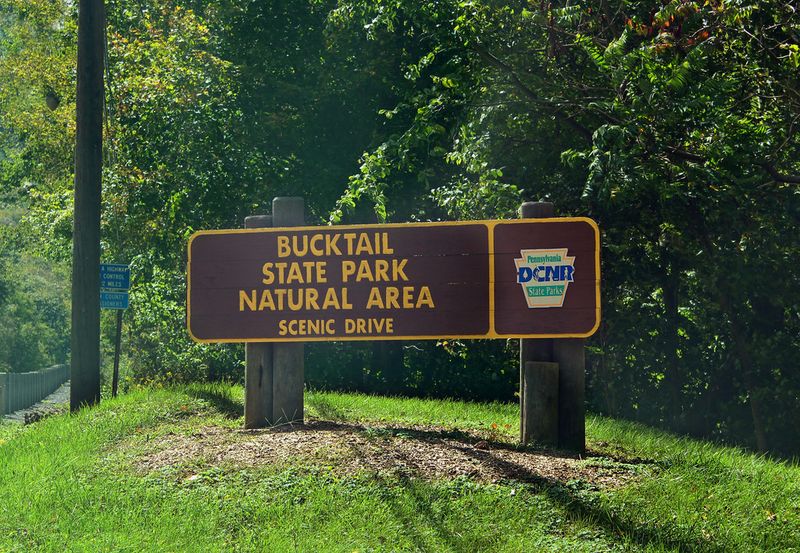
Bucktail State Park Natural Area is less of a traditional park and more of a 75-mile wildlife corridor winding through some of the deepest forest country in Pennsylvania. PA Route 120 follows Sinnemahoning Creek and the West Branch Susquehanna River the entire way, making the drive itself the experience.
Elk are regularly spotted along the northern portion of the route during September and October, particularly around dawn and dusk when the rut is most active. The surrounding Sproul and Elk State Forests add to the sense of genuine remoteness that sets this route apart from busier viewing areas like Benezette.
Pennsylvania’s elk herd, estimated at around 1,400 animals, is the largest free-ranging herd in the northeastern United States. Native elk were gone from the state by the mid-1800s, with reintroduction beginning in 1913 using Rocky Mountain elk from western states.
Visitors should stay at least 100 yards from elk during mating season and remember that much of the surrounding land is privately owned. Following Pennsylvania’s Elk Smart guidelines keeps both people and animals safer throughout the corridor.
Share this story