Serbia sits at one of Europe’s most dramatic cultural crossroads, where the Ottoman and Austro-Hungarian empires competed for centuries over land, trade routes, and political influence. That long tug-of-war left behind a remarkable collection of fortresses, mosques, Baroque palaces, and Ottoman bazaars spread across the country.
From the Vojvodina plains in the north to the southern valleys near Kosovo, the physical evidence of two very different empires is still standing, still visited, and still shaping local identity today. Whether you are a history enthusiast, a curious traveler, or someone who simply appreciates beautiful old buildings, these twelve Serbian towns offer a genuinely rewarding look at a part of European history that does not always get the attention it deserves.
Belgrade
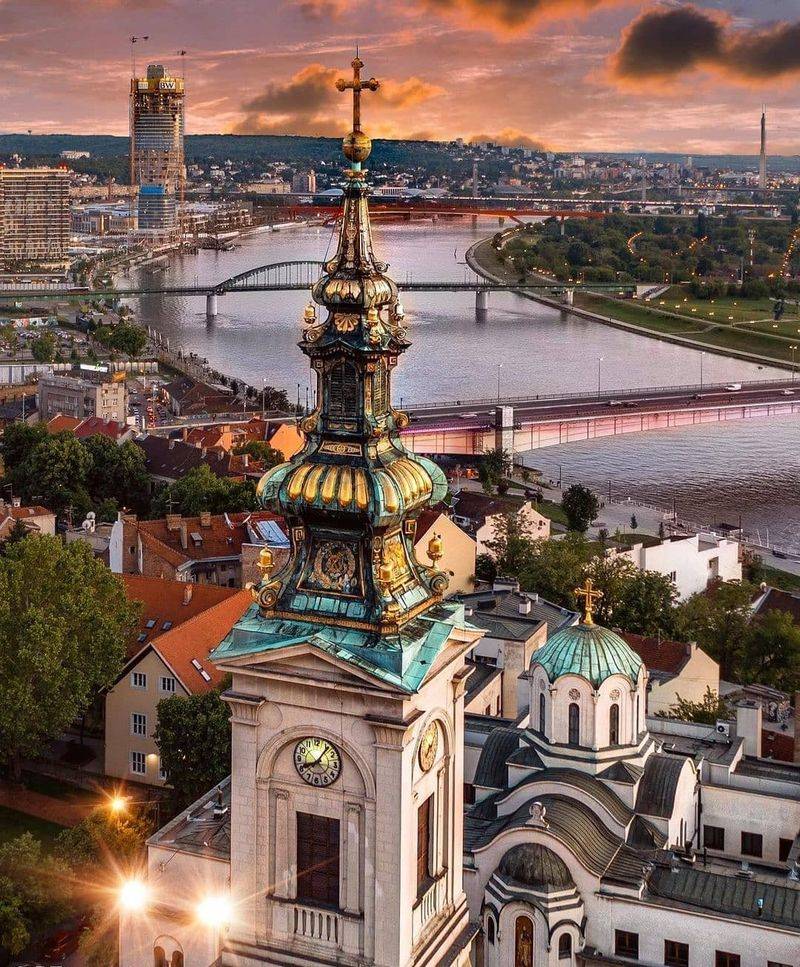
Belgrade may be a modern capital, but its oldest corner tells a story of empires fighting over the same patch of ground for centuries. The Belgrade Fortress at Kalemegdan changed hands between Ottoman and Austrian forces multiple times, and both sides left their mark on the walls.
You can literally walk from a Turkish tower to an Austrian gate within a few minutes.
The Baroque Gate of Charles VI is one of the clearest reminders of Habsburg control, while Damad Ali Pasha’s Turbeh and the Ottoman Clock Tower recall the centuries when Istanbul called the shots here. The fortress is free to enter and remains one of the busiest public spaces in the city, drawing locals and visitors throughout the year.
Nearby Dorćol adds another layer, with the Bajrakli Mosque still functioning as Belgrade’s oldest surviving mosque. Few places in the Balkans pack this much imperial history into such a walkable area.
Novi Sad
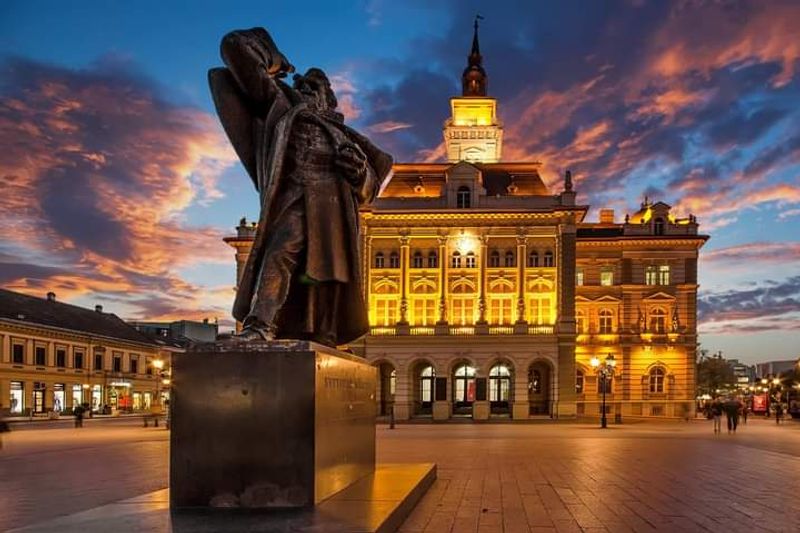
Petrovaradin Fortress does not sit quietly on its hill above the Danube. The sheer scale of the structure demands your attention the moment you cross the river from Novi Sad’s city center.
Built between 1692 and 1780 by Habsburg military engineers, this fortification was designed specifically to stop Ottoman forces from pushing further north into Central Europe.
Known historically as the Gibraltar of the Danube, the fortress played a central role in the 1716 Battle of Petrovaradin, a turning point that confirmed Habsburg dominance over much of the region. Its tunnels alone stretch for miles beneath the hill, and the famous clock tower with its reversed hands is one of the most photographed landmarks in Serbia.
Today the fortress houses the City Museum, art studios, galleries, and cultural venues. It stays active year-round and never quite feels like a relic.
Novi Sad built its identity in the shadow of this fortress, and that relationship is still visible everywhere.
Zemun
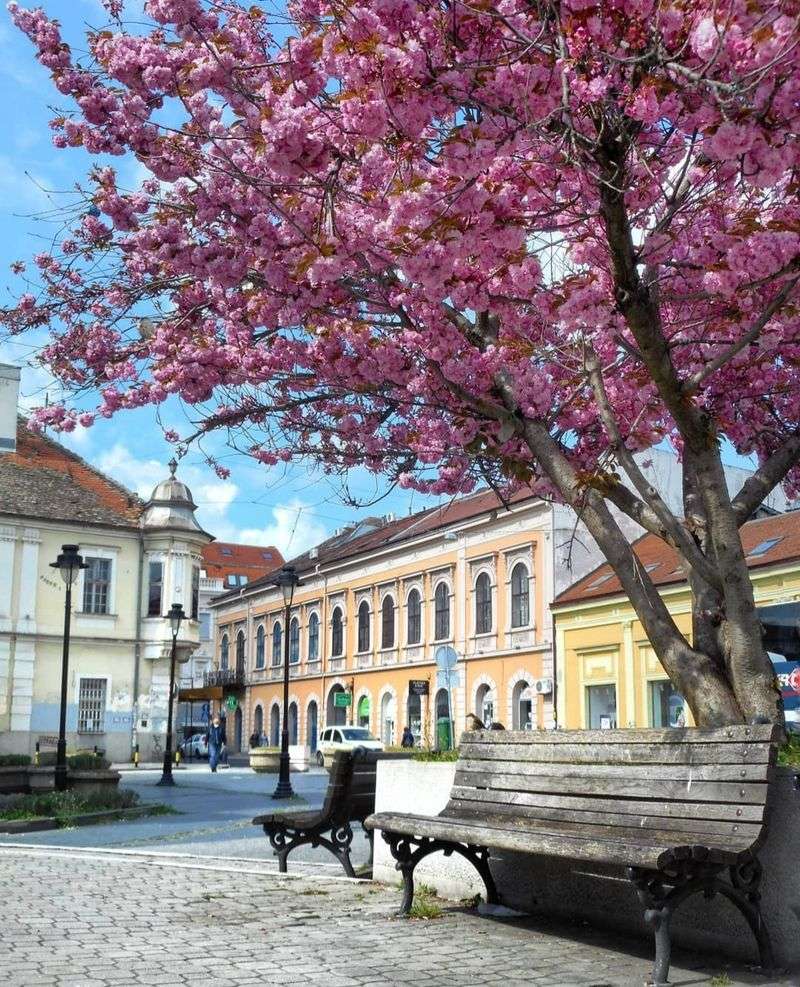
Zemun spent a long time staring across the Sava River at Ottoman-controlled Belgrade from the safety of the Habsburg side. That borderland position gave it an architectural character noticeably different from the rest of the capital, even though the two have officially been one city since 1934.
Walk through Old Zemun and the Central European influence becomes obvious in every merchant house and church tower.
The Millennium Tower on Gardoš Hill was built in 1896 to mark the thousandth anniversary of the Magyar settlement of the Carpathian Basin. It is open to visitors daily and delivers panoramic views over the Danube and surrounding neighborhoods.
The hill itself has been a lookout point for centuries, used by whichever empire happened to be watching the border at the time.
Heading downhill toward the riverfront takes you through some of the best-preserved streets of the Habsburg frontier period in Serbia. The mix of small squares, church towers, and old merchant architecture makes Zemun genuinely pleasant to explore on foot.
Sremski Karlovci
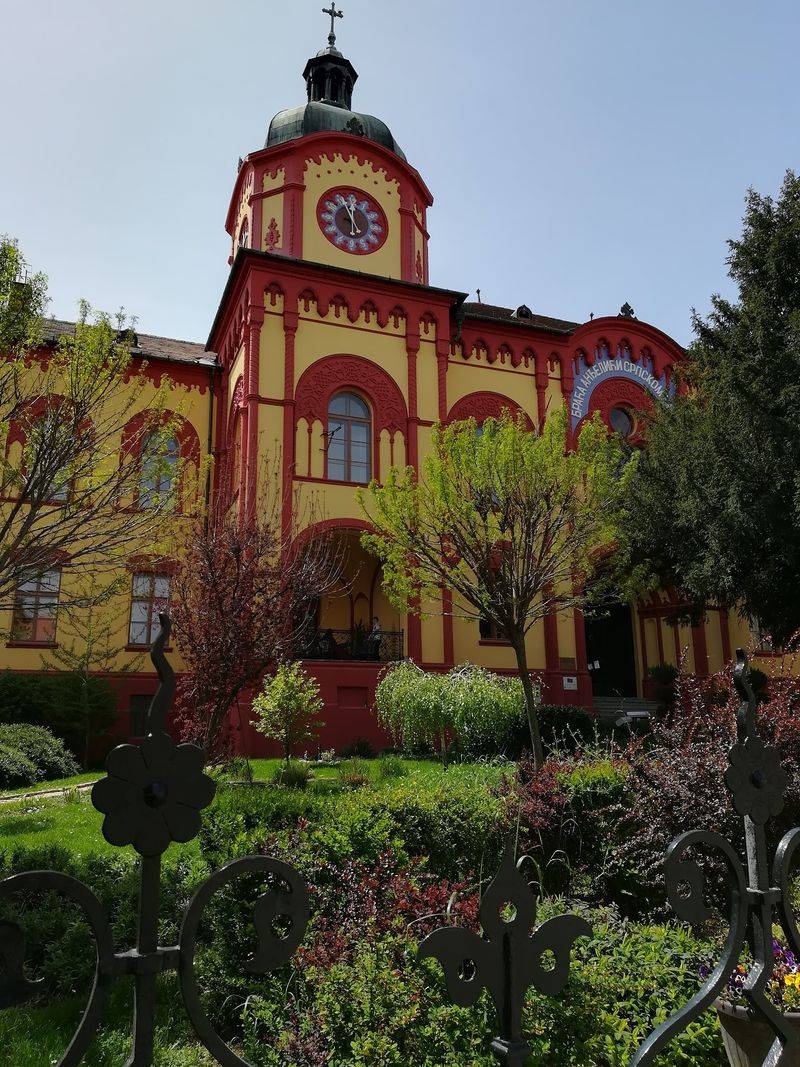
A town this small should not carry this much historical weight, but Sremski Karlovci earned its place in European history books in 1699. That year, the Treaty of Karlowitz was signed here, ending the Great Turkish War and redrawing the map of southeastern Europe in favor of the Habsburgs.
The Chapel of Peace still marks the site of those negotiations.
Before that treaty, the Ottomans had controlled Karlovci since the 16th century. After it, the town grew into a significant center for Serbian Orthodox religious and cultural life under Habsburg rule.
The Patriarchal Palace, Cathedral of Saint Nicholas, Karlovci Grammar School, and Seminary all reflect that prosperous period of Baroque and Austro-Hungarian development.
The town is compact enough to cover in a single morning, with historic fountains, museums, and old wine cellars rounding out the experience. Sremski Karlovci is one of those places where a seemingly quiet street corner turns out to have shaped the fate of an entire continent.
Subotica
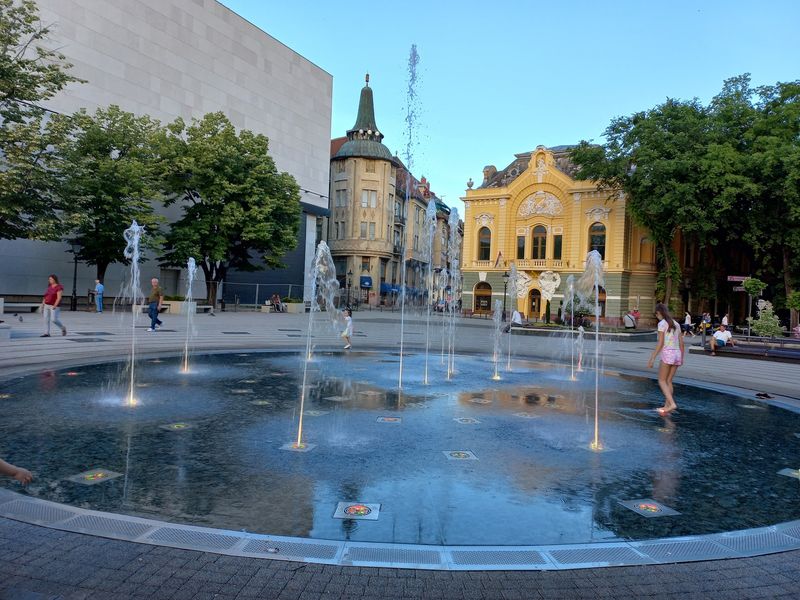
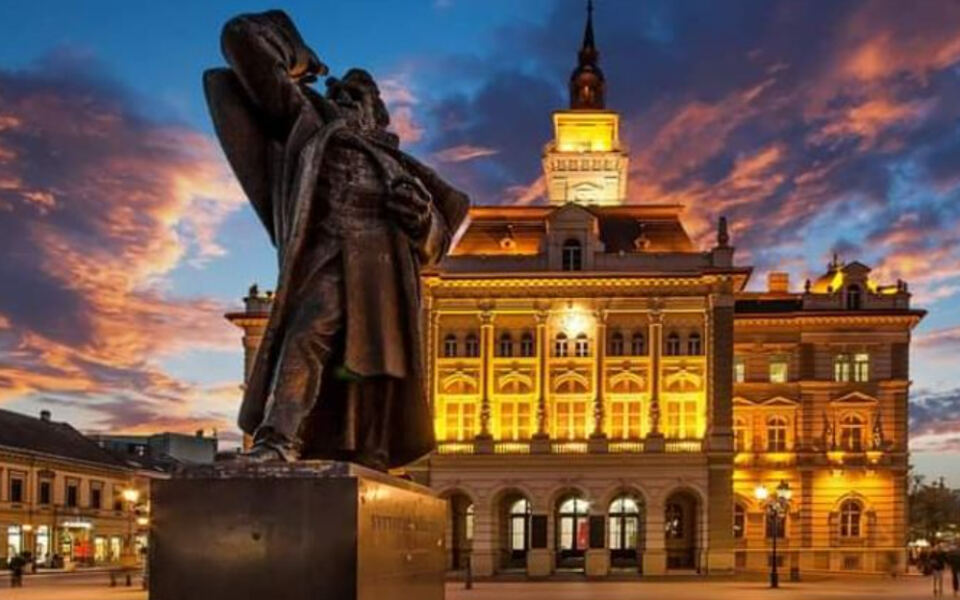
Subotica’s skyline looks like it belongs somewhere between Budapest and Vienna, which makes sense given its history. The city developed at the edge of the Ottoman and Habsburg spheres of influence, and after Ottoman power retreated, it grew rapidly under Habsburg and later Austro-Hungarian administration.
The biggest leap forward came in the late 19th and early 20th centuries, when railway connections and booming commerce funded an extraordinary building campaign.
The result is one of Serbia’s most concentrated displays of Art Nouveau architecture. The colorful City Hall, the Subotica Synagogue, and the Raichle Palace are among the most frequently photographed buildings in the country.
These are not minor curiosities. They are seriously impressive structures that draw architecture enthusiasts from across Europe.
Subotica received Free Royal City status in 1779, and that civic pride is still visible in the care taken to preserve the historic center. The central squares and surrounding streets reward slow, attentive walking more than rushed sightseeing.
Sombor
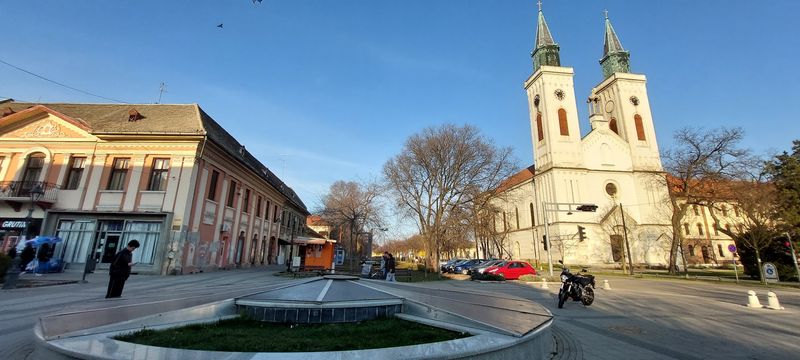
Sombor has a relaxed, leafy quality that makes it easy to underestimate how turbulent its past actually was. Ottoman forces captured the town in 1541, and it stayed under Ottoman administration for almost 150 years before Austrian forces took control in 1687.
Most Ottoman structures disappeared over time, but Pasha’s Tower survived and now stands as part of the Historical Archives complex, a rare physical trace of that earlier era.
Under Habsburg rule, Sombor became a Free Royal City in 1749 and eventually the seat of Bač-Bodrog County. That administrative role funded impressive civic construction, and many of the elegant buildings visible today date from this Central European period.
The former County Hall is among the most imposing.
Horse-drawn carriages still operate in Sombor, adding an unhurried quality to exploring the squares, galleries, and historic streets. The combination of Ottoman survival and Austro-Hungarian prosperity makes the town a genuinely layered destination for anyone tracking imperial history across northern Serbia.
Bač
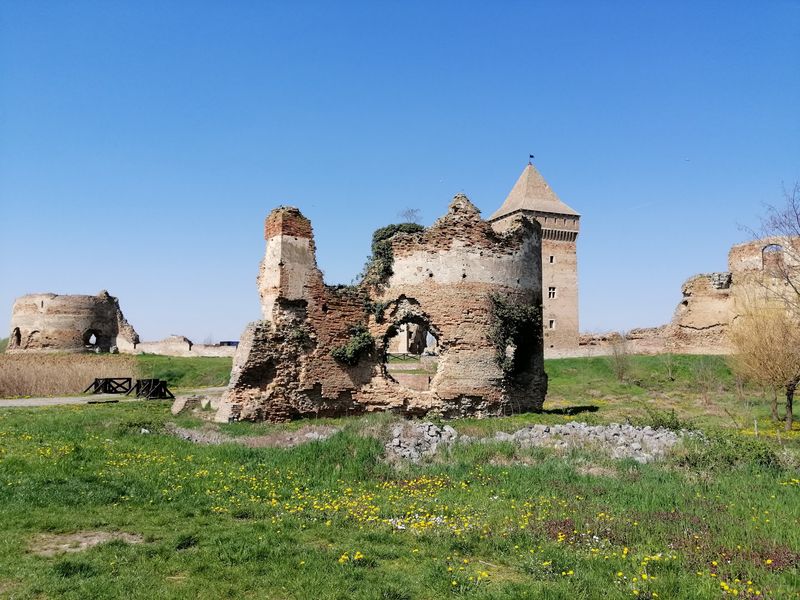
For a town of its size, Bač carries a surprisingly dense concentration of historical significance. Its medieval fortress was constructed in the 14th century and became a key defensive position as Ottoman forces pressed northward through the Balkans.
The Ottomans eventually took Bač in the 16th century, and the traces of their presence include an archaeological remnant of a Turkish bath near the town center.
The fortress itself went through repeated wars, reconstructions, and eventual abandonment in the early 18th century after it was burned. A restoration effort brought it back as a visitor attraction, and it now regularly hosts exhibitions, heritage programs, and cultural events.
That active programming keeps the site from feeling like a forgotten ruin.
The nearby Franciscan monastery adds another dimension to a visit, with its current appearance largely shaped during the 18th century after Ottoman rule ended. Bač is small enough to see in an afternoon but substantial enough to leave a strong impression.
Pančevo
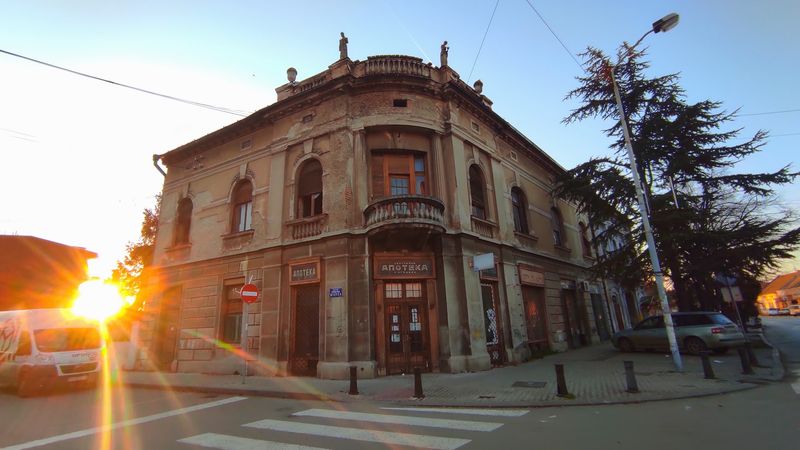
Pančevo sits in Banat, a region where Ottoman, Habsburg, Serbian, Hungarian, and German influences repeatedly overlapped across the centuries. The town’s most lasting architectural character, though, belongs firmly to the Habsburg period, when it became part of the Military Frontier and was gradually reorganized along Central European urban lines.
The historic center developed during the 18th and 19th centuries around today’s King Peter I Square and Liberty Square. Walking through this area, visitors encounter the former Magistrate building, churches representing several denominations, merchant houses, and civic architecture that reflects the town’s steady growth under Austrian and later Austro-Hungarian administration.
One of the more specific historical details worth noting is the former Staff Building, erected in 1835 for the Austrian military, which later became the Grand Hotel Hungaria. That kind of institutional repurposing tells you a lot about how Pančevo evolved over time.
The historic center is part of the city’s official tourism offer and is easy to cover on foot without any special planning.
Vršac
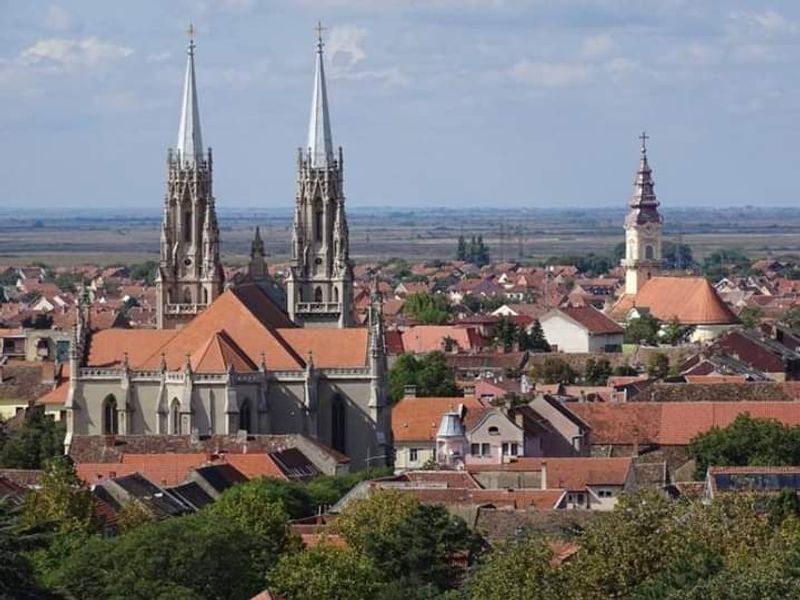
Vineyard-covered hills and a medieval castle on the ridge above the city give Vršac a picturesque quality that feels almost too calm for a place with this kind of history. The Vršac Castle was a strategic point in Banat that later came under Ottoman control, and the surrounding region was a contested zone for generations before Habsburg forces pushed the Ottomans out.
After that shift, Vršac developed within the Central European world, and its architecture gradually acquired a mixed character. The city center now combines Serbian Orthodox churches, Catholic buildings, administrative structures, and elegant civic institutions from the 18th and 19th centuries.
Vršac City Museum is one of the best places to understand these transitions. Its permanent Chronicle of Vršac exhibition specifically covers the liberation of Banat from Ottoman rule, followed by urban development and everyday life through the early 20th century.
The museum operates several locations, including the restored Vršac Castle, which is open to visitors and worth the short uphill walk.
Sremska Mitrovica
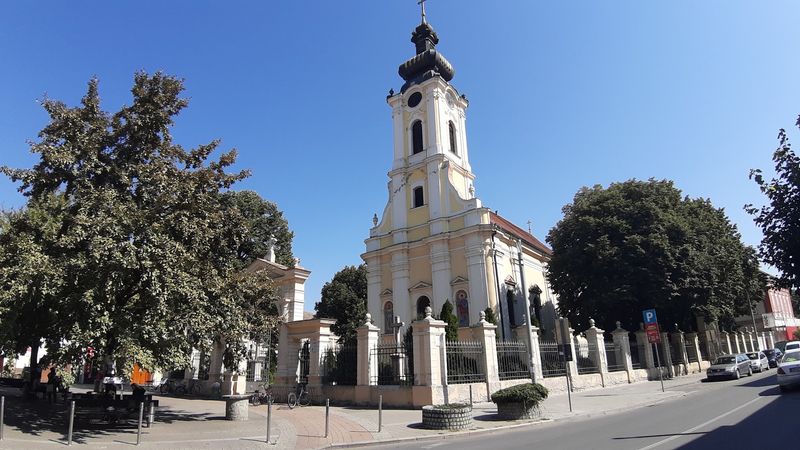
Most people who know Sremska Mitrovica know it as the site of ancient Sirmium, one of the most important cities in the Roman Empire. But stopping at the Roman chapter misses a much longer story.
After centuries of medieval upheaval and Ottoman-era instability, the town entered the Habsburg military frontier system during the 18th century, and that shift left a clear mark on the modern city center.
Around Saint Stephen Square, visitors can see buildings whose development began in the 18th century, including the Orthodox cathedral and the former customs building, which is considered one of the oldest surviving structures in town. The city gradually developed into a civic and cultural center, and its museum tradition dates back to the late 19th century.
Today the Museum of Srem and the archaeological remains of Sirmium are both active visitor attractions. Together they allow travelers to move through Roman, medieval, Ottoman, and Austro-Hungarian chapters in a single visit, which is a genuinely unusual opportunity for a town this size.
Niš
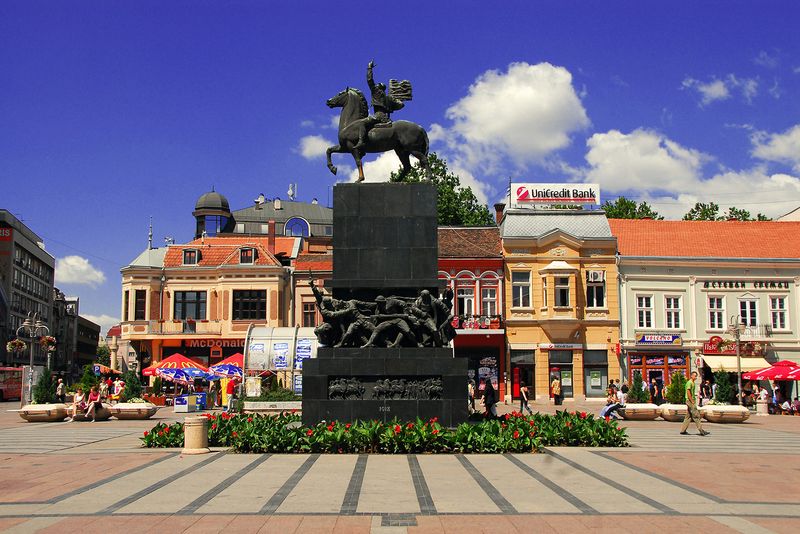
Niš shows a different face of Serbia’s imperial history, one shaped far more visibly by Ottoman rule than by Habsburg administration. The Niš Fortress is among the finest surviving examples of Ottoman military architecture anywhere in the central Balkans.
Its present form was largely constructed during the 18th century, though it sits on top of much older Roman, Byzantine, and medieval foundations.
Inside the walls, visitors find the old hammam, archaeological remains, historic gates, former military buildings, and the Bali-Bey Mosque, which now functions as an exhibition space. The nearby Skull Tower stands outside the fortress and recalls the violent resistance against Ottoman rule during the First Serbian Uprising, making it one of Serbia’s most sobering historical monuments.
Niš does not have the Austro-Hungarian architectural concentration found in Vojvodina, but the shifting Ottoman-Habsburg military frontier to the north directly shaped its history. The fortress today is a lively public and cultural space, not a sealed-off museum, and that open character makes it especially accessible.
Novi Pazar
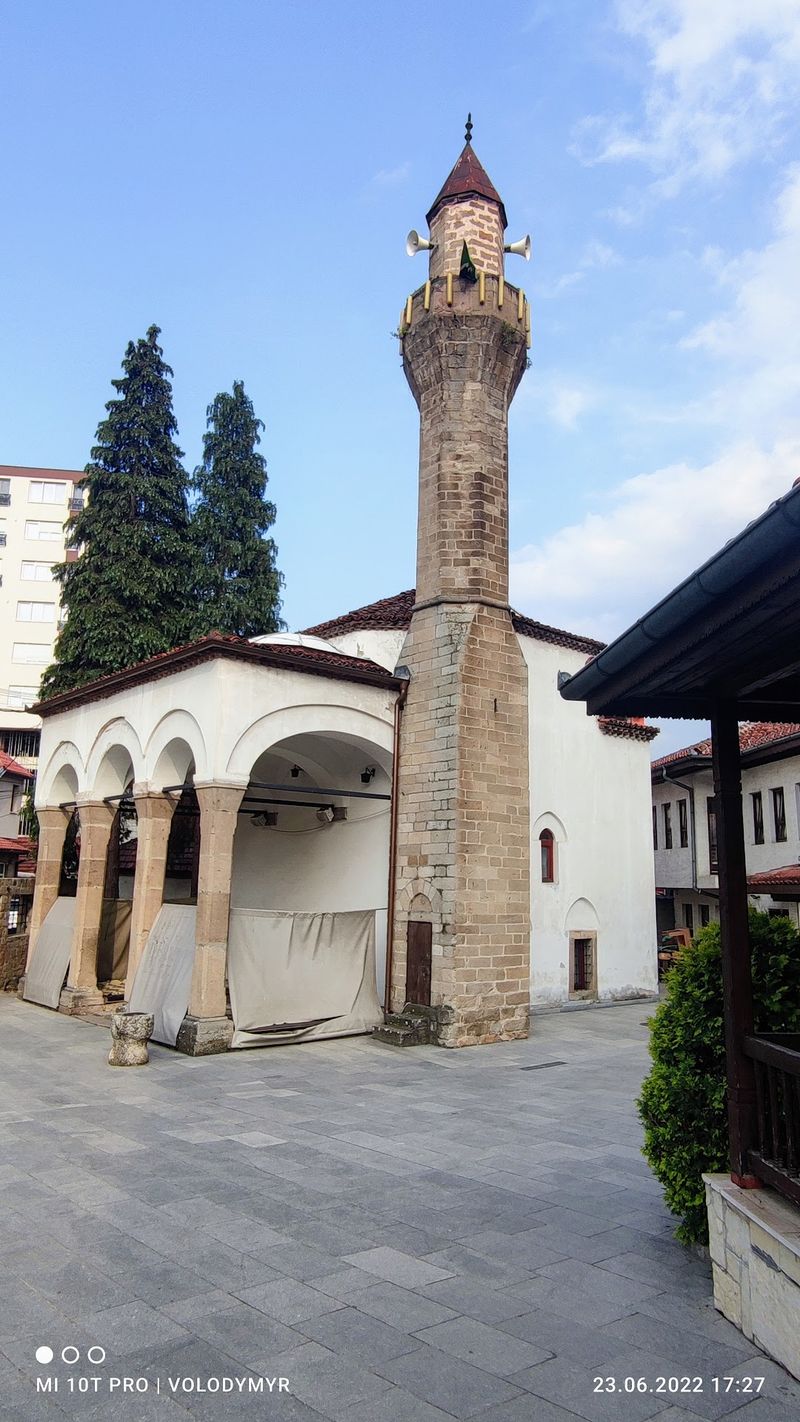
Novi Pazar is the place to visit if you want to understand what Ottoman urban life actually looked like in the western Balkans. Established as a significant trading center, the city became the administrative heart of the Ottoman Sanjak of Novi Pazar, and much of that atmosphere has survived in and around the Old Bazaar.
Few Serbian cities retain this degree of Ottoman urban fabric.
The 15th-century hammam attributed to Isa Bey Ishaković, the 16th-century Altun-Alem Mosque, Novi Pazar Fortress, and the 18th-century Amir-Aga’s Han collectively evoke the commercial and religious rhythms of an Ottoman Balkan town at its peak. Serbia’s national tourism organization specifically notes that Novi Pazar is a place where eastern and western influences meet, shaped by numerous powers across a long history.
Beyond the Ottoman monuments, the surrounding area contains remarkable medieval Serbian monasteries and churches, which means a visit to Novi Pazar can cover multiple eras of history in one trip. The Ottoman heritage remains a central part of the city’s active tourism offer.
Share this story