In 1957, a song didn’t need explicit lyrics or screaming guitars to make adults nervous. A teenage couple staying out past curfew, a singer shouting over a pounding beat, or a guitar riff with too much swagger could be enough to sound downright rebellious.
Rock and roll was colliding with rhythm and blues, rockabilly, and the fast-growing force of teenage culture, and the results didn’t always fit comfortably into the respectable world of mainstream pop. These 12 songs show just how exciting, provocative, and occasionally troublesome 1957 could sound, and how that single year helped reshape who popular music was actually made for.
Each track carried its own brand of attitude, whether through lyrical controversy, raw performance energy, or simply the fact that teenagers were the ones buying the records. Reading through these entries, you’ll find specific chart facts, cultural context, and documented moments that explain why 1957 was no ordinary year on the radio.
1. Lucille by Little Richard
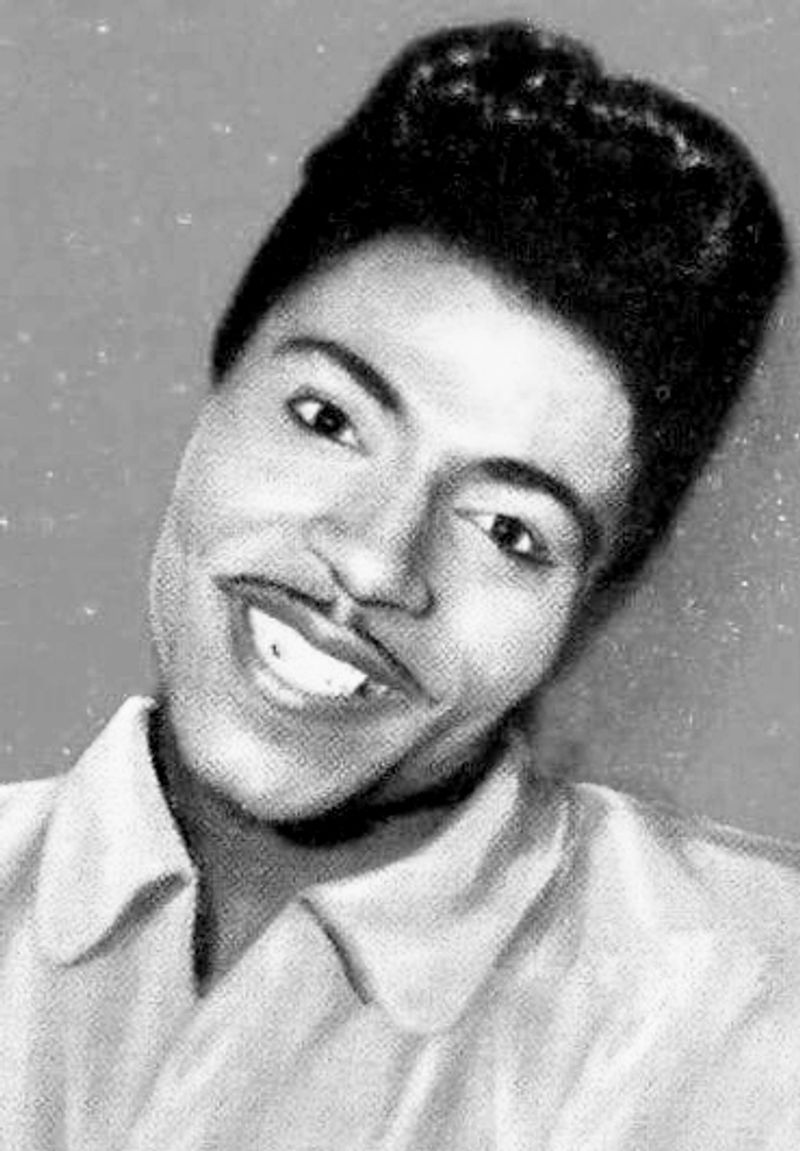
Released in February 1957, this record wasn’t just a song. It was a statement about how much energy a human being could pack into three minutes of music.
Little Richard’s vocal performance on Lucille bordered on controlled chaos, supported by Lee Allen on tenor saxophone and Earl Palmer on drums, all driving the track forward at a relentless pace.
The song reached number one on the Billboard R&B chart and number 21 on the pop chart, eventually becoming his fourth million-selling record. It was co-composed by Albert Collins and Little Richard, and its heavy bassline drew direct inspiration from the rhythmic chug of a moving train.
Compared with the polished crooners still filling plenty of radio time in 1957, Little Richard sounded genuinely uncontrollable. His flamboyant appearance and explosive stage presence challenged what a male entertainer was supposed to look and act like.
In 2002, Lucille was inducted into the Grammy Hall of Fame.
2. Rock and Roll Music by Chuck Berry
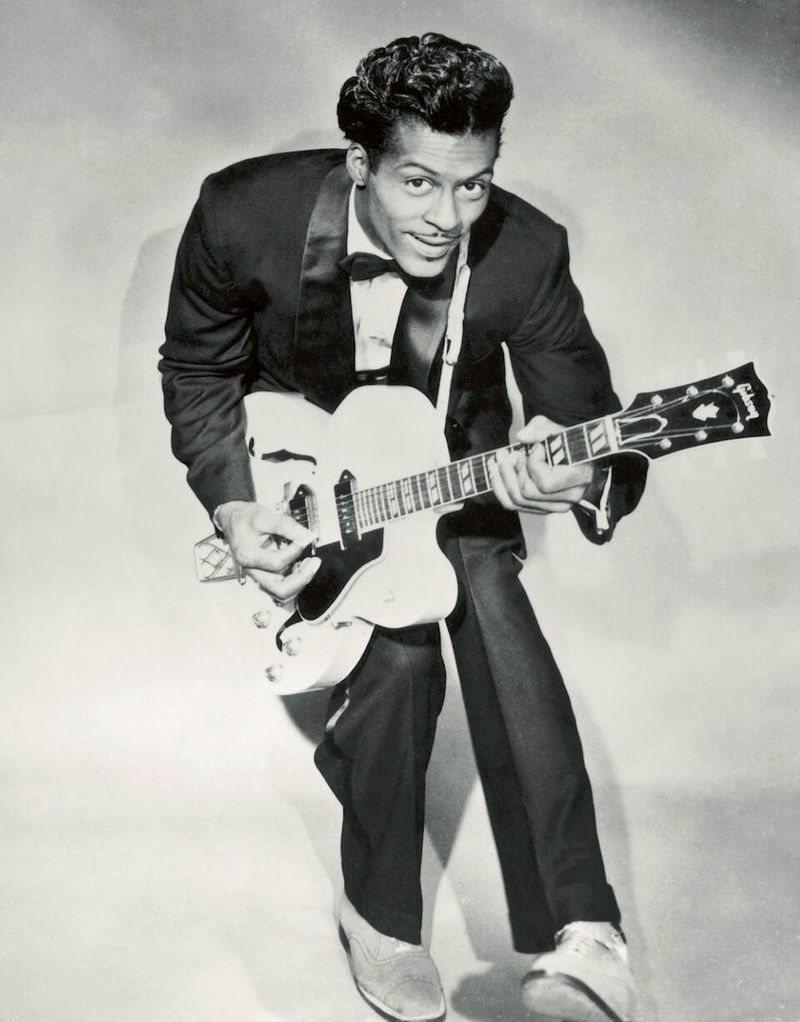
Chuck Berry wasn’t interested in making a diplomatic case for rock and roll. Released in September 1957, Rock and Roll Music is a confident declaration, with Berry dismissing other musical styles outright and demanding the music that actually moves him.
His sharp guitar riff underneath the vocals gave the whole message an extra layer of attitude.
The single reached number eight on the Billboard Top 100 and number six on the R&B chart. Berry was already recognized as a key figure in shaping rhythm and blues into rock and roll, writing lyrics that centered on teenage life, cars, and consumer culture in a way that felt fresh and specific to the era.
The song’s influence stretched well beyond 1957. The Beatles covered it during their early concerts and recorded it officially, bringing Berry’s writing to a new generation during the British Invasion.
Rolling Stone later placed Rock and Roll Music at number 128 on its list of the 500 Greatest Songs of All Time.
3. Twenty Flight Rock by Eddie Cochran
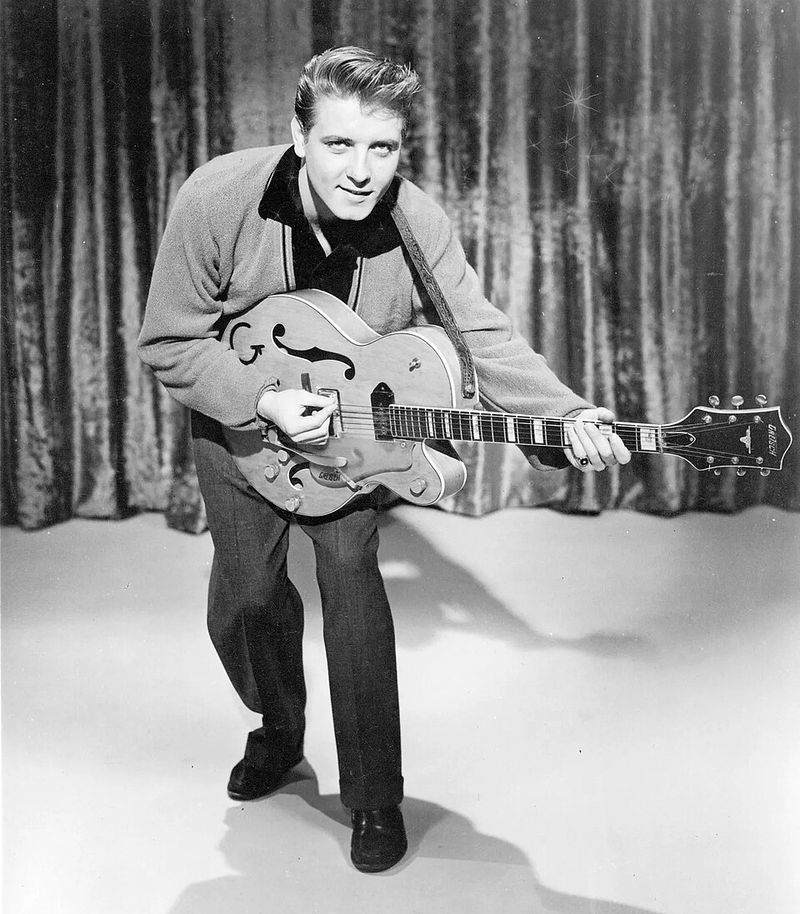
The setup of this song is genuinely funny. Eddie Cochran’s narrator is completely willing to visit his girlfriend, but she lives on the twentieth floor and the elevator is broken.
By the time he climbs all those stairs, he’s too worn out to do anything. The humor is light, but the rockabilly arrangement underneath it is all attitude.
Cochran performed the song in the 1956 film The Girl Can’t Help It before it was released as a single in November 1957. Written by Ned Fairchild and Cochran himself, the lean guitar-driven track helped establish him as one of the era’s most compelling young performers.
The film itself is credited with helping fuel the broader rock and roll explosion of the late 1950s.
Sales in the United States were moderate, but the song found a stronger following in Europe. A young John Lennon reportedly cited the film as an early influence, and Cochran’s guitar work on tracks like this one left a clear mark on the British rock scene that followed.
4. Keep A-Knockin’ by Little Richard
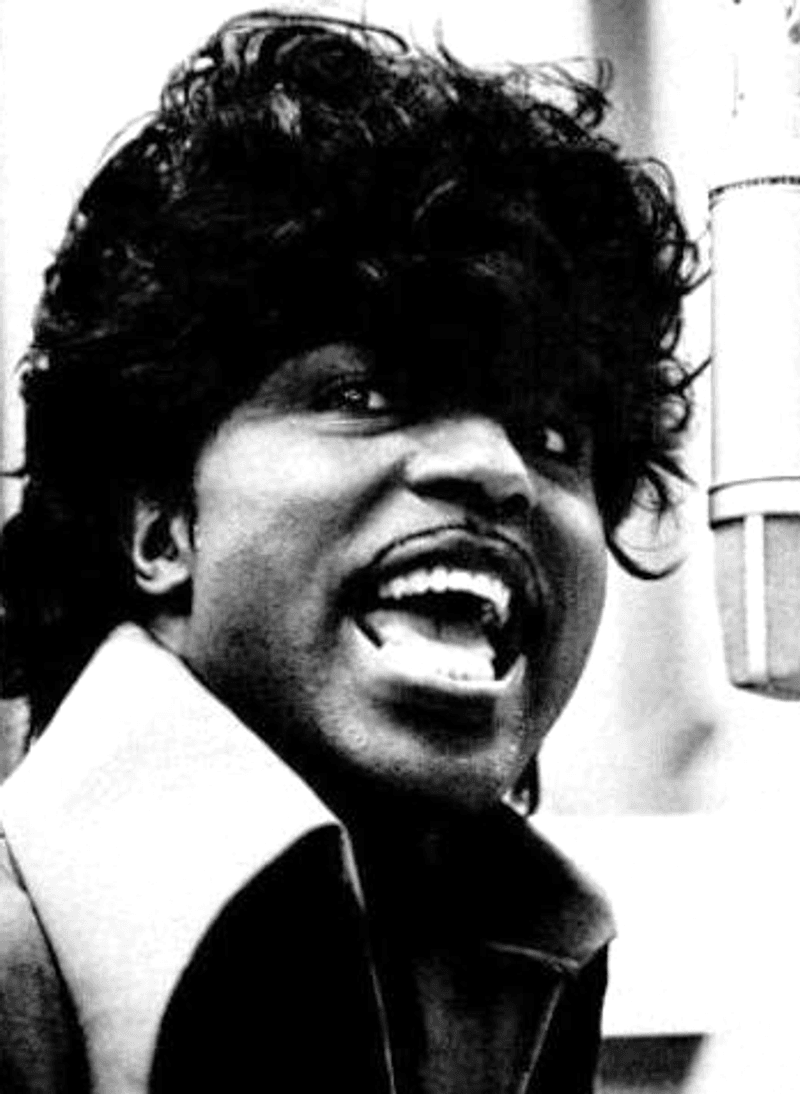
Charles Connor’s drum intro on this track is one of the most copied moments in rock history, and in 1957 it was brand new. Before Little Richard even opens his mouth, those hammering beats announce that something loud and fast is coming.
The performance barely pauses for breath, which was exactly the point.
Released in 1957, Keep A-Knockin’ reached number two on the U.S. R&B charts and number eight on the pop charts.
The track transformed earlier blues source material into a high-octane rock showcase that matched Richard’s wild stage persona almost perfectly. Rolling Stone later ranked it at number 442 on its list of the 500 Greatest Songs of All Time.
That drum introduction had a long afterlife. John Bonham used a nearly identical pattern to open Led Zeppelin’s Rock and Roll in 1971, and Eddie Cochran’s Somethin’ Else borrowed the same beat.
What sounded radical in 1957 became foundational vocabulary for rock music in the decades that followed.
5. Wake Up Little Susie by The Everly Brothers
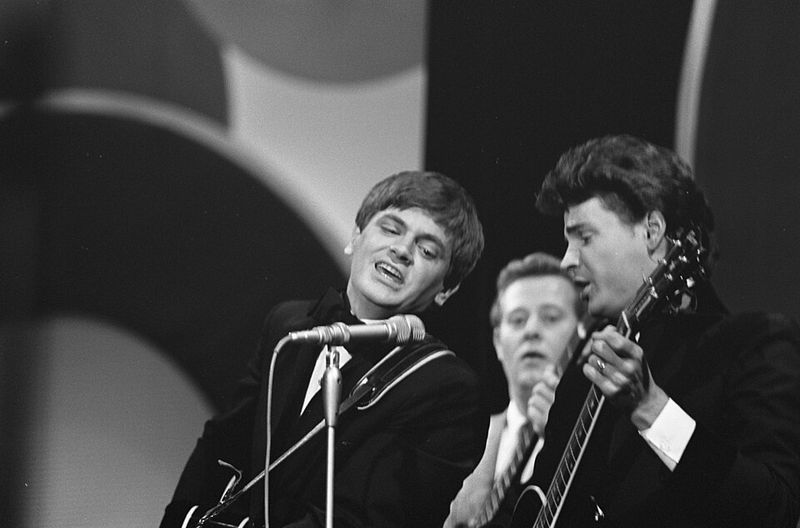
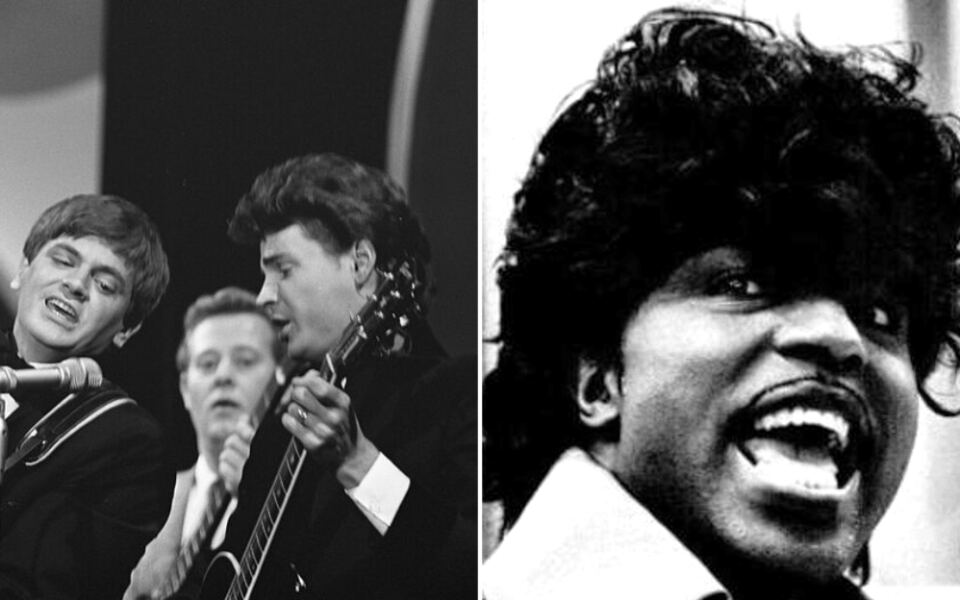
Few songs in 1957 stirred up controversy with such a tame storyline. Two teenagers fall asleep at a drive-in movie, wake up at four in the morning, and immediately panic about what people will think.
The Boston Catholic Diocese banned local radio stations from playing it, calling the lyrics too suggestive, even though the couple never actually did anything wrong.
Released on September 2, 1957, the record shot to number one on both the Billboard pop and country charts, also topping the Cash Box Best Selling Records chart. That made it the Everly Brothers’ first number one pop hit overall.
Don Everly later said he found the controversy surprising, noting the song described pretty innocent behavior.
The gap between what the song said and what adults feared it implied tells you everything about 1957. That tension between teenage reality and adult suspicion gave the record its staying power, making it one of the year’s defining moments in youth culture.
6. Mr. Lee by The Bobbettes
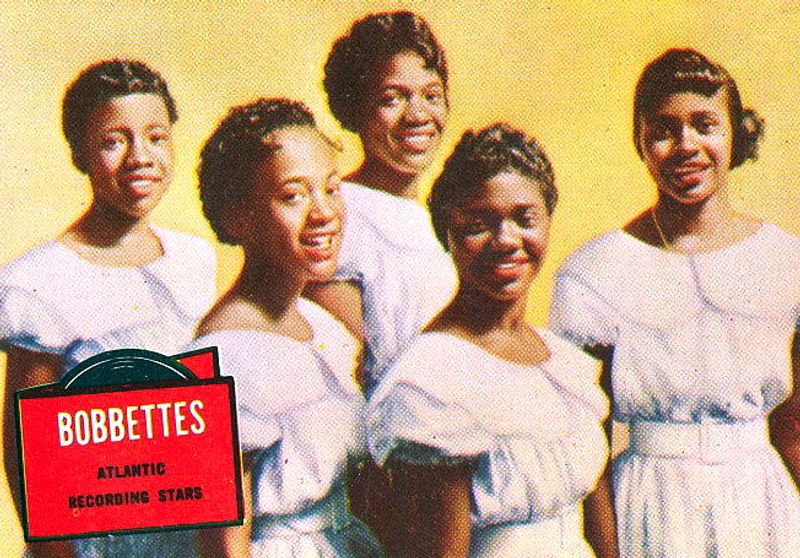
The Bobbettes were young enough that lead singer Reather Dixon was only eleven years old when the group first put the concept together. The original version of Mr. Lee was a complaint about a teacher they disliked, written as a put-down with unflattering lyrics.
What ended up on record was something quite different.
Atlantic Records insisted on revising the song before release, turning the teacher into an object of affection rather than frustration. Released on June 1, 1957, the single entered the Billboard Hot 100 on July 27 and climbed to number six on the pop chart.
It spent four weeks at number one on the R&B chart, making The Bobbettes the first all-female R&B group to score a major pop hit and the first girl group to reach number one on the R&B chart while also cracking the pop Top 10.
The group later recorded I Shot Mr. Lee in 1959, which reflected their original feelings about the teacher. Atlantic refused to release it.
7. Oh, Boy! by The Crickets
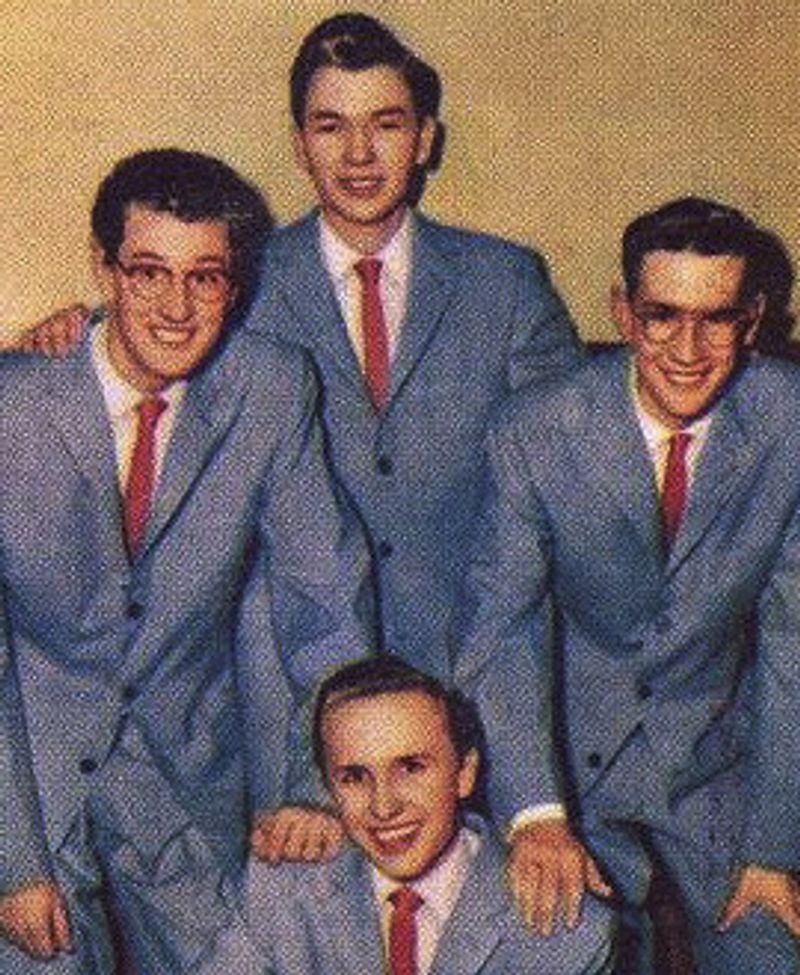
Released in 1957, Oh, Boy! captured the breathless excitement that made early rock and roll feel as though it belonged almost exclusively to teenagers. Buddy Holly’s urgent vocal, ringing electric guitar, and The Crickets’ compact arrangement gave the record an energy far removed from the smoother pop still dominating much of American radio.
The lyrics revolve around a young man eagerly anticipating a night with his girlfriend, giving the song exactly the sort of youthful independence that was becoming central to rock and roll.
The record became a major hit and further established Holly and The Crickets during their breakthrough year. More importantly, their stripped-down guitar, bass, and drums format offered young musicians a model they could realistically imitate.
That simplicity would prove enormously influential. Instead of requiring an orchestra or established nightclub act, rock and roll could come from a handful of young musicians with guitars and a great song.
8. I’m Stickin’ with You by Jimmy Bowen
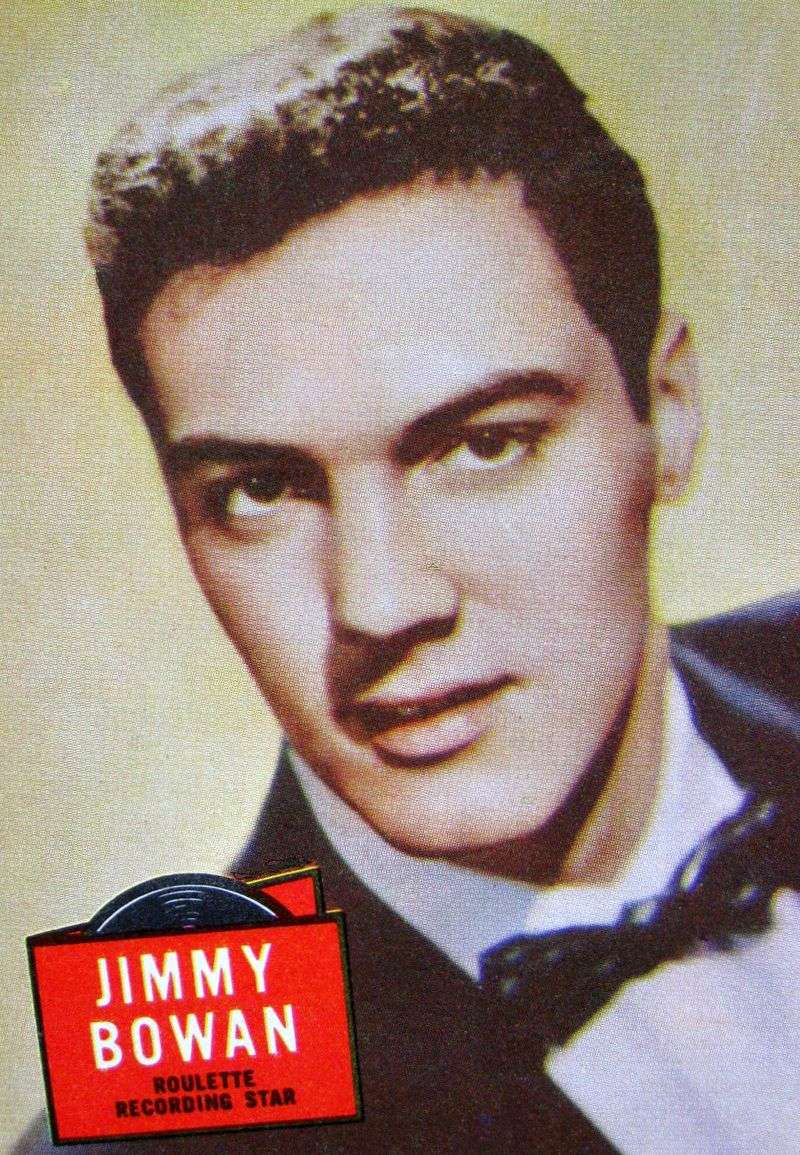
Not every youthful record in 1957 needed to sound confrontational. Jimmy Bowen’s contribution to the year was simple, catchy, and built for teenagers who wanted something romantic rather than rebellious.
Released in January 1957, the song reached number nine on the U.S. R&B chart and number 14 on the pop chart, eventually selling over one million copies and earning a gold record.
The track started as the B-side to Buddy Knox’s Party Doll but climbed the charts entirely on its own momentum. It was recorded at Norman Petty Studio in Clovis, New Mexico, where producer Petty used a cardboard box in place of a drum kit because he hadn’t yet figured out how to properly record rock-and-roll drums in that space.
Bowen, Knox, and Don Lanier had formed The Rhythm Orchids while attending West Texas State University, which shows how quickly regional college bands could reach national jukeboxes in 1957. Teenagers weren’t just listening to popular culture anymore.
They were increasingly the ones making it.
9. Blue Monday by Fats Domino
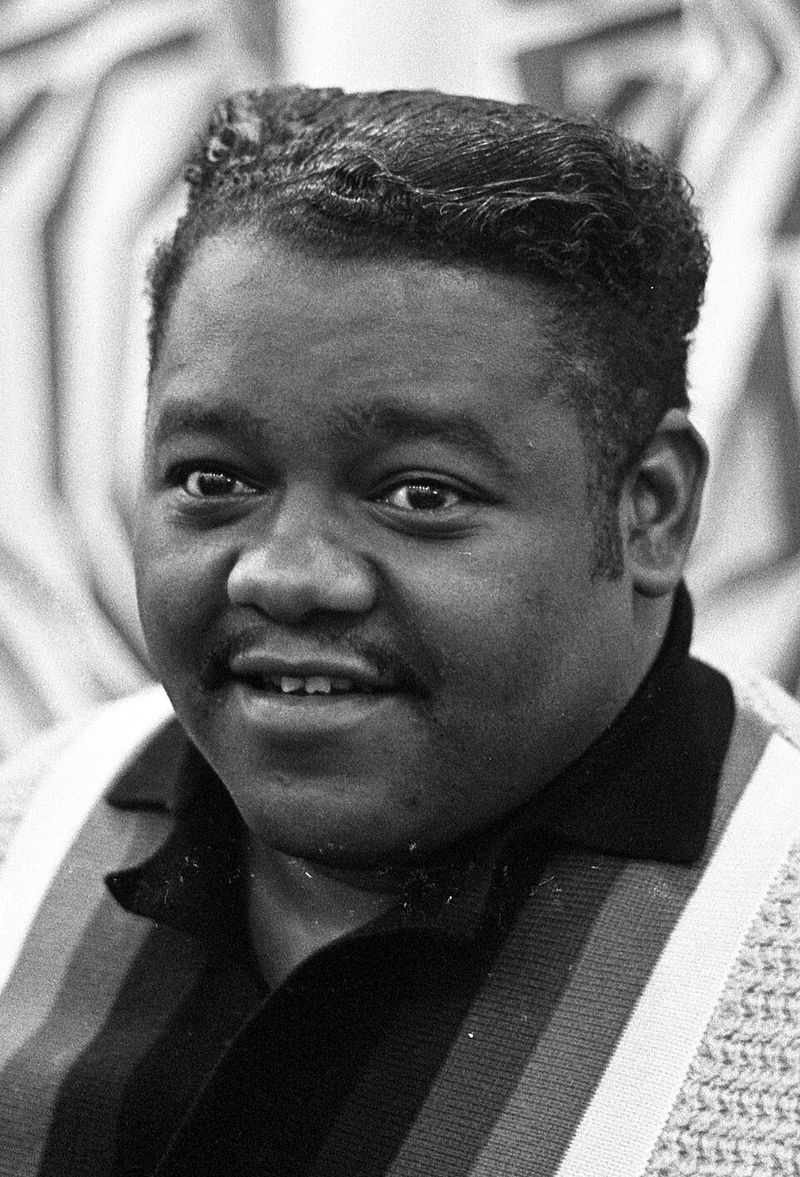
Fats Domino was already a major force in rock and roll when Blue Monday became one of his signature crossover records in 1957. Driven by New Orleans piano, saxophones, and an easy but unmistakable backbeat, the song made rhythm and blues sound completely natural on mainstream pop radio.
Its subject also spoke directly to ordinary young listeners. Domino runs through the frustrations of the working week before finally reaching the weekend, when there is money to spend and time to have fun.
That combination of rhythm, dancing, and everyday life helped make early rock and roll more than simply a musical style. It became music built around what people wanted to do when responsibilities were finally over.
Domino delivered all of it without the theatrical wildness of Little Richard or Jerry Lee Lewis. His relaxed personality made the musical revolution seem almost effortless, even as his New Orleans sound was helping transform American popular music.
10. Be-Bop Baby by Ricky Nelson
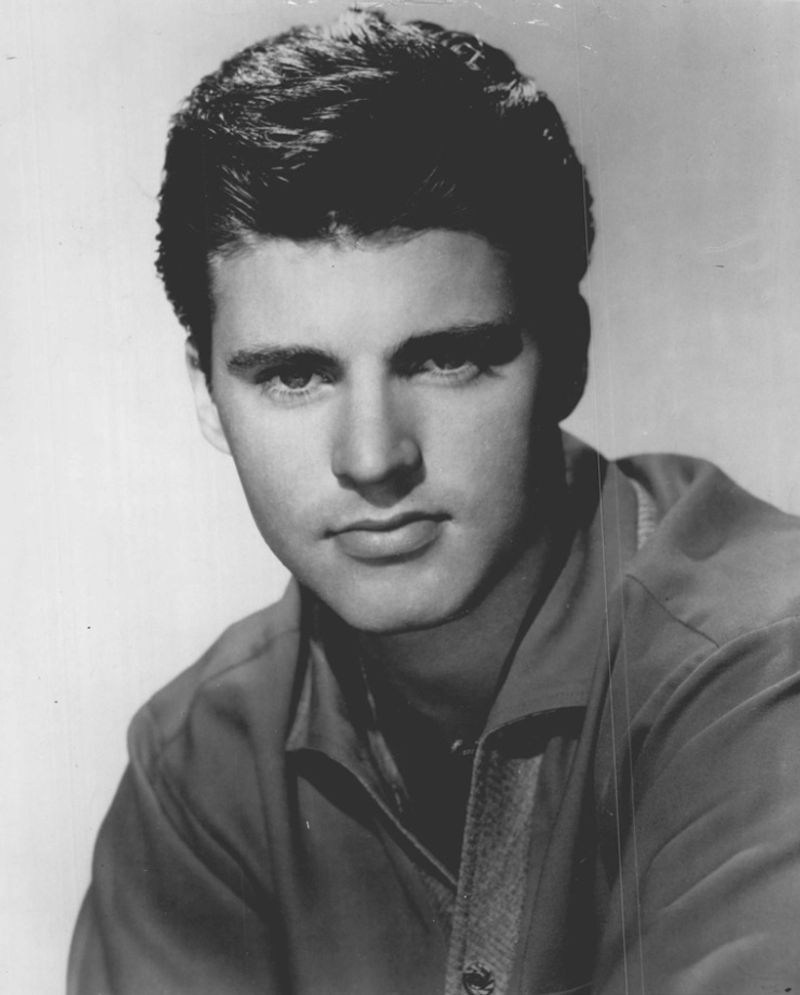
Ricky Nelson’s path to rock stardom was unlike anyone else’s in 1957. Millions of American households already knew his face from The Adventures of Ozzie and Harriet before he ever set foot in a recording studio.
When Be-Bop Baby was released on September 16, 1957, it had an instant built-in audience that most new artists could only dream about.
The single reached number three on the U.S. Billboard Hot 100 and number one on the R&B chart.
Joe Maphis played lead guitar on the recording, giving the track a driving rockabilly feel that sat alongside Nelson’s polished vocal delivery. His performances on the family television show amplified the song’s reach, introducing it to millions of viewers who might never have heard it on radio alone.
Rock and roll no longer belonged only to performers that nervous parents could dismiss as outsiders or unknowns. Through Nelson, it had entered the American living room through one of television’s most recognizable and wholesome family programs, changing the genre’s cultural standing in a single season.
11. Party Doll by Buddy Knox
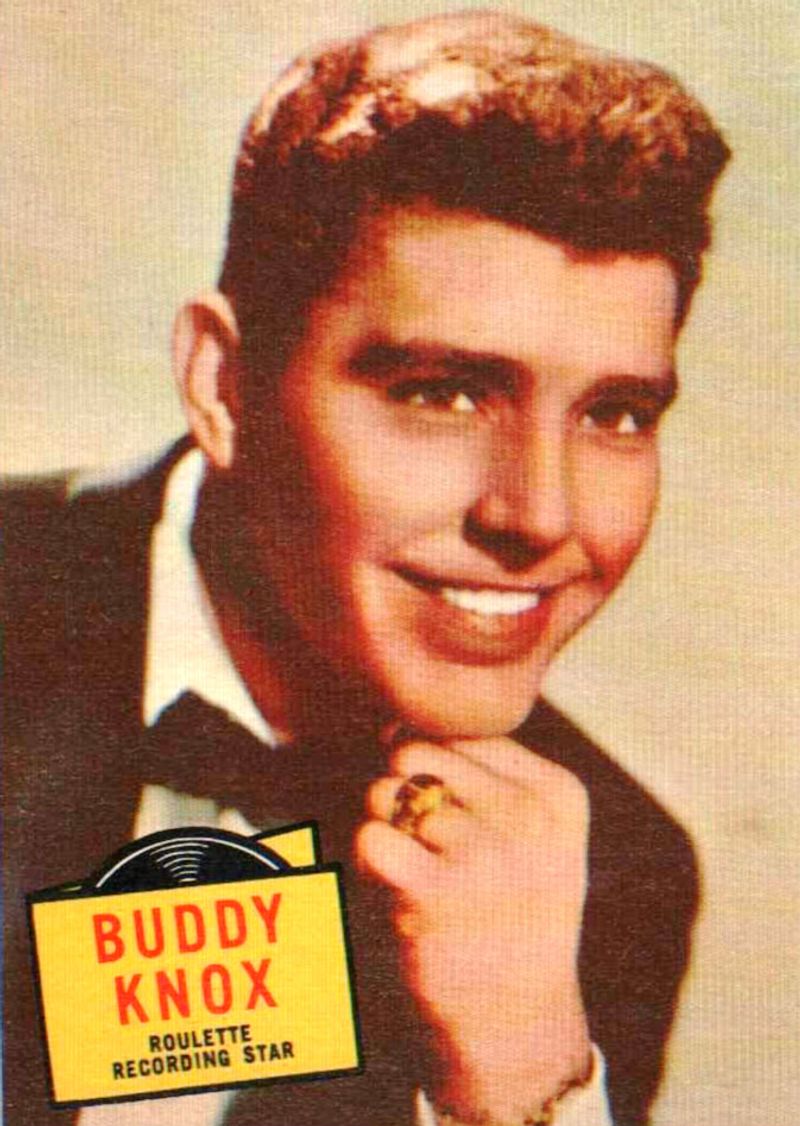
Party Doll sounded like exactly what nervous adults were beginning to associate with the new teenage culture of 1957. Buddy Knox and the Rhythm Orchids didn’t need a polished orchestra or elaborate production.
They had guitars, a driving rhythm, and a song built around going out and having fun.
Knox had written an early version of Party Doll while still a teenager, and the song was recorded with his friends at Norman Petty’s studio in Clovis, New Mexico. The original session was remarkably makeshift, with drummer Don Lanier playing a cardboard box stuffed with cotton instead of a conventional drum kit.
Released nationally by Roulette Records in 1957, Party Doll became a major hit and established Knox as one of the young faces of rock and roll.
That homemade quality is part of what made the new music revolutionary. A group of college-age musicians from Texas could suddenly make a record capable of competing with America’s biggest entertainers.
12. Stood Up by Ricky Nelson
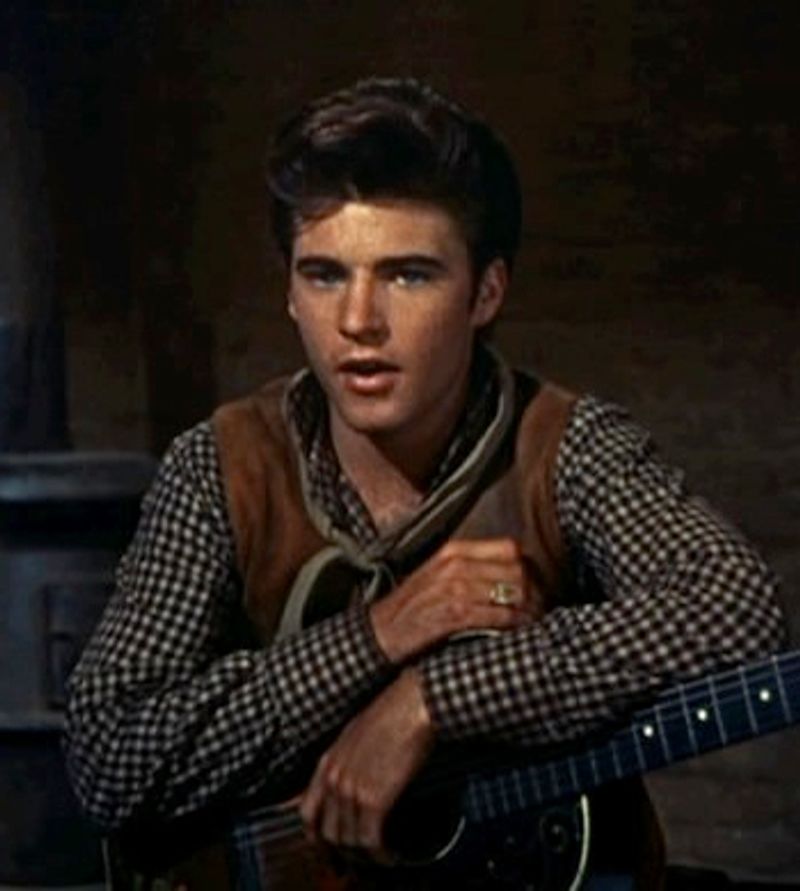
Released on December 9, 1957, this follow-up to Be-Bop Baby gave Ricky Nelson a noticeably sharper edge. The subject was pure teenage humiliation: getting ready, heading out, and realizing your date was never going to show.
Guitarists James Burton and Joe Maphis both appear on the recording, with Maphis handling the solo that gives the track its confident rockabilly punch.
Stood Up reached number two on the Billboard pop chart, number four on the R&B chart, number eight on the country chart, and number 27 on the UK Singles Chart. Billboard magazine later ranked it at number 16 on its Top 50 songs of 1958, reflecting how strongly the record performed into the new year after its late 1957 release.
By the end of 1957, Nelson’s success illustrated just how thoroughly rock and roll had moved into the mainstream. The rebellious new sound was no longer lurking at the edges of respectable entertainment.
One of television’s most recognized teenage sons was recording it, and millions of Americans were buying it without a second thought.
Share this story