One downtown Huntington restaurant serves prime steaks, lobster, crab cakes, and fresh seafood inside a building that has been collecting stories since 1905. Long before dinner was served here, the historic hotel welcomed famous guests including Richard Nixon, Bob Hope, and Liberace.
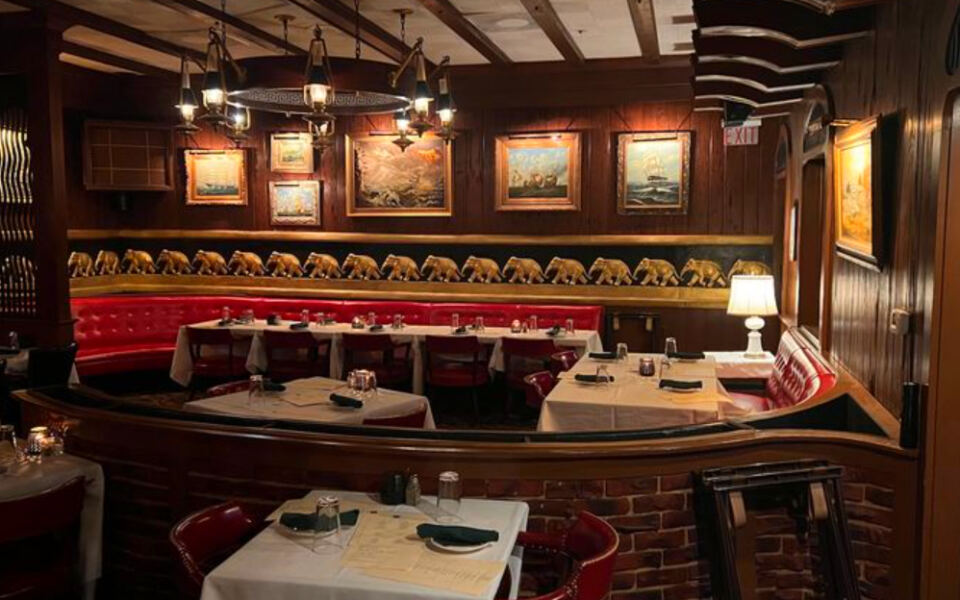
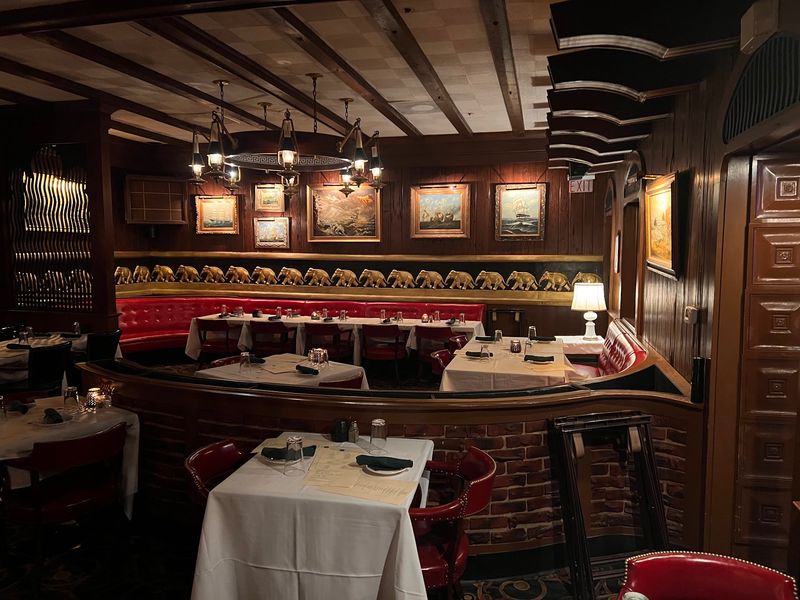
The restaurant itself occupies what was once the hotel’s private men’s club, and much of its distinctive 1962 interior remains intact. Dark wood paneling, carved doors, ironwork, white tablecloths, and occasional live piano give dinner here a setting that would be difficult to recreate in a newer building.
The food has built a reputation of its own, particularly the steaks, which have received local Best Steak recognition for 10 consecutive years. But stay long enough and you may hear another side of the building’s history.
Stories of unexplained footsteps, jangling keys, whispers, and apparitions have followed this century-old property for years.
A Downtown Address With a Century of Stories
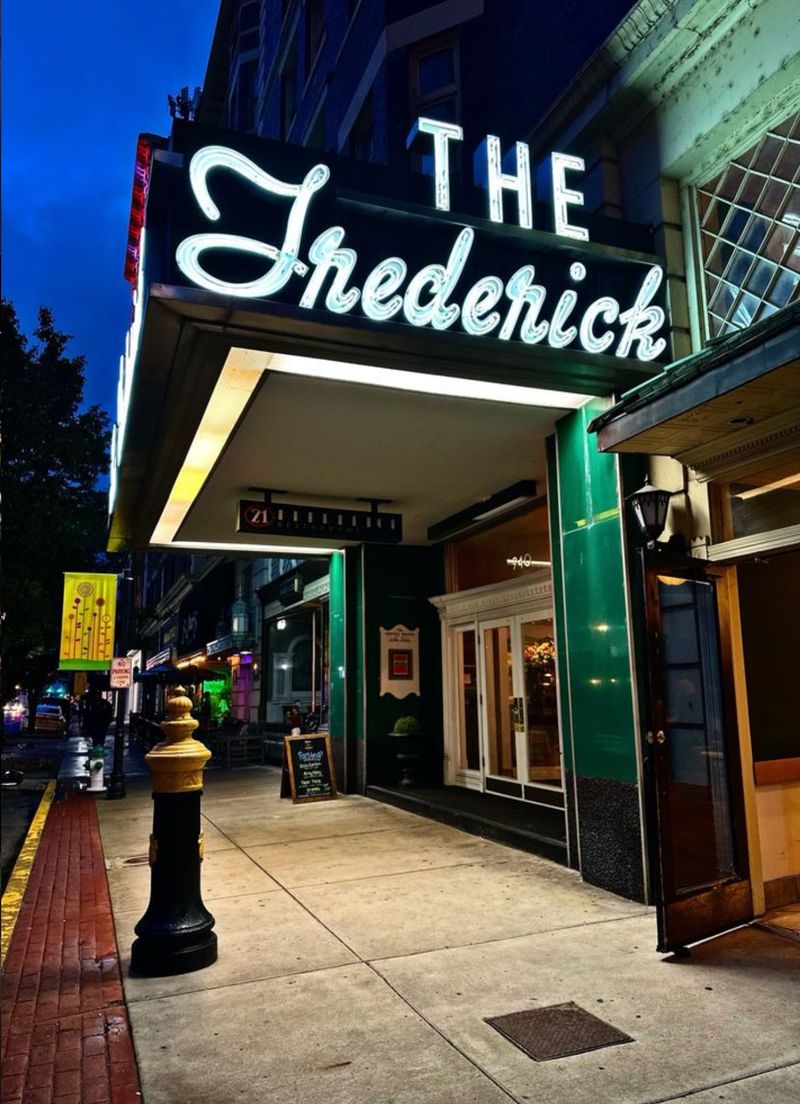
The restaurant sits at 940 4th Ave, Huntington, WV 25701, right in the heart of downtown, inside the Frederick Hotel building. Constructed between 1905 and 1906 at a cost of $400,000, with an additional $100,000 spent on furnishings, this building was once considered the most elegant hotel between Pittsburgh and Cincinnati.
The neoclassical design, credited to architects James Stewart and Edwin Alger, gives the exterior a commanding presence that immediately sets expectations high. The Edwardian Renaissance style means you are looking at ornate stonework, tall windows, and proportions that feel deliberately grand.
The building was added to the National Register of Historic Places in 1986 as part of the Huntington Downtown Historic District. Today it houses residential units, offices, retail spaces, and 21 at the Frederick, which operates Tuesday through Saturday starting at 5 PM.
Parking on nearby streets is easier to find than you might expect for a downtown location.
The Hotel That Hosted Famous Faces
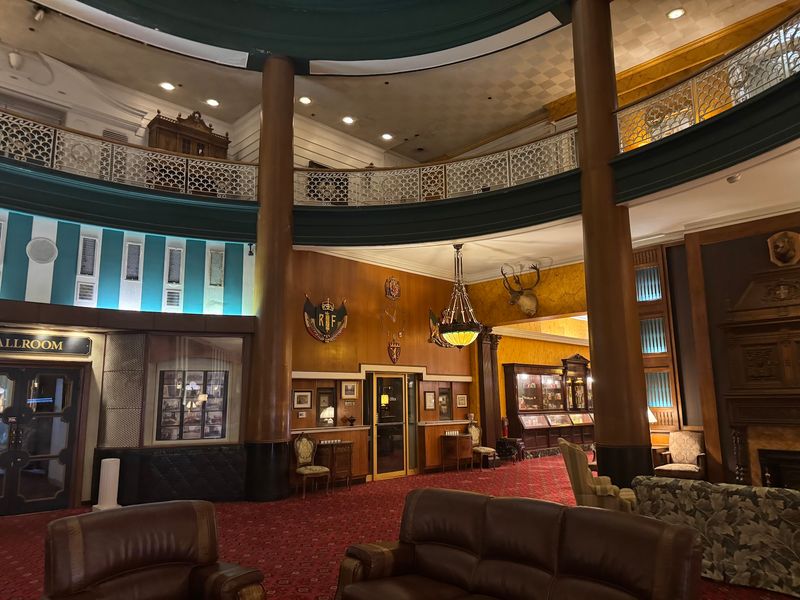
Richard Nixon, Liberace, and Bob Hope all stayed at the Frederick Hotel during its operating years, which tells you something about the caliber of the place in its prime. The hotel ran 125 sleeping rooms, 11 private dining rooms, its own power generators, and an elaborate stained glass window in the lobby that reportedly stopped guests in their tracks.
The hotel ceased operations as a transient hotel on July 30, 1973, after decades of hosting some of the most recognizable names in American public life. That kind of history does not simply vanish when the last guest checks out.
Owner Mark Cross understood this when he opened 21 at the Frederick in 2005. Rather than stripping the space bare and starting fresh, he chose to preserve the character that the decades had built into every corner.
The restaurant now operates in the space that once housed the hotel’s private men’s club, known as the Elephant Walk Club, and the bones of that original design are very much still present.
The Elephant Walk Club Lives On
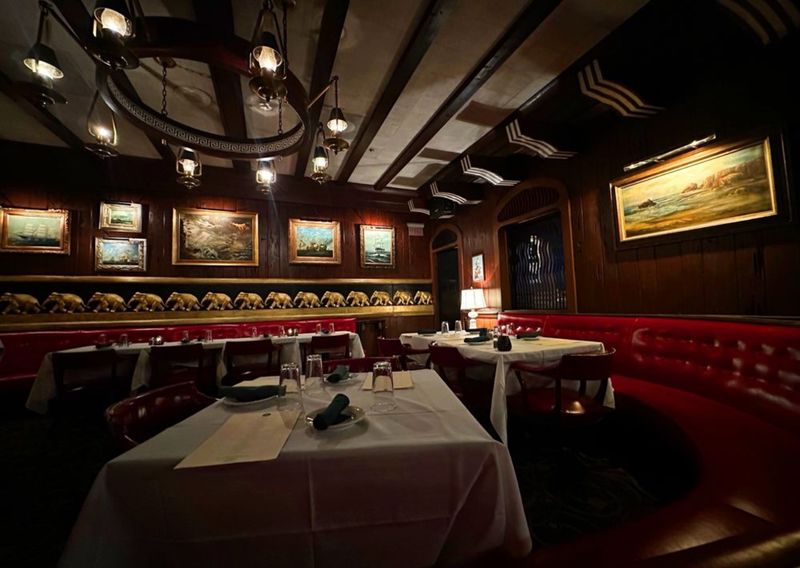
The Elephant Walk Club was the Frederick Hotel’s private men’s social club, and its 1962 interior design by Bill Ritter and John Jenkins created a space that felt deliberately theatrical. Dark wood paneling, ironwork details, carved door panels, and heavy ceiling beams gave the club a look that was equal parts sophisticated and mysterious.
Mark Cross preserved all of it. When you sit down at 21 at the Frederick today, you are essentially dining inside a lovingly maintained artifact of mid-century design.
The elephant head sculpture that remains behind the lobby desk serves as a quiet nod to the club’s legacy, and to the live circus elephant named Shirley who once visited the lobby for a promotional event.
That kind of detail is what separates this restaurant from a generic fine dining spot. The decor is not a recreation or a tribute.
It is the original, kept intact through deliberate care, and it gives the whole dining room a texture that no interior designer could manufacture from scratch.
An Ambiance That Earns Its Reputation
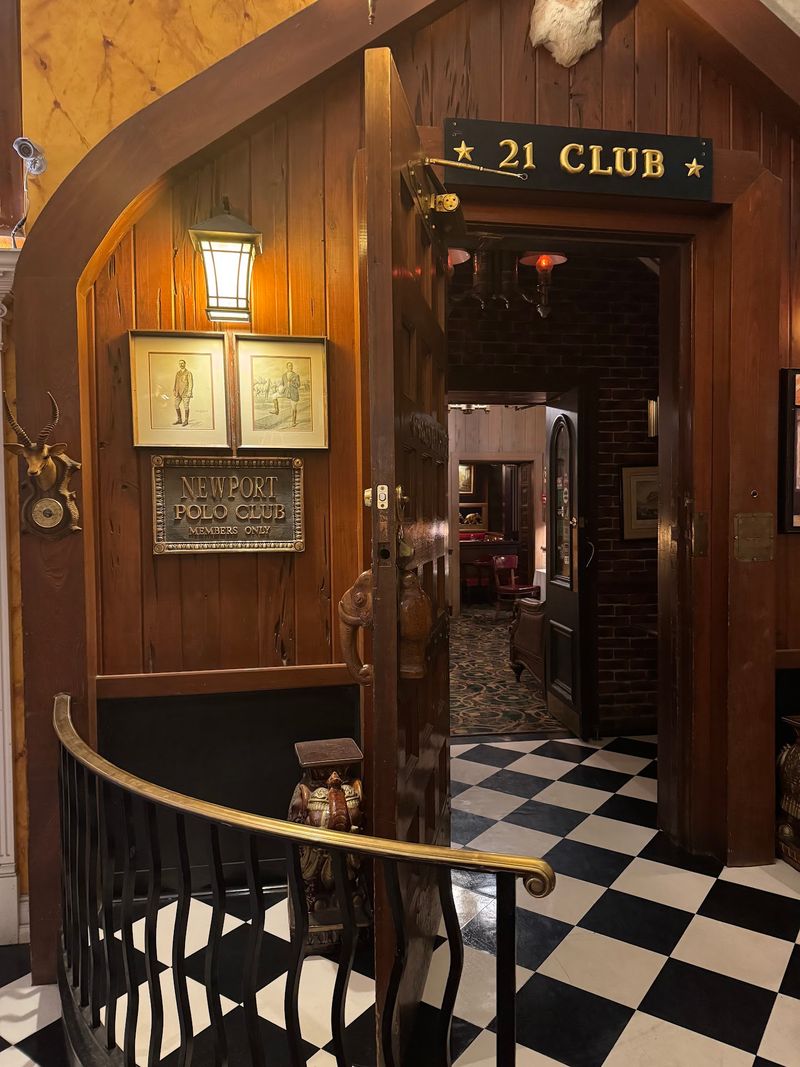
Checkerboard floors, sophisticated artwork, large architectural pieces, and white tablecloths create a visual environment that feels curated without being fussy. The lighting is low in a way that feels intentional rather than inconvenient, giving the room a warmth that encourages guests to slow down and actually enjoy the evening.
The thoughtful layout allows different moods to coexist within the same space. A couple can find a quiet corner near the fireplace, while a small business group can hold a relaxed meeting at the bar without either party feeling crowded or out of place.
Live piano music appears on select evenings, and when it does, the effect is genuinely transporting. Classical pieces and seasonal favorites drift through the wood-paneled rooms, adding a layer of atmosphere that no playlist can replicate.
The restaurant is not designed for a quick thirty-minute meal, and the ambiance makes that expectation clear from the moment you sit down. That is actually a feature, not a flaw, for anyone who values the experience as much as the food.
Steaks That Have Won the Argument for a Decade
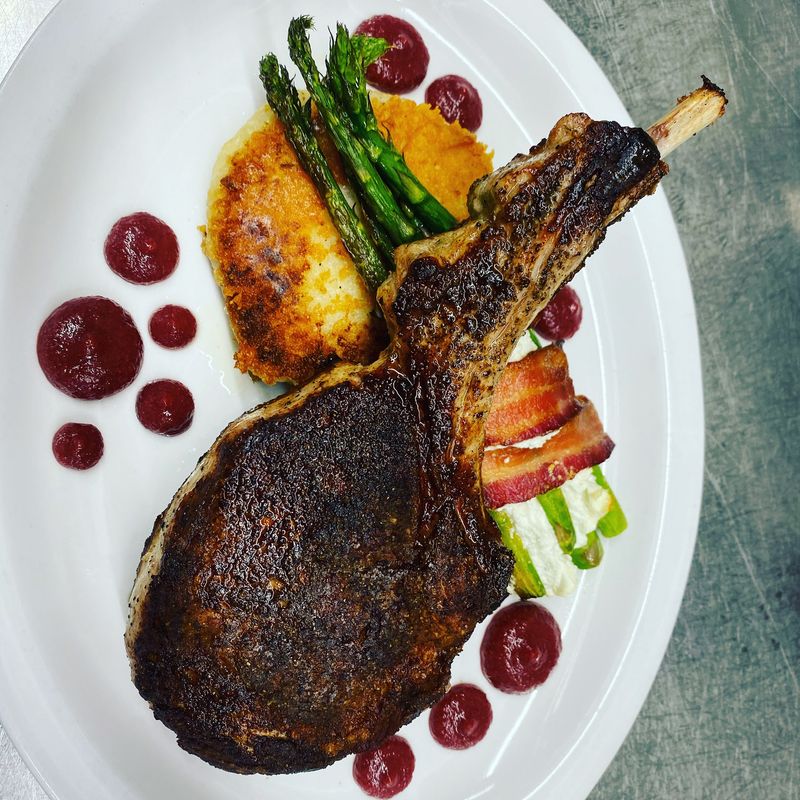
Ten consecutive years of winning “Best Steak” in the Herald-Dispatch newspaper’s “Best of the Tri-State” voting is not a lucky streak. The USDA prime ribeye arrives with a sear that locks in the kind of flavor that makes you put your fork down just to appreciate it for a second before continuing.
The Ancho Strip is a NY strip with an ancho rub that adds a subtle, smoky warmth without overwhelming the natural richness of the beef. The barrel-cut filet mignon comes finished with a brandy peppercorn glaze that elevates the dish without masking what makes a good filet worth ordering in the first place.
Chef James Hillen brings a level of precision to protein cookery that is immediately apparent in every bite. Steaks arrive at the requested temperature consistently, with a crust that demonstrates genuine skill at the grill.
For anyone who has eaten at top chophouses in larger cities, the quality here holds up to that comparison without hesitation.
Seafood That Travels Well to West Virginia
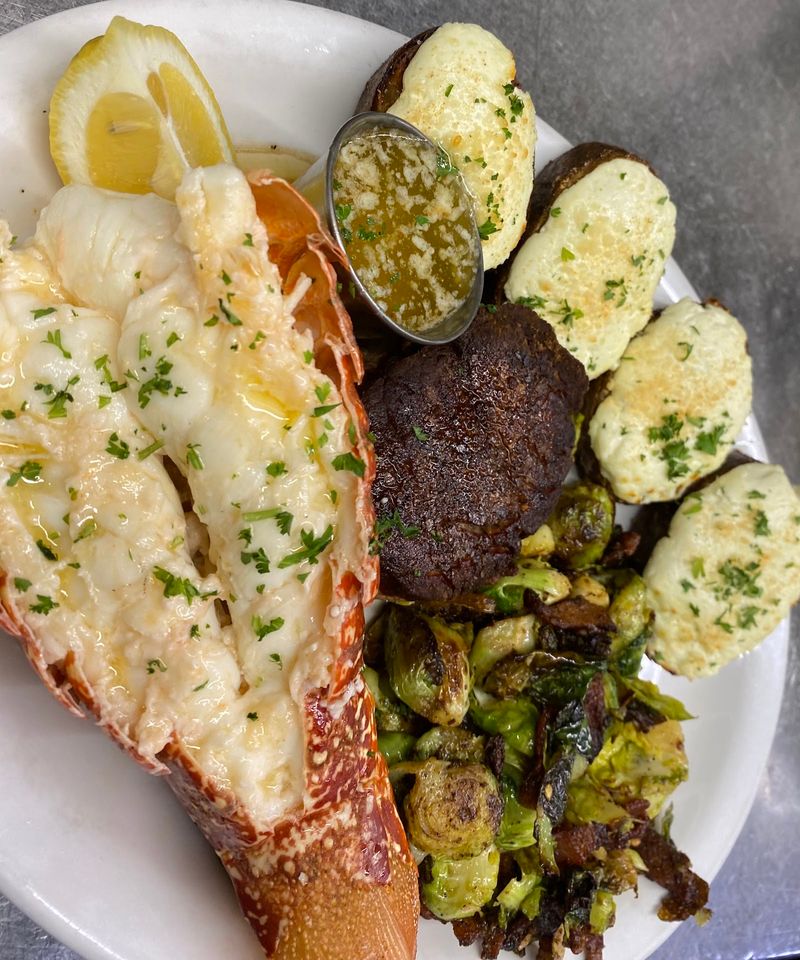
A landlocked state might seem like an unlikely destination for serious seafood, but 21 at the Frederick takes its sourcing seriously enough to make it work. The South African lobster tail is a menu fixture that rewards those willing to look past the steakhouse label and explore what the kitchen can do with shellfish.
Seared diver scallops sometimes arrive alongside a mushroom risotto that is rich and earthy in a way that balances the delicate sweetness of the scallops perfectly. The 21 Crab Cakes use jumbo lump crab with a remoulade sauce that is bright enough to cut through the richness without competing with the main ingredient.
Seared ahi tuna with wasabi caviar and seaweed salad adds an unexpected Asian-influenced note to a menu that is otherwise firmly rooted in American fine dining tradition. Fried oysters and Oysters Rockefeller round out the shellfish options for guests who want to start the evening with something from the sea before committing to a main course.
The Sides That Deserve Their Own Spotlight
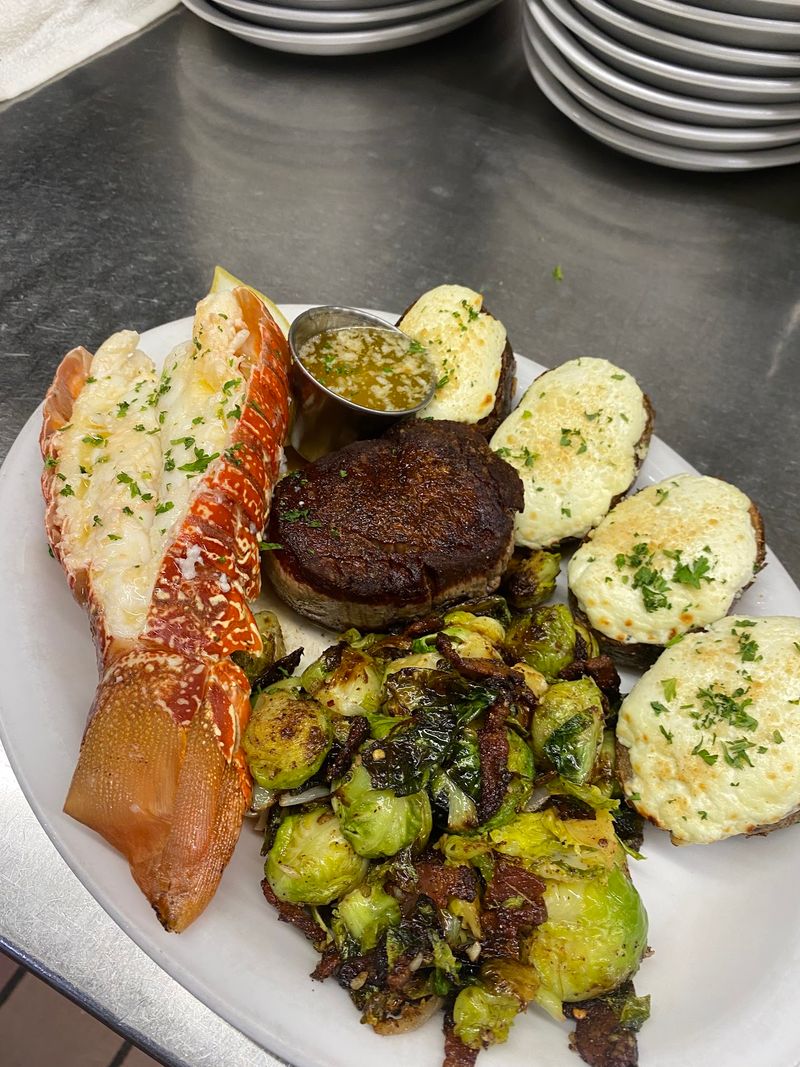
The homemade mac and cheese arrives creamy underneath with a properly formed crust on top, the kind that requires patience and a real oven rather than a shortcut. Garlic mashed potatoes are seasoned with enough confidence that they do not need anything added at the table, and the portions are generous enough to share without anyone feeling shortchanged.
Brussels sprouts come out with a preparation that converts skeptics, which is a harder achievement than it sounds. The asparagus avoids the cardinal sin of overcooking and retains a snap that signals freshness.
Risotto, when it appears on the menu, carries the kind of depth that suggests it has been treated with the attention the dish actually requires.
Side dishes at many steakhouses feel like afterthoughts, but here they function as genuine components of the meal. The kitchen applies the same ingredient-driven philosophy to the accompaniments as it does to the main courses, and the result is a table full of plates where nothing feels like it was phoned in or pulled from a bag.
Starters Worth Slowing Down For
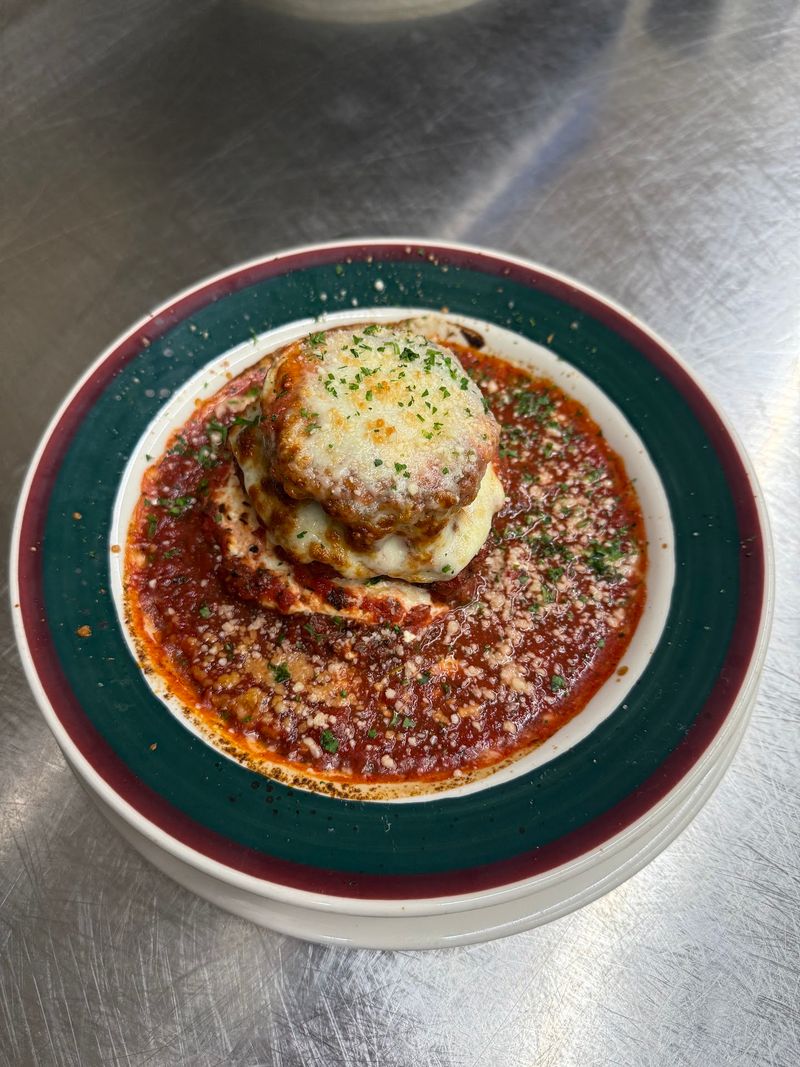
The Wild Mushroom Bisque has developed a reputation among regulars as a near-mandatory opener. It arrives rich and earthy with a depth of flavor that suggests a kitchen taking its soup course seriously, which is a reliable indicator of how the rest of the meal will go.
Oysters Rockefeller carry the classic preparation with enough skill to remind you why that dish became a classic in the first place. The Veal Meatball with aged parmesan and spicy tomato sauce is the kind of appetizer that makes you reconsider how much of your appetite you want to spend before the main course arrives.
Seared ahi tuna with wasabi caviar as a starter is a bold choice that pays off for guests who enjoy a more adventurous opening. The garlic bread deserves a mention here too.
It arrives buttery and deeply garlicky in a way that makes it genuinely difficult to pace yourself, especially when the rest of the table is equally enthusiastic about it.
Private Spaces for Gatherings of Every Size
The restaurant offers three dedicated private event spaces that function well for everything from intimate business lunches to large celebrations. The Library accommodates up to 10 guests and creates a setting that feels personal without being cramped, surrounded by the same dark wood and architectural details that define the main dining room.
The Greenbrier Room handles groups of up to 25 guests and works well for corporate dinners, rehearsal meals, or milestone birthday gatherings where the occasion warrants a proper setting. For larger events, the Ballroom scales up to 200 attendees while retaining the historic character of the building.
Catering services are available both on-site and off-premise, which gives event planners flexibility that many similarly sized venues cannot offer. The combination of the space, the menu quality, and the attentive service makes 21 at the Frederick a genuinely competitive option for anyone planning a Huntington event who wants the venue to contribute as much to the evening as the guest list does.
Ghost Stories Come Standard With the Architecture
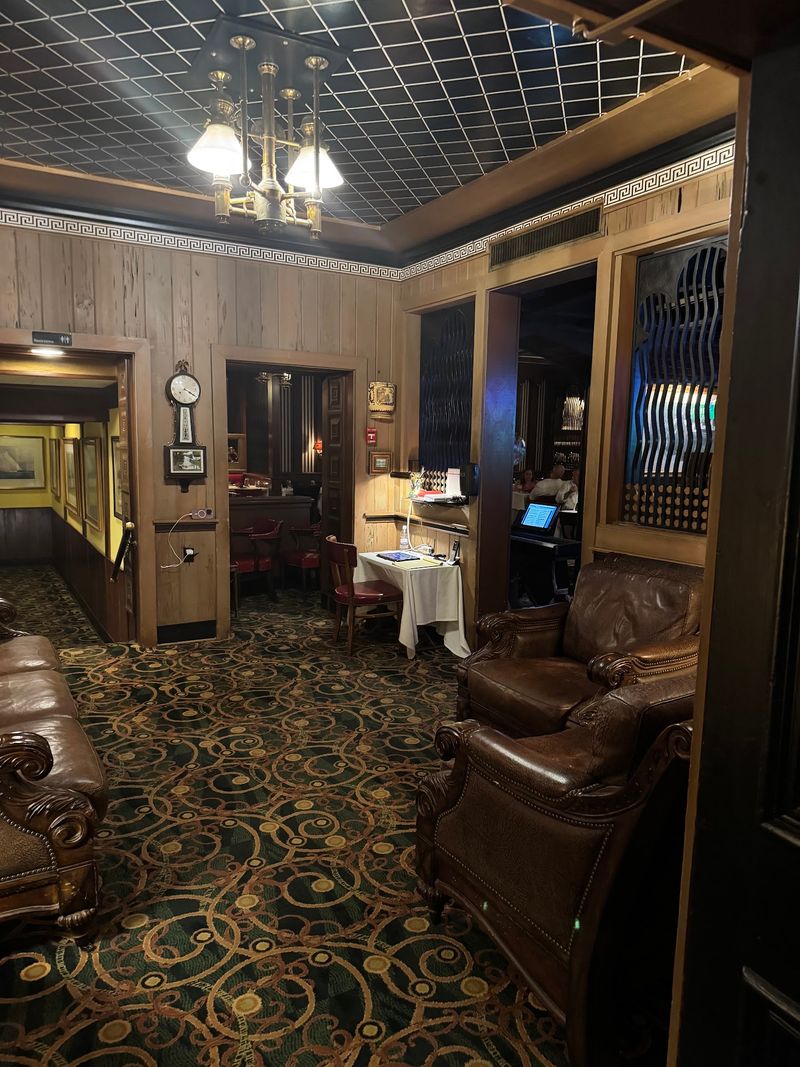
The Frederick Hotel building comes with a side of the unexplained that the restaurant has not tried to hide or commercialize. The space that 21 at the Frederick now occupies, formerly the hotel’s private men’s club, reportedly carries a history of paranormal activity that has been noted by staff and guests over the years.
Reports include the apparitions of two children, the sound of jangling keys with no visible source, unexplained footsteps, whispering voices in empty rooms, and on occasion, something described as screaming. Whether you find that thrilling or unsettling probably depends on your relationship with old buildings and their histories.
For a restaurant already operating inside a space that hosted famous guests, survived the better part of a century, and preserved its original 1962 interior design, the ghost stories feel like a natural extension of the building’s personality rather than a gimmick. The atmosphere is atmospheric enough without them, but knowing they exist adds one more layer to a dining experience that already has more layers than most restaurants in any state could claim.
Share this story