Finland is often called the Land of a Thousand Lakes, but that nickname actually undersells the reality. The country has more than 180,000 lakes, and many of its towns sit right in the middle of all that water.
Whether you are planning a summer road trip or just curious about what makes Finnish towns so different from anywhere else in Europe, this list gives you a real look at 14 places where the water is not just nearby but practically part of the address. From medieval castles rising out of lake surfaces to quiet archipelago routes best explored by bike, these towns offer something genuinely worth knowing about.
Savonlinna
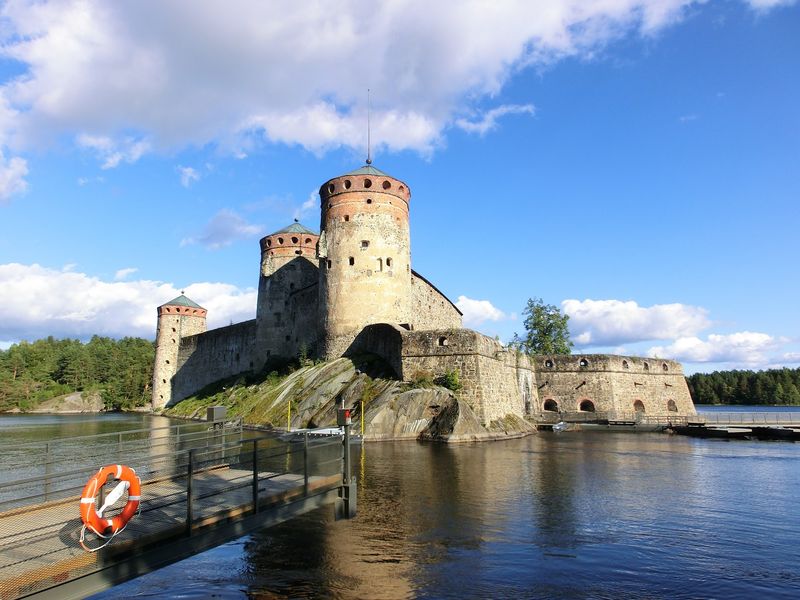
Olavinlinna Castle does not sit beside Lake Saimaa. It rises directly from it, surrounded on nearly every side by open water, making it one of the most visually striking medieval fortresses in all of northern Europe.
Built in 1475, the castle has stood on its rocky island through centuries of Swedish and Russian rule before becoming one of Finland’s most recognized landmarks.
Savonlinna occupies a series of islands and peninsulas within the larger Saimaa system, meaning water appears at almost every turn through the city. Summer visitors can board sightseeing cruises from the main harbor, paddle through channels between islands, or head toward Linnansaari and Kolovesi national parks for a wilder experience.
Winter does not shut the region down. Hiking, skating on frozen lake surfaces, and cross-country skiing keep Savonlinna active year-round.
The combination of history, water, and accessible outdoor activity makes this one of Finland’s most complete Lakeland destinations.
Kuopio
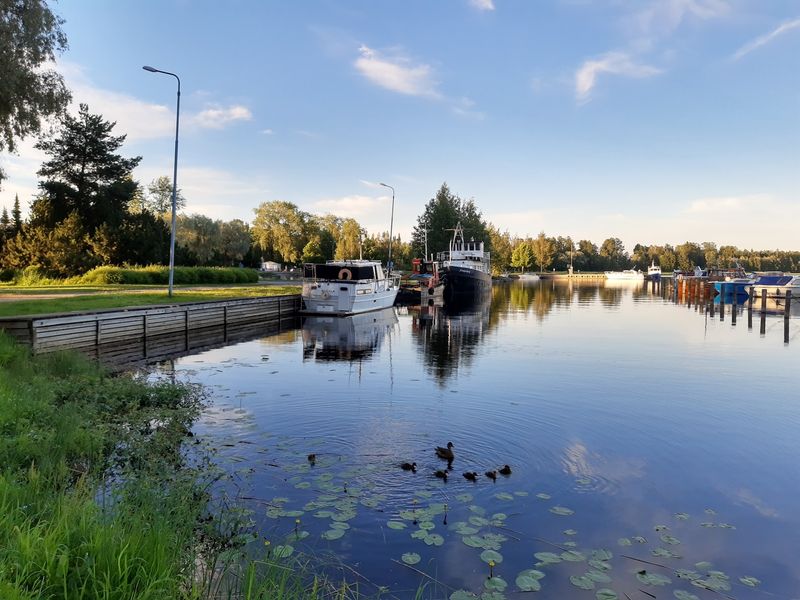
Standing on the observation deck of Puijo Tower and looking out over Lake Kallavesi is one of those moments that makes the scale of Finnish Lakeland genuinely sink in. The lake breaks into a maze of islands, bays, and peninsulas in every direction, with forested ridges filling the gaps between water and sky.
Kuopio is a proper city with a lively market square, strong food culture, and traditional Savonian cuisine that gives it character beyond the scenery. The famous kalakukko, a rye-crusted fish pie native to the region, is the kind of local specialty that deserves its own spot on any travel itinerary.
Public saunas are a genuine part of life here, and Kuopio is known for having some of the best traditional sauna experiences in Finland. Winter visitors can even skate directly on frozen Lake Kallavesi when conditions allow, turning the city’s biggest natural feature into its largest outdoor rink.
Mikkeli
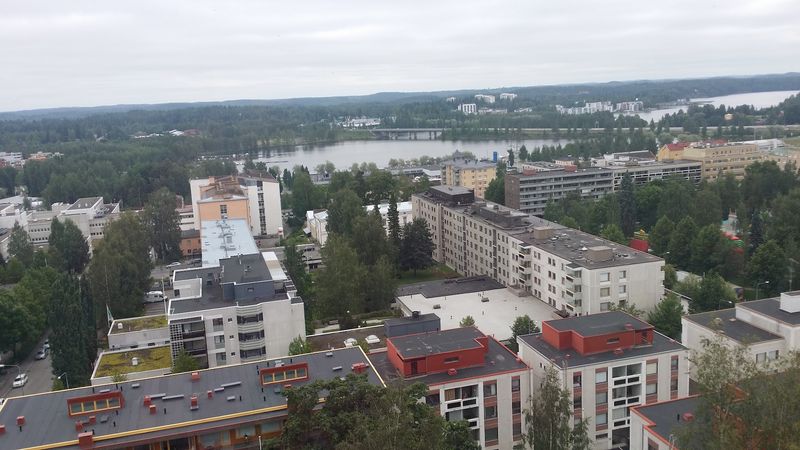
Mikkeli calls itself the heart of Saimaa, and the geography backs that up without any argument. The surrounding region contains roughly 120 lakes and approximately 14,000 islands, creating a landscape where water is not a backdrop but the main feature of almost every view.
The town itself offers a practical mix of museums, markets, and historic sites, including connections to Finland’s wartime history. Mikkeli served as the headquarters of the Finnish Defence Forces during World War II, and several sites related to that period remain open to visitors today.
Beyond history, the region is a favorite for Finnish cottage holidays, canoeing, fishing, and lake cruises. The prehistoric Astuvansalmi rock paintings, located along a lake shore nearby, add a layer of ancient history to the outdoor experience.
Mikkeli works well as both a standalone destination and a base for exploring the broader Saimaa network at whatever pace suits you.
Jyväskylä
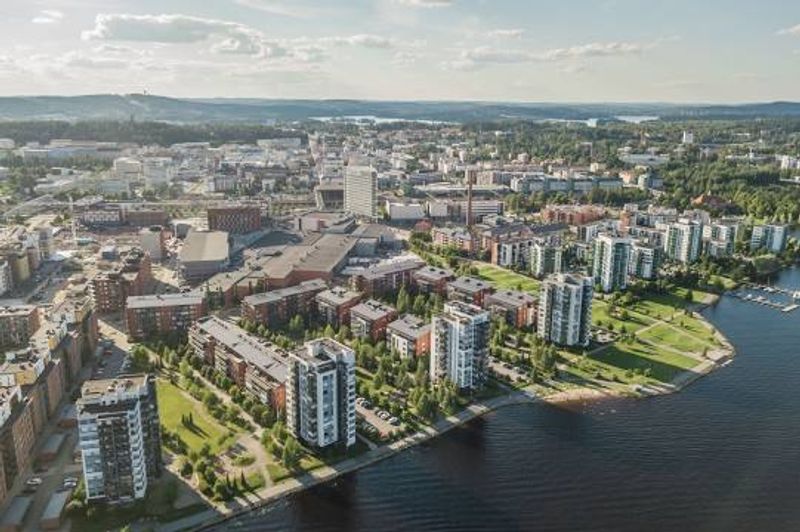
Jyväskylä has a younger energy than many Finnish Lakeland cities, driven largely by its university population and a cultural scene that keeps the city active through all four seasons. Built around Lake Jyväsjärvi, the city offers waterfront access right at its center, while the wider region spreads into a dense network of additional lakes and forests.
Architecture fans have a specific reason to visit. Jyväskylä contains the largest concentration of buildings designed by Alvar Aalto anywhere in the world, including the Alvar Aalto Museum and several civic buildings that have shaped how people think about Finnish modernism.
Four national parks sit within the broader region, giving outdoor visitors serious options beyond the city itself. Depending on the season, travelers can swim, canoe, take floating sauna trips, skate on frozen lake surfaces, or join organized lake cruises.
The combination of city culture and immediate access to Finnish wilderness is genuinely hard to match elsewhere in the country.
Tampere
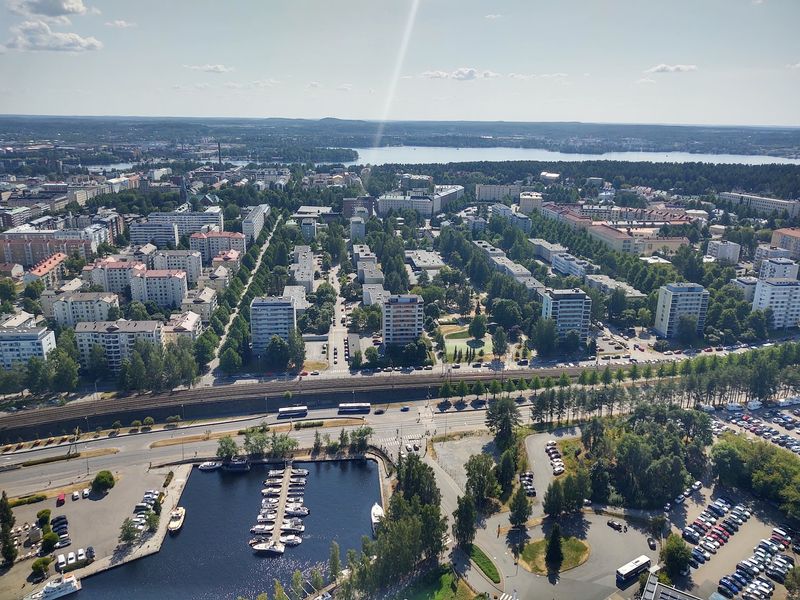
Tampere is built on a narrow strip of land between two large lakes, Näsijärvi and Pyhäjärvi, connected by the Tammerkoski rapids cutting directly through the city center. That geography gives Tampere an unusual identity among Finnish cities, blending industrial heritage with open water in a way that feels genuinely distinctive rather than accidental.
The red-brick factory buildings lining the rapids are one of the most photographed urban scenes in Finland. Many of those former mills have been converted into restaurants, museums, and cultural venues, making the waterfront both historically interesting and practically useful for visitors.
Tampere has a strong sauna culture, with more than 50 public saunas operating in the wider city area. Lakeside sauna experiences often include the classic Finnish sequence of heating up and then cooling off directly in the lake.
Summer lake cruises, waterfront beaches, and walking paths along both lakes round out a destination that rewards spending several days rather than just passing through.
Lappeenranta
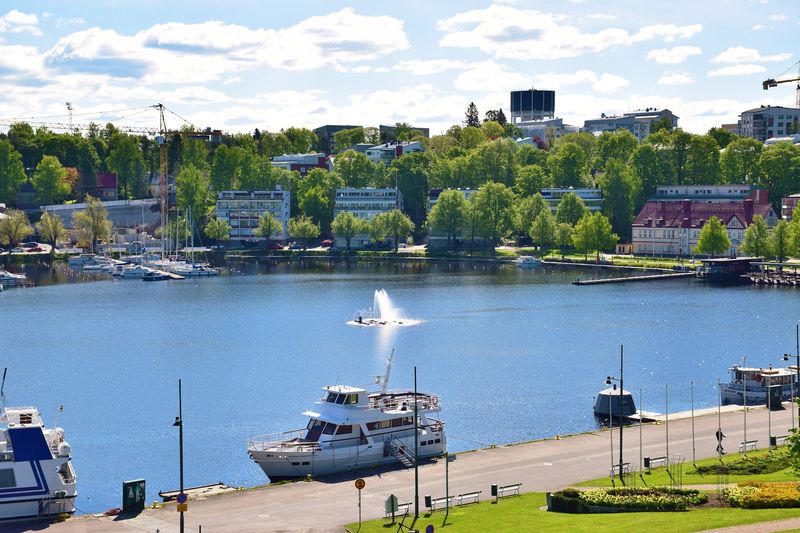
Lappeenranta sits on the southern shore of Lake Saimaa, where the lake is wide enough to look more like an inland sea than anything typically associated with a Finnish town. The harbor serves as the natural starting point for exploring the water, with cruises heading out around the local archipelago and toward the historic Saimaa Canal.
Above the harbor stands Lappeenranta Fortress, a district whose layered history includes Swedish construction and later Russian occupation. The fortress area contains a church, museums, craft shops, and cafes, making it a self-contained stop that combines history with a practical reason to walk uphill from the waterfront.
Myllysaari, a lakeside park and swimming area, sits within easy reach of the city center and provides a relaxed outdoor option without requiring any special planning. Lappeenranta is also one of the closest major Saimaa destinations to the Russian border, giving it a geographic and cultural position unlike anywhere else along the lake.
Imatra
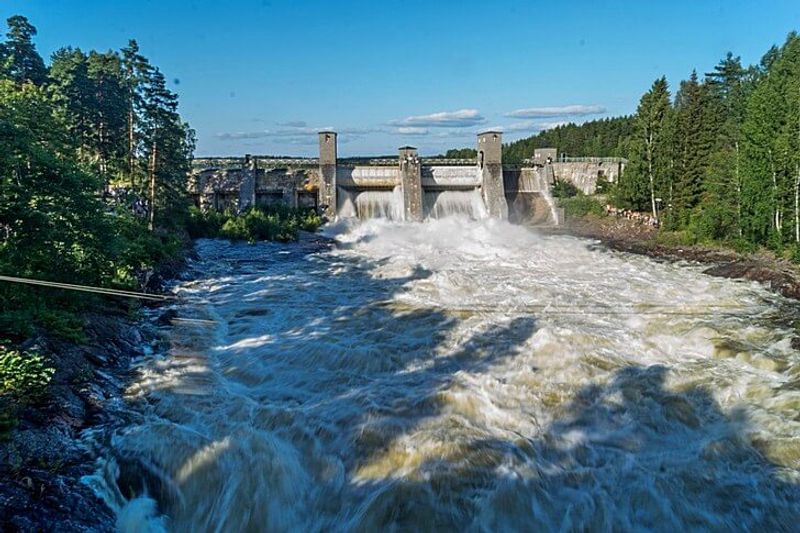
Imatrankoski has been drawing curious travelers for centuries. The rapids of the Vuoksi River that run through Imatra have been one of Finland’s most visited natural attractions since the 18th century, when Russian nobility from St. Petersburg made the journey specifically to see them.
That history gives Imatra a surprisingly long tourism pedigree for a relatively small city.
The rapids were dammed for hydroelectric power in the early 20th century, but scheduled releases bring them back to their dramatic original state at specific times, particularly during summer. Watching the full flow return is one of those experiences that draws repeat visitors.
Beyond Imatrankoski, the surrounding Saimaa landscape offers forest trails, beaches, and extensive waterways for boating and fishing. Imatra pairs naturally with nearby Lappeenranta, since the two cities sit only about 30 kilometers apart along the southern edge of Lake Saimaa.
Together they form one of the most accessible entry points into Finland’s broader lake district.
Puumala
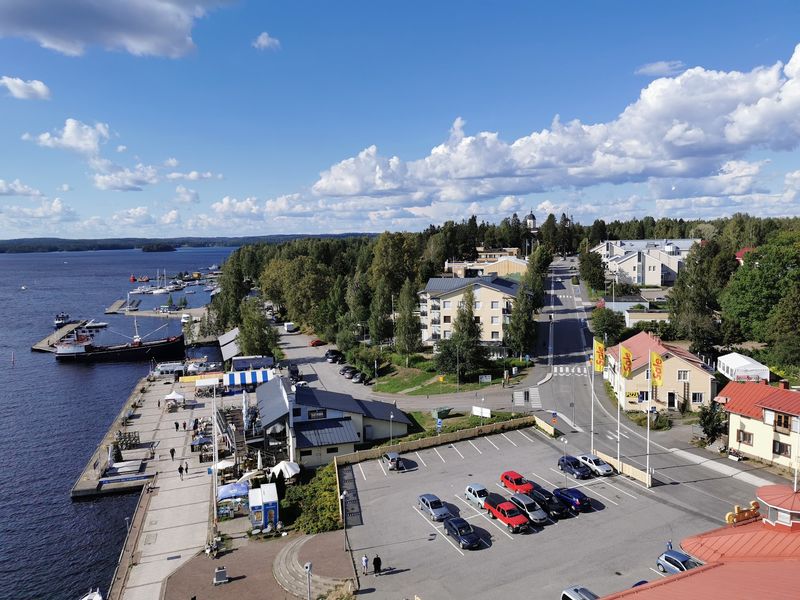
Puumala is the kind of place that makes you understand why Finns are so protective of their lake country. The town sits within Lake Saimaa amid a scattered landscape of islands, bridges, and forested channels where the water is never more than a short walk away in any direction.
The 60-kilometer Puumala Archipelago Route is the area’s standout experience for cyclists. The route crosses islands and stretches of open water using a combination of bridges and seasonal bike ferries, creating a journey that feels more like island-hopping than a standard cycling trip.
It is genuinely one of the more creative outdoor routes in Finnish Lakeland.
The town harbor offers a quieter focal point, and the Puumalansalmi Bridge provides wide views across the lake that reward even a brief stop. Scenic cruises, paddling, swimming, and lakeside accommodation reinforce why Puumala attracts visitors who want Saimaa without the busier atmosphere of larger nearby cities like Savonlinna.
Joensuu
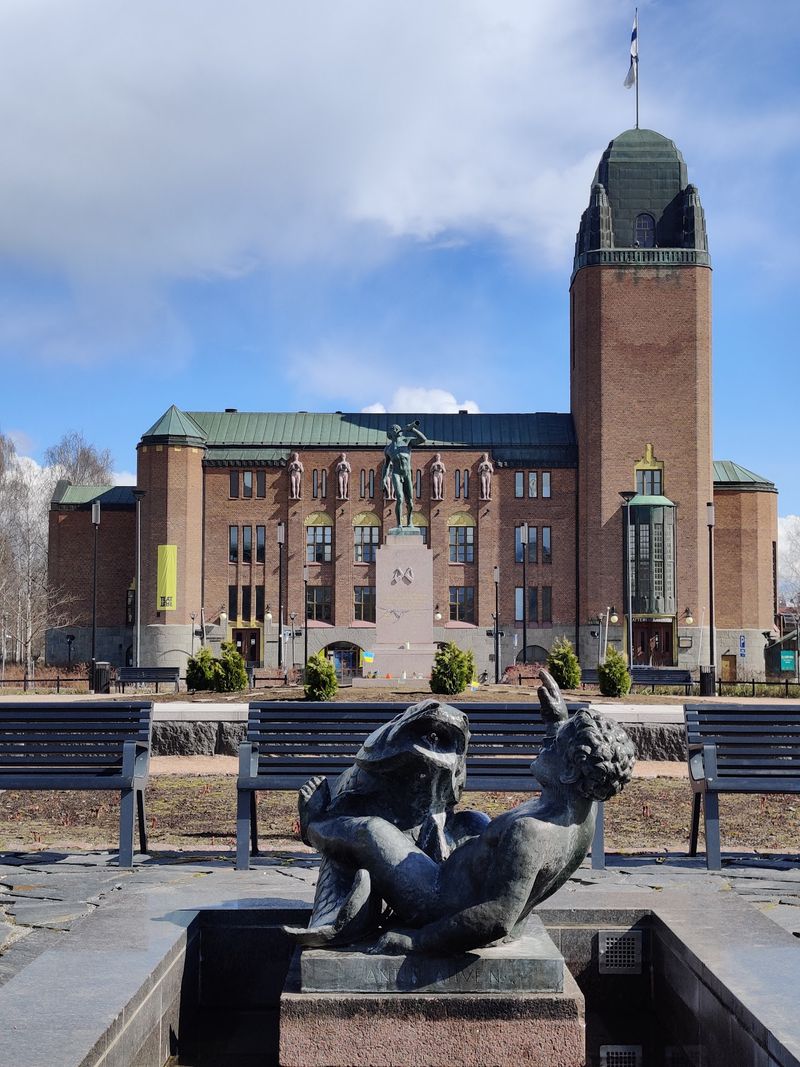
Joensuu is the regional capital of North Karelia and sits at the point where the Pielisjoki River meets Lake Pyhäselkä. Water is woven into the city’s layout from the start, with the river running through the urban center and the lake opening up just beyond it.
The city has a practical, livable character that feels different from Finland’s more resort-oriented Lakeland towns.
Kuhasalo is one of the easiest excursions from the city center. Located just a few kilometers from the main market square, this peninsula juts into Lake Pyhäselkä and offers nature trails, campfire sites, and peaceful shoreline views that feel surprisingly remote given how close they are to the city.
Joensuu also works well as a base for exploring deeper into North Karelia. Lake Pielinen and the famous Koli landscapes farther north are among Finland’s most celebrated viewpoints, and both are accessible on a day trip.
The region’s strong Karelian cultural identity adds another layer to the visit.
Nurmes
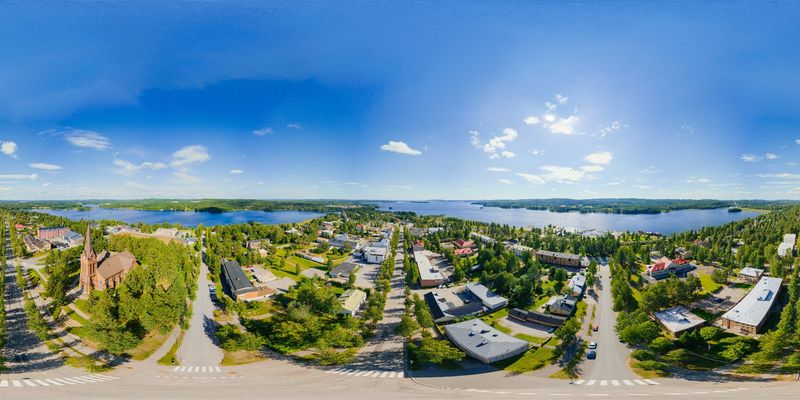
Lake Pielinen is Finland’s fourth-largest lake, and Nurmes sits right on its eastern shore with the kind of quiet confidence that comes from being surrounded by serious wilderness. The scale of Pielinen gives the surrounding landscape a feeling of openness that is harder to find in the more densely visited parts of Lakeland further south.
The Bomba village is Nurmes’s most recognizable attraction. Built as a recreation of traditional Karelian architecture, the complex includes elaborately decorated log buildings, a spa, accommodation, and food rooted in North Karelian culinary tradition.
It is one of the few places in Finland where Karelian culture is presented in such a concentrated and accessible way.
Beyond Bomba, the area offers hiking trails, paddling on Pielinen, and the kind of slow outdoor pace that makes Finnish lake country appealing in the first place. For travelers interested in combining cultural history with genuine wilderness scenery, Nurmes delivers both without requiring much effort to find either.
Mäntyharju
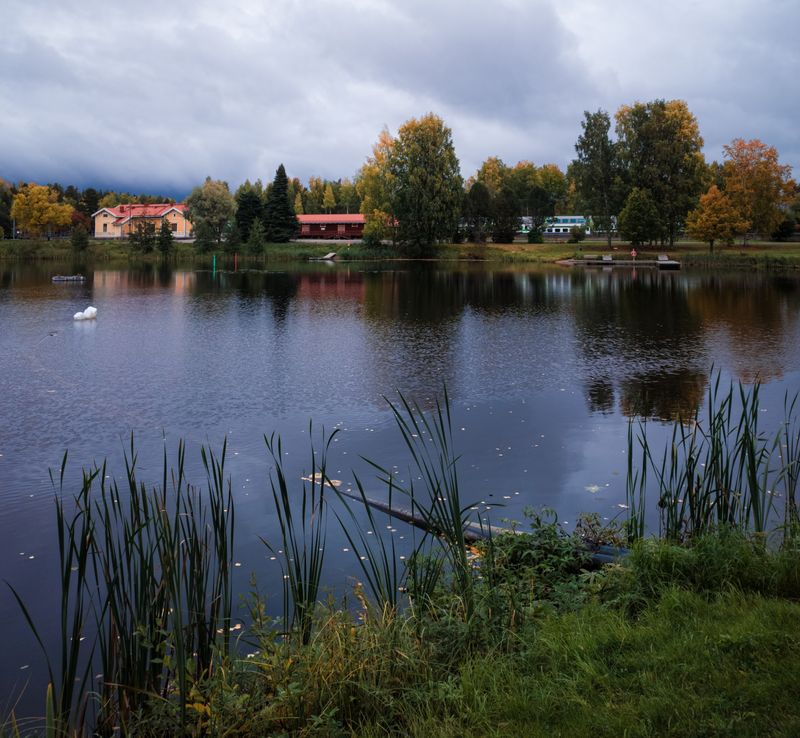
Water surrounds Mäntyharju in almost every direction. The municipality sits within a network of interconnected lakes including Pyhävesi, Lahnavesi, Juolasvesi, and Korpijärvi, creating an aquatic landscape that feels particularly suited to slow, unplanned exploration rather than a checklist approach to sightseeing.
Fishing is one of the primary draws, and the lake network provides access to a variety of species that keep anglers returning across seasons. The same waterways attract paddlers who prefer quieter routes away from the more commercialized parts of Finnish Lakeland.
The Pappilanniemi area offers accessible hiking trails near the shore of Pyhävesi, and the surrounding forest paths provide a peaceful alternative to the larger Lakeland cities nearby. Mäntyharju has the kind of small-town character where outdoor access feels personal rather than packaged.
For travelers who want forests, water, and genuine quiet rather than organized activities, this corner of southern Finnish Lakeland fits the brief exactly.
Lahti
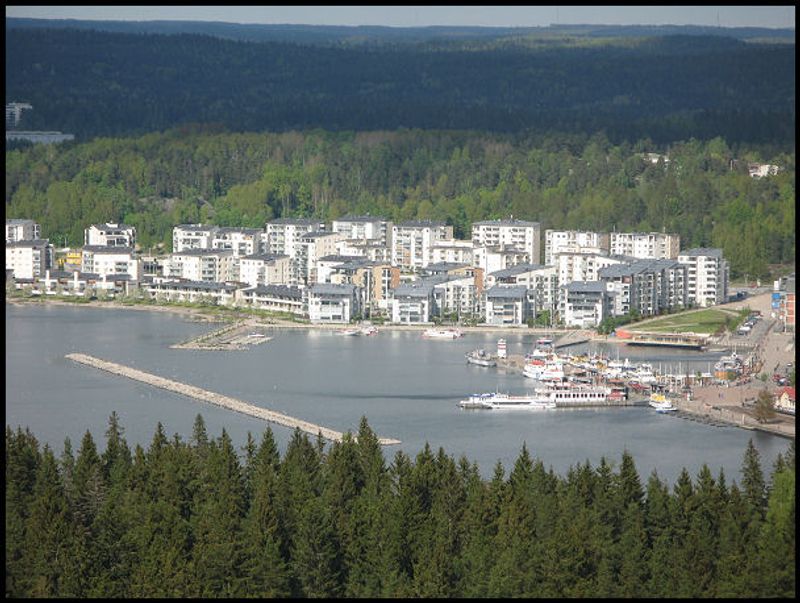
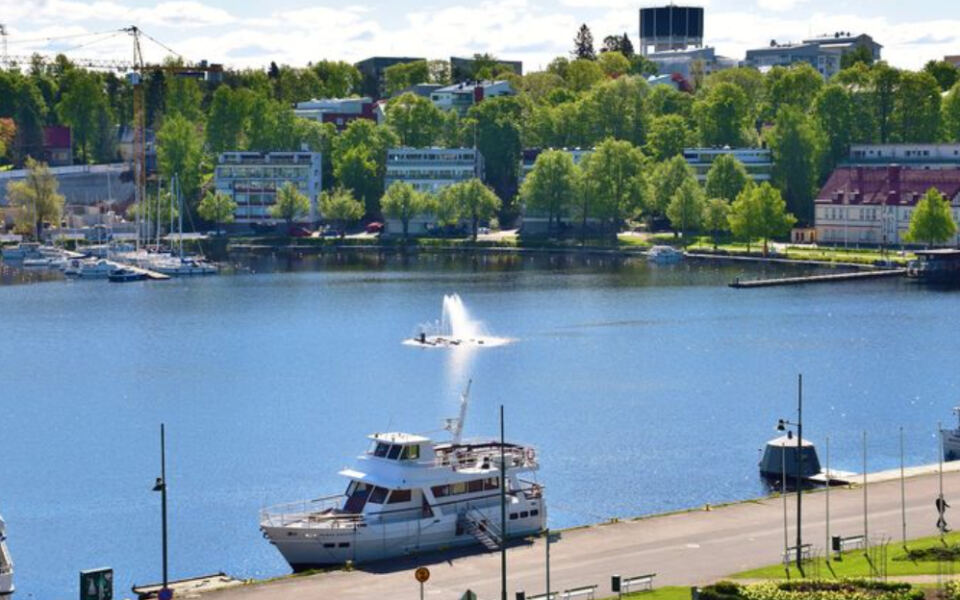
Lahti sits about 100 kilometers north of Helsinki beside Lake Vesijärvi, making it one of the most accessible Lakeland destinations for anyone arriving in Finland through the capital. The train journey from Helsinki takes roughly an hour, which puts a genuine Finnish lake experience within easy reach of an international airport without requiring a full travel day.
The waterfront around Lahti harbor and Sibelius Hall is well developed and easy to navigate, with the lake forming an obvious part of the city experience rather than something you have to seek out. Waterways connect Vesijärvi toward Lake Päijänne, one of Finland’s largest lakes, opening up options for longer cruises and deeper exploration.
Päijänne National Park adds a significant outdoor dimension to the region, with the distinctive esker ridge landscapes of Pulkkilanharju among its most visited features. Lahti is also known for its winter sports facilities, giving it a year-round appeal that purely summer-oriented lake towns sometimes lack.
Varkaus
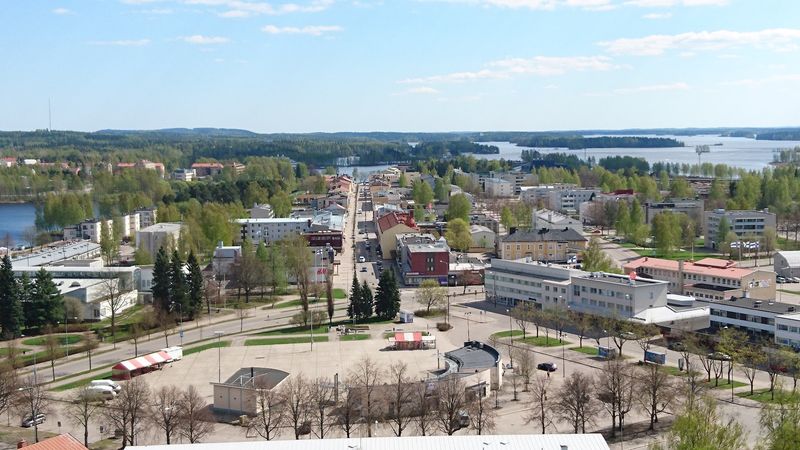
Varkaus does not present itself as a polished resort town, and that is part of what makes it interesting. Set within the Saimaa waterway system, the city has a character shaped equally by its industrial history and its undeniably watery setting.
Pulp mills and canal infrastructure defined Varkaus for much of the 20th century, and traces of that heritage remain visible in the urban landscape.
The canal network around Varkaus is genuinely scenic in a way that surprises visitors who arrive without high expectations. Quiet shores, forest-lined waterways, and the calm surfaces of connected lakes create a setting that rewards slow travel by boat or along the water’s edge on foot.
Tourism development in recent years has increasingly positioned Varkaus as part of a broader Lake Saimaa journey, often paired with Savonlinna to the south. For travelers curious about how ordinary Finnish towns relate to the lake system rather than just the famous vacation spots, Varkaus offers a more grounded and less curated perspective on Finnish Lakeland life.
Heinola
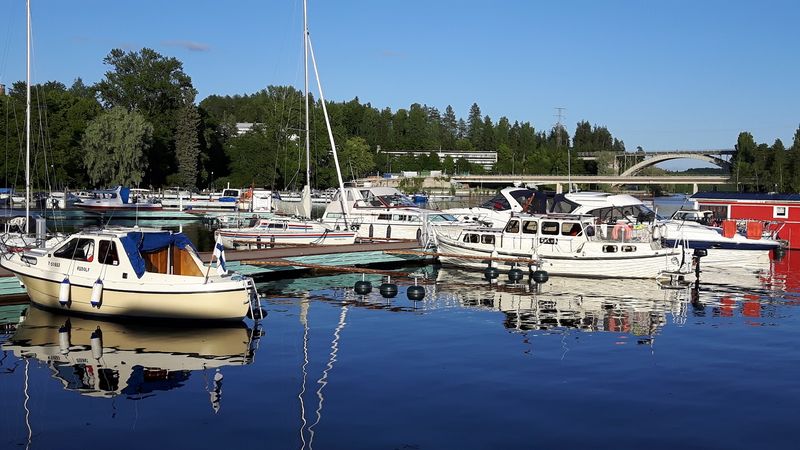
Heinola sits in southern Finnish Lakeland at the point where the lake landscape starts appearing in earnest as you travel north from Helsinki. Lake Ruotsalainen and the surrounding network of waterways give the town a relaxed waterfront character that is particularly well suited to summer, when the pace slows down and the lake becomes the center of daily life for both locals and visitors.
Boating, swimming, cycling, and hiking are the main draws, and the town’s infrastructure supports all of them without being overcrowded. The surrounding terrain mixes lakes with wooded ridges, giving walkers and cyclists varied scenery rather than flat monotony.
Heinola also makes practical sense as a stop on a longer Lakeland road trip, sitting roughly halfway between the Helsinki region and major destinations like Jyväskylä or Mikkeli farther north. For travelers who prefer a smaller Finnish town over a regional city, Heinola offers genuine lake country character without requiring a deep commitment to remote travel.
Share this story