Tipping is a normal part of dining out or using services in many countries, but not everywhere. In some parts of the world, leaving extra money on the table can actually confuse or even offend the people serving you.
Different cultures have different ideas about what good service means and how it should be rewarded. Knowing these differences before you travel can save you from an awkward moment and help you show respect the right way.
1. Japan
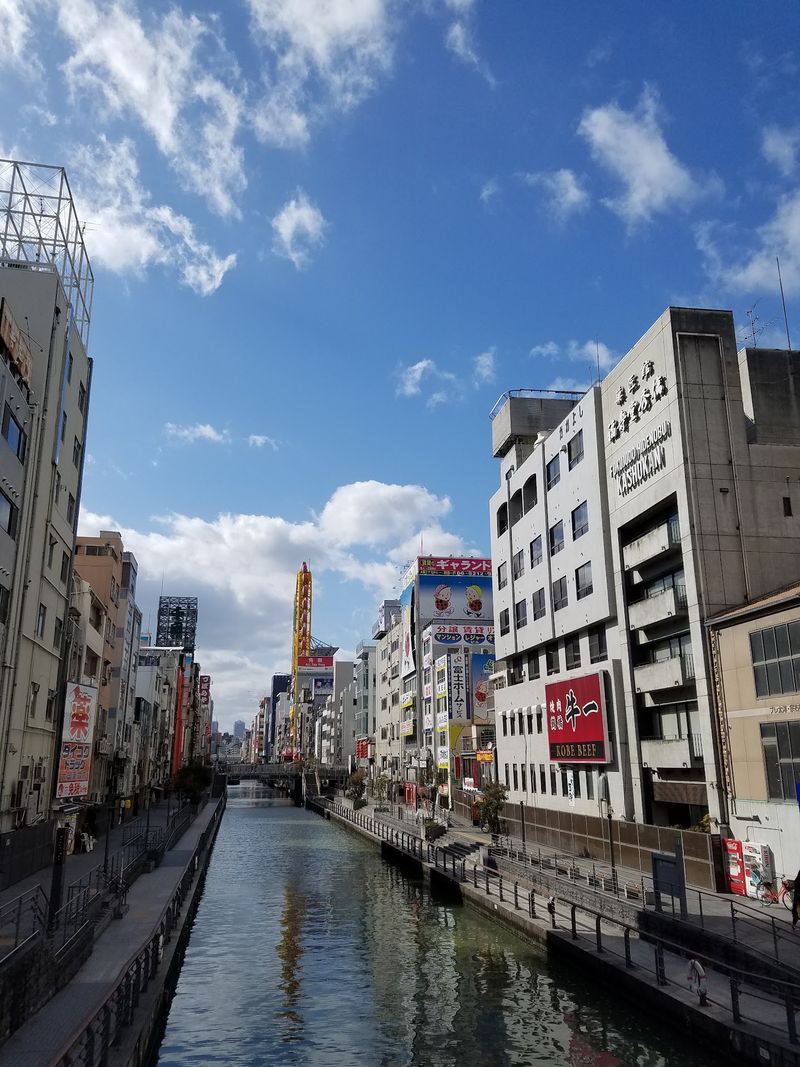
Walking into a restaurant in Japan feels like stepping into a world where service is treated as an art form. Staff members take enormous pride in their work, and that pride does not come with a price tag.
Tipping is considered unnecessary and, in many cases, rude.
Japanese culture has a concept called “omotenashi,” which means wholehearted hospitality given freely without expecting anything in return. Offering a tip can imply that the worker needs the extra money, which may feel insulting to them.
Some servers will even chase you down the street to return the money you left behind.
If you want to show appreciation in Japan, a sincere bow or a heartfelt thank-you goes much further than cash. Respecting local customs is one of the best gifts any traveler can give.
2. South Korea
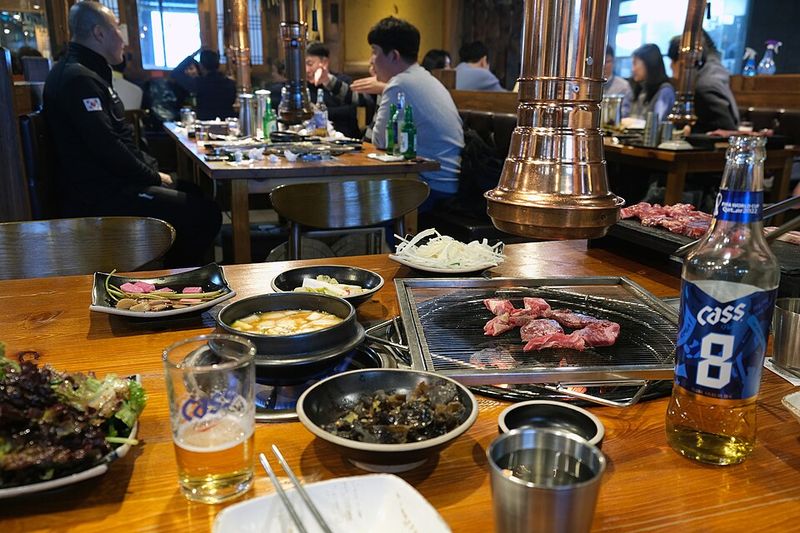
South Korea has a service culture that is deeply rooted in respect and professional pride. Workers in restaurants, hotels, and taxis are paid fair wages and do not rely on tips to make ends meet.
Leaving a tip can actually create confusion or discomfort for the person receiving it.
In some situations, a tip might even be seen as condescending, as if you are treating the worker as someone who is struggling financially. Many South Koreans find the act of tipping awkward because it breaks the natural flow of a transaction that is already considered complete when you pay the bill.
Travelers visiting Seoul or Busan will find that a polite “gamsahamnida” (thank you) is the most appreciated form of gratitude. Good manners and a friendly attitude are valued far more than extra cash in South Korean service culture.
3. China

China’s relationship with tipping is complicated and has changed over time, especially in major cities like Shanghai and Beijing. Traditionally, tipping was not practiced and was sometimes seen as offensive.
The idea of handing someone extra money could suggest they were doing a poor job at their regular pay.
In upscale hotels and tourist-heavy areas, some workers have grown more accustomed to tips from foreign visitors. However, outside of those settings, tipping is still largely unnecessary and may lead to awkward refusals.
Street food vendors and local restaurants almost never expect tips.
If you are visiting China, it is best to follow the lead of locals around you. Paying the listed price with a smile and a word of thanks is the standard way to wrap up a meal or service.
Observing local habits will help you blend in respectfully.
4. Singapore

Singapore is a city-state known for its efficiency, cleanliness, and strict social rules. When it comes to tipping, most locals simply do not do it.
Many restaurants already add a 10% service charge to your bill, so leaving additional money on top of that is unnecessary and sometimes even frowned upon.
The hawker centers, which are beloved open-air food courts packed with affordable local dishes, operate on a no-tip basis entirely. Vendors there work quickly and efficiently without any expectation of extra cash.
Tipping at a hawker center would likely confuse the vendor more than please them.
Singapore’s workforce is generally well-compensated compared to other parts of Southeast Asia, which reduces the financial need for tips. Travelers should check their bill for service charges before deciding whether to leave anything extra.
When in doubt, a warm thank-you and a smile are always welcome.
5. New Zealand

New Zealand has a relaxed, laid-back culture that extends to how people handle tipping. Most Kiwis do not tip, and service workers do not expect it.
Minimum wage laws in New Zealand are relatively strong, which means workers in cafes, restaurants, and hotels are already earning a fair income.
That said, tipping is not considered rude in New Zealand the way it might be in Japan. If you receive exceptional service and want to leave a little extra, most workers will accept it graciously.
The key difference is that it is never expected or assumed.
Tourists from the United States sometimes feel the urge to tip out of habit, but there is no pressure to do so here. Paying your bill as listed and saying a genuine “cheers” or “thank you” is completely normal and appreciated.
Fitting in with local customs makes the whole experience more enjoyable.
6. Australia

Australia runs on a minimum wage system that is among the highest in the world, which means hospitality workers are already paid a livable salary. Because of this, tipping has never become the standard it is in places like the United States.
Most Australians pay their bill and walk away without leaving anything extra.
In casual settings like coffee shops or fast food spots, tipping is almost unheard of. At nicer restaurants, some diners might round up the bill or leave a small amount for truly outstanding service, but it is entirely optional.
No one will look at you strangely for not tipping.
Australians tend to value directness and fairness, and their pay structure reflects that. Workers are not relying on tips to cover their rent, so the transaction feels more balanced from the start.
Visitors can relax knowing they are not accidentally being rude by skipping the tip.
7. Denmark

Denmark is one of the happiest countries in the world, and part of that happiness comes from a strong social system that values fair pay for all workers. Service staff in Denmark earn good wages with benefits, and tipping is not a built-in expectation of the job.
Most Danes pay the exact bill amount without a second thought.
The Danish concept of “Janteloven” encourages modesty and equality, which means drawing attention to yourself by leaving a flashy tip could actually feel out of place. Workers are seen as professionals doing a skilled job, not someone who needs charity from customers.
Tourists who wish to tip in Denmark will not cause offense, but they may get a surprised reaction. Rounding up to the nearest convenient number is the most common way locals occasionally show appreciation.
Copenhagen’s world-class dining scene runs smoothly without any tipping pressure whatsoever.
8. Iceland

Iceland might be small in population, but it is big on worker rights. Service workers across the country earn solid wages backed by strong labor unions, which removes the financial dependency on tips that exists in other countries.
Tipping is simply not part of the culture here.
Visitors arriving in Reykjavik from tip-heavy countries often feel unsure of what to do. The honest answer is that leaving a tip is not expected and not necessary.
Most Icelanders will accept it politely if you insist, but they will not be disappointed if you do not.
Iceland’s tourism industry has grown rapidly in recent years, bringing travelers from all over the world with different tipping habits. Despite this influx, local customs have remained steady.
Paying your bill, enjoying the stunning scenery, and treating staff with basic respect is all that is needed to be a considerate guest in Iceland.
Share this story