Food is one of the best ways to explore the world without ever leaving your kitchen. Every country has its own special dishes that tell the story of its culture, history, and people.
From steaming bowls of noodles in Vietnam to cheesy bread from Georgia, these meals are loved by millions for good reason. Get ready to discover 15 incredible dishes that belong on every food lover’s list.
1. Paella – Spain
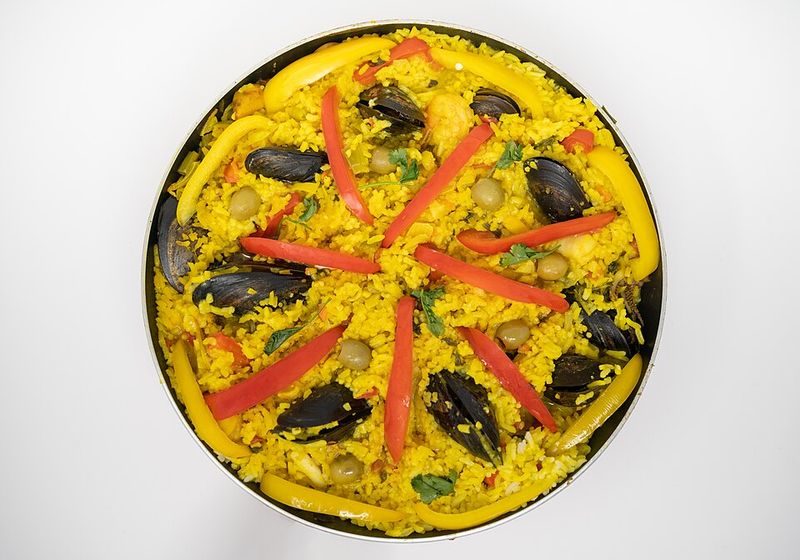
Few dishes capture the spirit of a country quite like paella does for Spain. Born in the Valencia region, this iconic rice dish has been feeding families and celebrations for centuries.
The golden color comes from saffron, one of the world’s most prized spices.
Paella is cooked in a wide, shallow pan over an open flame, allowing the rice to develop a crispy bottom layer called “socarrat.” That crunchy base is considered the best part by many Spaniards. Seafood versions include shrimp, mussels, and clams, while other versions feature rabbit or chicken.
Making paella is as much about the experience as it is about the food. Families and friends gather around the pan together, sharing from a communal dish.
If you ever visit Spain, joining a paella cooking class is one of the most memorable things you can do.
2. Pho – Vietnam
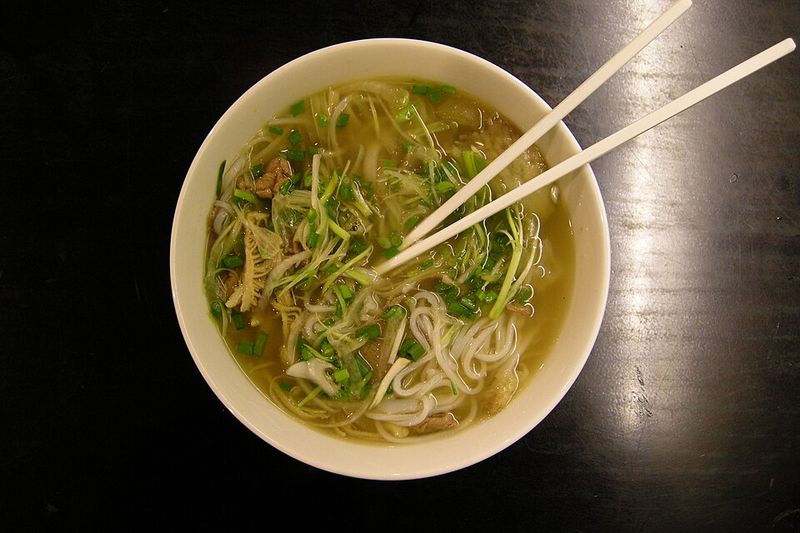
On any given morning in Hanoi or Ho Chi Minh City, you will find locals huddled over steaming bowls of pho before the sun fully rises. This beloved Vietnamese noodle soup has a broth that simmers for hours, sometimes an entire day, to develop its deep, complex flavor.
The base is made from beef or chicken bones, charred onion, ginger, and a blend of warm spices like star anise and cinnamon. Thin rice noodles and thinly sliced meat fill the bowl, topped with fresh herbs, bean sprouts, and a squeeze of lime.
Pho became popular worldwide after Vietnamese immigrants brought it to new countries during the late 20th century. Today, pho restaurants exist on nearly every continent.
The dish is comforting, light, and endlessly customizable, making it one of the most universally loved soups on the planet.
3. Moussaka – Greece
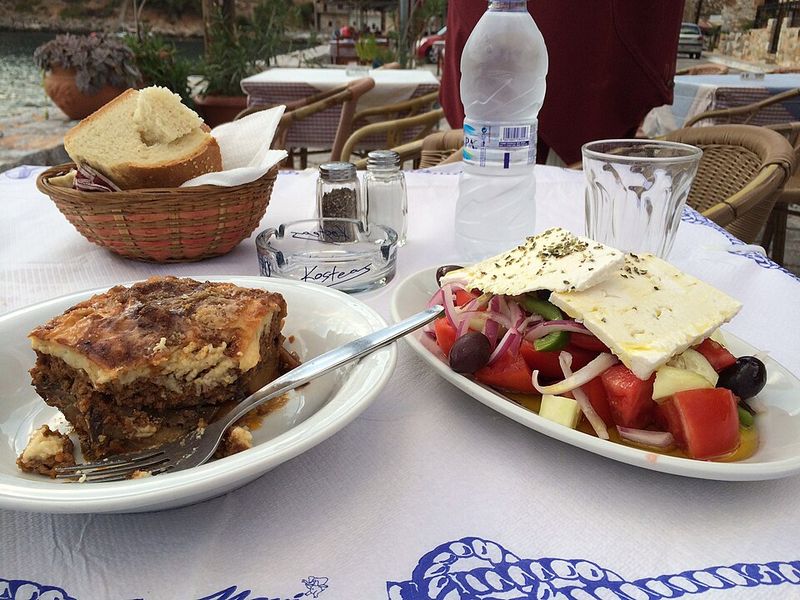
Warm, hearty, and deeply satisfying, moussaka is the dish that Greeks turn to for Sunday dinners and family gatherings. Layered with roasted eggplant, seasoned ground lamb or beef, and a thick, creamy bechamel sauce on top, this baked casserole is pure comfort food.
The dish has roots going back centuries, with influences from Ottoman and Arab cuisines blending into what Greece eventually made its own. The spices used, including cinnamon and allspice in the meat sauce, give moussaka a warmth that sets it apart from similar layered dishes in other cultures.
Moussaka takes time and patience to prepare correctly, but the result is absolutely worth it. Each layer needs to be cooked separately before being assembled and baked together.
Served with a simple green salad and crusty bread, it makes a complete and unforgettable meal that feels like a hug on a plate.
4. Biryani – India
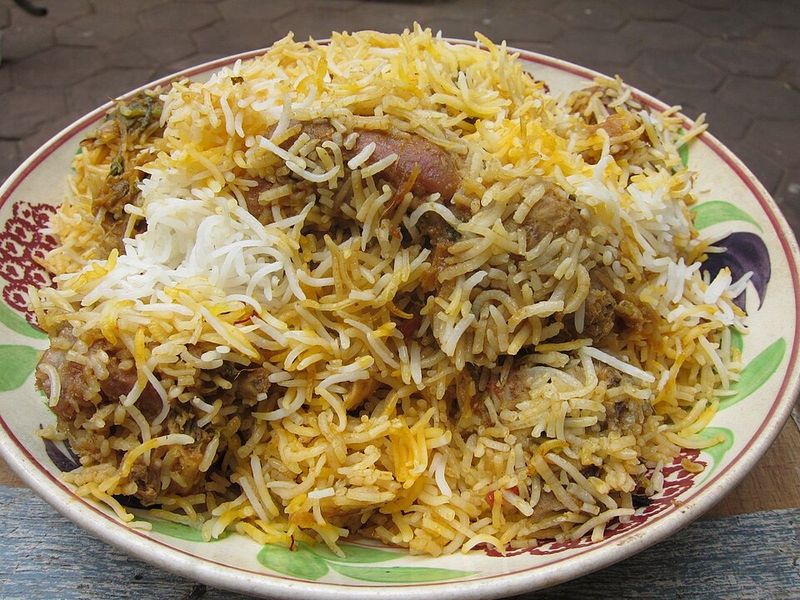
The moment biryani hits the table, the whole room fills with an aroma that is impossible to ignore. This fragrant rice dish is one of India’s most celebrated foods, with regional versions varying dramatically from Hyderabad to Kolkata to Lucknow.
Each city swears its version is the best.
Biryani is made by layering marinated meat, usually chicken, lamb, or beef, with partially cooked basmati rice and then slow-cooking everything together in a sealed pot. This method, called “dum” cooking, traps steam inside and allows the flavors to meld beautifully.
Saffron, fried onions, and fresh mint are classic finishing touches.
Historians believe biryani was brought to India by Persian travelers and traders centuries ago. Over time, Indian cooks transformed it into something entirely unique.
Today, biryani is enjoyed at weddings, festivals, and everyday meals alike, making it one of the most beloved dishes across South Asia.
5. Feijoada – Brazil
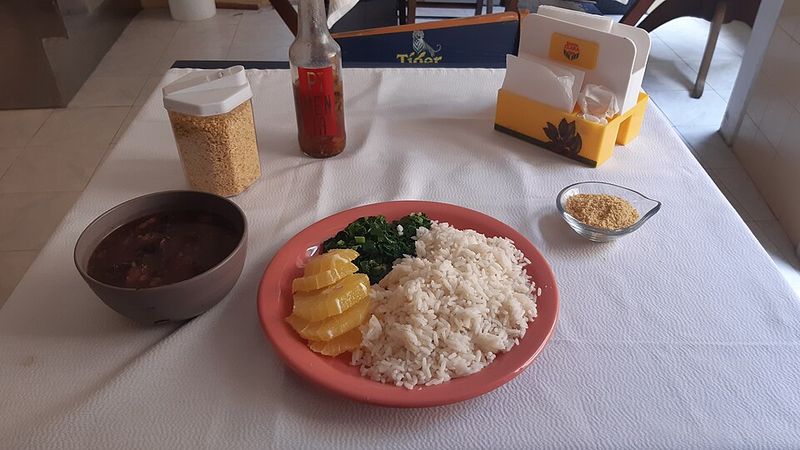
Brazil’s national dish has a story as rich as its flavor. Feijoada is a slow-cooked stew of black beans and various cuts of pork, including sausage, ribs, and smoked meats, all simmered together until thick and deeply savory.
It is the kind of meal that brings people together for hours.
Traditionally served on Wednesdays and Saturdays in Brazilian homes and restaurants, feijoada is always accompanied by white rice, farofa (toasted cassava flour), collard greens, and sliced oranges. The orange is not just decorative.
Its acidity helps balance the richness of the stew and aids digestion.
The origins of feijoada are debated, but many food historians link it to the African enslaved people brought to Brazil, who combined available scraps of pork with native beans. Today, the dish is a proud symbol of Brazil’s diverse cultural heritage, enjoyed at lively gatherings with family and friends.
6. Khachapuri – Georgia
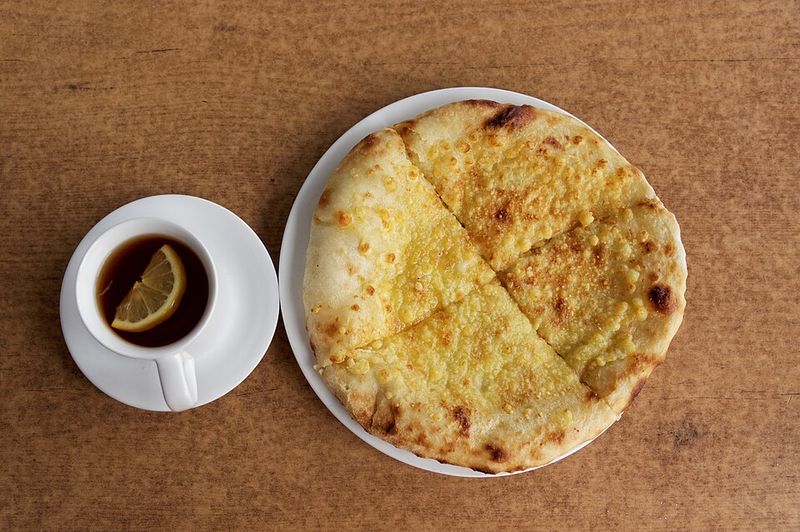
Imagine a boat-shaped bread filled to the brim with melted cheese, topped with a raw egg and a generous pat of butter. That is khachapuri, and it is one of the most joyful, indulgent foods you will ever encounter.
Georgia, the small country nestled between Europe and Asia, is its proud home.
The most famous version is called Adjarian khachapuri, named after a coastal region of Georgia. You tear off pieces of the bread crust and swirl them into the warm, gooey center.
It is messy, delicious, and completely addictive. The cheese used is typically a mild, salty Georgian variety called sulguni.
Khachapuri is so central to Georgian culture that economists have actually used its price as an informal way to measure the cost of living in Georgia. Whether eaten for breakfast, lunch, or dinner, this cheesy bread is a national treasure that food lovers around the world are quickly discovering.
7. Tagine – Morocco
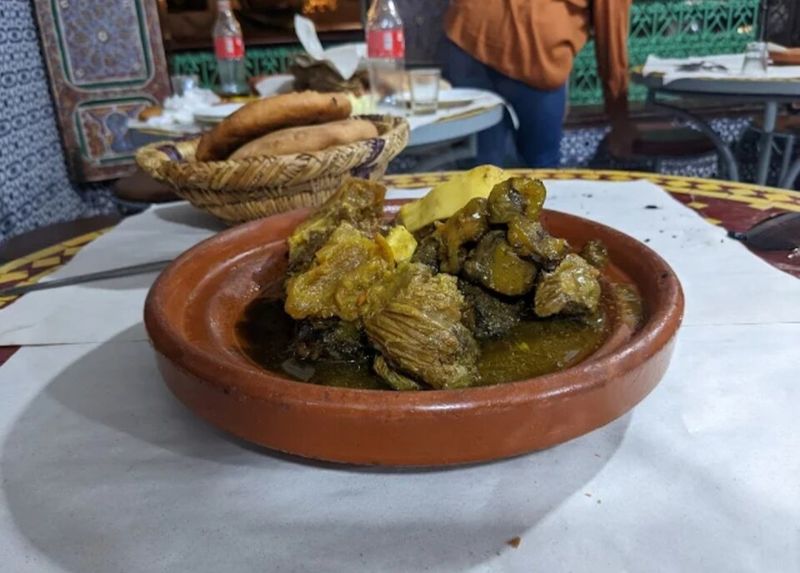
Slow cooking is an art form in Morocco, and the tagine is its masterpiece. Named after the cone-shaped clay pot it is cooked in, tagine is a slow-braised stew that transforms simple ingredients into something extraordinary.
The conical lid traps steam and returns moisture to the dish, keeping everything incredibly tender.
Common tagine combinations include lamb with preserved lemons and olives, chicken with almonds and honey, or vegetables with chickpeas and warming spices like cumin, turmeric, and cinnamon. The balance of savory, sweet, and tangy flavors is what makes Moroccan cooking so distinctive and exciting.
Tagines are traditionally served with fluffy couscous or crusty bread for scooping. Eating a tagine in Morocco is a communal experience, with everyone gathered around the pot and sharing from the center.
If you enjoy bold, aromatic flavors and tender, fall-apart meat, this dish will absolutely become a favorite in your kitchen.
8. Ceviche – Peru
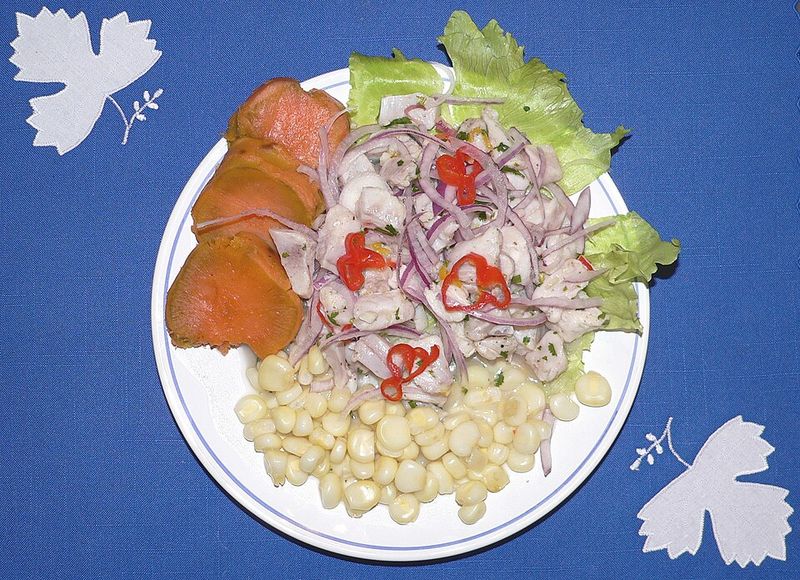
Ceviche is proof that sometimes the simplest techniques produce the most stunning results. Fresh raw fish is cured in citrus juice, typically lime, which chemically “cooks” the fish without any heat.
The result is bright, tangy, and incredibly refreshing, especially on a warm day along Peru’s Pacific coast.
Peruvian ceviche is typically made with white fish like sea bass, thinly sliced red onion, cilantro, and aji amarillo, a fruity yellow chili pepper native to Peru. The citrus marinade, called “leche de tigre” or tiger’s milk, is so flavorful that many people drink it straight from the bowl.
Peru takes its ceviche seriously. The country even has a national Ceviche Day celebrated on June 28th each year.
The dish has Indigenous, Spanish, and Japanese culinary influences woven into its history, making it a true reflection of Peru’s multicultural identity. Fresh, bold, and unforgettable, ceviche deserves its place on this list.
9. Bibimbap – South Korea
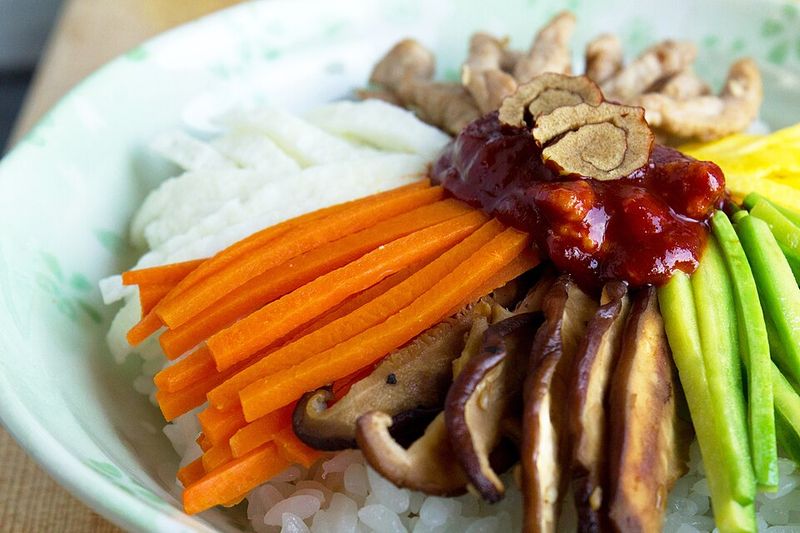
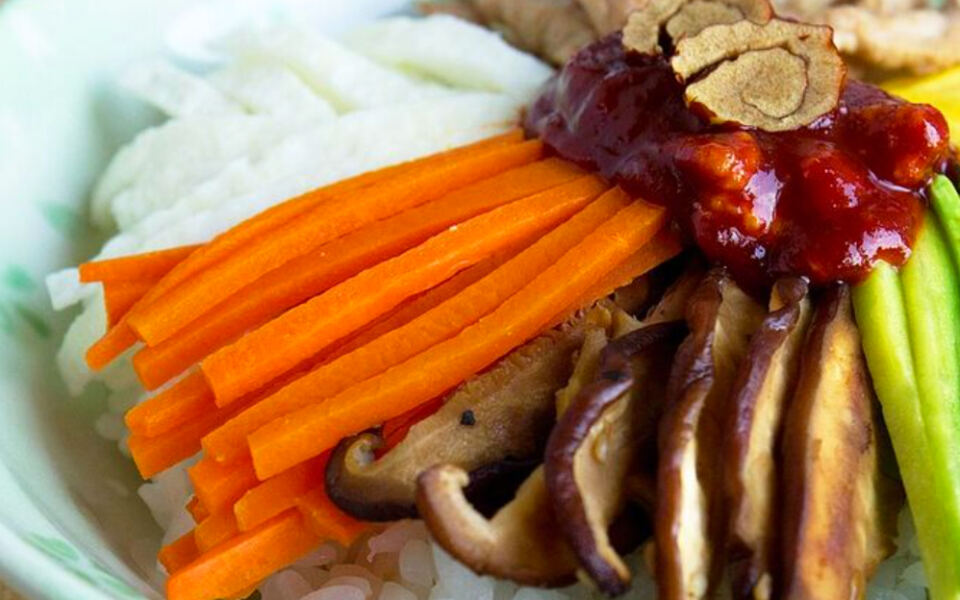
Bibimbap translates to “mixed rice” in Korean, but that simple name does not do justice to how spectacular this dish looks before you mix it. Served in a bowl with rice as the base, it is topped with beautifully arranged sections of seasoned vegetables, a fried egg, marinated beef, and a spoonful of gochujang, a spicy red chili paste.
The best version comes in a sizzling stone bowl called a dolsot. The heat from the bowl crisps up the rice at the bottom, creating a crunchy texture that contrasts perfectly with the soft toppings.
Once you stir everything together, the flavors blend into something truly satisfying.
Bibimbap has been eaten in Korea for centuries and was historically a way to use up leftover vegetables before the new year. Today, it is enjoyed worldwide as a nutritious, balanced, and visually stunning meal.
Each ingredient carries its own flavor, but together they create something greater than the sum of their parts.
10. Pierogi – Poland
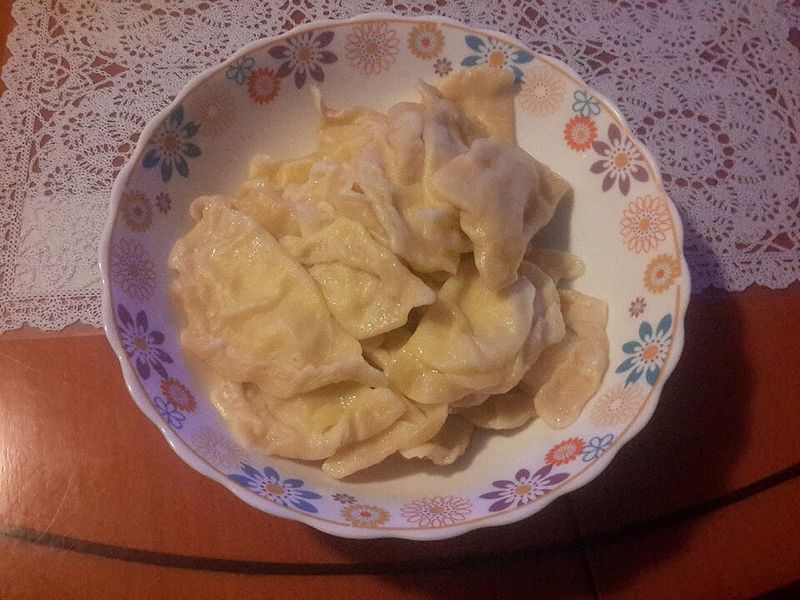
Ask any Polish person about their favorite comfort food and pierogi will almost certainly top the list. These soft, stuffed dumplings are a cornerstone of Polish cuisine, eaten at family dinners, holiday celebrations, and street food festivals across the country.
They are humble, filling, and absolutely delicious.
Pierogi can be filled with a wide range of ingredients, including mashed potato and cheese, sauerkraut and mushroom, seasoned ground meat, or even sweet fillings like blueberries or cherries for dessert. After being boiled, they are often pan-fried in butter with onions to develop a slightly crispy, golden exterior.
Traditionally served with sour cream on the side, pierogi have been part of Polish culture since at least the 13th century. Polish immigrants brought them to North America, where they became popular in cities like Chicago and Pittsburgh.
Today, pierogi festivals draw thousands of fans who gather to celebrate this beloved dumpling in all its delicious forms.
11. Adobo – Philippines
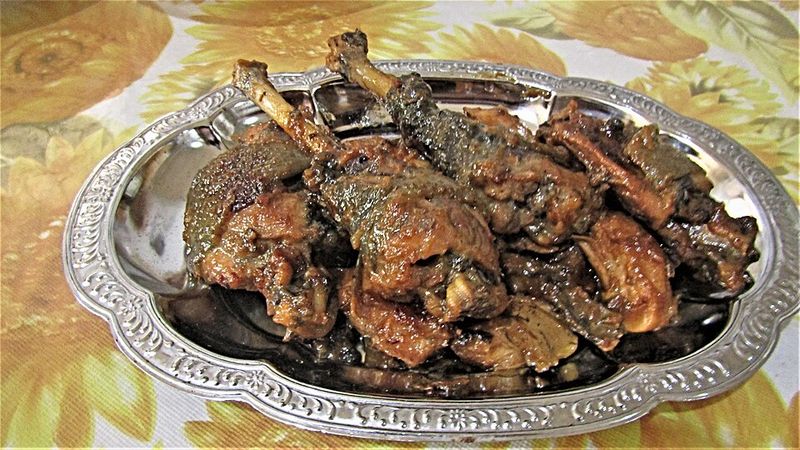
Filipino adobo is the kind of dish that smells so good while cooking that neighbors start showing up uninvited. Chicken or pork is slowly braised in a tangy mixture of vinegar, soy sauce, garlic, bay leaves, and black peppercorns until the meat is tender and the sauce reduces into a rich, glossy coating.
What makes adobo so unique is the balance between sour and salty flavors, which was historically also useful for preservation in the Philippines’ hot, humid climate. Before refrigeration existed, the acidity of vinegar helped keep the meat from spoiling.
This practical origin story helped shape one of the world’s most flavorful dishes.
Every Filipino family has their own adobo recipe, and debates about whose version is best are completely normal. Some add coconut milk for creaminess, others prefer it dry-cooked so the sauce caramelizes on the meat.
Served over steamed white rice, adobo is a dish that feels like home no matter where you eat it.
12. Pabellon Criollo – Venezuela
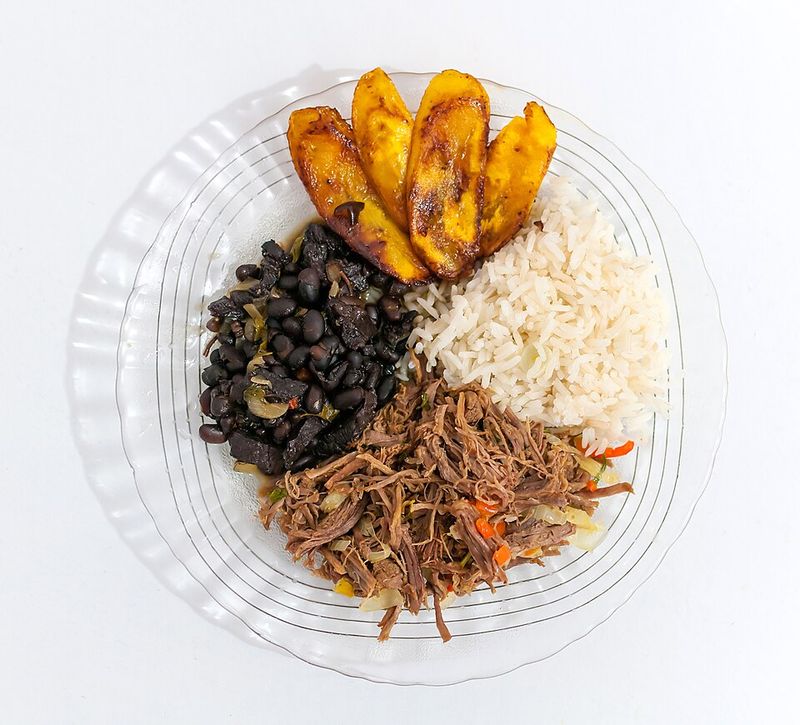
Venezuela’s national dish is a celebration of color, flavor, and history all on one plate. Pabellon criollo brings together four distinct components: shredded beef braised in tomato sauce, creamy black beans, fluffy white rice, and sweet fried plantains called tajadas.
Each element is cooked separately and arranged side by side.
The combination might sound simple, but the flavors work together in a way that feels completely natural and deeply satisfying. The sweetness of the plantains contrasts beautifully with the savory beef and earthy beans.
Some Venezuelans add a fried egg on top, calling this version “pabellon con baranda.”
The dish reflects Venezuela’s mestizo heritage, blending Indigenous, African, and Spanish culinary traditions into one unified meal. It has been a staple in Venezuelan households for generations and is often described as the taste of home by Venezuelans living abroad.
Approachable, affordable, and full of personality, this dish deserves far more international recognition than it currently receives.
13. Nasi Goreng – Indonesia
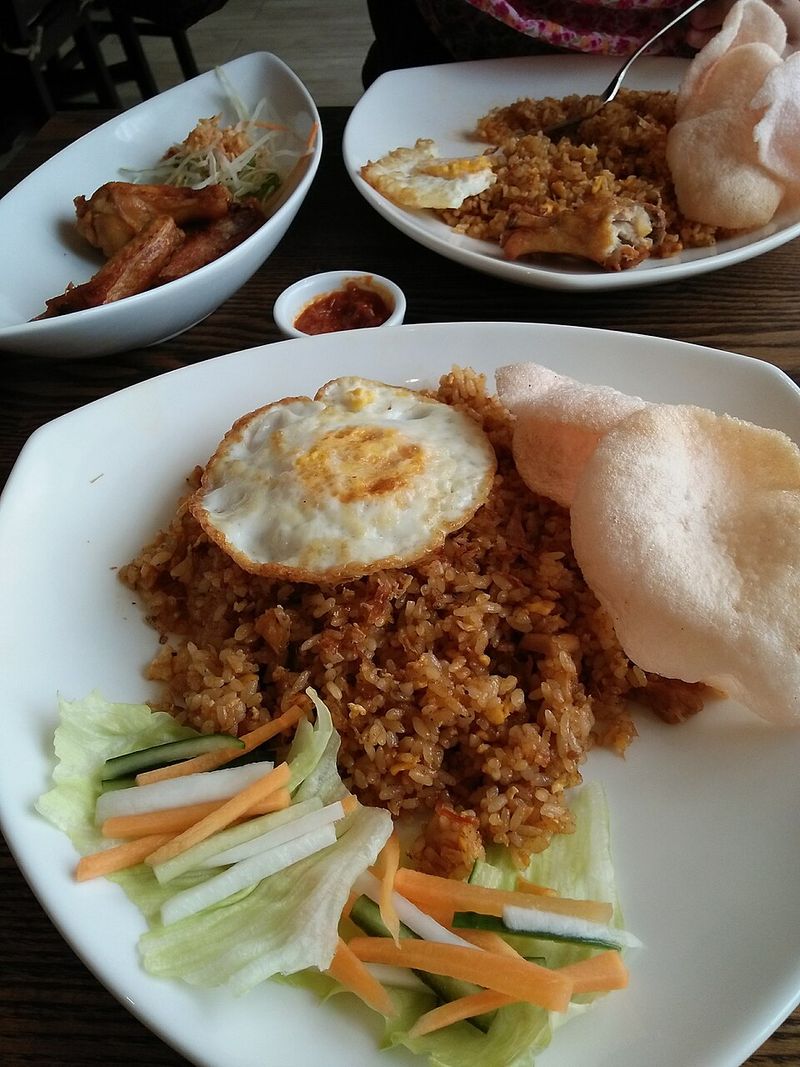
Nasi goreng, which simply means “fried rice” in Indonesian, is so much more than a basic stir-fry. This dish has a deep, smoky flavor that comes from kecap manis, a thick and sweet Indonesian soy sauce, combined with shrimp paste, garlic, shallots, and chili.
The result is a rich, caramelized rice dish unlike any other fried rice you have tried.
It is typically topped with a fried egg, crispy shallots, sliced cucumber, and prawn crackers for crunch. Street vendors across Indonesia cook it fresh on high-heat woks late into the night, making it one of the country’s most popular late-night meals.
The charred, smoky aroma from the wok is part of what makes it so irresistible.
Nasi goreng was named one of the world’s most delicious foods by CNN Travel, and it regularly tops global food rankings. It is eaten for breakfast, lunch, and dinner in Indonesia, proving that a truly great dish knows no rules about timing.
14. Wiener Schnitzel – Austria
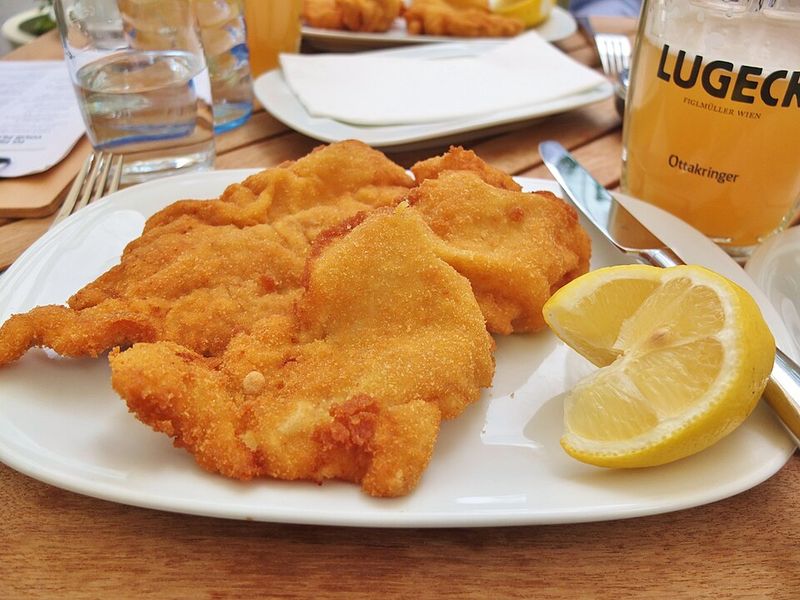
Crispy on the outside, tender on the inside, and deceptively simple, Wiener Schnitzel is Austria’s most iconic dish. A thin veal cutlet is pounded flat, coated in flour, egg, and fine breadcrumbs, then pan-fried in clarified butter until perfectly golden.
The result is a schnitzel that puffs slightly and crackles when you cut into it.
Austrians are very particular about their schnitzel. By law in Austria, a dish can only be called a “Wiener Schnitzel” if it is made with veal.
Versions made with pork are called “Schnitzel Wiener Art,” meaning schnitzel in the Viennese style. This distinction matters deeply to Austrian chefs and food lovers.
The dish is traditionally served with a wedge of lemon, potato salad, or lingonberry jam on the side. Wiener Schnitzel has been enjoyed in Vienna since at least the 19th century and remains a staple in Austrian restaurants worldwide.
Its satisfying crunch and buttery flavor make it endlessly appealing to first-time and longtime fans alike.
15. Poutine – Canada

Canada gave the world poutine, and for that, many people are very grateful. This Quebec-born dish layers crispy french fries with squeaky fresh cheese curds, then smothers everything in hot, savory brown gravy.
The heat from the gravy softens the curds just enough to make them melt slightly without losing their distinctive texture.
Poutine originated in rural Quebec in the late 1950s, and for years it was considered humble diner food. Over time, it spread across Canada and eventually became a beloved comfort food recognized around the world.
Today, gourmet versions topped with pulled pork, lobster, or foie gras can be found in upscale restaurants across North America.
The key to great poutine is fresh cheese curds. They should squeak against your teeth when you bite into them, which is a sign they are truly fresh.
Gravy from a can will not cut it either. When made right, poutine is one of the most satisfying, soul-warming dishes imaginable on a cold winter night.
Share this story