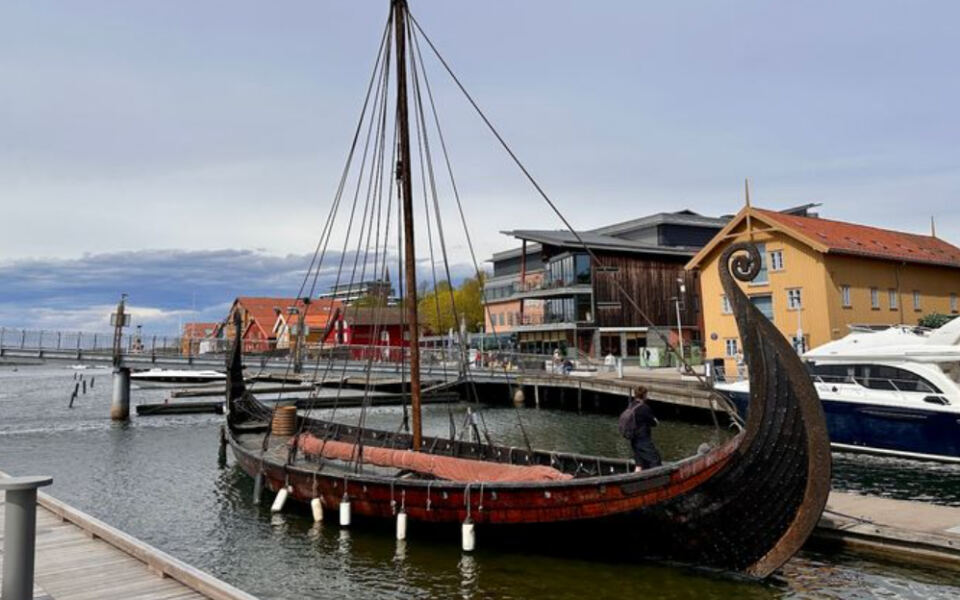
Norway is one of those places where the past doesn’t feel very far away. Stand in the right spot and you can almost picture longships on the water, smoke rising from a longhouse, or a chieftain’s hall full of firelight and noise.
The Viking Age shaped this country in ways that are still visible in the landscape, in place names, and in the stories people tell. This list covers 13 real places across Norway where Viking history comes to life in a way that goes beyond textbooks, from reconstructed farms and burial mounds to full-scale ship replicas and living history villages.
Whether you’re planning a road trip or just curious about what’s out there, these stops offer something genuinely worth your time.
Lofotr Vikingmuseum, Borg, Lofoten
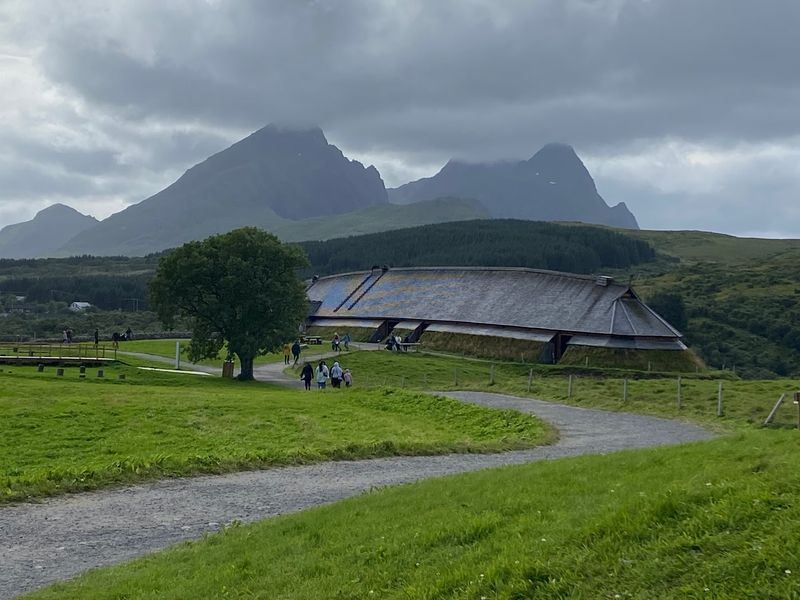
At 83 meters long, the reconstructed longhouse at Lofotr Vikingmuseum is not something you walk past without stopping. Built on the actual site of a powerful Viking chieftain’s farm discovered during archaeological work at Borg, this is one of the largest Viking buildings ever reconstructed anywhere in the world.
Inside, the space is filled with period furnishings, open fires, and craft demonstrations that give a real sense of how the Viking elite lived rather than just how they fought. Exhibitions explain daily life, social structure, and the significance of this particular site within the broader Norse world.
During summer, the experience expands considerably. Visitors can head down to the harbor, try axe throwing and archery, and occasionally take part in Viking ship experiences.
The museum is open daily through much of the summer season with reduced hours later in the year, so checking the current schedule before visiting is a practical step.
Viking Valley and Njardarheimr, Gudvangen
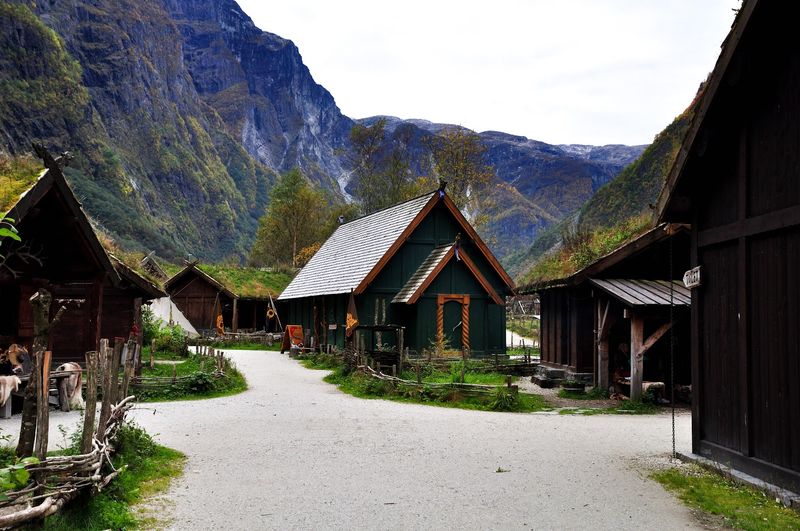
Gudvangen sits at the inner end of Nærøyfjord, a UNESCO-listed landscape so dramatic it looks like something from a saga. That setting alone makes Njardarheimr feel different from most Viking attractions, because the fjord environment mirrors the kind of terrain Norse communities actually lived and traveled through centuries ago.
Rather than displaying artifacts behind glass, Viking Valley focuses on living history. Visitors walk between timber buildings, meet interpreters in period dress, and learn about Viking Age crafts, trade, beliefs, food, and social customs through direct conversation and demonstration.
The approach makes it accessible for all ages without feeling like a theme park.
The attraction is open throughout 2026, with longer daily hours from April through October and reduced winter hours outside the main season. If you are combining this stop with a fjord cruise or a drive through the Nærøyfjord area, the timing works naturally as part of a wider western Norway itinerary.
Viking Farm and Avaldsnes, Karmøy
Avaldsnes carries a weight of historical significance that many visitors don’t expect from a small island location. This royal estate occupied a commanding position along the coastal shipping route called Nordvegen, the “north way,” a name closely associated with the country’s own identity.
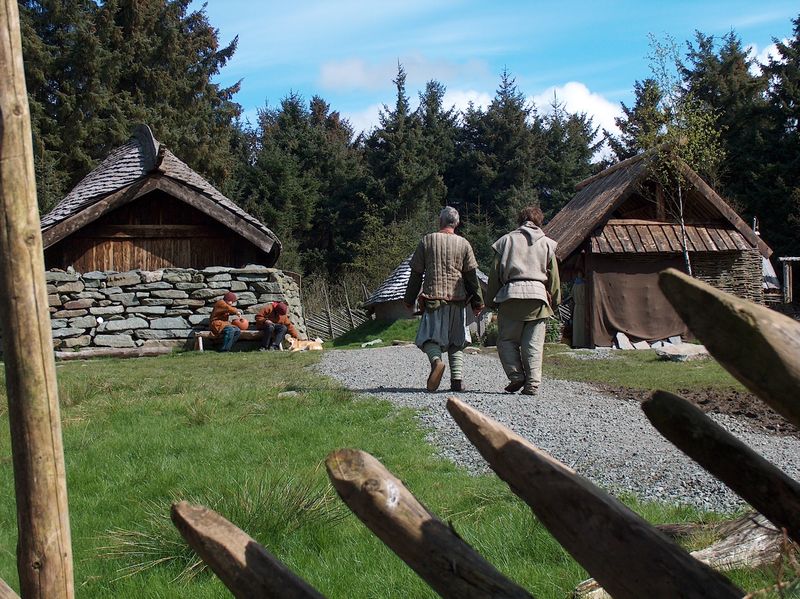
The reconstructed Viking Farm on nearby Bukkøy is built on evidence gathered from archaeological work in Rogaland, and it tells a broader story than the usual warrior-focused narrative. Here, the focus lands on farmers, fishermen, craftspeople, and traders, the everyday people who made Viking Age communities function.
Visiting during summer gives the fullest experience, as the farm operates primarily as a seasonal attraction with group visits possible at other times. Checking current availability before planning a trip is worth doing, especially for families or groups who want guided access.
Avaldsnes is also close enough to Haugesund to combine easily with other stops along the southwestern coast.
Midgard Viking Centre and Borre Mounds, Borre
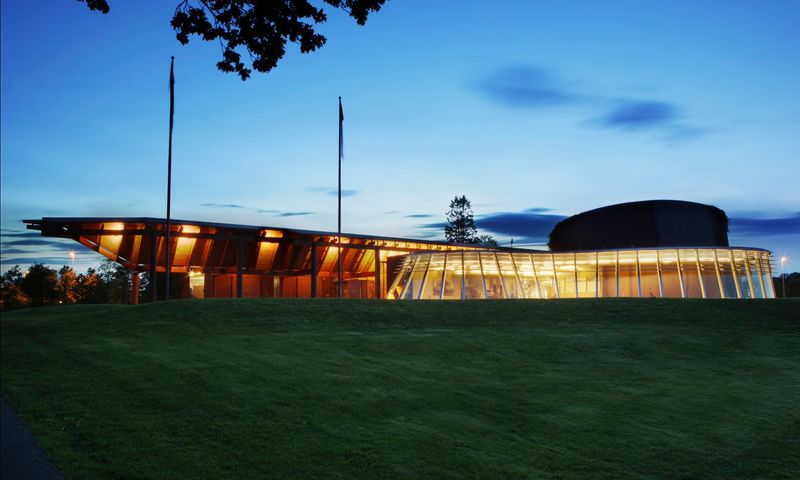
Walking through Borre National Park, you quickly realize this is not a single mound but an entire landscape shaped by powerful families who wanted their presence felt long after their time. The burial mounds here are among the largest and most numerous in Scandinavia, dating to the Late Iron Age and Viking Age.
Midgard Viking Centre sits right beside this extraordinary outdoor site. Its Viking Hall draws on archaeological evidence of elite halls found in the region, and the exhibitions inside explain what the nearby graves contained and why they matter to our understanding of early Norwegian power structures.
The smart way to visit is to combine the museum with a walk through the mound landscape, which takes maybe an hour depending on your pace. Midgard is open daily during the high season in 2026 and Tuesday through Sunday through much of the quieter months.
The outdoor park itself is accessible year-round at no charge.
Kaupang Viking Town, Larvik
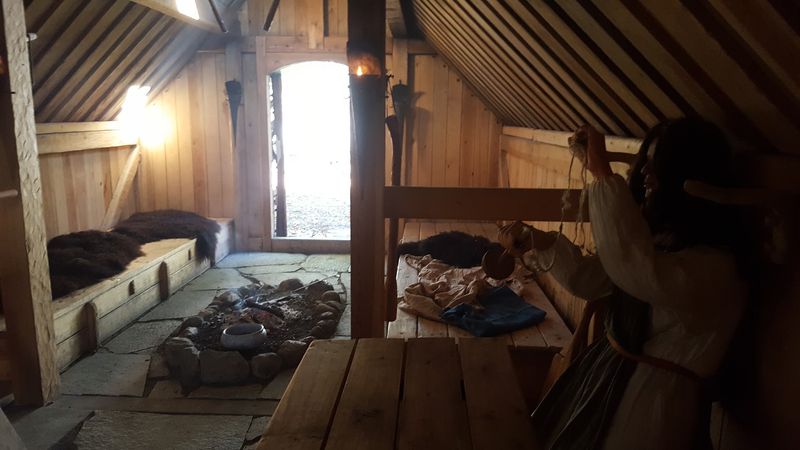
Kaupang is not a recreation built for tourists. It is an actual archaeological site where one of Norway’s earliest known urban trading communities developed during the Viking Age, and visiting puts you directly inside that landscape rather than looking at it from behind a railing.
Excavations here have turned up evidence of workshops, houses, imported goods from across Europe, and extensive trade networks that connected this small Norwegian harbor with a much wider world. The finds suggest a busy, commercially active place rather than the isolated farming society that sometimes dominates popular Viking imagery.
For summer 2026, Kaupang is scheduled to open from June 24 through August 30, generally Tuesday through Sunday. That makes it one of the more seasonal stops on this list, so planning ahead matters.
Guided walks, storytelling, and archaeological interpretation are part of the visitor experience, and the surrounding Vestfold landscape adds useful context to everything you learn inside.
Sagastad and the Myklebust Ship, Nordfjordeid
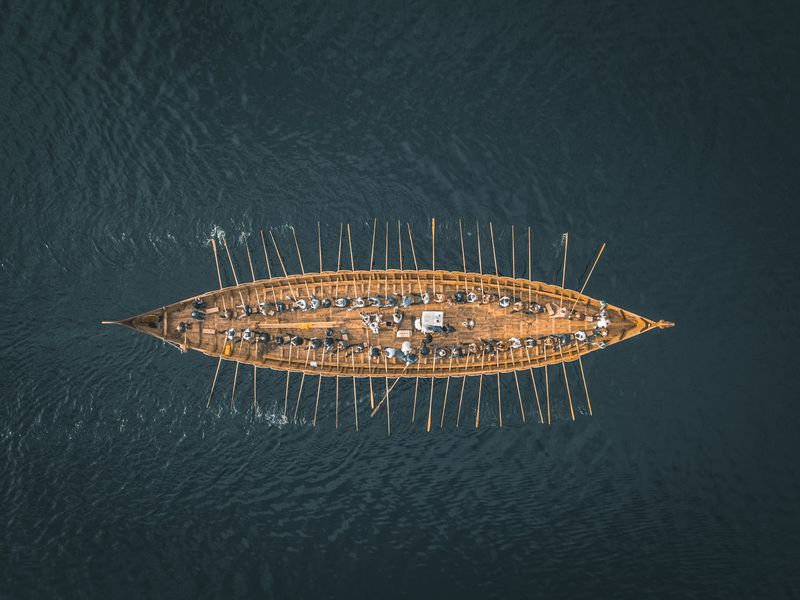
The Myklebust ship was found in a burial mound at Nordfjordeid back in 1874, and what made the discovery so remarkable was not just the vessel’s age but its size. Even after being burned as part of the burial ceremony, the remains gave archaeologists enough information to understand they were dealing with one of the largest Viking ships ever recorded.
Sagastad now displays a full-scale reconstruction measuring roughly 30 meters in length, placing it among the most ambitious Viking ship reconstructions anywhere in the world. The building was designed specifically to house this vessel, and the scale of the hull inside the exhibition space is genuinely striking.
Alongside the ship, displays explore regional rulers, burial practices, long-distance voyages, and the society that produced such extraordinary craftsmanship. Sagastad is open daily from June through September 2026 and continues on a reduced schedule through October and November.
Nordfjordeid is a manageable drive from Stryn or Alesund for travelers moving through western Norway.
Vikingodden and Saga Oseberg, Tonsberg
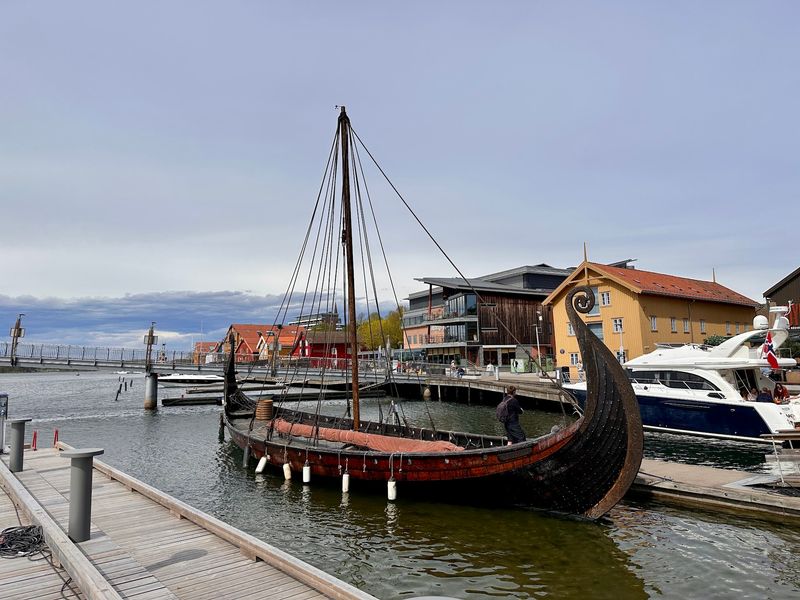
The Oseberg ship burial is one of the most celebrated archaeological finds in Norwegian history, and Tonsberg is the city most closely connected to its story. At Vikingodden on the waterfront, visitors can see Saga Oseberg, a full-scale reconstruction built using traditional tools and construction methods rather than modern shortcuts.
The foundation behind the project has also completed a replica of the Klåstad merchant ship, giving visitors a sense of the range of vessels Viking Age communities actually used. Because these ships are occasionally taken out for voyages, their presence in the harbor can vary, so it is worth checking ahead if seeing them docked is a priority.
Vikingodden is a free attraction, and guides are available at selected times during the season. The waterfront location makes it an easy addition to any visit to Tonsberg, and the city itself has enough historic character to justify spending more than just an afternoon there.
Slottsfjell Museum, Tonsberg
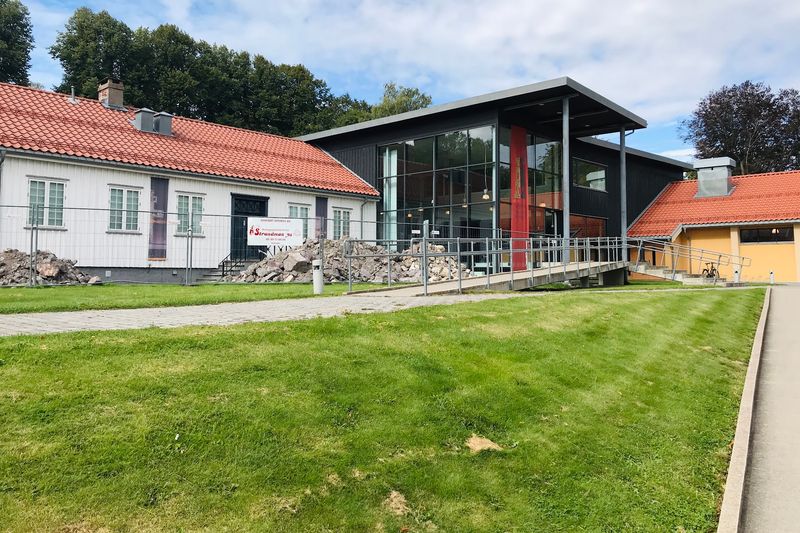
While Oslo’s Viking Ship Museum remains closed during the construction of its replacement, Slottsfjell Museum in Tonsberg offers something increasingly rare: the chance to stand in front of actual preserved Viking Age ship remains in a working museum setting.
The Klåstad ship, a Viking Age merchant vessel found near Tonsberg, is one of the collection’s most significant objects. Unlike the famous warships and royal burial vessels that tend to dominate the popular image of Viking seafaring, the Klåstad ship represents the commercial side of Norse maritime life, the everyday movement of goods and people along the coast.
Displays also cover local history and the story of the Oseberg discovery, giving visitors useful background whether they are new to Viking history or already familiar with the basics. Slottsfjell Museum is operating in 2026 with daily summer hours and Tuesday through Sunday opening during the quieter months.
Combined with Vikingodden nearby, Tonsberg becomes a genuinely strong Viking history destination.
The Viking Planet, Oslo

Oslo’s famous Viking Ship Museum has been closed for years while the new Museum of the Viking Age takes shape, and that closure has left a real gap for visitors hoping to connect with Norse history in the capital. The Viking Planet fills part of that gap with a modern, technology-driven approach that works particularly well for first-time visitors or those traveling with younger family members.
Rather than relying on archaeological objects, the attraction uses virtual reality, films, interactive displays, and 3D storytelling to cover Viking voyages, shipbuilding, beliefs, social structure, and daily life. It is a different kind of experience from a traditional museum, but the content is substantive enough to leave visitors with real knowledge rather than just entertainment.
The Viking Planet is open year-round with extended summer hours in July and August. For context, the new Museum of the Viking Age is currently scheduled to open in late 2027, making this Oslo’s primary Viking-focused indoor attraction in the meantime.
Swords in Rock and Hafrsfjord, Stavanger
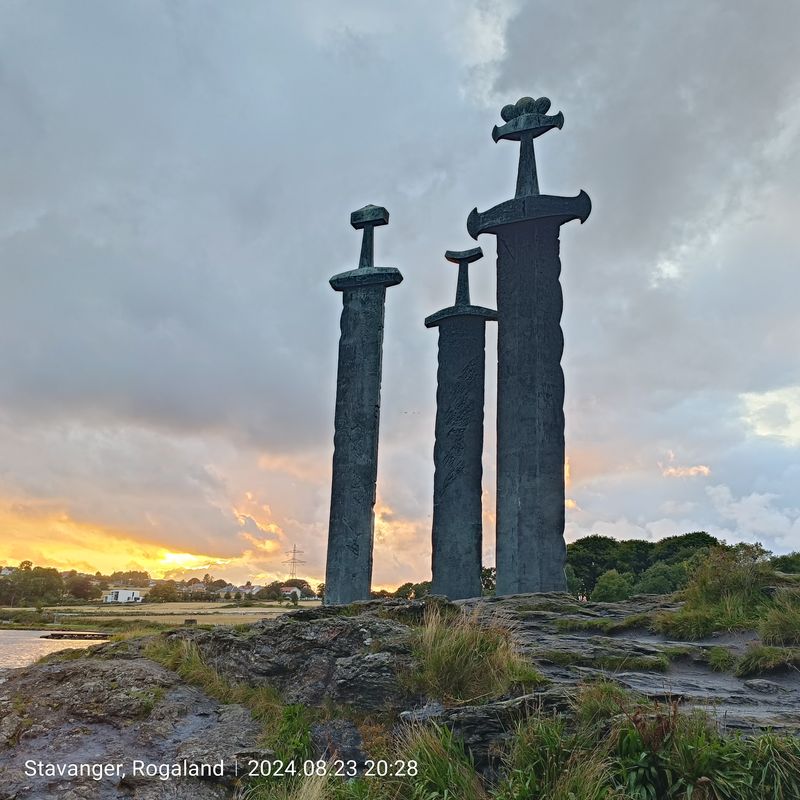
Three enormous bronze swords rising from coastal rock at Møllebukta near Stavanger are one of Norway’s most recognizable landmarks. Known as Sverd i fjell, the monument marks the site of the Battle of Hafrsfjord, traditionally linked to Harald Fairhair’s consolidation of power and the beginning of a unified Norwegian kingdom.
The monument itself was unveiled in 1983, so it is modern rather than ancient, but the location carries genuine historical weight. The sword hilts were modeled after real Viking Age weapons found in Norway, giving the design an archaeological basis that goes beyond pure symbolism.
Because the site sits in an open outdoor recreation area, there are no admission fees and no opening hours to worry about. Visitors can come any time of year, and the surrounding shoreline at Hafrsfjord is pleasant for a walk.
It connects well with other Stavanger area stops and gives the historical significance of the region a clear, physical anchor.
Stiklestad National Cultural Centre, Verdal
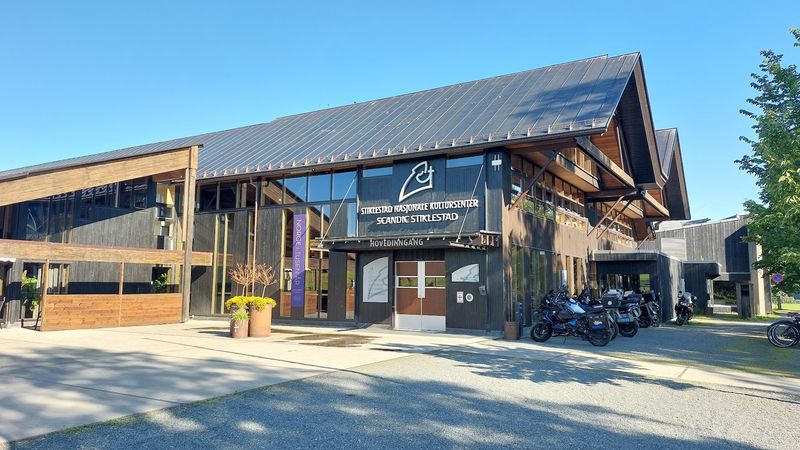
The Battle of Stiklestad in 1030 is one of those events that changed Norway’s direction permanently. King Olav Haraldsson fell here, and what followed his passing transformed him into Saint Olav, a figure central to Norwegian religious identity and the country’s transition from the Viking Age into a Christian medieval kingdom.
Stiklestad National Cultural Centre approaches this turning point through exhibitions, a reconstructed historical farm called Stiklastadir, and a seasonal program called Viking Summer. During that program, visitors can explore a longhouse, watch historical craft demonstrations, hear stories about Norse society, and join hands-on activities that bring the pre-Christian world to life.
The museum’s exhibitions run throughout most of the year, while the full Viking Summer program ran from June 20 through August 2 in 2026. Verdal is in the Trondelag region, which makes Stiklestad a natural pairing with a visit to Trondheim, roughly an hour’s drive to the south.
Trondenes Historical Centre, Harstad
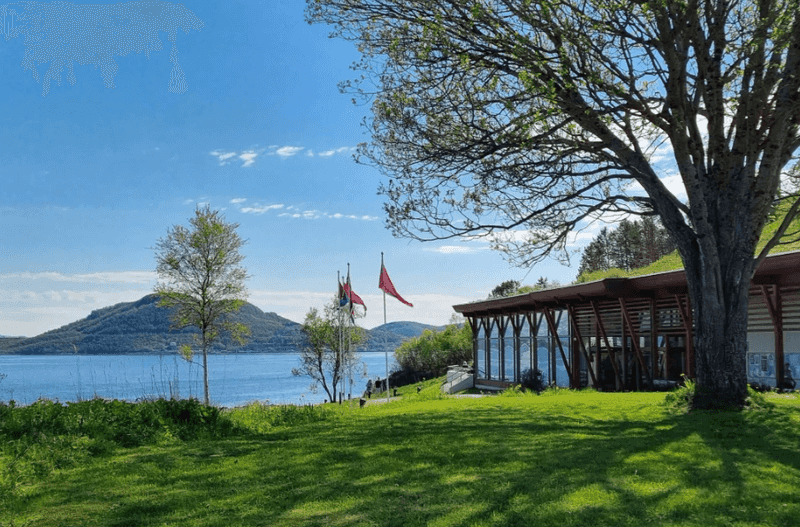
Most Viking history coverage focuses on southern Norway, which can leave the impression that Norse culture faded out somewhere north of Trondheim. Trondenes near Harstad pushes back against that idea by documenting the powerful farming and trading communities that existed in northern Norway throughout the Viking Age and beyond.
The exhibition covers thousands of years of regional history, with particular attention to the Viking Age and Middle Ages. Outside the building, visitors can walk through a cultural landscape that contains burial mounds, ancient farm remains, and traces of settlement spanning multiple centuries.
That combination of indoor exhibition and outdoor archaeological landscape is what makes Trondenes more than just a regional history museum.
Trondenes Historical Centre is promoted as a year-round attraction, which is a practical advantage for travelers moving through Troms outside the peak summer window. Harstad is accessible by ferry and road, and the centre works well as part of a northern Norway itinerary that also takes in the Vesteralen islands or Lofoten.
Gokstad Mound, Sandefjord
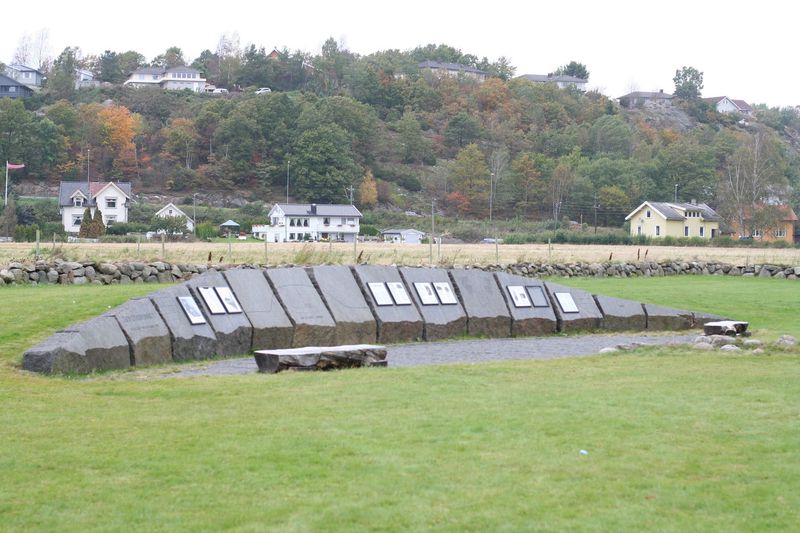
A grassy hill in Sandefjord doesn’t look like much at first glance, but Gokstadhaugen is the site of one of the most consequential archaeological digs in Scandinavian history. When excavators opened the mound in 1880, they found a Viking ship in remarkable condition along with a richly equipped burial dating to around the end of the ninth century.
The original Gokstad ship is currently inaccessible while Oslo’s Museum of the Viking Age is under construction, so the mound itself has become an even more meaningful stop for anyone wanting a direct connection to this particular piece of history. Standing at the actual excavation site carries a different weight than looking at a ship in a gallery.
Sandefjord municipality maintains the area as an accessible park with information boards, benches, parking, and paths suitable for walking and cycling. There is no admission fee.
The mound is open year-round, and it pairs naturally with Slottsfjell Museum and Vikingodden in nearby Tonsberg for a full Vestfjord Viking history day.
Share this story