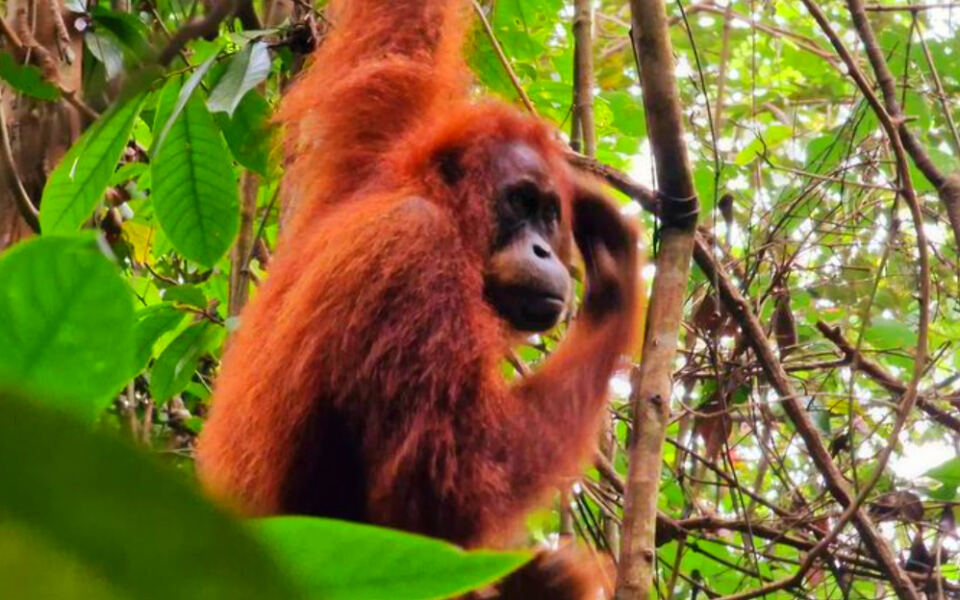
Orangutans are among the most intelligent animals on Earth, and they spend nearly their entire lives high in the forest canopy, building fresh sleeping nests every single night. Found only on the islands of Borneo and Sumatra, these red-haired great apes are critically endangered, and their wild populations depend entirely on the survival of ancient tropical forests.
Habitat loss has pushed them into smaller and smaller patches of jungle, making every protected forest on this list a genuine lifeline for the species. What makes this list worth reading is the sheer variety of places where orangutans still hold on.
From vast peat swamps in Central Kalimantan to rugged mountain forests in Aceh, from river corridors in Sabah to recovering logged landscapes that are quietly rebuilding themselves, each location tells a different story about survival, conservation, and the remarkable adaptability of these great apes. Read on to discover twelve real forests where wild orangutans are still out there, living their lives exactly as nature intended.
1. Tanjung Puting National Park, Kumai, Central Kalimantan, Indonesia
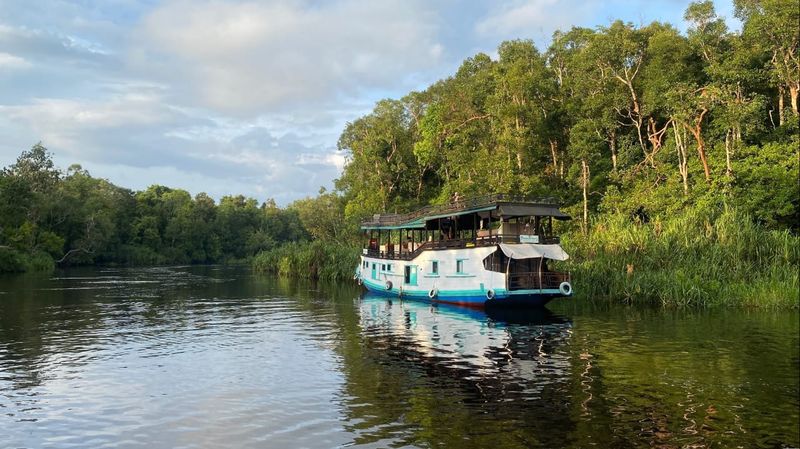
There are very few wildlife experiences quite like traveling into Tanjung Puting by klotok, a slow wooden riverboat that carries visitors deep into the forest along the dark, winding Sekonyer River.
The park is one of Borneo’s most recognized orangutan destinations, home to both wild populations and rehabilitated animals connected to research stations like Camp Leakey and Pondok Tanggui. Camp Leakey itself has been an active research site since 1971, making it one of the longest-running orangutan field study locations in the world.
Beyond orangutans, the forest supports proboscis monkeys, saltwater crocodiles, sun bears, and an impressive variety of birds. The park covers around 415,000 hectares of peat swamp, heath forest, and freshwater swamp forest.
Visitors typically spend two to four nights aboard their boat, watching the canopy from the river and making guided walks into the interior on foot.
2. Sebangau National Park, Palangka Raya, Central Kalimantan, Indonesia
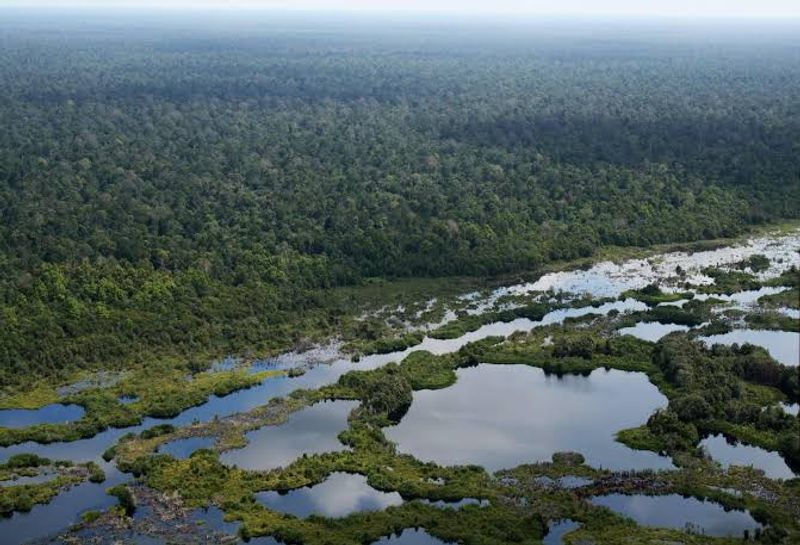
Most people picture orangutans in tall, towering rainforest, but Sebangau flips that expectation entirely. This park protects a vast peat swamp landscape where dark, tannin-rich waterways cut between low, dense, and surprisingly difficult terrain to move through.
Despite looking less dramatic than highland forest, Sebangau is believed to support the largest single orangutan population in Central Kalimantan. The IUCN A.P.E.S.
Atlas has reported an estimate of roughly 6,900 individuals living within the park boundaries, a number that makes it one of the most important protected areas for the species anywhere on Borneo.
The park covers approximately 568,000 hectares and is managed jointly by the Indonesian government and conservation partners including WWF and the Orangutan Tropical Peatland Project. Peat swamp forests store enormous amounts of carbon, so protecting Sebangau benefits not just orangutans but global climate stability as well.
Guided canoe trips are the primary way to explore the interior.
3. Gunung Palung National Park, Sukadana, West Kalimantan, Indonesia
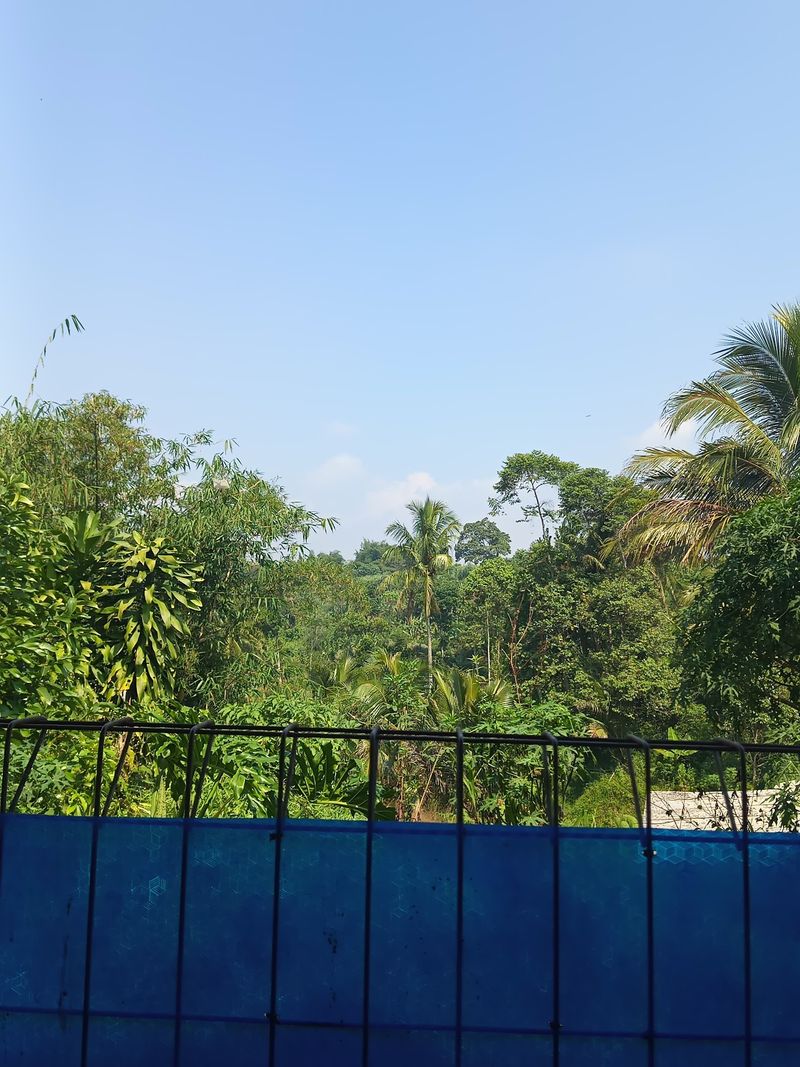
Gunung Palung is the kind of park that makes biologists genuinely excited, and for good reason. It packs an unusual range of habitats into a single protected area of around 90,000 hectares, covering mangroves, peat swamps, lowland dipterocarp rainforest, freshwater swamp forest, and montane ecosystems all within one boundary.
Researchers from Harvard University have studied wild orangutans here continuously since 1994, making Gunung Palung one of the most thoroughly documented orangutan populations anywhere in the world. The park’s wild population has been estimated at approximately 2,500 animals, and long-term data collected here has contributed significantly to understanding orangutan diet, ranging behavior, and reproduction.
The Alam Sehat Lestari program, based near the park, works with local communities on conservation and healthcare, recognizing that orangutan protection depends on the wellbeing of the people who live alongside the forest. That community-centered approach has become a model studied by conservation organizations worldwide.
4. Betung Kerihun National Park, Putussibau, West Kalimantan, Indonesia
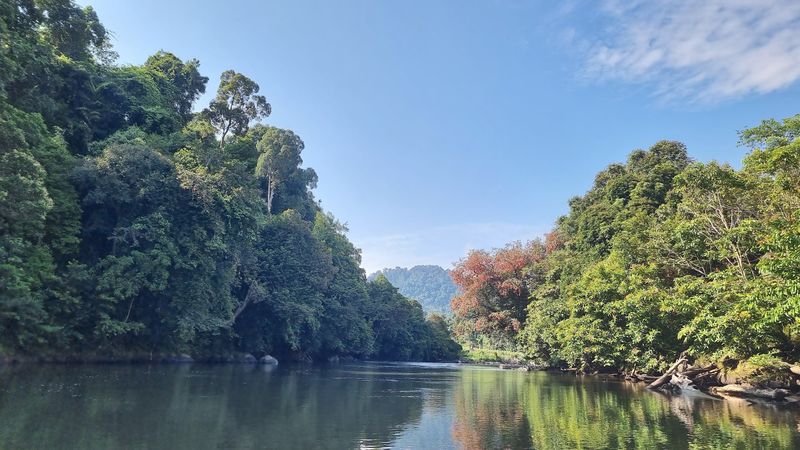
Sharing a border with Sarawak, Malaysia, Betung Kerihun sits in one of the most remote corners of Indonesian Borneo, and that remoteness has been its greatest protection. The park covers around 800,000 hectares of largely undisturbed Bornean forest, and its wild Bornean orangutan population is concentrated particularly in the western section around the Embaloh watershed.
The landscape transitions across several distinct ecosystem types, from lowland and freshwater swamp forest to limestone karst formations and montane forest near the park’s higher elevations. That ecological variety makes Betung Kerihun one of the most biologically diverse protected areas on this entire list.
Together with neighboring Lanjak Entimau Wildlife Sanctuary in Sarawak, it forms the Heart of Borneo transboundary conservation zone, a collaborative effort between Indonesia and Malaysia to protect a connected corridor of forest across national borders. Few places better illustrate how effective conservation often requires countries to work together across political boundaries.
5. Gunung Leuser National Park, Ketambe, Aceh, Indonesia
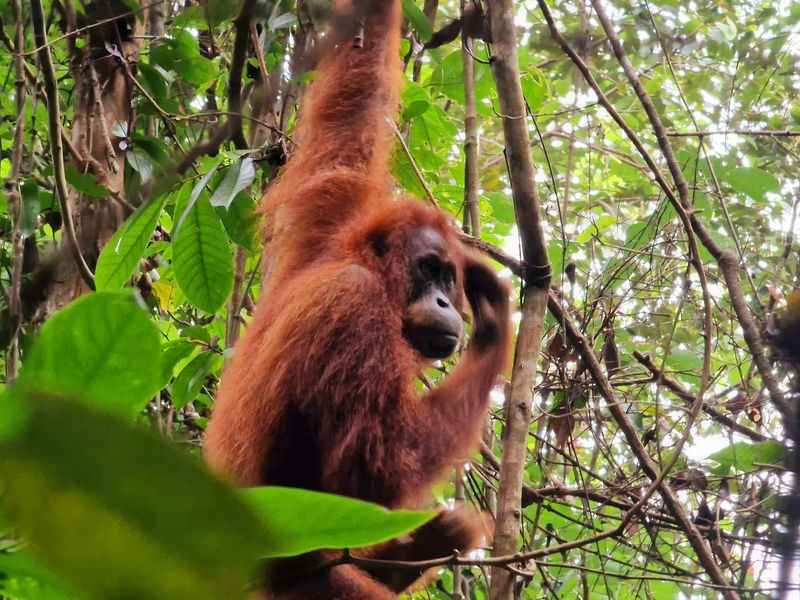
Of all the forests on this list, Gunung Leuser holds a distinction that no other place on Earth can claim: it is the only protected area where Sumatran elephants, tigers, rhinoceroses, and orangutans all coexist in the wild at the same time.
The park covers over 830,000 hectares of Sumatran rainforest, ranging from coastal lowlands all the way up to high mountain ecosystems. Research areas like Ketambe, tucked into the Aceh side of the park, offer access to genuinely wild orangutans that have had no feeding or human conditioning of any kind.
Recent surveys conducted between 2021 and 2023 estimated around 10,519 Sumatran orangutans across the broader Leuser Ecosystem. The park holds 380 bird species and over 4,000 plant species, including enormous Rafflesia flowers.
Its UNESCO World Heritage status reflects just how irreplaceable this landscape truly is for global biodiversity.
6. Danum Valley Conservation Area, Lahad Datu, Sabah, Malaysia
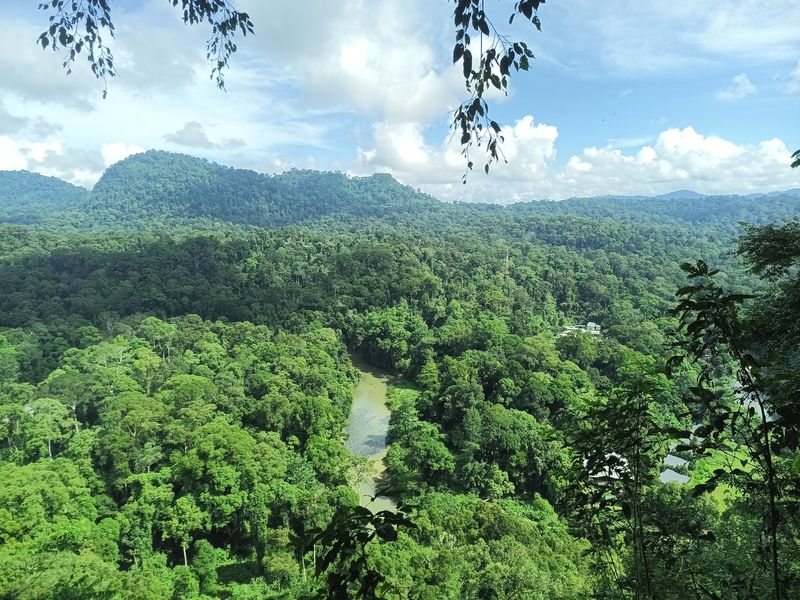
Danum Valley is what Borneo’s forest looked like before most of it was cleared. The conservation area protects around 43,800 hectares of old-growth lowland dipterocarp rainforest in eastern Sabah, and the trees here are genuinely ancient, with some reaching heights of over 60 meters.
Wild Bornean orangutans share this forest with an extraordinary cast of wildlife, including clouded leopards, Bornean pygmy elephants, Malay sun bears, and over 340 bird species. Long-term research has estimated roughly 500 orangutans within the conservation area, and the Danum Valley Field Centre has supported continuous scientific study since 1986.
Access is managed carefully and limited, which keeps visitor numbers low and protects the integrity of the forest. Two lodges operate within or adjacent to the conservation area, offering guided night drives and forest walks.
For anyone serious about seeing Borneo’s wildlife in a genuinely intact setting, Danum Valley consistently ranks among the top destinations on the island.
7. Tabin Wildlife Reserve, Lahad Datu, Sabah, Malaysia
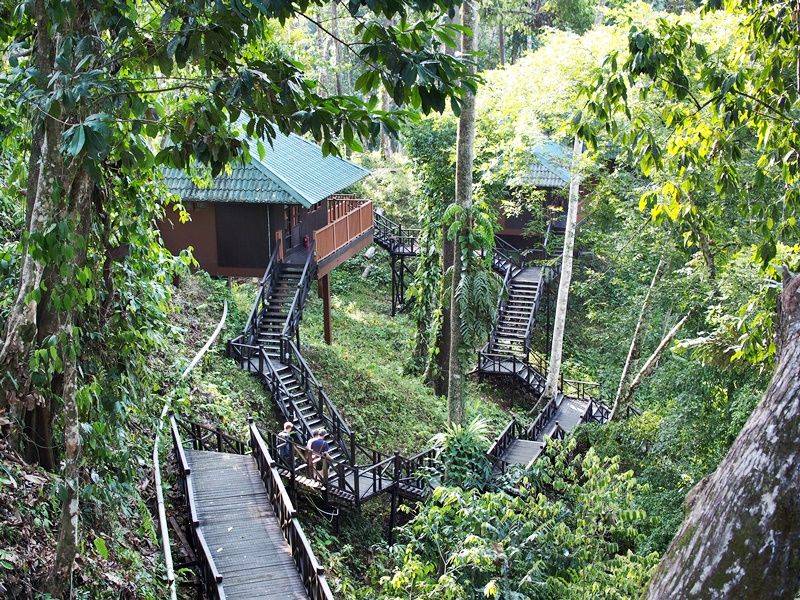
About 1,200 square kilometers of eastern Sabah forest make up Tabin Wildlife Reserve, and a 2025 field survey delivered encouraging news: orangutan abundance was significantly higher in the better-quality interior habitat, far from the degraded forest edges where human activity has left its mark.
That gradient matters because it shows that Tabin’s core forest is still functioning as real orangutan habitat, not just a refuge of last resort. The reserve also supports Bornean pygmy elephants, banteng, clouded leopards, and the Malay sun bear, making it one of Sabah’s most wildlife-rich protected areas outside the better-known Kinabatangan corridor.
Tabin has a unique geological feature that draws animals from across the reserve: natural mud volcanoes that bubble up mineral-rich mud, attracting elephants and other wildlife in search of salt. Visitors staying at Tabin Wildlife Resort can access guided forest walks and wildlife drives, with the realistic prospect of encountering multiple large mammal species in a single outing.
8. Deramakot Forest Reserve, Telupid, Sabah, Malaysia
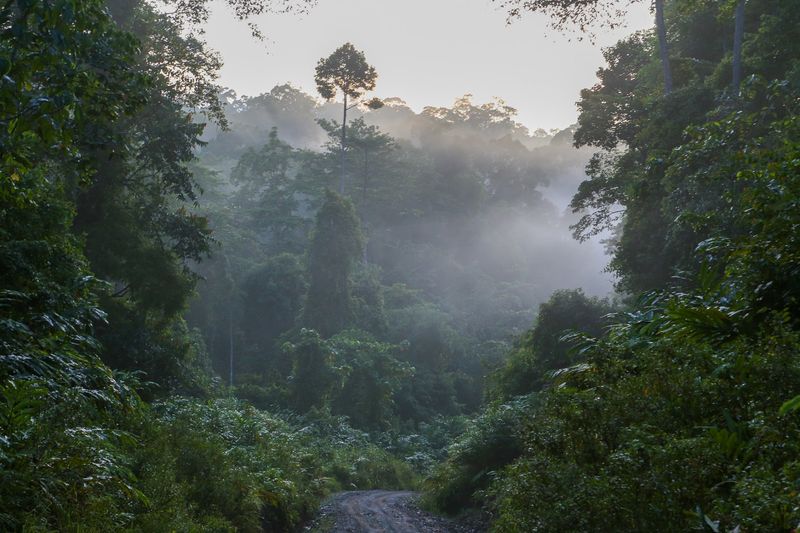
Deramakot challenges a common assumption about wildlife conservation: that only pristine, untouched forest can support large mammals. This sustainably managed forest reserve covers more than 55,000 hectares in central Sabah, and it has been certified under the Forest Stewardship Council since 1997, meaning timber harvesting here follows strict ecological guidelines.
Wild orangutans live alongside clouded leopards, sun bears, Sunda pangolins, binturongs, and Bornean elephants within the reserve. Its network of forest roads, originally built for timber operations, has become a significant asset for wildlife watchers, since driving slowly through the reserve at night dramatically increases the chances of spotting otherwise elusive nocturnal species.
Deramakot has become particularly popular with serious wildlife photographers and naturalists precisely because of this road access combined with the quality of its wildlife. The reserve demonstrates, with real data and real animals, that responsible forest management and biodiversity conservation are not mutually exclusive goals when the right standards are applied consistently.
9. Kinabatangan Wildlife Sanctuary, Kinabatangan, Sabah, Malaysia
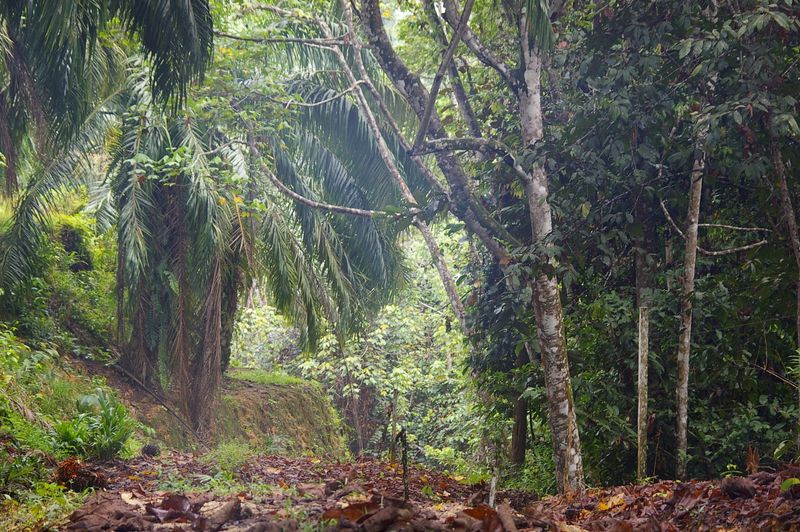
The Kinabatangan River corridor is proof that orangutans are more adaptable than many people give them credit for. The Lower Kinabatangan Wildlife Sanctuary protects a series of forest fragments along the river, surrounded by a heavily modified agricultural landscape dominated by oil palm plantations, yet surveys continue to document hundreds of wild orangutans living in these riverside strips.
River travel by boat is the standard way to explore the sanctuary, and the canopy along the riverbanks is close enough that orangutans, proboscis monkeys, and even pygmy elephants are frequently spotted from the water. The sanctuary covers around 26,000 hectares spread across multiple separate blocks of protected forest connected by the river corridor itself.
Conservation organizations including WWF Malaysia have worked extensively in the Kinabatangan to restore forest connectivity between fragments, planting trees on degraded land to create wildlife corridors. The ongoing work here is one of the most closely watched landscape-scale conservation efforts in Southeast Asia, with results that offer cautious optimism.
10. Batang Ai National Park, Lubok Antu, Sarawak, Malaysia
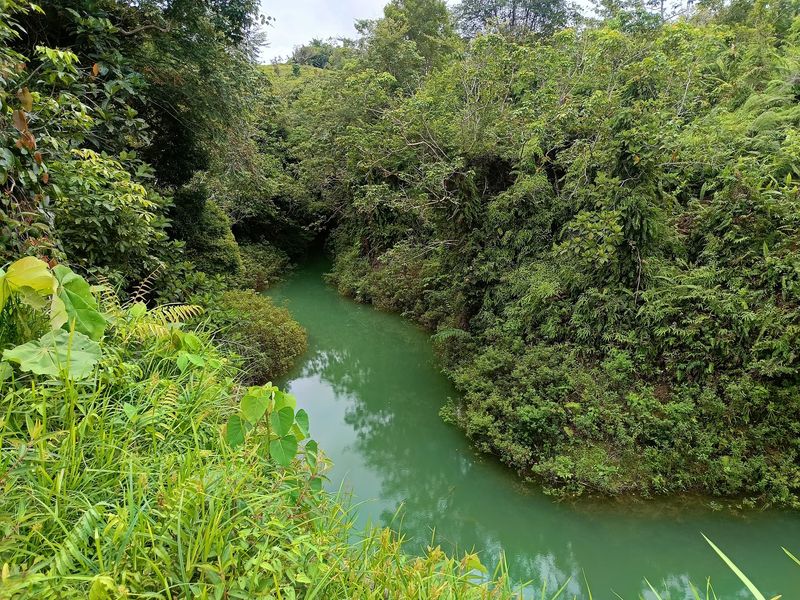
Getting to Batang Ai already feels like an adventure before the forest even begins. Visitors travel by road to Lubok Antu and then by longboat across a large reservoir created by the Batang Ai hydroelectric dam, entering a protected rainforest that covers around 24,000 hectares in the hills of southwestern Sarawak.
Wild orangutans inhabit the park, and Sarawak Forestry has noted that trekking visitors may come across their large, carefully constructed nests high in the trees, a sign of recent or current occupancy. The park is also home to Iban indigenous communities, and longhouse visits are a meaningful part of the experience for many travelers who come here.
Batang Ai borders the much larger Lanjak Entimau Wildlife Sanctuary, which in turn connects across the border to Indonesia’s Betung Kerihun, forming part of the same transboundary conservation corridor mentioned earlier on this list. That cross-border connection gives the animals here access to a much larger range of forest than the park boundaries alone would suggest.
11. Kulamba Wildlife Reserve, Sabah, Malaysia
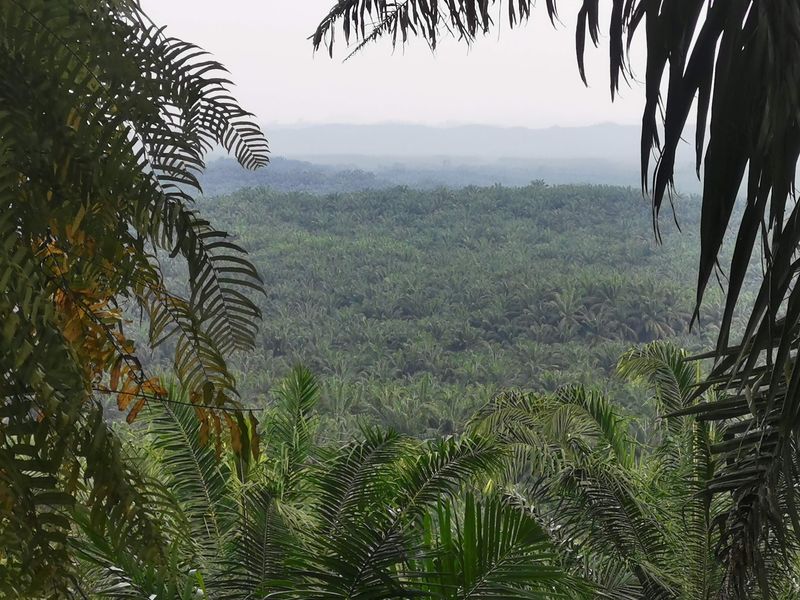
Kulamba Wildlife Reserve is far less famous than Danum Valley or the Kinabatangan, but that is exactly what makes it an interesting addition to this list. Covering roughly 20,400 hectares in eastern Sabah, this protected lowland forest holds a significant population of wild Bornean orangutans.
Aerial surveys once estimated around 500 orangutans in Kulamba, making it one of several important isolated populations identified across Sabah. More recent research estimated the population at around 361 animals, highlighting both the reserve’s continuing importance and the pressures facing orangutans in fragmented forests.
Kulamba is particularly valuable because it sits within the heavily altered lowlands of eastern Sabah, where plantations and forest fragmentation have separated many surviving orangutan populations. Research on orangutan habitat has repeatedly identified Kulamba as one of the core areas where the species persists in the state.
12. Ulu Segama-Malua, Lahad Datu, Sabah, Malaysia
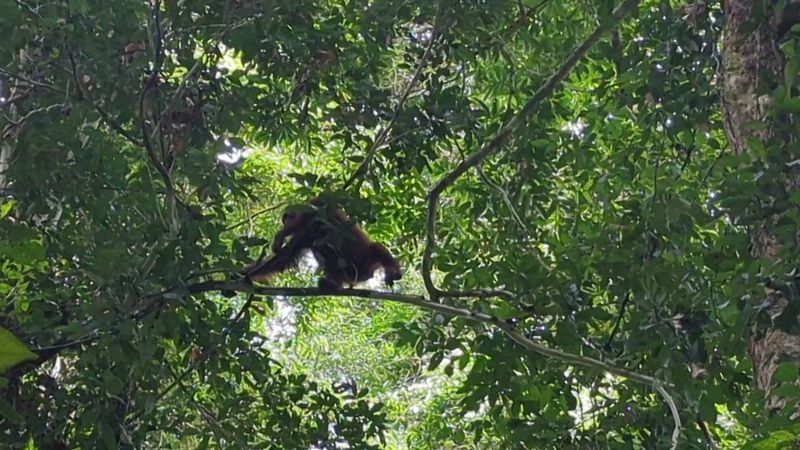
Covering around 240,000 hectares of logged and regenerating forest in eastern Sabah, Ulu Segama-Malua is one of the largest forest restoration and orangutan conservation projects in the world. The landscape connects Danum Valley’s old-growth forest with other protected areas in the region, forming a critical corridor that allows wildlife to move across a much larger range.
Orangutan surveys have documented substantial populations across its secondary forests, providing some of the clearest evidence available that carefully managed logged forest can continue to support great apes at meaningful population levels. The Malua BioBank, established within this landscape, was one of the first biodiversity conservation banking schemes in Southeast Asia, allowing companies to offset environmental impacts by funding forest restoration here.
Ongoing monitoring programs track orangutan nests and individual animals across the landscape, building a long-term dataset that informs conservation decisions throughout Sabah. Ulu Segama-Malua stands as a real-world test case for whether orangutan conservation can succeed beyond the boundaries of pristine national parks, and so far, the evidence is genuinely encouraging.
Share this story