Rock radio in 1973 was a more complicated place than people sometimes remember. Alongside the hard riffs and glam theatrics, a quieter current was pulling millions of listeners toward something more personal and melodic.
Singer-songwriters, established bands trying something softer, and former Beatles all contributed to a wave of ballads that dominated playlists from coast to coast. The 12 songs collected here represent that reflective side of rock at its commercial and creative peak, drawing on acoustic instrumentation, close harmonies, and lyrics that connected directly with everyday life.
Some of these records spent weeks at the top of the Billboard Hot 100, while others built their reputations through sheer staying power on FM stations. What unites them is a shared willingness to slow things down at a moment when rock was also getting louder and stranger.
Reading through this list offers a clear picture of just how wide the boundaries of rock radio actually were in 1973.
1. My Love by Paul McCartney and Wings
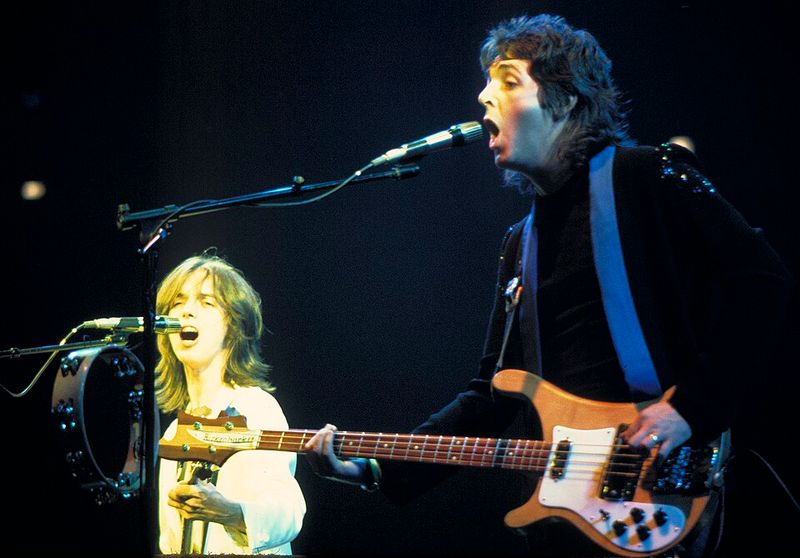
Written as a direct declaration of devotion to Linda McCartney, this single proved that straightforward romantic songwriting could still generate massive chart success in an era that valued complexity.
Released on March 23, 1973, from the album Red Rose Speedway, the recording features a guitar solo from Henry McCullough that became one of the most talked-about moments on the record. McCullough departed from the planned arrangement and played an entirely spontaneous part, which McCartney chose to keep in the final version.
The single reached No. 1 on the Billboard Hot 100 and held that position for four weeks. It also topped the Easy Listening chart for three weeks, demonstrating the song’s broad appeal across different radio formats.
McCullough left Wings shortly after the recording sessions, making this one of the few documents of his work with the band at full strength.
2. Hello It’s Me by Todd Rundgren
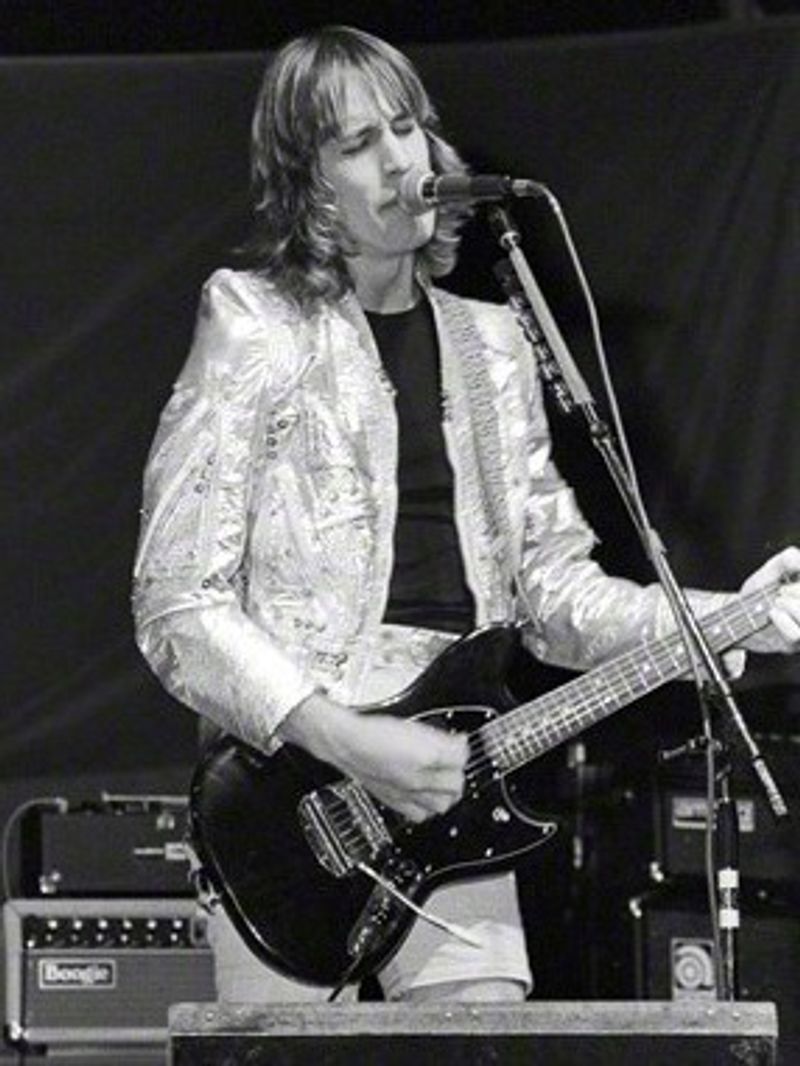
Todd Rundgren first recorded this song with his earlier band Nazz, but the version that connected with a mass audience was his solo remake, which reached a generation of listeners who had never heard the original.
The recording appeared on the double album Something/Anything?, a record Rundgren largely produced and performed on his own. His arrangement transformed the song into a careful blend of soft rock, soul, and confessional pop, with lyrics that capture the awkward emotional territory of a relationship ending without a clean resolution.
Released as a single in September 1973, it climbed to No. 5 on the Billboard Hot 100 and became Rundgren’s biggest pop hit in the United States. The album peaked at No. 29 on the Billboard 200.
Despite Rundgren’s reputation as a producer and studio innovator, this song remains the recording most casual listeners associate with his name.
3. Give Me Love Give Me Peace on Earth by George Harrison
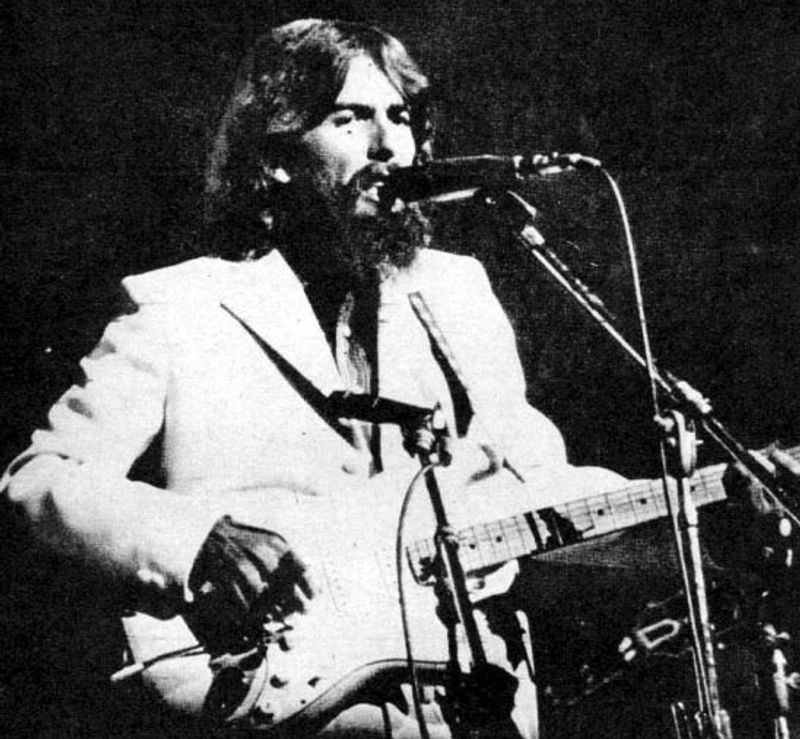
After the commercial triumph of All Things Must Pass, George Harrison returned with a quieter and more focused statement. This single stripped the production back to acoustic guitar, his signature slide work, and a lyric centered on peace and spiritual freedom.
The song reached No. 1 on the Billboard Hot 100 in June 1973. The timing created a notable chart moment: Harrison replaced Paul McCartney and Wings at the top spot, marking the only time two former Beatles had occupied the No. 1 and No. 2 positions simultaneously as solo artists.
The song also appeared on Billboard’s Year-End Hot 100 list for 1973.
Harrison’s slide guitar playing had become one of the most recognizable sounds in rock by this point, and its presence throughout the recording gave the spiritual lyric a grounded musical quality that kept it from sounding abstract. It remains one of his most beloved solo recordings.
4. Goodbye Yellow Brick Road by Elton John
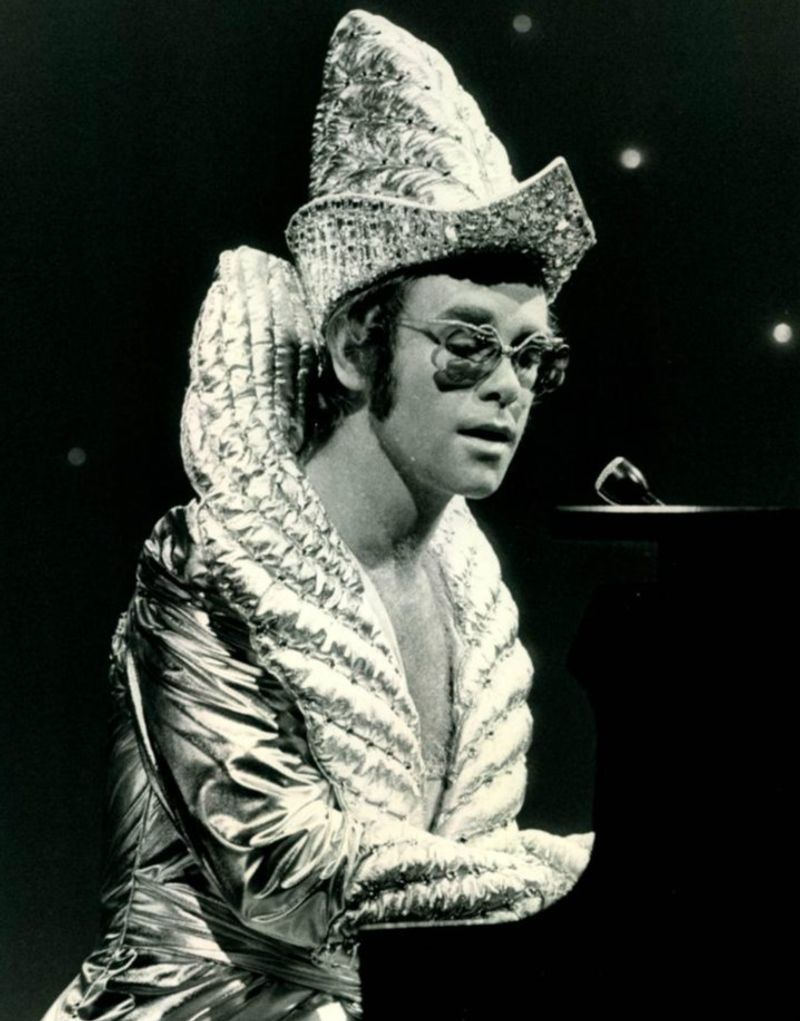
By 1973, Elton John was releasing albums at a pace that seemed almost impossible to sustain at a high level, yet Goodbye Yellow Brick Road arrived as one of his finest moments. Bernie Taupin’s lyric borrows imagery from The Wizard of Oz to frame a rejection of fame and a longing for something more grounded.
John’s vocal performance escalates steadily through the song, turning what could have been a modest reflection into one of the most dramatic recordings of his early career. The single reached No. 2 on the Billboard Hot 100 and served as the title track of a celebrated double album released the same year.
The album itself became one of the best-selling records of 1973. Critics and fans responded to its ambition, and the title track quickly established itself as a signature piece in John’s catalog, a status it has held ever since.
5. Angie by The Rolling Stones
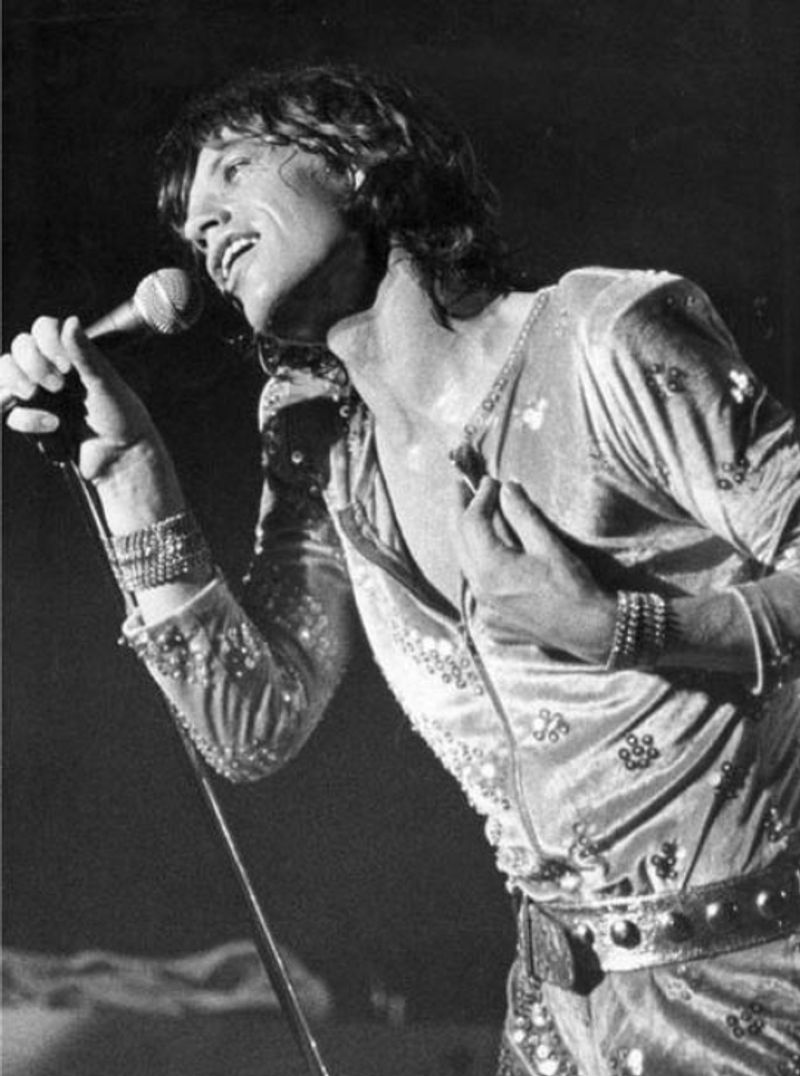
The Rolling Stones were not exactly famous for sitting still, which made the arrival of this particular single such a genuine surprise in 1973. Built around acoustic guitar, piano, and strings, it showcased a side of Mick Jagger that most fans had never heard on a hit record before.
Released in August 1973, the song climbed to No. 1 on the Billboard Hot 100 in October, giving the band one of the most commercially successful ballads of their entire career. It appeared on the album Goats Head Soup and marked a deliberate shift in tone from earlier material.
Speculation about who inspired the title circulated for years. Keith Richards eventually clarified that the name came to him during the writing process rather than being a direct reference to any one person.
The song remains a staple of classic rock radio more than five decades after its original release.
6. Diamond Girl by Seals and Crofts
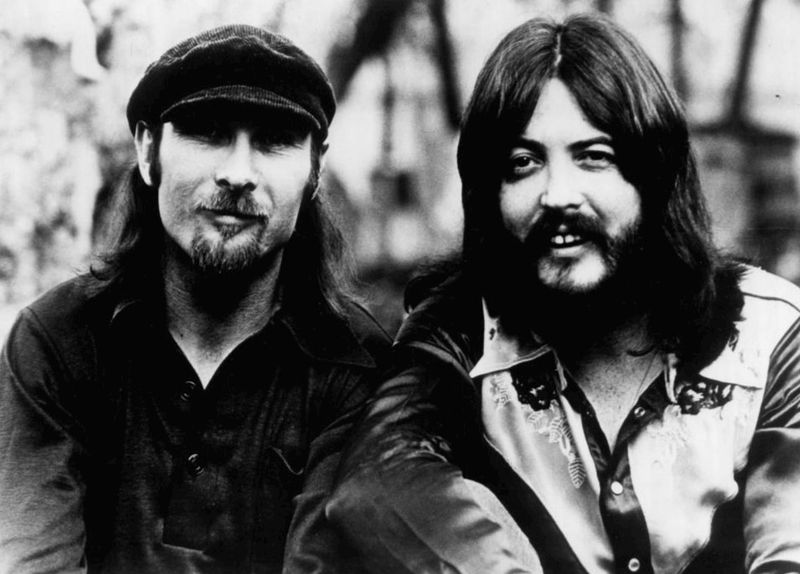
Seals and Crofts had already demonstrated their commercial instincts with Summer Breeze in 1972, and Diamond Girl proved that their soft-rock formula had real staying power on American radio.
The title track from their 1973 album pairs acoustic guitar textures with close harmonies and a romantic lyric that suited the easygoing FM radio atmosphere of the period. Its production avoids any urgency, which was precisely the point.
The duo understood that their audience wanted something smooth and comfortable alongside the harder sounds competing for airplay.
The single reached No. 6 on the Billboard Hot 100 and ranked at No. 40 on Billboard’s Year-End Hot 100 chart for 1973. That placement confirmed the song’s broad appeal across the year rather than as a brief spike.
The relaxed character of the recording now functions as a reliable time marker for the early-1970s radio landscape, when mellow rock competed comfortably with heavier material.
7. Just You ‘n’ Me by Chicago
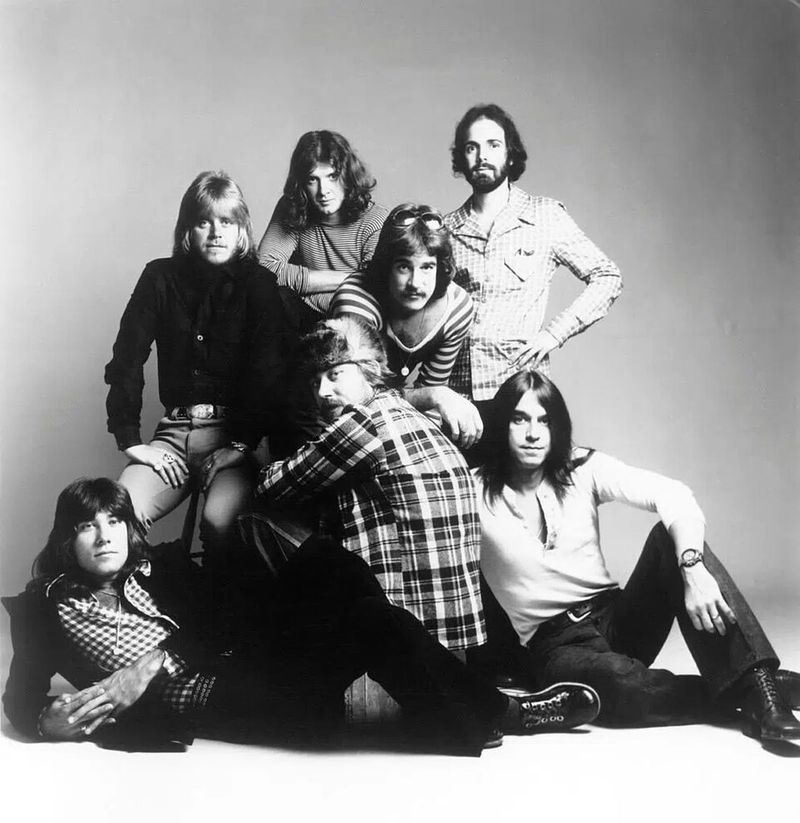
Chicago built their reputation on a combination of rock energy and jazz-influenced horn arrangements, but James Pankow wrote this song after a personal disagreement with his future wife, Karen, giving the ballad an emotional specificity that comes through in the recording.
Peter Cetera handled the lead vocal, and the band’s brass section gave the song a warmth that few other soft-rock groups of the period could replicate. The recording appeared on Chicago VI in 1973, an album that demonstrated the band’s ability to balance their horn-rock identity with more commercially accessible material.
Released as a single, Just You ‘n’ Me climbed to No. 4 on the Billboard Hot 100. The song helped establish the romantic direction that would become central to Chicago’s commercial identity through the late 1970s and into the 1980s.
It showed that a band known for complex arrangements could also deliver something simple and direct without losing its character.
8. Peaceful Easy Feeling by Eagles
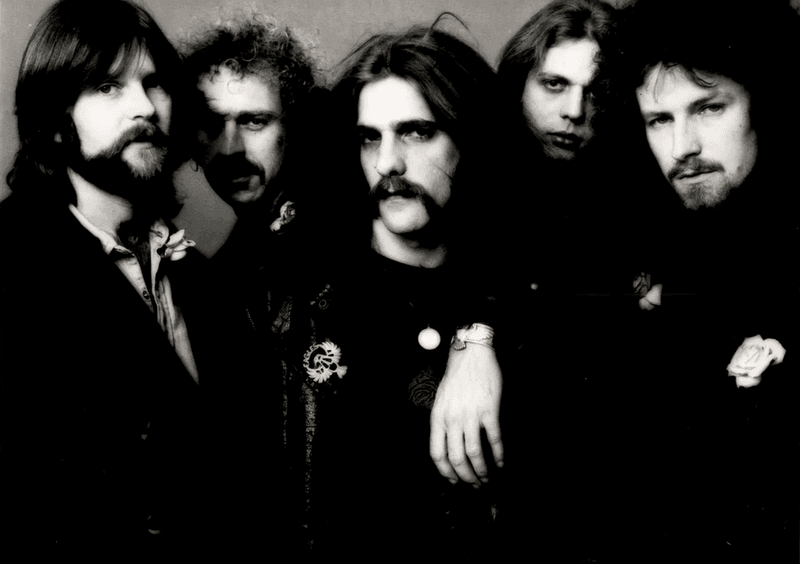
Jack Tempchin wrote this song partly in the parking lot of a Der Wienerschnitzel in San Diego, which is perhaps the most grounded origin story for any California rock ballad of the decade. That unpretentious background fits the recording perfectly.
Glenn Frey took the lead vocal, and the band’s layered harmonies provided the sonic foundation that would become their defining characteristic. Released as the third single from the 1972 debut album Eagles, the song reached No. 22 on the Billboard Hot 100 in 1973.
That chart position was modest compared to some of the No. 1 records on this list.
What the number does not capture is the song’s long-term cultural footprint. Peaceful Easy Feeling became one of the recordings that introduced Eagles to a national audience and helped establish the country-rock-meets-California-pop sound they would refine into one of the decade’s most successful commercial formulas.
The song still appears regularly on classic rock playlists.
9. Drift Away by Dobie Gray
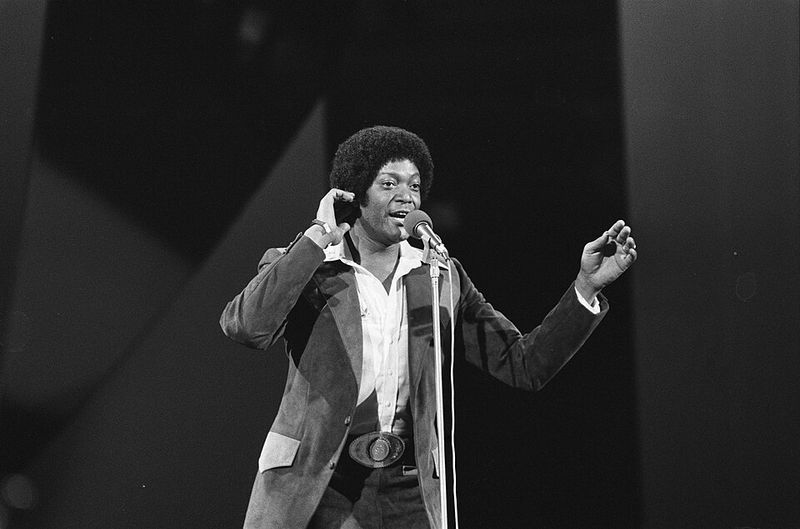
Mentor Williams wrote this song, but Dobie Gray’s recording turned it into something that crossed multiple radio formats at once, reaching rock, soul, and country audiences with equal effectiveness. That kind of crossover appeal was rare and valuable in 1973.
Gray’s vocal approach gave the song a relaxed authority that matched the lyric’s central idea: that music itself can provide relief from daily pressures. The recording blends rock guitar, soul phrasing, and country-influenced production into a combination that resists easy categorization, which likely helped it travel across different station formats.
Drift Away reached No. 5 on the Billboard Hot 100 and ranked among Billboard’s biggest singles of 1973 on the Year-End chart. Its genre ambiguity has never hurt its reputation.
Uncle Kracker covered the song in 2003 and took it back into the top 10, introducing it to an entirely new generation of listeners three decades after Gray’s original version first dominated the airwaves.
10. Rocky Mountain High by John Denver
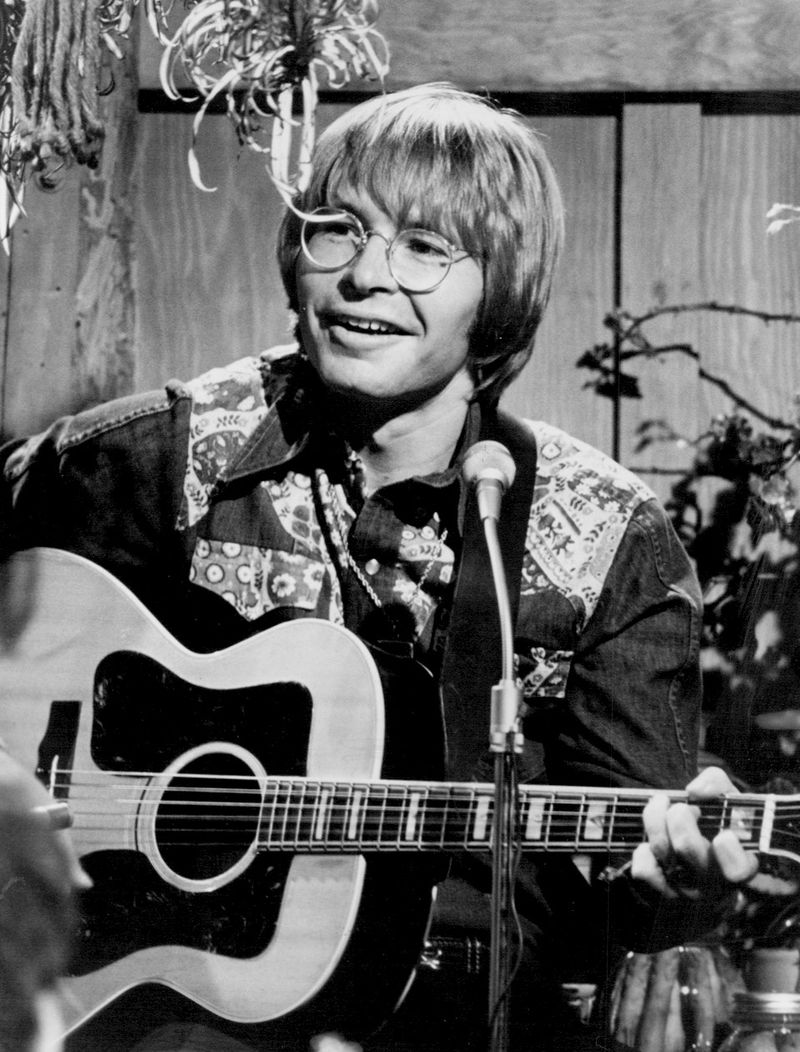
John Denver co-wrote this song after relocating to Aspen, Colorado, and developing a genuine connection to the landscape and outdoor culture of the Rocky Mountain region. The personal foundation shows in every line of the lyric.
The recording combines acoustic instrumentation with an arrangement that expands gradually, matching the sense of open space the lyric describes. Released in 1972, the single’s chart run extended well into 1973, reaching No. 9 on the Billboard Hot 100 and appearing on the year-end ranking.
Denver later testified before Congress to clarify that the word “high” in the song referred to the feeling of being in nature, not substance use.
That moment of congressional testimony says something about how seriously radio programmers and legislators took popular music in the early 1970s. Denver was frequently categorized as folk or country, but songs like this placed him squarely within the singer-songwriter movement that was reshaping mainstream radio at the time.
11. Danny’s Song by Anne Murray
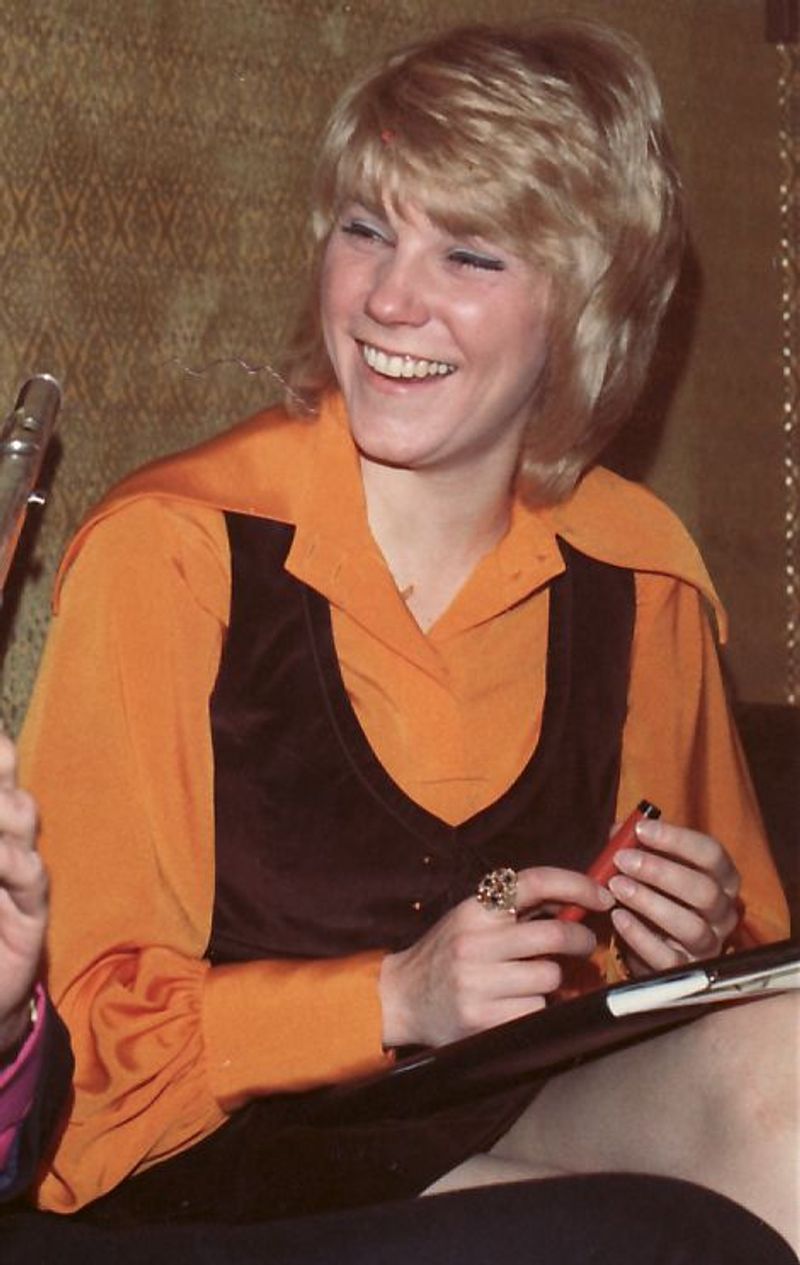
Kenny Loggins wrote this song to celebrate the birth of his nephew Colin, the son of his brother Danny. Anne Murray’s version, however, was the recording that turned it into a genuine radio phenomenon across multiple formats simultaneously.
Murray’s approach was deliberately understated. Rather than building toward an emotional climax, she kept the performance intimate and conversational, which suited the song’s domestic subject matter.
The result landed naturally alongside the acoustic singer-songwriter records that were filling radio playlists throughout 1973.
Her version reached No. 7 on the Billboard Hot 100, topped the Easy Listening chart for two weeks, and reached No. 10 on the country chart. It also topped the Canadian singles chart in March 1973.
Murray received a Grammy nomination for Best Female Pop Vocal Performance for the recording. That combination of chart placements across three different formats confirmed her status as one of the most versatile mainstream artists working in early-1970s North American radio.
12. Photograph by Ringo Starr
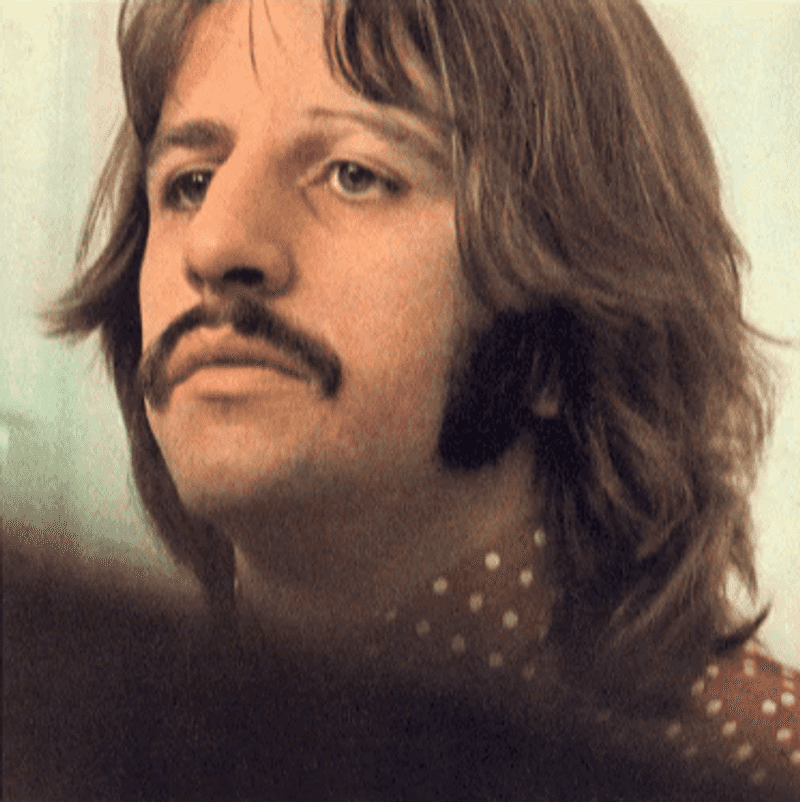
Ringo Starr and George Harrison began writing this song together in the South of France in May 1971, though it would take until 1973 for the recording to reach radio listeners and chart audiences around the world.
Harrison’s musical involvement is audible throughout the production, which starts as a mid-tempo pop-rock song and gradually builds into something more emotionally substantial. The lyric addresses the familiar experience of looking at a photograph and feeling the distance between the present and the past, a subject accessible enough to connect with a wide audience.
Photograph reached No. 1 on the Billboard Hot 100 in November 1973 and topped charts in Canada and Australia as well. Combined with major hits from George Harrison and Paul McCartney earlier in the same year, it made 1973 an unusually productive period for former Beatles on American radio.
No other dissolved group had anything close to that kind of collective chart presence in a single calendar year.
Share this story