Europe’s capital cities get most of the attention, but some of the continent’s most rewarding destinations are hiding just a few hours away from the obvious choices. Cities like Bologna, Ghent, and Wroclaw have medieval squares, world-class museums, and food scenes that rival anything you’d find in a national capital.
These places tend to be less crowded, easier to navigate, and often more affordable. Whether you’re planning your first European trip or your fifteenth, this list gives you 15 cities worth putting at the top of your itinerary.
Bologna, Italy
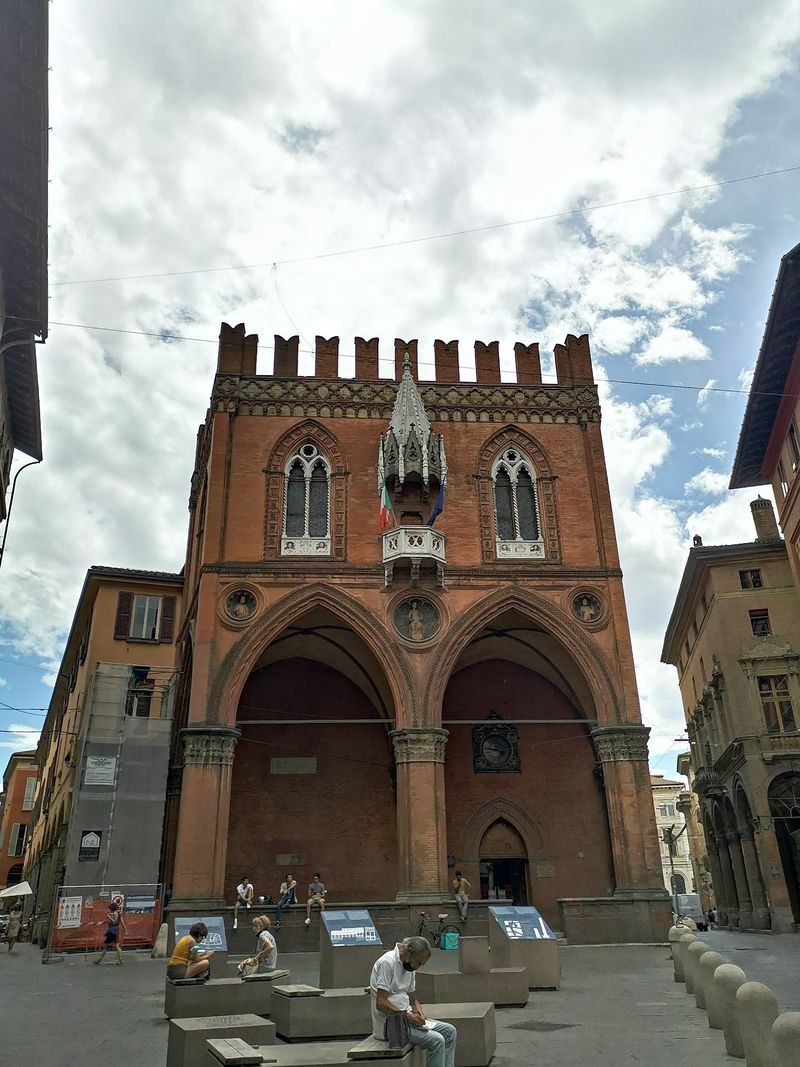
Few cities in Europe can match Bologna when it comes to combining serious food culture with genuine medieval atmosphere. The city’s famous covered porticoes stretch for kilometers through the historic center, letting visitors explore freely regardless of the weather.
Piazza Maggiore sits at the heart of it all, flanked by impressive civic and religious buildings that have stood for centuries.
The two surviving medieval towers, Asinelli and Garisenda, rise above the roofline and offer one of the most recognizable skylines in northern Italy. Bologna is also home to one of Europe’s oldest universities, which keeps the streets lively and the cafe culture strong throughout the year.
On the food side, fresh pasta, tortellini, mortadella, and ragù are not just menu items here, they are part of the city’s daily identity. Bologna rewards slow travel and multiple days of exploration.
Porto, Portugal
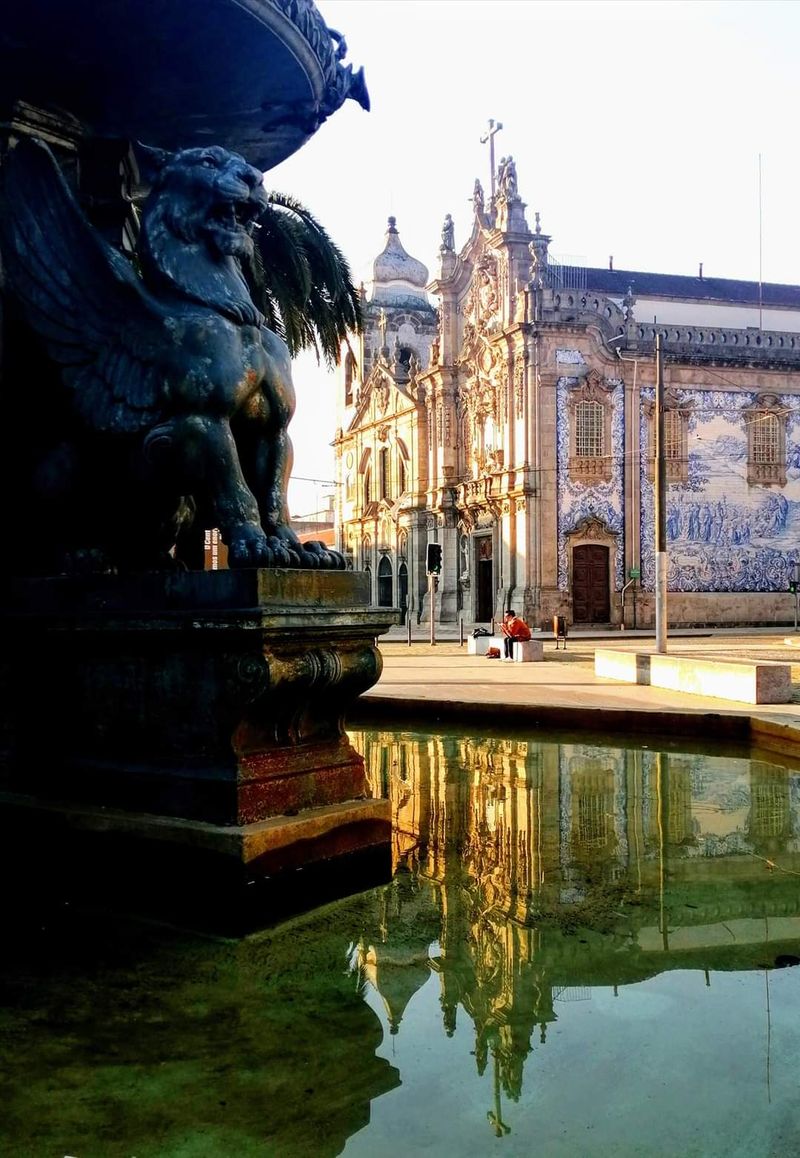
Porto’s position above the Douro River gives it one of the most visually striking urban landscapes in Southern Europe. The historic center earned its UNESCO World Heritage status for good reason, with narrow streets, azulejo-tiled facades, Baroque churches, and elevated viewpoints appearing around almost every corner.
Down at river level, the Ribeira neighborhood offers terraces and restaurants facing Vila Nova de Gaia across the water, where the famous port wine cellars line the opposite bank. The Dom Luis I Bridge connects both sides and is one of the most photographed spots in the country.
Beyond the postcard views, Porto has a genuinely active contemporary scene with new restaurants, independent shops, and cultural spaces filling in alongside the historic fabric. Visitors can cruise the Douro, browse the Bolhao Market, or simply wander uphill through neighborhoods where everyday city life unfolds around beautiful, aging architecture.
Krakow, Poland
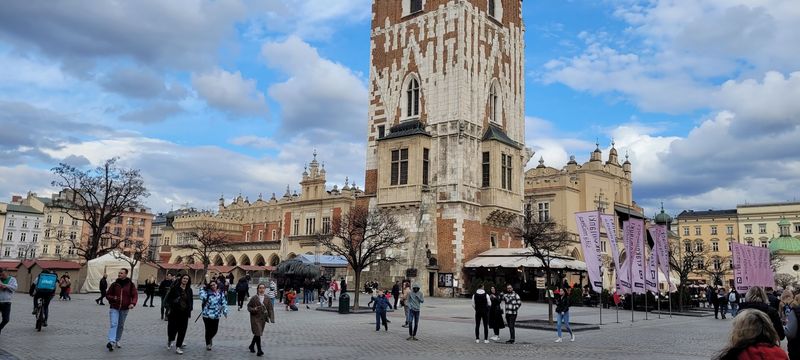
Krakow’s Main Market Square is one of the largest medieval squares in Europe, and it works as a natural anchor for days of exploration in the old city. The Cloth Hall stands at its center, while St. Mary’s Basilica and rows of historic townhouses frame the perimeter.
The whole area is compact enough to cover on foot without any real effort.
From the square, the Royal Route leads south toward Wawel Hill, where the Royal Castle and Wawel Cathedral sit above the Vistula River. The Kazimierz district adds another important layer, with synagogues, Jewish cultural heritage sites, and a restaurant scene that has grown significantly in recent years.
The Planty, a ring of parkland encircling the old city where the medieval walls once stood, makes moving between neighborhoods easy and pleasant. Krakow is one of those cities where the historic center alone justifies several full days of exploration.
Seville, Spain
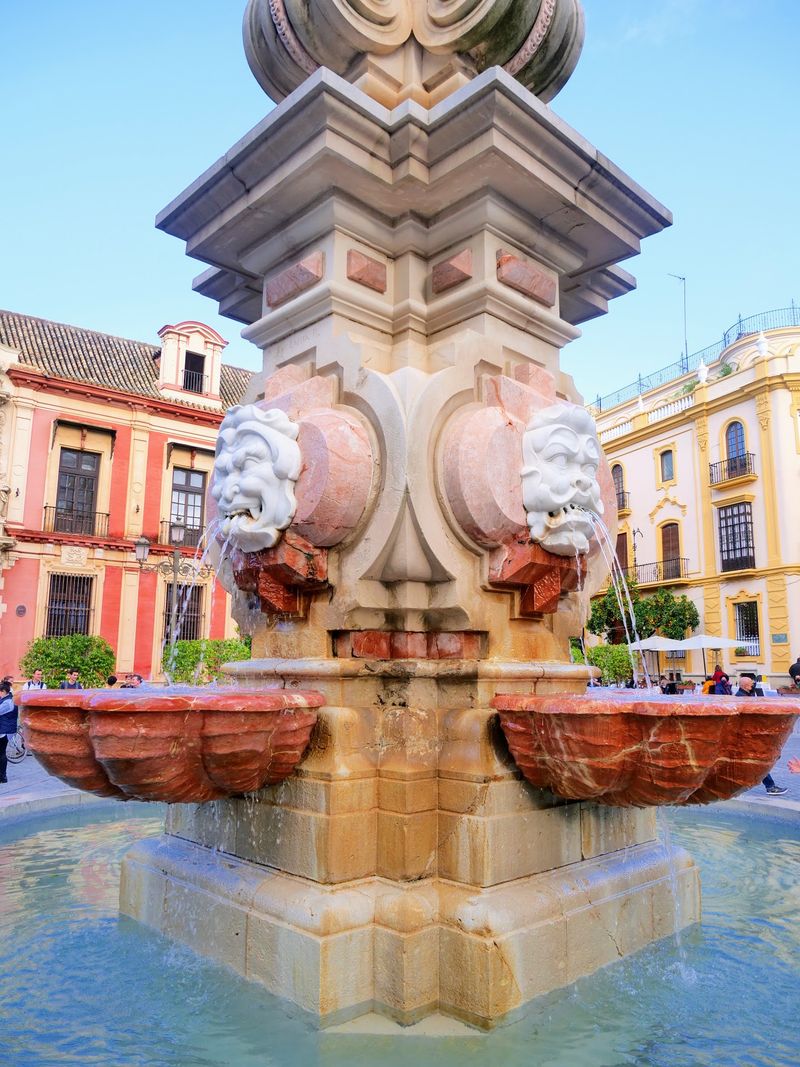
Seville punches well above its weight for a city that is not a national capital. The Cathedral of Seville is the largest Gothic cathedral in the world, and its Giralda tower, originally a Moorish minaret, rises above the historic center as one of Spain’s most distinctive landmarks.
Right next door, the Royal Alcazar is still an active royal residence and one of the best examples of Mudéjar architecture anywhere in Europe. Its layered mix of Islamic, Gothic, Renaissance, and Baroque elements, combined with elaborately designed gardens and courtyards, makes it genuinely absorbing to spend time in.
Away from the big monuments, neighborhoods like Santa Cruz and Triana offer plazas, ceramic tile shops, tapas bars, and flamenco venues that feel lived-in rather than staged for tourists. The Guadalquivir River gives the city another dimension, particularly in the evening when the light shifts and the waterfront fills with locals and visitors alike.
Lyon, France
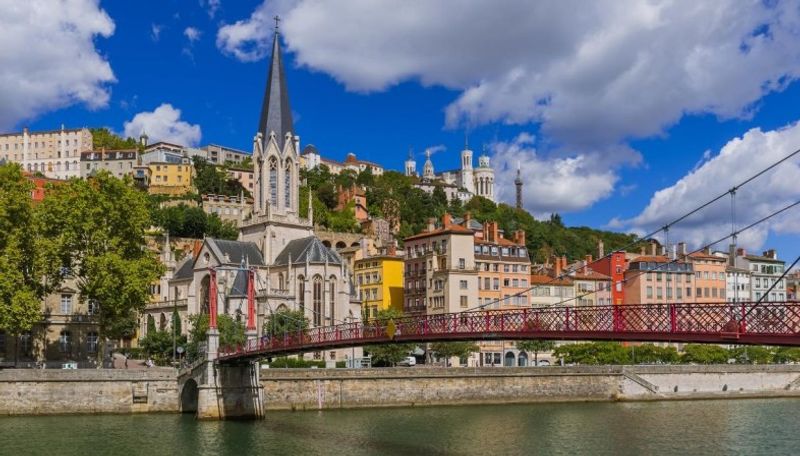
Lyon has a strong case for being France’s most underappreciated city for travelers who care about both history and food. Its UNESCO-listed historic area spans Roman ruins on Fourviere Hill, the Renaissance lanes of Vieux Lyon, and the 19th-century neighborhoods along the Saone and Rhone rivers.
That kind of layered history across a compact area is genuinely rare.
The Basilica of Notre-Dame de Fourviere sits above the old city and offers sweeping views over Lyon’s rooftops. Hidden passages called traboules cut through buildings and courtyards in both Vieux Lyon and the Croix-Rousse district, giving the city a slightly secretive character that rewards curious walkers.
Lyon’s bouchons, traditional Lyonnaise restaurants serving hearty local cuisine, are a serious reason to visit on their own. The Confluence district on the southern tip of the peninsula adds a contemporary architecture and cultural dimension that keeps the city feeling active and forward-looking alongside its historic identity.
Ghent, Belgium
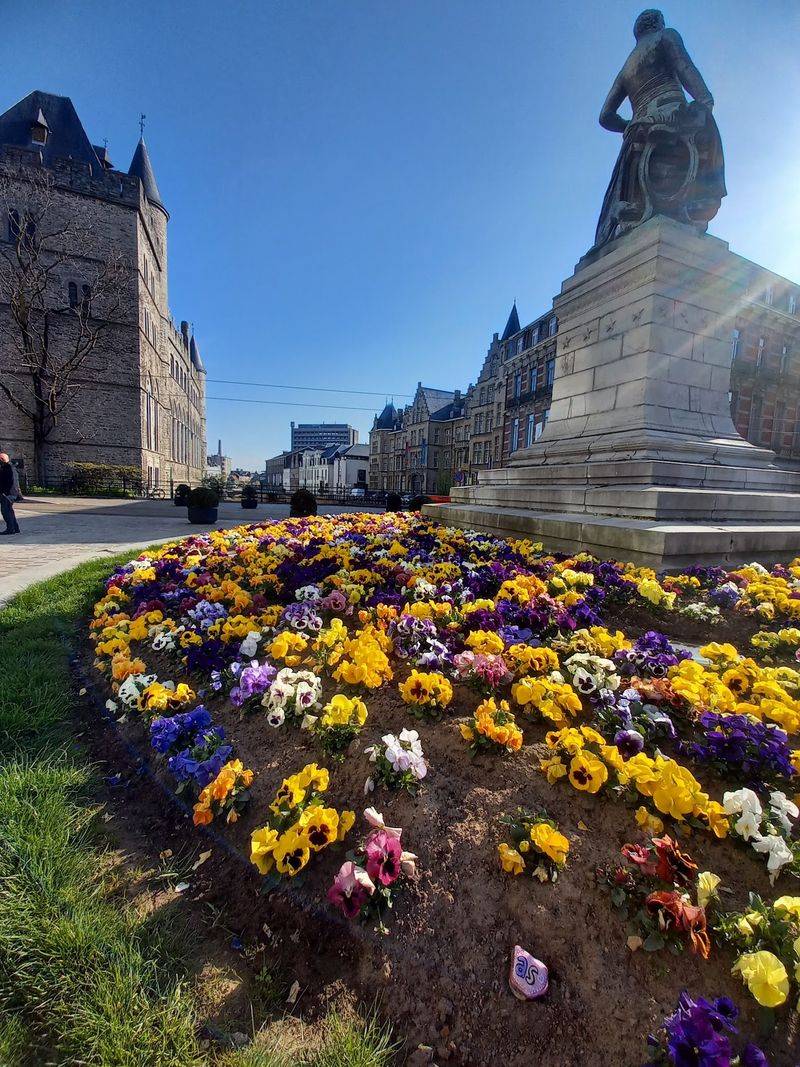
Medieval towers, canals, and guild houses line the center of Ghent in a concentration that surprises most first-time visitors. The city has all the architectural drama of Bruges but with a more active, less tourist-saturated atmosphere thanks in large part to its university population, which keeps the streets lively year-round.
The Castle of the Counts is one of the most intact medieval fortresses in the Low Countries, sitting directly in the city center rather than at its edge. St. Bavo’s Cathedral houses the Ghent Altarpiece by the Van Eyck brothers, a painting considered one of the most important works in Western art history.
Seeing it in person, inside the cathedral where it was made, is a very different experience from seeing it in a textbook.
The Graslei and Korenlei waterfronts are ideal for walking or joining a canal cruise through the historic center. Ghent combines serious heritage with a relaxed, approachable energy that makes it easy to enjoy at any pace.
Salzburg, Austria
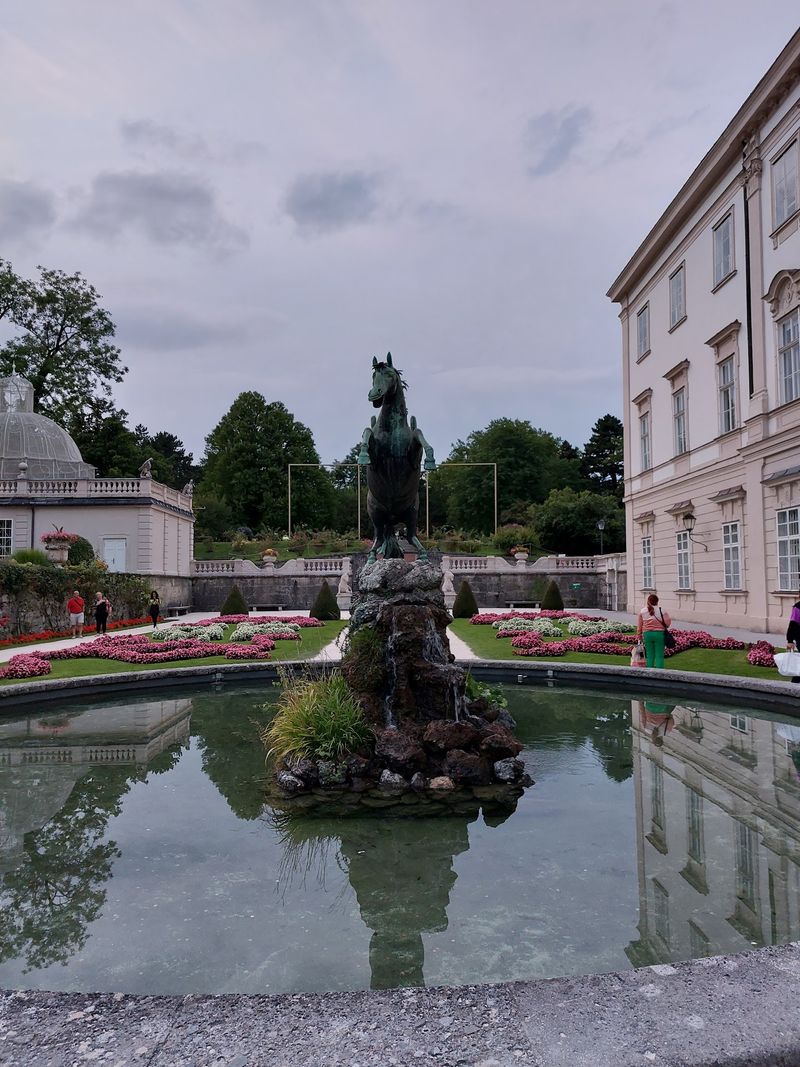
Salzburg’s old town sits at the base of a rocky hill topped by Hohensalzburg Fortress, creating a skyline that feels almost theatrical in the best possible way. The historic center below is a compact collection of Baroque architecture, plazas, churches, and elegant shopping streets that are easy to navigate on foot over a day or two.
Getreidegasse is the most famous shopping street and the location of Mozart’s Birthplace, which remains one of the most visited museums in Austria. Mirabell Palace and its formal gardens provide a classic view toward the fortress and old town that appears on virtually every Salzburg travel guide ever printed.
Just outside the center, Hellbrunn Palace offers a very different experience with its historic trick fountains and landscaped grounds, a popular stop for families and anyone interested in the more playful side of Baroque palace design. Salzburg’s combination of music history, architecture, and Alpine setting gives it an appeal that extends well beyond its two most famous cultural associations.
Bergen, Norway
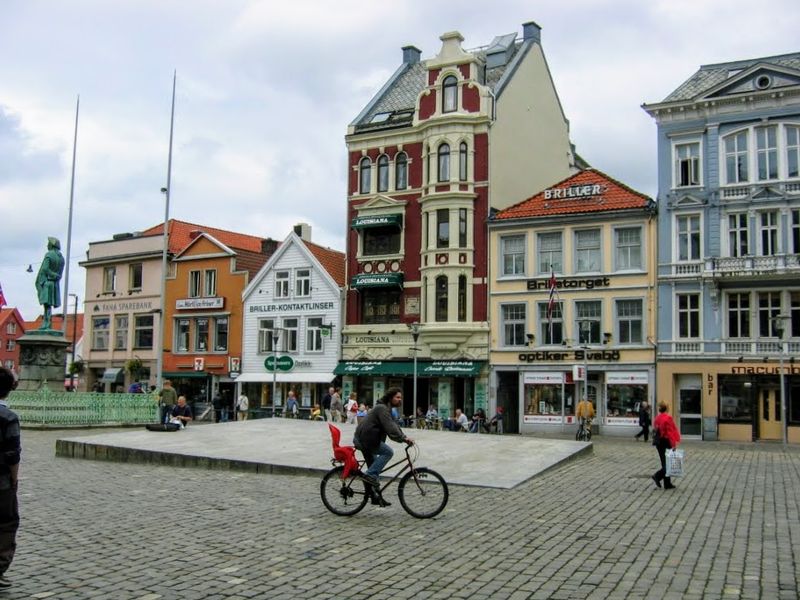
Bergen is compact, visually dramatic, and genuinely useful as both a destination and a base for exploring the Norwegian fjords. Bryggen, the row of distinctive painted wooden buildings along the harbor, is the city’s UNESCO-listed centerpiece and one of the most recognizable historic waterfronts in Scandinavia.
The Fløibanen funicular runs from near the city center up to Mount Fløyen, where the views over Bergen’s harbor, surrounding islands, and mountain ridges are especially clear on a good day. The Fish Market nearby keeps the harbor area active with fresh seafood and local produce.
Bergen’s aquarium and several museums, including KODE with its art and design collections, add further reasons to spend more than a single day in the city.
For travelers interested in fjord excursions, Bergen serves as one of the most practical departure points in Norway. Boat trips and organized tours into the surrounding fjord landscape can be arranged directly from the city, making Bergen a natural anchor for a wider Norwegian itinerary.
Turin, Italy
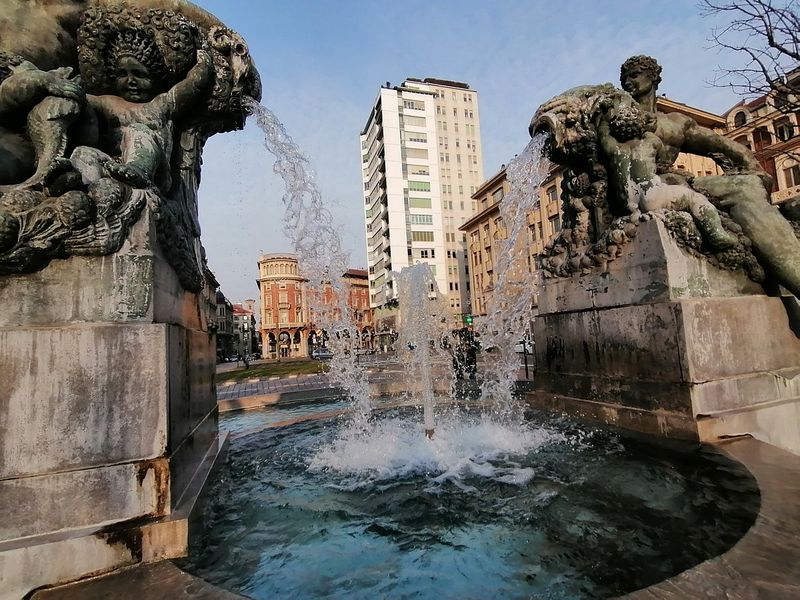
Turin has a different character from most Italian cities. Its broad, colonnaded avenues, monumental squares, and elegant covered arcades give it a more orderly and composed atmosphere than the densely layered medieval centers that define much of the country’s tourism identity.
It is a city that rewards walking at a measured pace.
Piazza Castello is the natural starting point, with the Royal Palace and its museums on one side and the city spreading outward in all directions under kilometers of covered walkways. The Mole Antonelliana, now home to the National Cinema Museum, is the most distinctive point on the skyline and worth visiting both for the collection inside and the panoramic lift at the top.
Turin’s museum scene is exceptional in scale, with more than 80 museums listed by the local tourism organization. Valentino Park along the Po River offers a quieter counterpart to the urban intensity, while the Basilica of Superga on the hill above the city adds a final viewpoint worth the short trip.
Wroclaw, Poland
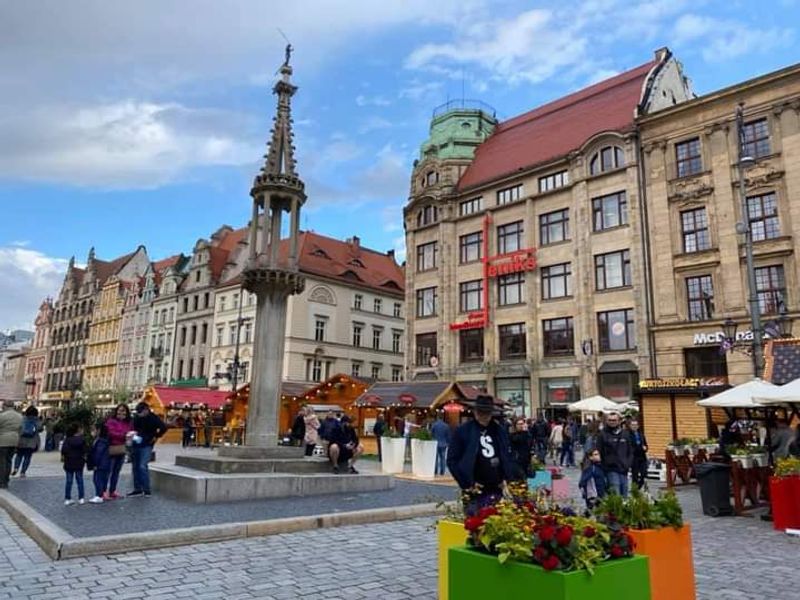
Wroclaw’s colorful Market Square is one of the liveliest and most photogenic in Central Europe, with a Gothic Town Hall at its center and rows of brightly painted historic townhouses surrounding it on all sides. The square functions as a genuine gathering place rather than just a sightseeing backdrop, which gives it a different energy from more preserved but quieter historic centers.
The city spreads across islands and branches of the Oder River, connected by more than 100 bridges, which gives Wroclaw an unusual and pleasant layout for exploring on foot. Ostrów Tumski, the oldest part of the city, contains historic churches and cathedral buildings that create a noticeably quieter and more contemplative atmosphere, especially in the evening.
One of Wroclaw’s most distinctive modern traditions involves searching for small bronze dwarf figurines placed across streets and squares throughout the city. Major attractions like Centennial Hall, the Panorama of Raclawice, Hydropolis, and Wroclaw Zoo with its Afrykarium add serious weight to the city’s visitor appeal beyond its picturesque center.
Strasbourg, France
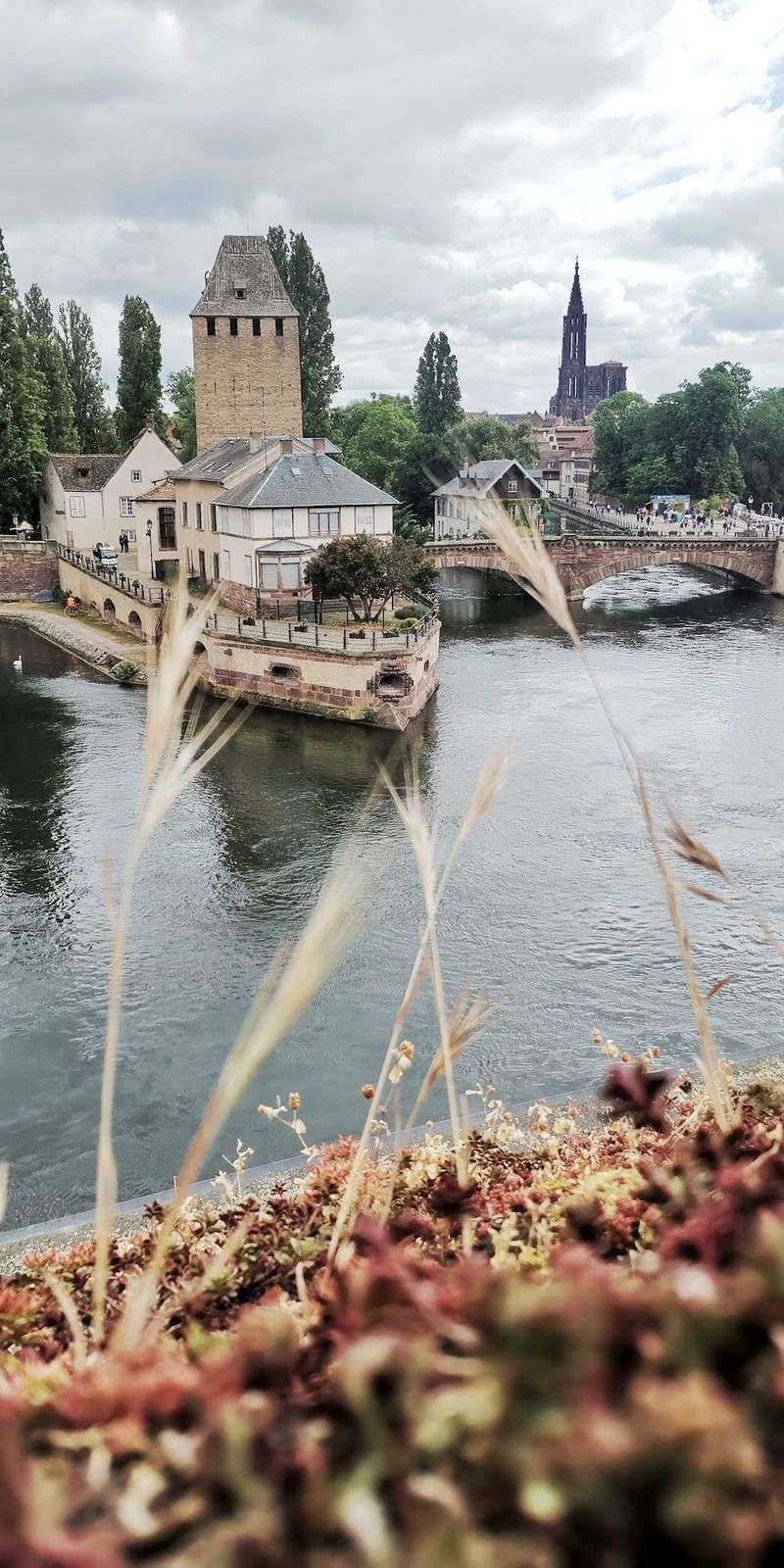
Strasbourg occupies a genuinely unique position in Europe, shaped by centuries of French and German influence that left behind a city center unlike anywhere else on the continent. The Grande Ile, the historic island at the heart of the city, is a UNESCO World Heritage Site where Strasbourg Cathedral rises above a dense network of narrow lanes and timber-framed buildings.
Petite France is the most visually striking quarter, with canals, old bridges, and former mills and tanneries lining the waterways of the Ill River. The area is heavily photographed but still feels like a real neighborhood rather than a stage set.
A short walk away, the Neustadt district adds a second UNESCO-listed area with imposing German imperial architecture from the late 19th and early 20th centuries, a stark and fascinating contrast to the medieval core.
Strasbourg also hosts major European institutions, giving it an international character that sits alongside its deeply regional Alsatian identity. The city’s Christmas market, one of the oldest in Europe, draws visitors from across the continent each winter.
Thessaloniki, Greece
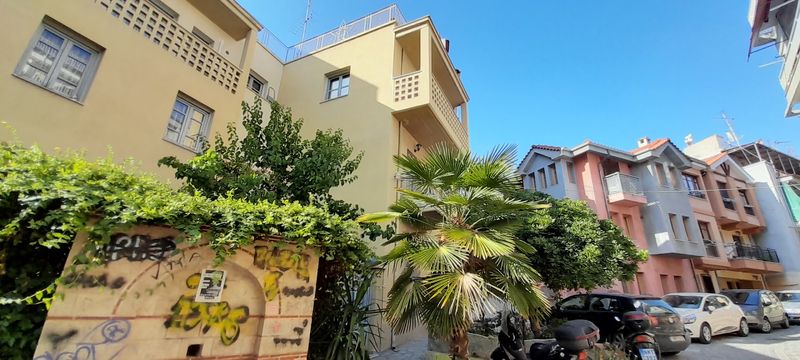
Thessaloniki carries centuries of layered history in a way that feels active rather than preserved behind glass. Roman, Byzantine, Ottoman, and Jewish heritage all coexist within the city’s urban fabric, visible in its churches, mosques, markets, and archaeological sites.
The Byzantine-era churches here are some of the most significant in the Orthodox world and several are UNESCO-listed.
The waterfront promenade along the Thermaic Gulf is where much of the city’s daily life plays out, stretching from the port toward the White Tower, Thessaloniki’s most recognizable landmark. The tower sits at the edge of the water and functions as both a museum and a symbol of the city’s long and complicated history.
Food is a major reason to visit Thessaloniki in its own right. The city has a strong culinary reputation within Greece, with bakeries, traditional markets like Modiano and Kapani, tavernas, and contemporary restaurants all playing a role.
The Ladadika district near the port is one of the most popular areas for evening dining and socializing.
Bilbao, Spain
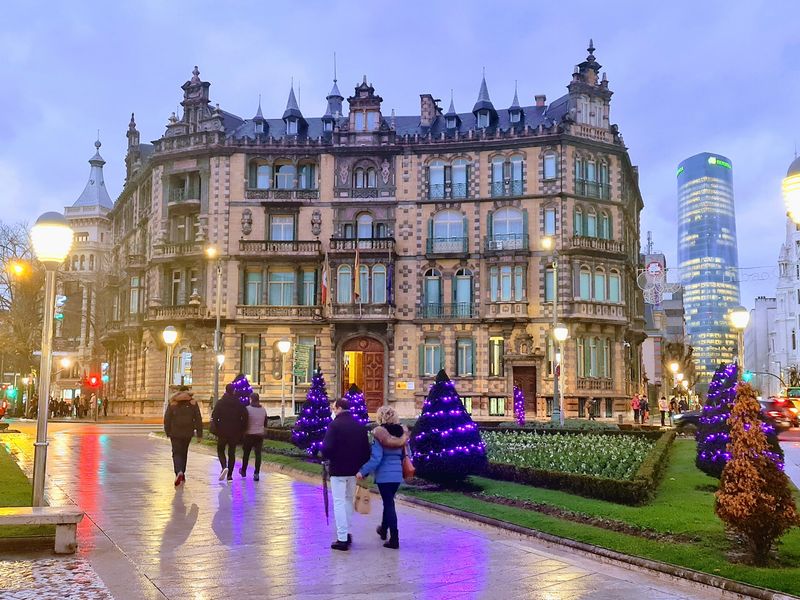
The Guggenheim Museum Bilbao opened in 1997 and changed the conversation about what a regional city could achieve through a single cultural investment. Frank Gehry’s titanium-clad building along the Nervion River is still one of the most architecturally striking museums in the world, and the surrounding riverfront regeneration it helped trigger transformed what had been a heavily industrial waterfront into an open, walkable urban space.
The Casco Viejo, Bilbao’s historic old quarter, sits just a short distance away and offers a completely different experience. The traditional Seven Streets contain pintxo bars, independent shops, Santiago Cathedral, and the enormous Mercado de la Ribera, one of the largest covered markets in Europe.
The contrast between the contemporary Guggenheim district and the compact, traditional old town is one of the things that makes Bilbao genuinely interesting to spend time in.
Both areas are easy to reach on foot or by the city’s metro system. Bilbao rewards at least two full days to appreciate both sides of its character properly.
Dresden, Germany
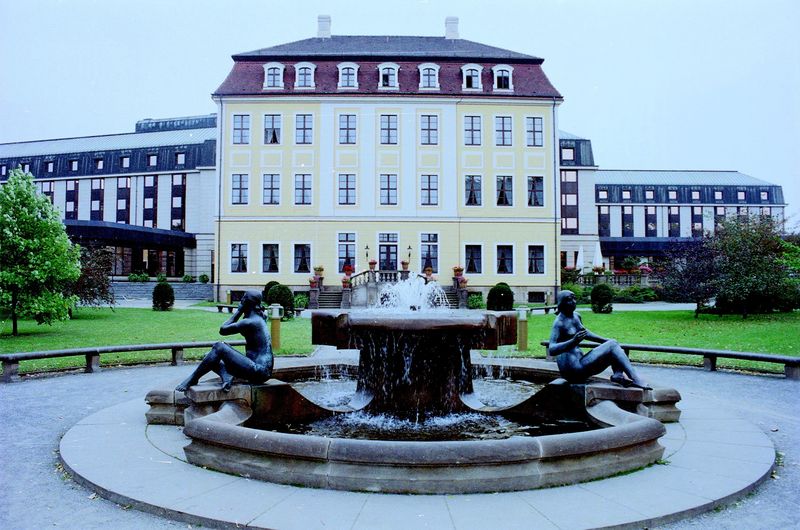
Dresden’s Elbe riverfront skyline is one of the most recognizable in Germany, with domes, towers, and palace rooflines creating a panorama that looks almost too grand for a city of its size. Much of the historic center was rebuilt or restored after severe wartime damage, and the results are impressive even knowing the complicated history behind the reconstruction.
The Frauenkirche, rebuilt from the ground up and reopened in 2005, now dominates Neumarkt and stands as one of the most significant reconstruction projects in modern European architectural history. The Zwinger, a Baroque palace complex with elaborate fountains and world-class museum collections including the Old Masters Picture Gallery, is the other unmissable landmark in the old center.
The Semperoper opera house and Dresden Royal Palace add further weight to an already dense concentration of cultural architecture.
Walks along the Elbe provide a calmer way to take in the city from the outside. Day trips into the surrounding Elbland region, with its Saxon Switzerland landscapes, extend the appeal significantly for visitors with extra time.
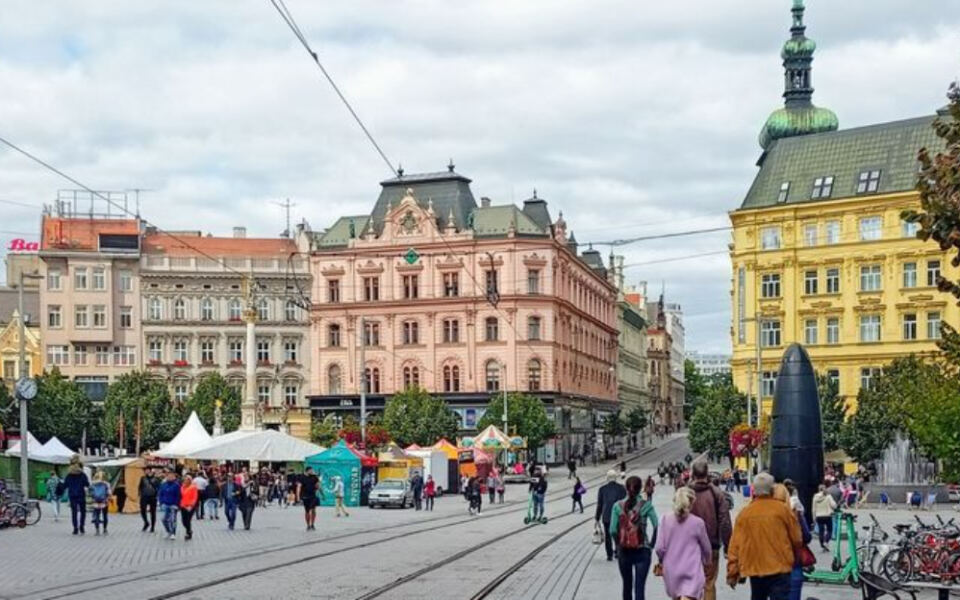
Brno, Czechia
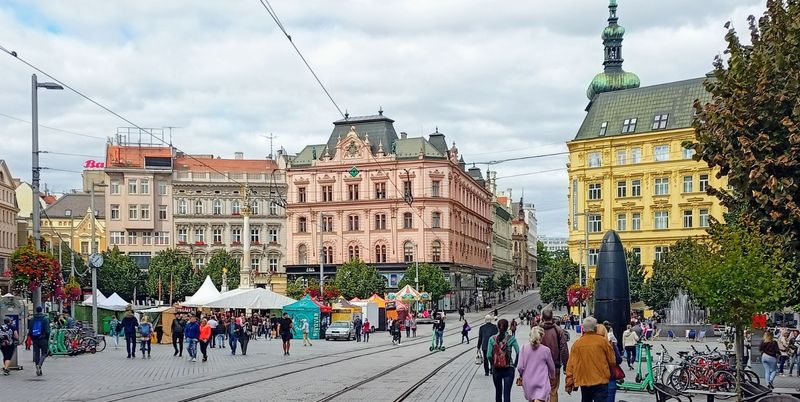
Prague tends to absorb most of the attention that Czech travel gets, which works out well for Brno. The country’s second city has a genuine historic center, a strong university culture, and two very different architectural landmarks that give it a character well beyond what most visitors expect.
Spilberk Castle watches over the city from a wooded hill and has served as a royal fortress, military stronghold, and prison across its long history. The views from the castle grounds over Brno’s rooftops and the Cathedral of St. Peter and Paul below are among the best free vantage points in the city.
The Old Town Hall, Vegetable Market, and underground passages through the historic center fill out a solid walking itinerary.
Villa Tugendhat is Brno’s most internationally significant building. Designed by Ludwig Mies van der Rohe and completed in 1930, the modernist villa is a UNESCO World Heritage Site and one of the most important examples of early modern residential architecture in Europe.
Visits require advance booking, which is worth planning ahead for.
Share this story