Some names just stick with you long after you hear them. Whether it is the rhythm of the syllables, the mystery behind the person, or the sheer boldness of the title, a great name can feel almost legendary.
History is full of fascinating figures whose names are as memorable as their accomplishments. Here are 15 people whose names deserve a second look.
1. Wolfgang Amadeus Mozart
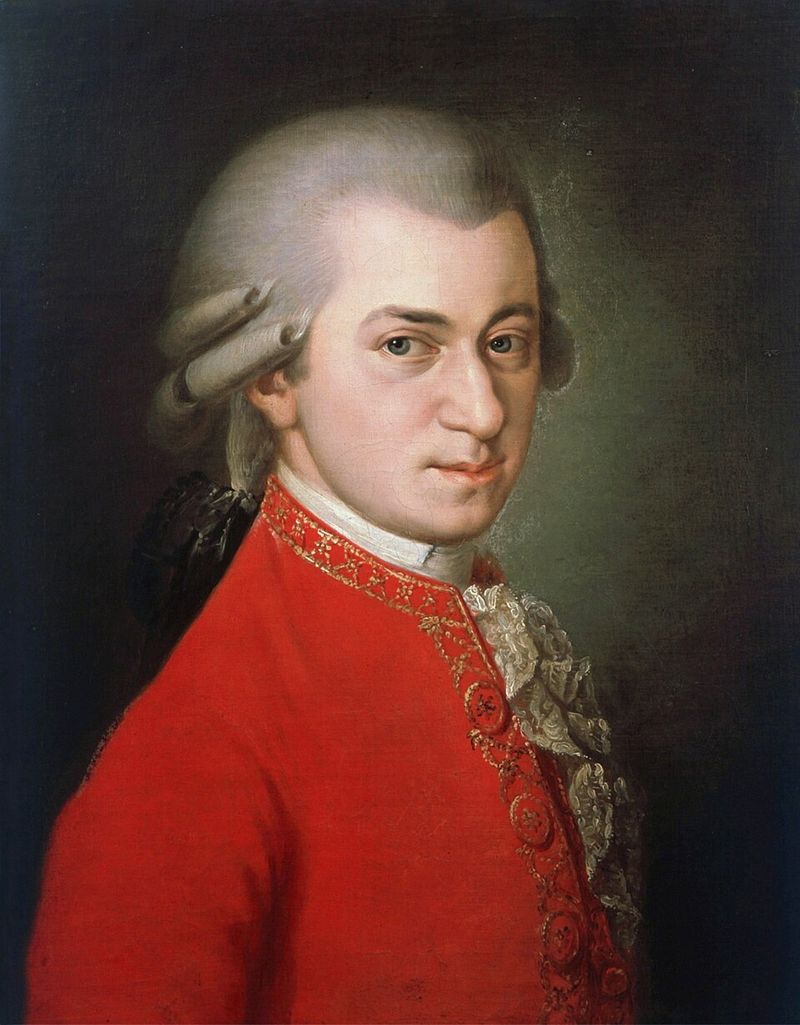
Say it out loud: Wolfgang Amadeus Mozart. There is something almost musical about the name before you even hear a single note he composed.
Born in Salzburg, Austria, in 1756, Mozart was a child prodigy who could play piano and violin before most kids learn to read.
His full baptismal name was even longer: Johannes Chrysostomus Wolfgangus Theophilus Mozart. The name “Amadeus” comes from Latin, meaning “loved by God,” which feels fitting for someone who composed over 600 works before dying at just 35 years old.
Mozart wrote symphonies, operas, and concertos that still fill concert halls around the world today. His name carries the weight of pure musical genius, and somehow, it sounds exactly like what he was: bold, elegant, and unforgettable.
Few names in history feel quite so perfectly matched to their owner.
2. Galileo Galilei
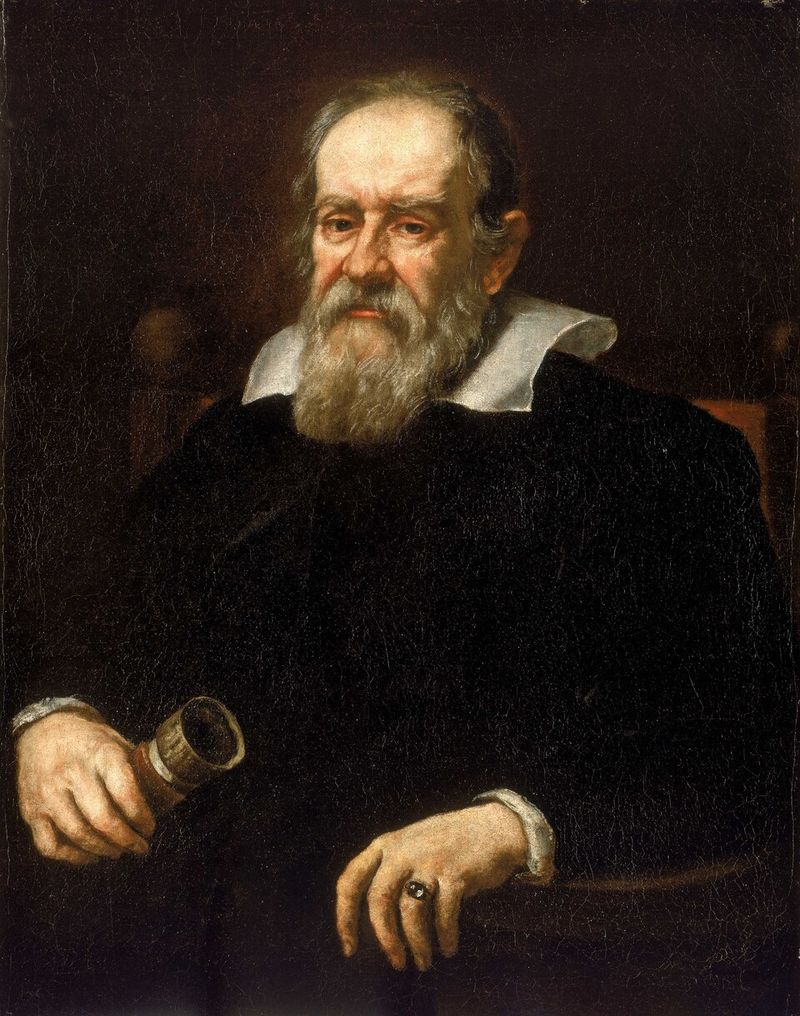
Galileo Galilei has one of those names that practically echoes when you say it. The repetition of “Galileo” as both first and last name was actually a common Italian naming tradition, but it gave this particular scientist a name that sounds more like a chant than a label.
Born in Pisa, Italy, in 1564, Galileo transformed the way humans understand the universe. He improved the telescope, confirmed that Earth orbits the Sun, and laid groundwork for modern physics.
His ideas were so ahead of their time that the Catholic Church put him under house arrest for them.
The rock band Queen even immortalized his name in the song “Bohemian Rhapsody,” which says a lot about how catchy it truly is. Galileo Galilei was a man whose name became as iconic as his discoveries, and both have lasted for centuries.
3. Leonardo da Vinci
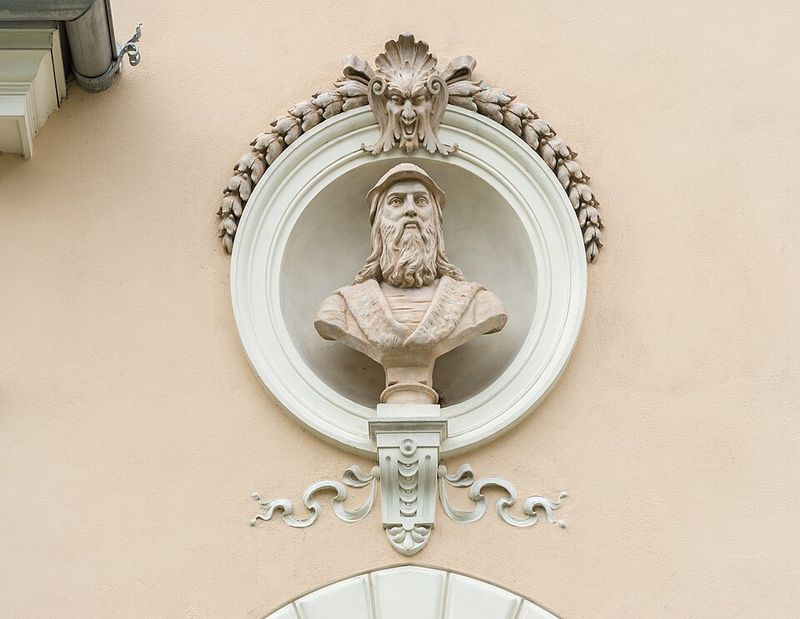
Leonardo da Vinci sounds less like a name and more like the title of an epic story, and in many ways, his life was exactly that. Born in 1452 in the small Italian town of Vinci, his surname literally means “from Vinci,” which was a common way of identifying people by their hometown.
What makes the name remarkable is how completely it has come to represent brilliance across multiple fields. Leonardo was a painter, sculptor, architect, musician, mathematician, engineer, and scientist all at once.
He painted the Mona Lisa and The Last Supper, two of the most recognized artworks in human history.
His notebooks were filled with sketches of flying machines and anatomical drawings centuries ahead of their time. The name Leonardo da Vinci has become a shorthand for human creativity at its absolute peak, and few figures in history have earned that reputation so completely.
4. Voltaire
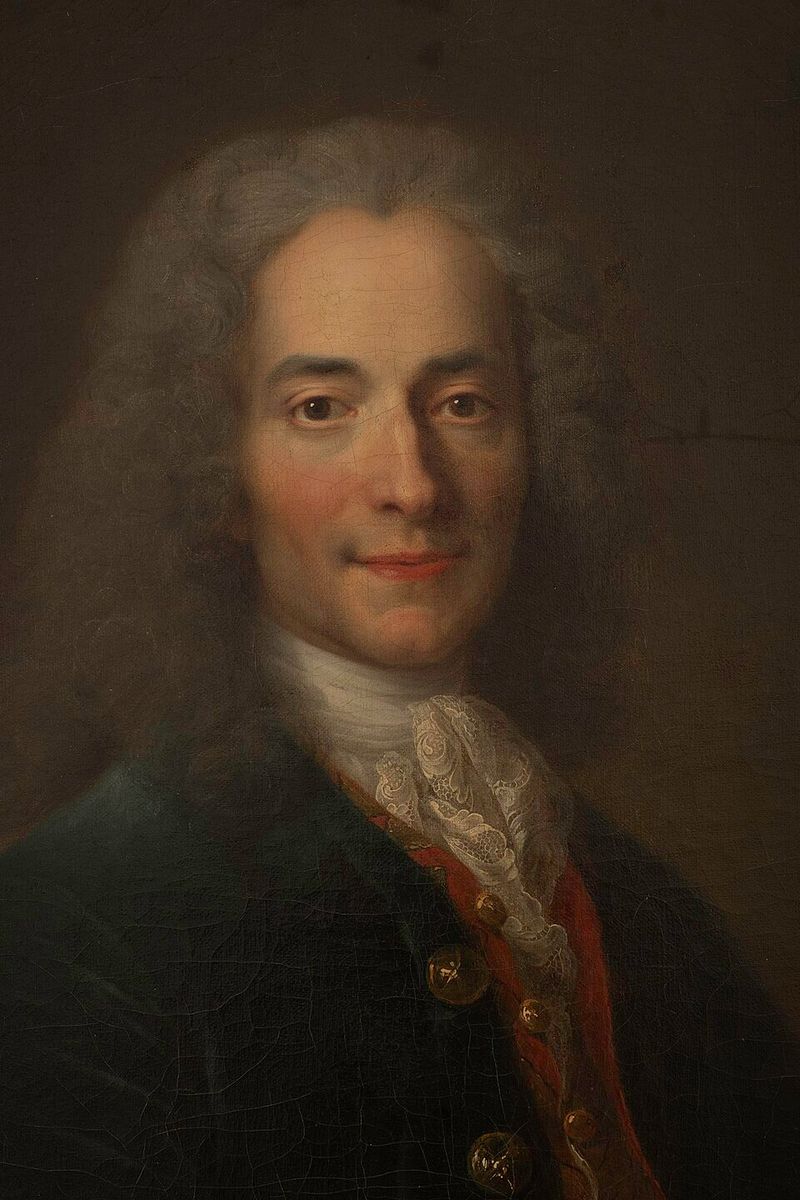
One name. Just one.
Voltaire stands alone like a lightning bolt on a page, sharp and impossible to ignore. It was actually a pen name chosen by Francois-Marie Arouet, a French writer and philosopher born in Paris in 1694 who apparently decided his real name was not dramatic enough for the ideas he planned to share with the world.
The exact origin of “Voltaire” is still debated by historians. Some believe it is an anagram of a Latinized version of his surname.
Others think it came from a childhood nickname. Either way, the name stuck, and it became one of the most recognized identities of the Enlightenment era.
Voltaire wrote plays, poetry, novels, and essays that challenged religious intolerance and political corruption with sharp wit and fearless honesty. Choosing a single powerful name turned out to be a branding decision centuries ahead of its time.
5. Salvador Dalí
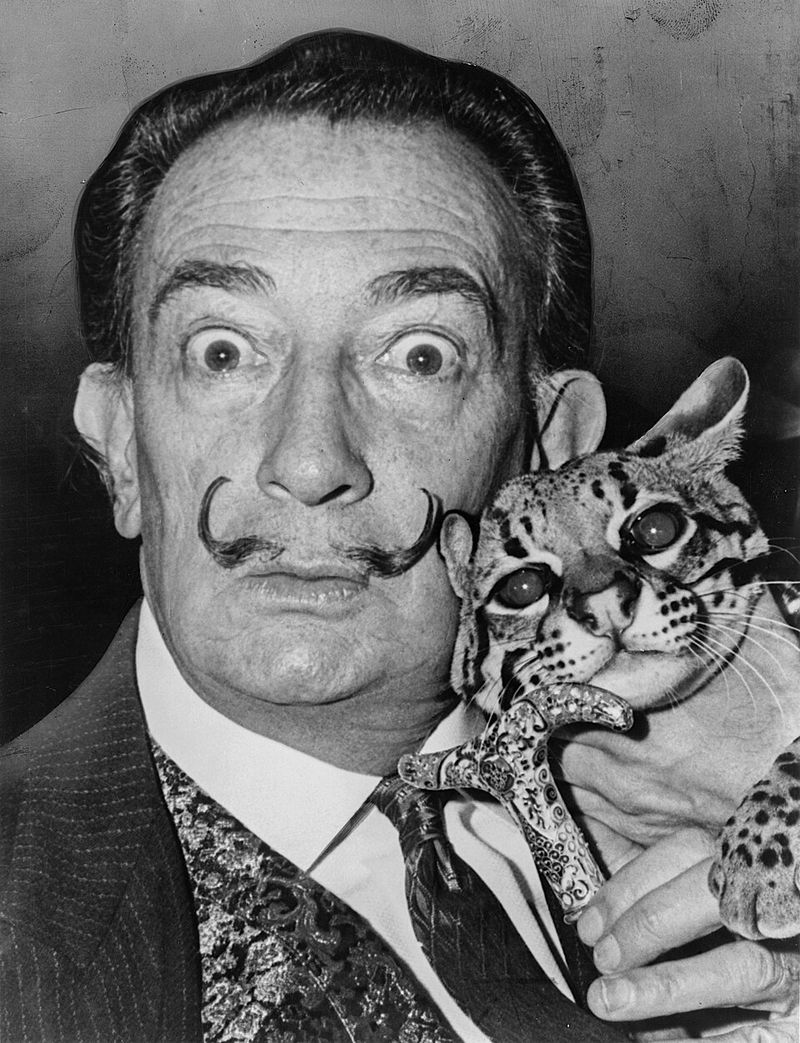
Salvador Dalí knew exactly how to make an entrance, and his name was just the beginning. Born in Figueres, Spain, in 1904, Dalí grew up to become the most flamboyant figure in the Surrealist art movement, famous for paintings that looked like dreams melting in the afternoon sun.
The name Salvador means “savior” in Spanish, which Dalí embraced with characteristic theatricality. He once said, “Every morning upon awakening, I experience a supreme pleasure: that of being Salvador Dalí.” That quote tells you everything you need to know about how he felt about his own identity.
His mustache, his showmanship, and his eccentric behavior were all part of a carefully crafted persona that matched the boldness of his name. Dalí understood that an artist’s image is part of the art itself.
His name has become synonymous with creative genius mixed with delightful, unapologetic strangeness.
6. Nikola Tesla
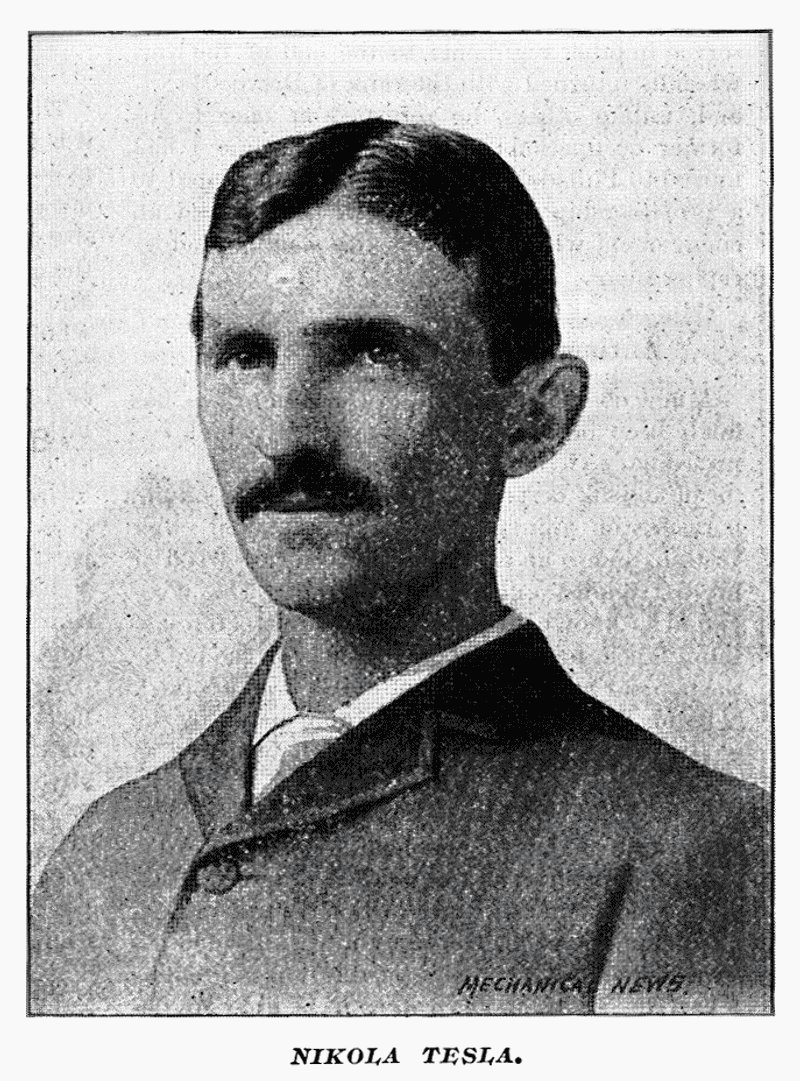
Nikola Tesla sounds like the name of a superhero, and honestly, that is not far off from the truth. Born in 1856 in what is now Serbia, Tesla was an electrical engineer and inventor whose work changed the modern world in ways most people still do not fully appreciate.
He developed alternating current (AC) electrical systems, contributed to the creation of radio technology, and dreamed of wireless energy transmission for the entire planet. His rivalry with Thomas Edison is one of the most dramatic stories in the history of science, and Tesla often came out the more visionary of the two.
The electric car company Tesla, named in his honor, has introduced his name to a whole new generation. Nikola Tesla has a crisp, powerful sound that feels both futuristic and grounded.
It is the kind of name that belongs on a patent, a textbook, and a legend all at once.
7. Dante Alighieri
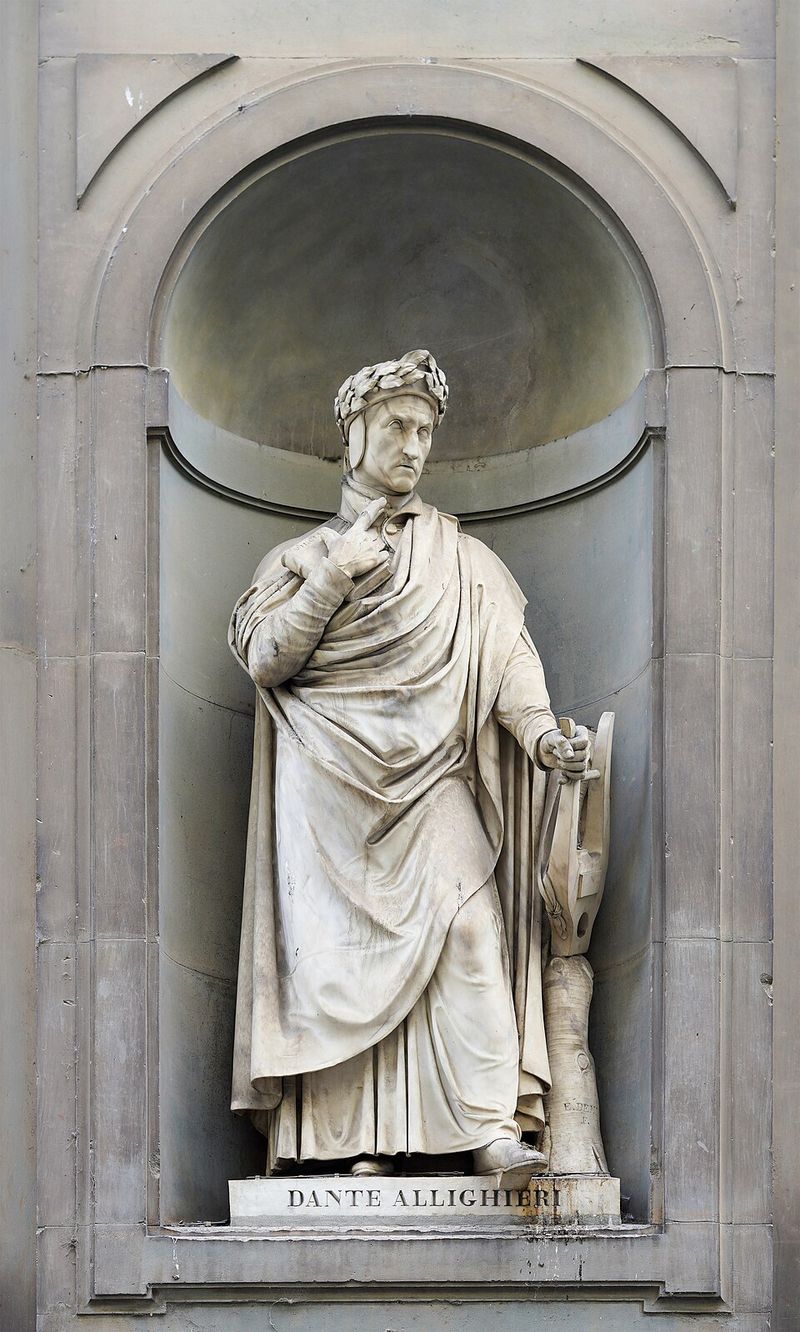
Dante Alighieri wrote one of the greatest literary works ever created, and his name carries that same weight. Born in Florence, Italy, around 1265, Dante produced “The Divine Comedy,” an epic poem that takes readers on a journey through Hell, Purgatory, and Heaven with vivid, unforgettable imagery.
The name Dante is a shortened form of Durante, meaning “enduring” in Italian. Given that his writing has survived over 700 years and is still read in classrooms today, the meaning feels almost prophetic.
Alighieri was the family surname, adding an elegant, rolling quality to the full name.
Dante is often referred to simply by his first name, the way people say Shakespeare or Michelangelo, which is a mark of true cultural status. His influence on the Italian language itself was so significant that he helped shape the version still spoken today.
Few writers have left a deeper mark.
8. Zelda Fitzgerald
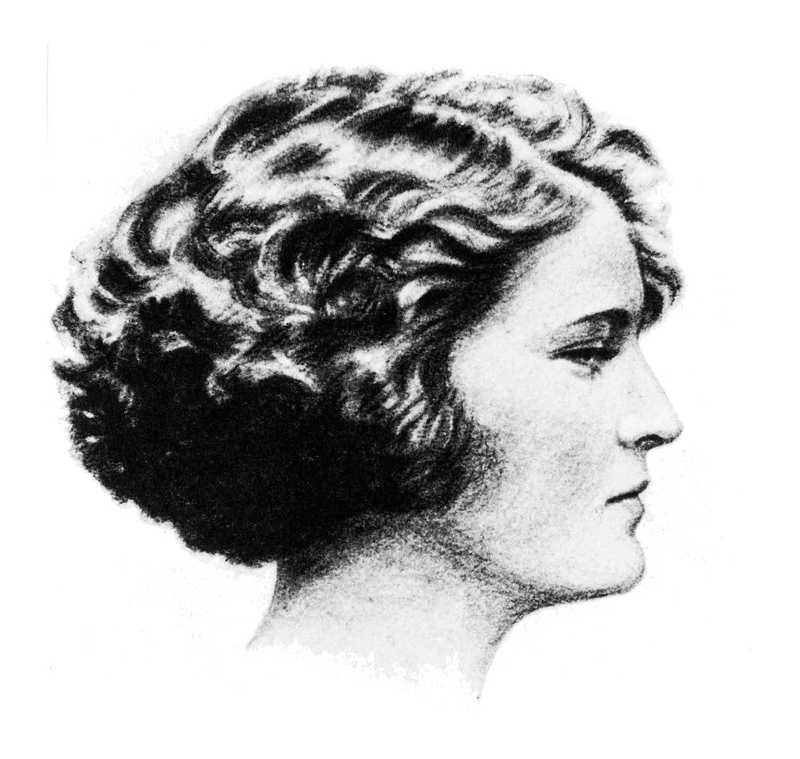
Zelda Fitzgerald was the original “it girl” of the Jazz Age, and her name sounds like it was invented specifically for that role. Born in Montgomery, Alabama, in 1900, Zelda Sayre married novelist F.
Scott Fitzgerald and became one of the most talked-about women of the 1920s.
Her name came from a Romani fortune-teller character in a 19th-century novel, which her mother admired. It was an unusual choice at the time, giving young Zelda a name that felt adventurous before she had even done anything adventurous.
She went on to live up to every bit of that energy.
Zelda was a writer, a painter, and a dancer in her own right, though history often reduced her to being “F. Scott Fitzgerald’s wife.” Her name later inspired the beloved video game character Princess Zelda.
Bold, creative, and a little mysterious, the name fits her perfectly.
9. Coco Chanel
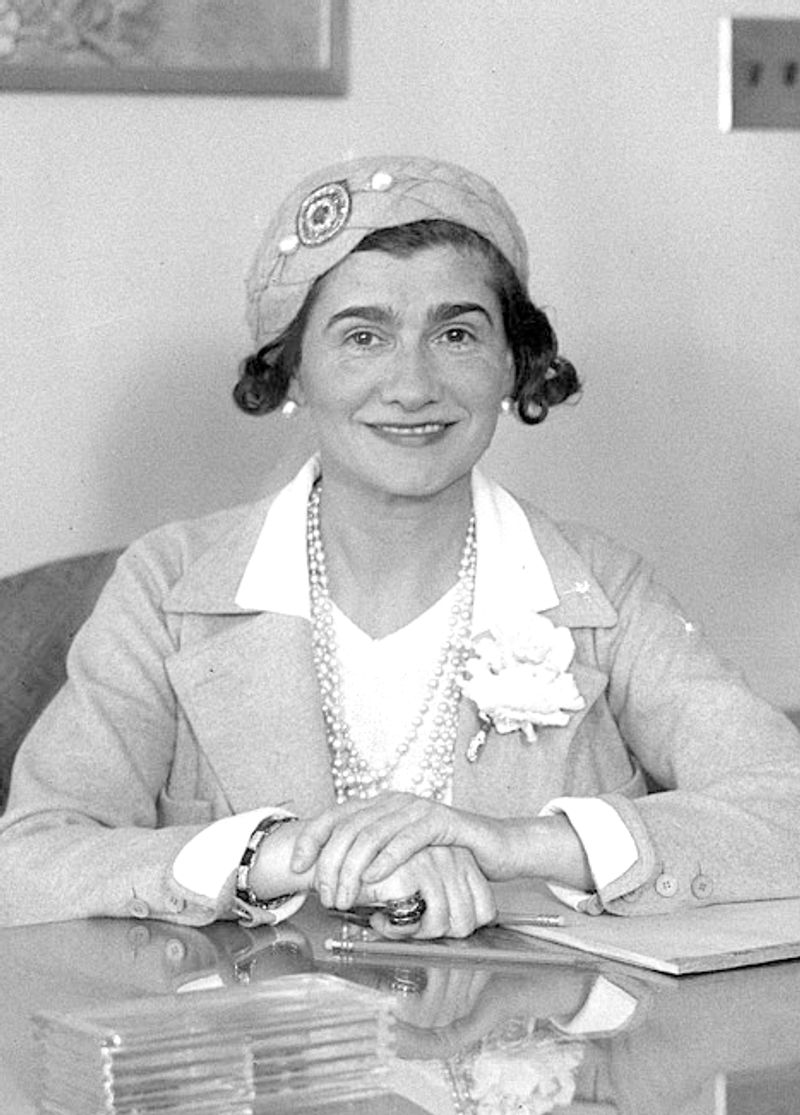
Coco Chanel turned a nickname into one of the most recognizable brand names on the planet. Born Gabrielle Bonheur Chanel in 1883 in Saumur, France, she reportedly picked up the nickname “Coco” during her early years as a cabaret singer.
The name stuck, and she never looked back.
There is something undeniably chic about the name Coco Chanel. It is short, punchy, and stylish, just like the fashion empire she built from almost nothing.
She revolutionized women’s fashion by introducing comfortable, practical clothing at a time when women were still wearing corsets and complicated layers.
Her designs, including the little black dress and the Chanel No. 5 perfume, became timeless symbols of elegance. The name Coco Chanel now represents an entire philosophy of style: simple, confident, and effortlessly refined.
It is a name that sounds like fashion itself decided to introduce itself.
10. Orson Welles
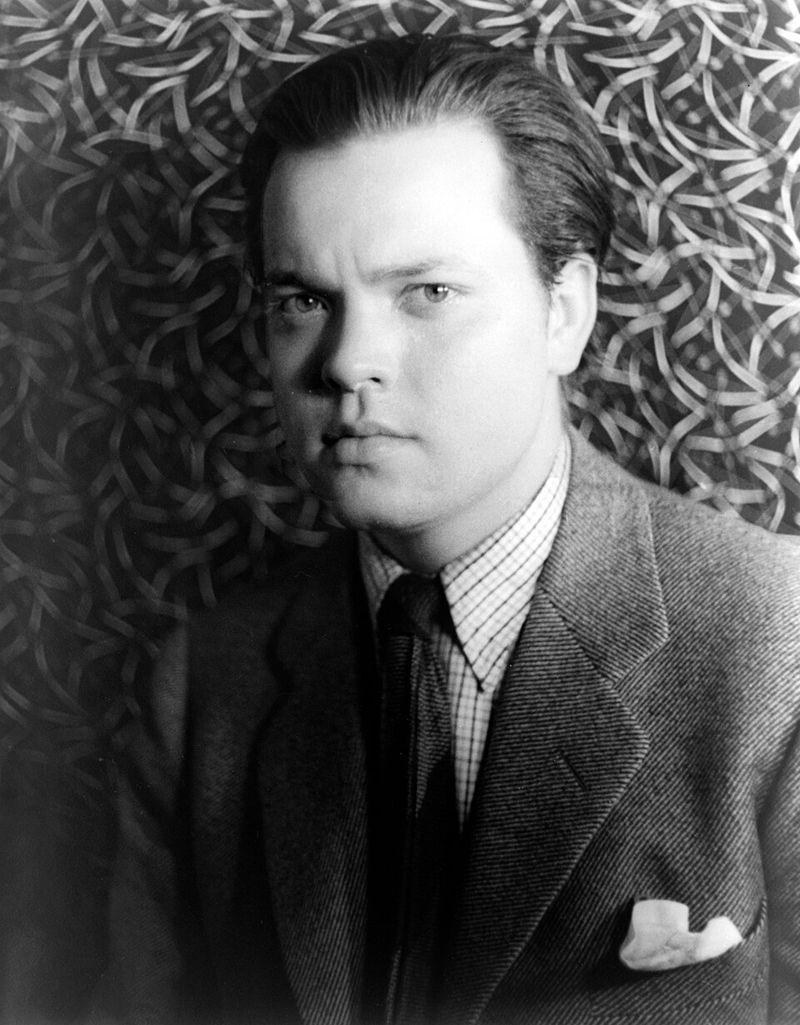
Orson Welles is a name that sounds like it belongs in a noir thriller, and that fits perfectly for a man who directed one of the greatest films ever made. Born George Orson Welles in Kenosha, Wisconsin, in 1915, he was a child prodigy in theater who went on to reshape American storytelling.
His 1938 radio broadcast of “The War of the Worlds” was so realistic that it reportedly caused widespread panic among listeners who believed a Martian invasion was actually happening. That kind of cultural impact before the age of 30 is almost unheard of.
His 1941 film “Citizen Kane” is still regularly listed as the greatest movie ever made by critics and filmmakers alike. The name Orson Welles carries a cinematic gravity that feels earned.
It is the name of someone who understood drama, spectacle, and storytelling better than almost anyone who ever lived.
11. Buster Keaton
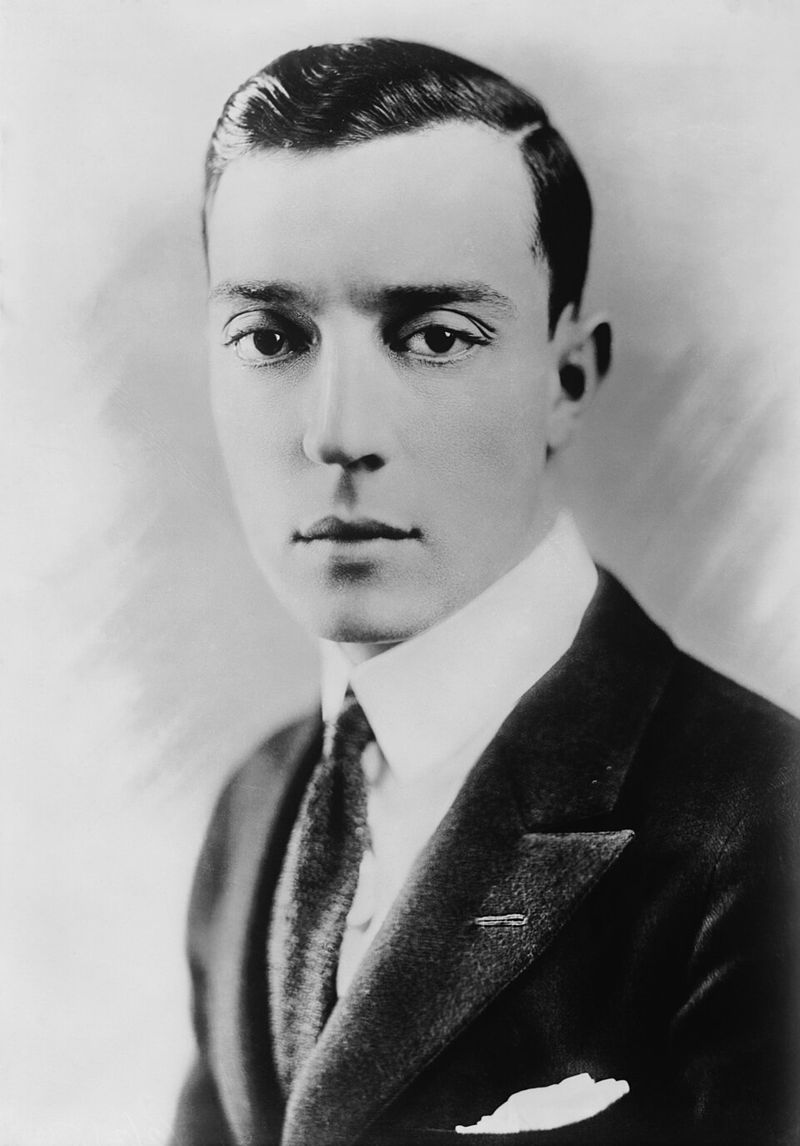
Nobody else in Hollywood history had a name quite like Buster Keaton. Born Joseph Frank Keaton VI in 1895, he reportedly got the nickname “Buster” from Harry Houdini himself, who watched the toddler tumble down a flight of stairs without crying and declared, “That kid’s a real buster.”
The name captures something essential about who he was: a performer who survived incredible physical stunts with a completely straight face. Keaton became one of the greatest silent film comedians of all time, known for elaborate action sequences he performed without stunt doubles or safety nets.
His expressionless face earned him the nickname “The Great Stone Face,” yet his films were packed with genuine emotion and breathtaking creativity. Buster Keaton sounds like a character from a comic book, which makes it all the more remarkable that the man behind the name was completely real and completely extraordinary.
12. Mata Hari
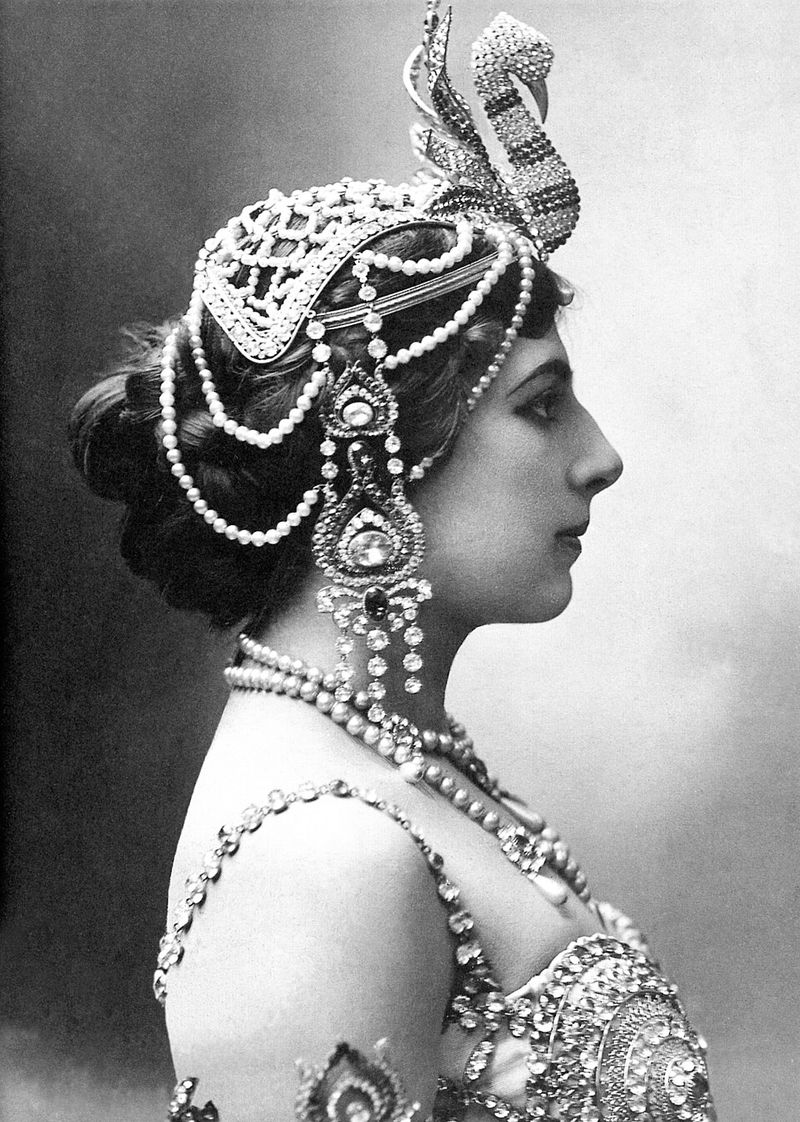
Mata Hari sounds like the name of a character from a spy novel, which is fitting because her life read exactly like one. Born Margaretha Geertruida Zelle in the Netherlands in 1876, she reinvented herself entirely when she moved to Paris and became an exotic dancer and performer.
She chose the stage name Mata Hari, which means “eye of the day” or “sun” in Malay. The name was part of an elaborate persona she created, presenting herself as a mysterious dancer from the East with mystical knowledge and alluring secrets.
Paris was completely captivated.
During World War I, she was accused of being a double spy, working for both Germany and France. She was arrested by French authorities and executed by firing squad in 1917.
Whether she was truly guilty remains debated by historians. The name Mata Hari has come to define the idea of the glamorous, dangerous spy ever since.
13. Hedy Lamarr
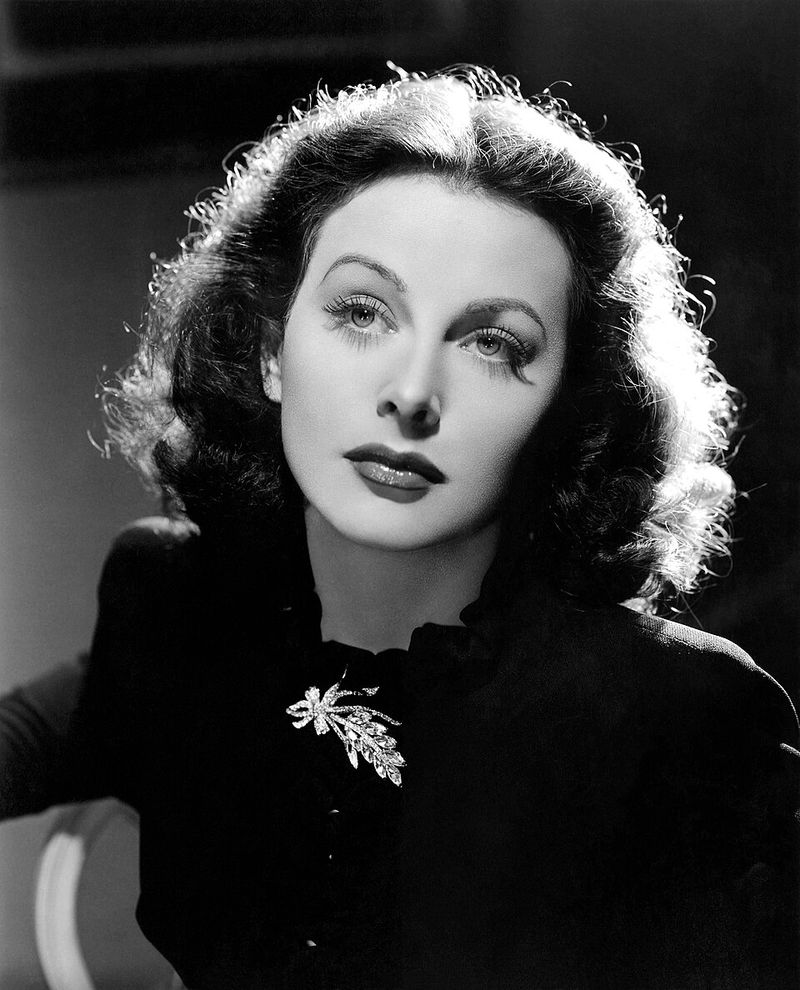
Hedy Lamarr was once called “the most beautiful woman in the world” by Hollywood studios, but that label barely scratched the surface of who she really was. Born Hedwig Eva Maria Kiesler in Vienna, Austria, in 1914, she became a major film star in the 1930s and 1940s after moving to the United States.
The name Hedy Lamarr was given to her by MGM studio head Louis B. Mayer, who named her after silent film star Barbara La Marr.
The new name had elegance and mystery, which matched her screen presence perfectly.
What most people do not know is that Lamarr was also a brilliant inventor. During World War II, she co-developed a radio guidance system using frequency-hopping technology that later became foundational to modern Wi-Fi and Bluetooth.
She was not just a beautiful face with a beautiful name. She was a genuine technological pioneer who history is only now beginning to fully credit.
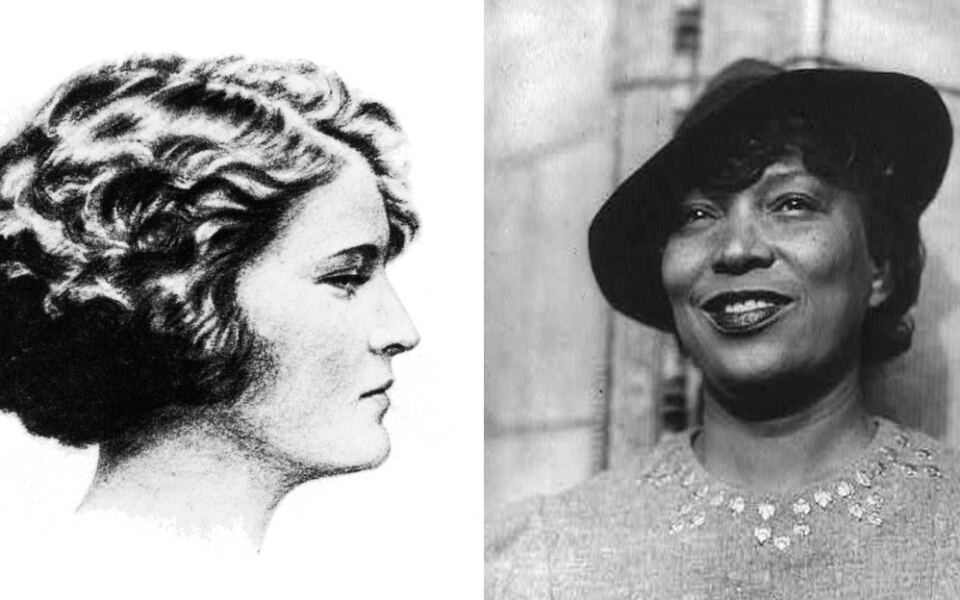
14. Zora Neale Hurston
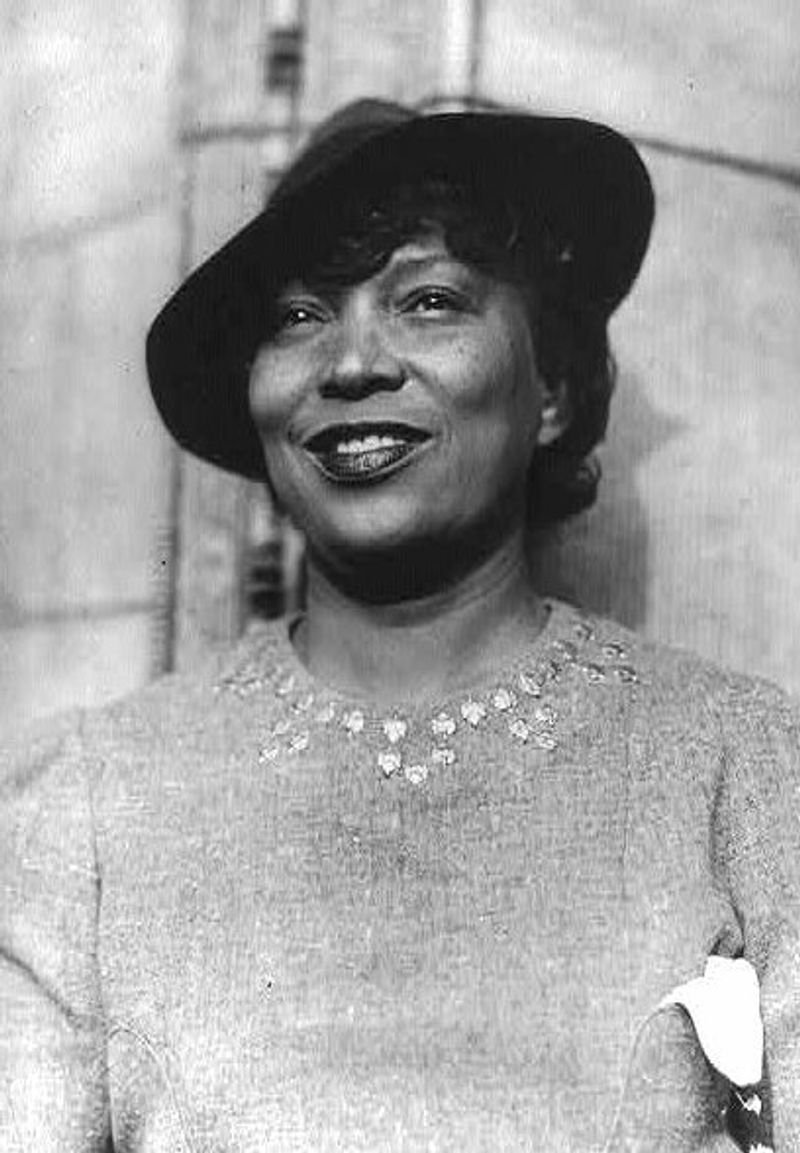
Zora Neale Hurston is a name that feels like poetry even before you read a single word she wrote. Born in Notasulga, Alabama, in 1891 and raised in Eatonville, Florida, one of the first all-Black incorporated towns in the United States, Hurston grew up surrounded by rich storytelling traditions that would shape her entire career.
She became a central figure of the Harlem Renaissance, writing novels, short stories, and anthropological studies that celebrated African American culture with honesty and pride at a time when that was a radical act. Her most celebrated novel, “Their Eyes Were Watching God,” published in 1937, is now considered an American literary classic.
Hurston spent years in relative obscurity before writer Alice Walker helped bring her work back to public attention in the 1970s. The name Zora Neale Hurston now carries the full weight of her legacy: vibrant, original, and deeply rooted in the power of human storytelling.
15. Max Planck
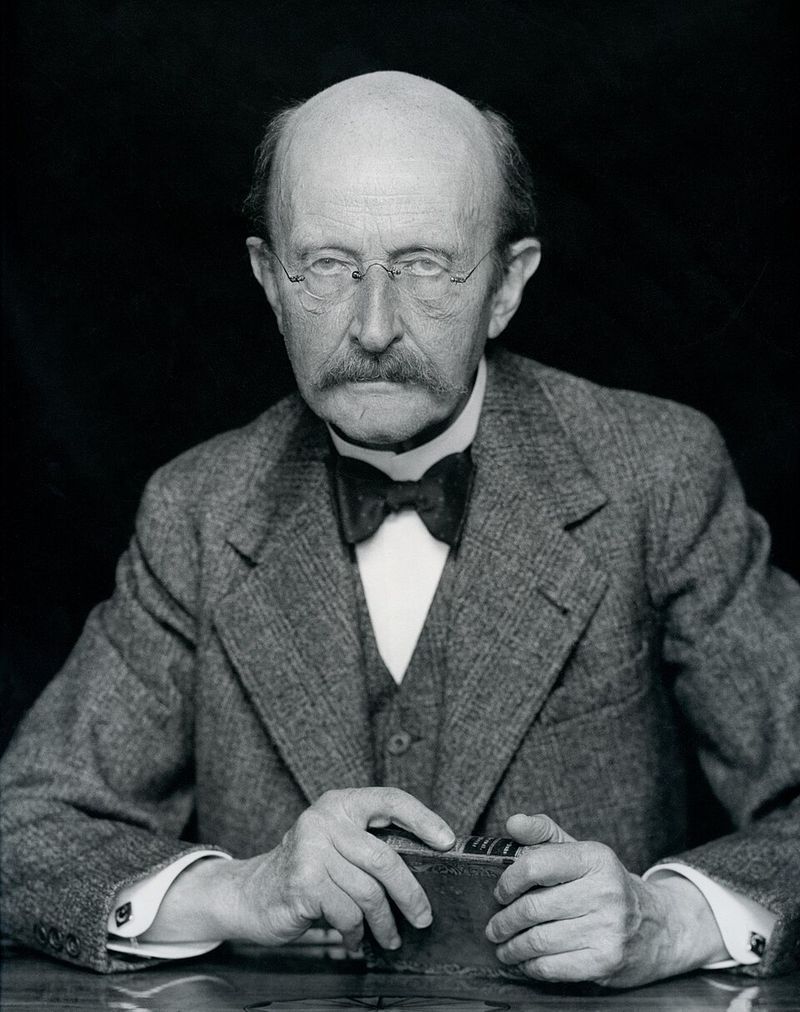
Max Planck is a name that sounds clean, precise, and serious, which is a perfect match for the man who launched the field of quantum physics. Born in Kiel, Germany, in 1858, Planck came from a family of scholars and went on to become one of the most important scientists in modern history.
In 1900, he proposed that energy is not released in a continuous flow but rather in small, discrete packets he called “quanta.” That single idea cracked open a new era of physics and earned him the Nobel Prize in 1918. Albert Einstein himself built on Planck’s foundational work.
The name Max Planck has a satisfying simplicity to it. Two short words that carry enormous scientific weight.
Today, the Max Planck Society in Germany runs dozens of research institutes in his honor. His name stands as a reminder that the most world-changing ideas often come quietly, from someone you might not expect.
Share this story